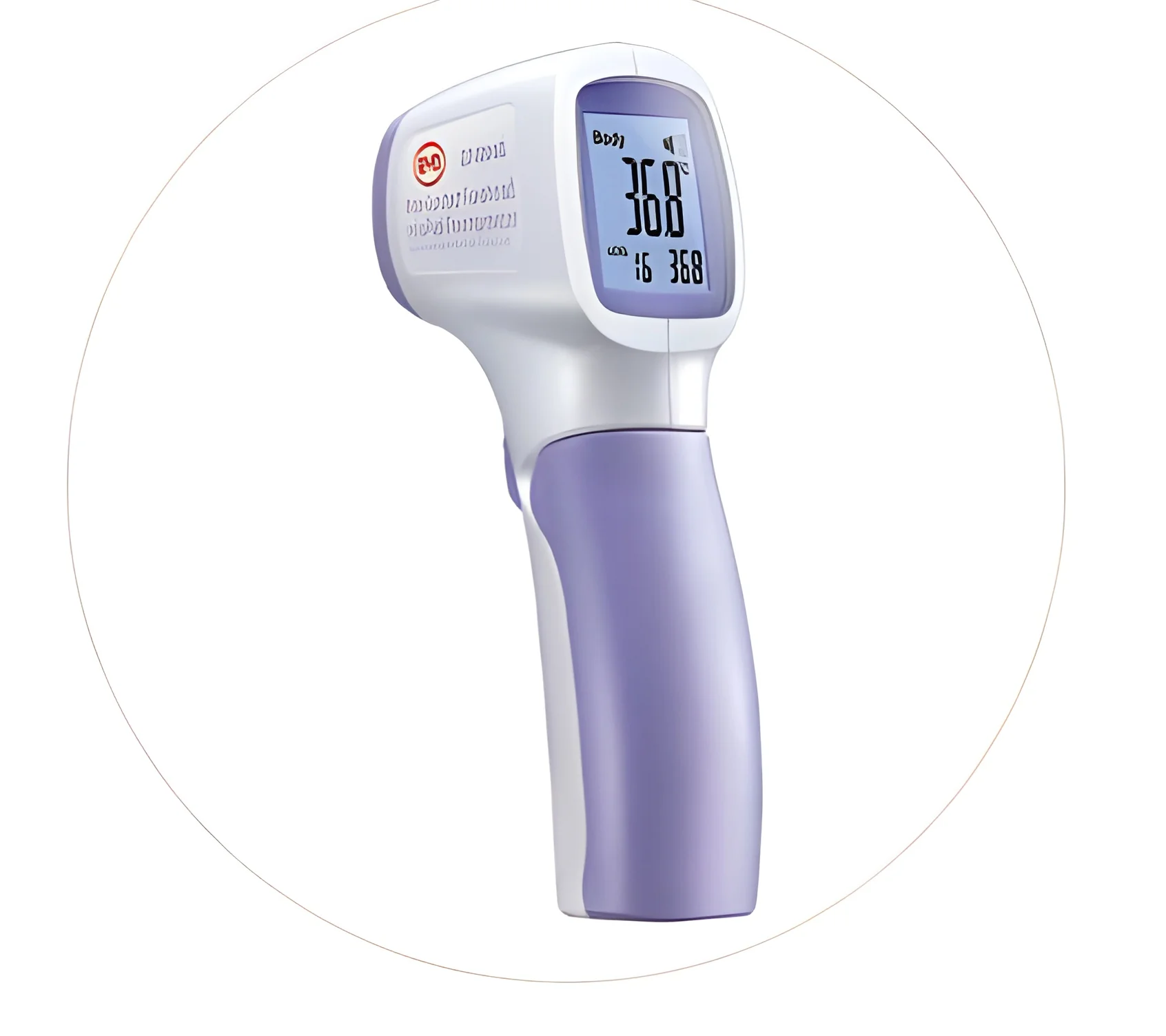
What are Infrared Thermometers?
Infrared thermometers are non-contact temperature measurement devices that detect thermal radiation emitted by objects. They work by using infrared sensors to measure the temperature from a distance without requiring direct contact with the surface. This capability makes them highly effective for applications where traditional thermometers may not be practical, such as in moving machinery or hazardous environments.
These devices are widely utilized in various sectors including manufacturing, food processing, and healthcare. In industrial settings, they help monitor equipment temperatures, ensuring operational efficiency and safety. In food service, they are employed to verify food safety by ensuring that items are stored and cooked at appropriate temperatures. The ability to measure temperature quickly and accurately is crucial across these industries, driving the demand for high-quality infrared thermometers in the market.
Key Features and Specifications
Infrared thermometers offer a range of features that cater to various applications across industries. These features are essential for ensuring accuracy, reliability, and ease of use in temperature measurements.
Key specifications include:
1. Temperature Range
- This specification indicates the minimum and maximum temperatures the thermometer can measure.
- Typical ranges can vary but may commonly start from -50°C to 550°C.
2. Response Time
- This refers to how quickly the thermometer can provide a temperature reading.
- Fast response times enhance efficiency, usually within one second.
3. Emissivity Settings
- Emissivity refers to the ability of a surface to emit infrared energy.
- Adjustable emissivity settings allow for accurate measurements across different materials.
4. Measurement Accuracy
- Indicates how close the reading is to the actual temperature.
- Common accuracy levels are within ±1°C or ±1%.
5. Display Type
- Some thermometers feature LCD displays that show measurements clearly.
- Backlit displays enhance visibility in low-light conditions.
6. Laser Targeting
- Many infrared thermometers include a laser pointer to help users aim accurately at the target.
- This feature is particularly useful for precise measurements in large or crowded areas.
7. Auto Shut-Off
- This energy-saving feature turns off the device after a period of inactivity.
- It helps prolong battery life.
8. Battery Type
- Infrared thermometers generally use standard batteries, such as AA or AAA, for easy replacement.
- Battery life can vary, often lasting several hours of continuous use.
In summary, infrared thermometers are equipped with vital features that enhance their performance and usability, making them ideal for a wide array of applications.
Common Applications and Use Cases
Infrared thermometers serve a multitude of industries, providing essential temperature measurement solutions.
1. Manufacturing: In manufacturing plants, infrared thermometers help monitor the temperature of machinery and equipment. This prevents overheating and ensures optimal performance during production processes.
2. Food Processing: In the food industry, these thermometers are critical for ensuring food safety. They are used to check cooking temperatures and verify that food storage conditions meet health regulations.
3. Healthcare: Medical professionals use infrared thermometers for quick and non-invasive temperature checks in patients. They are especially useful in screening for fevers in clinics and hospitals.
4. Automotive: In automotive applications, infrared thermometers assess engine temperatures and check for overheating components during maintenance.
5. HVAC: In heating, ventilation, and air conditioning systems, these devices help monitor duct temperatures and ensure efficient operation.
6. Electrical: Electrical technicians utilize infrared thermometers to detect overheating in electrical circuits and components, preventing potential failures.
7. Agriculture: Farmers and agricultural professionals use infrared thermometers to monitor plant and soil temperatures, optimizing growing conditions.
Product Variants and Subcategories
Infrared thermometers come in various types tailored for specific needs and environments.
Professional Infrared Thermometers
These models are designed for industrial and professional use, featuring advanced features such as adjustable emissivity and more extensive temperature ranges. They are ideal for applications requiring precise measurements in manufacturing and electrical maintenance.
Pocket Infrared Thermometers
Compact and portable, these thermometers are easy to carry and are suitable for quick measurements in various settings. They are commonly used in food service and by technicians needing a lightweight tool for on-the-go assessments.
Laser Thermometers
Equipped with laser pointers, these devices allow users to aim accurately at targets from a distance. They are particularly beneficial in large areas where precise targeting is essential, such as in HVAC applications.
Benefits and Advantages
Infrared thermometers offer numerous advantages that enhance their usability in various industries.
1. Non-Contact Measurement: This feature allows for safe temperature readings from a distance, minimizing risks in hazardous environments.
2. Quick Response: Infrared thermometers provide immediate readings, which is crucial for applications requiring rapid assessments, such as in food safety and medical settings.
3. Versatility: They can measure temperatures across various materials and surfaces, making them suitable for different applications in diverse industries.
4. Improved Safety: By measuring temperatures without direct contact, they help prevent burns or contamination, enhancing workplace safety.
5. Cost-Effective: Infrared thermometers often require minimal maintenance and offer long-term use, making them a cost-effective investment for businesses.
6. Ease of Use: Most models feature simple interfaces and clear displays, allowing users to operate them with minimal training.
Buying Guide for B2B Buyers
When sourcing infrared thermometers, several factors should be considered to ensure the right choice for your needs.
1. Quality Assessment: Look for thermometers that meet industry standards and have reliable performance. Check for user reviews and product ratings to gauge quality.
2. Supplier Verification: Verify the credentials and reputation of suppliers. Ensure they have a track record of delivering quality products and customer support.
3. Pricing and MOQ: Understand the pricing structure and minimum order quantities for bulk purchases. Compare costs among different suppliers to ensure competitive pricing.
4. Delivery and Lead Times: Consider logistics, including shipping options and lead times for delivery. Ensure that the supplier can meet your time constraints.
5. Compliance Requirements: Be aware of any regulatory standards that apply to your industry. Ensure that the products you source comply with necessary certifications and safety standards.
Compliance and Certifications
Infrared thermometers must adhere to various quality standards and certifications to ensure safety and reliability.
ISO 9001 is a widely recognized standard that ensures consistent quality management systems among manufacturers. Compliance with this standard indicates that the product is manufactured under strict quality controls.
CE certification is also essential, particularly in the European market, as it signifies that the product meets EU safety, health, and environmental protection requirements.
Safety and testing requirements are critical to ensuring that infrared thermometers provide accurate and reliable measurements. Manufacturers should conduct rigorous testing to validate performance.
Regional compliance considerations may vary depending on the market. It's essential to understand local regulations that apply to the use and sale of infrared thermometers in your area.
Why Source Infrared Thermometers from Pepagora?
Pepagora offers a reliable platform for sourcing infrared thermometers, providing several key advantages for buyers.
Verified Supplier Network: Pepagora connects buyers with a network of verified suppliers. This ensures that you are sourcing from reputable manufacturers who adhere to quality standards.
Streamlined RFQ Process: The request for quotation process at Pepagora is designed to be efficient and user-friendly. This allows buyers to obtain competitive quotes quickly and easily.
Trade Assurance and Support: Buyers can benefit from trade assurance programs that protect their purchases, ensuring that they receive the products as advertised and in good condition.
Regional Coverage: Pepagora serves a wide geographic area, including India, GCC, and Southeast Asia. This broad reach allows buyers to access a diverse range of products and suppliers tailored to their regional needs.

 IN
IN