
 IN
Nebulizers (Piston, Mesh, Ultrasonic)
1 products available
Key Features and Specifications
Nebulizers come equipped with various features that enhance their performance and usability. Understanding these specifications is crucial for businesses looking to invest in these devices.
Key specifications include:
1. Type of Nebulizer
- Piston nebulizers use a compressor to generate airflow.
- Mesh nebulizers utilize a vibrating mesh to create aerosol.
- Ultrasonic nebulizers employ ultrasonic waves for nebulization.
2. Medication Capacity
- Typical capacities range from 2 ml to 10 ml.
- Larger capacities are beneficial for prolonged treatments.
3. Particle Size
- Effective particle size typically ranges from 1 to 5 microns.
- Smaller particles can reach deeper into the lungs.
4. Flow Rate
- Flow rates can range from 0.1 to 0.5 ml/min.
- Higher flow rates reduce treatment time.
5. Power Supply
- Most nebulizers operate on AC power, while portable models may use batteries.
- Battery-operated models offer convenience for travel.
6. Noise Level
- Noise levels vary, with quieter models being more suitable for home use.
- Typical noise levels range from 30 to 60 decibels.
7. Size and Weight
- Compact designs are ideal for portability.
- Weights typically range from 0.5 to 2 kg.
In summary, the selection of nebulizers should be based on specific features that align with patient needs and treatment protocols.
Common Applications and Use Cases
Nebulizers serve a variety of industries and applications, making them versatile tools in healthcare.
1. Healthcare Facilities: In hospitals and clinics, nebulizers are used to administer medication to patients suffering from acute respiratory conditions. They are crucial in emergency situations where swift medication delivery is needed.
2. Home Healthcare: Many patients use nebulizers at home for chronic conditions like asthma or COPD. This allows for convenient and effective self-management of their respiratory health.
3. Veterinary Medicine: Nebulizers are also used in veterinary practices to treat respiratory conditions in animals, providing critical care for pets and livestock.
4. Sports Medicine: Athletes with asthma or exercise-induced bronchoconstriction may use nebulizers for quick relief during training or competitions.
5. Rehabilitation Centers: Facilities focused on pulmonary rehabilitation utilize nebulizers for therapy, helping patients improve lung function and overall health.
Product Variants and Subcategories
Nebulizers come in various forms to meet different medical needs.
Piston Nebulizers: These are commonly used in clinical settings due to their durability and efficiency. They generate a steady airflow, making them suitable for larger medication volumes.
Mesh Nebulizers: Known for their portability and quiet operation, mesh nebulizers are ideal for home use. They provide efficient medication delivery and are easy to clean.
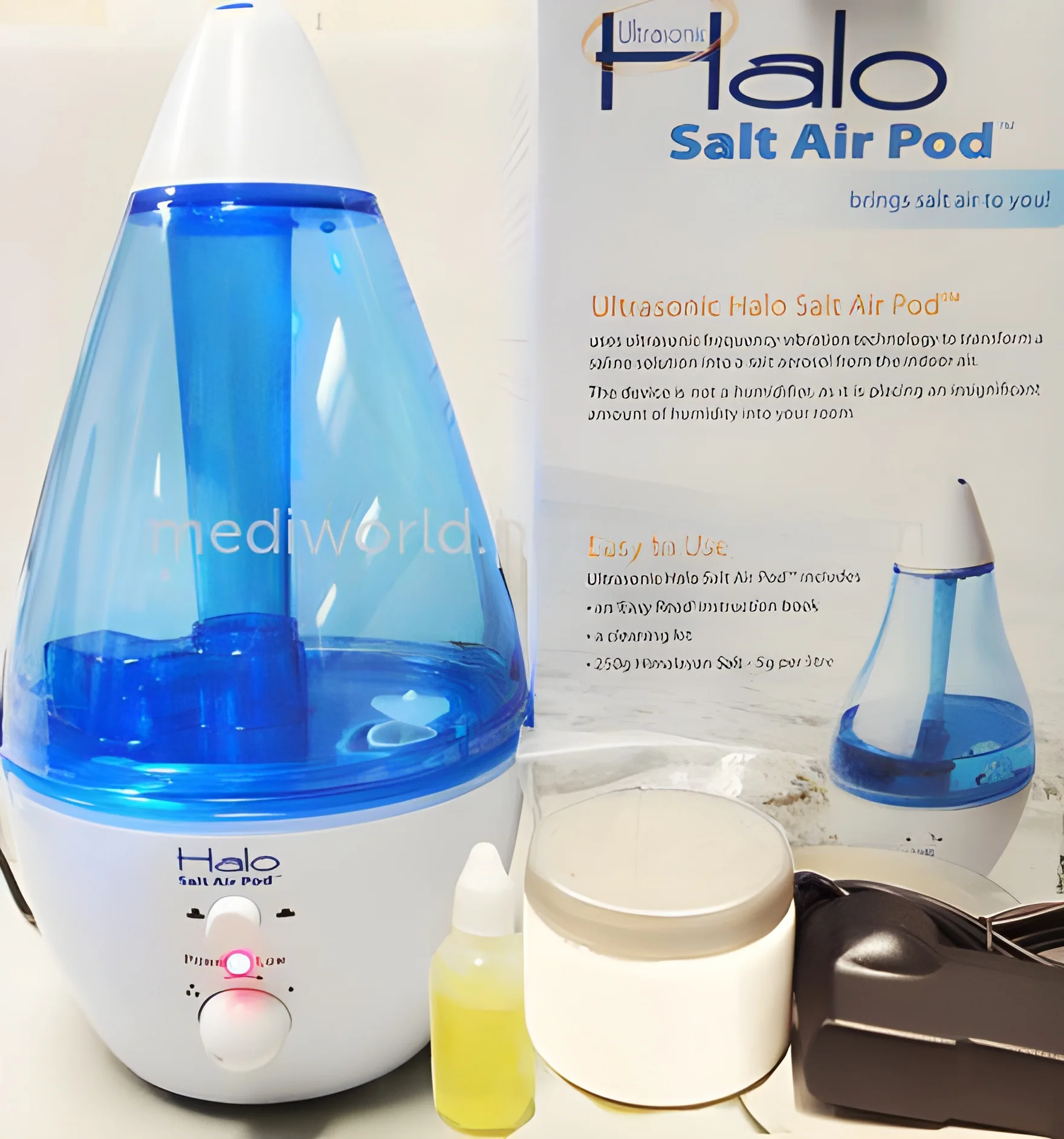
Ultrasonic Nebulizers: These devices are often used in specialized treatments. They can provide finer aerosol particles, making them effective for deep lung penetration.
Benefits and Advantages
The use of nebulizers offers numerous benefits to patients and healthcare providers.
1. Efficient Medication Delivery: Nebulizers allow for precise dosing of medications, improving treatment efficacy.
2. Easy to Use: Most nebulizers are user-friendly, making them suitable for patients of all ages, including children and the elderly.
3. Versatility: They can deliver a wide range of medications, including bronchodilators, corticosteroids, and antibiotics.
4. Enhanced Patient Comfort: Nebulization is a non-invasive method of medication delivery, which can be less distressing than other forms.
5. Improved Treatment Compliance: The simplicity and convenience of nebulizers encourage regular use, leading to better patient outcomes.
6. Portability: Many nebulizers are designed for easy transport, allowing patients to maintain their treatment schedule while on the move.
Buying Guide for B2B Buyers
When sourcing nebulizers, it is essential for B2B buyers to consider several key factors to ensure they make informed purchasing decisions.
1. Quality Assessment: Look for products that meet industry standards and have undergone rigorous quality checks. Evaluate the technology used and its reliability.
2. Supplier Verification: Research potential suppliers to ensure they are reputable and provide quality products. Request references and check for certifications.
3. Pricing and MOQ: Understand the cost implications, including unit price and minimum order quantities. Compare prices across different suppliers to find the best deal.
4. Delivery and Lead Times: Assess the supplier's logistics capabilities to ensure timely delivery. Confirm lead times to avoid disruptions in your supply chain.
5. Compliance Requirements: Ensure that the nebulizers comply with relevant healthcare regulations and certifications, such as UL and CE, to guarantee safety and efficacy.
Compliance and Certifications
Compliance with industry standards is crucial for nebulizers to ensure safety and effectiveness. Key quality standards include ISO 9001 for quality management systems, which assures consistent product quality.
Certifications such as UL and CE indicate that the nebulizers meet specific safety and performance criteria. These certifications are essential for gaining trust in the market and ensuring compliance with regional regulations.
Moreover, nebulizers must adhere to safety and testing requirements that vary by region. Understanding regional compliance considerations is vital for businesses operating in multiple markets to avoid legal issues and ensure patient safety.
Why Source Nebulizers (Piston, Mesh, Ultrasonic) from Pepagora?
Pepagora offers a trusted platform for sourcing nebulizers, providing several key advantages for B2B buyers.
Verified Supplier Network: Buyers can access a network of verified suppliers, ensuring that they engage with reputable manufacturers and distributors. This minimizes the risk of substandard products.
Streamlined RFQ Process: The request for quotation system simplifies the procurement process. Buyers can easily compare offers and make informed decisions based on pricing and specifications.
Trade Assurance and Support: Pepagora provides buyer protection through trade assurance policies, offering support in case of discrepancies or issues with orders.
Regional Coverage: The platform has a broad geographic reach, servicing regions including India, the GCC, and Southeast Asia. This enables buyers to source products locally or regionally, reducing shipping times and costs.

Frequently Asked Questions
What are Nebulizers (Piston, Mesh, Ultrasonic)?
Nebulizers are devices that convert liquid medication into a fine mist, allowing it to be inhaled directly into the lungs. They are commonly used for treating respiratory conditions such as asthma, COPD, and other lung disorders. There are three main types: piston, mesh, and ultrasonic nebulizers, each using different mechanisms to aerosolize the medication.
What are the different types of Nebulizers (Piston, Mesh, Ultrasonic)?
The three main types of nebulizers are piston, mesh, and ultrasonic. Piston nebulizers utilize a compressor to generate aerosol from medication, while mesh nebulizers use a vibrating mesh to create fine droplets. Ultrasonic nebulizers employ high-frequency sound waves to produce mist, making them quieter and typically more portable.
How do I choose the right Nebulizers (Piston, Mesh, Ultrasonic)?
When choosing a nebulizer, consider factors such as the type of medication prescribed, the severity of the condition, and the patient's age. Piston nebulizers are often more affordable, while mesh and ultrasonic nebulizers may offer faster delivery and quieter operation. It's also important to assess ease of use and maintenance.
What are the standard specifications for Nebulizers (Piston, Mesh, Ultrasonic)?
Standard specifications for nebulizers include nebulization rate, particle size output, compressor pressure for piston types, and battery life for portable models. Additionally, features like ease of cleaning, noise level, and size should also be considered. Each type may have unique specifications based on its operating mechanism.
What is the price range for Nebulizers (Piston, Mesh, Ultrasonic)?
The price range for nebulizers can vary significantly based on the type and brand. Piston nebulizers generally range from INR 1,500 to INR 5,000, while mesh and ultrasonic nebulizers can cost between INR 5,000 and INR 15,000 or more. Custom features and additional accessories can also affect pricing.
What quality standards apply to Nebulizers (Piston, Mesh, Ultrasonic)?
Nebulizers must comply with various quality standards to ensure safety and efficacy, such as ISO certification and CE marking. These standards ensure that devices meet specific safety, performance, and reliability criteria. Manufacturers should also adhere to good manufacturing practices (GMP) as per local regulations.
Where can I find Nebulizers (Piston, Mesh, Ultrasonic) suppliers in India?
You can find suppliers of nebulizers in India through B2B marketplaces like Pepagora.com, where manufacturers and distributors list their products. Additionally, trade shows and medical supply expos can provide opportunities to connect with reputable suppliers. Online directories and industry associations may also offer valuable contacts.
Can Nebulizers (Piston, Mesh, Ultrasonic) be customized?
Yes, nebulizers can be customized based on specific requirements, such as design modifications, branding, and packaging. Some manufacturers may offer tailored solutions for bulk orders or specific applications, particularly for hospitals and clinics. It’s advisable to discuss customization options directly with suppliers.
What is the typical minimum order quantity for Nebulizers (Piston, Mesh, Ultrasonic)?
The typical minimum order quantity (MOQ) for nebulizers can vary by manufacturer and type. Generally, MOQs range from 10 to 100 units for bulk orders, depending on the supplier's policies. Smaller quantities may be available for retail purchases but could come at a higher price per unit.
What is the typical lead time for Nebulizers (Piston, Mesh, Ultrasonic)?
The typical lead time for nebulizers can range from 1 to 4 weeks, depending on the supplier, order size, and customization requirements. Factors such as manufacturing capacity and shipping logistics can also influence delivery times. It's advisable to confirm lead times with the supplier when placing an order.
Why Businesses Trust Pepagora
Thousands of companies trust Pepagora to source smarter and sell faster
Expand Your Sales Globally

Source Smarter,Grow Faster
