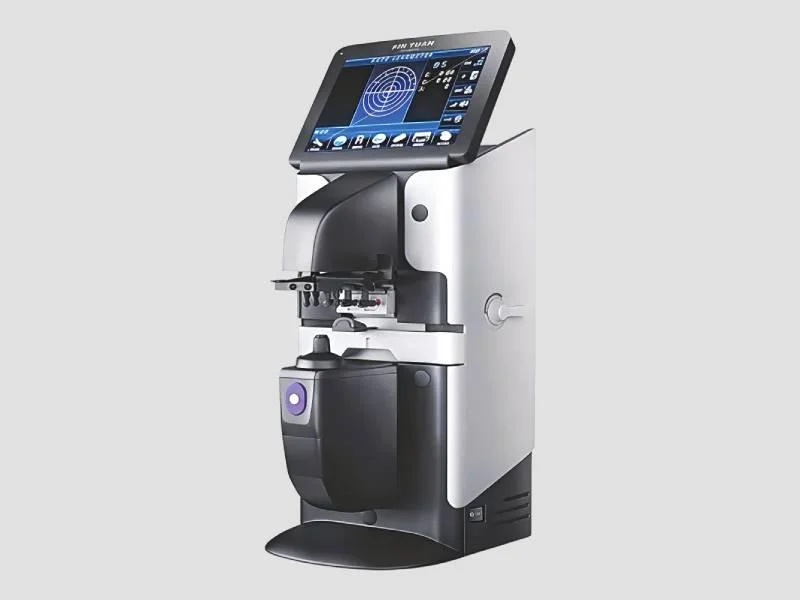
What are Vision Screening Devices?
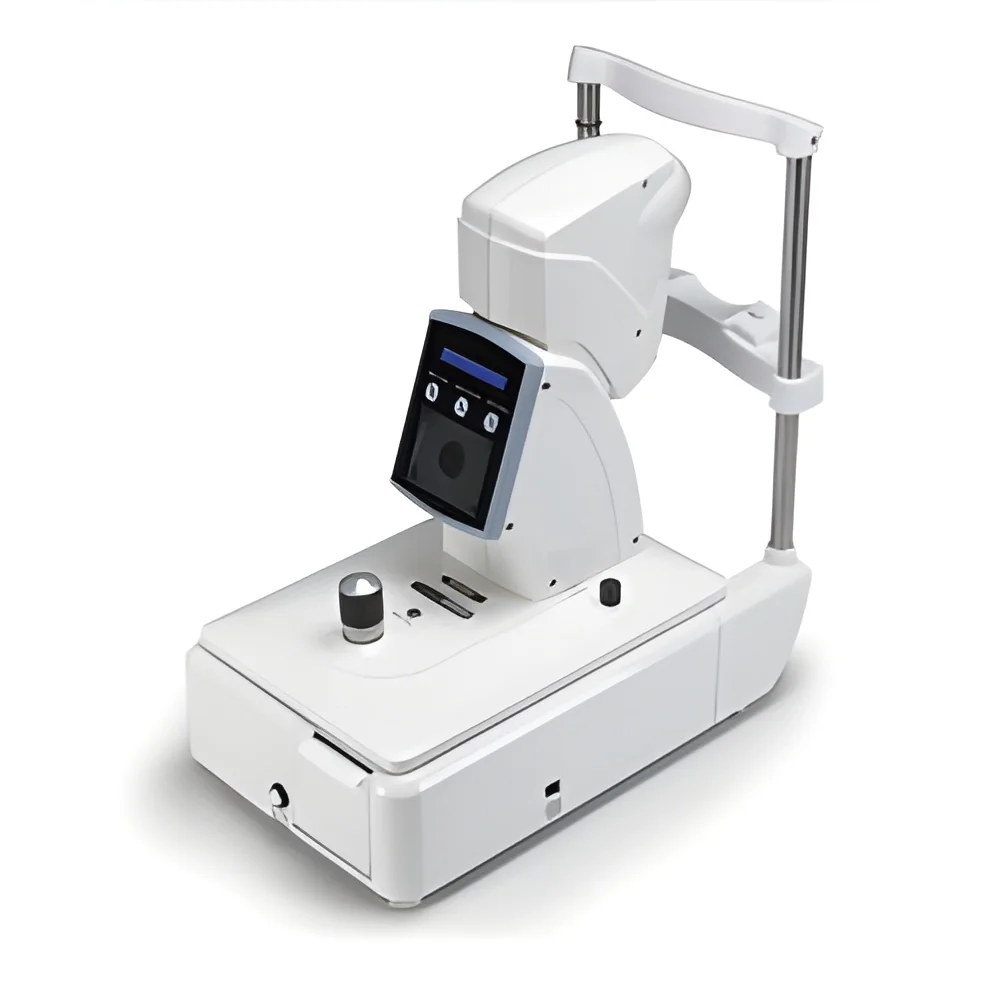
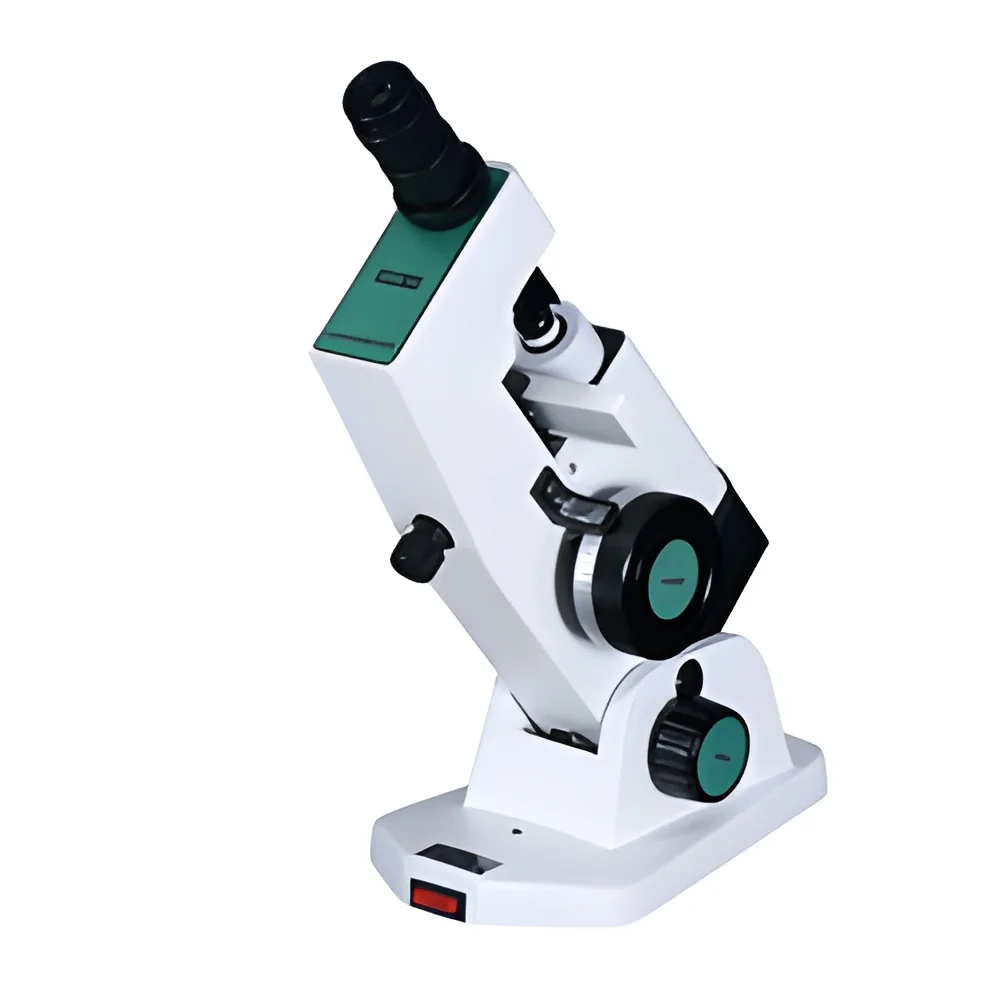
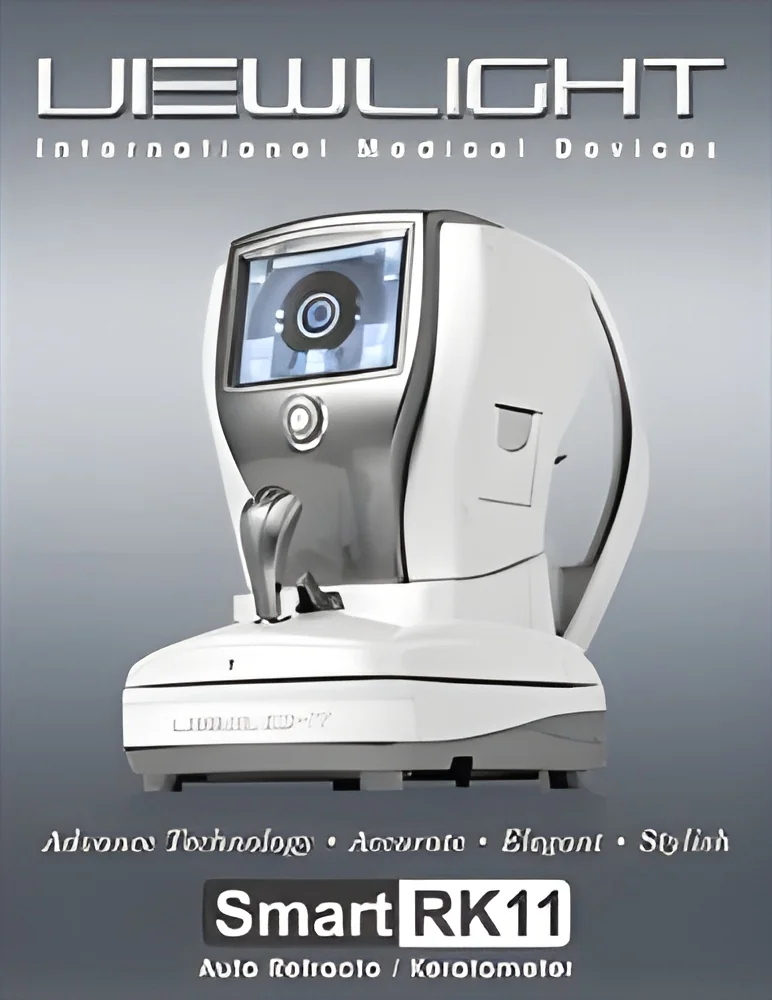
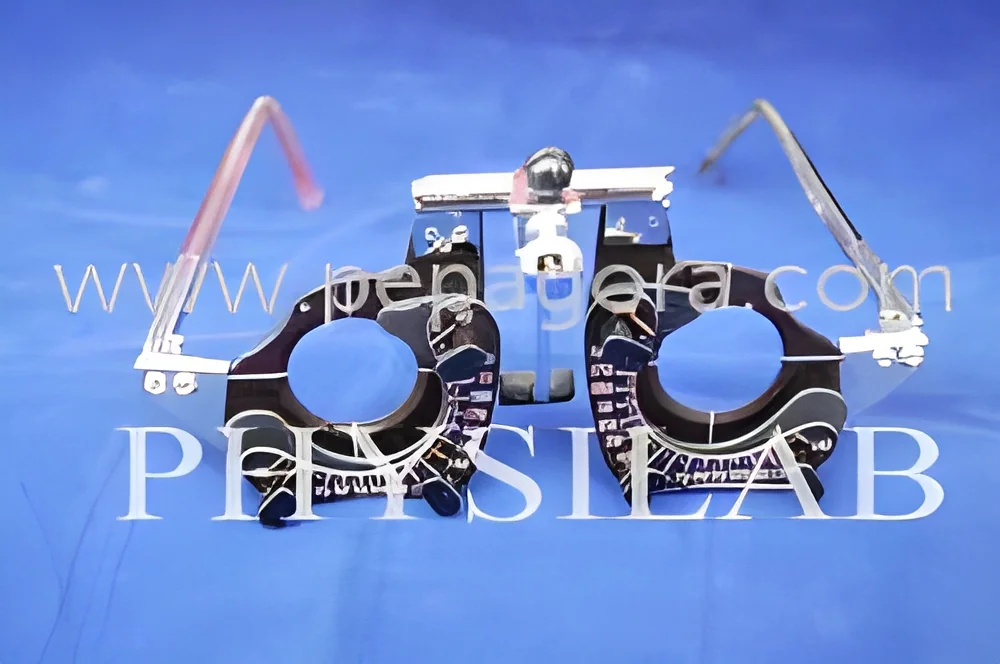
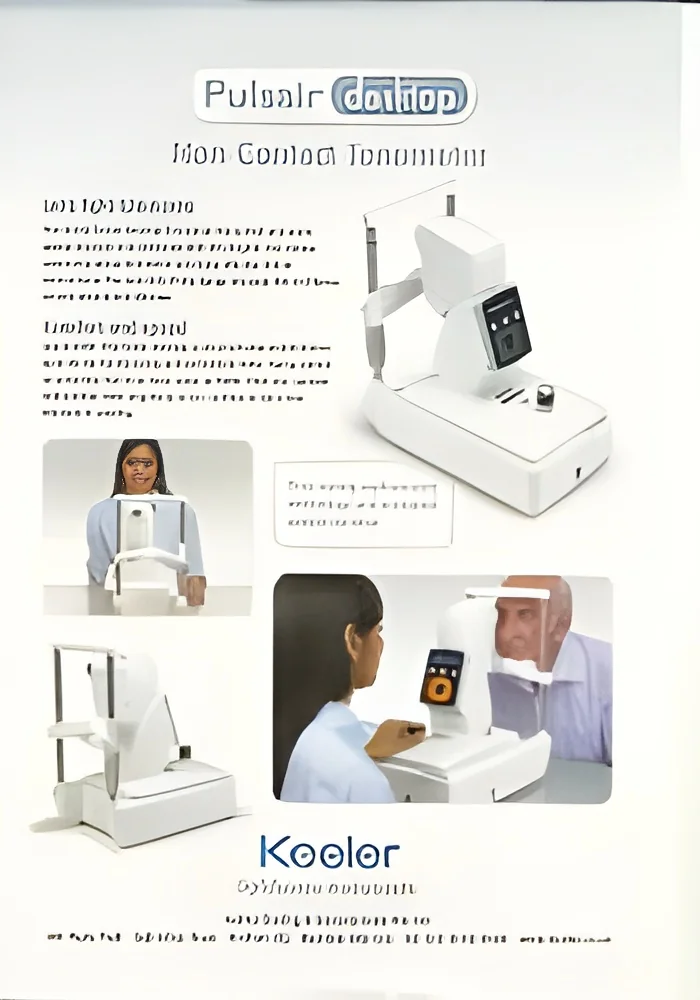
Vision screening devices are specialized tools designed to assess the visual acuity and overall eye health of individuals. These devices can range from simple handheld instruments to advanced automated systems, each tailored to detect a variety of vision problems. The primary purpose of these devices is to identify potential vision issues early, enabling timely intervention and treatment.
In business applications, vision screening devices are commonly used in healthcare settings, educational institutions, and corporate environments. They serve to ensure that employees, students, and patients receive appropriate eye care. Industries such as optometry, ophthalmology, and occupational health rely heavily on these devices to maintain visual standards and compliance with regulations. As awareness of eye health grows, the demand for effective vision screening solutions continues to expand in the market.
Key Features and Specifications
Vision screening devices come equipped with various features that enhance their usability and effectiveness. These features are crucial for ensuring accurate assessments and easy operation.
Key specifications include:
1. Visual Acuity Measurement
- This specification indicates the device's ability to measure how well a person can see at various distances.
- Parameters typically range from 20/10 to 20/400 vision.
2. Automated Testing Capabilities
- Many devices offer automated testing to streamline the screening process and reduce human error.
- This feature may include software that analyzes results in real-time.
3. Portability
- Some vision screening devices are designed for easy transportation, allowing for use in various settings.
- Weight specifications often range from lightweight handheld units to portable tabletop models.
4. User Interface
- Intuitive interfaces facilitate ease of use for operators, enhancing the overall screening experience.
- Touchscreen systems are commonly employed for user-friendly navigation.
5. Data Management
- Devices may include software for storing and managing patient data and test results.
- Compatibility with electronic health records (EHR) is often a valued feature.
6. Age Range Suitability
- Different devices may be tailored for specific age groups, from children to adults.
- Specifications typically outline the appropriate age range for effective use.
7. Calibration and Maintenance
- Regular calibration ensures accuracy over time, and devices should come with guidelines for maintenance.
- Specifications often include recommended calibration intervals.
8. Power Source
- Some devices operate on batteries, while others may require a direct power source.
- Battery life specifications are important for portable units.
In summary, the key specifications of vision screening devices focus on enhancing accuracy, usability, and data management, making them indispensable tools in various settings.
Common Applications and Use Cases
Vision screening devices have a wide range of applications across multiple industries.
1. Healthcare: In hospitals and clinics, these devices are used to screen patients for vision impairments, ensuring timely referrals to specialists.
2. Education: Schools utilize vision screening devices to assess students' vision as part of routine health checks, promoting early detection of issues that could affect learning.
3. Corporate Health: Many businesses implement vision screening programs to ensure employee eye health, which can enhance productivity and reduce workplace accidents.
4. Sports Organizations: Athletic programs use these devices to evaluate athletes' vision, ensuring that performance is not hindered by undetected vision problems.
5. Senior Care Facilities: In nursing homes and assisted living facilities, regular vision screenings are critical to maintaining the quality of life for residents.
6. Occupational Health Services: Companies offering occupational health services employ vision screening devices to meet regulatory compliance and ensure worker safety.
7. Community Health Initiatives: Nonprofit organizations often use screening devices in community outreach programs to provide vision checks to underserved populations.
Product Variants and Subcategories
Vision screening devices come in various types, each designed to meet specific needs. The diversity in product variants allows for tailored solutions in different settings.
Portable Vision Screeners
These compact devices are designed for mobile use, allowing healthcare professionals to conduct screenings in various locations, such as schools and community events. Their lightweight design and battery operation make them ideal for outreach programs.
Digital Vision Testers
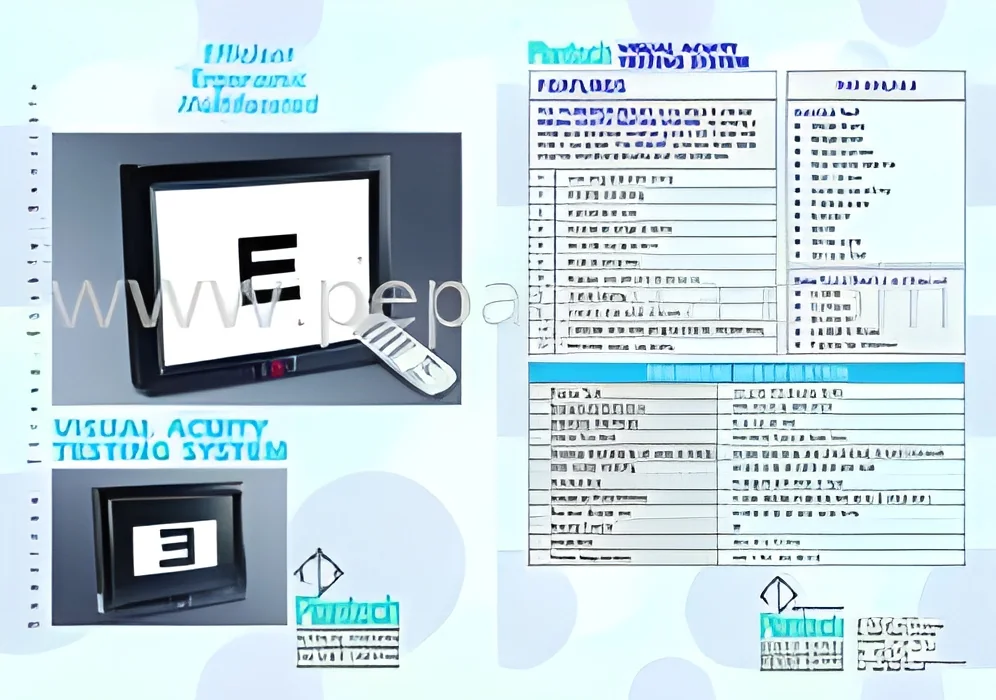
Digital testers provide a modern approach to vision screening, using advanced technology to deliver precise measurements and immediate feedback. These devices often feature automated processes that reduce human error and enhance efficiency.
Handheld Vision Screeners
Handheld options are popular among practitioners for their ease of use and portability. They are particularly suited for quick screenings in clinical environments or on-the-go assessments.
Benefits and Advantages
Vision screening devices offer several advantages that make them essential tools in various industries.
1. Early Detection: These devices facilitate the early identification of vision problems, allowing for timely treatment and management.
2. Increased Efficiency: Automated features reduce the time required for screenings, enabling healthcare providers to serve more patients effectively.
3. Improved Accuracy: Advanced technology enhances measurement precision, leading to more reliable results.
4. Cost-Effective: Regular vision screenings can prevent more severe eye conditions, saving on potential medical costs in the long run.
5. Compliance Assurance: Utilizing these devices helps organizations meet regulatory requirements related to eye health and safety.
6. Enhanced Patient Satisfaction: Quick and accurate screenings contribute to a better overall patient experience, fostering trust and satisfaction.
Buying Guide for B2B Buyers
When sourcing vision screening devices, it is essential for B2B buyers to consider several key factors.
1. Quality Assessment: It is crucial to evaluate the quality of the devices based on manufacturer reputation, user reviews, and compliance with industry standards.
2. Supplier Verification: Buyers should thoroughly vet suppliers to ensure they are reputable and provide reliable products. This may include checking certifications and references.
3. Pricing and MOQ: Understanding the pricing structure and minimum order quantities (MOQ) is vital for budgeting and procurement planning.
4. Delivery and Lead Times: Buyers should inquire about delivery schedules and lead times to plan adequately for inventory management and project timelines.
5. Compliance Requirements: Familiarity with relevant regulatory standards and certifications ensures that the devices meet necessary compliance for safety and efficacy.
Compliance and Certifications
Vision screening devices must adhere to various quality standards and certifications to ensure safety and reliability. One of the key standards is ISO 9001, which outlines the requirements for a quality management system. This standard emphasizes continuous improvement and customer satisfaction, making it a crucial benchmark for manufacturers.
Additionally, devices often carry certifications such as CE, indicating compliance with European safety, health, and environmental protection standards. This certification is essential for devices sold in the European market, ensuring they meet rigorous testing and safety requirements.
Safety and testing requirements are also critical considerations. Devices must undergo thorough testing to ensure they function correctly and safely for users. Furthermore, regional compliance considerations may vary, necessitating that manufacturers stay informed about local regulations.
Why Source Vision Screening Devices from Pepagora?
Pepagora provides a trusted platform for sourcing vision screening devices, offering numerous advantages to B2B buyers.
Verified Supplier Network: Our platform connects buyers with a network of verified suppliers, ensuring that all listed products meet high standards of quality and reliability. This verification process helps mitigate risks associated with procurement.
Streamlined RFQ Process: The Request for Quotation (RFQ) process on Pepagora is designed to be efficient and user-friendly. Buyers can easily request quotes from multiple suppliers, facilitating informed decision-making.
Trade Assurance and Support: Pepagora offers trade assurance to protect buyers during transactions. This includes support for resolving disputes and ensuring that products meet agreed specifications.
Regional Coverage: With a focus on key markets such as India, the GCC region, and Southeast Asia, Pepagora provides extensive regional coverage, making it easier for buyers to find suitable suppliers in their area. This geographic reach enhances accessibility and convenience for procurement needs.

 IN
IN