
 IN
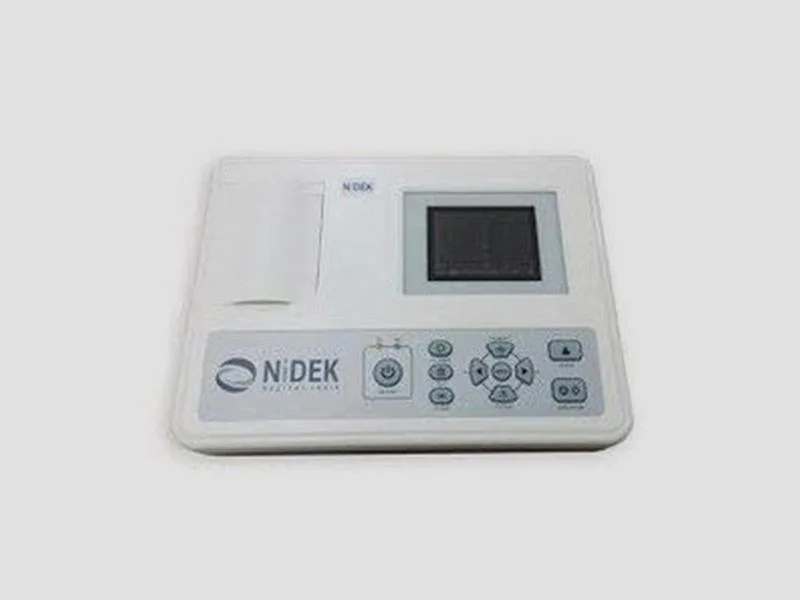
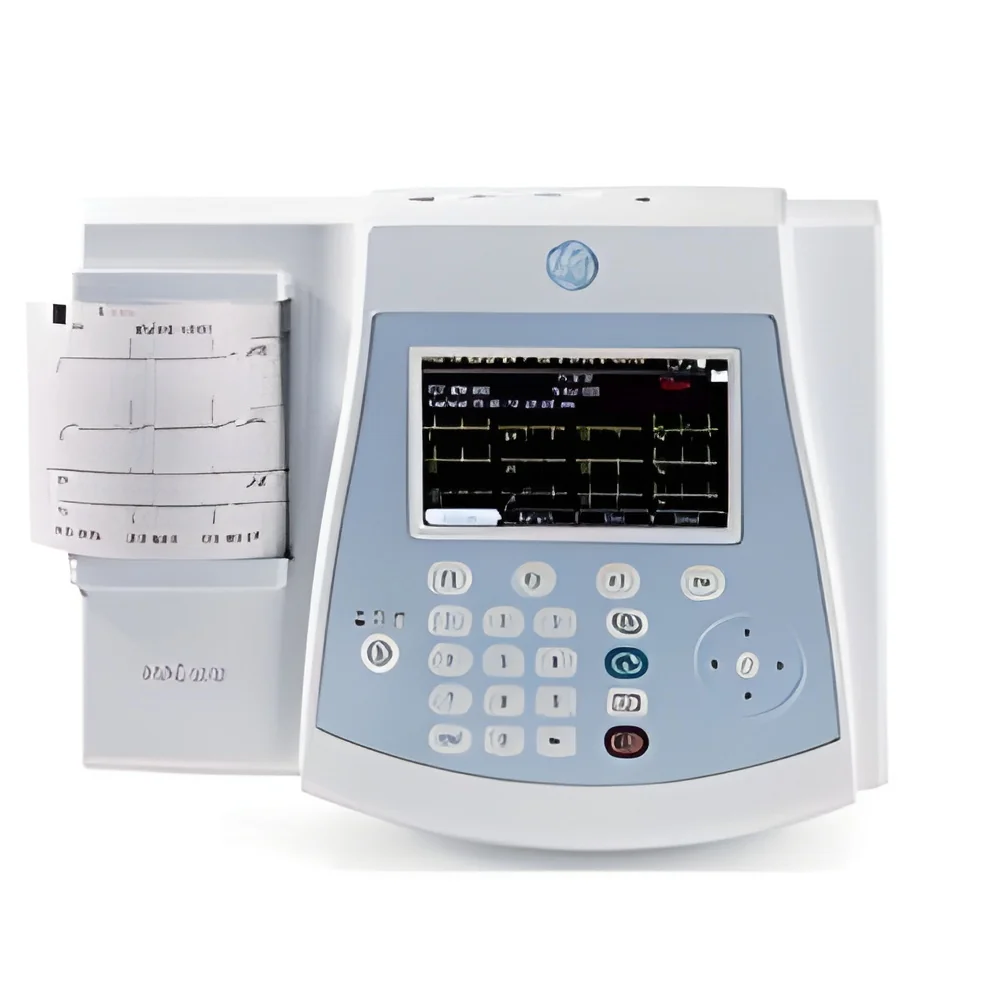
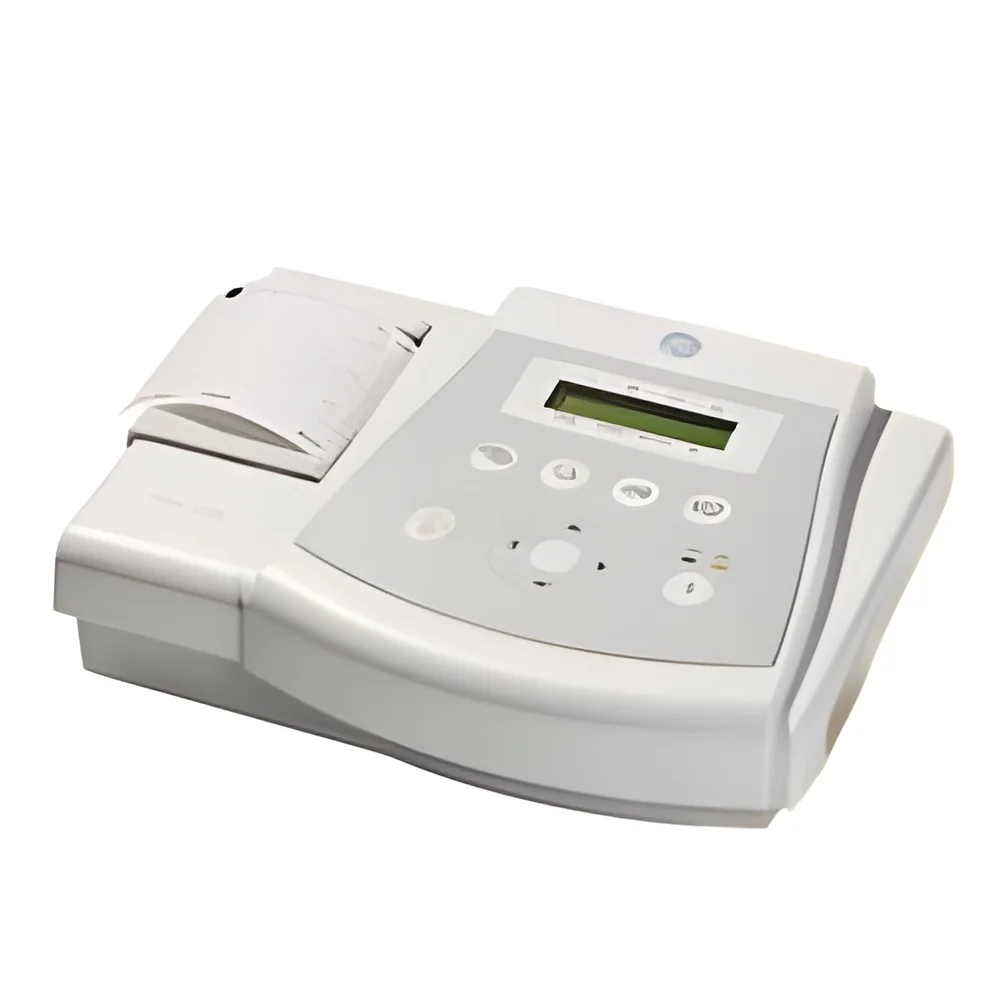
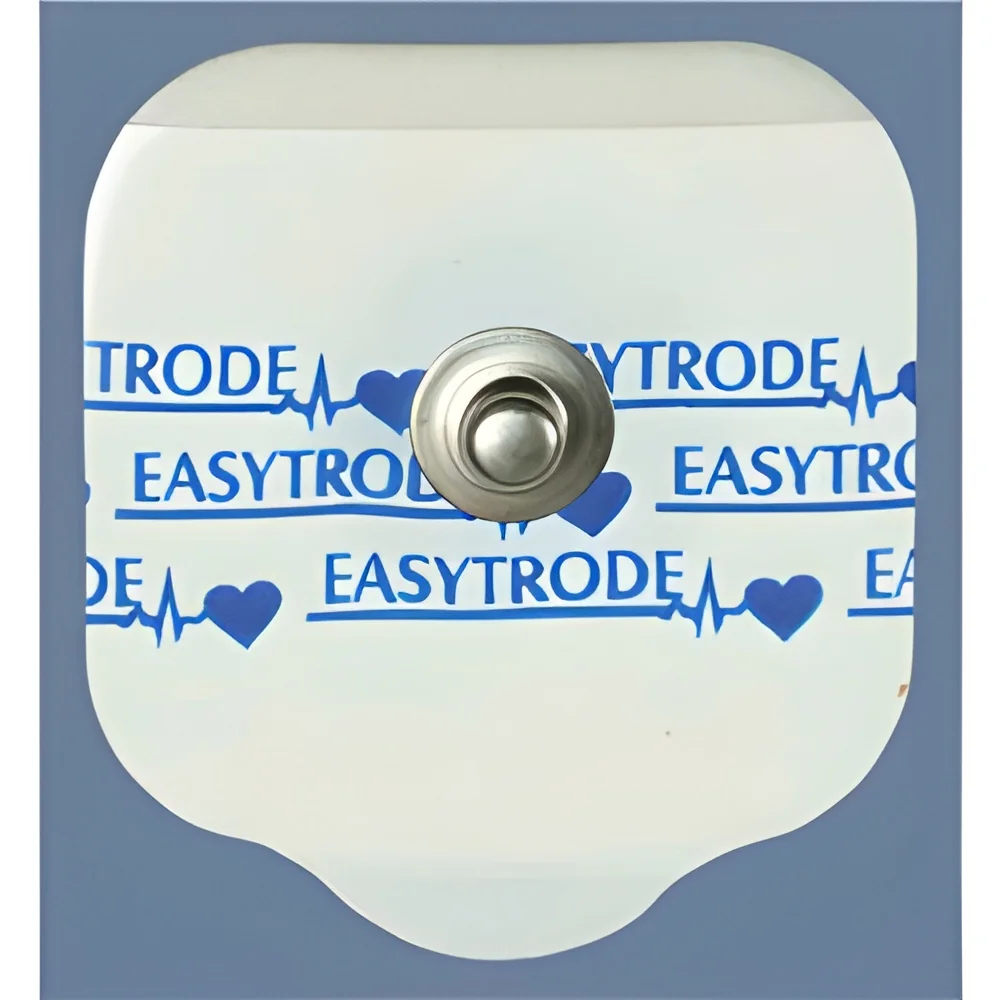
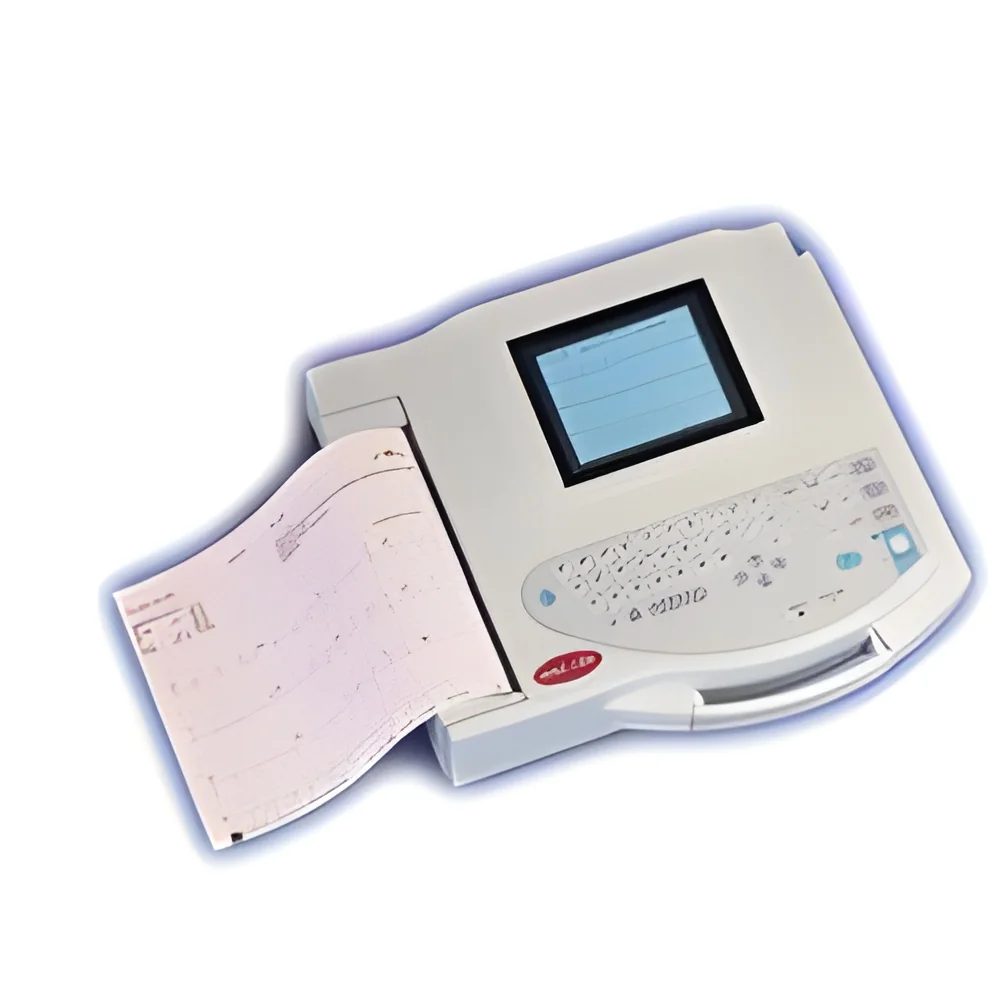
ECG Machines (Portable & Clinical)
17 products available
Key Features and Specifications
ECG machines come equipped with various features that enhance their functionality and usability. These features cater to different clinical settings and user needs. When considering an ECG machine, it is essential to review its specifications to ensure it meets your requirements.
Key specifications include:
1. Portability
- Lightweight design for easy transport
- Battery-operated for use in various locations
2. Display
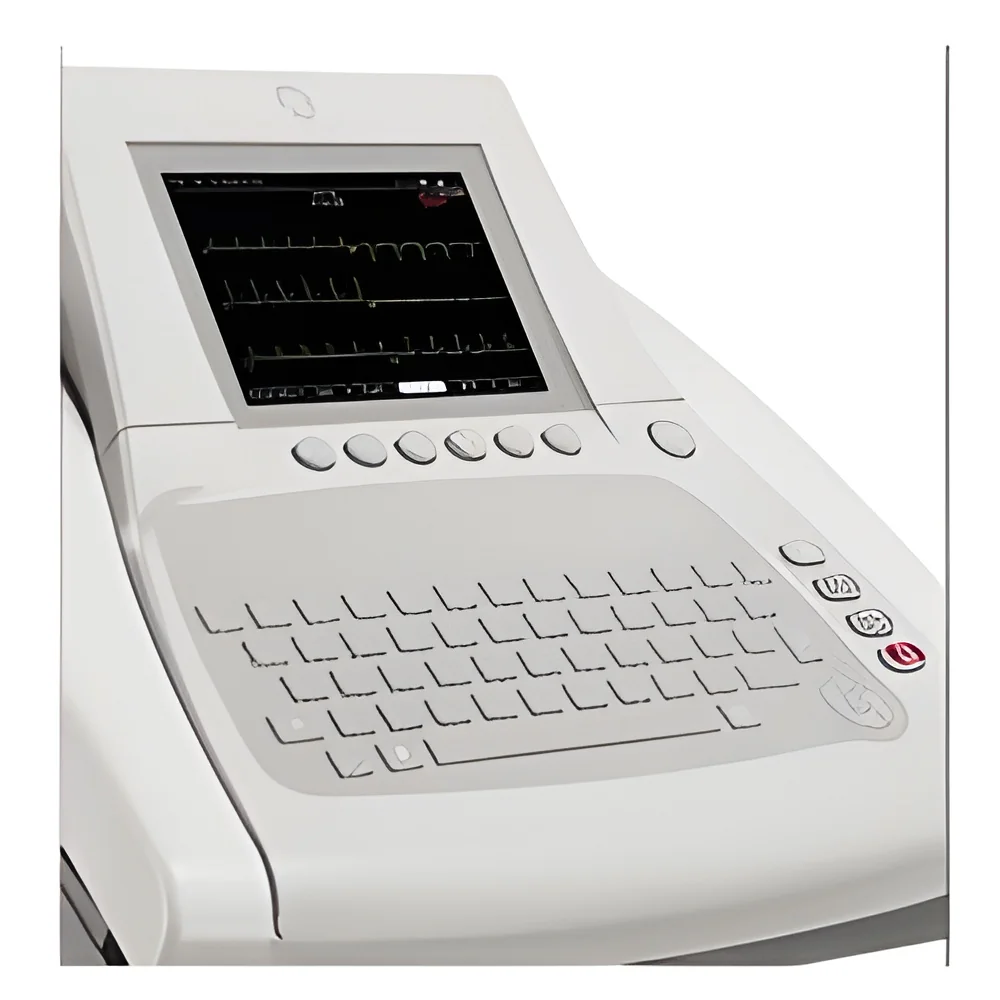
- High-resolution screen for clear waveform visualization
- Touchscreen capability for user-friendly navigation
3. Data Storage
- Internal memory for storing patient data
- Option for external storage via USB or cloud
4. Connectivity
- Wireless capabilities for data transmission
- Compatibility with electronic health record (EHR) systems
5. Lead Configuration
- Standard 12-lead configuration for comprehensive analysis
- Options for 3-lead or 6-lead configurations in portable models
6. Printing Capabilities
- Built-in printer for immediate results
- Option for wireless printing to external devices
7. Battery Life
- Extended battery life for prolonged use
- Quick recharge features for efficiency
8. User Interface
- Intuitive software for easy operation
- Multi-language support for diverse user needs
These specifications ensure that ECG machines are not only effective but also user-friendly and adaptable to different healthcare environments.
Common Applications and Use Cases
ECG machines are utilized across a variety of industries, serving multiple applications that enhance patient care.
1. Healthcare Providers: Hospitals and clinics use ECG machines for routine cardiac assessments, pre-operative evaluations, and emergency interventions.
2. Telemedicine: Portable ECG machines support remote patient monitoring, enabling healthcare providers to diagnose and manage patients from afar.
3. Sports Medicine: Athletic organizations use ECG machines to monitor athletes’ heart health, ensuring they are fit for competition and minimizing risks.
4. Occupational Health: Companies may employ ECG machines to conduct health screenings for employees, promoting workplace wellness and compliance with health regulations.
5. Research Institutions: ECG machines are utilized in clinical trials and studies to gather data on heart health and the efficacy of new treatments.
6. Home Healthcare: Patients with chronic heart conditions can benefit from portable ECG devices that enable regular monitoring in the comfort of their homes.
Product Variants and Subcategories
The ECG machine market features a range of variants to cater to specific needs and applications.
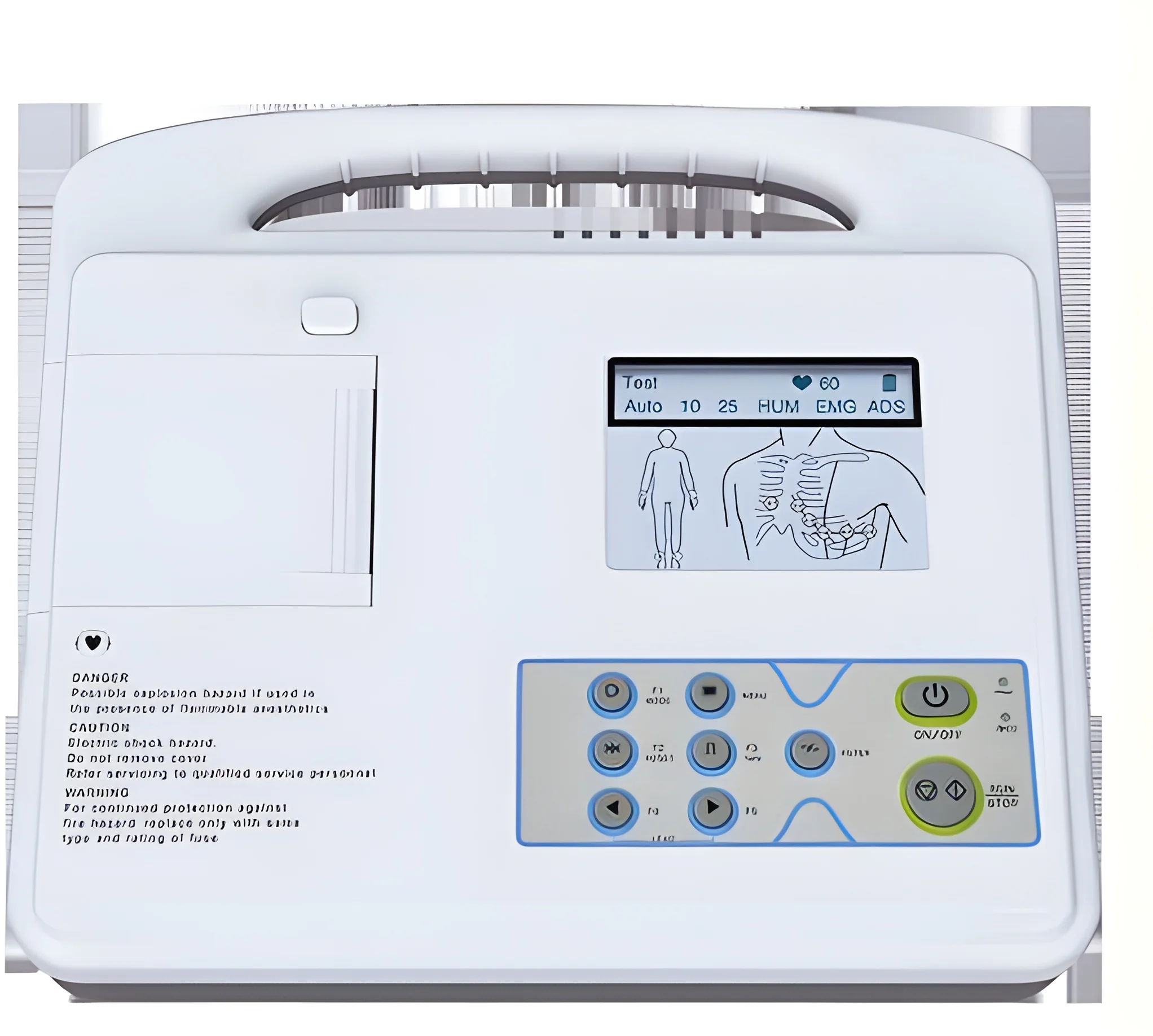
Portable ECG Machines
These compact devices are ideal for on-the-go assessments. They often include user-friendly interfaces and wireless connectivity for easy data sharing and patient monitoring.
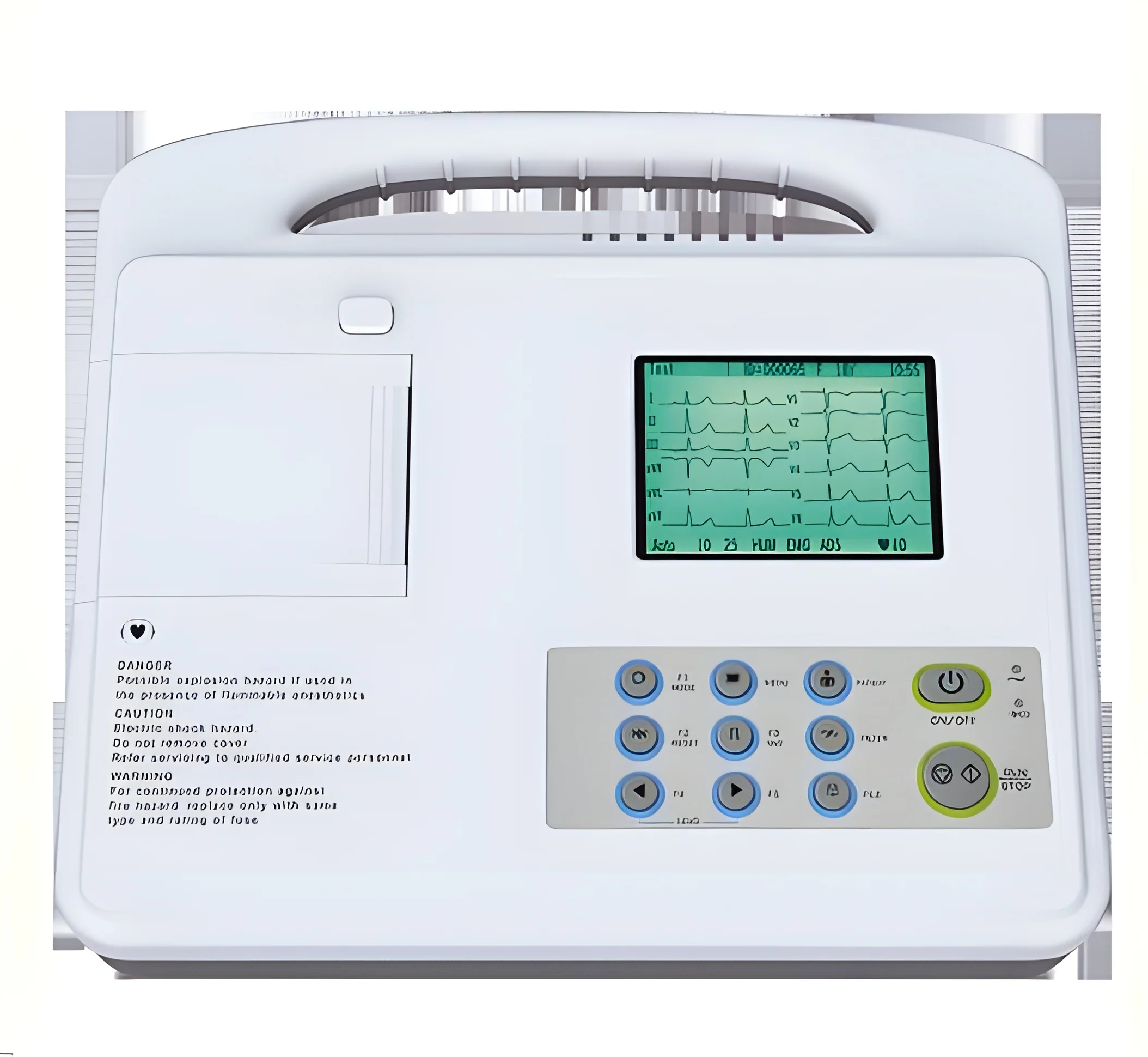
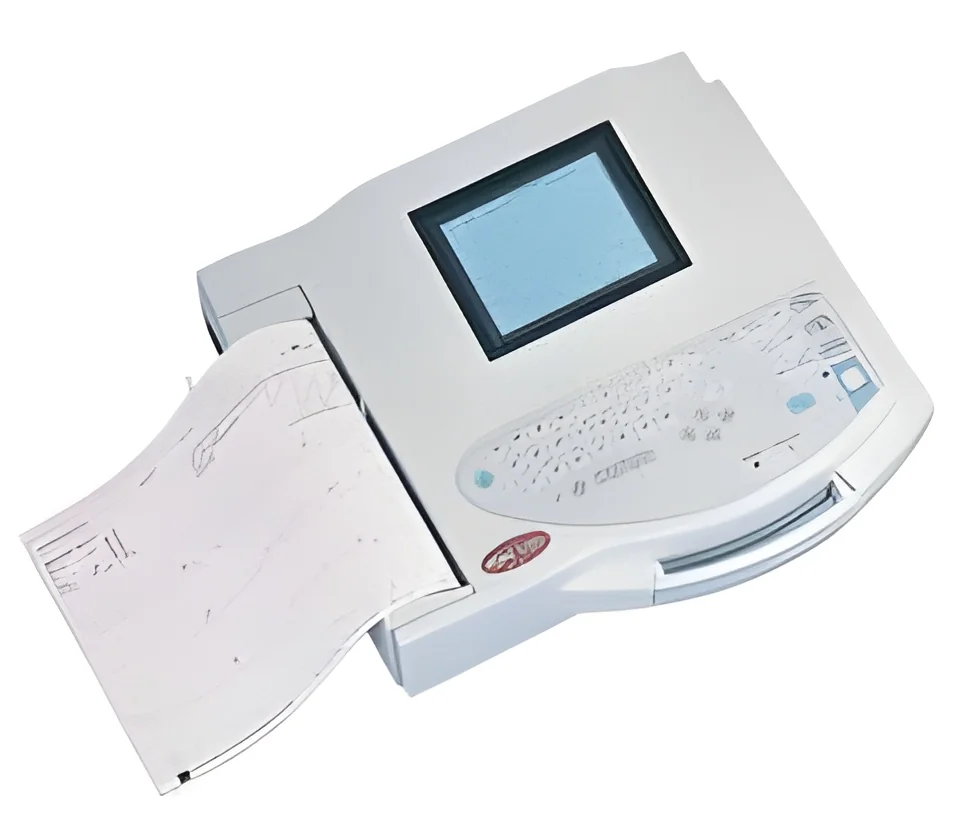
Clinical ECG Machines
Designed for hospital and clinical environments, these machines offer advanced features such as multi-lead configurations and high-resolution displays. They are built for comprehensive diagnostics and continuous monitoring.
Benefits and Advantages
Utilizing ECG machines provides numerous advantages that enhance patient care and improve clinical outcomes.
1. Early Detection: ECG machines facilitate the early identification of heart conditions, allowing for timely intervention and treatment.
2. Improved Monitoring: Continuous monitoring capabilities help healthcare providers track changes in a patient’s heart health over time.
3. Enhanced Portability: Portable models enable assessments in various settings, including emergency situations, remote locations, and home care.
4. User-Friendly Interfaces: Modern ECG machines often feature intuitive designs, making them accessible for healthcare professionals of all skill levels.
5. Data Integration: Many ECG machines can connect to EHR systems, streamlining patient data management and improving care coordination.
6. Cost-Effectiveness: The ability to perform diagnostics in various settings reduces the need for extensive hospital visits, resulting in savings for both patients and healthcare systems.
Buying Guide for B2B Buyers
When sourcing ECG machines, businesses should consider several critical factors to ensure optimal selection.
1. Quality Assessment: Evaluate the quality of ECG machines by reviewing manufacturer reputation, customer feedback, and product certifications.
2. Supplier Verification: Vet potential suppliers by checking their industry experience, client testimonials, and compliance with relevant standards.
3. Pricing and MOQ: Understand the pricing structure and minimum order quantities to align purchases with budget constraints and operational needs.
4. Delivery and Lead Times: Inquire about delivery options and lead times to ensure timely availability of machines for your healthcare facility.
5. Compliance Requirements: Ensure that the ECG machines meet local regulatory standards and certifications, such as CE marking, to guarantee product safety and efficacy.
Compliance and Certifications
ECG machines must adhere to several compliance standards to ensure their safety and effectiveness in clinical settings. These include quality management systems such as ISO 9001, which outlines requirements for consistent quality in manufacturing processes.
Industry certifications, particularly the CE marking, indicate that the product meets European Union safety and health requirements. This certification is crucial for manufacturers aiming to market their devices in Europe and other regions.
Safety and testing requirements are critical for ECG machines, as they must be rigorously tested to ensure accurate performance and reliability. Additionally, regional compliance considerations may vary, and manufacturers should be aware of the specific regulations applicable in different geographic areas.
Why Source ECG Machines (Portable & Clinical) from Pepagora?
Pepagora provides a trusted platform for sourcing ECG machines with several key advantages that benefit B2B buyers.
Verified Supplier Network: Pepagora connects buyers with a network of verified suppliers, ensuring quality and reliability in sourcing ECG machines.
Streamlined RFQ Process: The request for quotation (RFQ) system simplifies the procurement process, allowing buyers to receive competitive quotes quickly and efficiently.
Trade Assurance and Support: Buyers enjoy protection through trade assurance programs, which enhance confidence in transactions and provide support throughout the purchasing process.
Regional Coverage: With a strong presence in India, the GCC, and Southeast Asia, Pepagora offers extensive regional coverage, facilitating easy access to ECG machines tailored to diverse market needs.



Frequently Asked Questions
What are ECG Machines (Portable & Clinical)?
ECG Machines (Portable & Clinical) are medical devices used to measure and record the electrical activity of the heart. Portable ECG machines are designed for use in various settings, allowing for quick and easy heart monitoring, while clinical ECG machines are typically used in hospitals and clinics for detailed analyses.
What are the different types of ECG Machines (Portable & Clinical)?
There are primarily two types of ECG Machines: portable ECG machines and clinical ECG machines. Portable machines are compact and battery-operated, suitable for home use or emergency situations, while clinical machines are larger, more advanced systems used in healthcare facilities for comprehensive diagnostics.
How do I choose the right ECG Machines (Portable & Clinical)?
When selecting an ECG Machine, consider factors such as the intended use, required features, portability, and ease of operation. Additionally, review the device's accuracy, battery life for portable models, and compatibility with other medical equipment you may have.
What are the standard specifications for ECG Machines (Portable & Clinical)?
Standard specifications for ECG Machines typically include a minimum of 12 leads, a frequency response of 0.05 to 150 Hz, and a minimum sampling rate of 500 Hz. Other important features may include data storage capacity, display size, and connectivity options for data transfer.
What is the price range for ECG Machines (Portable & Clinical)?
The price range for ECG Machines can vary significantly based on features and specifications. Portable ECG machines may start from around INR 15,000, while advanced clinical models can range from INR 50,000 to over INR 2,00,000.
What quality standards apply to ECG Machines (Portable & Clinical)?
ECG Machines must comply with several quality standards, including ISO 13485 for medical device quality management systems. Additionally, they should meet local regulatory requirements and obtain certifications such as CE or FDA to ensure safety and effectiveness.
Where can I find ECG Machines (Portable & Clinical) suppliers in India?
You can find ECG Machines (Portable & Clinical) suppliers in India through online B2B marketplaces, medical equipment trade shows, and industry directories. Websites like Pepagora.com provide listings of verified suppliers and manufacturers across the country.
Can ECG Machines (Portable & Clinical) be customized?
Yes, many manufacturers offer customization options for ECG Machines based on specific requirements. Customization may include software enhancements, additional features, or branding options tailored to healthcare providers' needs.
What is the typical minimum order quantity for ECG Machines (Portable & Clinical)?
The typical minimum order quantity (MOQ) for ECG Machines varies by supplier and can range from one unit for portable machines to larger quantities for clinical models. It is advisable to check with individual suppliers for their specific MOQ policies.
What is the typical lead time for ECG Machines (Portable & Clinical)?
The lead time for ECG Machines can vary depending on the supplier and the complexity of the order. Generally, lead times can range from 2 to 6 weeks, with portable models often having shorter delivery times compared to custom clinical machines.
Why Businesses Trust Pepagora
Thousands of companies trust Pepagora to source smarter and sell faster
Expand Your Sales Globally

Source Smarter,Grow Faster
