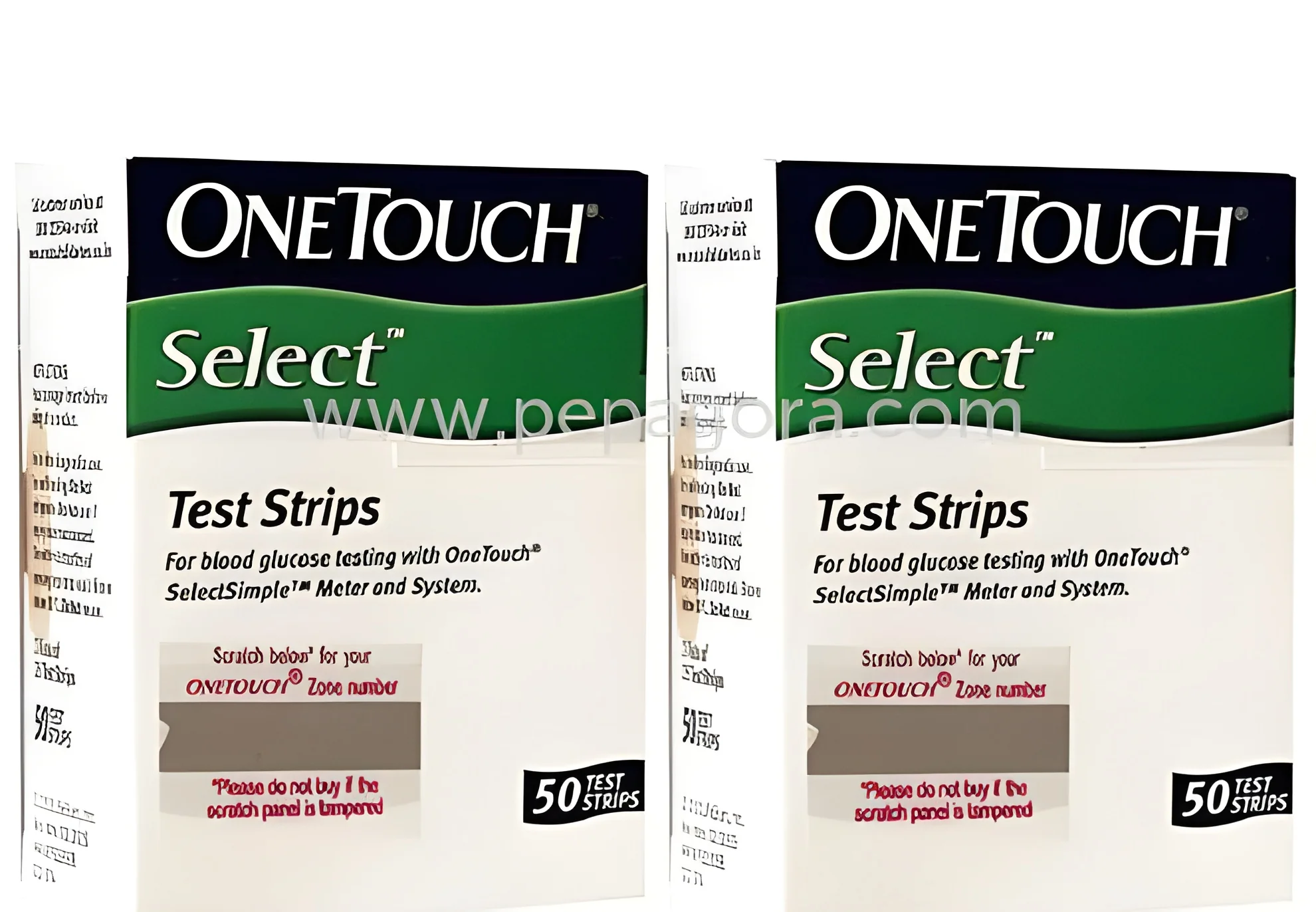
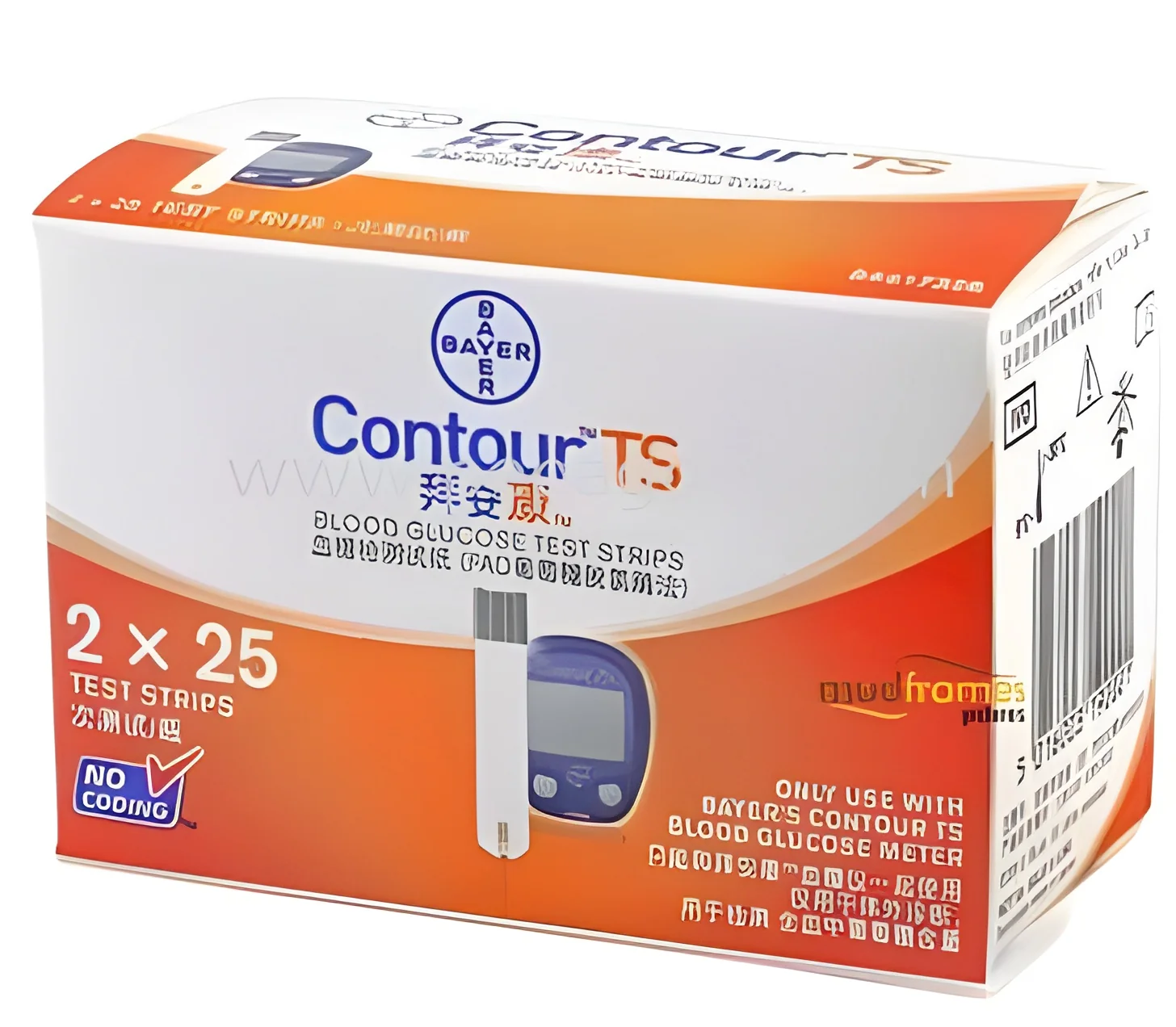
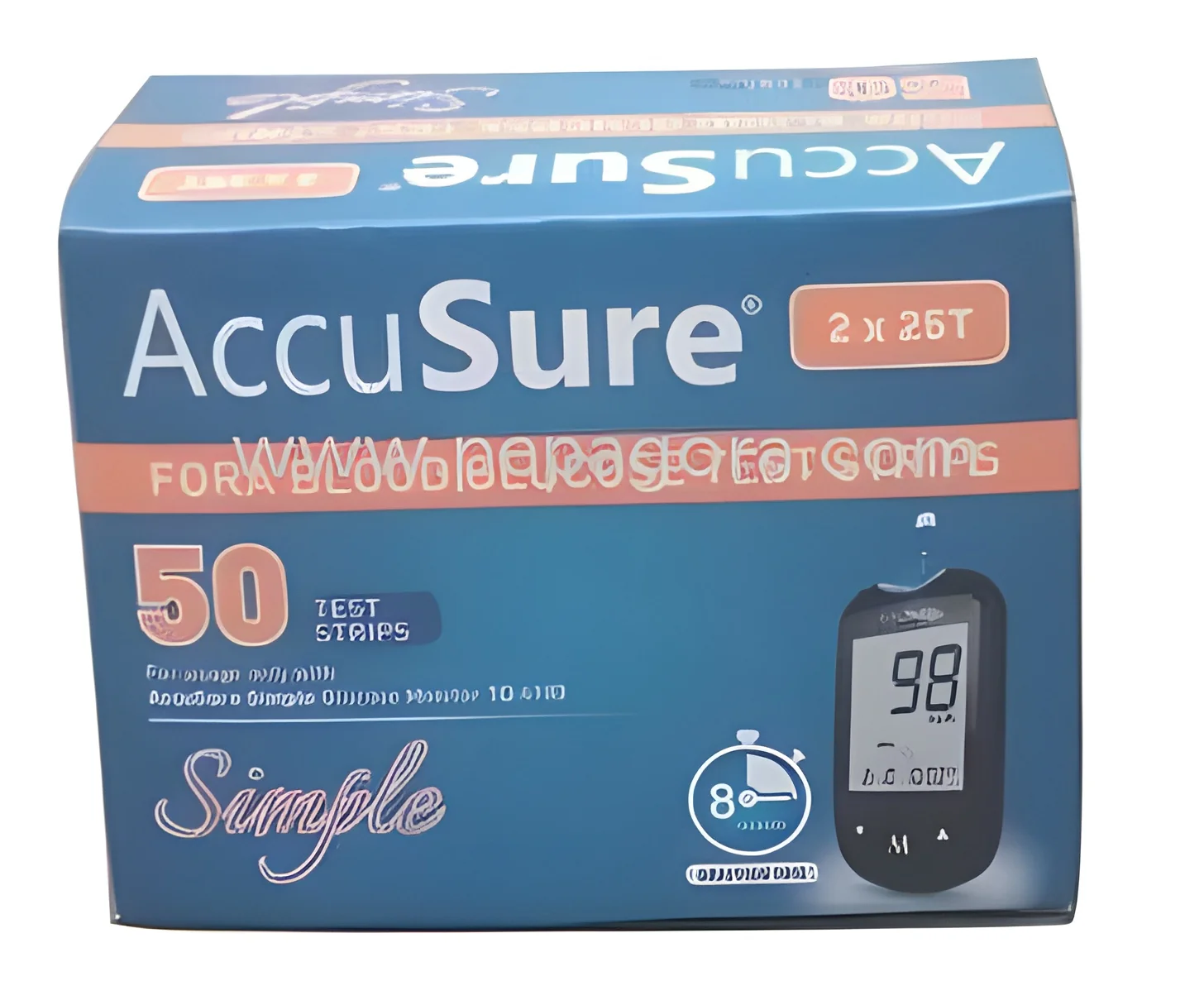
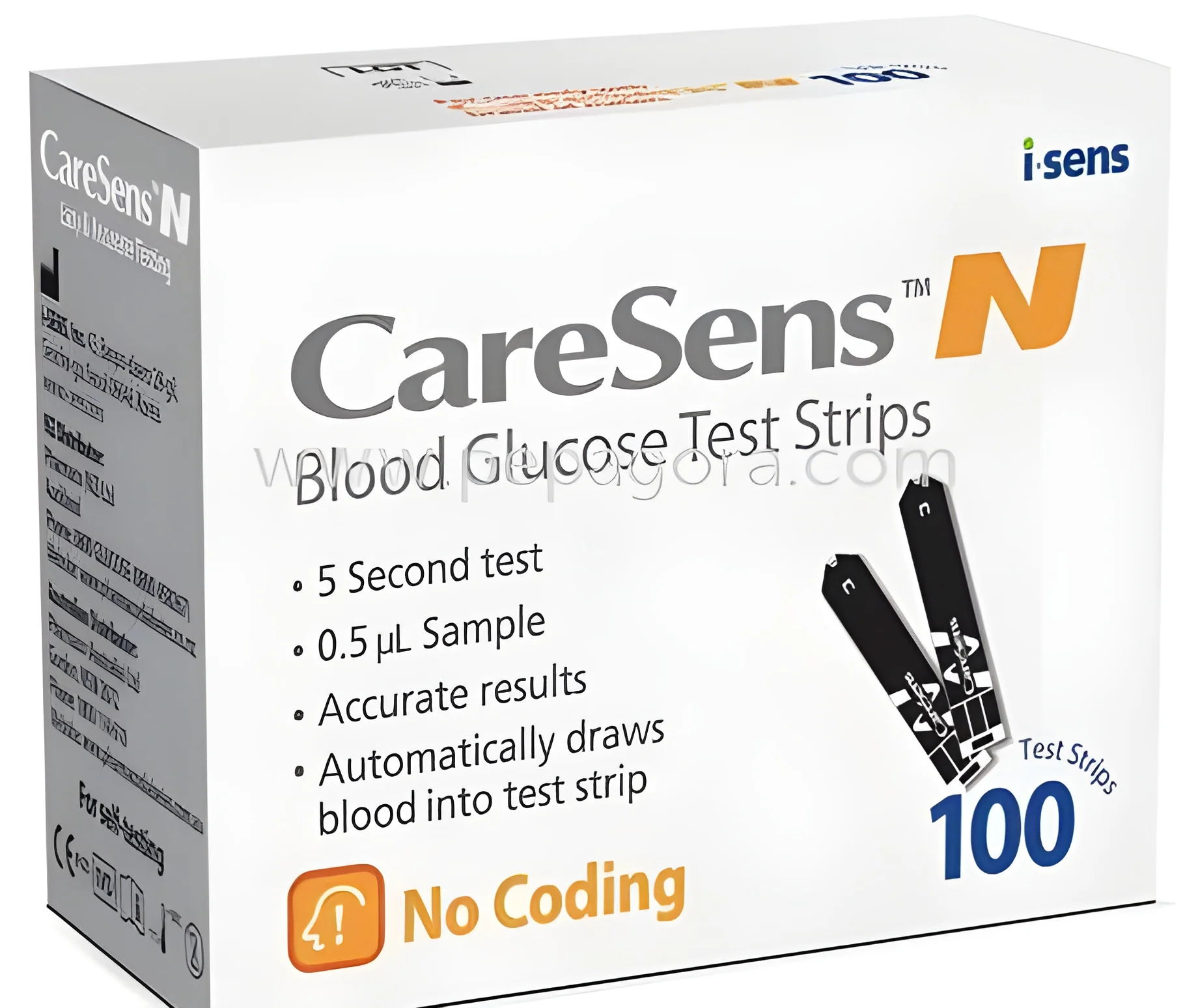
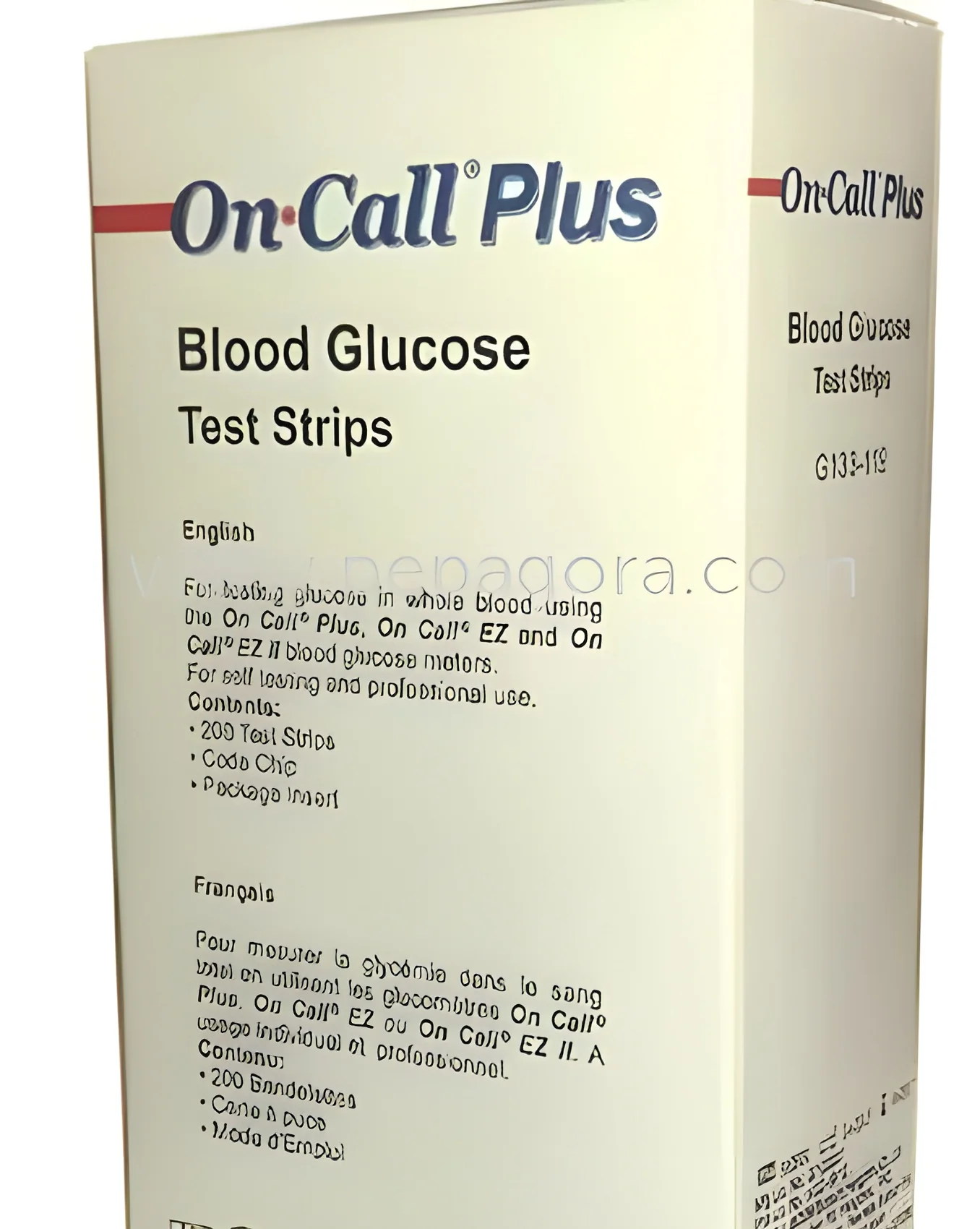
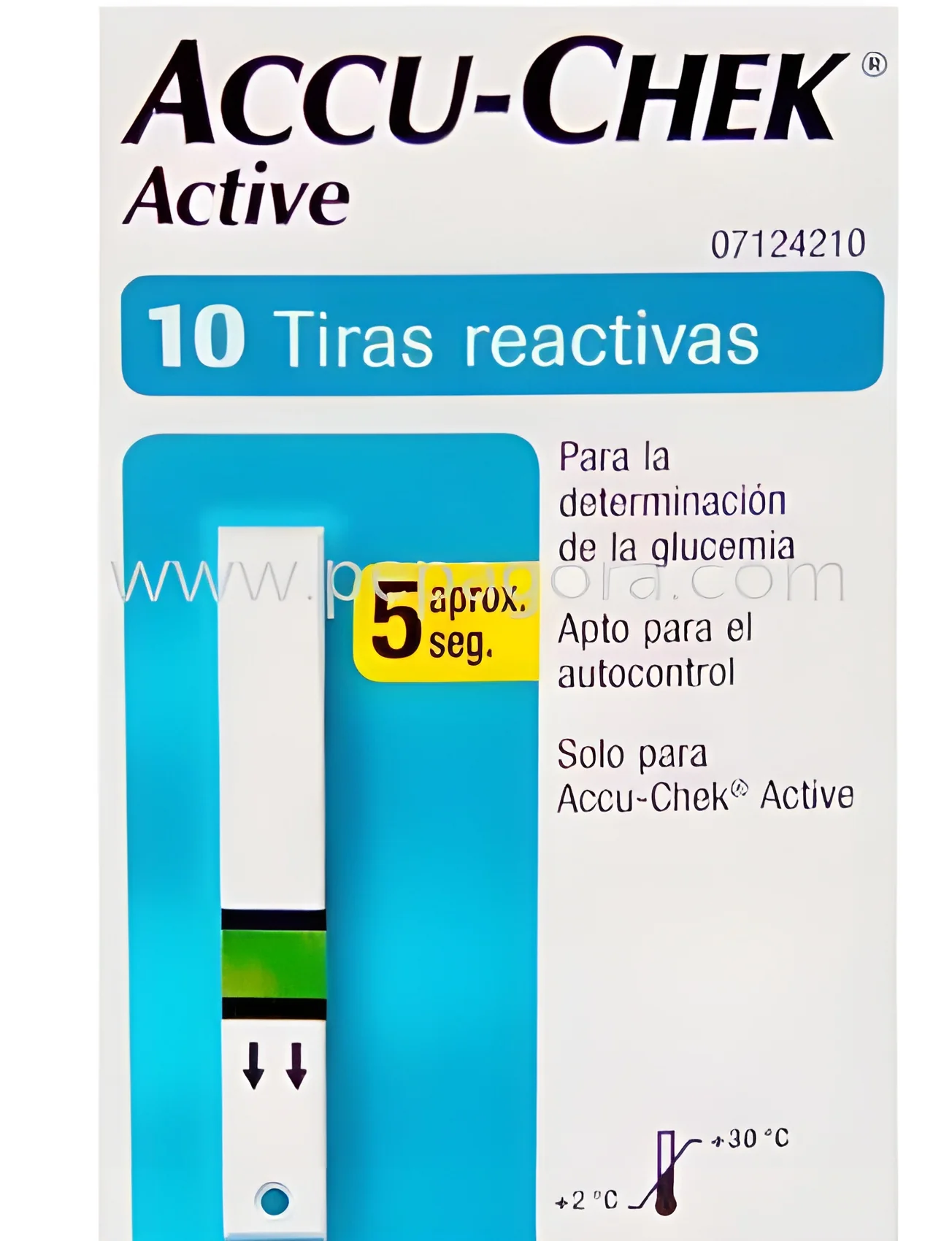
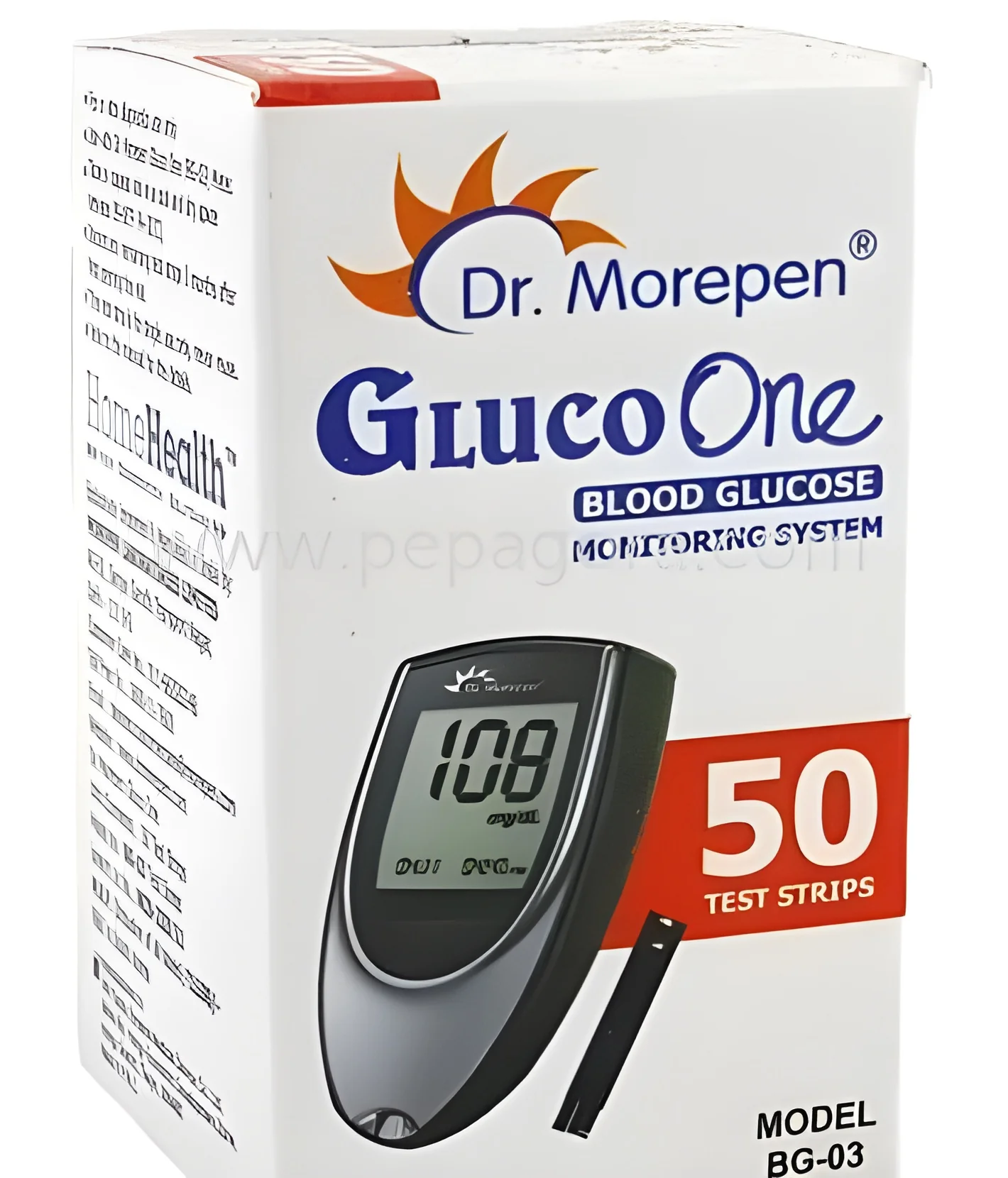
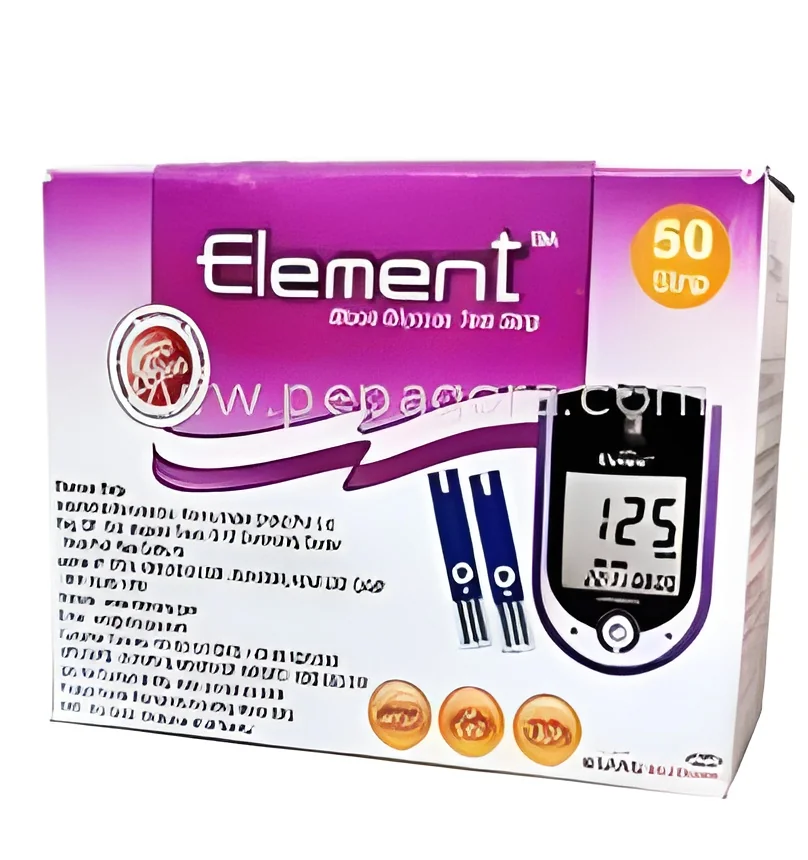
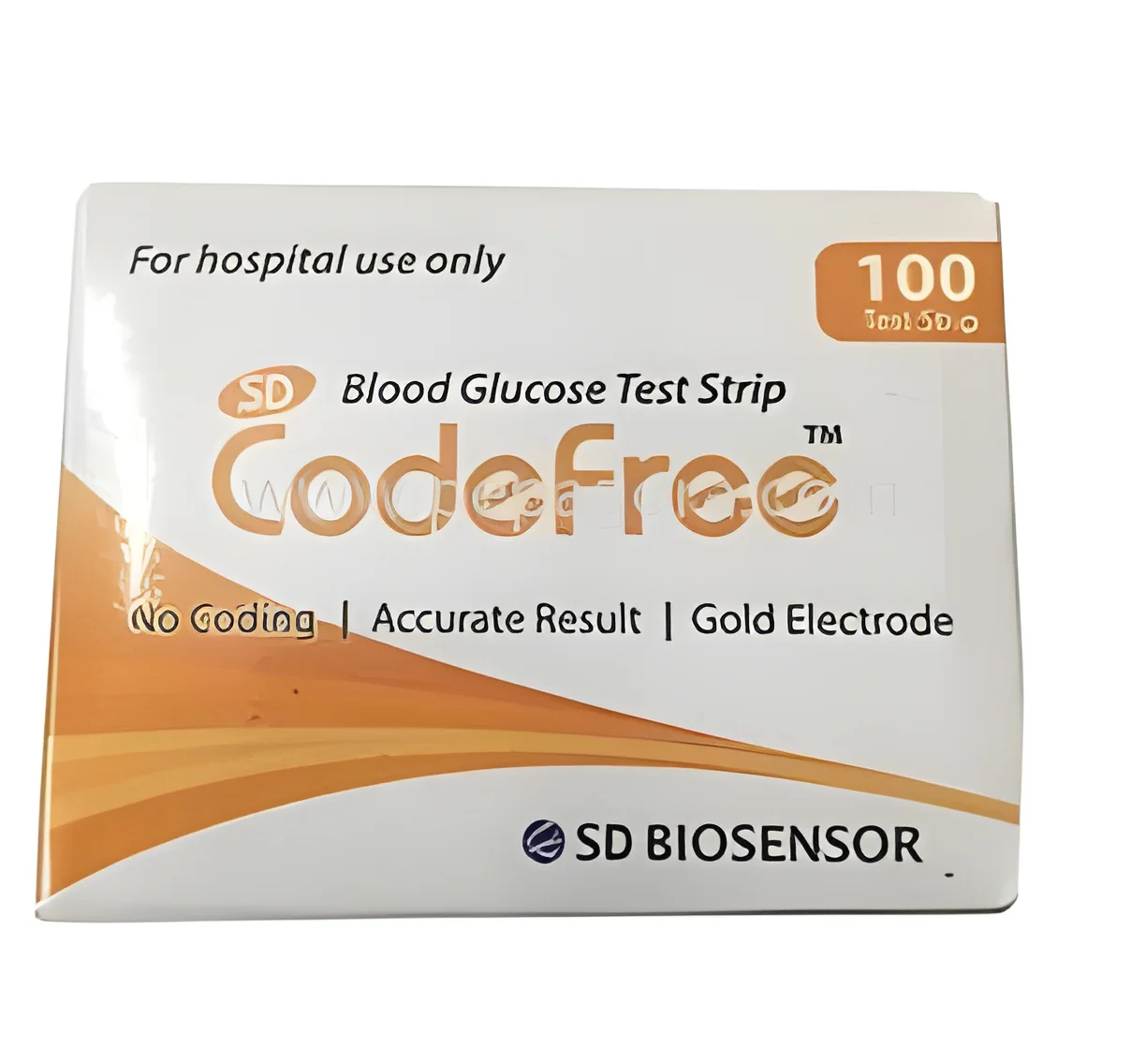
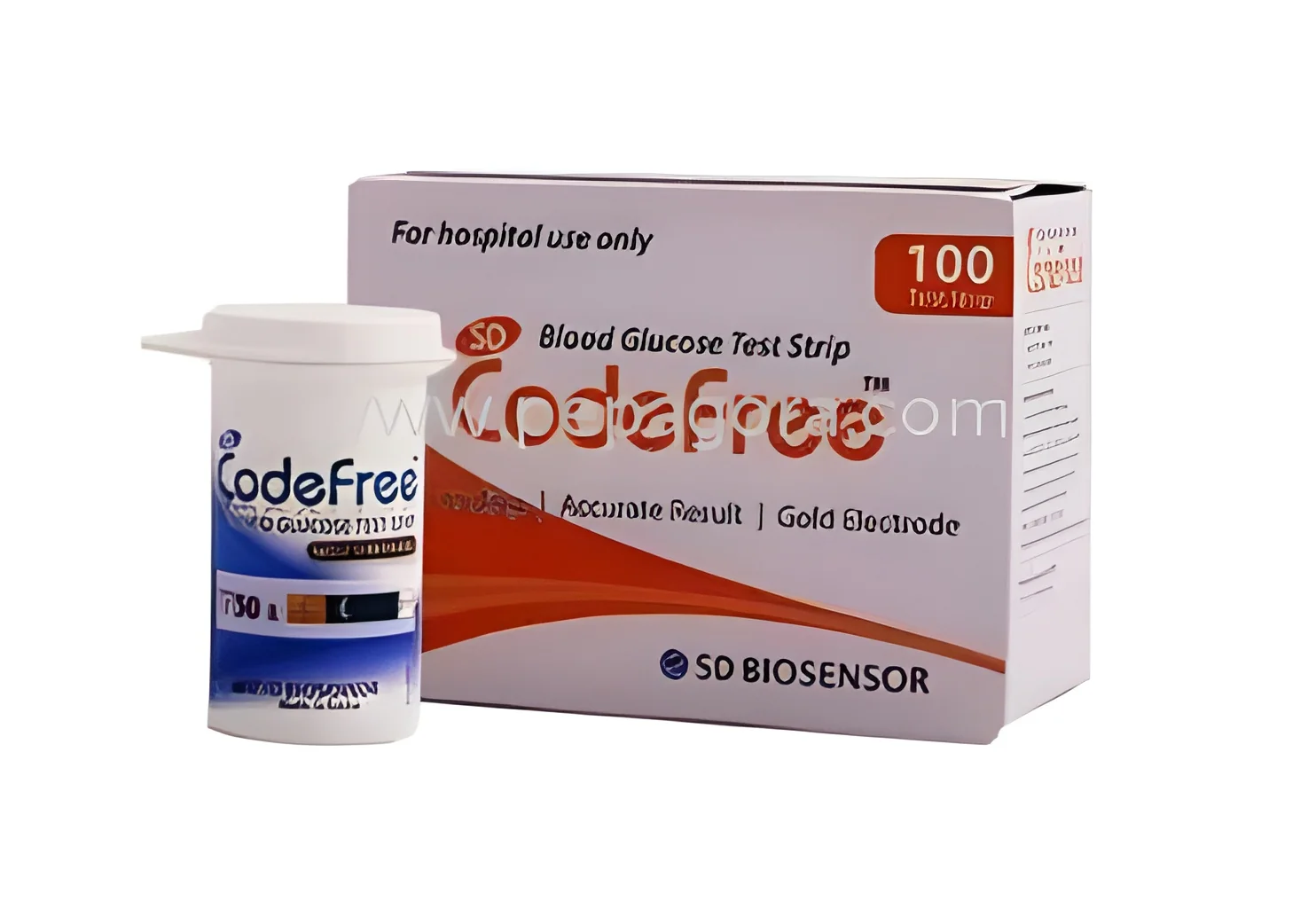
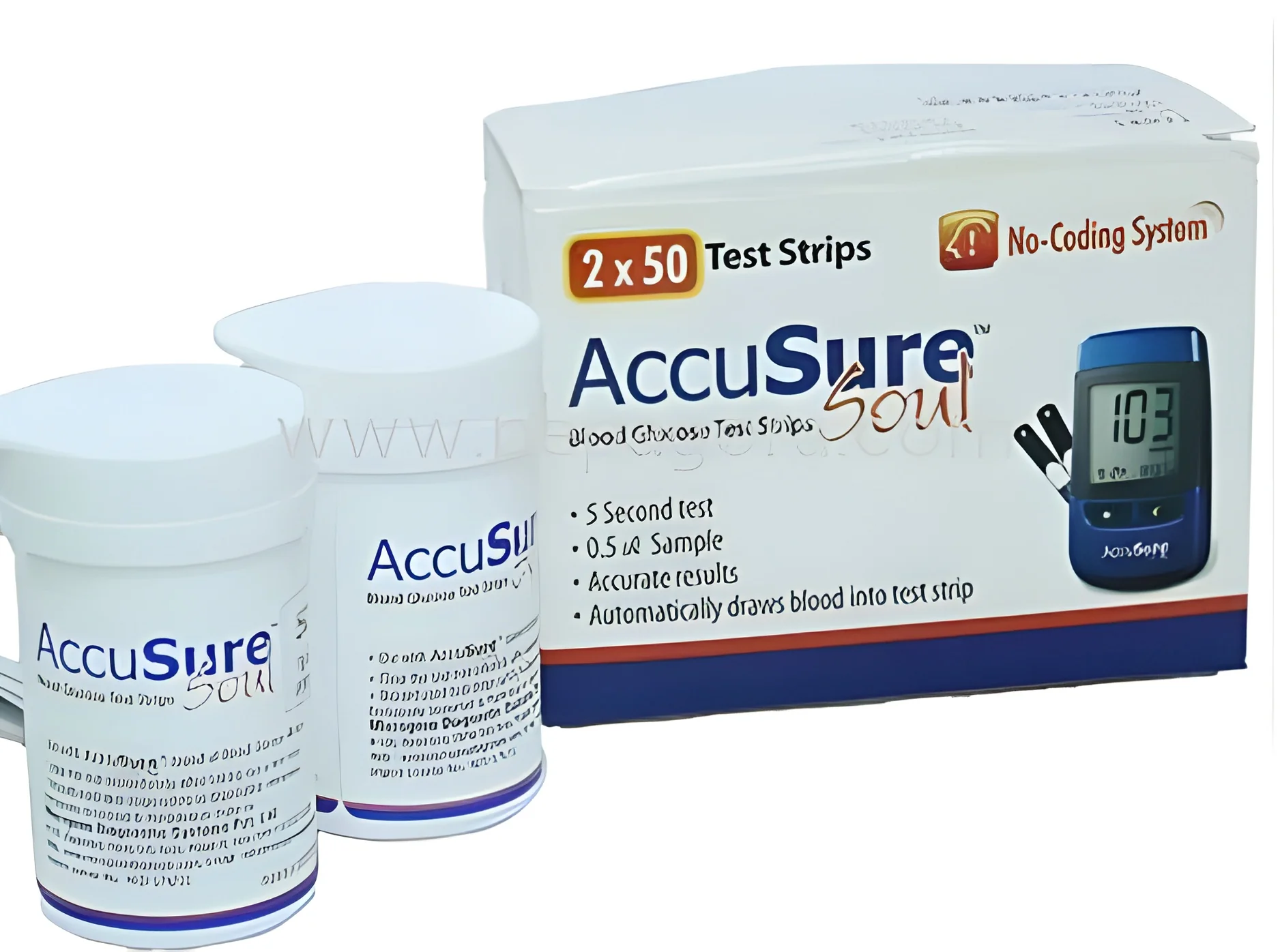
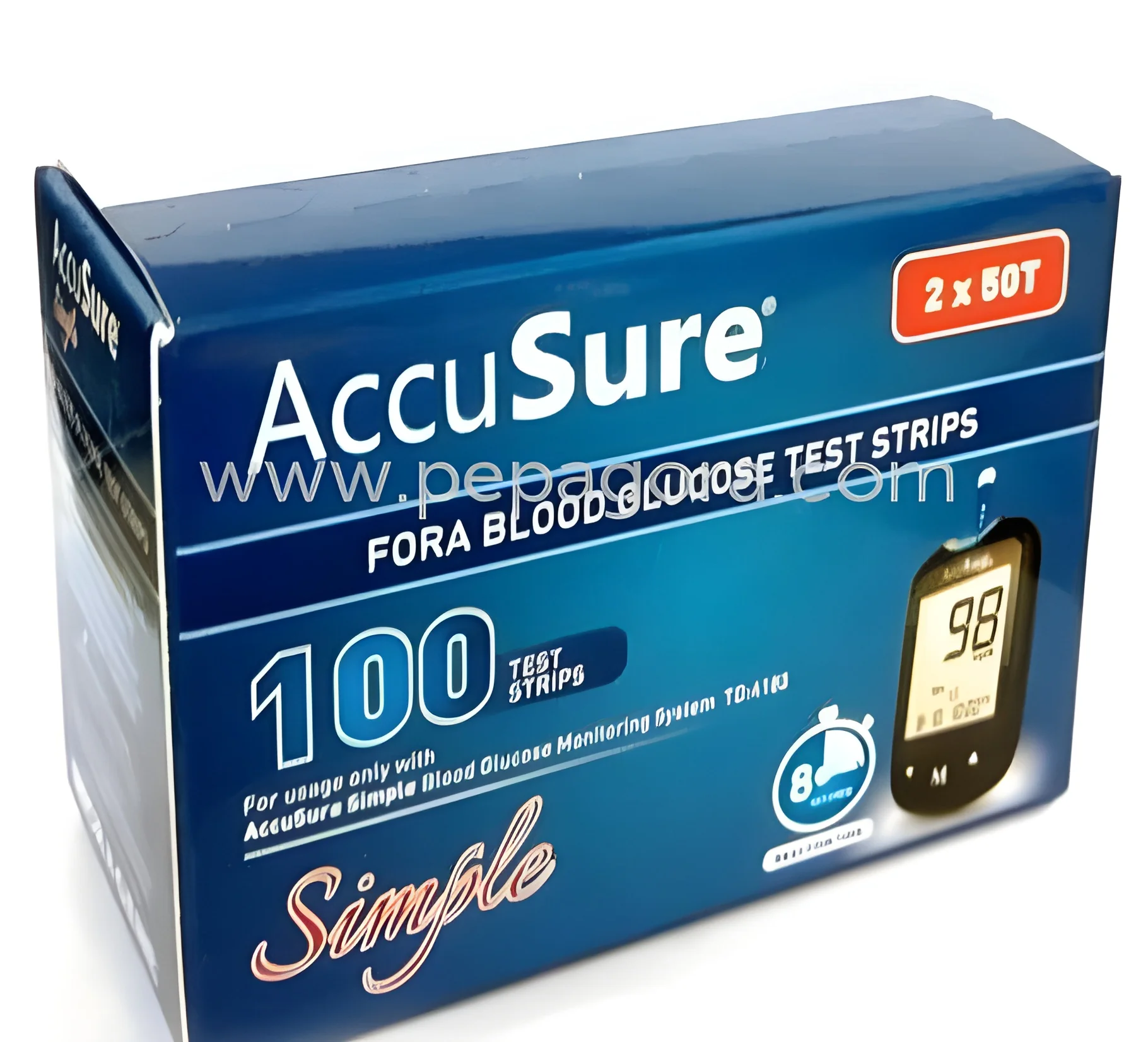
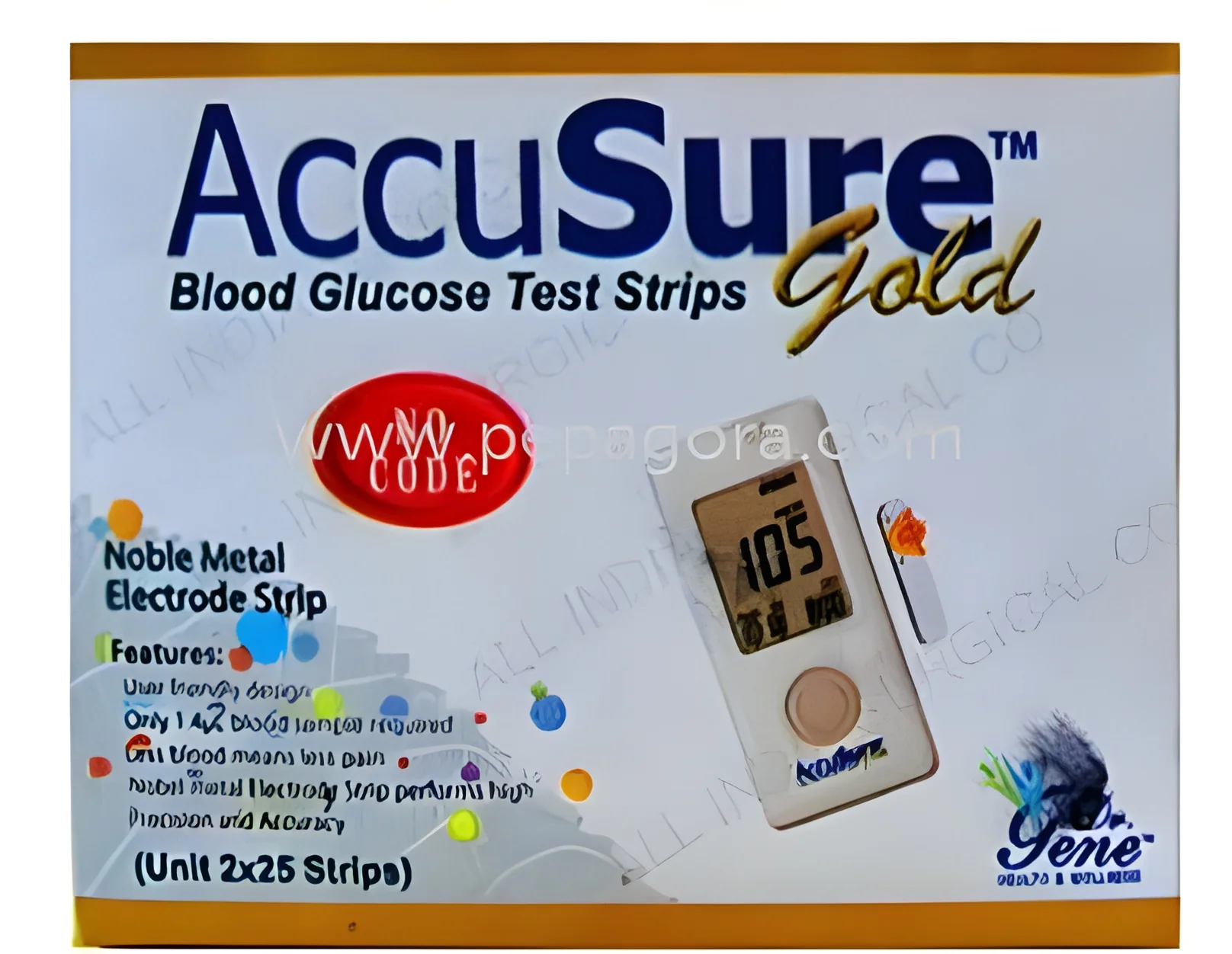
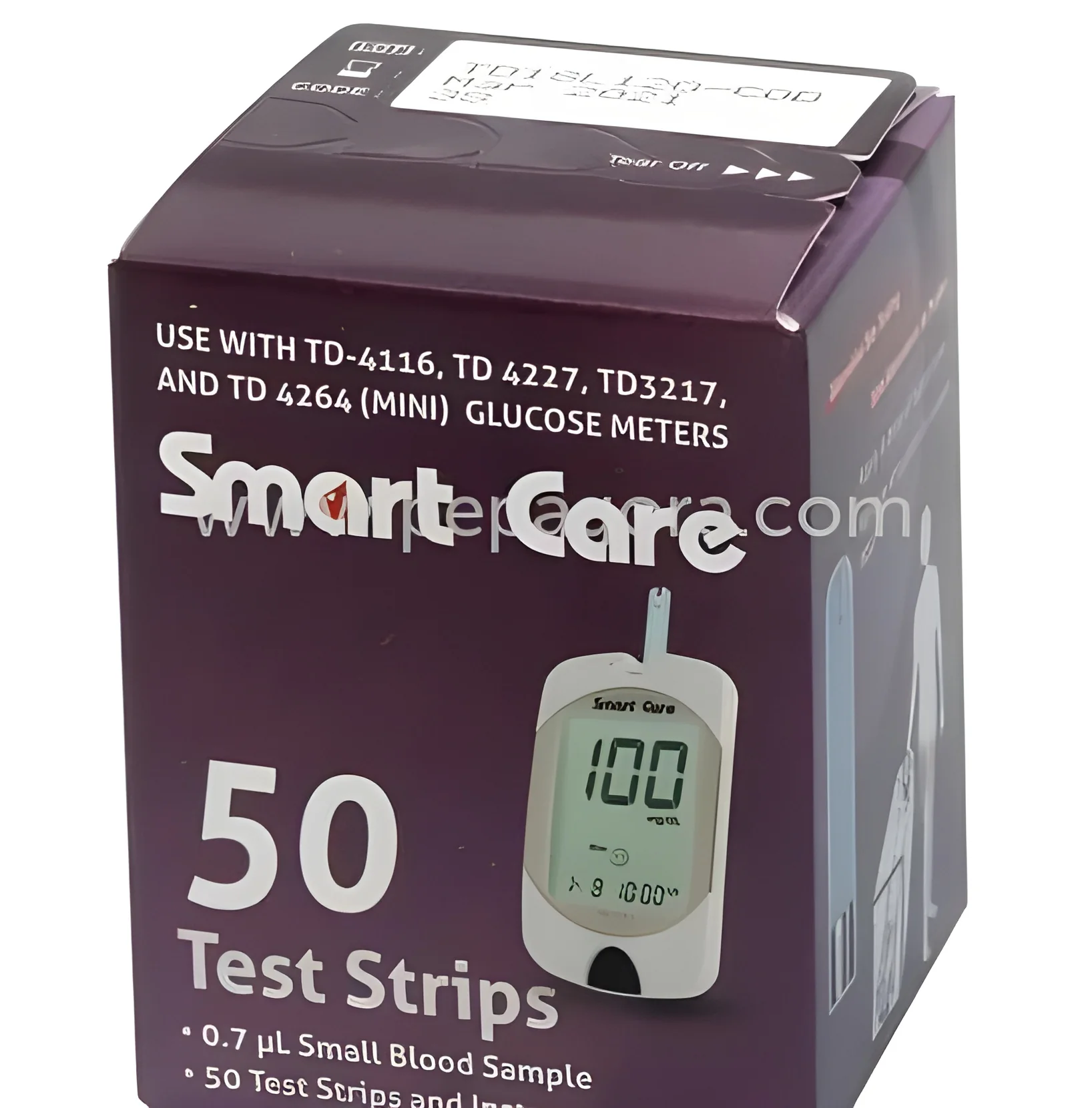
What are Blood Glucose Test Strips?
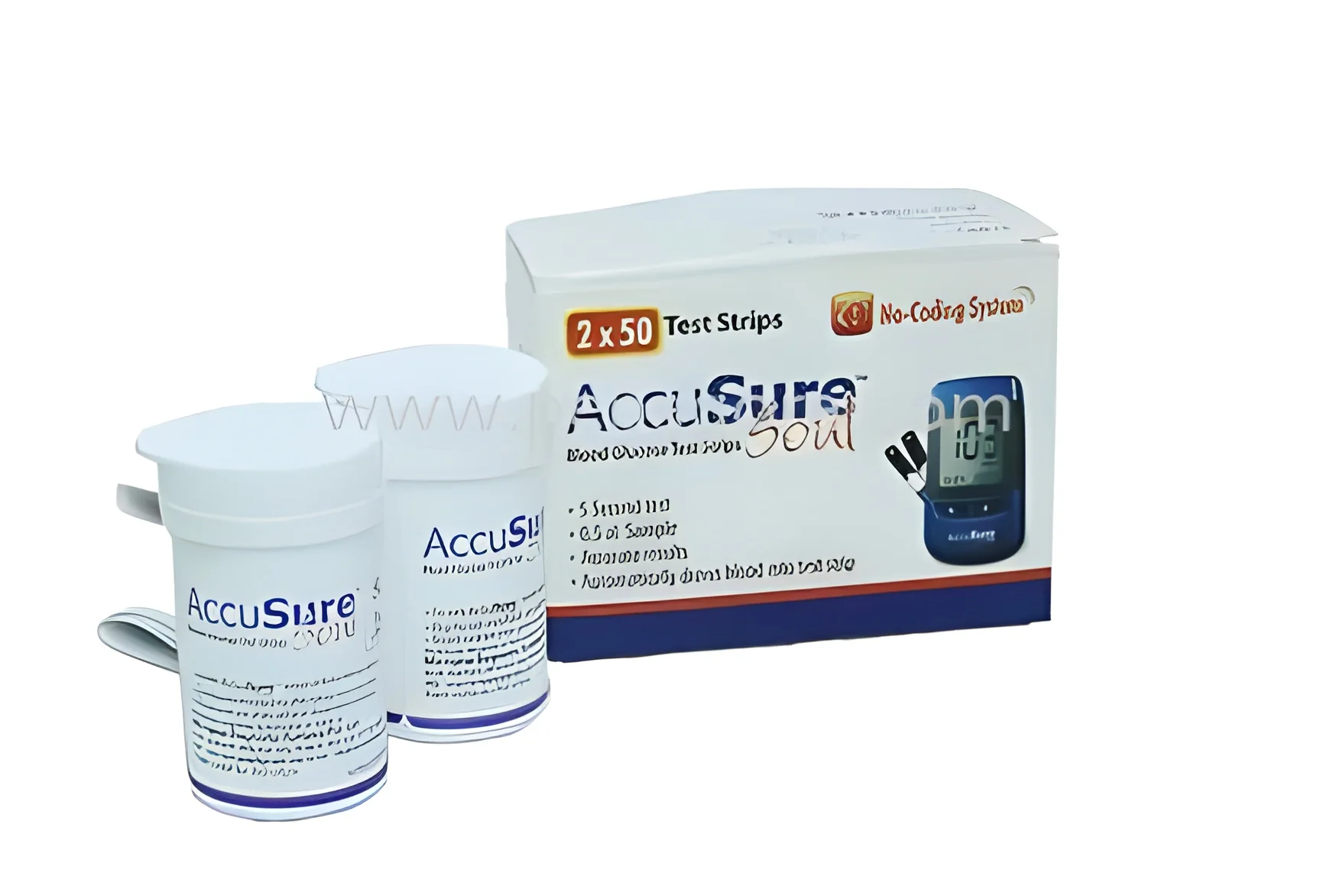
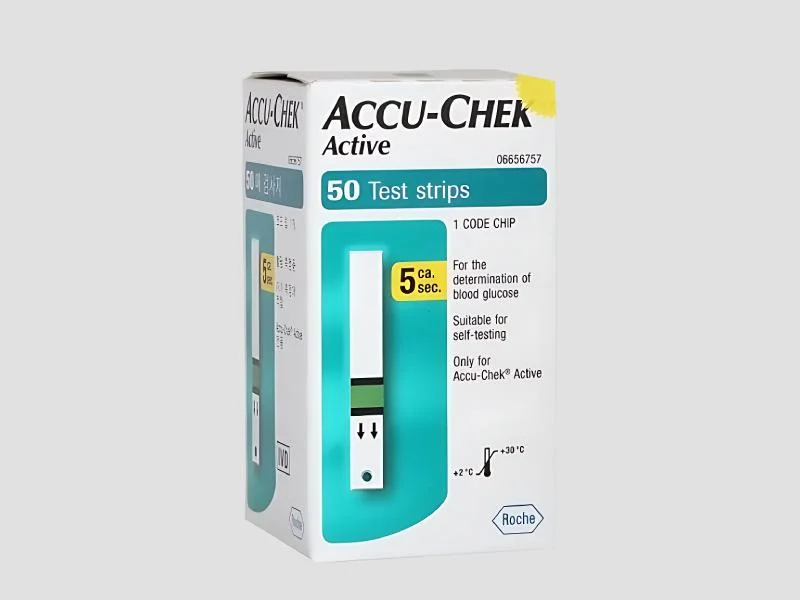
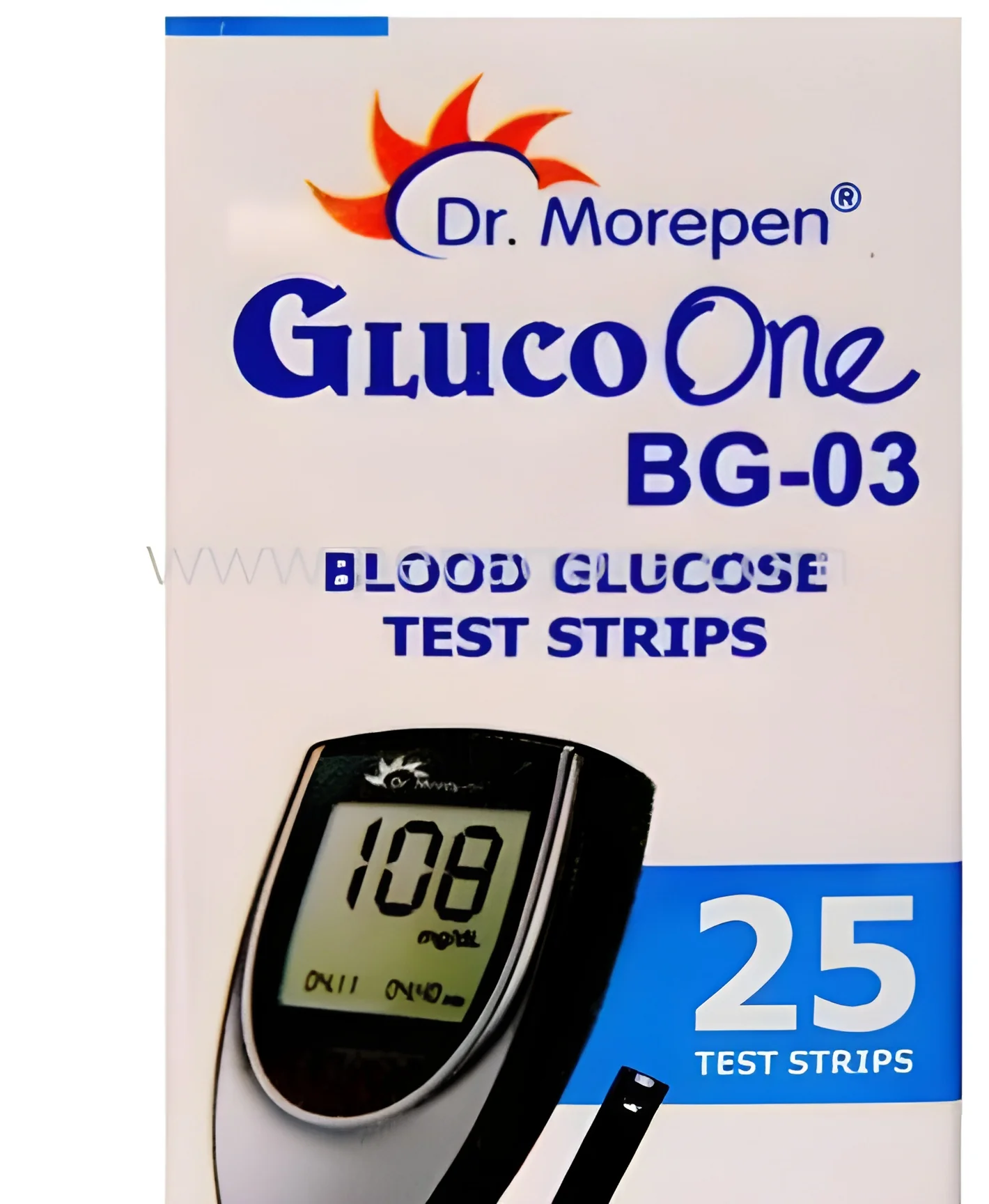
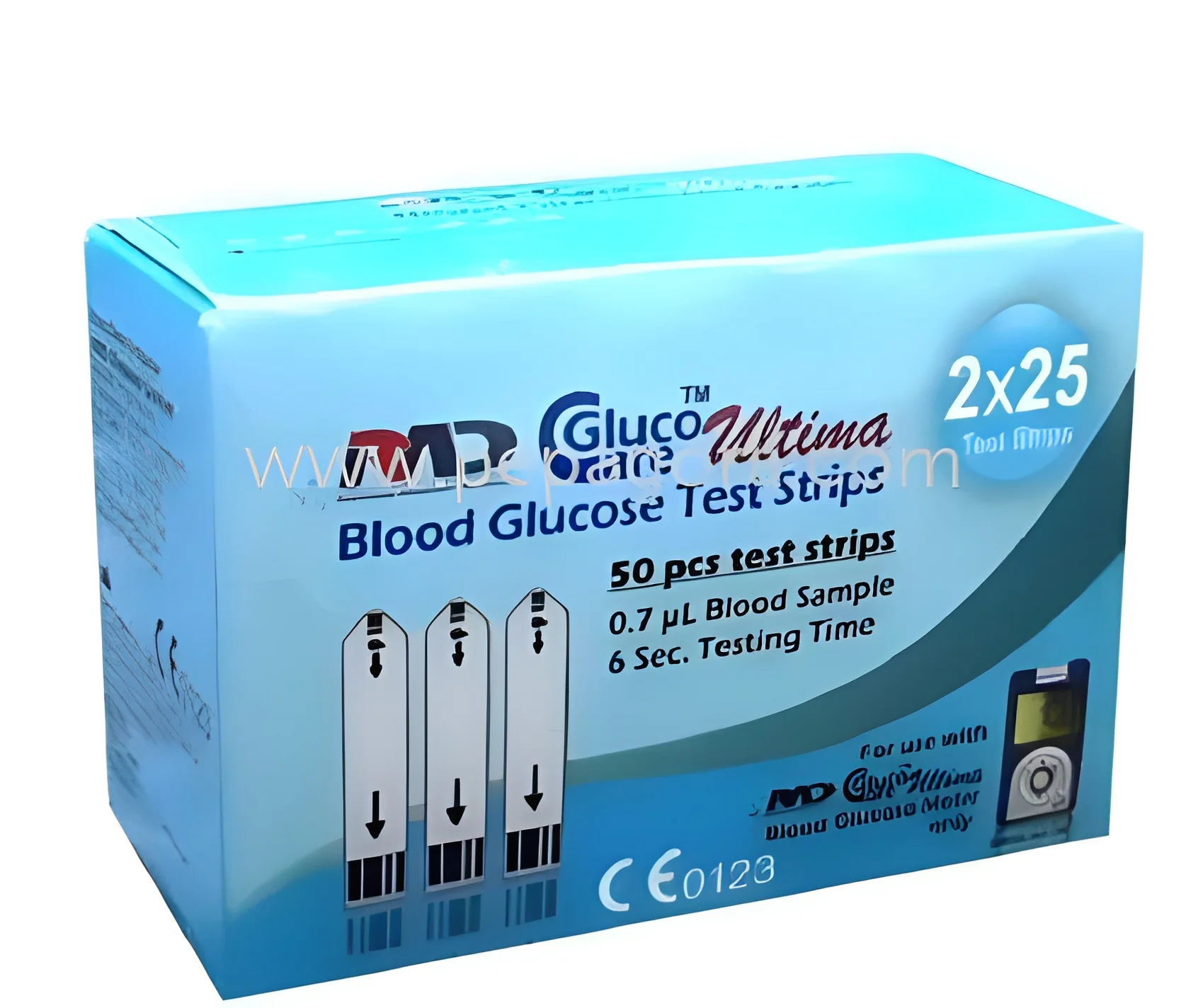
Blood glucose test strips are small, disposable devices used in conjunction with blood glucose meters to measure the concentration of glucose in a drop of blood. These strips are coated with specific chemicals that react with glucose, producing a measurable electrical signal proportional to the glucose concentration. The test strips are essential for individuals with diabetes to monitor their blood sugar levels effectively, ensuring proper management of their condition.
The primary use of blood glucose test strips is in personal diabetes management. They allow patients to track their blood sugar levels regularly, which is crucial for adjusting insulin doses and dietary choices. Additionally, healthcare providers utilize these strips for monitoring glucose levels in clinical settings. The growing prevalence of diabetes worldwide has increased the demand for blood glucose test strips, making them a significant component of diabetes care and management in both home and healthcare environments.
In terms of industry relevance, blood glucose test strips are integral to the expanding medical diagnostics market. As more individuals are diagnosed with diabetes, there is a corresponding increase in the need for reliable testing solutions. Thus, manufacturers and suppliers of these strips play a vital role in the healthcare supply chain, contributing to improved patient outcomes and enhanced quality of life for those living with diabetes.
Key Features and Specifications
Blood glucose test strips come with various features and specifications that ensure accuracy, reliability, and ease of use. Understanding these specifications is essential for B2B buyers looking to make informed purchasing decisions.
Key specifications include:
1. Chemical Composition
- Typically made with glucose oxidase or dehydrogenase
- Ensures a precise reaction with glucose in the blood sample
2. Sample Size
- Generally requires a small blood sample, often less than 1 microliter
- Facilitates easy and less painful testing for users
3. Measurement Range
- Usually ranges from 20 to 600 mg/dL
- Accommodates a wide variety of blood glucose levels
4. Shelf Life
- Typically ranges from 12 to 24 months from the date of manufacture
- Important for inventory management and cost efficiency
5. Calibration Method
- Most strips are factory calibrated for ease of use
- Reduces variability in readings and enhances reliability
6. Compatibility
- Designed to be used with specific blood glucose meters
- Ensures optimal performance and accurate readings
7. Packaging
- Often available in vials or individually wrapped
- Protects strips from moisture and contamination
8. Certification
- CE marked for compliance with European safety standards
- Indicates reliability and quality assurance for users
In summary, knowing the key features and specifications of blood glucose test strips helps buyers select the right products that meet their needs and ensure effective diabetes management.
Common Applications and Use Cases
Blood glucose test strips serve a variety of industries, highlighting their versatility and importance in health management.
1. Healthcare Providers: Hospitals and clinics use these test strips for point-of-care testing. This enables immediate assessment of a patient's glucose levels, which is crucial for timely medical decisions.
2. Diabetes Care: Home healthcare providers rely on blood glucose test strips for patient education and management. These strips empower individuals with diabetes to monitor their condition independently.
3. Pharmaceutical Companies: Manufacturers of diabetes medications often partner with test strip producers to provide comprehensive management solutions, ensuring patients have access to necessary monitoring tools.
4. Research Institutions: Blood glucose test strips are utilized in clinical trials to monitor glucose levels in study subjects, contributing to diabetes research and innovation.
5. Health and Wellness Programs: Organizations focused on preventive health often incorporate blood glucose monitoring into their programs, helping individuals manage their health proactively.
6. Sports and Fitness: Athletes and fitness enthusiasts may use blood glucose test strips to monitor their glucose levels during training, ensuring optimal performance and energy levels.
7. Remote Patient Monitoring: Telehealth services increasingly use these strips to facilitate remote patient monitoring, allowing healthcare providers to track patients' glucose levels from a distance.
Product Variants and Subcategories
Blood glucose test strips come in various forms to cater to different user needs and preferences. Each variant offers unique features that enhance usability and accuracy.
Standard Test Strips: These are the most common type, designed for general use with a wide range of blood glucose meters. They offer reliable results and are user-friendly, making them suitable for home monitoring.
Rapid Test Strips: These strips provide quicker results, often within seconds. They are ideal for individuals who require immediate feedback regarding their glucose levels, particularly during critical situations.
Control Solution Strips: Designed for use with control solutions, these strips help users verify the accuracy of their testing devices. They are essential for ensuring reliable readings, especially for those who test frequently.
Benefits and Advantages
Blood glucose test strips provide numerous benefits that enhance diabetes management and patient care.
1. Accurate Monitoring: These strips deliver precise glucose readings, enabling users to make informed decisions about their health and insulin administration.
2. Cost-Effectiveness: With a wide range of pricing options, blood glucose test strips cater to various budgets, making them accessible for a larger population.
3. Ease of Use: Most test strips are designed for simplicity, allowing users to conduct tests quickly without requiring extensive training.
4. Portability: Compact and lightweight, blood glucose test strips can be easily carried, making it convenient for users to monitor their glucose levels on the go.
5. Rapid Results: Many modern test strips provide results within seconds, allowing for quick adjustments to dietary and medication plans.
6. Compatibility: These strips are designed to work seamlessly with various glucose meters, ensuring versatility for users with different devices.
Buying Guide for B2B Buyers
When sourcing blood glucose test strips, B2B buyers should consider several critical factors to ensure they select the right products.
1. Quality Assessment: Evaluate the quality of the test strips by reviewing their certifications, such as CE marking. This ensures they meet safety and performance standards.
2. Supplier Verification: Vet potential suppliers by checking references, customer reviews, and compliance with industry regulations. A reliable supplier is crucial for consistent quality.
3. Pricing and MOQ: Analyze pricing structures and minimum order quantities to ensure they align with your budget and inventory needs. Consider bulk purchasing for cost savings.
4. Delivery and Lead Times: Assess suppliers' logistics capabilities to understand delivery schedules. Timely delivery is essential for maintaining stock levels and avoiding shortages.
5. Compliance Requirements: Ensure that the test strips meet regional regulatory needs, which may vary by country. This includes understanding any specific quality standards applicable in your market.
Compliance and Certifications
Blood glucose test strips must adhere to various quality standards and certifications to ensure safety and efficacy. Relevant quality standards include ISO 9001, which sets the framework for quality management systems, and HACCP, which addresses food safety management. Additionally, compliance with Good Distribution Practice (GDP) is crucial for maintaining product integrity throughout the supply chain.
In Europe, blood glucose test strips are required to be CE marked, indicating that they comply with health, safety, and environmental protection standards. Such certifications assure buyers of the product's reliability and quality.
Safety and testing requirements are also vital, as blood glucose test strips must undergo rigorous testing to confirm their accuracy and performance. Regional compliance considerations are essential as regulations can differ significantly across markets, impacting how products are distributed and sold.
Why Source Blood Glucose Test Strips from Pepagora?
Pepagora offers a trusted platform for sourcing blood glucose test strips, providing several key advantages to B2B buyers.
Verified Supplier Network: Pepagora ensures that all suppliers in its network have been thoroughly vetted, providing buyers with confidence in the quality and reliability of the products they purchase.
Streamlined RFQ Process: The platform features a user-friendly Request for Quotation (RFQ) process, allowing buyers to easily compare offers from multiple suppliers and make informed purchasing decisions quickly.
Trade Assurance and Support: Pepagora provides trade assurance, protecting buyers from potential issues with their orders. This buyer protection adds an extra layer of security in transactions.
Regional Coverage: With a presence in India, the GCC, and Southeast Asia, Pepagora offers extensive geographic reach, making it easy for businesses in these regions to access high-quality blood glucose test strips tailored to their needs.

 IN
IN