What are Ambulatory BP Monitoring Devices?
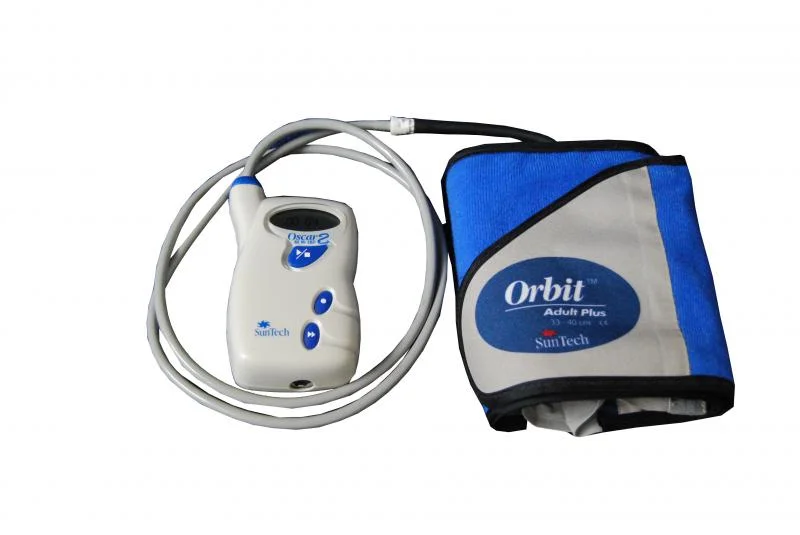
Ambulatory Blood Pressure Monitoring (ABPM) devices are advanced medical instruments designed to measure blood pressure at regular intervals over a 24-hour period while the patient goes about their daily activities. Unlike traditional blood pressure monitors which provide a single reading during a clinic visit, these devices provide a more comprehensive view of a patient's blood pressure patterns. They are typically worn on the arm and automatically inflate and deflate to take measurements, which helps in diagnosing hypertension, assessing treatment efficacy, and monitoring patients with cardiovascular conditions.
Ambulatory BP monitoring devices are primarily used in clinical and outpatient settings to provide healthcare providers with vital information about a patient's blood pressure fluctuations throughout the day and night. They are invaluable for diagnosing conditions such as white coat hypertension, where patients exhibit high blood pressure in clinical settings but not in everyday life. The relevance of these devices in the healthcare market continues to grow, driven by the increasing prevalence of hypertension and the need for continuous monitoring solutions that offer better patient outcomes.
Key Features and Specifications
Ambulatory BP monitoring devices come with a range of features that enhance their functionality and usability. These features are critical for ensuring accurate and reliable blood pressure readings. Key specifications include:
1. Monitoring Features
- Continuous monitoring throughout a 24-hour period
- Automatic inflation and deflation for accurate readings
2. Data Storage Capacity
- Ability to store multiple readings for patient history tracking
- Typically can store up to several hundred readings
3. Display Type
- Digital display for easy reading of results
- Graphical representation of blood pressure trends
4. Battery Life
- Long-lasting battery, usually capable of lasting at least 24 hours
- Rechargeable options available for convenience
5. Size and Weight
- Compact and lightweight design for patient comfort
- Easily portable for daily activities
6. Connectivity Options
- Some models feature Bluetooth or USB connectivity for data transfer
- Integration with healthcare management software
In summary, these specifications ensure that ambulatory BP monitoring devices provide reliable, actionable data for healthcare providers, facilitating better patient management.
Common Applications and Use Cases
Ambulatory BP monitoring devices are utilized across various industries, reflecting their versatility and importance in health management.
1. Healthcare: Hospitals and clinics use ABPM devices to diagnose and manage hypertension, allowing for more accurate treatment plans based on real-world data.
2. Research: Clinical researchers employ these devices in studies focused on cardiovascular health, as they provide detailed blood pressure profiles essential for understanding patient conditions.
3. Home Healthcare: Home health providers utilize ABPM devices to monitor patients remotely, enabling effective management of chronic conditions without frequent office visits.
4. Insurance: Health insurance companies may leverage ABPM data to assess risk and tailor premiums based on individual health metrics.
5. Occupational Health: Employers in various industries use these devices to monitor the health of employees, particularly in high-stress environments where hypertension may be a concern.
6. Academic Institutions: Universities and medical schools incorporate ABPM technology in training programs for future healthcare professionals.
Product Variants and Subcategories
Ambulatory BP monitoring devices come in various models to suit different needs and preferences.
Basic Model
The basic model is designed for straightforward monitoring, featuring essential functions such as automatic readings and a simple digital display. It is ideal for patients requiring routine monitoring without advanced features.
Advanced Model
The advanced model offers additional features, including connectivity to mobile apps for real-time data tracking and detailed reporting. These devices are suitable for healthcare professionals looking to enhance patient engagement and monitoring efficiency.
Wireless Model
The wireless model eliminates the need for cumbersome cables, allowing for greater freedom of movement. These devices often sync with smartphones, providing seamless access to health data and trends.
Benefits and Advantages
Ambulatory BP monitoring devices offer several key benefits that enhance patient care and operational efficiency.
1. Improved Accuracy: Continuous monitoring provides a more comprehensive understanding of a patient’s blood pressure, reducing the risk of misdiagnosis.
2. Patient Compliance: Wearing a device during normal activities encourages patients to engage with their health and adhere to prescribed treatments.
3. Data-Driven Decisions: Healthcare providers can make informed decisions based on detailed blood pressure patterns, leading to better treatment outcomes.
4. Convenience: Patients can go about their daily routines while being monitored, eliminating the need for multiple office visits.
5. Early Detection: Regular monitoring helps in detecting hypertension early, allowing for timely interventions and management.
6. Cost-Effectiveness: These devices can reduce long-term healthcare costs by enabling proactive management of blood pressure-related issues.
Buying Guide for B2B Buyers
When sourcing ambulatory BP monitoring devices, B2B buyers must consider several critical factors to ensure they make informed decisions.
1. Quality Assessment: Look for devices that comply with established quality standards. Verify that the manufacturer adheres to ISO 9001 or similar quality management systems.
2. Supplier Verification: Conduct thorough vetting of suppliers to ensure they have a reputation for reliability and quality. Check for customer reviews and industry certifications.
3. Pricing and MOQ: Understand the pricing structure and minimum order quantities to gauge overall costs. Compare different suppliers to find the best value.
4. Delivery and Lead Times: Confirm delivery timelines and logistics arrangements to ensure timely access to devices. This is crucial for maintaining patient care schedules.
5. Compliance Requirements: Ensure that the devices meet relevant regulatory standards such as CE and UL certifications, which can vary by region.
Compliance and Certifications
Compliance and certifications play a significant role in the reliability of ambulatory BP monitoring devices.
These devices should adhere to relevant quality standards such as ISO 9001, which ensures that manufacturers maintain a consistent quality management system. Compliance with these standards is crucial for ensuring the safety and efficacy of the devices.
In addition to quality standards, ambulatory BP monitoring devices require industry certifications such as UL and CE. These certifications indicate that the devices meet safety and performance requirements set by regulatory bodies.
Furthermore, safety and testing requirements are essential to guarantee that the devices function correctly and reliably in various conditions. Regional compliance must also be considered, as regulations may differ across countries and regions, impacting the marketability of these devices.
Why Source Ambulatory BP Monitoring Devices from Pepagora?
Pepagora provides a trusted platform for sourcing ambulatory BP monitoring devices, offering several key advantages to buyers.
Verified Supplier Network: Pepagora has a robust network of verified suppliers, ensuring that buyers have access to high-quality products from reliable manufacturers. This minimizes the risk of sourcing inferior devices.
Streamlined RFQ Process: The request for quotation process on Pepagora is designed to be efficient, allowing buyers to receive multiple quotes quickly and compare options to make informed purchasing decisions.
Trade Assurance and Support: Pepagora offers trade assurance and dedicated support to buyers, providing peace of mind through buyer protection policies. This enhances the overall purchasing experience.
Regional Coverage: With a presence in key markets, including India, GCC, and Southeast Asia, Pepagora facilitates access to a wide range of ambulatory BP monitoring devices tailored to meet local needs. This geographic reach ensures that buyers can source products that align with their specific market requirements.

 IN
IN