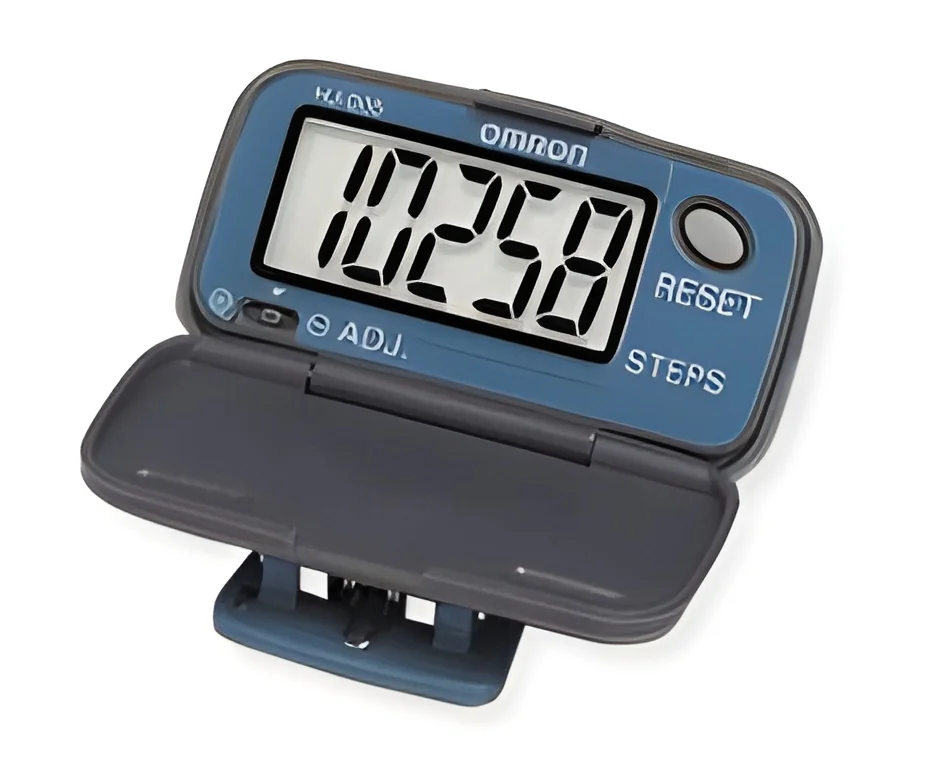
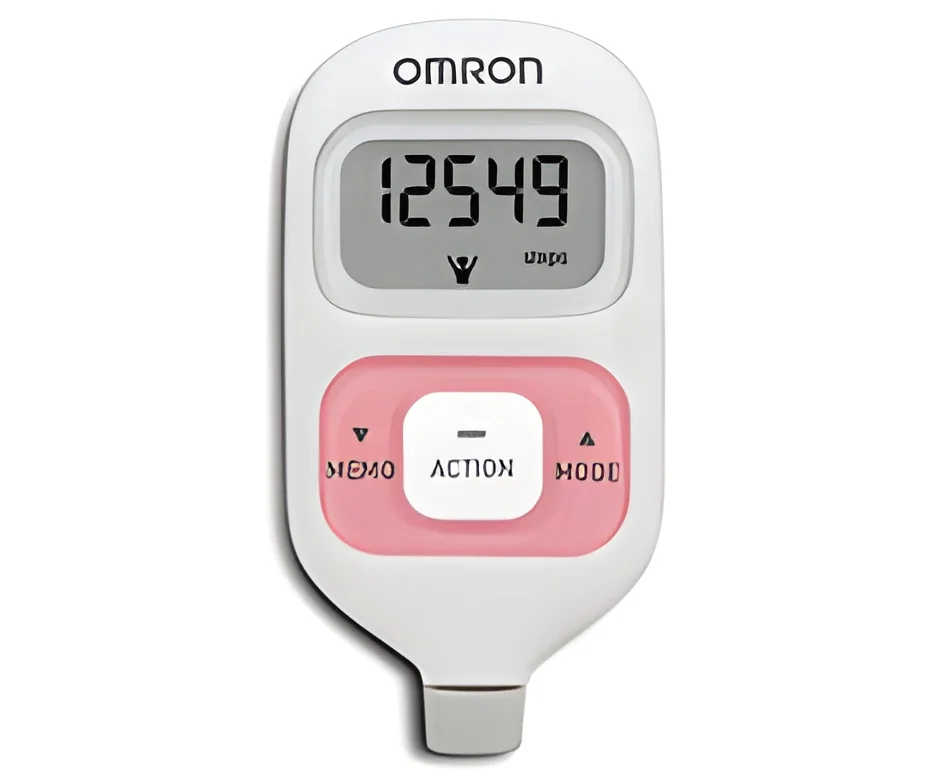
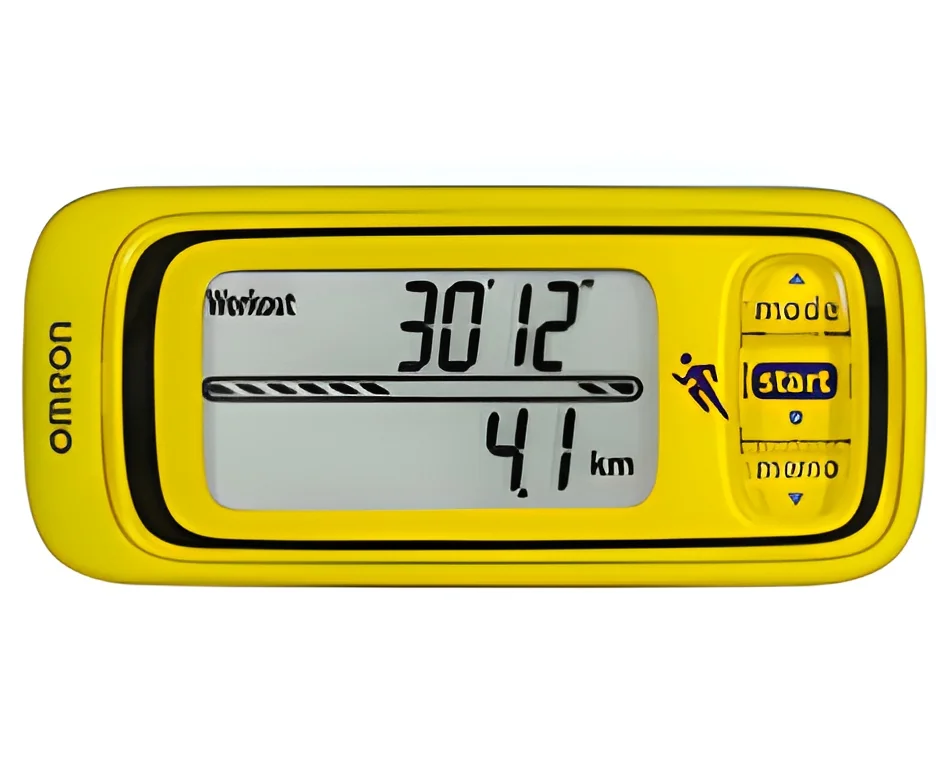
What are Pedometers & Activity Counters?
Pedometers and activity counters are devices designed to track physical activity levels by measuring the number of steps taken or the amount of movement performed in a given time. These devices can range from simple mechanical pedometers that display step counts to advanced electronic models that monitor various fitness metrics, including distance traveled, calories burned, and even heart rate.
In a business context, pedometers and activity counters are often used in health and wellness programs to encourage physical activity among employees. Companies utilize these devices to promote a healthier lifestyle, reduce healthcare costs, and improve overall productivity. These tools are relevant in settings such as corporate wellness initiatives, fitness tracking programs, and even rehabilitation services where monitoring activity levels is essential for patient care.
The market for pedometers and activity counters has grown significantly as businesses increasingly recognize the importance of employee health and fitness. With advancements in technology, these devices have become more accurate and user-friendly, making them an essential part of workplace wellness strategies across various industries.
Key Features and Specifications
Pedometers and activity counters come equipped with a range of features that enhance their usability and effectiveness. When selecting these devices, it is important to consider their specifications to ensure they meet the needs of your business.
Key specifications include:
1. Step Counting Accuracy
- High precision sensors to ensure accurate step counting.
- Calibration options for different walking styles.
2. Distance Measurement
- Ability to convert steps into distance using stride length.
- Options for metric (kilometers) or imperial (miles) units.
3. Calorie Tracking
- Calculation of calories burned based on activity levels.
- Customizable settings based on user weight and activity type.
4. Battery Life
- Long-lasting batteries for extended use without frequent replacements.
- Options for rechargeable models.
5. Display Type
- LCD or LED screens for easy visibility.
- Backlight features for use in low-light conditions.
6. Connectivity Features
- Bluetooth or Wi-Fi for syncing data with smartphones or fitness apps.
- Integration with health monitoring platforms.
7. User Profiles
- Ability to create multiple user profiles for shared devices.
- Customizable settings for individual tracking.
8. Water Resistance
- Ratings indicating suitability for use in various weather conditions.
- Durability for daily wear and tear.
Overall, understanding these features and specifications can help businesses choose the right pedometers and activity counters to meet their specific needs.
Common Applications and Use Cases
Pedometers and activity counters find application across various industries, each benefiting from the insights these devices provide.
1. Corporate Wellness Programs: Many companies implement pedometers in wellness initiatives to encourage employees to stay active, thereby improving health and productivity.
2. Healthcare and Rehabilitation: In medical settings, these devices help monitor patients' activity levels, providing valuable data for recovery plans and physical therapy.
3. Education: Schools often use activity counters in physical education programs to motivate students to engage in physical activities and track their fitness progress.
4. Sports and Fitness: Coaches and trainers utilize these devices to monitor athletes' performance, helping to devise training regimens tailored to individual capabilities.
5. Research and Studies: Health researchers use pedometers to gather data on physical activity patterns for studies related to lifestyle diseases and health interventions.
6. Senior Living Facilities: Activity counters assist in promoting mobility among seniors, providing caregivers with insights into residents' physical activity levels.
7. Community Health Programs: Public health initiatives often distribute pedometers to encourage community members to increase their daily activity levels.
Product Variants and Subcategories
Pedometers and activity counters come in various models to cater to different user preferences and requirements. While specific subcategories are not available, here are two notable variants:
Basic Pedometer
This model typically features a straightforward design focused on step counting. It provides essential metrics such as steps taken and distance traveled. Basic pedometers are cost-effective and ideal for users looking for simplicity without advanced features.
Smart Activity Tracker
These advanced devices offer a wide array of features, including heart rate monitoring, sleep tracking, and smartphone connectivity. Smart activity trackers are suited for fitness enthusiasts and provide comprehensive insights into overall health and activity levels.
Benefits and Advantages
Pedometers and activity counters offer a range of benefits that can significantly impact health and productivity.
1. Enhances Employee Wellness: By encouraging physical activity, these devices help improve overall employee health, potentially reducing healthcare costs for businesses.
2. Increases Engagement: Pedometers can motivate users to set and achieve fitness goals, fostering a culture of wellness in the workplace.
3. Provides Data Insights: Activity counters offer valuable data that can be analyzed to understand engagement levels and inform wellness strategies.
4. Customizable for Various Users: Many devices allow for personalized settings, making them suitable for a wide range of users across different industries.
5. Promotes Accountability: By tracking activity, users can hold themselves accountable for their fitness goals, leading to healthier habits.
6. Easy to Use: Most pedometers and activity counters are designed for user-friendly operation, making them accessible to individuals of all ages.
Buying Guide for B2B Buyers
When considering the procurement of pedometers and activity counters, several factors should be taken into account to ensure a successful purchase.
1. Quality Assessment: Evaluate the build quality and durability of the devices. Look for products that meet industry standards and have positive user reviews.
2. Supplier Verification: It is crucial to verify suppliers to ensure they are reputable and can provide reliable products. Request references and check certifications.
3. Pricing and MOQ: Understand the pricing structure and minimum order quantities (MOQs) from suppliers. This information is vital for budgeting and inventory management.
4. Delivery and Lead Times: Inquire about delivery schedules and lead times to ensure that products arrive when needed for your business operations.
5. Compliance Requirements: Check for any regulatory compliance relevant to your industry, such as safety standards or certifications that the devices must meet.
Compliance and Certifications
Pedometers and activity counters are subject to various compliance and certification standards that ensure their quality and safety.
Relevant quality standards include ISO 9001, which focuses on quality management systems, ensuring that products meet customer expectations and regulatory requirements. Other standards may include HACCP for health and safety management in healthcare settings.
Industry certifications such as CE indicate that products comply with European health, safety, and environmental protection standards. These certifications assure buyers of the product's reliability and safety for consumer use.
Safety and testing requirements are critical, particularly for devices intended for medical or rehabilitation use. Manufacturers must conduct thorough testing to validate the accuracy and durability of the devices.
In addition, regional compliance considerations should be taken into account, as different countries may have specific regulations governing electronic devices and health products.
Why Source Pedometers & Activity Counters from Pepagora?
Pepagora offers a trusted platform for sourcing pedometers and activity counters, providing several advantages to B2B buyers.
Verified Supplier Network: Pepagora maintains a rigorous vetting process for suppliers, ensuring that only reputable manufacturers and distributors are available on the platform. This helps buyers find reliable sources for their products.
Streamlined RFQ Process: The request for quotation (RFQ) process on Pepagora simplifies sourcing. Buyers can easily submit their requirements and receive quotes from multiple suppliers, enabling informed decision-making.
Trade Assurance and Support: Pepagora provides trade assurance, protecting buyers from potential risks associated with purchasing. The platform also offers customer support to assist with any issues that may arise during the purchasing process.
Regional Coverage: With a broad geographic reach, including India, the GCC, and Southeast Asia, Pepagora connects buyers with suppliers in various regions, facilitating easier access to pedometers and activity counters across markets.

 IN
IN