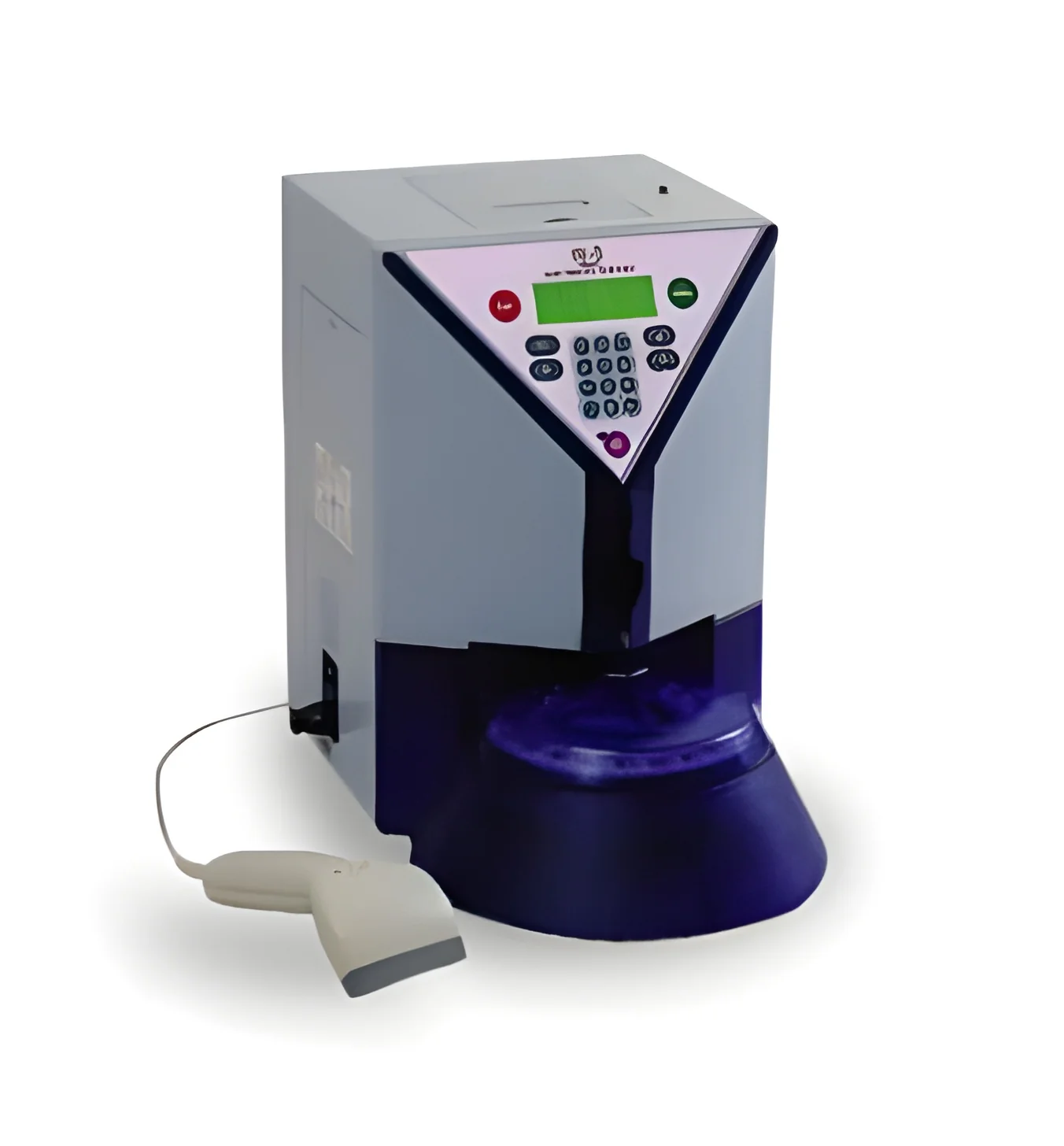
What are Urine Test Strips & Meters?
Urine test strips and meters are diagnostic tools used to analyze urine samples for various health indicators. These products typically consist of a strip coated with chemical reagents that react with specific substances in the urine, resulting in color changes that are compared to a reference chart. Meters, on the other hand, may use electronic sensors to provide a more precise analysis of the urine sample. Both forms of testing are widely used in clinical, laboratory, and home settings.
The primary uses of urine test strips and meters include monitoring health conditions such as diabetes, kidney disease, and urinary tract infections. They are essential in both preventive healthcare and disease management, allowing for quick and accurate assessments. Businesses in the healthcare, laboratory, and pharmaceutical industries utilize these products to enhance patient care and streamline diagnostic processes.
In the context of the healthcare market, the demand for urine test strips and meters continues to grow due to increasing awareness of preventive health measures and the rising incidence of chronic diseases. These products have gained relevance not only in hospitals and clinics but also in home healthcare settings, making them a significant part of the broader medical diagnostics landscape.
Key Features and Specifications
Urine test strips and meters come with various features and specifications designed to meet diverse diagnostic needs. Understanding these specifications is essential for businesses looking to procure the right products for their operations.
Key specifications include:
1. Test Range
- Indicates the specific substances that can be tested, such as glucose, protein, pH, and ketones.
- Ranges vary depending on the type of test strip or meter.
2. Sensitivity
- Refers to the minimum concentration of a substance that can be reliably detected.
- Higher sensitivity ensures more accurate results, particularly for critical conditions.
3. Response Time
- The amount of time required for the test to provide results.
- Generally ranges from seconds to a few minutes, depending on the product.
4. Storage Conditions
- Specifies the temperature and humidity levels required for optimal storage.
- Proper storage is crucial to maintain the integrity of the test strips.
5. Shelf Life
- The duration for which the product remains effective after manufacture.
- Typically ranges from several months to a few years, depending on the product type.
6. Packaging Options
- Available in various formats, such as individual strips or bulk packaging.
- Affects usability and convenience for different business needs.
7. User-Friendly Design
- Many products feature easy-to-read color charts and simplified instructions.
- Enhances usability for both trained professionals and laypersons.
8. Compliance and Certifications
- Products may comply with relevant industry standards and come with certifications like CE.
- Ensures quality and reliability in testing.
In summary, understanding the key features and specifications of urine test strips and meters assists businesses in selecting the best products for their diagnostic needs.
Common Applications and Use Cases
Urine test strips and meters find applications across various industries, catering to specific needs in each sector.
1. Healthcare: In hospitals and clinics, these products are used for routine urinalysis to monitor patients' health and diagnose conditions.
2. Home Healthcare: Patients with chronic conditions, such as diabetes, use test strips for self-monitoring and management of their health.
3. Pharmaceuticals: Drug manufacturers use urine testing in clinical trials to monitor drug efficacy and safety.
4. Veterinary Medicine: Animal health professionals utilize urine test strips to diagnose and monitor health conditions in pets.
5. Sports Medicine: Athletic trainers use these products to screen for dehydration and other health issues in athletes.
6. Research Laboratories: Urine test strips are used in research settings to study various health indicators and conditions.
7. Occupational Health: Employers may use these tests for health assessments in workplace settings, particularly for safety-sensitive positions.
Product Variants and Subcategories
Urine test strips and meters come in various variants, each designed to cater to specific testing needs and applications.
Glucose Test Strips
These strips are specifically designed to measure glucose levels in urine. They are crucial for patients with diabetes, allowing for regular monitoring of blood sugar levels and effective management of the condition.
pH Test Strips
pH test strips measure the acidity or alkalinity of urine. They are used in both healthcare and veterinary settings to assess metabolic conditions and kidney function.
Ketone Test Strips
These strips detect the presence of ketones in urine, an important indicator for individuals on ketogenic diets or those with uncontrolled diabetes. They help monitor metabolic states and ensure proper dietary management.
Protein Test Strips
Protein test strips are used to identify protein levels in urine, which can indicate kidney issues. They are important in both clinical settings and routine health assessments.
Benefits and Advantages
Urine test strips and meters offer numerous benefits that enhance their value in various applications.
1. Quick Results: These products provide rapid results, enabling timely decision-making in healthcare settings.
2. Ease of Use: Most test strips are designed for straightforward use, making them accessible for both medical professionals and patients.
3. Cost-Effective: Compared to other diagnostic methods, urine test strips and meters are generally more affordable, providing a cost-effective solution for regular testing.
4. Portability: Many urine test strips are lightweight and compact, making them easy to store and transport for both clinical and home use.
5. Versatility: These products can test for multiple substances, allowing for comprehensive health monitoring with a single tool.
6. Increased Patient Compliance: The simplicity of urine testing encourages patients to engage in regular health monitoring, improving overall health outcomes.
Buying Guide for B2B Buyers
When sourcing urine test strips and meters, several key factors should be considered to ensure that the right products are selected.
1. Quality Assessment: Evaluate the quality of the products by checking for certifications and compliance with industry standards. High-quality products ensure accurate and reliable results.
2. Supplier Verification: Conduct thorough research on potential suppliers to verify their reputation and the quality of their offerings. Request samples when possible to assess product performance.
3. Pricing and MOQ: Consider the price range of the products and inquire about minimum order quantities (MOQ). Understanding pricing structures helps in budgeting and procurement planning.
4. Delivery and Lead Times: Discuss delivery schedules and lead times with suppliers to ensure timely availability of products. Delays can impact operational efficiencies.
5. Compliance Requirements: Familiarize yourself with any regulatory requirements related to urine test strips and meters in your region. Ensure that suppliers adhere to these standards to avoid compliance issues.
Compliance and Certifications
Compliance and certifications play a critical role in ensuring the quality and reliability of urine test strips and meters. Products often comply with relevant quality standards such as ISO 9001, which ensures systematic quality management processes.
Additionally, certifications like CE signify that the products meet European health, safety, and environmental protection standards. These certifications are crucial for gaining acceptance in various markets and building trust with customers.
Safety and testing requirements are also paramount, as they ensure that the products are safe for use and provide accurate results. Manufacturers should conduct thorough testing to verify the performance of their products.
Regional compliance considerations may vary, so it is essential for businesses to understand local regulations that govern medical diagnostic products. Meeting these requirements not only enhances product credibility but also ensures that users receive reliable results.
Why Source Urine Test Strips & Meters from Pepagora?
Pepagora provides a trusted platform for sourcing urine test strips and meters, offering several key advantages to businesses.
Verified Supplier Network: Pepagora connects buyers with a network of verified suppliers, ensuring that only quality products are offered. This verification process enhances confidence in procurement decisions.
Streamlined RFQ Process: The request for quotation (RFQ) system simplifies the sourcing process. Buyers can easily compare prices and specifications from multiple suppliers, making informed choices.
Trade Assurance and Support: Pepagora offers trade assurance and support, providing protection for buyers against potential risks during the procurement process. This support enhances the overall sourcing experience.
Regional Coverage: With a strong presence in India, the GCC, and Southeast Asia, Pepagora effectively caters to diverse regional needs. This geographic reach allows businesses to access a wide range of products tailored to their specific requirements.

 IN
IN