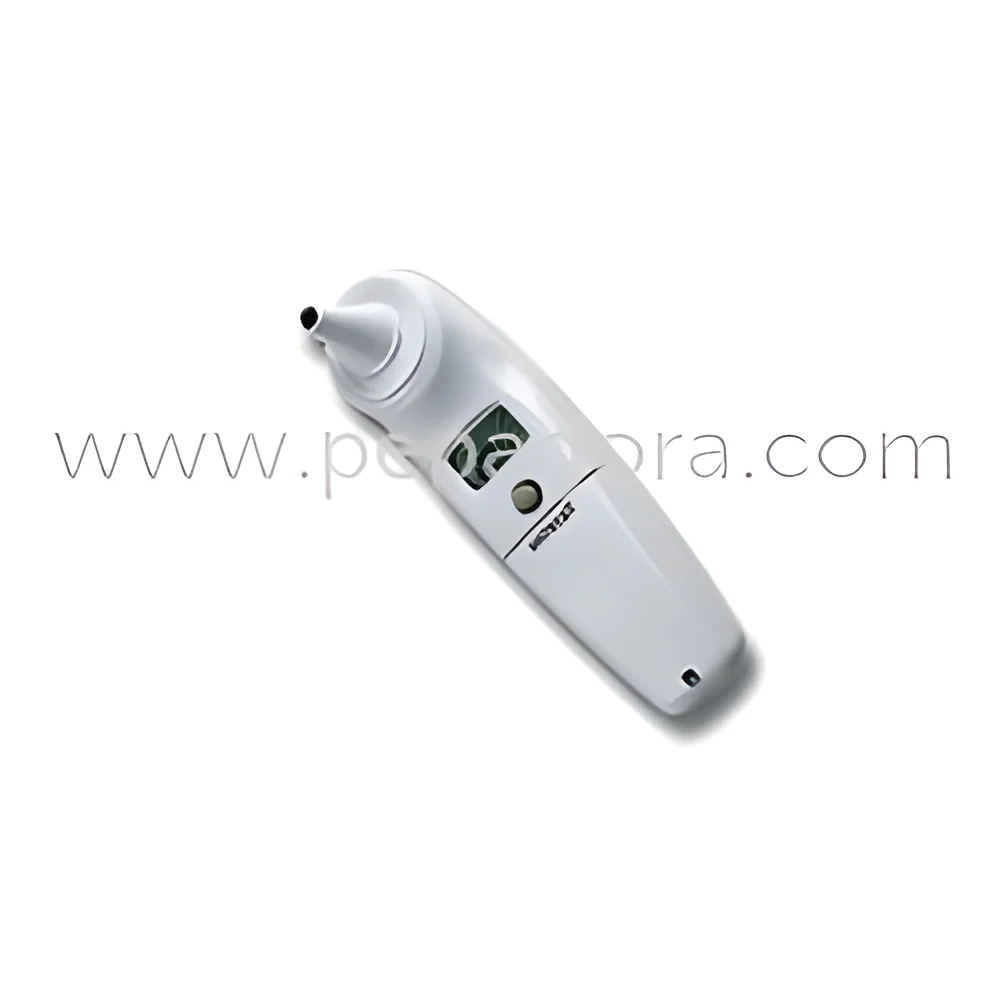
What are Ear Thermometers?
Ear thermometers, also known as tympanic thermometers, are specialized medical devices designed to measure body temperature through the ear canal. These devices utilize infrared technology to detect the thermal radiation emitted by the tympanic membrane, providing a quick and accurate temperature reading. Ear thermometers are favored for their speed and ease of use, making them an essential tool in both clinical and home settings.
The primary uses of ear thermometers include monitoring body temperature during routine health checks, diagnosing fever, and assessing the effectiveness of treatments. They are particularly useful in pediatric care, as they can provide accurate readings without causing discomfort to children. In various business applications, such as hospitals, clinics, and schools, ear thermometers play a crucial role in health monitoring and infection control. The demand for reliable and efficient temperature measurement devices has grown in recent years, especially in light of global health concerns.
In the current market, ear thermometers are recognized for their accuracy and convenience, making them a standard choice in many healthcare facilities. With advancements in technology, these devices are becoming increasingly sophisticated, incorporating features that enhance usability and reliability. The growing awareness of health and wellness has further solidified the relevance of ear thermometers in both professional and personal contexts.
Key Features and Specifications
Ear thermometers come equipped with a variety of features that enhance their functionality and user experience. Understanding these specifications is crucial for businesses looking to invest in this type of medical equipment.
Key specifications include:
1. Temperature Measurement Range
- Typically ranges from 32°C to 42.9°C (89.6°F to 109.2°F)
- Suitable for detecting both normal and elevated body temperatures
2. Measurement Accuracy
- Generally within ±0.2°C (±0.4°F)
- Ensures reliable readings for effective health monitoring
3. Response Time
- Usually provides a reading in 1 to 3 seconds
- Ideal for quick assessments in busy environments
4. Power Source
- Operates on batteries, typically AA or AAA
- Some models may offer rechargeable options
5. Display Type
- LCD screens are standard for clear visibility
- Backlit displays are available for use in low-light conditions
6. Memory Function
- Can store previous readings for trend analysis
- Useful for tracking temperature changes over time
7. Design Features
- Ergonomic designs for comfortable handling
- Some models include disposable covers for hygiene
8. Weight and Portability
- Lightweight and compact design for ease of transport
- Suitable for use in various settings, including home and healthcare facilities
In summary, ear thermometers offer a range of features that cater to the needs of users in both clinical and home environments. Their compact design, quick response time, and accuracy make them a valuable addition to any health monitoring toolkit.
Common Applications and Use Cases
Ear thermometers are versatile devices with applications across multiple industries.
1. Healthcare: In hospitals and clinics, ear thermometers are commonly used for quick temperature assessments of patients, especially in emergency situations.
2. Pediatrics: These thermometers are particularly beneficial in pediatric care, allowing for non-invasive readings that are quick and comfortable for children.
3. Schools: Educational institutions utilize ear thermometers for regular health checks, ensuring that students are healthy and minimizing the spread of illness.
4. Corporate Wellness: Many businesses implement ear thermometers in their wellness programs to monitor employee health and prevent the spread of infections.
5. Home Care: Families often rely on ear thermometers for monitoring the health of children and elderly relatives, providing peace of mind with easy temperature checks.
6. Travel and Tourism: In the travel industry, ear thermometers are used in health screenings to ensure the safety and well-being of travelers.
7. Research: In clinical studies and health research, ear thermometers play a role in gathering accurate temperature data for analysis.
Product Variants and Subcategories
Ear thermometers come in various models designed to meet specific user needs.
Digital Ear Thermometer
This variant features advanced digital technology, providing quick and accurate readings. Ideal for both home and clinical use, it often includes a memory function for tracking multiple readings.
Infrared Ear Thermometer
Utilizing infrared technology, this type is known for its rapid response time. It is particularly useful in busy healthcare settings where quick assessments are essential.
Non-Contact Ear Thermometer
While primarily focused on forehead readings, some models can measure temperatures via the ear. This variant offers the advantage of minimizing cross-contamination and is ideal for use in public health monitoring.
Benefits and Advantages
Investing in ear thermometers offers several key benefits for businesses and healthcare providers.
1. Speed and Efficiency: Ear thermometers provide rapid readings, allowing for quick assessments and reducing waiting times for patients.
2. Non-Invasive: These thermometers are easy to use and minimize discomfort, making them suitable for all age groups, especially children.
3. Accuracy: With proper calibration, ear thermometers deliver precise temperature readings, essential for effective health monitoring.
4. Portability: Their compact design makes them easy to carry, facilitating use in various settings, including home care and travel.
5. Hygiene: Many models feature disposable covers, enhancing hygiene and reducing the risk of cross-contamination between users.
6. User-Friendly: Ear thermometers are typically designed for simple operation, making them accessible for both healthcare professionals and non-specialists.
Buying Guide for B2B Buyers
When sourcing ear thermometers for business use, buyers should consider several critical factors.
1. Quality Assessment: Ensure that the thermometers meet industry standards for accuracy and reliability. Look for reviews and certifications that indicate high-quality manufacturing.
2. Supplier Verification: Vet suppliers carefully to ensure they have a good reputation and a history of delivering reliable products. Check for customer testimonials and industry recognition.
3. Pricing and MOQ: Understand the pricing structure and minimum order quantities. Look for suppliers who offer competitive pricing without compromising quality.
4. Delivery and Lead Times: Confirm logistics details, including delivery times and shipping options. Ensure that the supplier can meet your deadlines.
5. Compliance Requirements: Be aware of any regulatory standards that apply to medical devices in your region. Verify that the products comply with necessary certifications to avoid legal issues.
Compliance and Certifications
Ear thermometers must adhere to various quality standards and regulations to ensure safety and reliability.
ISO 9001 is a fundamental quality management standard that applies to manufacturers of medical devices, ensuring consistent quality and improvement in processes.
CE certification is crucial for products sold in European markets, indicating compliance with health, safety, and environmental protection standards.
Safety and testing requirements mandate rigorous evaluations to guarantee that devices are safe for public use, free from defects, and able to perform accurately under various conditions.
Regional compliance considerations may vary, so it is essential for manufacturers and suppliers to understand the specific regulations in the markets they are serving.
Why Source Ear Thermometers from Pepagora?
Pepagora provides a trusted platform for sourcing ear thermometers, offering several key advantages for buyers.
Verified Supplier Network: Pepagora features a robust network of verified suppliers, ensuring that buyers have access to quality products from reputable manufacturers. Each supplier undergoes rigorous checks to maintain high standards.
Streamlined RFQ Process: The Request for Quotation system simplifies the procurement process, enabling buyers to receive and compare quotes efficiently. This transparency helps in making informed purchasing decisions.
Trade Assurance and Support: Pepagora offers trade assurance, protecting buyers from potential disputes and ensuring that transactions are secure. The dedicated support team is available to address any concerns during the purchasing process.
Regional Coverage: With a strong presence in India, the GCC, and Southeast Asia, Pepagora connects buyers with suppliers across these regions, facilitating access to quality ear thermometers tailored to diverse market needs.

 IN
IN