𝗪𝗵𝗮𝘁 𝗮𝗿𝗲 𝗕𝗮𝗸𝗲𝗿𝘆 & 𝗖𝗼𝗻𝗳𝗲𝗰𝘁𝗶𝗼𝗻𝗲𝗿𝘆 𝗣𝗿𝗼𝗱𝘂𝗰𝘁𝘀?
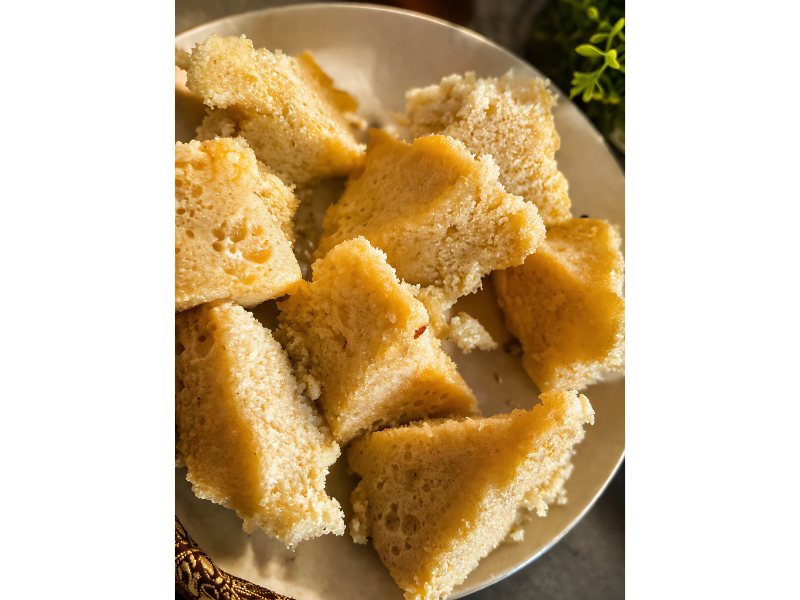
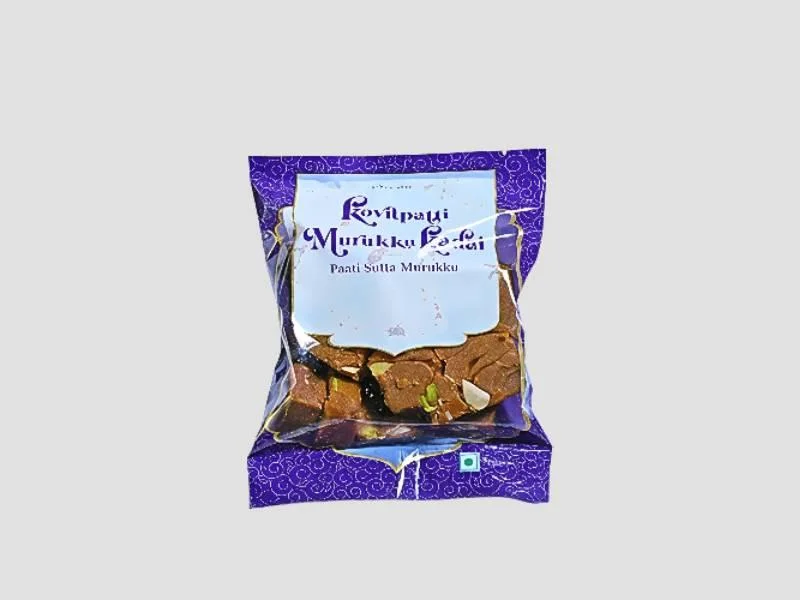
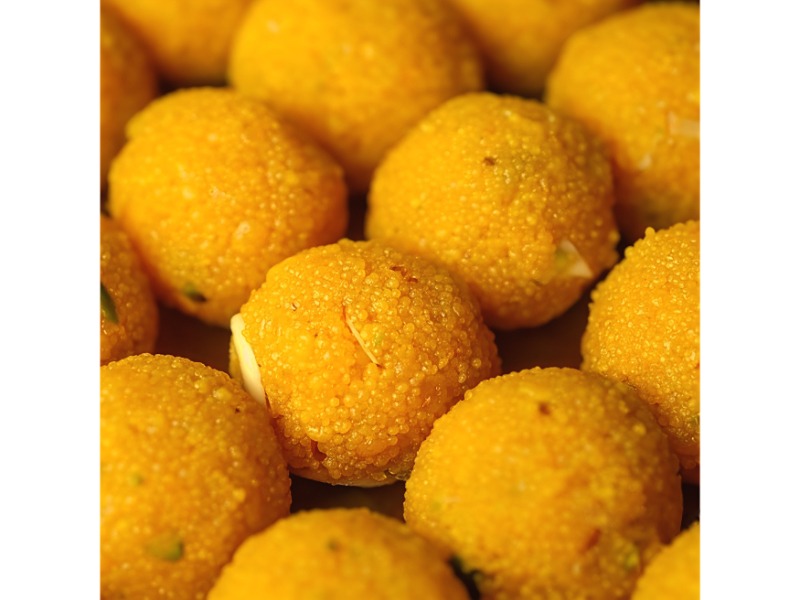
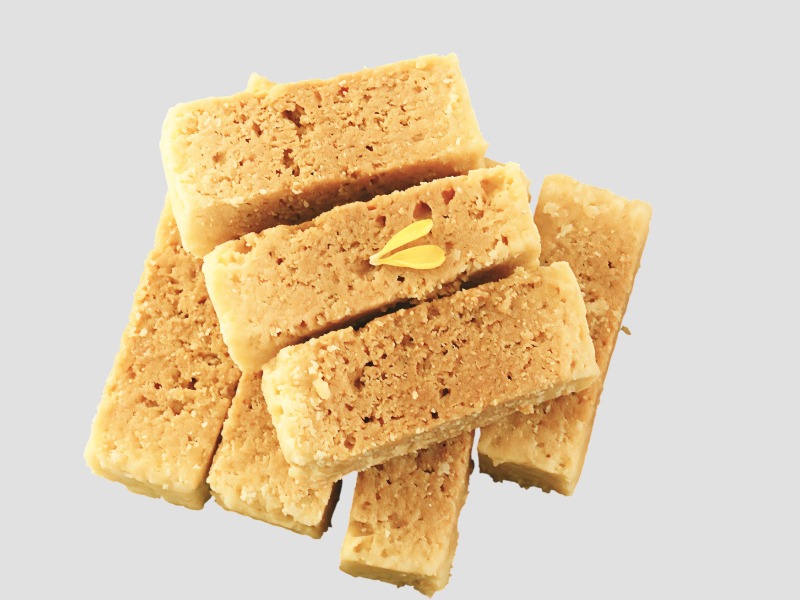
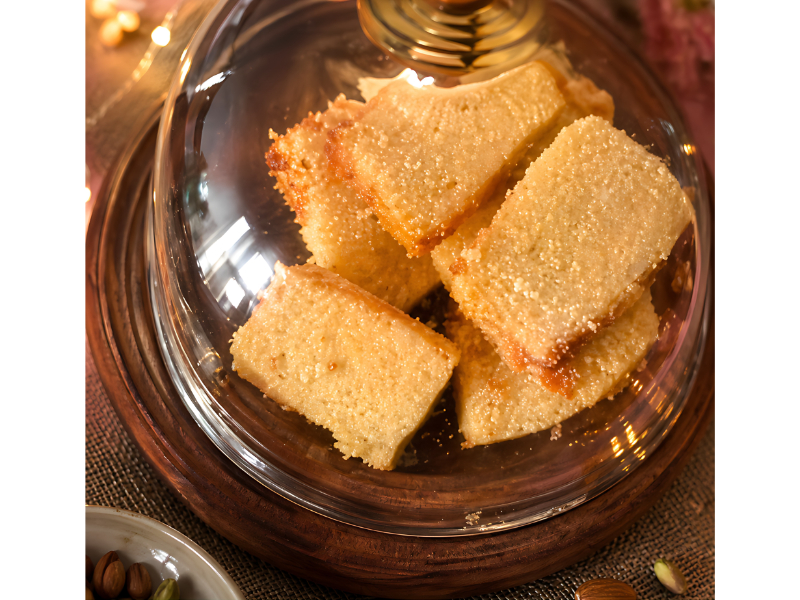
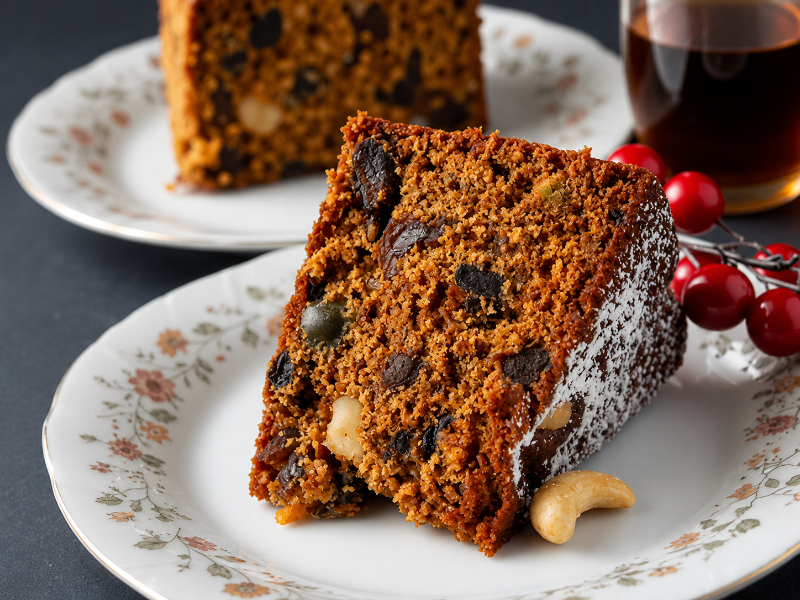
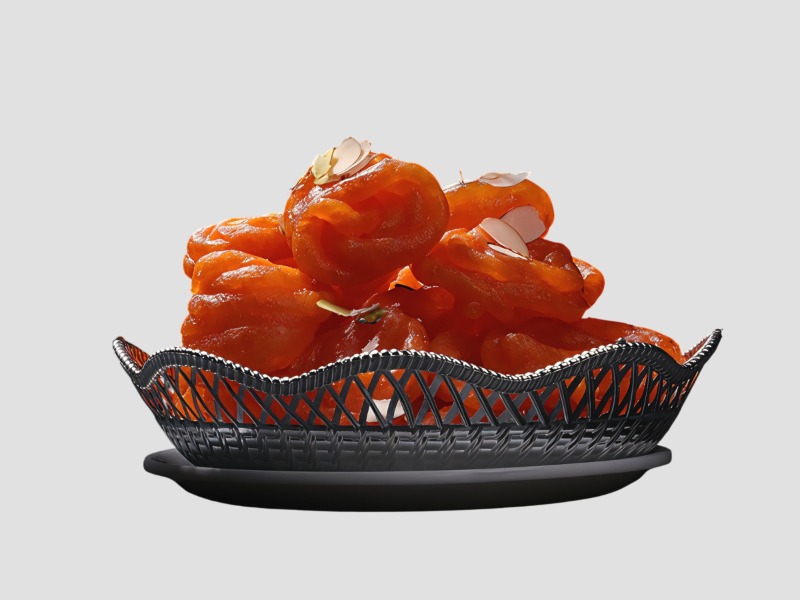
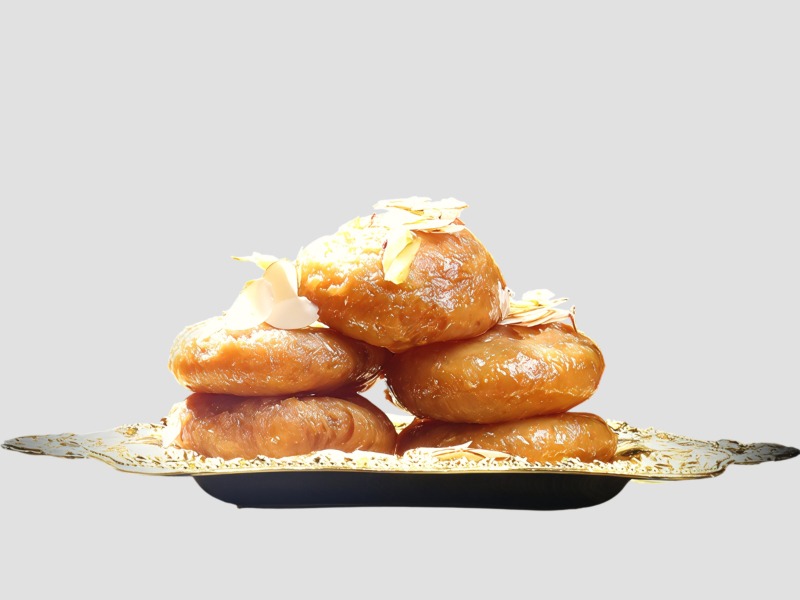
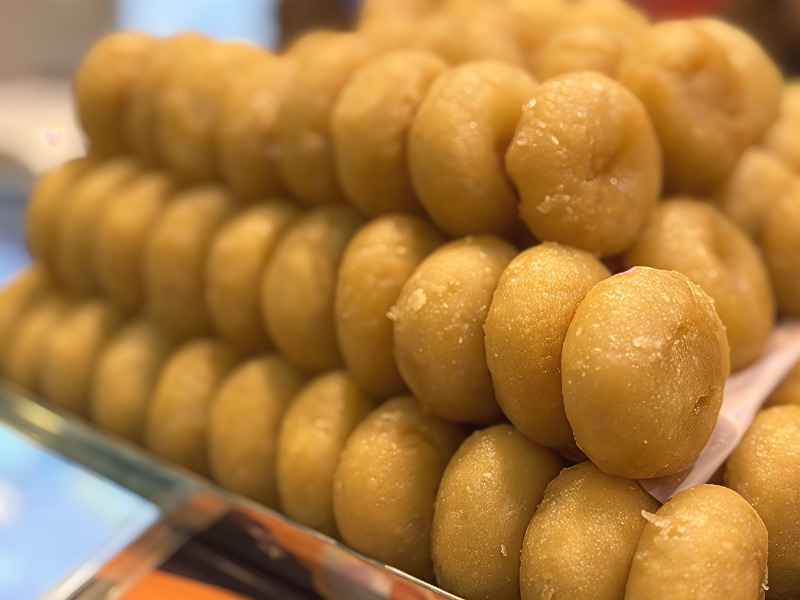
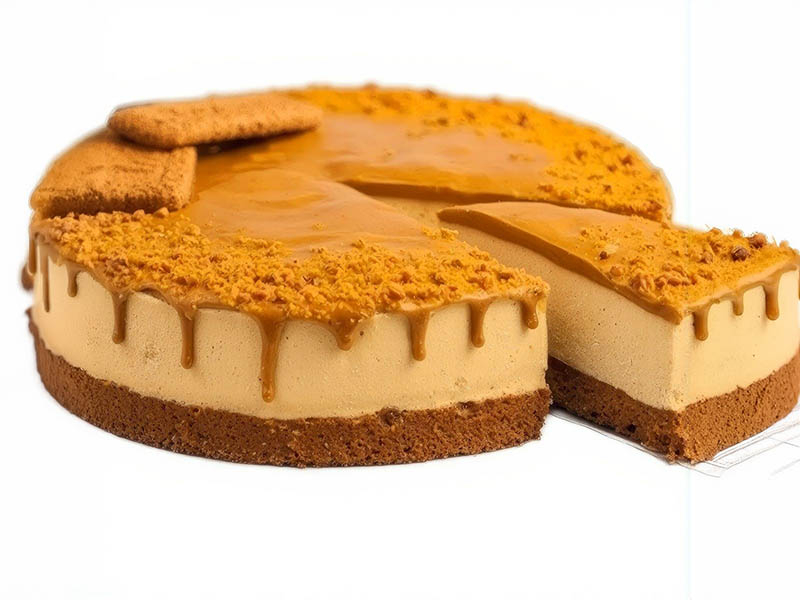
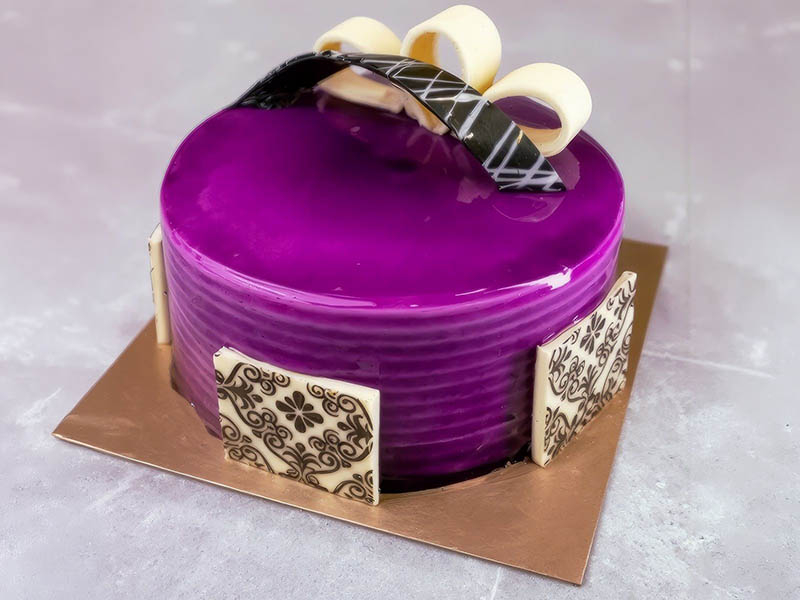
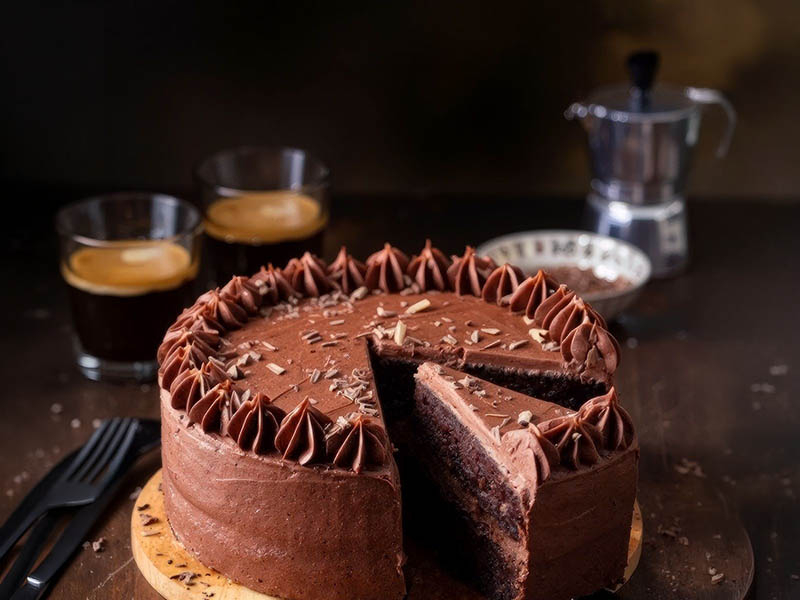
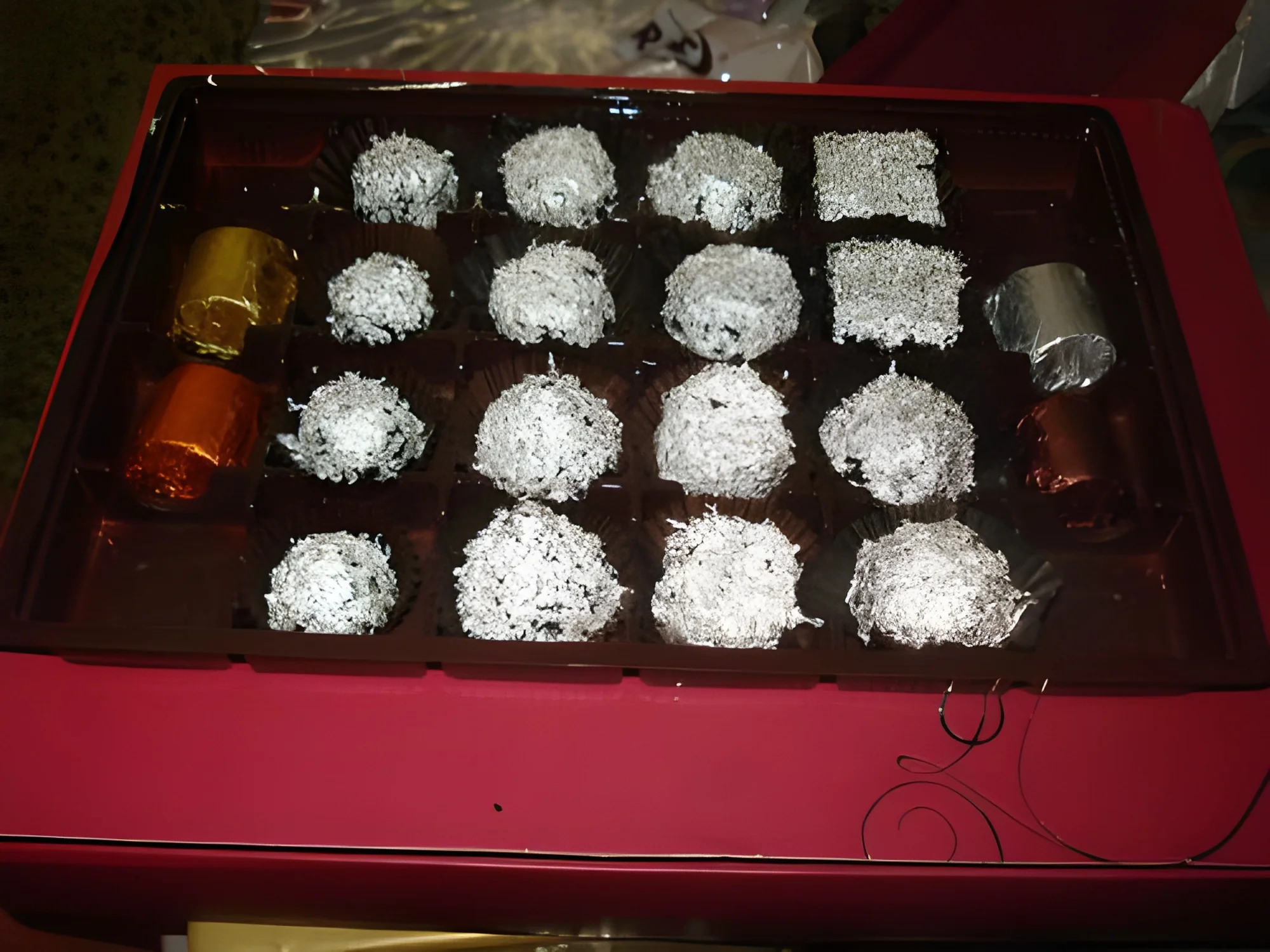
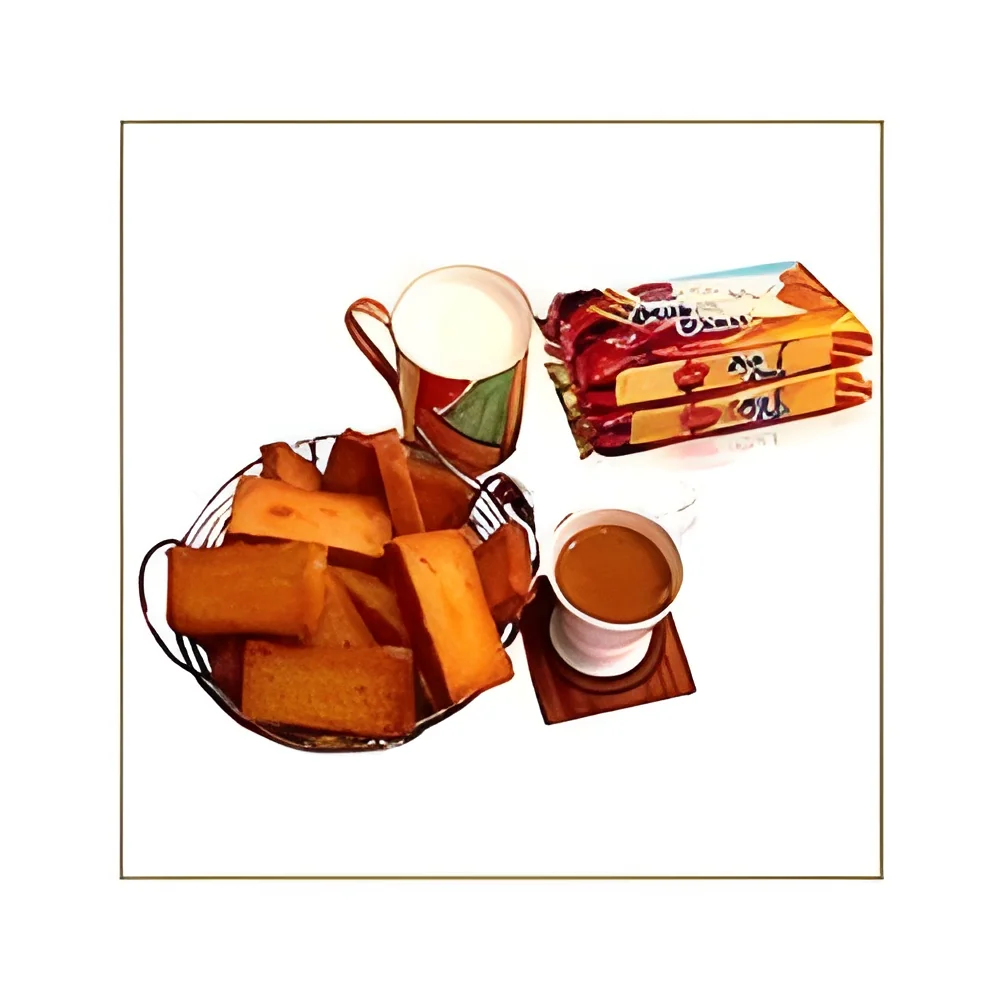
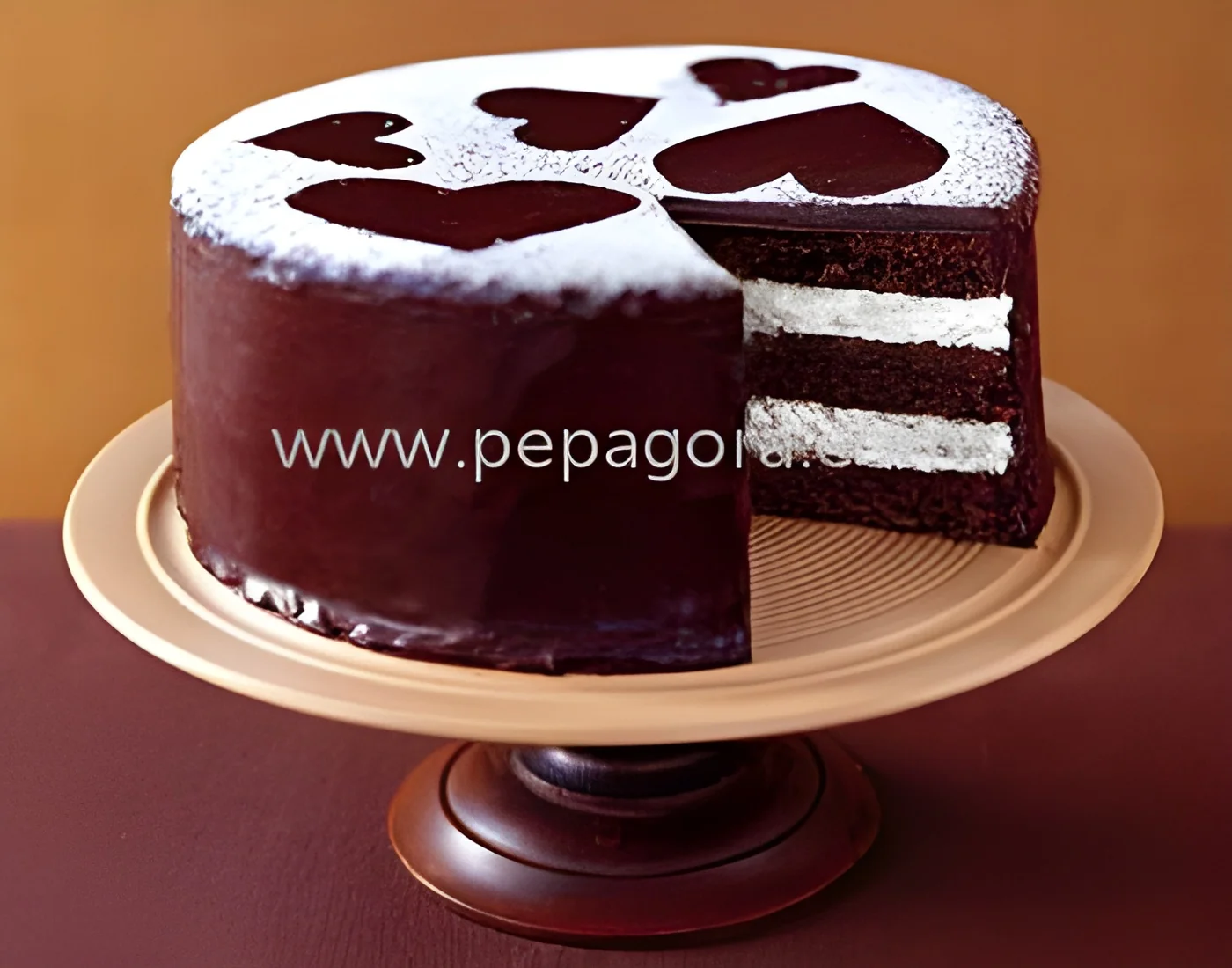
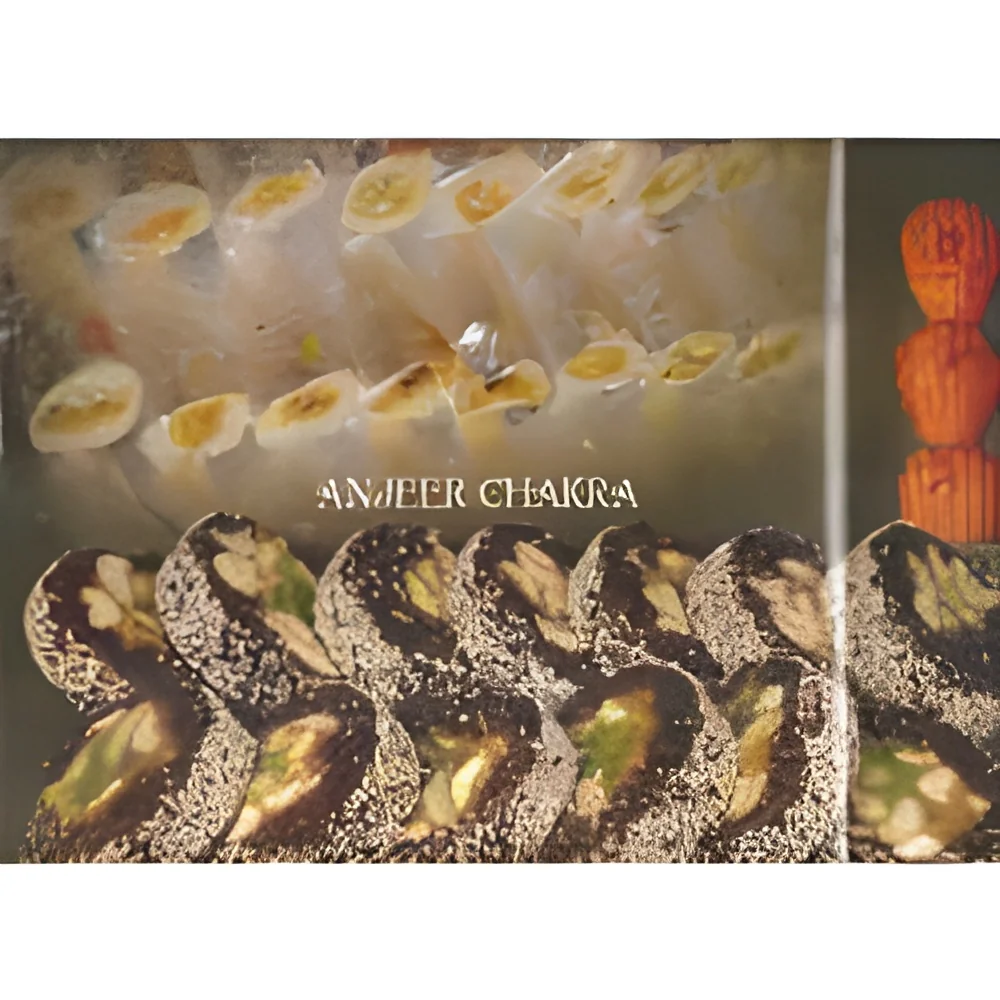
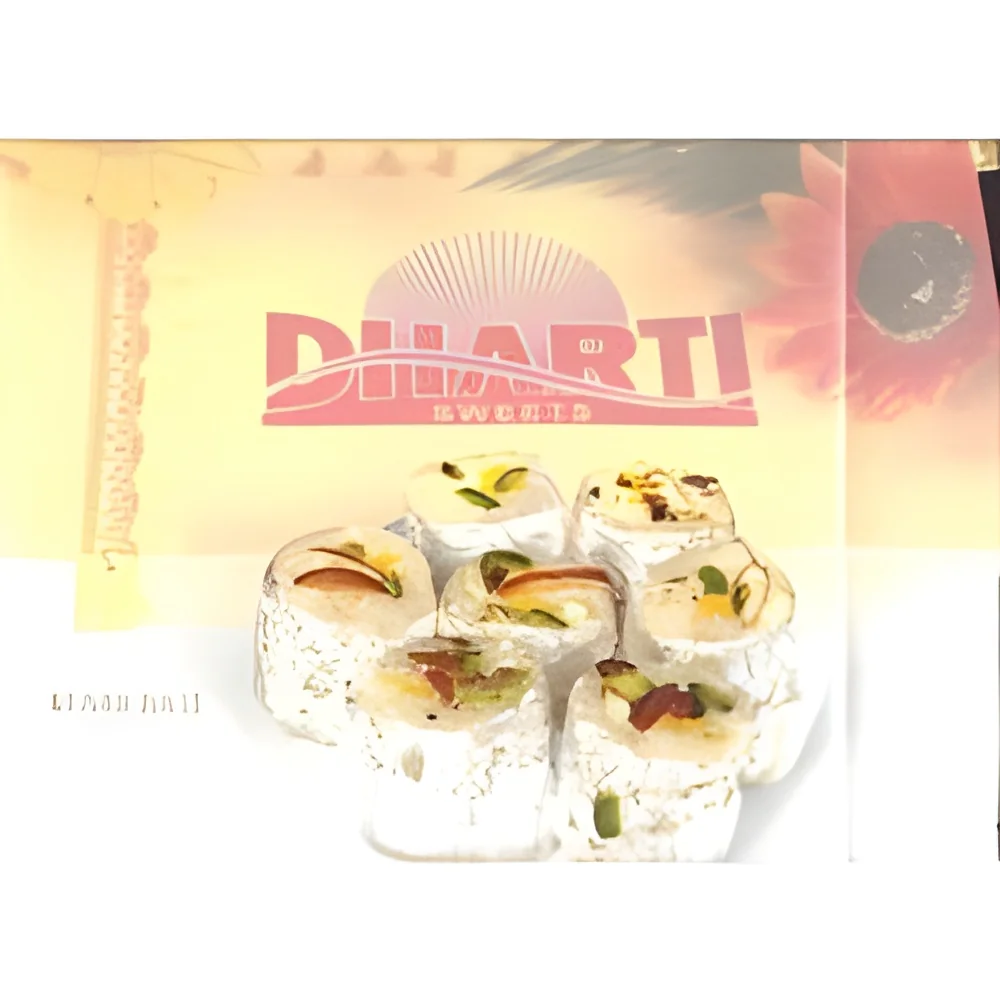
Bakery and confectionery products encompass a wide range of food items that are primarily made through baking or the use of sugar and other sweet ingredients. Bakery products include bread, cakes, pastries, and cookies, while confectionery items consist of candies, chocolates, and desserts. Both categories are integral to the food industry and offer a variety of flavors, textures, and presentations that cater to diverse consumer preferences.
The primary uses of these products extend beyond individual consumption. They play a significant role in various sectors, including retail, food service, and hospitality. Bakeries, restaurants, and catering services utilize these products to enhance their menus, attract customers, and create memorable dining experiences. Additionally, these items are often used in celebrations and events, making them essential in the food supply chain.
In terms of market relevance, the bakery and confectionery sector continues to grow, driven by increasing consumer demand for convenient and indulgent food options. The rise of artisanal and health-conscious products has further expanded this market. Companies in this industry must stay updated on trends and innovations to remain competitive and meet changing consumer expectations.
𝗞𝗲𝘆 𝗙𝗲𝗮𝘁𝘂𝗿𝗲𝘀 𝗮𝗻𝗱 𝗦𝗽𝗲𝗰𝗶𝗳𝗶𝗰𝗮𝘁𝗶𝗼𝗻𝘀
Bakery and confectionery products are characterized by various features that define their quality and applicability. Understanding these specifications is crucial for businesses when sourcing products.
Key specifications include:
1. Ingredients
- Variety of flours, sugars, and flavorings
- Potential for gluten-free or natural options
2. Shelf Life
- Varies based on product type
- Typically ranges from a few days to several months, depending on preservation methods
3. Packaging
- Options include bulk containers, retail packaging, or eco-friendly materials
- Must ensure product freshness and compliance with regulations
4. Nutritional Information
- Specific details related to calories, sugars, fats, and allergens
- Important for health-conscious consumers
5. Production Capacity
- Ability to scale production based on demand
- Consideration for batch sizes and turnaround times
6. Flavor Profiles
- Wide range of flavors available from classic to innovative
- Ability to customize based on market trends
7. Customization Options
- Ability to create bespoke products for specific customer needs
- Includes flavor, shape, and packaging design
8. Compliance Standards
- Must meet local and international food safety standards
- Relevant certifications include CE for specific markets
In summary, understanding the key features and specifications of bakery and confectionery products is essential for businesses to ensure they meet quality standards and consumer preferences.
𝗖𝗼𝗺𝗺𝗼𝗻 𝗔𝗽𝗽𝗹𝗶𝗰𝗮𝘁𝗶𝗼𝗻𝘀 𝗮𝗻𝗱 𝗨𝘀𝗲 𝗖𝗮𝘀𝗲𝘀
Bakery and confectionery products are utilized across multiple industries, demonstrating their versatility and importance.
1. Food Service Industry: Restaurants and cafes use these products to enhance their menus, offering fresh baked goods and desserts to attract customers.
2. Retail Sector: Supermarkets and specialty stores stock a variety of bakery and confectionery items, catering to everyday consumers looking for convenience and indulgence.
3. Hospitality: Hotels and catering services rely on these products to provide high-quality dining experiences for guests during events and special occasions.
4. Food Manufacturing: Many food processors incorporate bakery and confectionery products as ingredients in their own offerings, such as snack foods or ready-to-eat meals.
5. Catering Events: Bakeries often provide custom-designed cakes and pastries for weddings, birthdays, and corporate events, highlighting their importance in celebrations.
6. Health and Wellness: With the rise of health-conscious consumers, some companies focus on producing healthier versions of traditional items, such as low-sugar or gluten-free options.
7. E-commerce: Online platforms offer a convenient way for consumers to purchase bakery and confectionery items, expanding market reach for producers.
𝗣𝗿𝗼𝗱𝘂𝗰𝘁 𝗩𝗮𝗿𝗶𝗮𝗻𝘁𝘀 𝗮𝗻𝗱 𝗦𝘂𝗯𝗰𝗮𝘁𝗲𝗴𝗼𝗿𝗶𝗲𝘀
The bakery and confectionery product market is diverse, featuring a range of variants that cater to different consumer tastes and preferences.
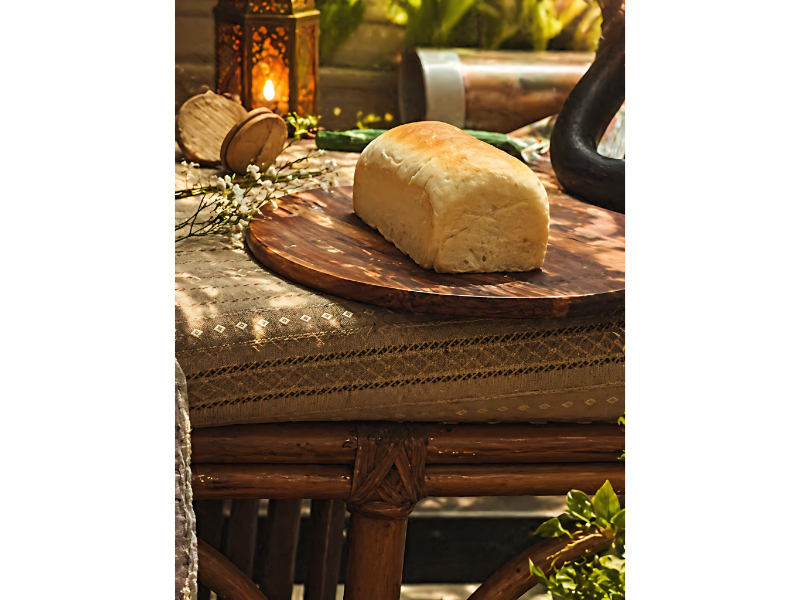
Bread Varieties: This includes artisanal, sourdough, whole grain, and gluten-free breads, suitable for both retail and food service applications.
Pastries: Croissants, danishes, and puff pastries are popular items that can be filled or topped with various ingredients, appealing to diverse palates.
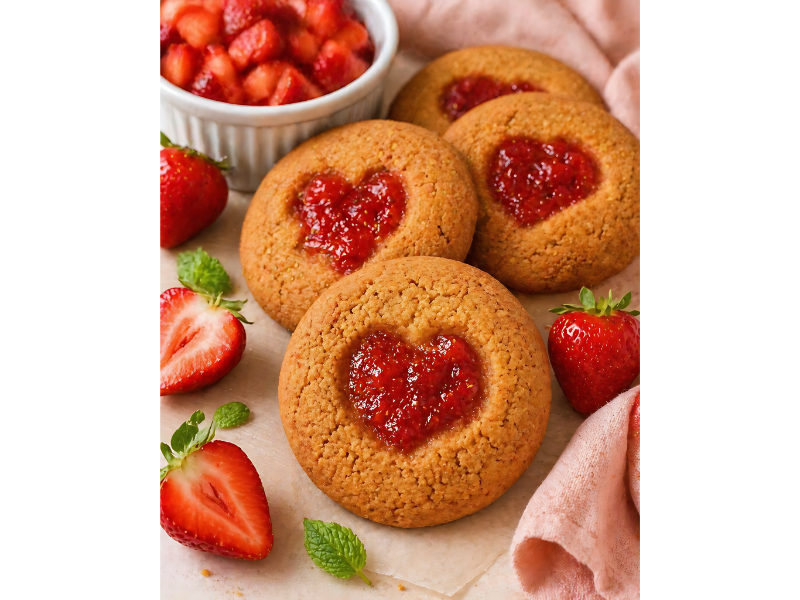
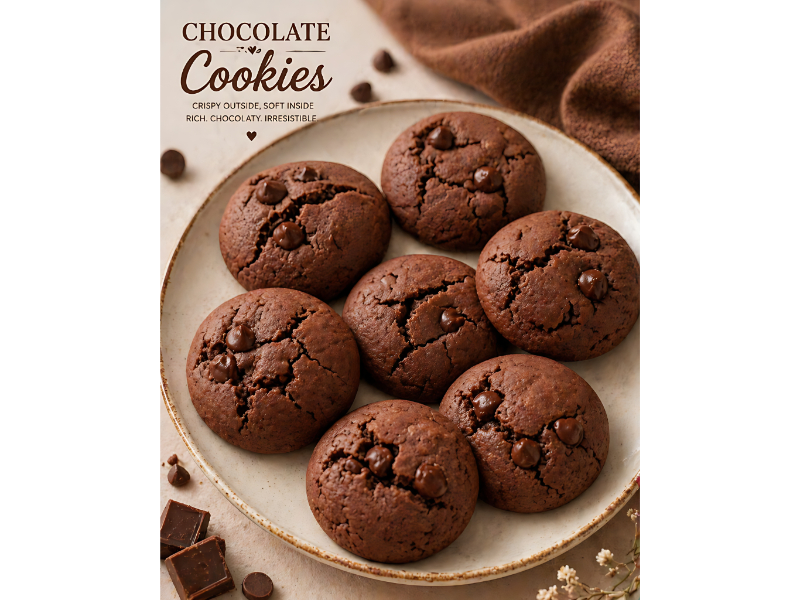
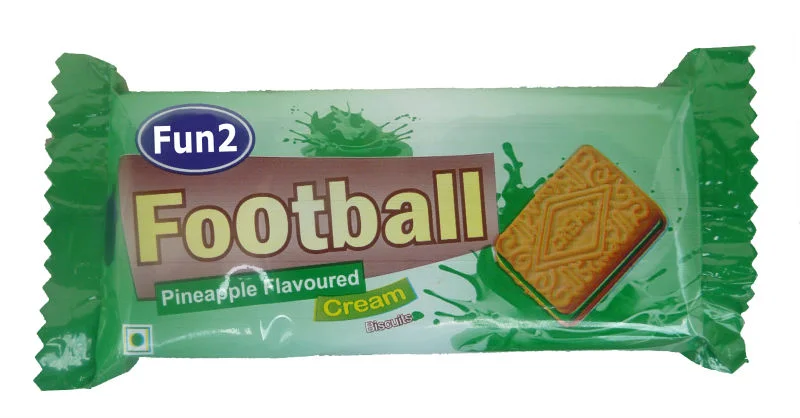
Cookies: Available in numerous flavors and styles, cookies can be made for special occasions or as everyday snacks, providing flexibility for bakers.
Chocolates: This category encompasses dark, milk, and white chocolates, often used in confections or as coatings for other products.
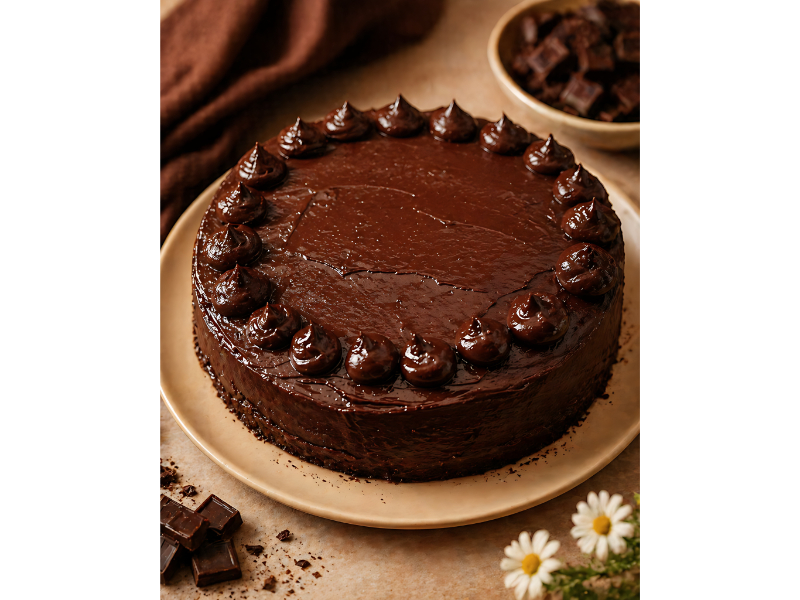
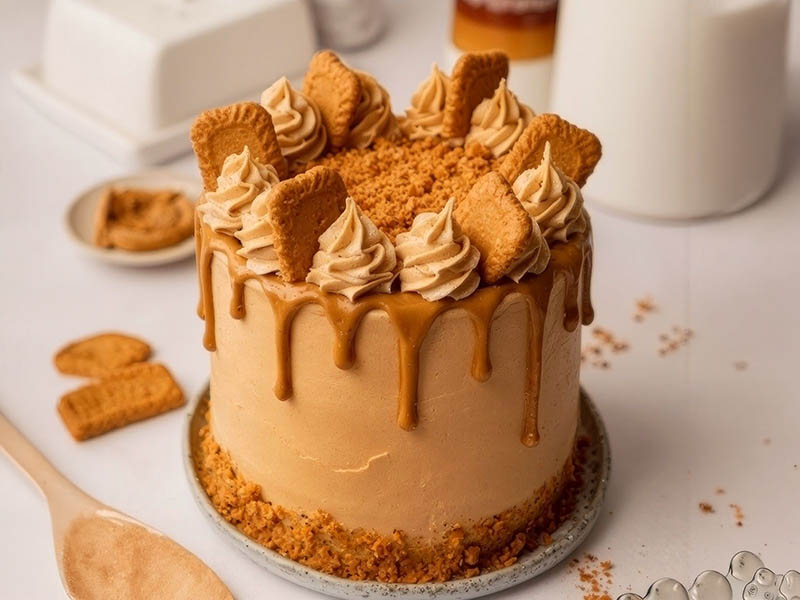
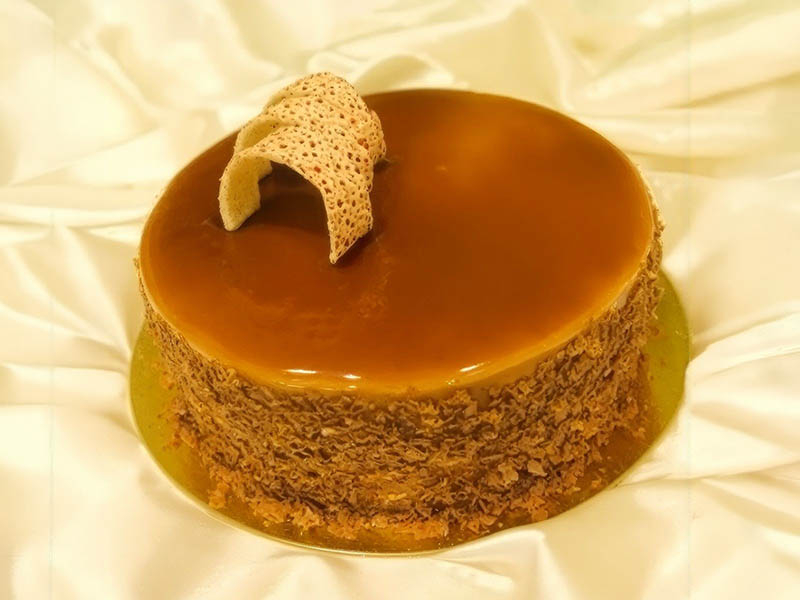
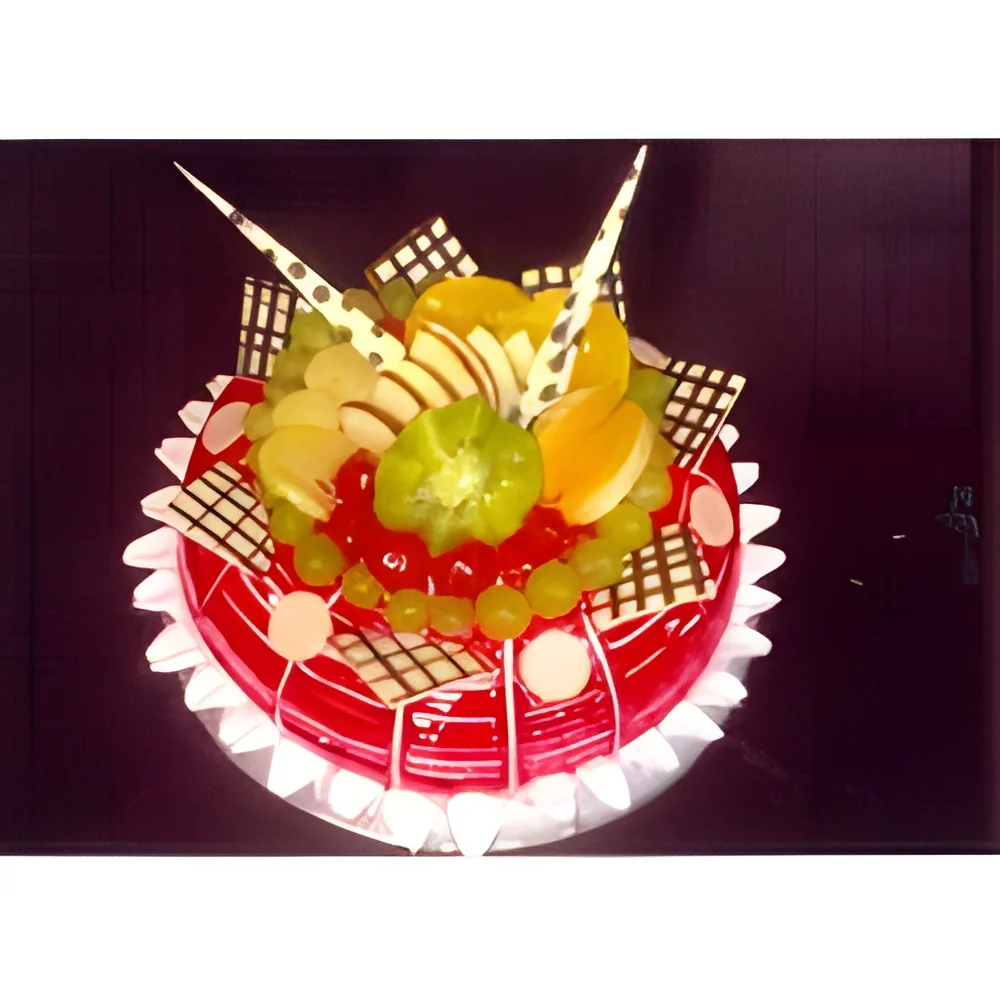
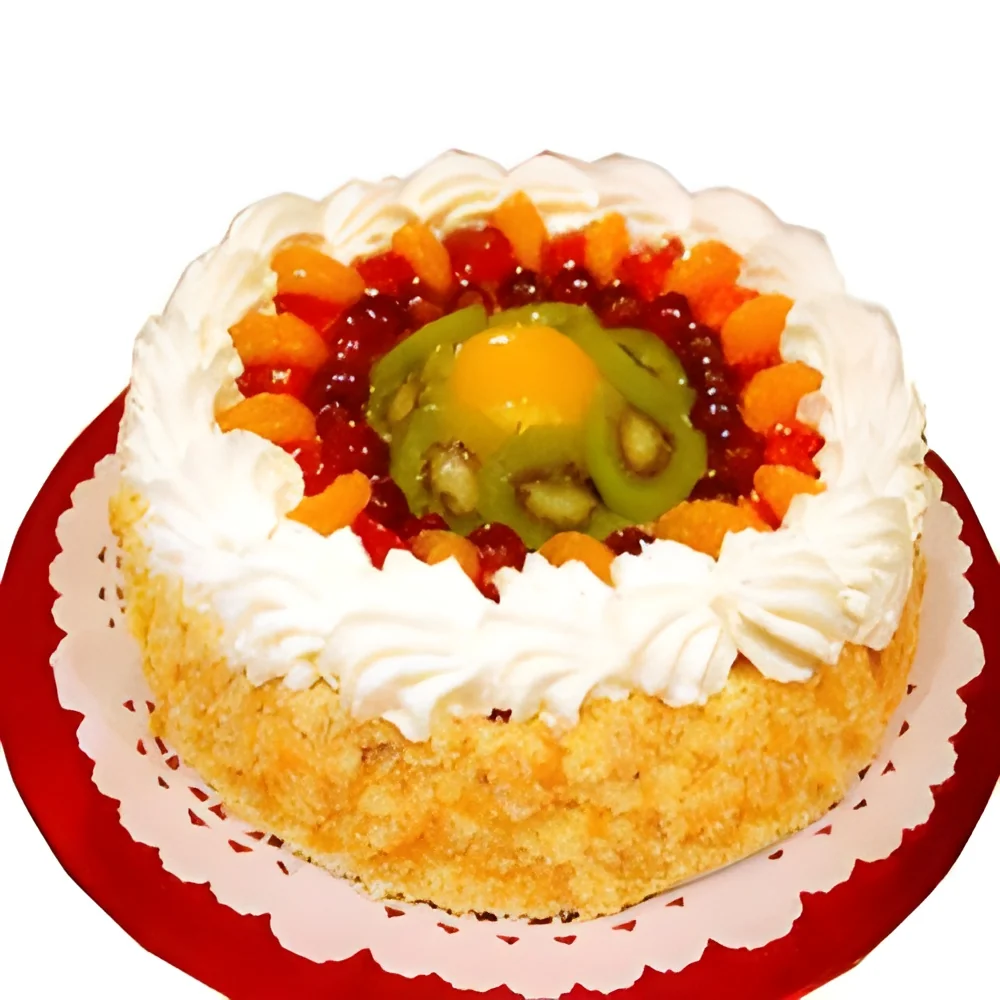
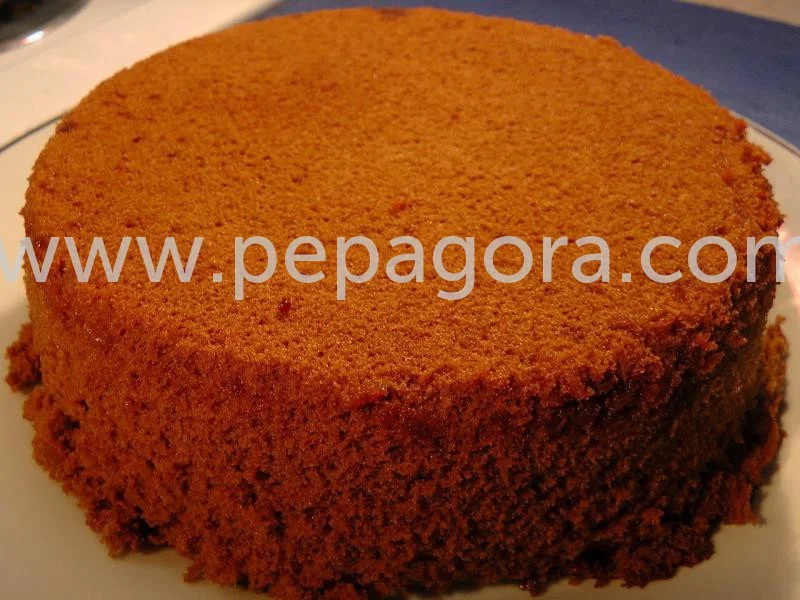
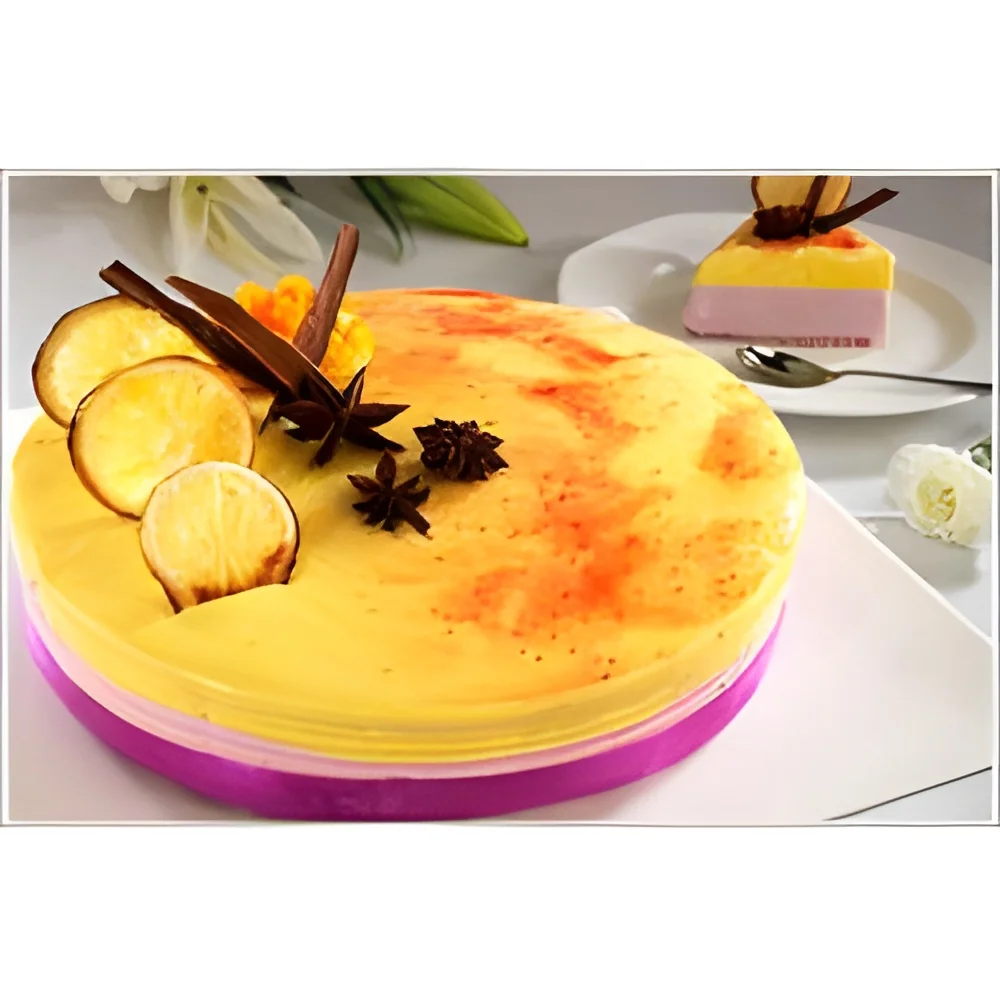
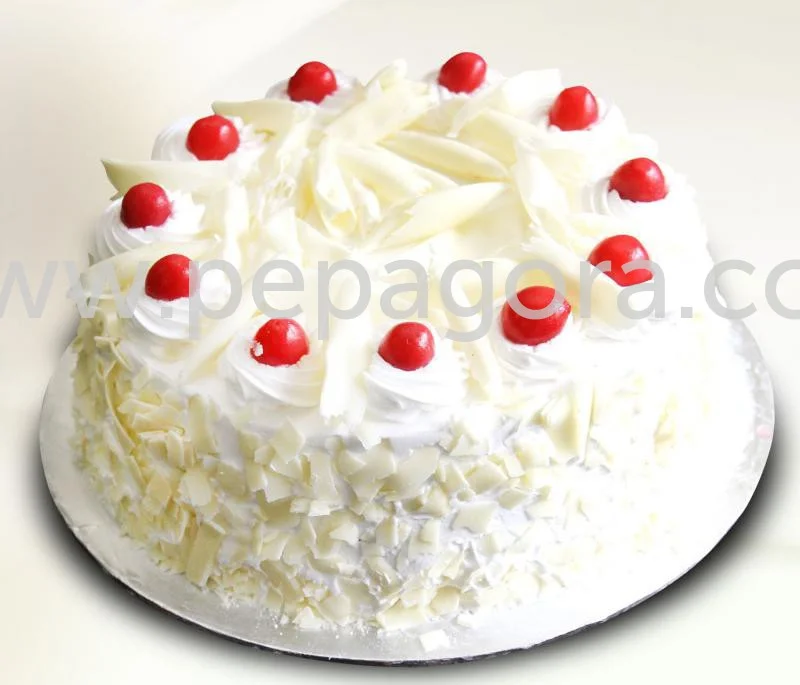
Cakes: From traditional wedding cakes to individual servings, cakes are customizable for events and celebrations, making them a staple in the bakery industry.
𝗕𝗲𝗻𝗲𝗳𝗶𝘁𝘀 𝗮𝗻𝗱 𝗔𝗱𝘃𝗮𝗻𝘁𝗮𝗴𝗲𝘀
Sourcing bakery and confectionery products offers several key benefits for businesses.
1. Versatility: These products can be adapted to fit various menus and occasions, increasing their utility across different sectors.
2. Consumer Appeal: The wide range of flavors and presentations attracts diverse customer bases, enhancing sales potential.
3. Customization: The ability to tailor products to specific needs allows businesses to stand out and cater to unique market demands.
4. Convenience: Ready-to-use products save time and labor for food service operations, streamlining kitchen processes.
5. Innovation: The continuous development of new flavors and healthier options keeps the product line fresh and relevant, meeting consumer trends.
6. Competitive Edge: Offering high-quality bakery and confectionery items can set a business apart from competitors, driving customer loyalty.
𝗕𝘂𝘆𝗶𝗻𝗴 𝗚𝘂𝗶𝗱𝗲 𝗳𝗼𝗿 𝗕𝟮𝗕 𝗕𝘂𝘆𝗲𝗿𝘀
When sourcing bakery and confectionery products, businesses should consider several key factors to ensure they make informed purchasing decisions.
1. Quality Assessment: Evaluate the quality of ingredients, production methods, and end products to ensure they meet your standards.
2. Supplier Verification: Vet potential suppliers by checking their reputation, certifications, and compliance with quality standards.
3. Pricing and MOQ: Understand the cost structure, including pricing models and minimum order quantities, to align with your budget and needs.
4. Delivery and Lead Times: Consider logistics and delivery schedules to ensure timely availability of products for your operations.
5. Compliance Requirements: Verify that products meet local and international regulations, including food safety and labeling requirements.
𝗖𝗼𝗺𝗽𝗹𝗶𝗮𝗻𝗰𝗲 𝗮𝗻𝗱 𝗖𝗲𝗿𝘁𝗶𝗳𝗶𝗰𝗮𝘁𝗶𝗼𝗻𝘀
In the bakery and confectionery industry, adherence to quality and safety standards is crucial. Key standards include ISO 9001, which outlines quality management systems, and HACCP, which focuses on food safety and hazard analysis. Additionally, Good Distribution Practices (GDP) ensure that products are stored and transported safely.
Many bakery and confectionery products are required to comply with safety and testing regulations to ensure consumer safety. Certifications such as CE demonstrate compliance with European standards, providing assurance to buyers about product quality.
Regional compliance considerations may vary, necessitating businesses to be aware of local laws and standards governing food production and sales. This diligence helps maintain product integrity and consumer trust.
𝗪𝗵𝘆 𝗦𝗼𝘂𝗿𝗰𝗲 𝗕𝗮𝗸𝗲𝗿𝘆 & 𝗖𝗼𝗻𝗳𝗲𝗰𝘁𝗶𝗼𝗻𝗲𝗿𝘆 𝗣𝗿𝗼𝗱𝘂𝗰𝘁𝘀 𝗳𝗿𝗼𝗺 𝗣𝗲𝗽𝗮𝗴𝗼𝗿𝗮?
Pepagora offers a trusted platform for sourcing bakery and confectionery products, providing several key advantages to businesses.
Verified Supplier Network: Pepagora features a comprehensive network of verified suppliers, ensuring that buyers can access high-quality products from reputable sources.
Streamlined RFQ Process: The platform simplifies the request for quotation process, allowing buyers to quickly compare prices and product offerings from multiple suppliers.
Trade Assurance and Support: Buyers benefit from trade assurance programs that protect their purchases, providing peace of mind and support throughout the sourcing process.
Regional Coverage: With a strong presence in India, the GCC, and Southeast Asia, Pepagora ensures that businesses can access a wide range of bakery and confectionery products tailored to diverse market needs.

 IN
IN