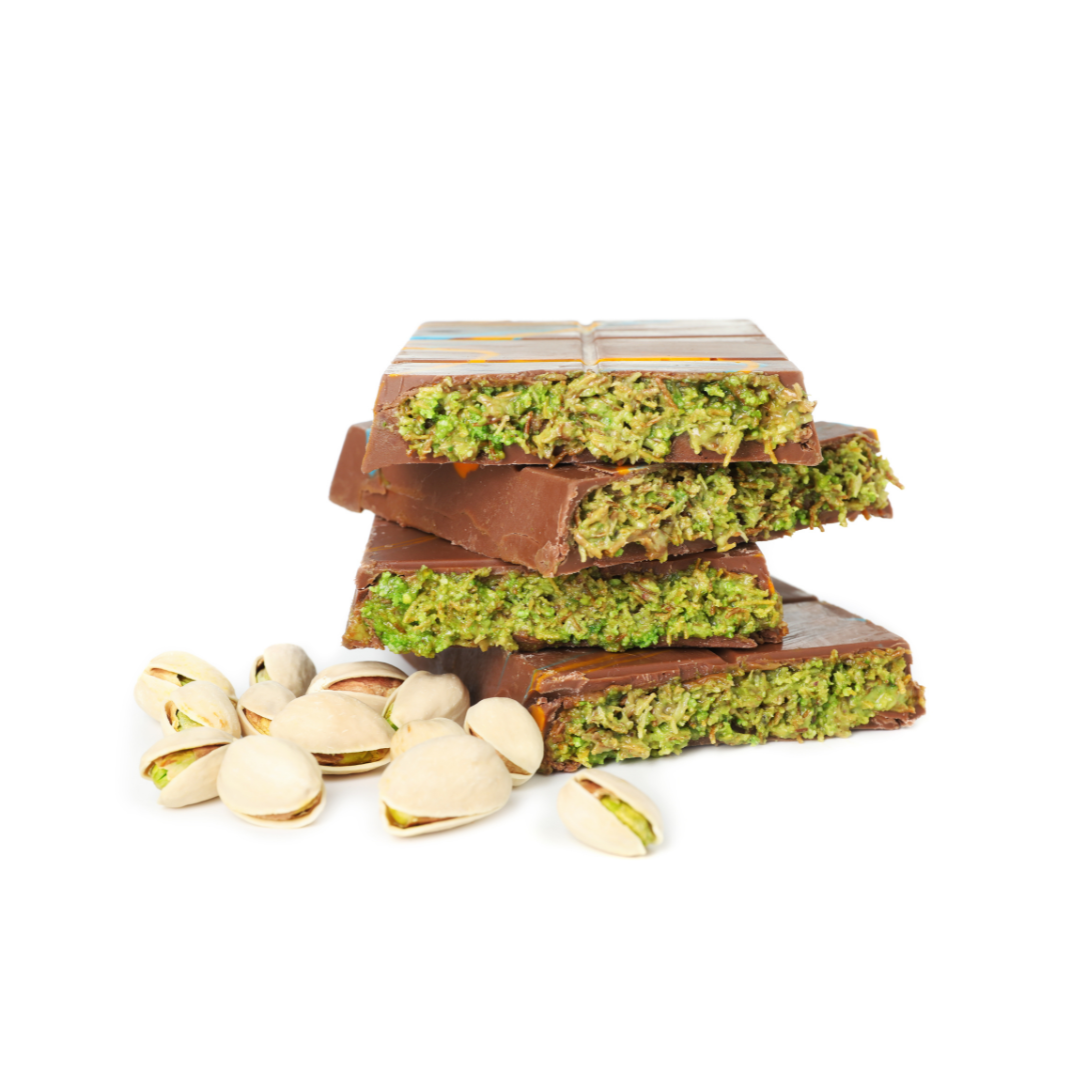
Key Features and Specifications
Chocolates (Bars, Truffles) come with several key features that enhance their appeal and usability in various settings. Suppliers and manufacturers focus on quality, flavor, and sustainability to meet consumer demands.
Key specifications include:
1. Flavor Profiles
- Various flavors available: dark, milk, white, and specialty infusions.
- Range of sweetness levels to cater to diverse consumer preferences.
2. Texture
- Options include creamy, crispy, or chewy depending on the type of chocolate.
- Specific formulations for truffles to achieve a smooth mouthfeel.
3. Packaging
- Available in bulk packaging for manufacturers or retail-friendly sizes.
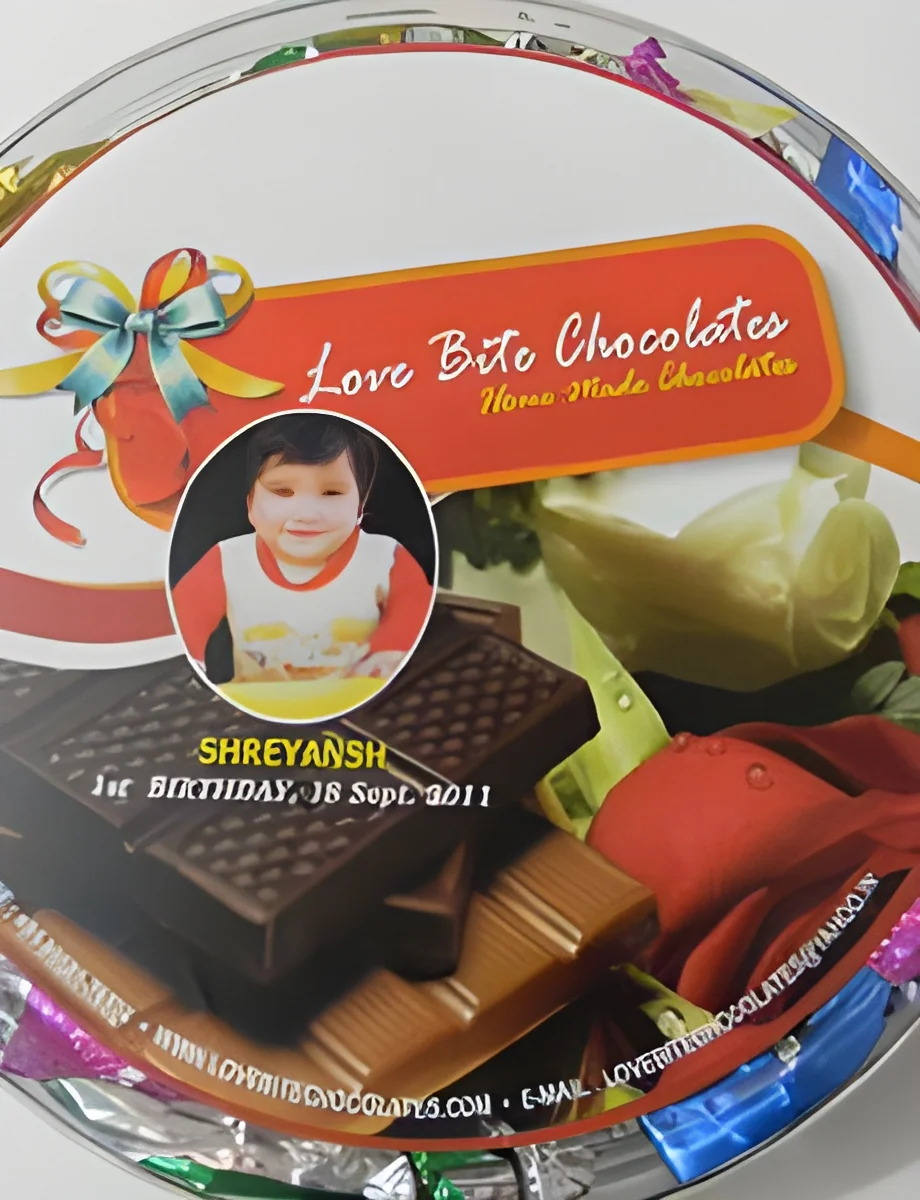
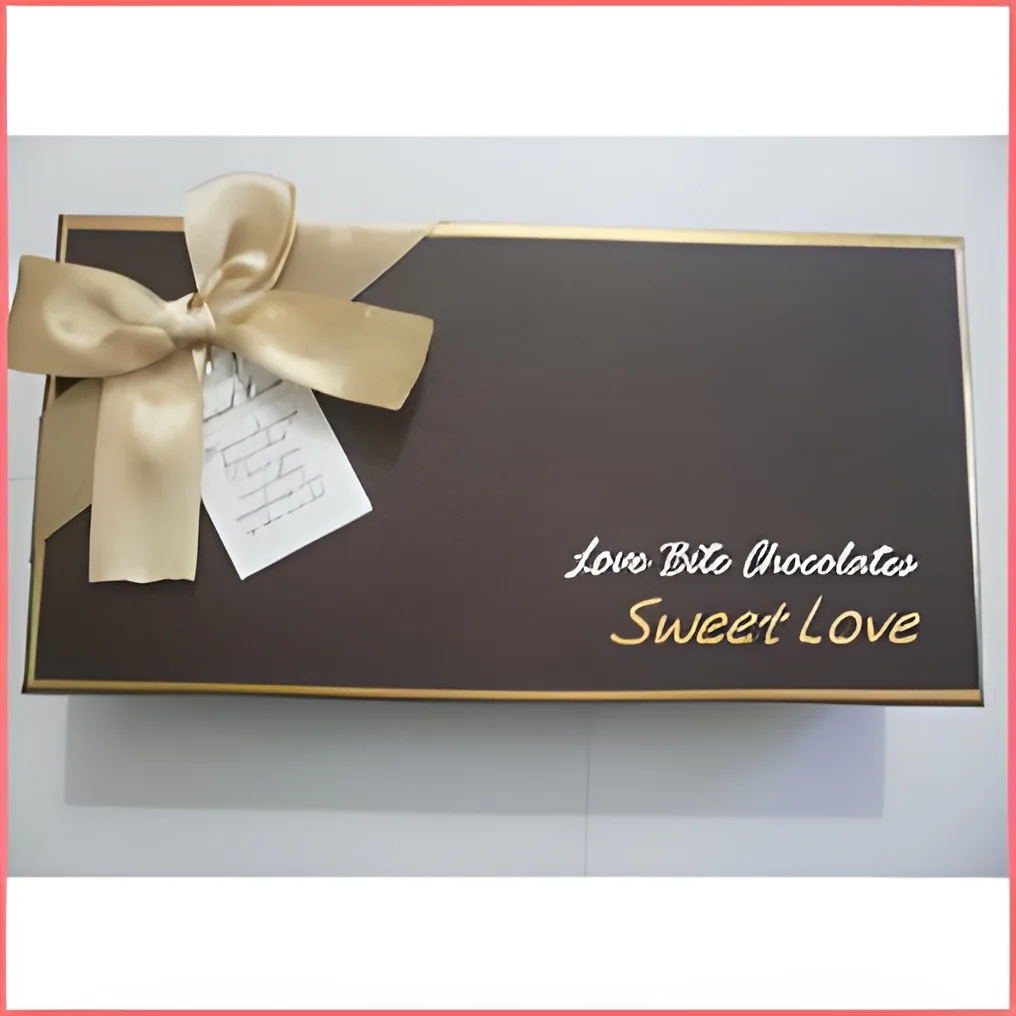
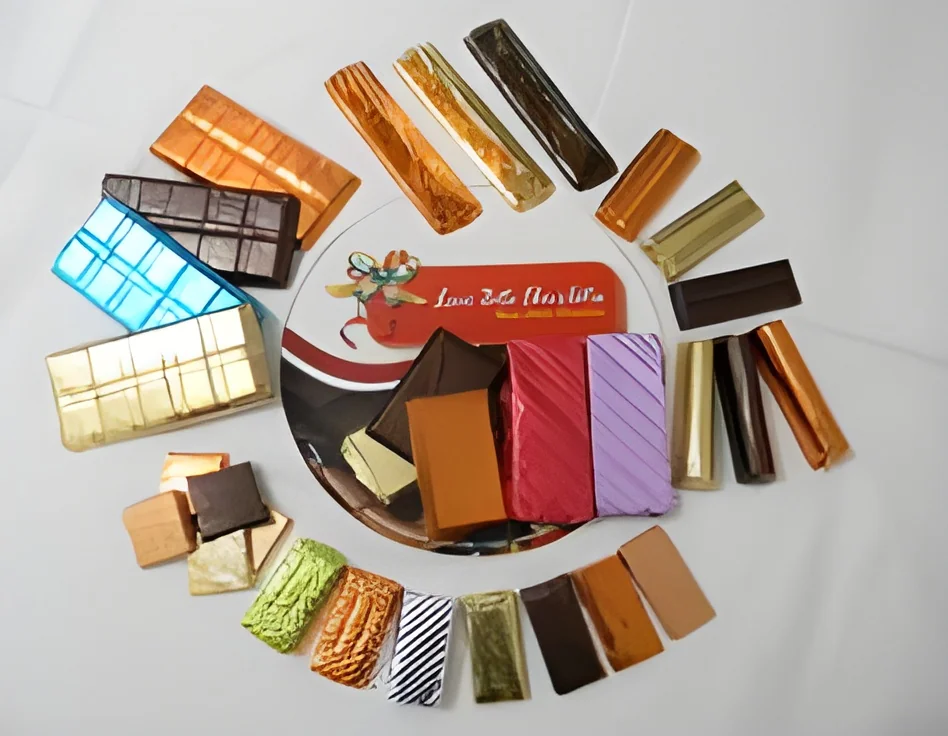
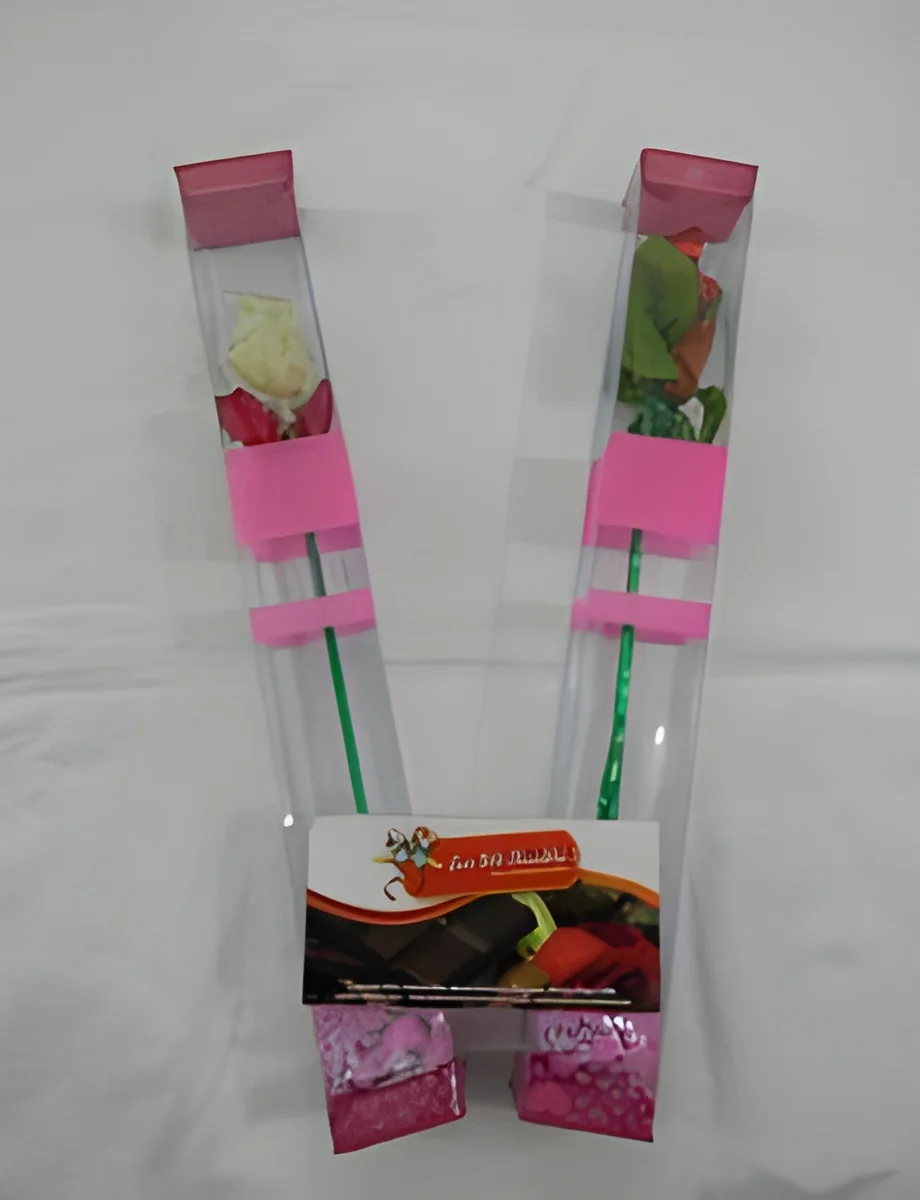
- Customizable packaging options for branding purposes.
4. Shelf Life
- Typical shelf life ranges from 6 months to 2 years depending on ingredients.
- Proper storage conditions to maintain quality and freshness.
5. Ingredients
- Use of high-quality cocoa sourced from sustainable farms.
- Options for allergen-free or vegan formulations.
6. Certifications
- Products may carry certifications such as CE to ensure quality.
- Compliance with food safety standards.
7. Minimum Order Quantities
- Varies by supplier, typically ranging from 50 kg to 500 kg for bulk orders.
- Custom orders may have different requirements.
8. Lead Times
- Standard lead times range from 2 to 6 weeks based on order size and customization.
These specifications help buyers make informed decisions about sourcing chocolates that meet their business needs.
Common Applications and Use Cases
Chocolates (Bars, Truffles) find applications across several industries, enhancing product offerings and customer experiences.
1. Food and Beverage Industry: Chocolates are essential in dessert menus, contributing to cakes, pastries, and ice cream. They are also used in beverages like hot chocolate and cocktails.
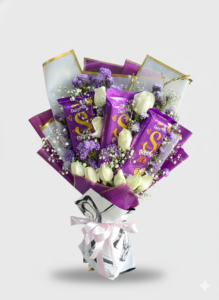
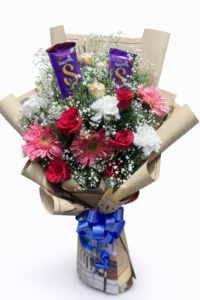
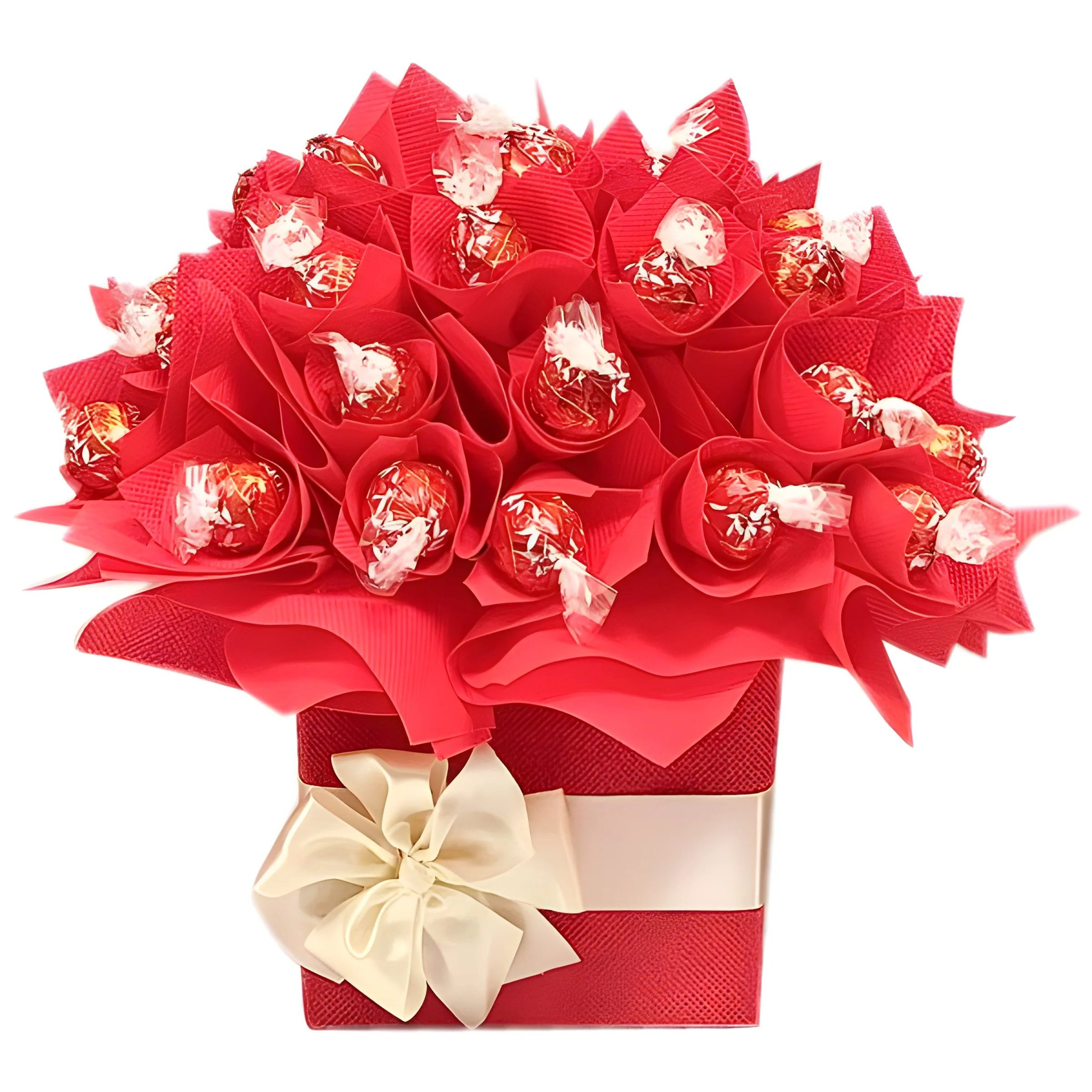
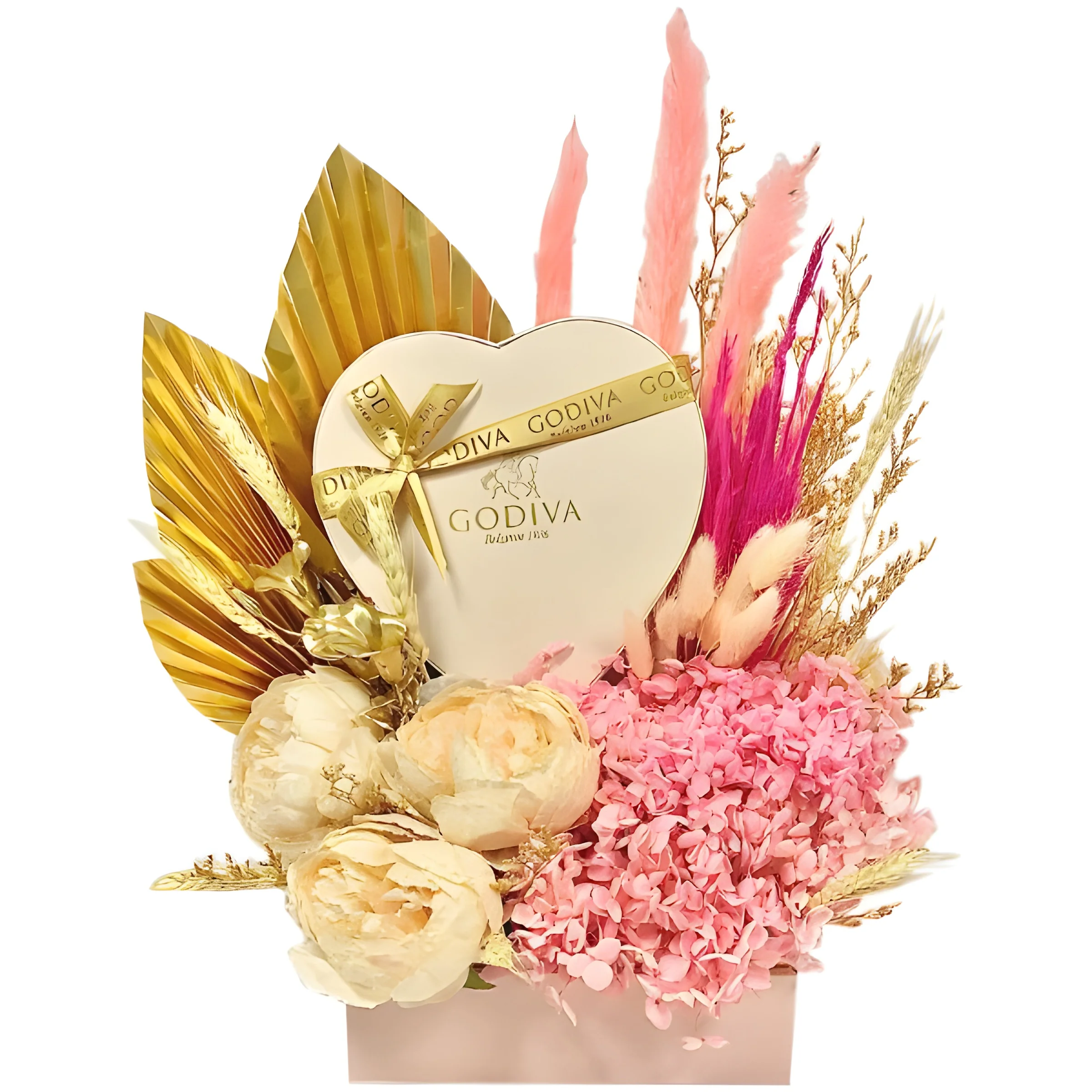
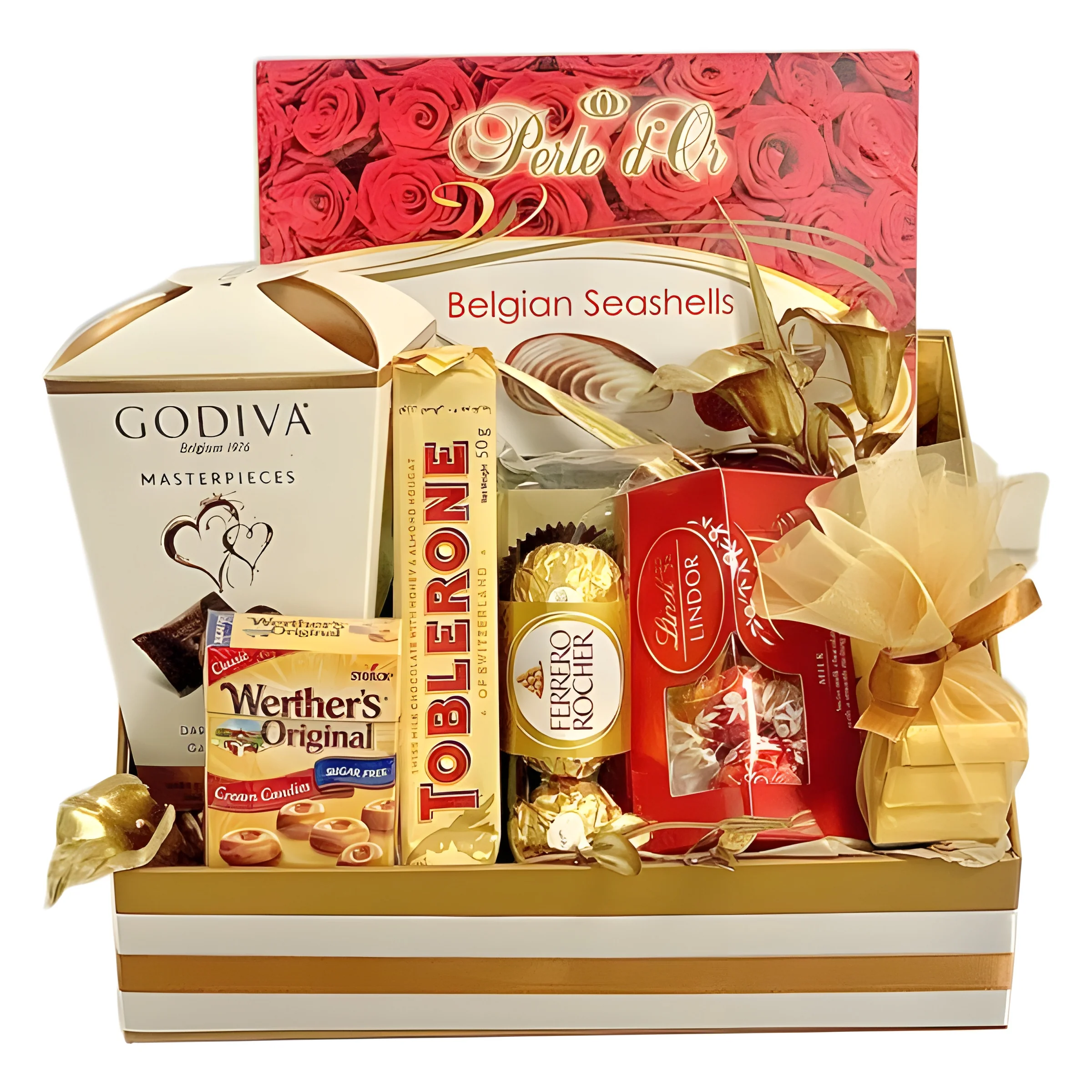
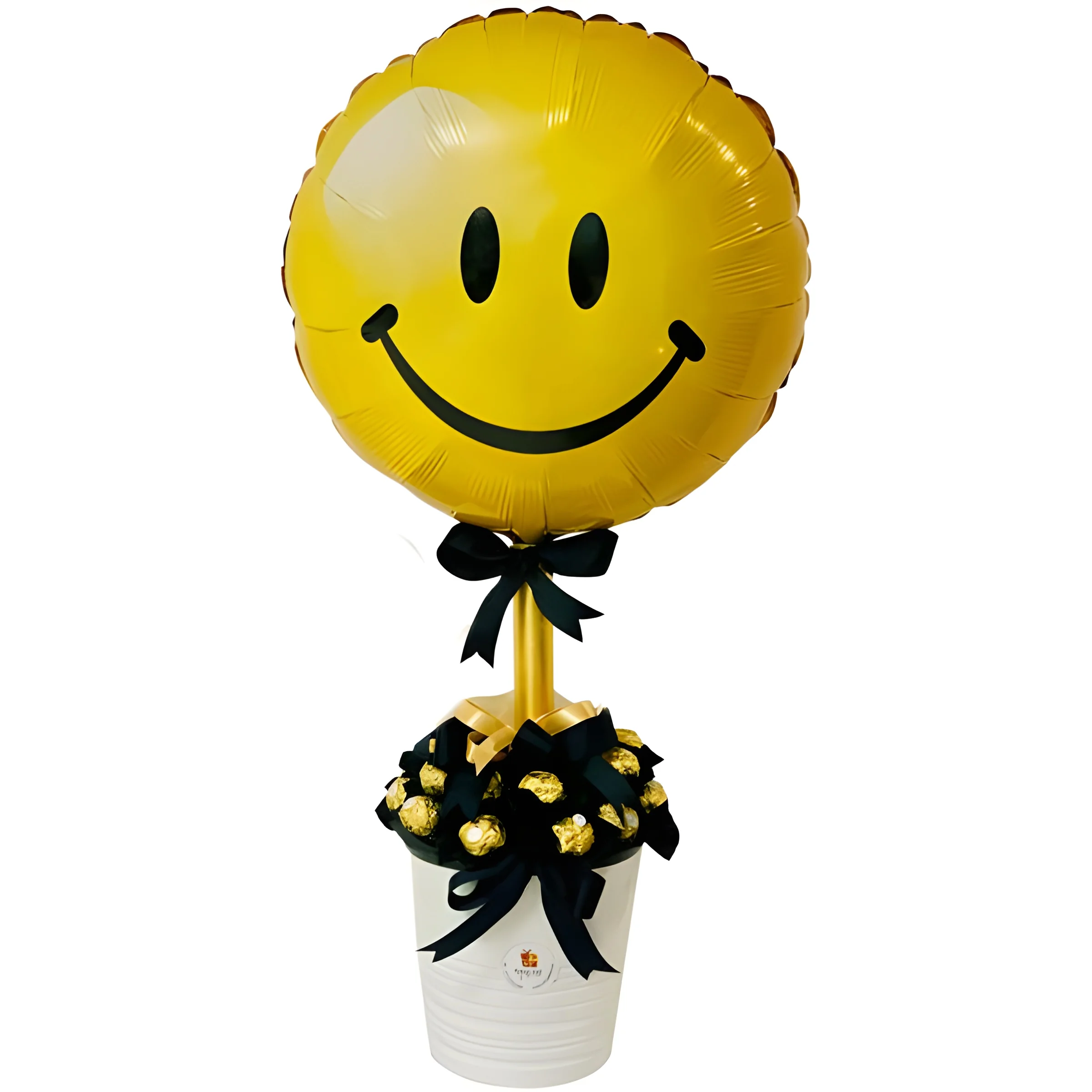
2. Gifting and Promotions: Corporations frequently use chocolates as gifts for clients and employees during holidays or special events, enhancing relationships and brand loyalty.
3. Hospitality Sector: Hotels and restaurants often feature chocolates in their welcome kits or as part of fine dining experiences, elevating guest satisfaction.
4. Retail and E-commerce: Chocolates are popular products in retail stores and online platforms, appealing to consumers looking for premium confectionery items.
5. Health and Wellness: With a rise in demand for healthier options, chocolates enriched with superfoods or lower sugar alternatives are gaining traction in health-focused markets.
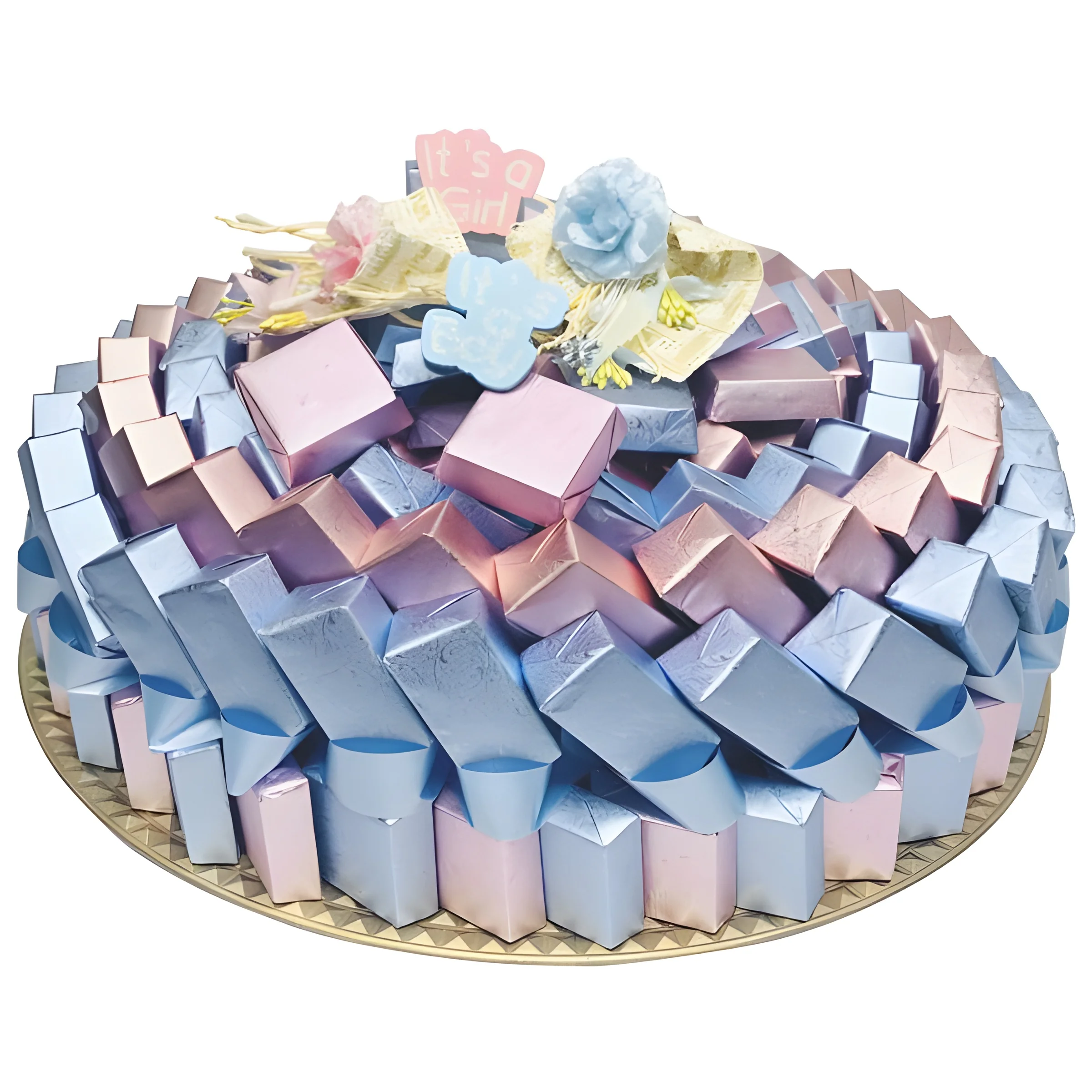
6. Event Planning: Chocolates are frequently used as party favors, wedding gifts, or corporate event treats, adding a touch of elegance to gatherings.
7. Culinary Arts: Chefs and pastry artists utilize chocolates in innovative ways to create unique culinary masterpieces, pushing the boundaries of traditional dessert offerings.
Product Variants and Subcategories
Chocolates (Bars, Truffles) come in a variety of forms, each catering to different tastes and preferences. This diversity allows businesses to choose products that align with their target market.
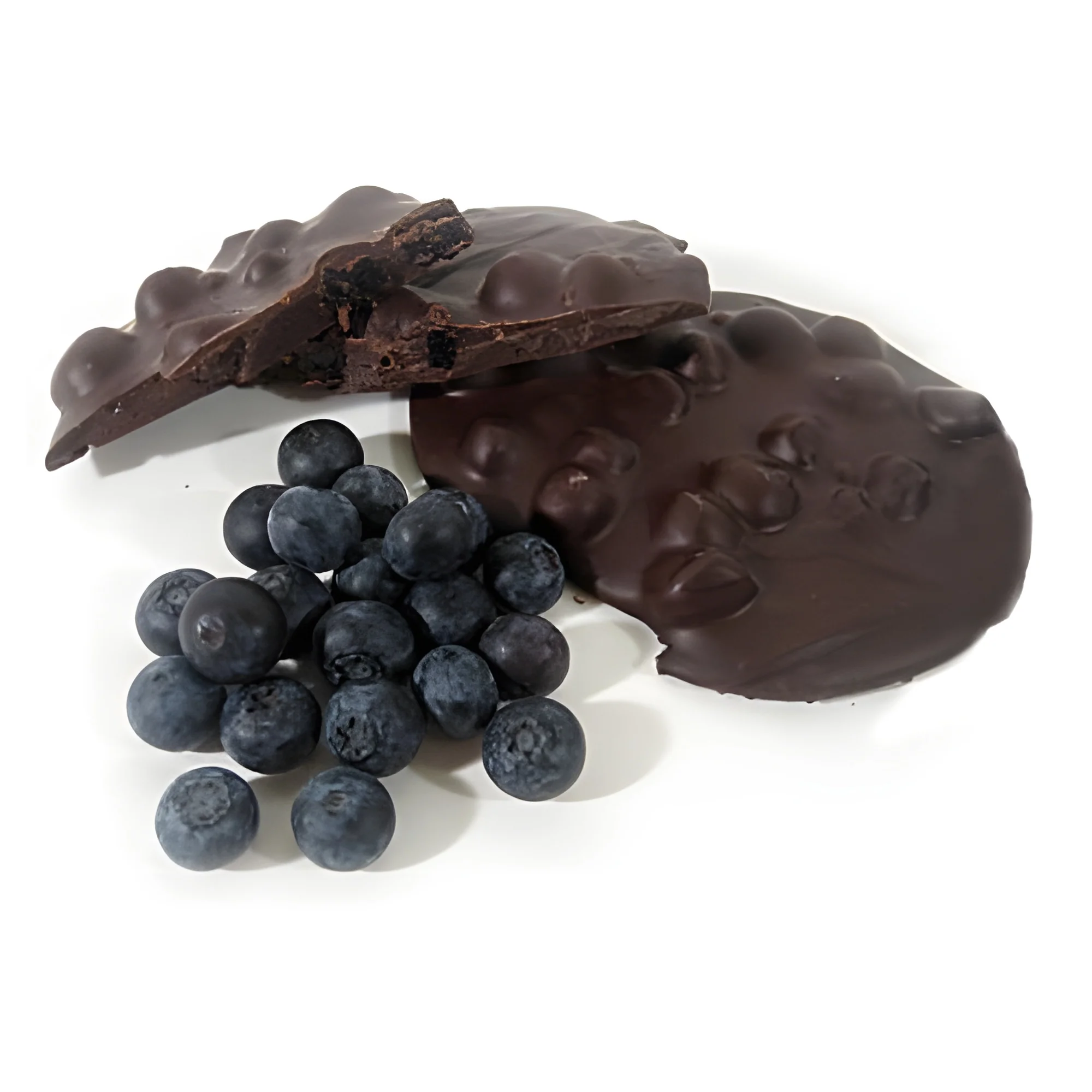
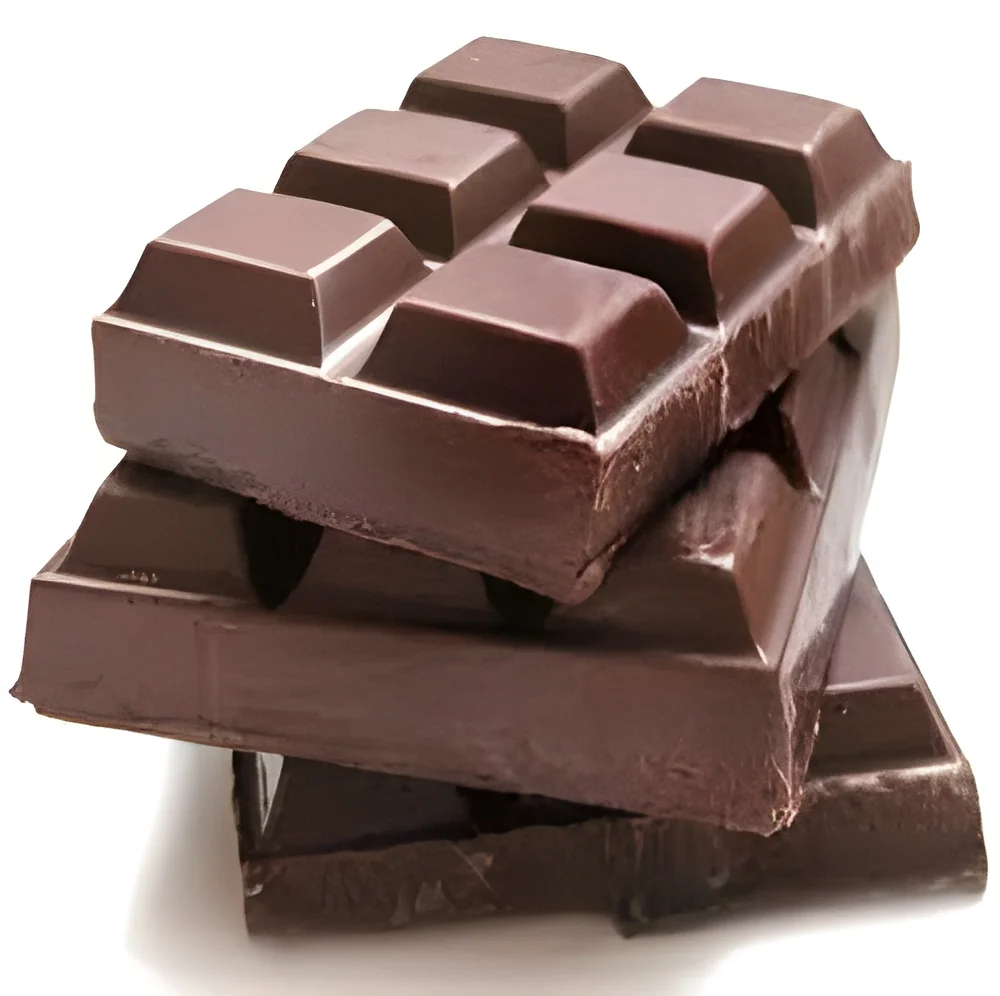
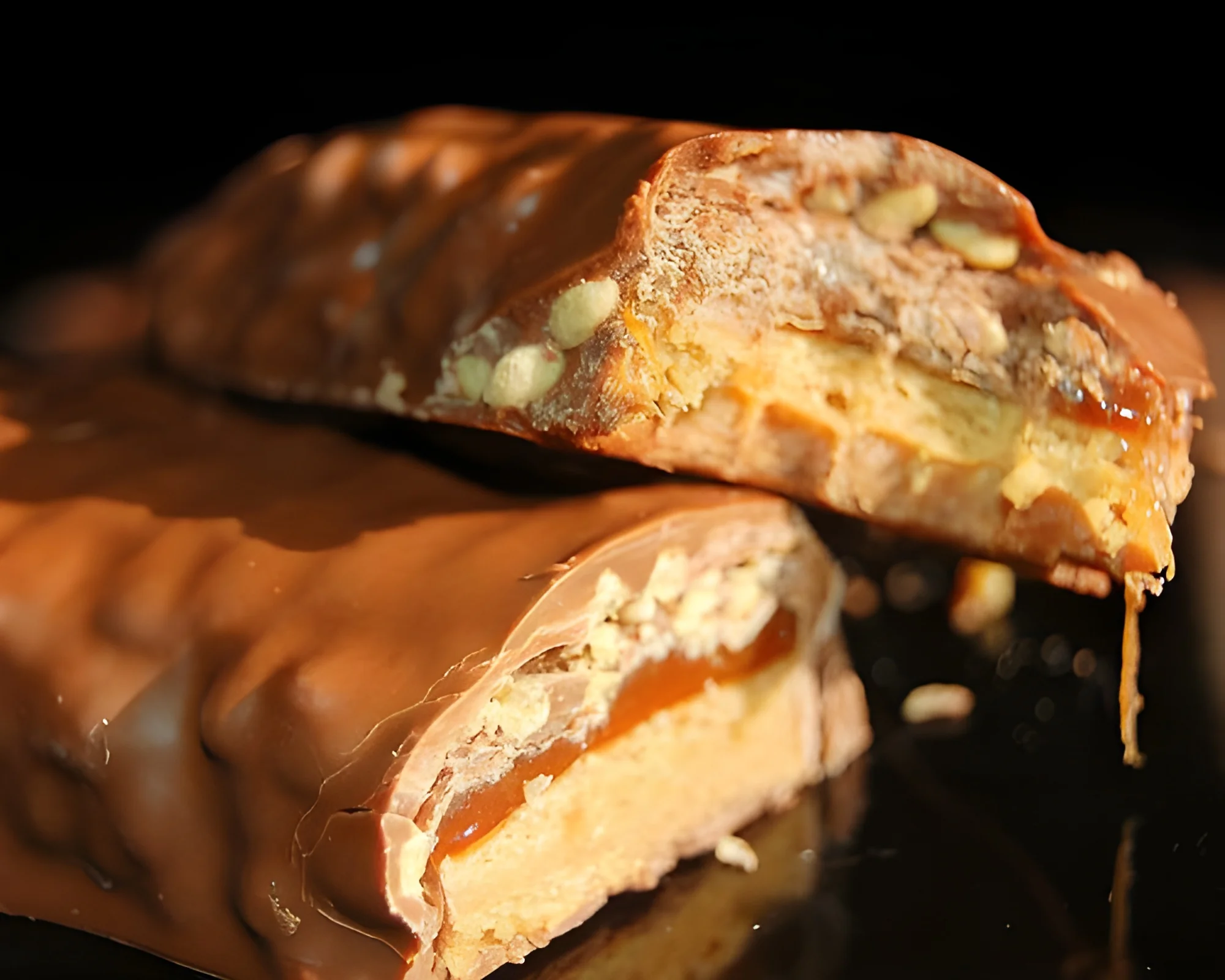
Dark Chocolate Bars: These bars are made with higher cocoa content and less sugar, appealing to health-conscious consumers. They are often marketed as gourmet options with rich flavor profiles.
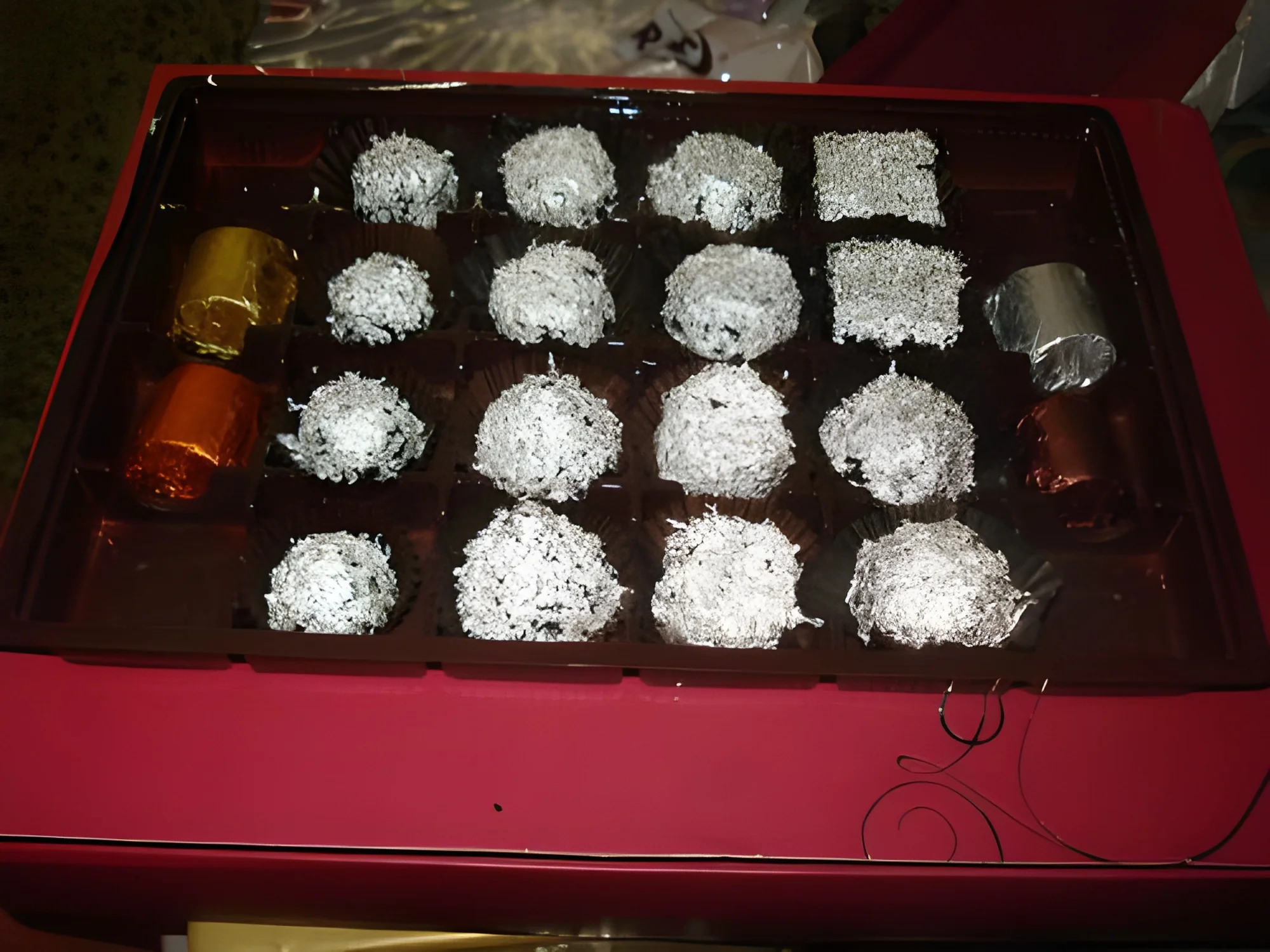
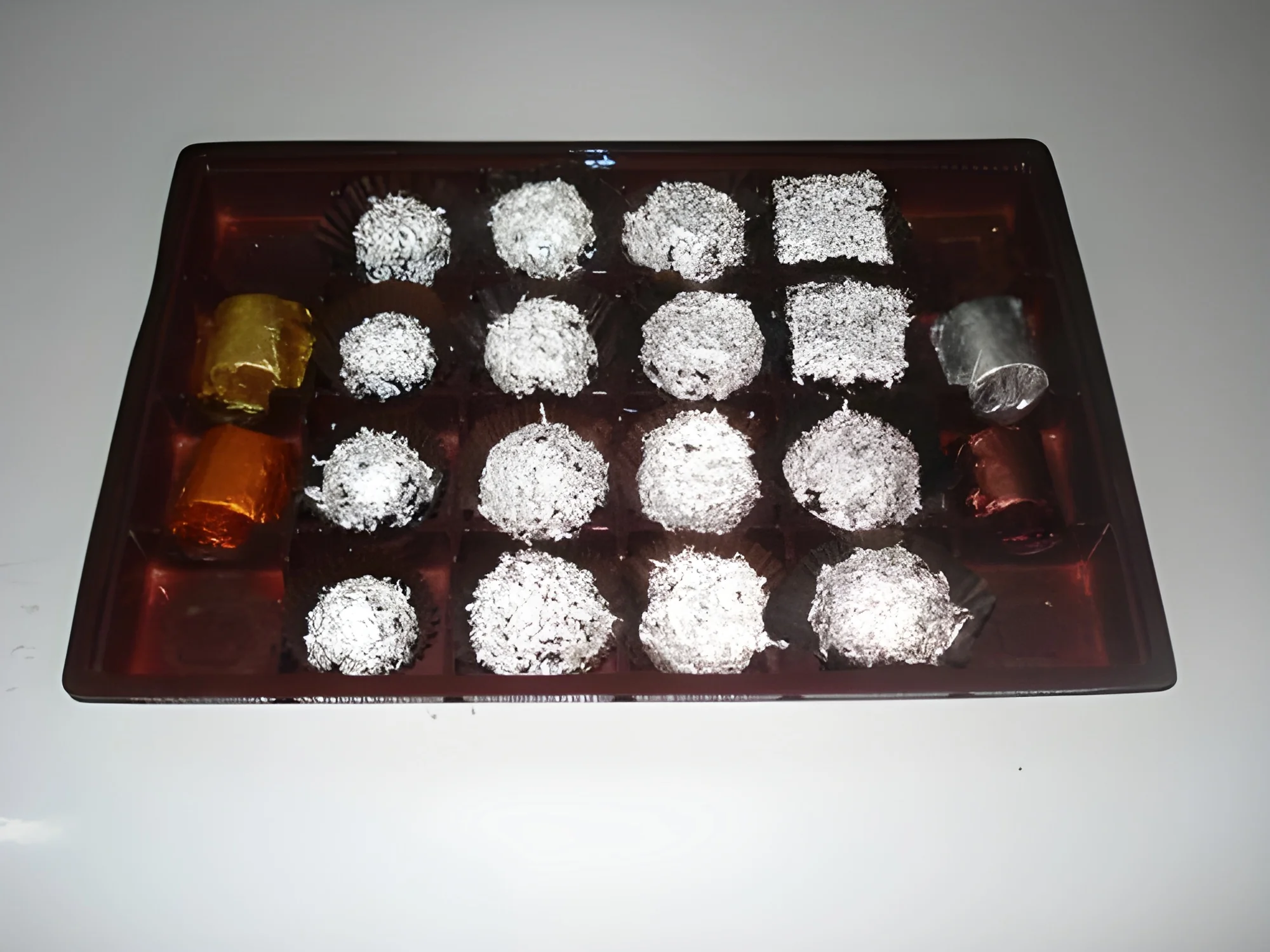
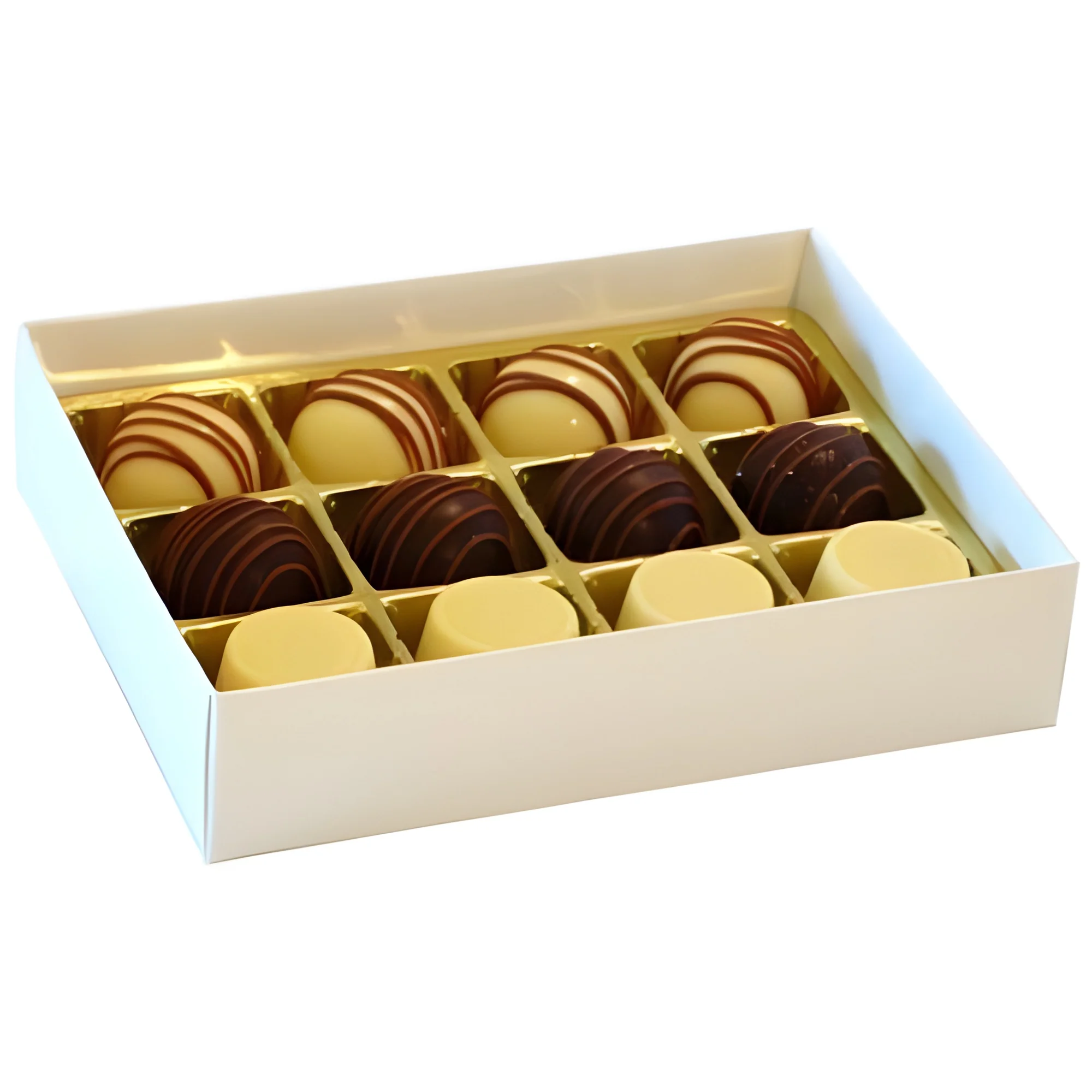
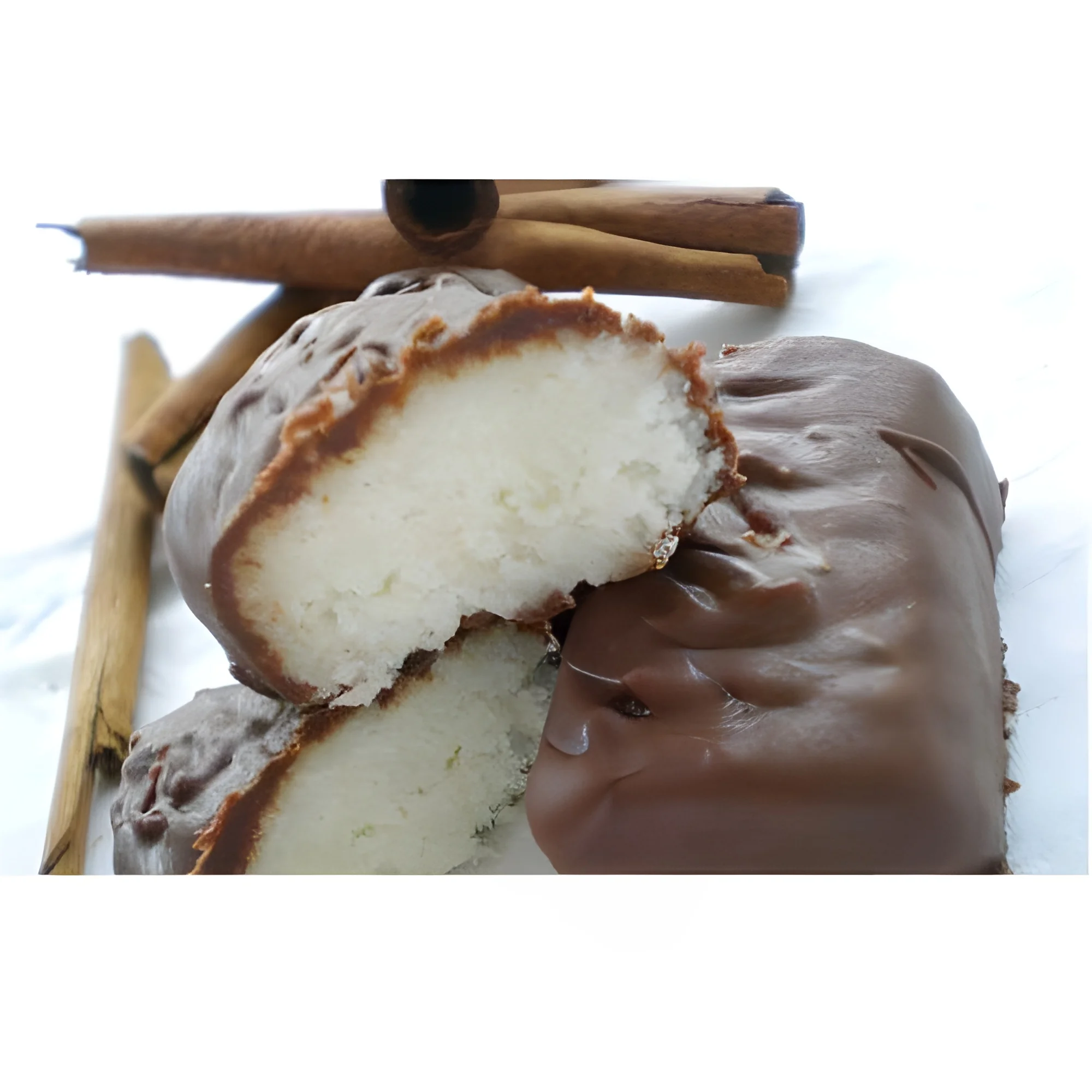
Milk Chocolate Truffles: These truffles offer a creamy texture and sweet flavor, making them a popular choice for gifting and indulgence. They can be infused with various flavors such as caramel or hazelnut.
Organic Chocolates: This variant is made from organically sourced ingredients, appealing to consumers looking for sustainable and eco-friendly choices. They often come with certifications that guarantee their organic status.
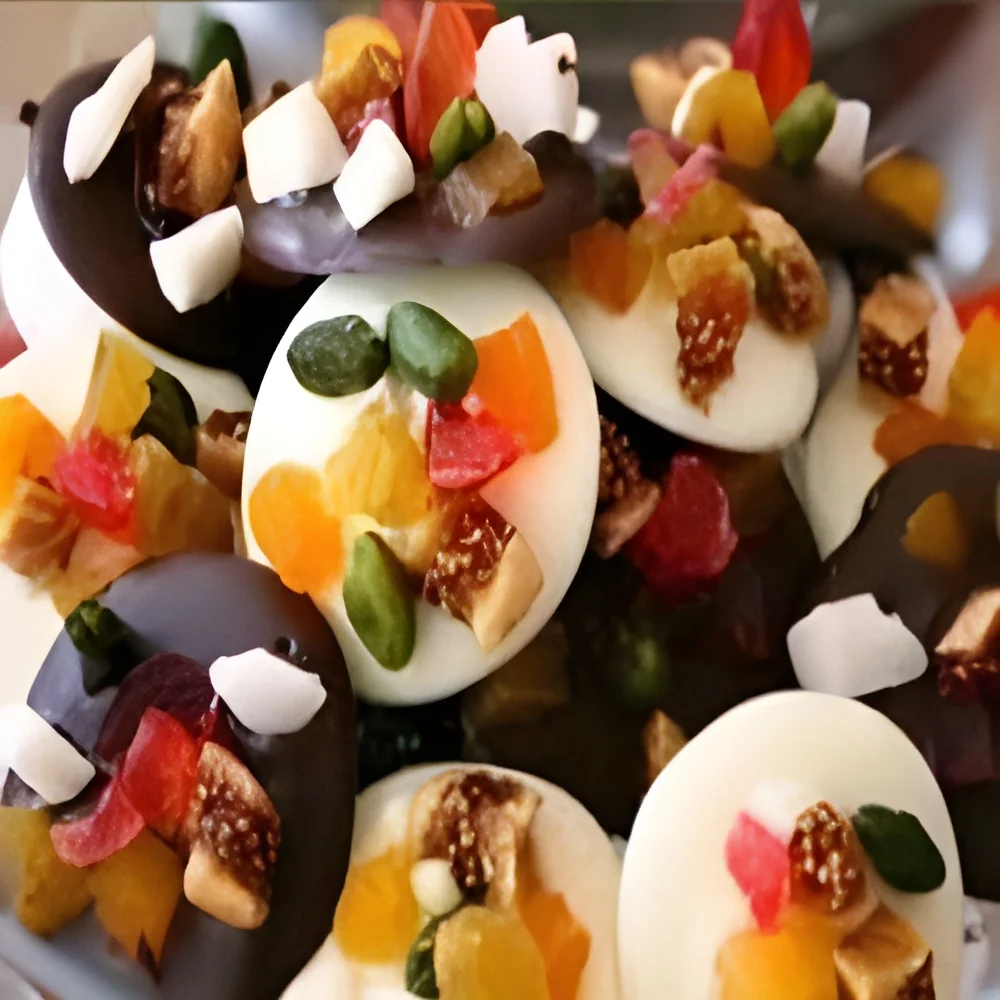
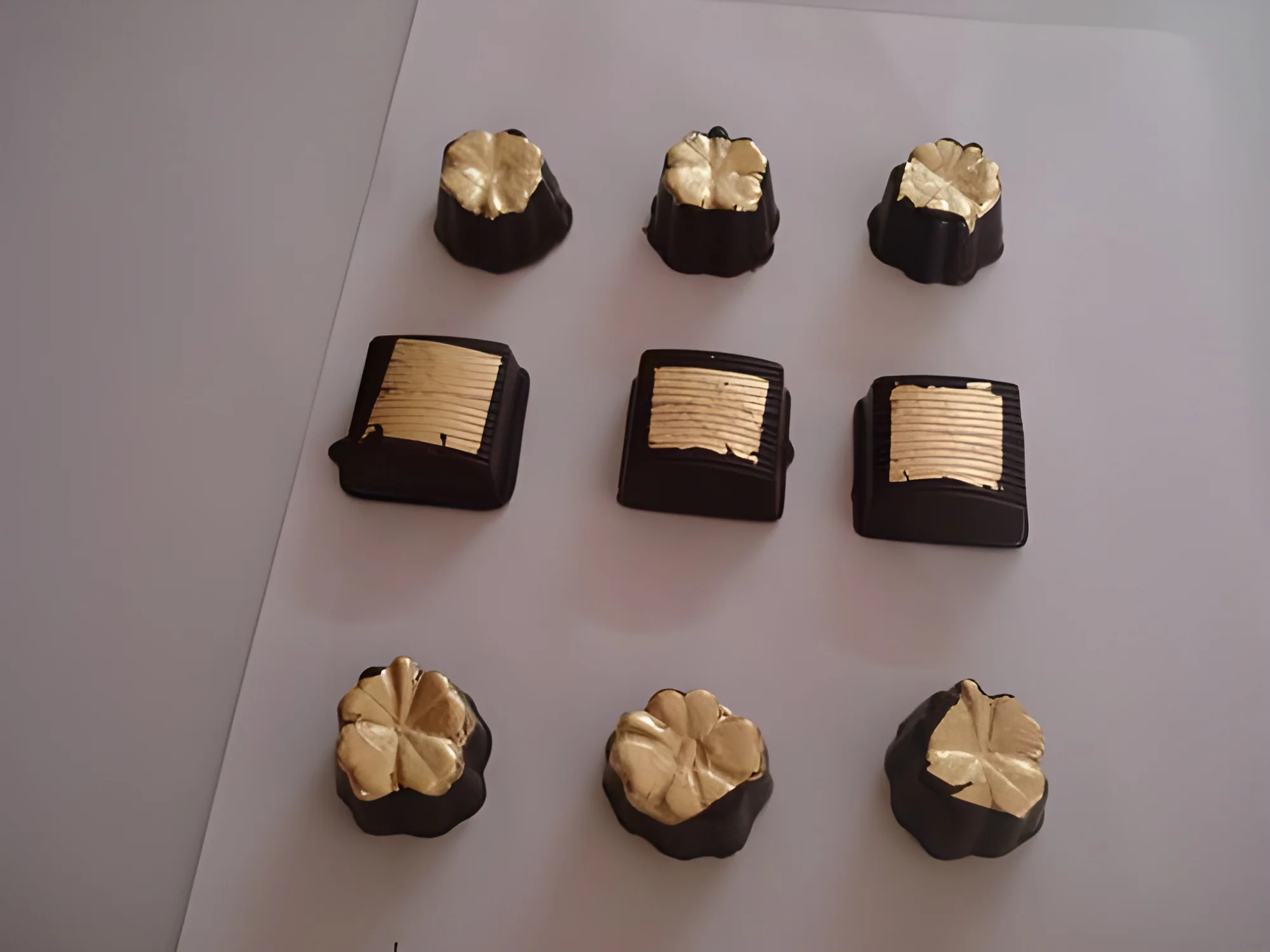
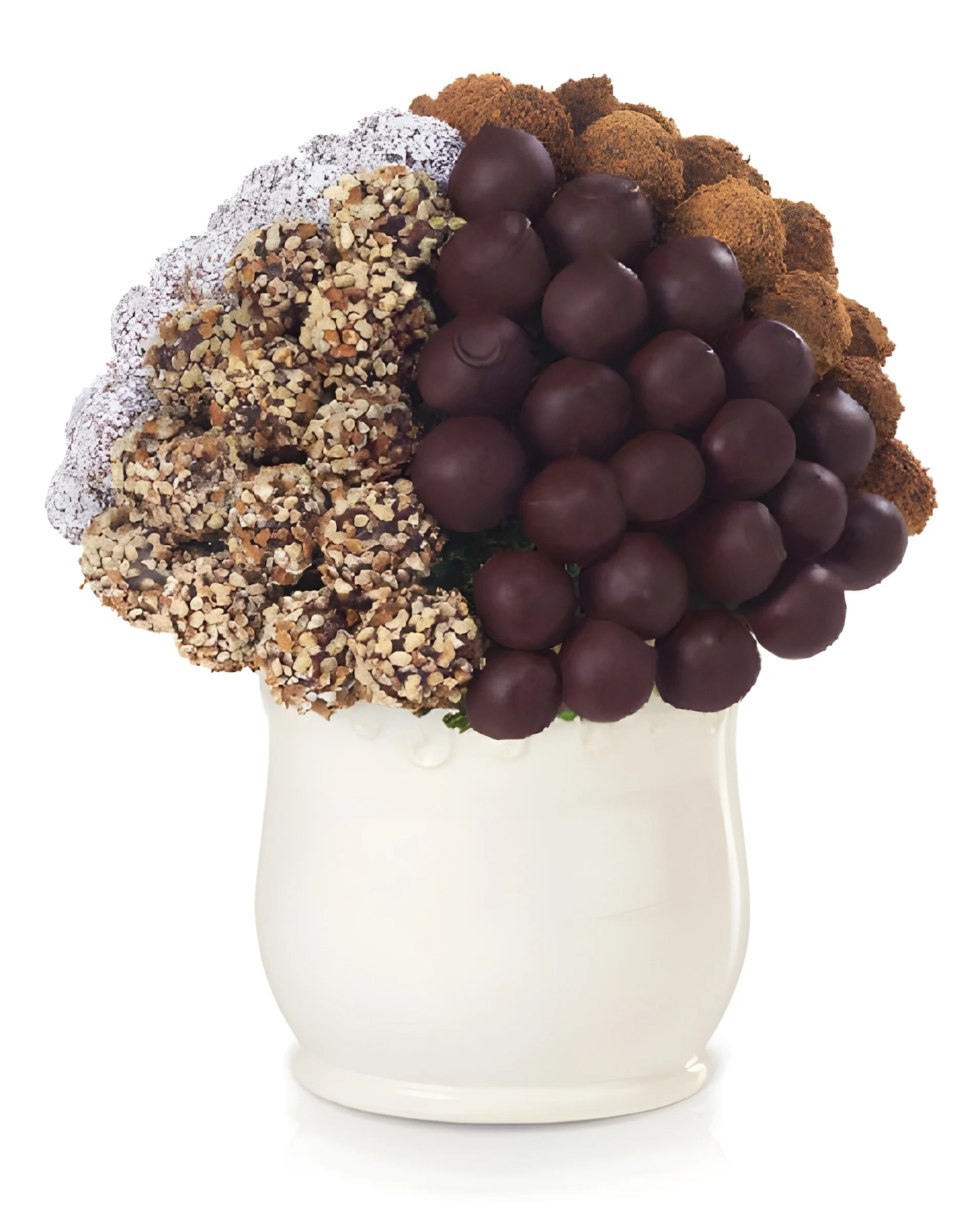
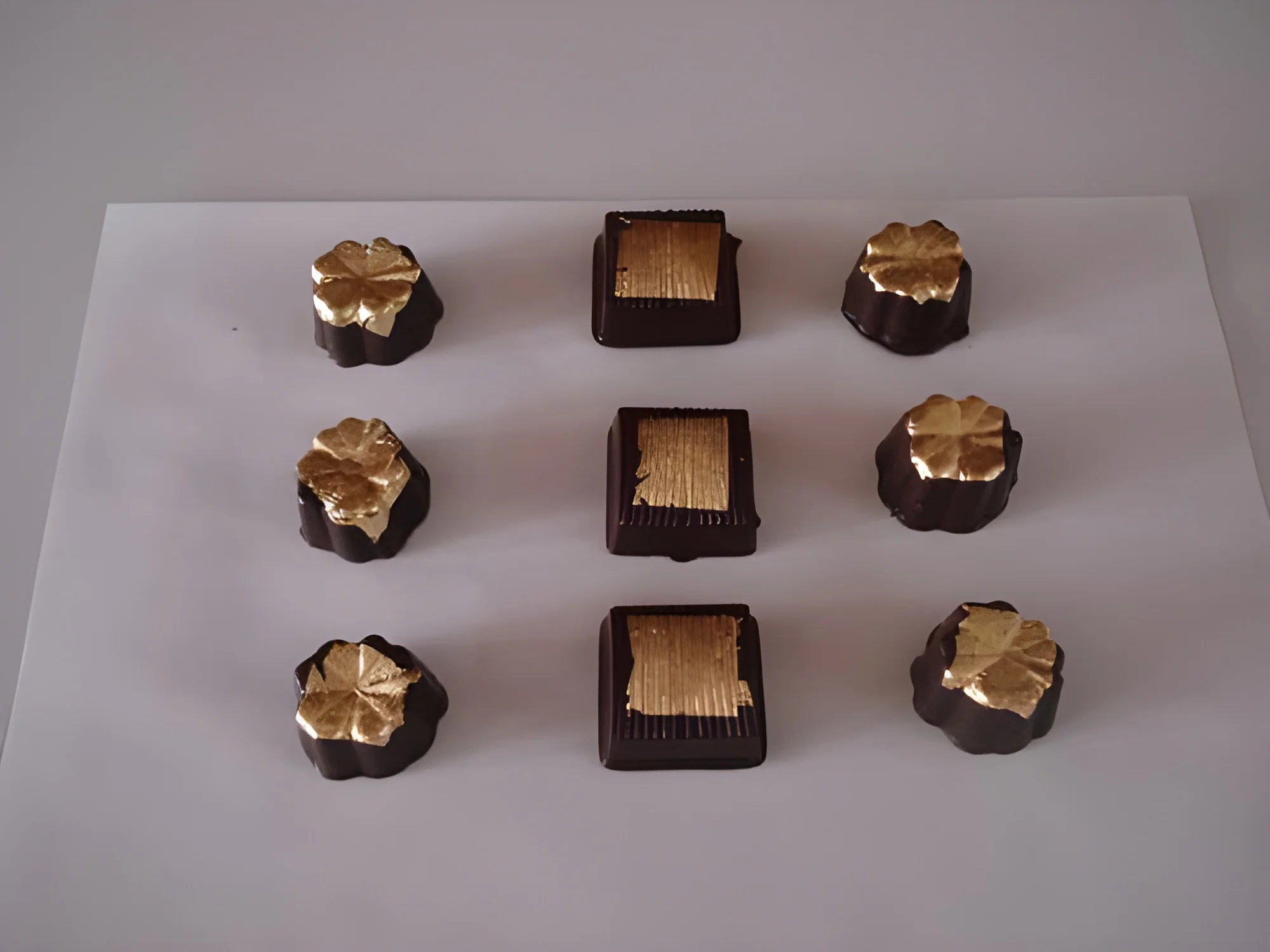
Artisan Chocolates: Crafted by skilled chocolatiers, these chocolates feature unique flavors and high-quality ingredients. They are often packaged in elegant designs, making them suitable for premium markets.
Sugar-Free Chocolates: Designed for consumers with dietary restrictions, these chocolates use sugar alternatives while maintaining flavor. They cater to the health-conscious segment of the market.
Benefits and Advantages
Chocolates (Bars, Truffles) offer numerous benefits that make them an attractive product for businesses.
1. Versatile Product Range: Chocolates can be tailored to suit various tastes and dietary needs, allowing for a broad customer base.
2. High Demand: Chocolates are consistently in demand across multiple sectors, providing steady sales opportunities for suppliers.
3. Brand Differentiation: Unique flavors and quality ingredients can set a brand apart, enhancing market position and customer loyalty.
4. Gifting Appeal: Chocolates are universally appreciated as gifts, making them valuable in promotional strategies and seasonal marketing.
5. Profit Margins: High-quality chocolates can command premium prices, leading to attractive profit margins for businesses in the confectionery sector.
6. Innovation Potential: The chocolate industry is ripe for innovation, with opportunities to create new products that resonate with current consumer trends.
Buying Guide for B2B Buyers
When sourcing Chocolates (Bars, Truffles), businesses should consider several important factors to ensure they make informed purchasing decisions.
1. Quality Assessment: Buyers should evaluate the quality of chocolates by checking for certifications, sourcing practices, and ingredient transparency. Taste tests can also help determine product quality.
2. Supplier Verification: It is essential to vet suppliers for reliability and reputation. This includes reviewing their history, customer feedback, and compliance with industry standards.
3. Pricing and MOQ: Understanding the pricing structures and minimum order quantities is crucial for budgeting and inventory management. Buyers should compare prices across different suppliers.
4. Delivery and Lead Times: Buyers must consider logistics and delivery timelines. Clear communication regarding lead times helps in planning and ensures timely product availability.
5. Compliance Requirements: Familiarizing oneself with regulatory requirements is important, including food safety standards and labeling laws. This ensures that sourced products meet all necessary compliance measures.
Compliance and Certifications
Chocolates (Bars, Truffles) are subject to various quality standards and certifications that ensure safety and consistency in production.
ISO 9001 is a widely recognized quality management standard that can apply to chocolate manufacturers, ensuring processes meet customer and regulatory requirements.
HACCP (Hazard Analysis Critical Control Point) is crucial in the food industry, focusing on identifying and controlling potential hazards in food production, thus ensuring food safety.
CE certification indicates compliance with European health, safety, and environmental protection standards, reflecting a commitment to quality in products sold within the European market.
Safety and testing requirements are essential to guarantee that chocolates are free from contaminants and safe for consumption. Regular testing ensures that products meet health regulations.
Regional compliance must also be considered, as different countries have varying standards for food products. This can include specific labeling requirements or restrictions on certain ingredients.
Why Source Chocolates (Bars, Truffles) from Pepagora?
Pepagora offers a trusted platform for sourcing Chocolates (Bars, Truffles) with several key advantages that cater to B2B buyers.
Verified Supplier Network: Pepagora connects buyers with a network of verified suppliers who meet industry standards for quality and reliability. This helps businesses find reputable partners for their chocolate needs.
Streamlined RFQ Process: The platform features a user-friendly Request for Quotation system, allowing buyers to easily request pricing and product information from multiple suppliers, ensuring competitive offers.
Trade Assurance and Support: Pepagora provides buyer protection through trade assurance services, ensuring that transactions are secure. The platform also offers support throughout the sourcing process.
Regional Coverage: With a strong presence in India, GCC, and Southeast Asia, Pepagora is well-positioned to serve diverse markets. This geographic reach allows businesses to source chocolates that cater to local tastes and preferences.

 IN
IN