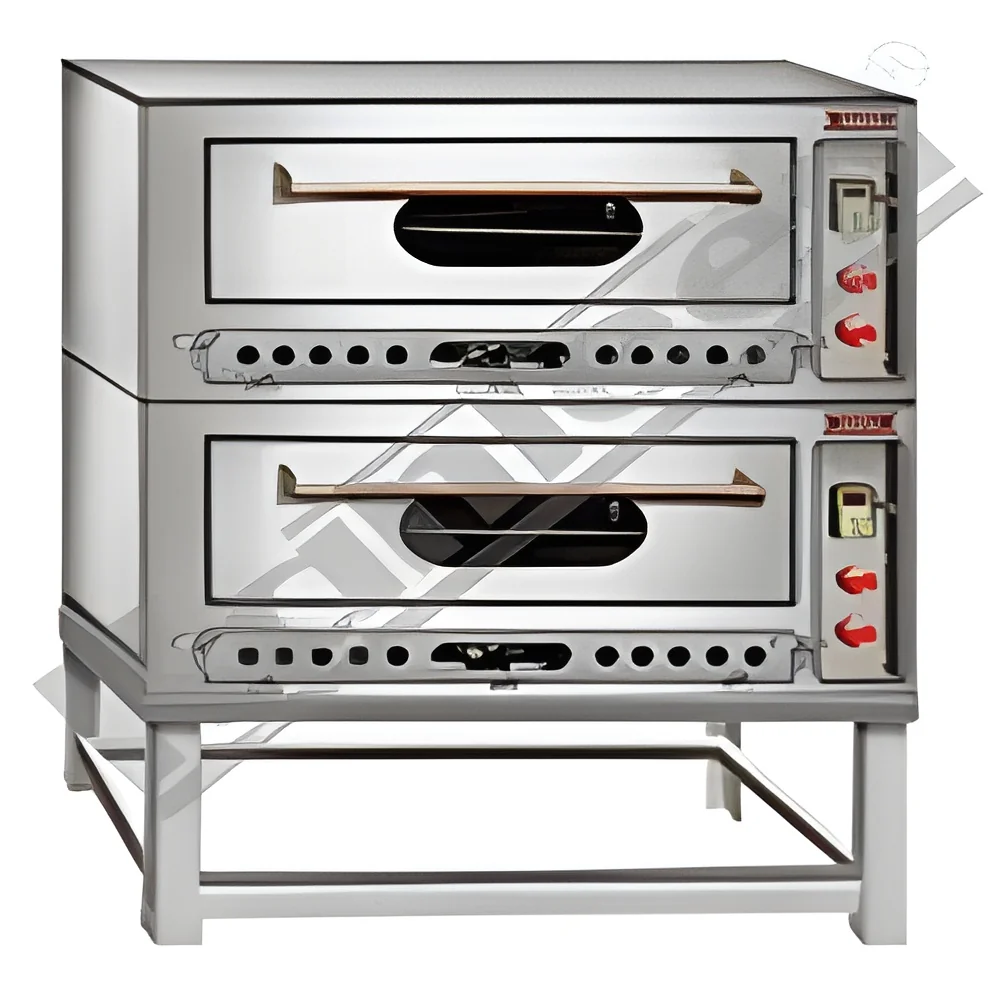
𝗪𝗵𝗮𝘁 𝗮𝗿𝗲 𝗙𝗿𝗼𝘇𝗲𝗻 𝗗𝗼𝘂𝗴𝗵 & 𝗕𝗮𝗸𝗲𝗱 𝗚𝗼𝗼𝗱𝘀?
Frozen dough and baked goods are essential products in the food industry, offering convenience and quality to both manufacturers and consumers. Frozen dough is a pre-prepared mixture of flour, water, and other ingredients that can be stored at low temperatures to maintain freshness. This allows businesses to produce baked goods on demand while reducing preparation time. Baked goods, which include items such as bread, pastries, and pizza, are typically made from these frozen dough products and can be sold directly to consumers or used in food service operations.
The primary uses of frozen dough and baked goods span across various sectors, including retail, food service, and bakery operations. Restaurants and cafes utilize frozen dough for quick and consistent product offerings, while grocery stores stock baked goods to meet consumer demands for quality and convenience. Additionally, frozen dough allows bakeries to manage inventory effectively, minimizing waste and maximizing freshness. The market for frozen dough and baked goods has been growing steadily, driven by the increasing demand for ready-to-eat products and the trend toward convenience in food preparation.
In today's fast-paced food industry, frozen dough and baked goods play a significant role in meeting consumer expectations for quality and variety. The continued growth of the food service sector and the rise in demand for high-quality baked products indicate a promising market context for these products. As consumers increasingly seek convenience without sacrificing quality, the relevance of frozen dough and baked goods will only continue to expand.
𝗞𝗲𝘆 𝗙𝗲𝗮𝘁𝘂𝗿𝗲𝘀 𝗮𝗻𝗱 𝗦𝗽𝗲𝗰𝗶𝗳𝗶𝗰𝗮𝘁𝗶𝗼𝗻𝘀
Frozen dough and baked goods come with a variety of features and specifications that cater to the needs of businesses in the food sector. These specifications ensure product consistency, safety, and quality.
Key specifications include:
1. Quality Standards
- Compliance with food safety regulations
- Adherence to industry standards such as CE certification
2. Temperature Control
- Optimal freezing temperatures to maintain product integrity
- Recommended storage conditions to ensure freshness
3. Shelf Life
- Defined expiration dates to guarantee quality
- Proper storage methods to extend usability
4. Customization Options
- Ability to modify recipes for specific dietary needs
- Options for different flavors and ingredients
5. Packaging Types
- Various packaging solutions for ease of storage and transport
- Eco-friendly options available for sustainability
6. Production Capacity
- Scalable production to meet varying order sizes
- Efficiency in manufacturing processes to reduce lead times
7. Nutritional Information
- Clear labeling of ingredients and nutritional content
- Allergen information for consumer safety
8. Monitoring and Control Features
- Systems in place for quality assurance during production
- Tracking of temperature and humidity during storage
With these specifications, businesses can ensure they are selecting the right frozen dough and baked goods that meet their operational needs.
𝗖𝗼𝗺𝗺𝗼𝗻 𝗔𝗽𝗽𝗹𝗶𝗰𝗮𝘁𝗶𝗼𝗻𝘀 𝗮𝗻𝗱 𝗨𝘀𝗲 𝗖𝗮𝘀𝗲𝘀
Frozen dough and baked goods serve a wide range of industries, each with specific applications that benefit from these products.
1. Food Service: Restaurants and cafes use frozen dough to quickly prepare fresh baked items, ensuring consistency and quality in their offerings.
2. Retail: Grocery stores stock frozen dough and baked goods to provide consumers with convenient meal solutions, catering to busy lifestyles.
3. Catering: Catering companies utilize frozen dough products for events, allowing for efficient preparation and delivery of baked goods.
4. Bakeries: Bakeries benefit from frozen dough to manage production schedules effectively, reducing waste while maintaining product freshness.
5. Hospitality: Hotels and resorts use frozen baked goods to offer guests high-quality breakfast and snack options without extensive labor.
6. Schools: Educational institutions often source frozen baked products to provide nutritious meals for students, ensuring adherence to dietary guidelines.
7. Healthcare: Hospitals and nursing homes utilize frozen dough and baked goods to offer patients appealing meal options that meet specific dietary restrictions.
𝗣𝗿𝗼𝗱𝘂𝗰𝘁 𝗩𝗮𝗿𝗶𝗮𝗻𝘁𝘀 𝗮𝗻𝗱 𝗦𝘂𝗯𝗰𝗮𝘁𝗲𝗴𝗼𝗿𝗶𝗲𝘀
Frozen dough and baked goods come in various forms to cater to diverse consumer preferences and business needs.
Pizza Dough
This variant is designed for quick and easy pizza preparation. It allows restaurants and pizzerias to create fresh pizzas with minimal preparation time. The dough can be customized for thickness and flavor.
Bread Dough
Bread dough is available in different varieties, including whole wheat, sourdough, and gluten-free options. This versatility makes it suitable for bakeries and food service establishments that want to offer a range of bread products.
Pastry Dough
Pastry dough is perfect for creating pastries, tarts, and pies. It is formulated to yield flaky and tender results, ideal for bakeries and catering services.
Roll Dough
Roll dough is designed for making various types of rolls, such as dinner rolls, cinnamon rolls, and specialty rolls. This variant is popular in both food service and retail sectors.
𝗕𝗲𝗻𝗲𝗳𝗶𝘁𝘀 𝗮𝗻𝗱 𝗔𝗱𝘃𝗮𝗻𝘁𝗮𝗴𝗲𝘀
Sourcing frozen dough and baked goods offers several advantages for businesses in the food industry.
Key benefits include:
1. Time Efficiency: Frozen dough significantly reduces preparation time, allowing businesses to focus on other essential operations.
2. Consistency: Using pre-prepared dough ensures uniformity in product quality and taste, which is crucial for customer satisfaction.
3. Reduced Waste: Businesses can better manage inventory, as frozen dough has a longer shelf life compared to fresh products.
4. Flexibility: Frozen dough can be easily customized to meet specific product requirements, catering to diverse customer needs.
5. Quality Control: Manufacturers often maintain stringent quality standards, ensuring that the final baked goods meet safety and quality expectations.
6. Convenience: Frozen baked goods provide immediate options for food service and retail environments, enhancing overall customer experience.
𝗕𝘂𝘆𝗶𝗻𝗴 𝗚𝘂𝗶𝗱𝗲 𝗳𝗼𝗿 𝗕𝟮𝗕 𝗕𝘂𝘆𝗲𝗿𝘀
When sourcing frozen dough and baked goods, buyers should consider several crucial factors to ensure they make informed decisions.
1. Quality Assessment: Evaluating the quality of frozen dough and baked goods is essential. Buyers should look for products that meet established safety standards and have a consistent track record of quality.
2. Supplier Verification: It is vital to vet suppliers thoroughly before purchasing. Buyers should check for certifications, reviews, and the supplier's reputation in the industry.
3. Pricing and MOQ: Understanding the price structure and minimum order quantities is important for managing budgets and ensuring availability.
4. Delivery and Lead Times: Buyers must consider logistics by assessing delivery capabilities and lead times to ensure timely receipt of products.
5. Compliance Requirements: Familiarity with relevant regulations and compliance standards is necessary to avoid legal complications and ensure product safety.
𝗖𝗼𝗺𝗽𝗹𝗶𝗮𝗻𝗰𝗲 𝗮𝗻𝗱 𝗖𝗲𝗿𝘁𝗶𝗳𝗶𝗰𝗮𝘁𝗶𝗼𝗻𝘀
Compliance and certifications play a crucial role in the production of frozen dough and baked goods. Adhering to recognized quality standards such as ISO 9001 ensures that manufacturers maintain high levels of quality and efficiency in their processes.
Additionally, the Hazard Analysis Critical Control Point (HACCP) system is essential for food safety management. It helps identify potential hazards in production and ensures that appropriate measures are taken to mitigate risks.
The General Data Protection (GDP) compliance is also relevant, especially for businesses that handle consumer data. It is critical to protect customer information throughout the supply chain.
Manufacturers may also seek certifications such as CE to demonstrate compliance with European safety standards. This can enhance marketability and build consumer trust.
It is important for buyers to understand regional compliance considerations as well. Different countries may have specific regulations governing food safety, labeling, and packaging, which must be adhered to for successful market entry.
𝗪𝗵𝘆 𝗦𝗼𝘂𝗿𝗰𝗲 𝗙𝗿𝗼𝘇𝗲𝗻 𝗗𝗼𝘂𝗴𝗵 & 𝗕𝗮𝗸𝗲𝗱 𝗚𝗼𝗼𝗱𝘀 𝗳𝗿𝗼𝗺 𝗣𝗲𝗽𝗮𝗴𝗼𝗿𝗮?
Pepagora provides an exceptional platform for sourcing frozen dough and baked goods, offering numerous advantages for B2B buyers.
The verified supplier network ensures that buyers can connect with reputable manufacturers and suppliers who meet stringent quality standards. This verification process builds trust and reliability in the sourcing process.
Additionally, Pepagora features a streamlined Request for Quotation (RFQ) process. This allows buyers to efficiently receive quotes from multiple suppliers, enabling them to make informed decisions based on pricing and quality.
Trade assurance and support are key benefits offered by Pepagora. The platform provides buyer protection measures that help ensure that transactions are secure and satisfactory.
Lastly, Pepagora's regional coverage across India, the Gulf Cooperation Council (GCC), and Southeast Asia means that buyers can find suitable suppliers in various markets. This diverse reach enhances sourcing opportunities and fosters international trade relations.

 IN
IN