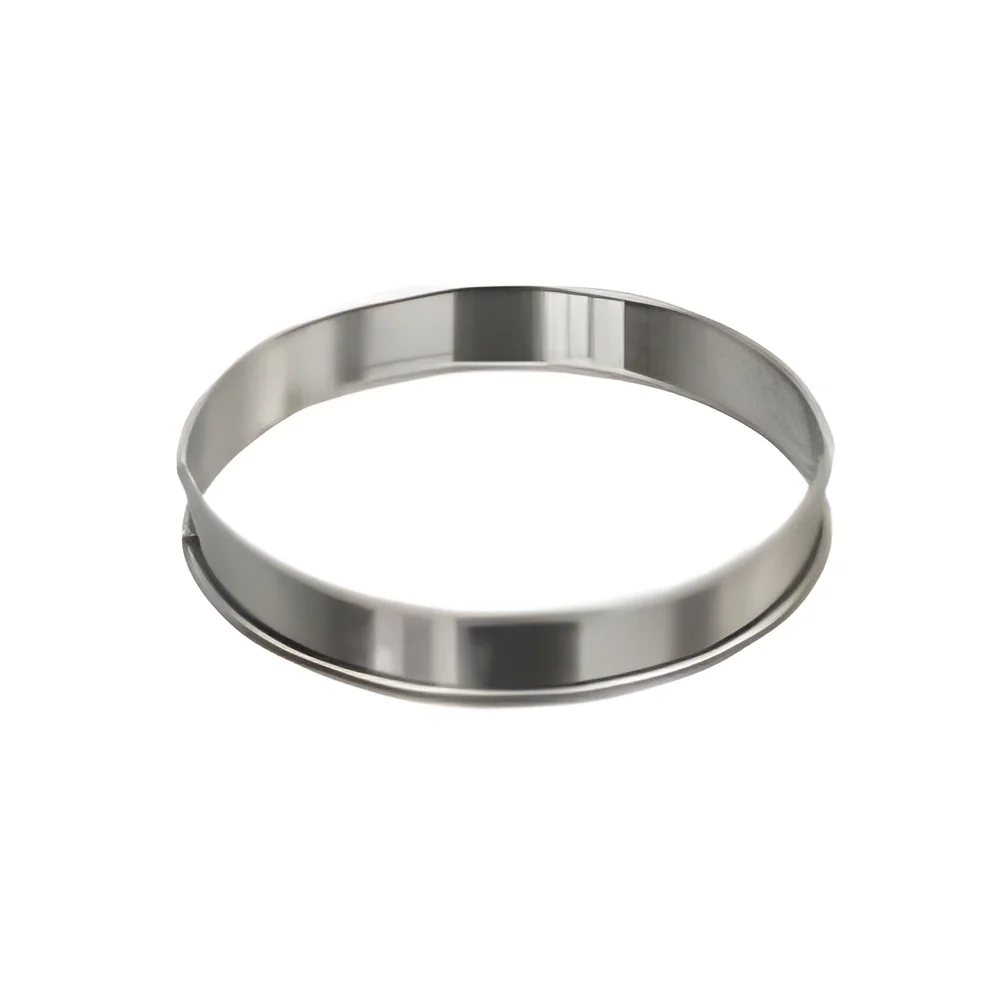
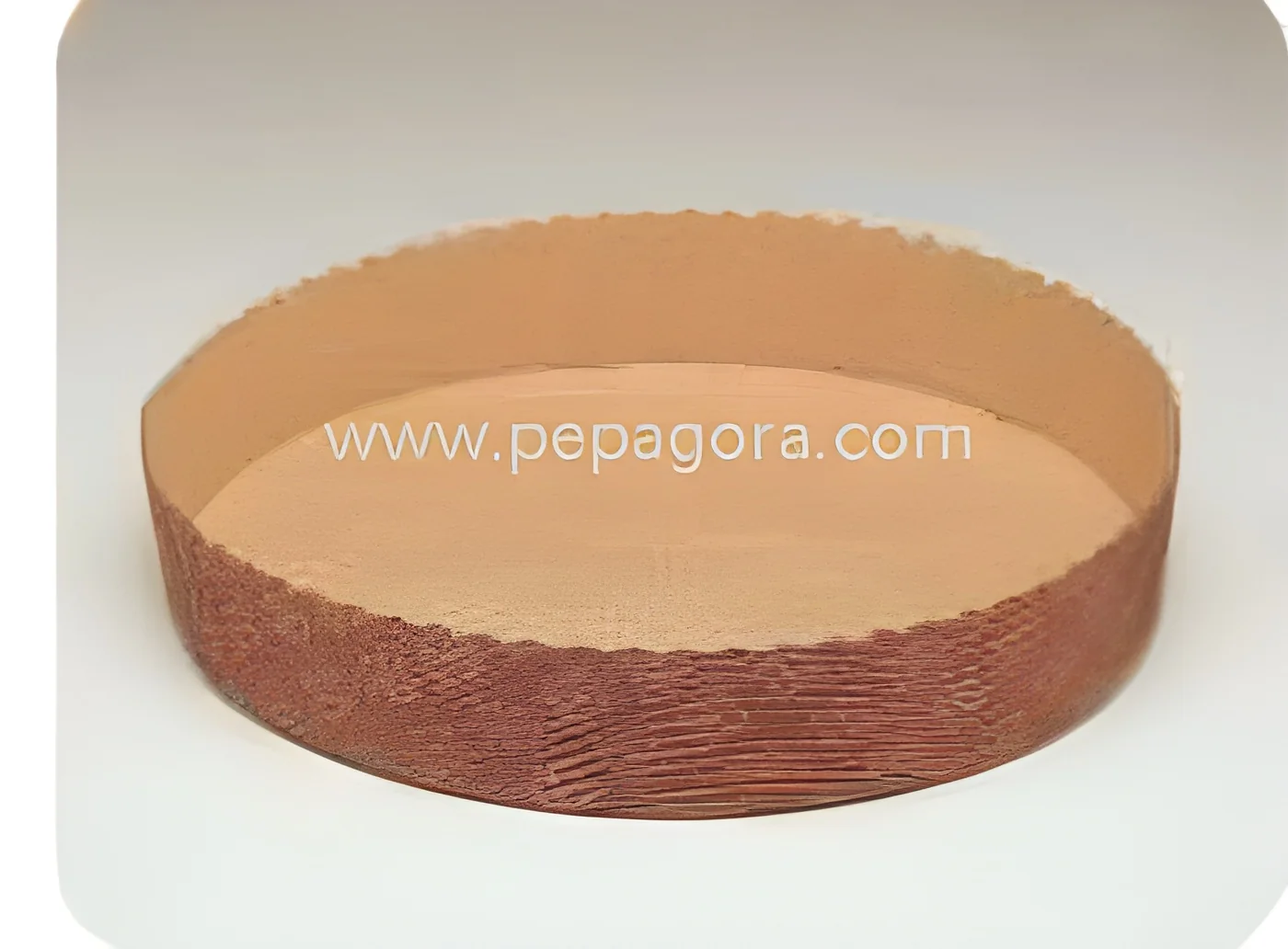
𝗪𝗵𝗮𝘁 𝗮𝗿𝗲 𝗕𝗮𝗸𝗶𝗻𝗴 𝗠𝗼𝘂𝗹𝗱𝘀 & 𝗣𝗮𝗿𝗰𝗵𝗺𝗲𝗻𝘁 𝗣𝗮𝗽𝗲𝗿𝘀?
Baking moulds and parchment papers are essential tools in the baking and food preparation industries. Baking moulds are containers used for shaping and baking various food items, such as cakes, muffins, and bread. They come in various materials, including metal, silicone, and glass, each offering unique properties that cater to different baking needs. Parchment papers, on the other hand, are specially coated papers that provide a non-stick surface for baking. They are used to line baking trays and moulds, preventing food from sticking and ensuring easy clean-up.
These products are primarily used in commercial bakeries, catering services, and food production facilities. They facilitate efficient baking processes, maintain food quality, and enhance presentation. In the context of the food industry, the demand for high-quality baking moulds and parchment papers continues to grow as businesses strive for improved efficiency and consistency in their baked goods. Understanding the applications and specifications of these products is vital for industry professionals.
𝗞𝗲𝘆 𝗙𝗲𝗮𝘁𝘂𝗿𝗲𝘀 𝗮𝗻𝗱 𝗦𝗽𝗲𝗰𝗶𝗳𝗶𝗰𝗮𝘁𝗶𝗼𝗻𝘀
Baking moulds and parchment papers come with various features tailored to enhance the baking experience. Understanding these specifications is crucial for selecting the right products for your business needs.
Key specifications include:
1. Material Type
- Baking moulds are available in metal, silicone, and glass.
- Each material offers different heat conductivity and durability.
2. Size and Shape
- Moulds come in various sizes and shapes, such as round, square, and loaf.
- Common sizes range from small individual moulds to large commercial pans.
3. Non-Stick Coating
- Many moulds feature a non-stick coating to improve food release.
- Parchment papers provide a naturally non-stick surface.
4. Heat Resistance
- Baking moulds can withstand high temperatures, typically up to 230°C.
- Parchment papers are designed to resist heat without burning.
5. Reusability
- Silicone moulds are reusable and easy to clean.
- Parchment papers are typically single-use for hygiene purposes.
6. Thickness
- Parchment paper thickness can vary, affecting durability and heat retention.
- Thicker papers are often used for heavier items.
7. Compliance Standards
- Products should meet food safety standards such as FDA compliance.
- Certifications like UL and CE ensure quality and safety.
8. Customization Options
- Some suppliers offer customization in size and branding.
- Tailored solutions can meet specific business requirements.
In summary, understanding the features and specifications of baking moulds and parchment papers allows businesses to make informed purchasing decisions that enhance their baking processes.
𝗖𝗼𝗺𝗺𝗼𝗻 𝗔𝗽𝗽𝗹𝗶𝗰𝗮𝘁𝗶𝗼𝗻𝘀 𝗮𝗻𝗱 𝗨𝘀𝗲 𝗖𝗮𝘀𝗲𝘀
Baking moulds and parchment papers find applications across various industries due to their versatility and functionality.
1. Commercial Bakeries: These establishments rely on high-quality moulds and parchment papers for consistent baking results, improving productivity and product quality.
2. Catering Services: Catering companies use these products to prepare large quantities of baked goods efficiently, ensuring food presentation and ease of service.
3. Food Manufacturing: In food production facilities, baking moulds and parchment papers are crucial for streamlining the baking process, enhancing food safety, and maintaining product consistency.
4. Restaurants: Many restaurants utilize these products for both baking and presentation, ensuring that dishes are served attractively and tastefully.
5. Home Baking: While primarily B2B, there's a growing trend of businesses providing baking moulds and parchment papers for home bakers, tapping into the DIY market.
6. Pastry Shops: Specialized pastry shops use diverse moulds to create intricate designs, enhancing their product offerings and attracting customers.
7. Food Packaging: Some businesses incorporate parchment papers to separate baked goods in packaging, ensuring freshness and preventing sticking.
𝗣𝗿𝗼𝗱𝘂𝗰𝘁 𝗩𝗮𝗿𝗶𝗮𝗻𝘁𝘀 𝗮𝗻𝗱 𝗦𝘂𝗯𝗰𝗮𝘁𝗲𝗴𝗼𝗿𝗶𝗲𝘀
Baking moulds and parchment papers come in various forms to meet specific needs in the baking industry.
Silicone Baking Moulds
These moulds are flexible, non-stick, and reusable, making them ideal for a variety of baked goods. They are particularly popular for muffins, cakes, and desserts where ease of release is essential.
Metal Baking Moulds
Metal moulds offer excellent heat conduction, which is perfect for achieving a golden crust on bread and pastries. They are durable and often preferred in commercial settings for their longevity and performance.
Glass Baking Moulds
Glass options provide even heat distribution and allow for easy monitoring of the baking process. They are suitable for dishes that require a more attractive serving option straight from the oven.
Parchment Paper Sheets
Pre-cut parchment paper sheets are convenient for quick use in busy kitchens. They come in various sizes to fit standard baking trays and moulds, ensuring minimal waste.
𝗕𝗲𝗻𝗲𝗳𝗶𝘁𝘀 𝗮𝗻𝗱 𝗔𝗱𝘃𝗮𝗻𝘁𝗮𝗴𝗲𝘀
Baking moulds and parchment papers offer numerous benefits that enhance the baking process and overall efficiency.
1. Improved Baking Performance: High-quality materials ensure even heat distribution, leading to better baking results.
2. Ease of Use: Non-stick surfaces minimize the need for greasing, making baking and cleanup simpler for operators.
3. Versatility: A range of shapes and sizes allows for creativity in baked goods, suitable for various culinary applications.
4. Cost-Effectiveness: Durable materials, especially silicone, can be reused multiple times, providing long-term savings.
5. Enhanced Food Presentation: Attractive moulds and parchment papers contribute to the aesthetic appeal of baked products, crucial for customer satisfaction.
6. Compliance with Safety Standards: Sourcing certified products ensures that all baked goods meet regulatory safety requirements.
𝗕𝘂𝘆𝗶𝗻𝗴 𝗚𝘂𝗶𝗱𝗲 𝗳𝗼𝗿 𝗕𝟮𝗕 𝗕𝘂𝘆𝗲𝗿𝘀
When sourcing baking moulds and parchment papers, several key factors should be considered to ensure quality and suitability.
1. Quality Assessment: Look for products that meet industry standards and are made from food-safe materials. Assess supplier certifications to verify compliance with safety regulations.
2. Supplier Verification: Vet suppliers thoroughly by checking reviews and references. A reliable supplier should have a proven track record in delivering quality products.
3. Pricing and MOQ: Understand the pricing structure and minimum order quantities. Evaluate total costs, including shipping, to make informed purchasing decisions.
4. Delivery and Lead Times: Confirm the typical lead times for orders to ensure they align with your business needs. Timely delivery is crucial for maintaining production schedules.
5. Compliance Requirements: Ensure that the products you source comply with local regulations and international standards to avoid legal issues and ensure food safety.
𝗖𝗼𝗺𝗽𝗹𝗶𝗮𝗻𝗰𝗲 𝗮𝗻𝗱 𝗖𝗲𝗿𝘁𝗶𝗳𝗶𝗰𝗮𝘁𝗶𝗼𝗻𝘀
Baking moulds and parchment papers must adhere to various compliance standards to ensure safety and quality in the food industry.
Quality standards such as ISO 9001 focus on consistent quality management practices. These standards help manufacturers maintain high production quality, which is essential for food safety.
Industry certifications like UL and CE indicate that products have been tested for safety and performance. These certifications assure buyers that the products will meet industry-specific requirements.
Safety and testing requirements are vital. Products should be tested for heat resistance, chemical safety, and food contact compliance to ensure they are safe for use in food preparation.
Regional compliance considerations may vary. It is important to be aware of local regulations regarding food safety and materials used in food contact applications to ensure full compliance.
𝗪𝗵𝘆 𝗦𝗼𝘂𝗿𝗰𝗲 𝗕𝗮𝗸𝗶𝗻𝗴 𝗠𝗼𝘂𝗹𝗱𝘀 & 𝗣𝗮𝗿𝗰𝗵𝗺𝗲𝗻𝘁 𝗣𝗮𝗽𝗲𝗿𝘀 𝗳𝗿𝗼𝗺 𝗣𝗲𝗽𝗮𝗴𝗼𝗿𝗮?
Pepagora provides a trusted platform for sourcing baking moulds and parchment papers, offering several key advantages to B2B buyers.
Verified Supplier Network: Pepagora connects buyers with verified suppliers who meet stringent quality and safety standards. This network ensures that businesses can source products with confidence.
Streamlined RFQ Process: The platform simplifies the request for quotation process, allowing buyers to quickly obtain competitive quotes from multiple suppliers. This efficiency helps businesses make timely purchasing decisions.
Trade Assurance and Support: Pepagora offers trade assurance programs that protect buyers from potential risks associated with transactions. Dedicated support is available for any queries or concerns throughout the sourcing process.
Regional Coverage: Pepagora has a wide geographic reach, serving markets in India, the GCC, and Southeast Asia. This extensive coverage ensures that buyers have access to a diverse range of suppliers and products tailored to their regional needs.

 IN
IN