What are Cream Biscuits?
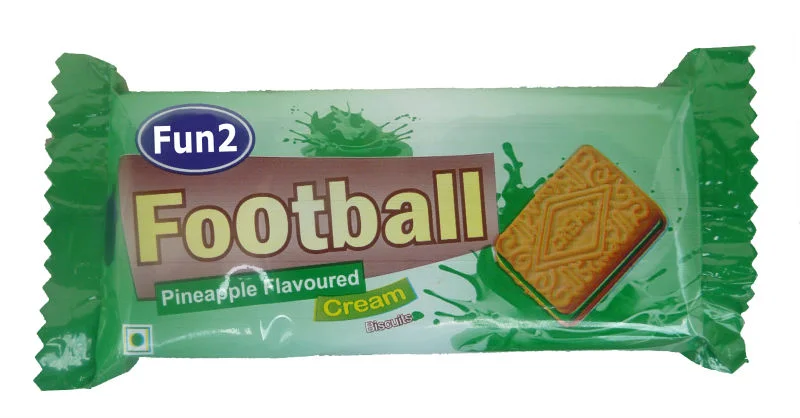
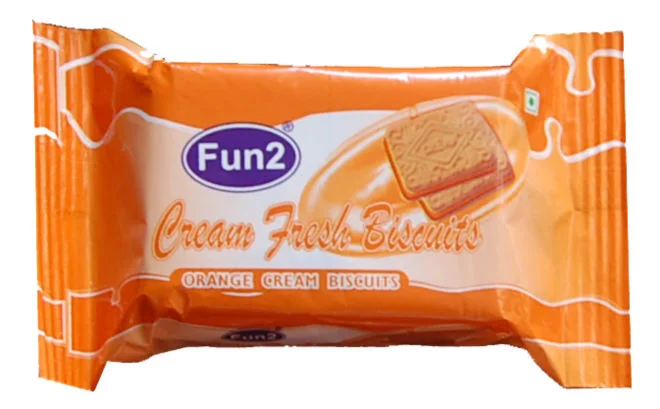
Cream biscuits are a popular type of baked product that consists of two biscuits with a sweet creamy filling sandwiched in between. They are typically characterized by their crisp texture and rich flavor, which is enhanced by the cream filling. Cream biscuits can come in various flavors, ranging from vanilla and chocolate to fruit infusions, making them appealing to a wide audience.
These biscuits are primarily used in the dessert and snack food sectors. They are often enjoyed as standalone treats, paired with tea or coffee, or utilized as an ingredient in dessert recipes. Businesses in the food service industry, such as cafes, restaurants, and catering services, incorporate cream biscuits into their offerings to attract customers looking for sweet indulgences. The growing demand for snack foods has cemented cream biscuits' relevance in the marketplace.
The cream biscuit market is influenced by trends in consumer preferences, such as the shift towards healthier snacks and the increasing interest in gourmet and artisanal products. This industry is expected to see continued growth as manufacturers innovate with flavors and packaging, catering to evolving tastes and dietary considerations.
Key Features and Specifications
Cream biscuits come with a variety of features that cater to both consumers and businesses. Understanding these specifications is vital for B2B buyers looking to make informed purchasing decisions.
Key specifications include:
1. Flavor Variety
- Cream biscuits are available in multiple flavors, including chocolate, vanilla, strawberry, and more.
- This variety allows businesses to cater to diverse customer preferences.
2. Texture
- The biscuits are designed to have a crisp outer layer with a soft, creamy filling.
- This combination enhances the overall eating experience.
3. Packaging Options
- Cream biscuits can be packaged in bulk or as individual servings.
- Businesses can choose packaging that best suits their sales model.
4. Shelf Life
- Typically, cream biscuits have a shelf life of several months when stored properly.
- This long shelf life makes them suitable for distribution and retail sales.
5. Ingredients
- Common ingredients include flour, sugar, fats, and various flavorings.
- Some manufacturers may offer options for gluten-free or organic ingredients.
6. Nutritional Information
- Nutritional content varies by manufacturer, with some biscuits offering lower sugar or fat options.
- Businesses should review nutritional data to meet customer demands for healthier choices.
7. Regulatory Compliance
- Cream biscuits must adhere to food safety standards.
- Compliance with regulations ensures product quality and safety.
In summary, understanding the features and specifications of cream biscuits can help businesses choose products that align with their needs and customer preferences.
Common Applications and Use Cases
Cream biscuits serve various industries, contributing to a range of applications.
1. Food Service Industry: Restaurants and cafes often include cream biscuits in their dessert menus or as a snack option for customers.
2. Retail Sector: Supermarkets and convenience stores stock cream biscuits as popular snack items, appealing to consumers seeking quick treats.
3. Catering Services: Cream biscuits can be offered at events and functions, providing an easy-to-serve dessert option that guests enjoy.
4. Hospitality Industry: Hotels may use cream biscuits as part of room service menus or as complimentary snacks in guest rooms.
5. Educational Institutions: Schools and colleges often include cream biscuits in their cafeterias, providing students with a sweet snack option.
6. Food Manufacturing: Companies may use cream biscuits as ingredients in other products, such as pie crusts or dessert bars.
7. Export Markets: Cream biscuits can be exported to international markets, catering to global tastes and preferences.
Product Variants and Subcategories
Cream biscuits come in numerous variants, each offering unique features that cater to specific market needs.
Classic Cream Biscuits: These are the traditional versions, featuring a vanilla or chocolate cream filling. They are widely recognized and appeal to a broad audience.
Gourmet Cream Biscuits: These variants often incorporate high-quality ingredients and unique flavors, such as matcha or salted caramel, targeting premium markets.
Sugar-Free Cream Biscuits: Designed for health-conscious consumers, these biscuits use alternative sweeteners, allowing those with dietary restrictions to enjoy a treat.
Gluten-Free Cream Biscuits: Made with gluten-free ingredients, these options cater to individuals with gluten sensitivities or celiac disease.
Benefits and Advantages
Choosing cream biscuits offers several benefits for businesses in the food industry.
1. High Demand: Cream biscuits are popular snack items, ensuring steady sales for retailers and food service providers.
2. Versatile Applications: They can be used in a variety of settings, from casual snack offerings to fine dining desserts.
3. Customization Options: Many manufacturers offer the ability to customize flavors and packaging, allowing businesses to differentiate their product lines.
4. Long Shelf Life: The extended shelf life of cream biscuits reduces waste and ensures that businesses can maintain inventory without frequent restocking.
5. Attractive Pricing: Competitive pricing in the market allows businesses to source products that fit their budget while still offering quality options to consumers.
6. Brand Loyalty: Offering popular snacks like cream biscuits can enhance customer loyalty and encourage repeat purchases.
Buying Guide for B2B Buyers
When sourcing cream biscuits, several key factors should be considered to ensure a successful purchasing process.
1. Quality Assessment: Buyers should evaluate the quality of cream biscuits by reviewing ingredient lists, taste tests, and shelf stability. High-quality products contribute to customer satisfaction.
2. Supplier Verification: It is crucial to vet suppliers to ensure reliability and product quality. Researching their reputation and obtaining references can help in making informed choices.
3. Pricing and MOQ: Understanding pricing structures and minimum order quantities (MOQ) is essential for budgeting. Compare different suppliers to find the best value without compromising quality.
4. Delivery and Lead Times: Assess the logistics involved in delivery. Knowing the lead times can help businesses manage inventory effectively and meet customer demands.
5. Compliance Requirements: Ensure that the cream biscuits meet all necessary food safety regulations and standards. Compliance with local and international regulations is critical for successful selling.
Compliance and Certifications
Compliance and certifications play an important role in the production and sale of cream biscuits.
Manufacturers should adhere to relevant quality standards such as ISO 9001, which ensures effective quality management systems. HACCP (Hazard Analysis Critical Control Point) is crucial for identifying and controlling food safety hazards in production processes. Good Distribution Practices (GDP) also apply to the handling and distribution of food products, ensuring they remain safe and suitable for consumption.
Additionally, industry certifications like CE indicate compliance with health, safety, and environmental protection standards within the European market. Manufacturers must also consider regional compliance requirements, which may vary based on local regulations governing food safety and labeling.
Why Source Cream Biscuits from Pepagora?
Pepagora provides a trusted platform for sourcing cream biscuits, offering several key advantages for B2B buyers.
Verified Supplier Network: Pepagora connects businesses with a network of verified suppliers who meet rigorous quality standards. This ensures that buyers can access reliable products that align with their needs.
Streamlined RFQ Process: The Request for Quotation (RFQ) system simplifies the sourcing process, allowing businesses to easily submit their requirements and receive competitive quotes from multiple suppliers.
Trade Assurance and Support: Pepagora offers buyer protection through trade assurance programs, providing peace of mind when sourcing products. This helps mitigate risks associated with purchasing.
Regional Coverage: With a strong presence in regions such as India, the Gulf Cooperation Council (GCC), and Southeast Asia, Pepagora ensures that buyers can connect with suppliers across important markets, facilitating smooth transactions.

 IN
IN