What are Stuffed Cookies?
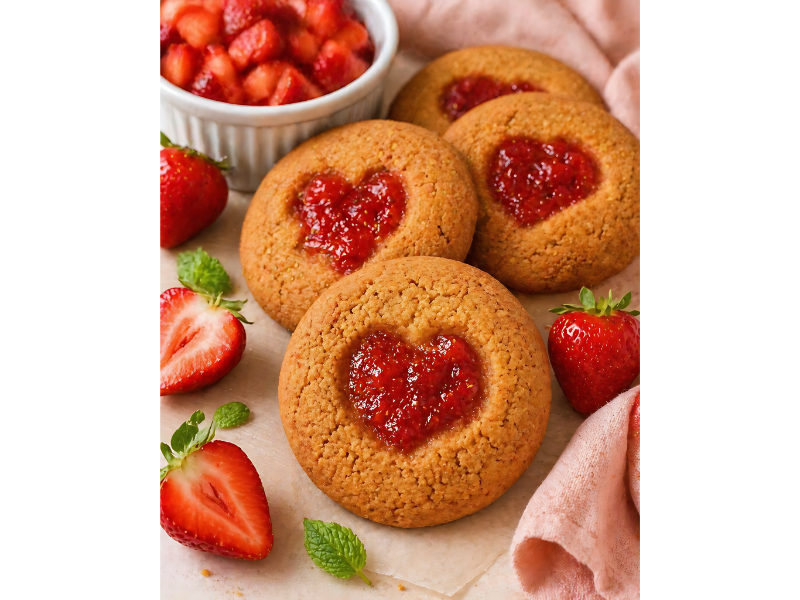
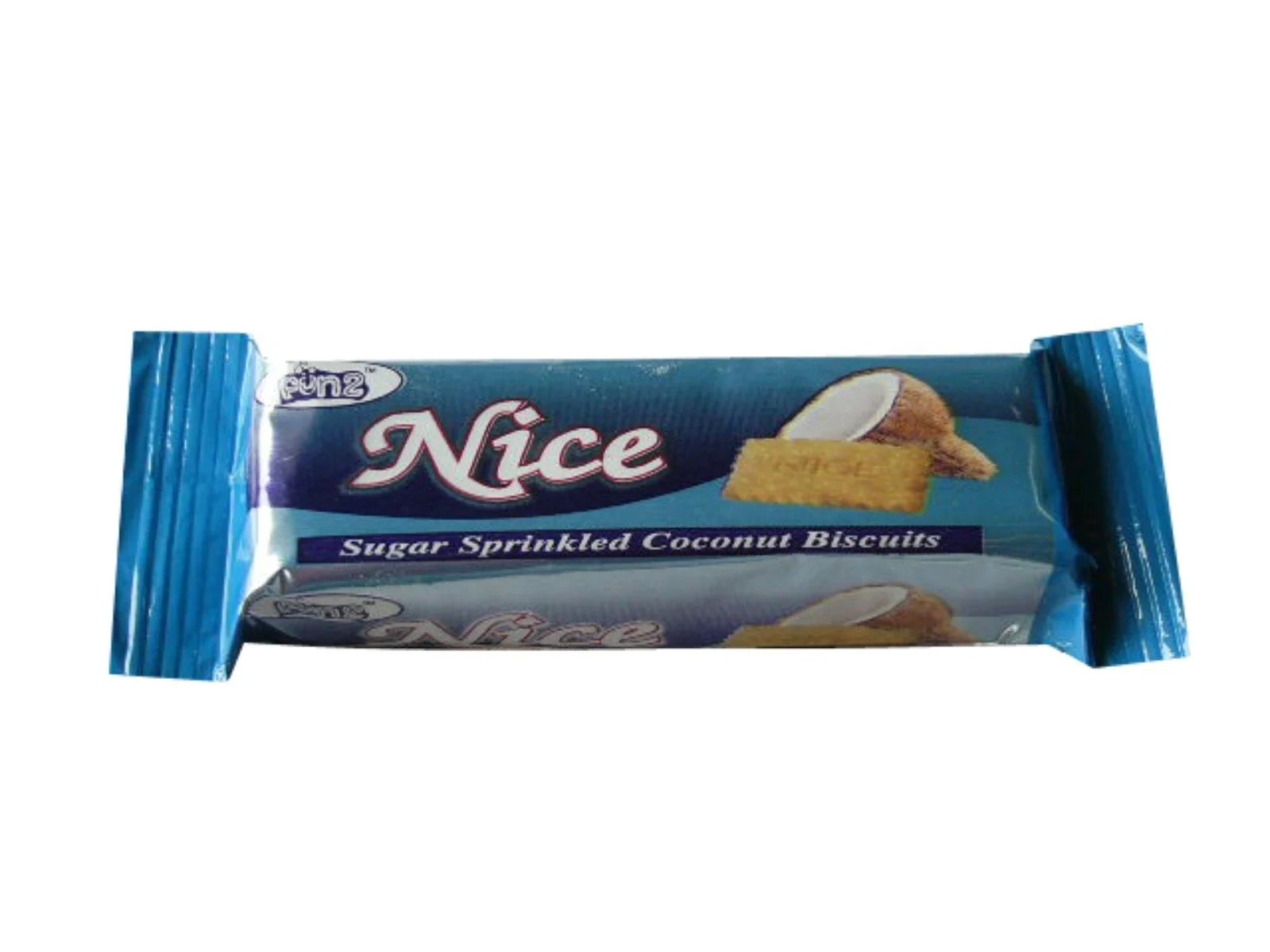
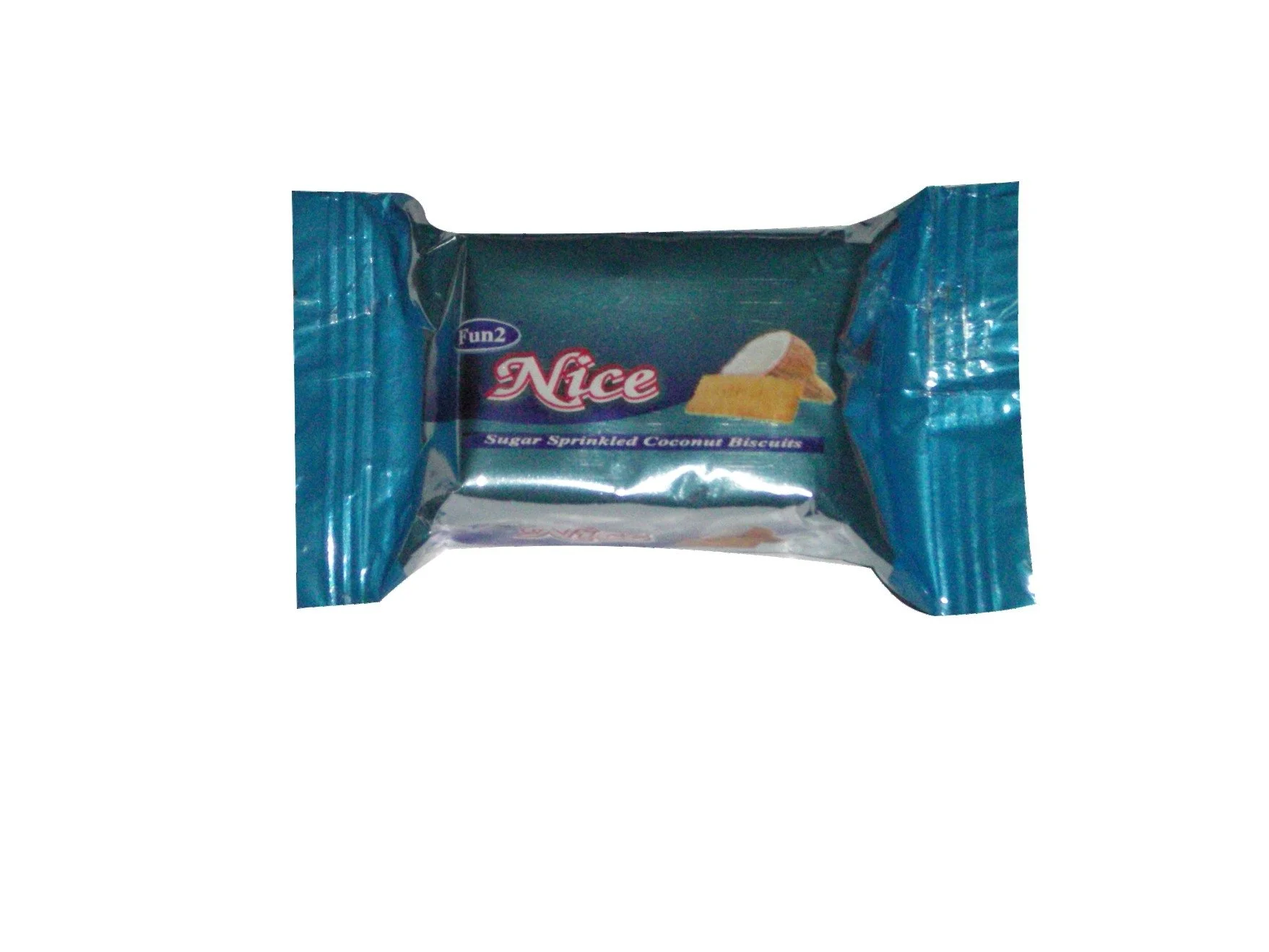
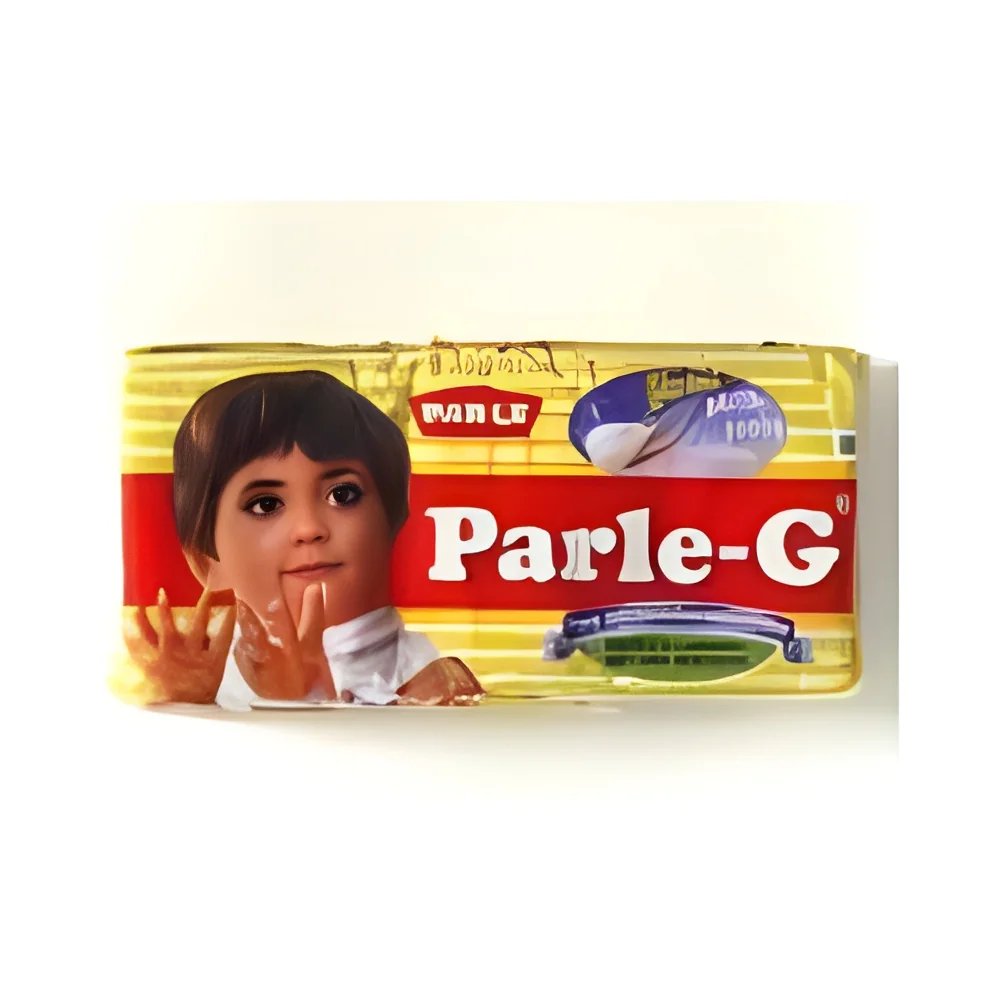
Stuffed cookies are a delightful variation of traditional cookies, characterized by a rich filling encased within a soft, baked outer layer. The filling can range from chocolate, caramel, jams, or even cream, offering a diverse flavor profile that appeals to a variety of consumer preferences. These treats combine the familiar comforting texture of cookies with the surprise of a gooey or creamy center, making them popular for both casual snacking and special occasions.
In the B2B context, stuffed cookies serve multiple purposes in various sectors, including food service, retail, and confectionery. They can be offered as gourmet snacks in cafes, bundled in gift boxes, or featured in specialty food stores. Their versatility allows businesses to cater to different market segments, such as corporate gifting or event catering. The growing demand for unique snack options makes stuffed cookies an attractive product for manufacturers and retailers alike.
The market for stuffed cookies continues to expand, driven by consumer interest in innovative and indulgent treats. As more businesses seek to differentiate their offerings, stuffed cookies present an opportunity to attract customers looking for exciting flavors and textures. This relevance in the current food landscape positions stuffed cookies as a valuable addition to any product lineup.
Key Features and Specifications
Stuffed cookies come with a variety of features that enhance their appeal and usability in different contexts. Understanding these specifications can help businesses make informed purchasing decisions.
Key specifications include:
1. Flavor Variety
- Options include chocolate, caramel, fruit fillings, and cream.
- Custom flavors can be developed based on market trends.
2. Size Options
- Available in various sizes such as mini, standard, and large.
- Size can influence portion control and pricing strategies.
3. Packaging Types
- Options include bulk packaging, individual wraps, and gift boxes.
- Packaging can enhance shelf life and presentation.
4. Shelf Life
- Typically ranges from a few weeks to several months depending on ingredients.
- Proper storage conditions can extend freshness.
5. Nutritional Information
- Includes calorie count, fat content, and sugar levels.
- Important for health-conscious consumers and regulatory compliance.
6. Allergen Information
- Must clearly label common allergens like nuts, dairy, or gluten.
- Compliance with food safety regulations is crucial.
In summary, the features and specifications of stuffed cookies make them versatile and appealing for various business applications. Understanding these aspects can help businesses position their products effectively in the market.
Common Applications and Use Cases
Stuffed cookies have a broad range of applications across various industries.
1. Food Service: Restaurants and cafes can offer stuffed cookies as a dessert option. Their unique flavors can enhance dessert menus and attract customers seeking indulgent treats.
2. Retail: Supermarkets and specialty stores can stock stuffed cookies to meet the demand for premium snacks. Packaging can be tailored for impulse purchases or gifting.
3. Corporate Gifting: Businesses can use stuffed cookies as part of gift baskets for clients or employees. Custom branding on packaging can enhance corporate identity.
4. Catering: Event planners may include stuffed cookies in catering menus for parties, weddings, and corporate events. Their shareable nature makes them ideal for large gatherings.
5. Online Sales: E-commerce platforms can offer stuffed cookies as a unique product line. The option for customization allows for personalized gifts.
6. Snack Subscription Services: Companies can feature stuffed cookies in monthly snack boxes, catering to consumers who enjoy trying new flavors.
Product Variants and Subcategories
Stuffed cookies come in various variants, allowing businesses to cater to diverse consumer preferences.
Classic Chocolate Chip Stuffed Cookies
These cookies are filled with gooey chocolate, offering a familiar yet indulgent taste. They are perfect for traditional cookie lovers and can be marketed as a timeless favorite.
Gourmet Fruit Stuffed Cookies
These variants feature fillings made from seasonal fruits, providing a fresh and fruity option. They appeal to consumers looking for a lighter, more refreshing snack.
Decadent Nut Butter Stuffed Cookies
Filled with rich nut butter, these cookies cater to the growing demand for protein-rich snacks. They can be marketed to health-conscious consumers seeking indulgence without the guilt.
Vegan Stuffed Cookies
These cookies are made without animal products, targeting the vegan market. They provide an alternative for consumers seeking plant-based options without sacrificing flavor.
Gluten-Free Stuffed Cookies
Made with gluten-free ingredients, these cookies cater to those with dietary restrictions. They allow businesses to tap into the growing gluten-free market.
Benefits and Advantages
Stuffed cookies offer several advantages that make them a valuable product for businesses.
1. Unique Selling Proposition: The stuffed interior sets these cookies apart from traditional options, attracting consumers looking for something new and exciting.
2. Versatile Flavor Options: The ability to customize flavors allows businesses to adapt to changing consumer trends and preferences.
3. High Profit Margins: Premium pricing can be justified by the unique product offering, leading to increased profitability.
4. Strong Market Demand: The growing interest in gourmet and artisanal snacks drives demand for stuffed cookies, making them a timely investment.
5. Customization Opportunities: Businesses can develop custom recipes and packaging for specific audiences, enhancing brand loyalty.
6. Suitable for Various Occasions: Stuffed cookies can be marketed for gifts, events, or personal consumption, broadening their appeal.
Buying Guide for B2B Buyers
When sourcing stuffed cookies, it is essential to consider several factors to ensure quality and satisfaction.
1. Quality Assessment: Look for suppliers who provide samples to evaluate taste, texture, and overall quality. Understanding ingredient sourcing is also crucial.
2. Supplier Verification: Conduct background checks on suppliers to ensure reliability and consistency. Look for reviews and industry certifications to gauge reputation.
3. Pricing and MOQ: Understand the pricing structure and minimum order quantities. Comparing multiple suppliers can help in negotiating better deals.
4. Delivery and Lead Times: Check the supplier's ability to meet your delivery timelines. Timely fulfillment is critical for maintaining inventory levels.
5. Compliance Requirements: Ensure that all products meet local regulations and safety standards. This includes allergen labeling and quality certifications.
Compliance and Certifications
Compliance with industry standards is vital for the production and sale of stuffed cookies. Relevant quality standards include ISO 9001, which governs quality management systems, ensuring that products meet customer and regulatory requirements.
HACCP (Hazard Analysis Critical Control Point) is also crucial in the food industry, focusing on food safety by identifying potential hazards in production. Compliance with GDP (Good Distribution Practices) ensures that products are handled, stored, and transported correctly.
The CE mark signifies that cookies meet European safety and health standards. While specific temperature and humidity controls for stuffed cookies are not detailed, proper monitoring is essential to maintain quality and safety.
Regional compliance considerations may vary, so it is important to be aware of local regulations regarding food products in the markets you operate in.
Why Source Stuffed Cookies from Pepagora?
Pepagora provides a trusted platform for sourcing stuffed cookies, offering several key advantages to B2B buyers.
Verified Supplier Network: Pepagora ensures that all suppliers on the platform are thoroughly vetted for quality and reliability. This helps buyers find trustworthy partners without extensive background checks.
Streamlined RFQ Process: The platform simplifies the request for quotation process, allowing buyers to easily compare prices and specifications from multiple suppliers. This efficiency saves time and enhances decision-making.
Trade Assurance and Support: Pepagora offers buyer protection through trade assurance, ensuring that transactions are secure and that buyers receive the quality they expect. Support teams are available to assist with any issues that may arise.
Regional Coverage: With a strong presence in India, GCC, and Southeast Asia, Pepagora connects buyers with suppliers across these regions. This geographic reach allows businesses to explore diverse sourcing options and expand their market presence.

 IN
IN