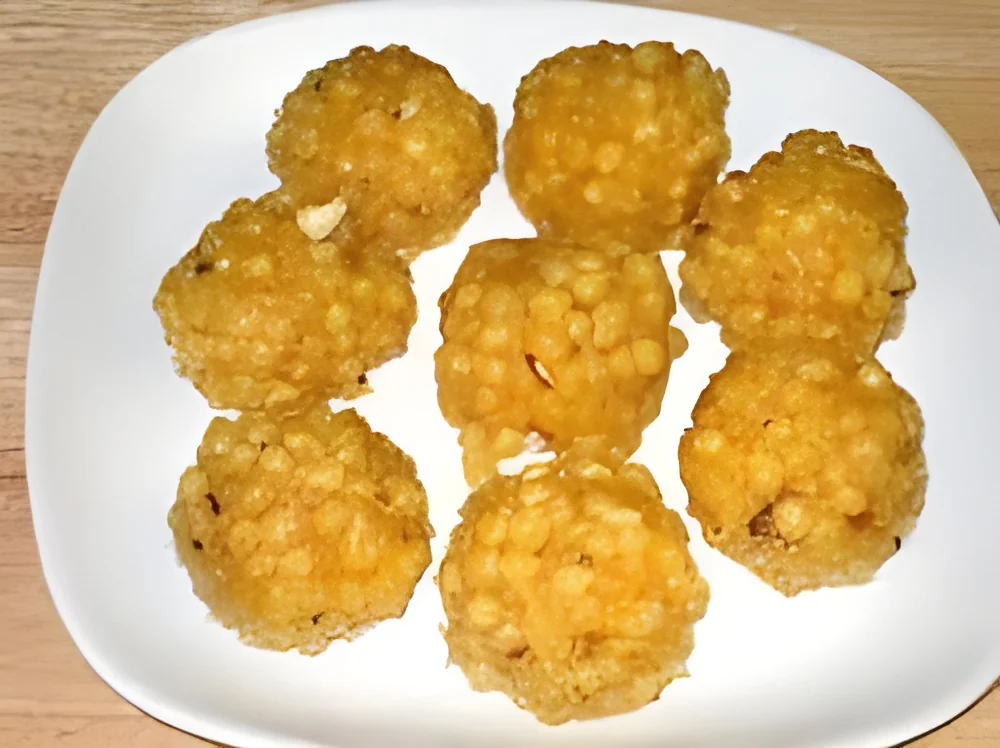
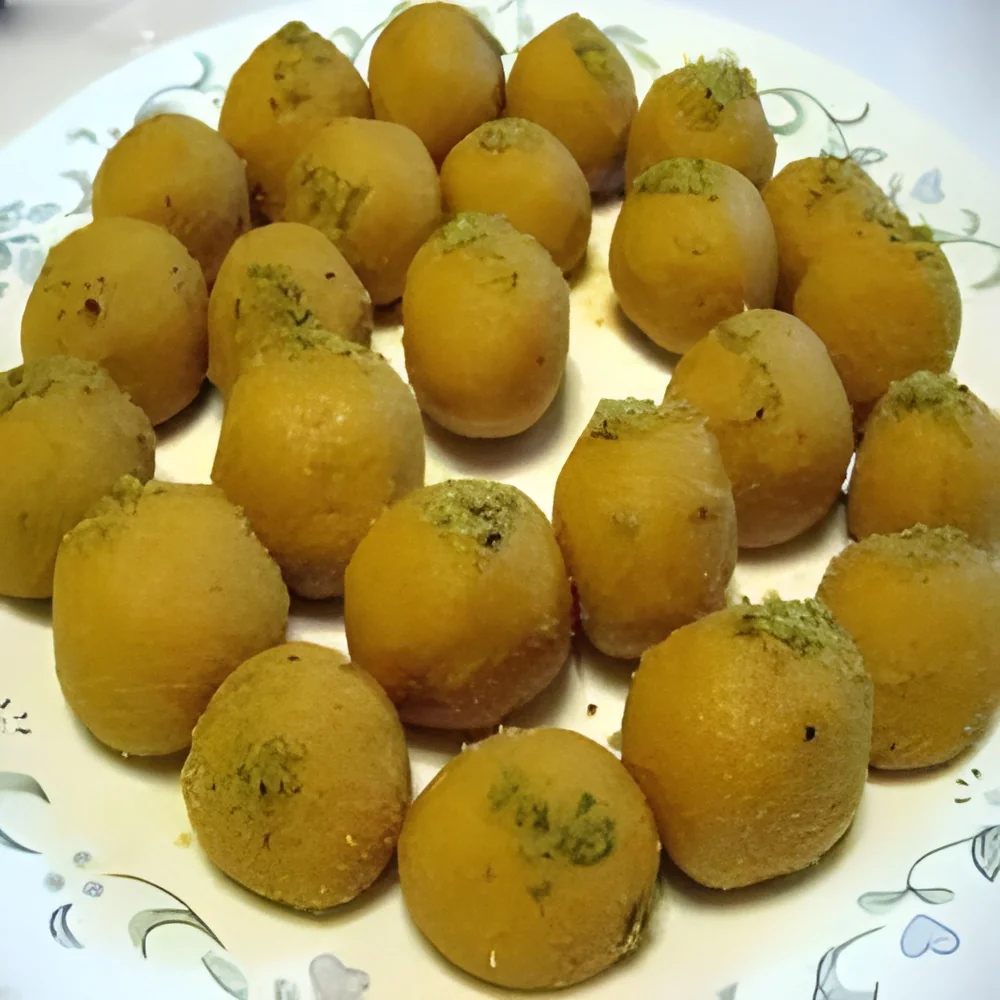
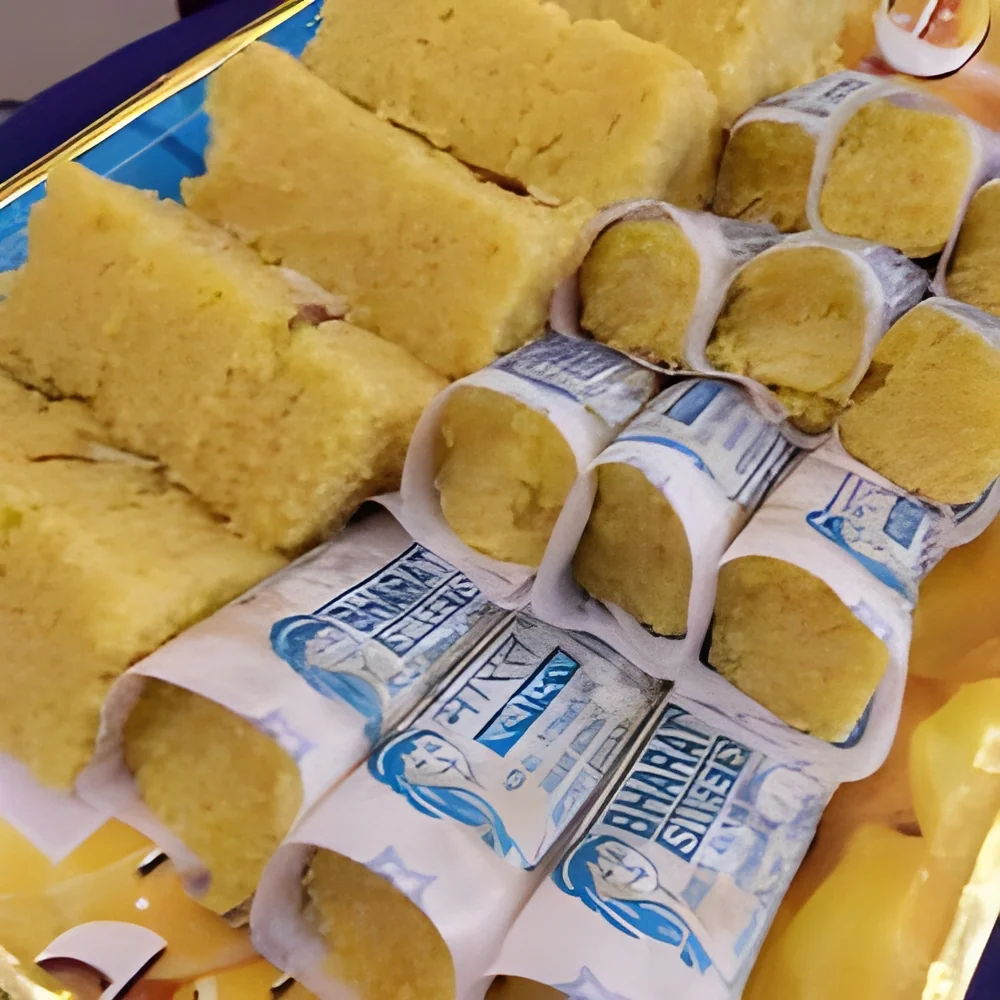
What are Laddoos & Halwas?
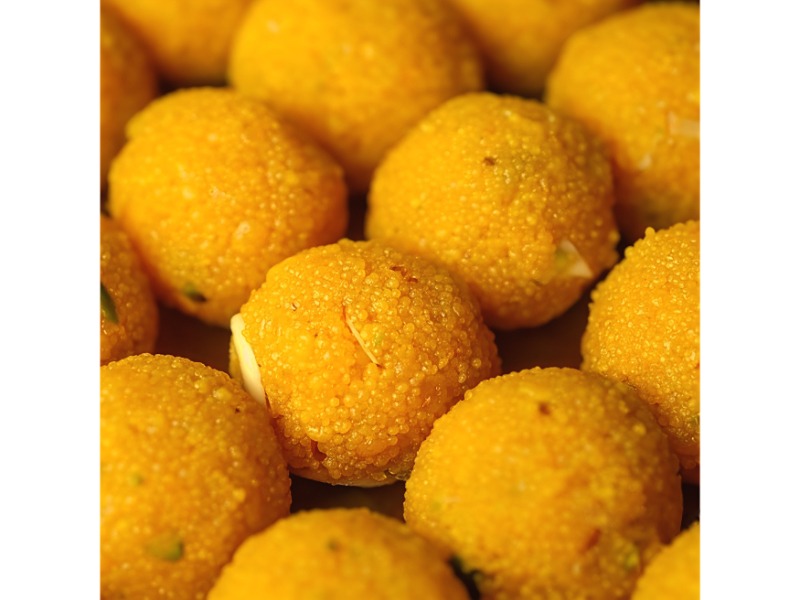
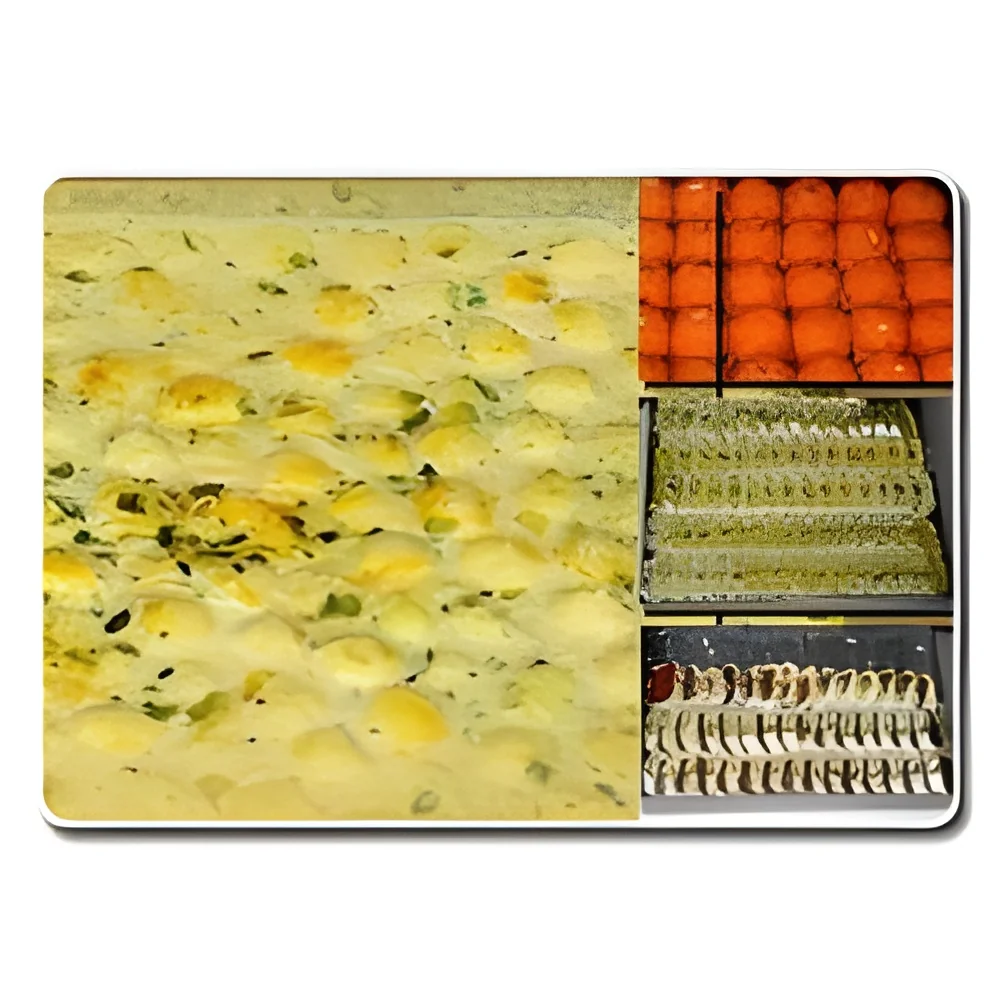
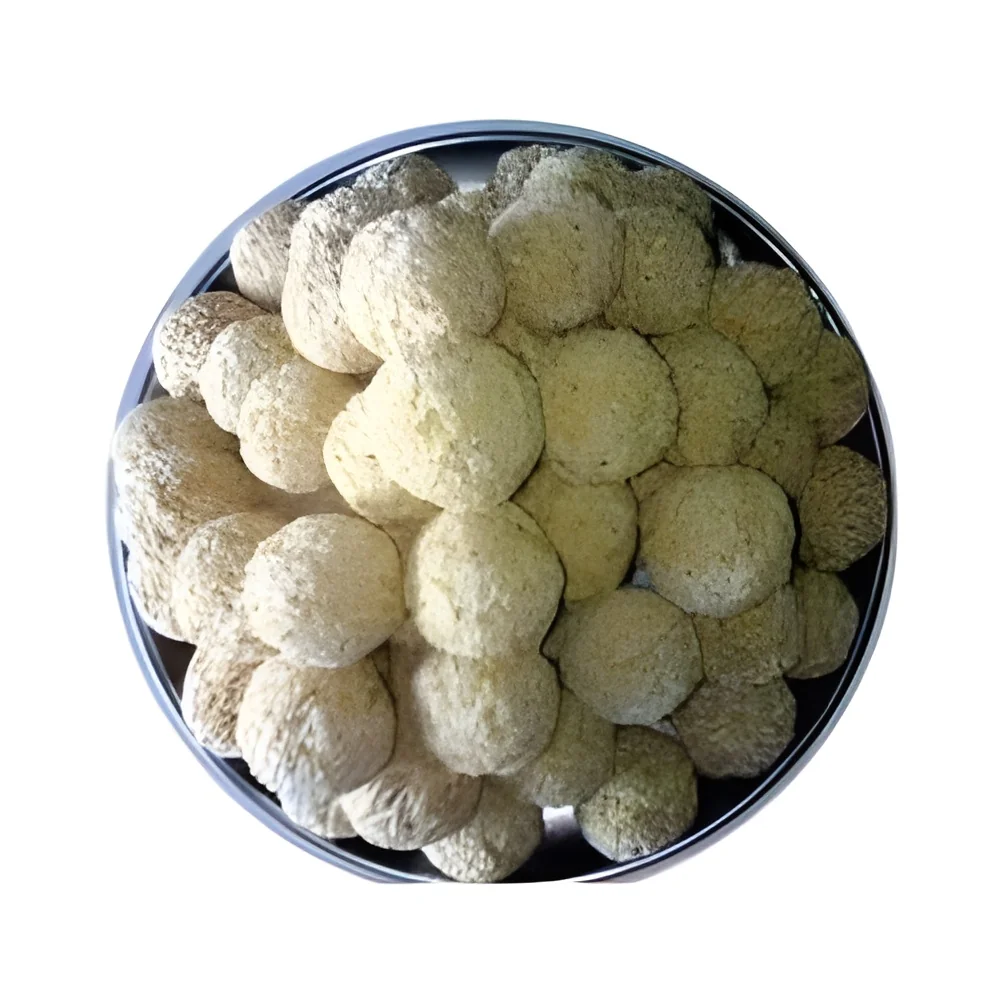
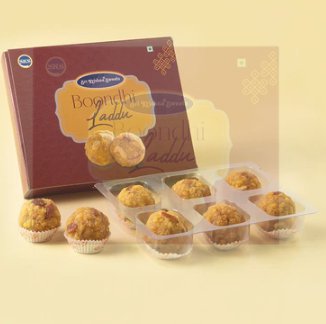
Laddoos and Halwas are traditional Indian sweets known for their rich flavors and diverse ingredients. Laddoos are typically round-shaped confections made from various flours, sugar, and ghee, often enhanced with nuts and spices. Halwas, on the other hand, are dense, pudding-like desserts made from ingredients such as semolina, lentils, or vegetables, cooked with ghee and sugar until they reach a soft, velvety texture.
These sweets are commonly used in celebrations, festivals, and religious ceremonies, making them a staple in Indian households and catering businesses. In the B2B context, they serve as popular offerings in the food service industry, such as restaurants, sweet shops, and event catering. The growing global interest in Indian cuisine has increased the demand for these sweets, creating opportunities for businesses to tap into both local and international markets.
The relevance of Laddoos and Halwas extends beyond traditional use. With the rise in popularity of ethnic foods, many companies are exploring innovative ways to incorporate these sweets into their product lines. As a result, the market for Laddoos and Halwas is expanding, and businesses are looking for reliable suppliers to meet consumer demands.
Key Features and Specifications
Laddoos and Halwas are characterized by their unique flavors, textures, and ingredients, catering to a wide range of tastes. Understanding their specifications is essential for businesses looking to source these products effectively.
Key specifications include:
1. Ingredients
- Made from various flours, sugar, ghee, and nuts
- Options include wheat flour, besan (chickpea flour), and semolina
2. Flavor Profiles
- Available in a variety of flavors such as coconut, pistachio, and saffron
- Customizable to suit regional tastes and preferences
3. Shelf Life
- Typically ranges from 2 weeks to several months, depending on preservation methods
- Proper storage can extend product longevity
4. Packaging Options
- Available in bulk or retail packaging
- Eco-friendly packaging options are increasingly popular
5. Nutritional Information
- Contains essential nutrients from ingredients like nuts and grains
- Available in sugar-free or health-conscious variants
6. Compliance Standards
- Adheres to food safety regulations
- Certifications such as CE may be applicable
7. Production Capacity
- Varies based on manufacturing capabilities
- Ability to handle large orders for bulk purchasing
8. Customization Options
- Tailored to meet specific client needs or dietary restrictions
- Possible to offer unique blends of ingredients or flavors
Laddoos and Halwas provide a versatile product range for businesses, and understanding their specifications can lead to informed purchasing decisions.
Common Applications and Use Cases
Laddoos and Halwas have a wide array of applications across different industries.
1. Food Service Industry: Restaurants often include these sweets in their dessert menus, appealing to customers celebrating special occasions.
2. Catering Services: Catering companies frequently provide Laddoos and Halwas at weddings, festivals, and corporate events, enhancing their offerings with traditional flavors.
3. Retail Sweets Shops: Local sweet shops rely on these traditional confections to attract customers looking for authentic Indian treats.
4. Export Markets: Businesses targeting international markets can capitalize on the growing demand for Indian sweets, introducing Laddoos and Halwas to new consumer bases.
5. Health Food Sector: With increasing health consciousness, some manufacturers are producing healthier variants, appealing to health-focused consumers.
6. Online Food Retail: E-commerce platforms are increasingly selling Laddoos and Halwas, allowing wider access to these products.
7. Gift Packaging: Seasonal and festive gift boxes featuring an assortment of Laddoos and Halwas are popular, creating additional business opportunities.
Product Variants and Subcategories
Laddoos and Halwas come in various forms, catering to different tastes and preferences.
Traditional Laddoo
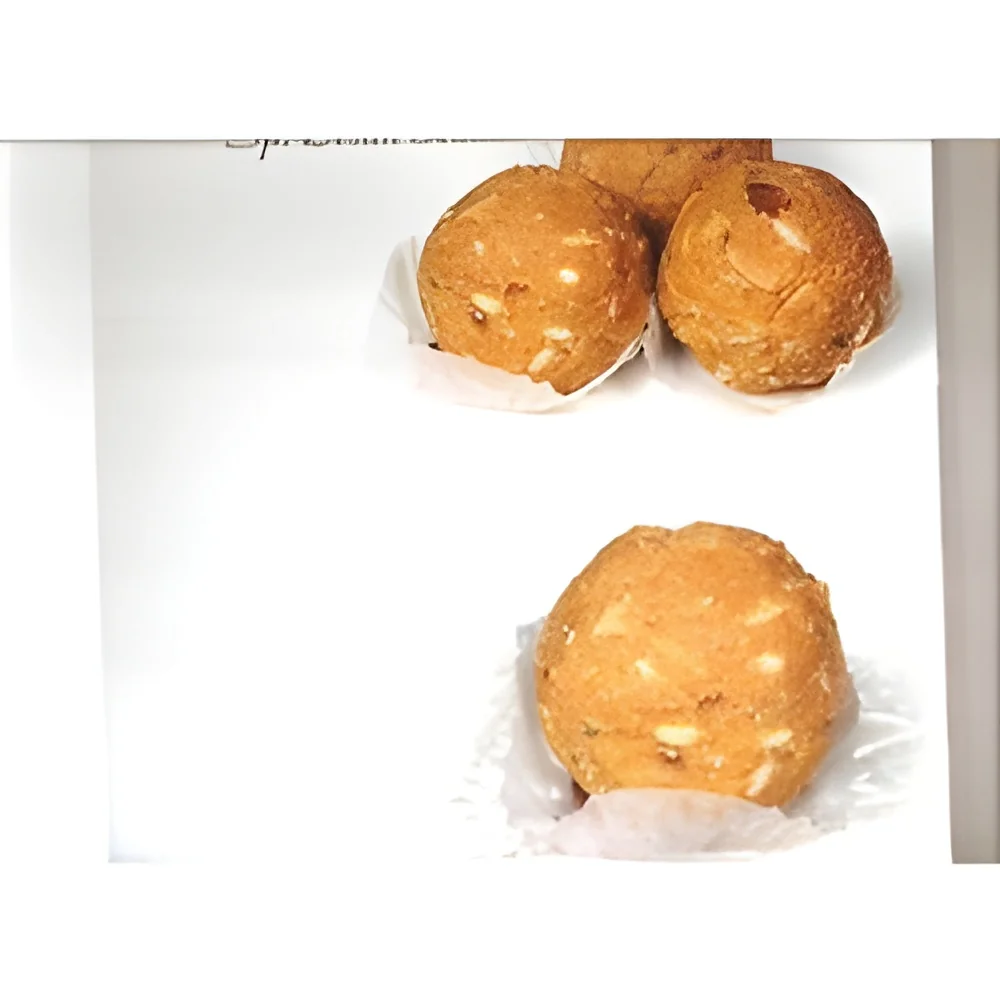
This variant is made from chickpea flour and is often flavored with cardamom. It is a popular choice during festivals and is loved for its nutty taste and crumbly texture.
Besan Laddoo
A favorite in many households, Besan Laddoo is made from roasted chickpea flour and ghee, sweetened with sugar and often garnished with nuts. Its rich flavor makes it a sought-after sweet.
Gajar Halwa
This variant is made from grated carrots and cooked with milk, sugar, and ghee. It is a popular winter dessert known for its delightful taste and vibrant color.
Semolina Halwa
Made from semolina, this Halwa is cooked with sugar, ghee, and cardamom. It is often garnished with nuts and raisins, making it a comforting dessert option.
Kesar Pista Laddoo
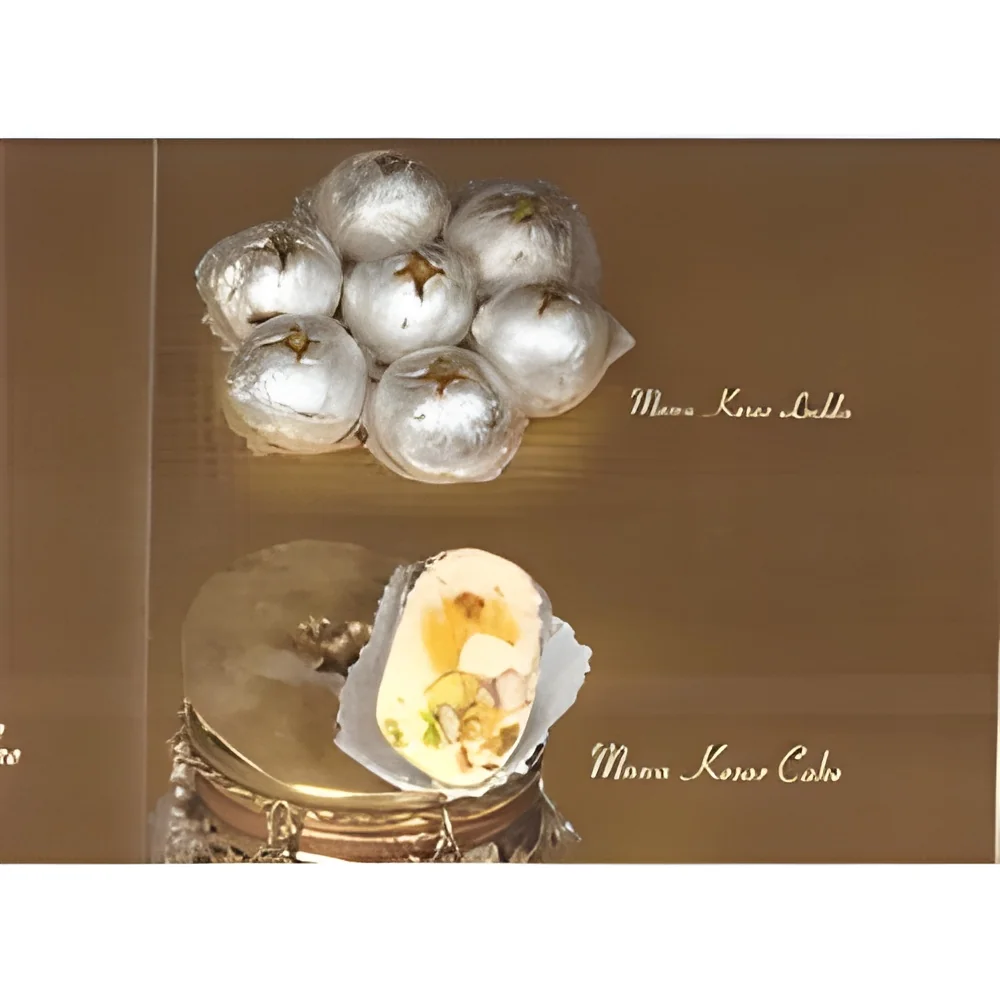
Infused with saffron and pistachios, this luxurious variant is favored for its unique flavor and appealing presentation, often served during special occasions.
Benefits and Advantages
Sourcing Laddoos and Halwas offers several benefits to businesses.
1. Cultural Significance: These sweets are emblematic of Indian culture, making them a popular choice for festive occasions and celebrations.
2. Diverse Flavor Profiles: With a wide range of flavors, businesses can cater to various customer preferences, enhancing their menu offerings.
3. High Demand: The increasing popularity of ethnic foods provides businesses with a growing market for Laddoos and Halwas.
4. Customization Potential: The ability to customize recipes and ingredients allows businesses to differentiate their products and meet specific customer needs.
5. Profit Margins: Traditional sweets often have good profit margins, making them financially attractive for retailers and caterers.
6. Health Options: With the introduction of healthier variants, businesses can appeal to health-conscious consumers while maintaining taste and quality.
Buying Guide for B2B Buyers
When sourcing Laddoos and Halwas, businesses should consider several key factors to ensure a successful purchase.
1. Quality Assessment: Evaluate the quality of ingredients and flavor consistency. Look for suppliers with good manufacturing practices and proper storage facilities.
2. Supplier Verification: Research potential suppliers to ensure they have a track record of reliability and compliance with food safety standards. Request samples to assess product quality.
3. Pricing and MOQ: Understand the pricing structure and minimum order quantities to ensure they align with your budget and inventory needs.
4. Delivery and Lead Times: Confirm delivery schedules and lead times to prevent stock shortages, especially during peak seasons.
5. Compliance Requirements: Ensure that products meet local and international food safety regulations, including necessary certifications.
Compliance and Certifications
Compliance with industry standards is crucial for the production and sale of Laddoos and Halwas.
Manufacturers typically adhere to relevant quality standards, such as ISO 9001, which ensures consistent quality management processes. Additionally, adherence to HACCP (Hazard Analysis and Critical Control Points) guidelines is essential to ensure food safety and minimize risks associated with food production.
Certifications like CE may be applicable, particularly for exports, indicating compliance with European safety standards. It is also important to consider regional compliance requirements, which may vary based on local regulations governing food production and distribution.
Regular testing for safety and quality assurance is vital to maintaining product integrity. Manufacturers should implement rigorous testing procedures to identify any potential contaminants and ensure that their products meet the highest safety standards.
Why Source Laddoos & Halwas from Pepagora?
Pepagora serves as a reliable platform for sourcing Laddoos and Halwas, providing a range of advantages for businesses.
Verified Supplier Network: Pepagora connects buyers with a network of verified suppliers, ensuring that businesses can source high-quality products with confidence. The platform conducts thorough checks to verify the legitimacy and credibility of suppliers.
Streamlined RFQ Process: The platform simplifies the request for quotation (RFQ) process, allowing buyers to easily compare prices and offerings from multiple suppliers. This efficiency helps businesses make informed purchasing decisions quickly.
Trade Assurance and Support: Pepagora offers trade assurance to protect buyers during transactions, ensuring that their investments are safeguarded. The platform also provides customer support to assist buyers with any inquiries or issues.
Regional Coverage: With a strong presence in India, GCC, and Southeast Asia, Pepagora facilitates access to a wide range of suppliers, enabling businesses to source Laddoos and Halwas efficiently across regions. This geographic reach ensures that buyers can find suitable suppliers based on their specific market needs.

 IN
IN