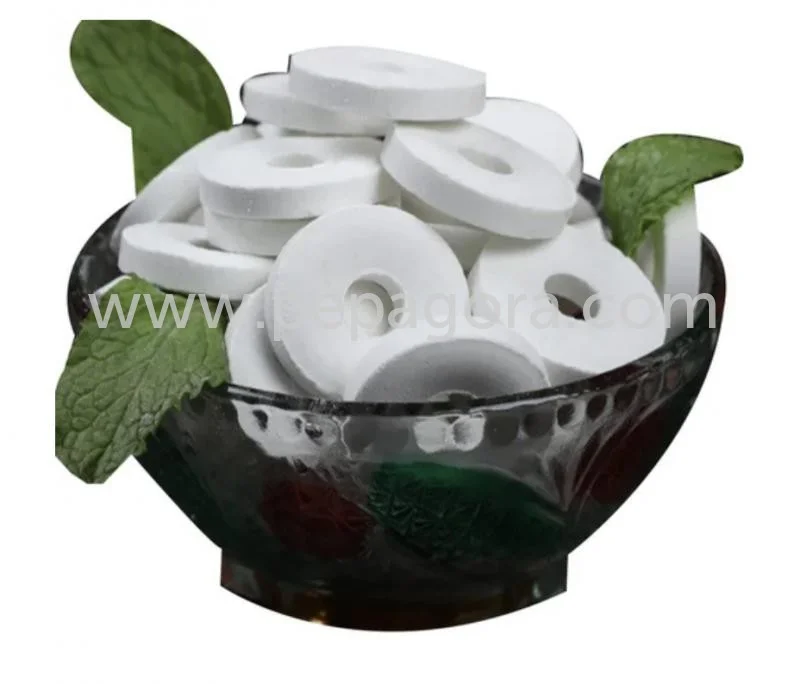
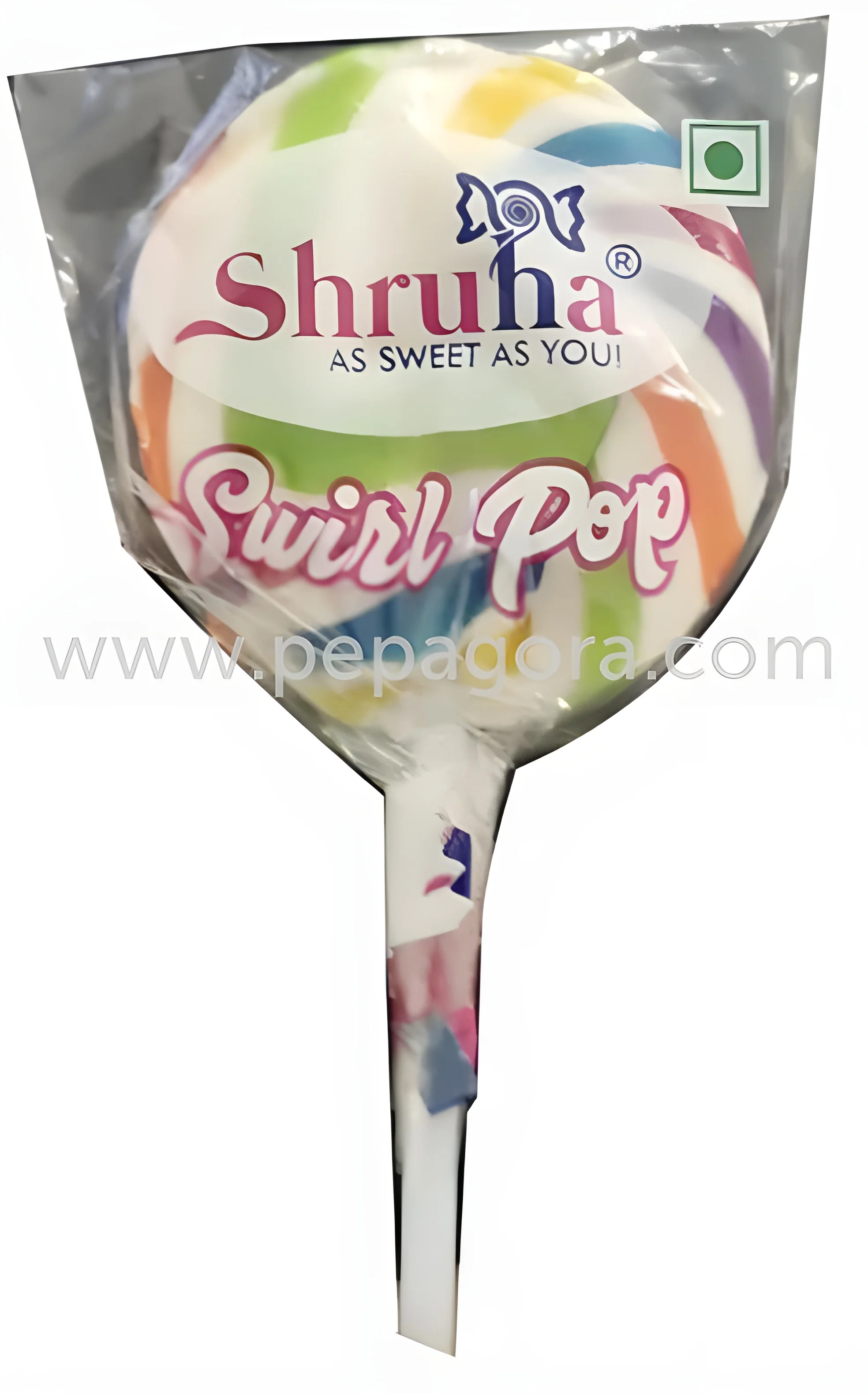
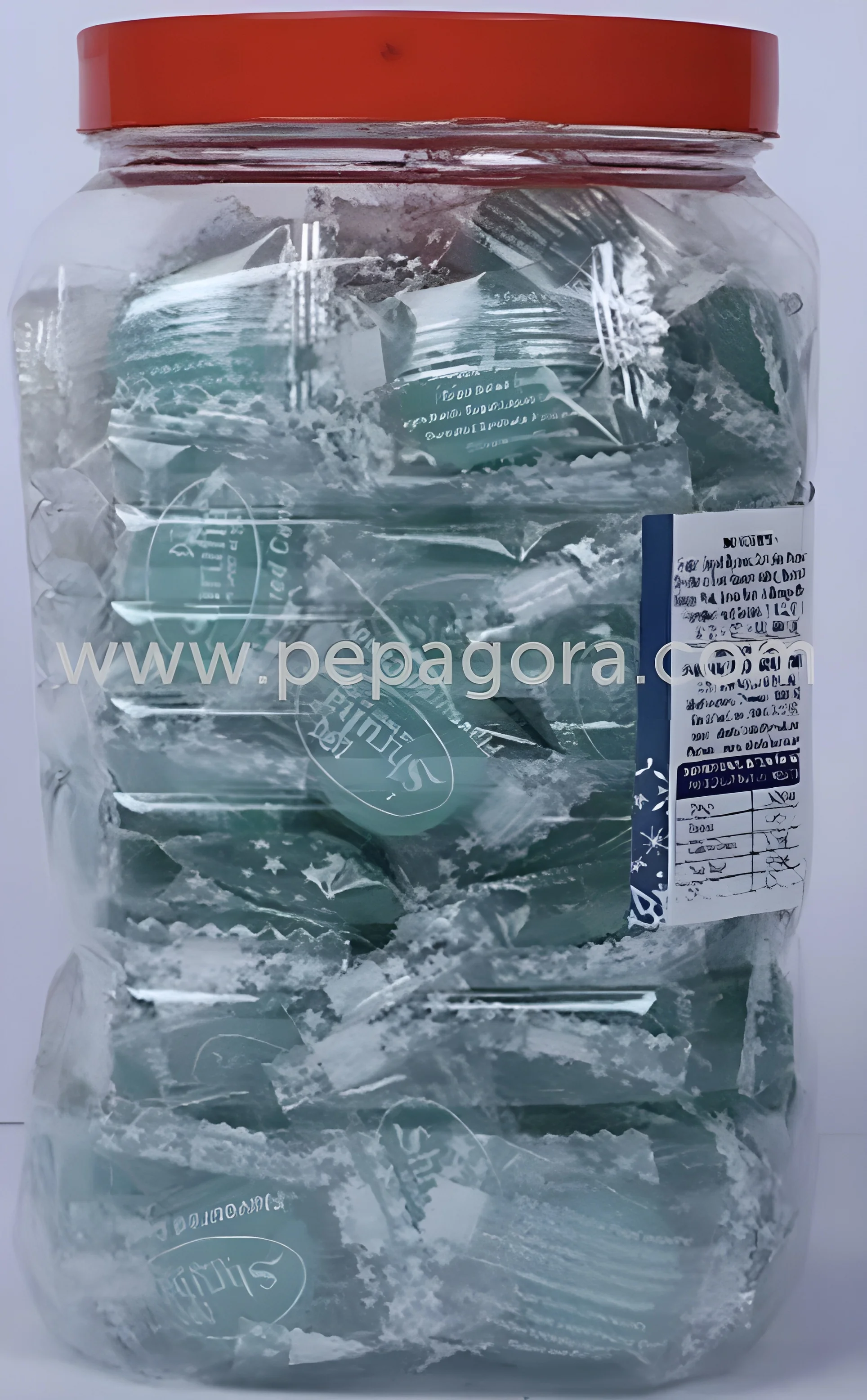
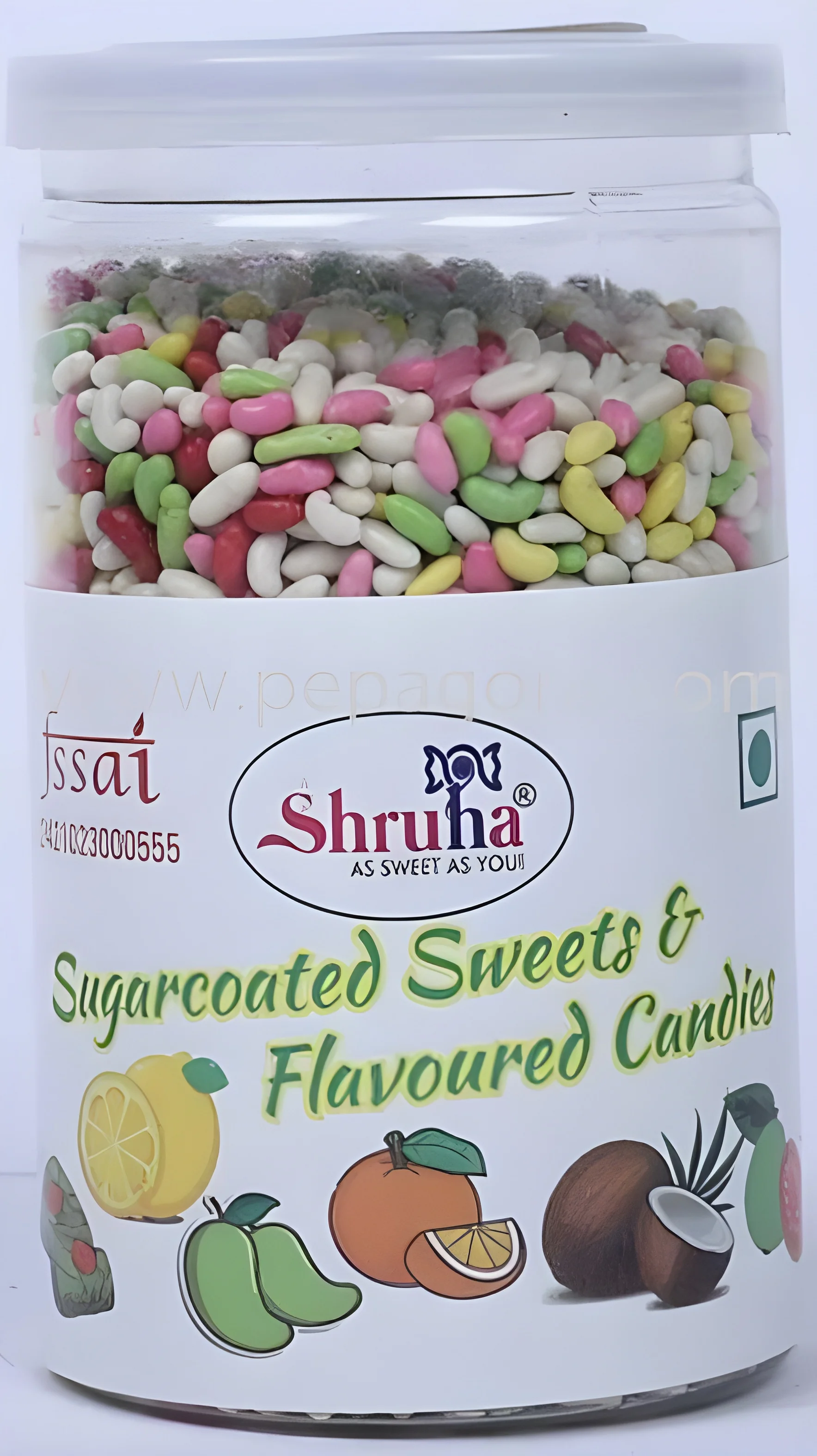
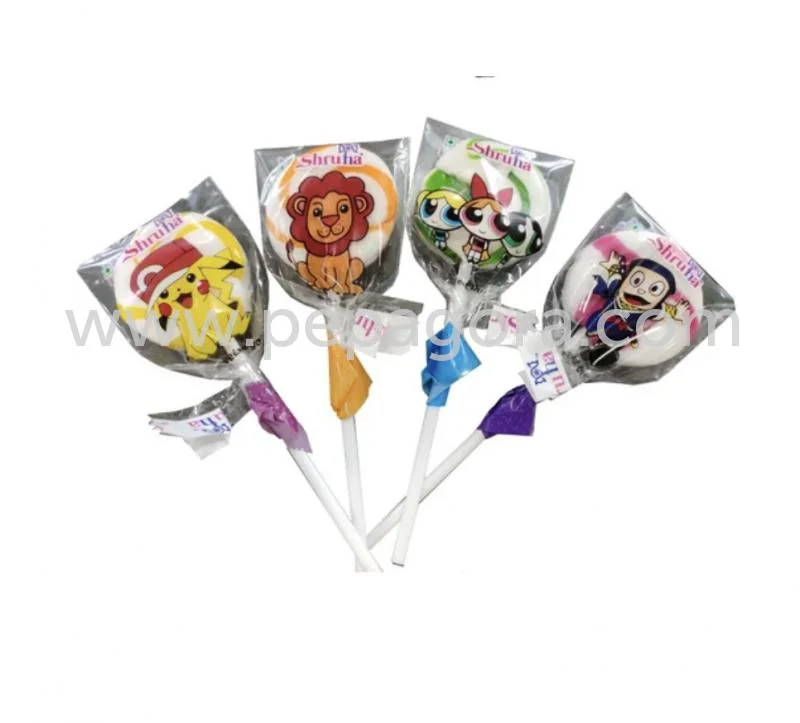
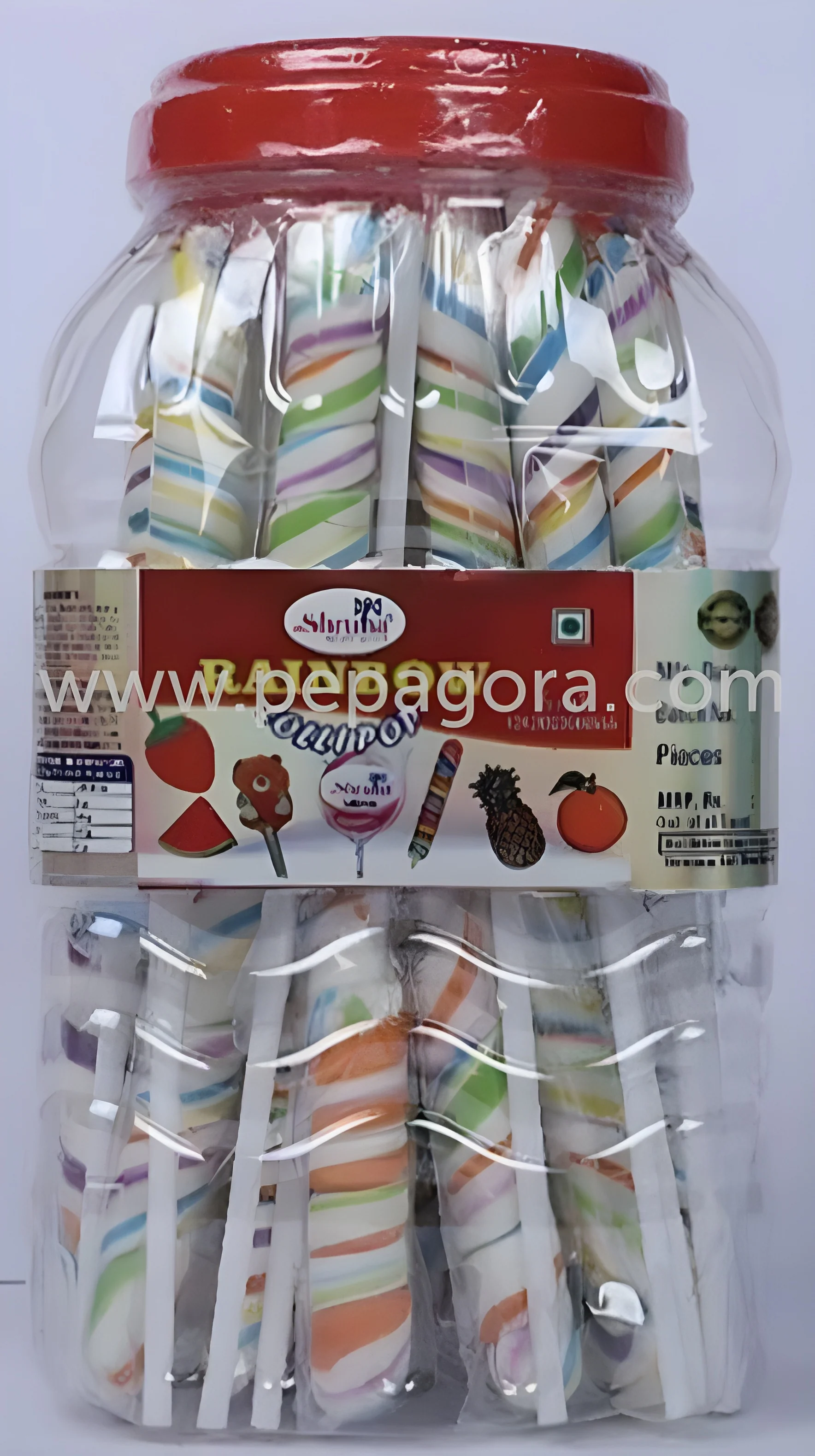
What are Private Label Confectionery?
Private label confectionery refers to sweets and snacks that are produced by manufacturers and sold under a retailer's brand name. These products are typically created to meet specific tastes, preferences, and branding requirements of the retailer. This allows businesses to offer unique products that can enhance their brand identity and customer loyalty while often capitalizing on lower manufacturing costs.
Private label confectionery serves a variety of business applications, ranging from grocery chains to specialty food stores. Retailers can choose to offer a diverse range of products including chocolates, gummies, and hard candies, all tailored to their market. This flexibility enables businesses to differentiate themselves in a competitive marketplace and address consumer demand for personalized and exclusive products. As consumers increasingly seek unique flavors and premium experiences, the private label segment of the confectionery industry continues to gain relevance.
The private label confectionery market is growing rapidly, driven by evolving consumer preferences and the expansion of retail channels. With an increasing focus on value and quality, retailers are embracing private label products to strengthen their market position. This trend highlights the importance of understanding consumer trends and leveraging them to create high-quality, appealing confectionery options.
Key Features and Specifications
Private label confectionery products come with a variety of features and specifications that cater to different market needs. These specifications ensure that the products meet quality and safety standards, while also appealing to consumer preferences.
Key specifications include:
1. Product Variety
- Wide range of flavors and textures
- Customization options available
2. Packaging Options
- Various packaging formats such as bags, boxes, and jars
- Eco-friendly packaging materials available
3. Shelf Life
- Extended shelf life to ensure product freshness
- Typically ranges from 6 months to 2 years depending on the product
4. Nutritional Information
- Detailed nutritional labeling
- Options for sugar-free and organic products
5. Allergen Information
- Clear labeling for allergens such as nuts, gluten, or dairy
- Compliance with food safety regulations
6. Unique Selling Points
- Innovative flavor profiles
- Seasonal and limited-edition varieties
7. Compliance Standards
- Adherence to local and international food safety standards
- Certifications such as CE for quality assurance
8. Minimum Order Quantities (MOQ)
- Flexible MOQ options to accommodate various business sizes
- Negotiable terms based on order volume
Overall, these specifications enable retailers to choose the right products that align with their brand values while meeting consumer expectations.
Common Applications and Use Cases
Private label confectionery finds applications across several industries, reflecting its versatility and popularity.
1. Grocery Stores: These retailers often stock a range of private label sweets to provide affordable alternatives to name-brand products, catering to budget-conscious consumers.
2. Specialty Food Shops: These stores may offer unique confectionery options, such as artisanal chocolates or gourmet candies, appealing to niche markets and high-end clientele.
3. E-commerce Platforms: Online retailers utilize private label confectionery to expand their product offerings, enabling them to attract a broader customer base through exclusive products.
4. Convenience Stores: These establishments may carry a selection of impulse-buy confectionery items, enhancing their quick-service appeal to customers.
5. Gift Shops: Private label confectionery can be packaged in attractive ways to serve as gifts, allowing retailers to capitalize on seasonal demand.
6. Event Planning Companies: Customized confectionery can be tailored for events, providing unique branding opportunities and enhancing the overall experience.
7. Pharmaceutical and Health Food Stores: These venues may offer health-oriented confectionery options, such as sugar-free or vitamin-enriched treats, aligning with health-conscious consumer trends.
Product Variants and Subcategories
Private label confectionery includes a diverse range of products, each designed to cater to specific consumer tastes and market trends.
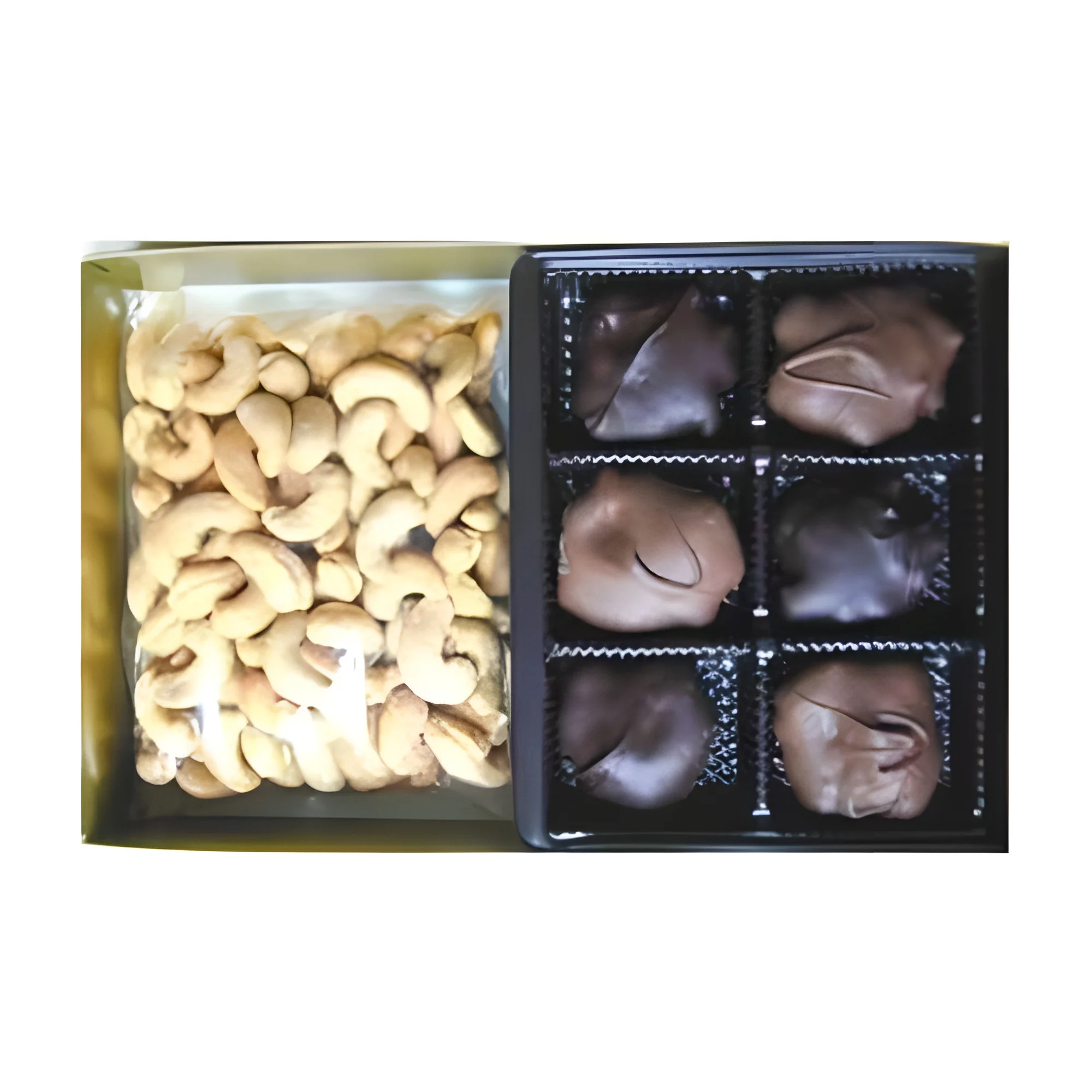
Chocolate Confections: This variant includes various types of chocolates, such as milk, dark, and white chocolate, often enhanced with unique flavors or fillings. These products can be tailored for gifting or everyday consumption.
Gummies and Jellies: These chewy treats come in various shapes and flavors, appealing to children and adults alike. They can also be made with organic ingredients or sugar alternatives for health-conscious consumers.
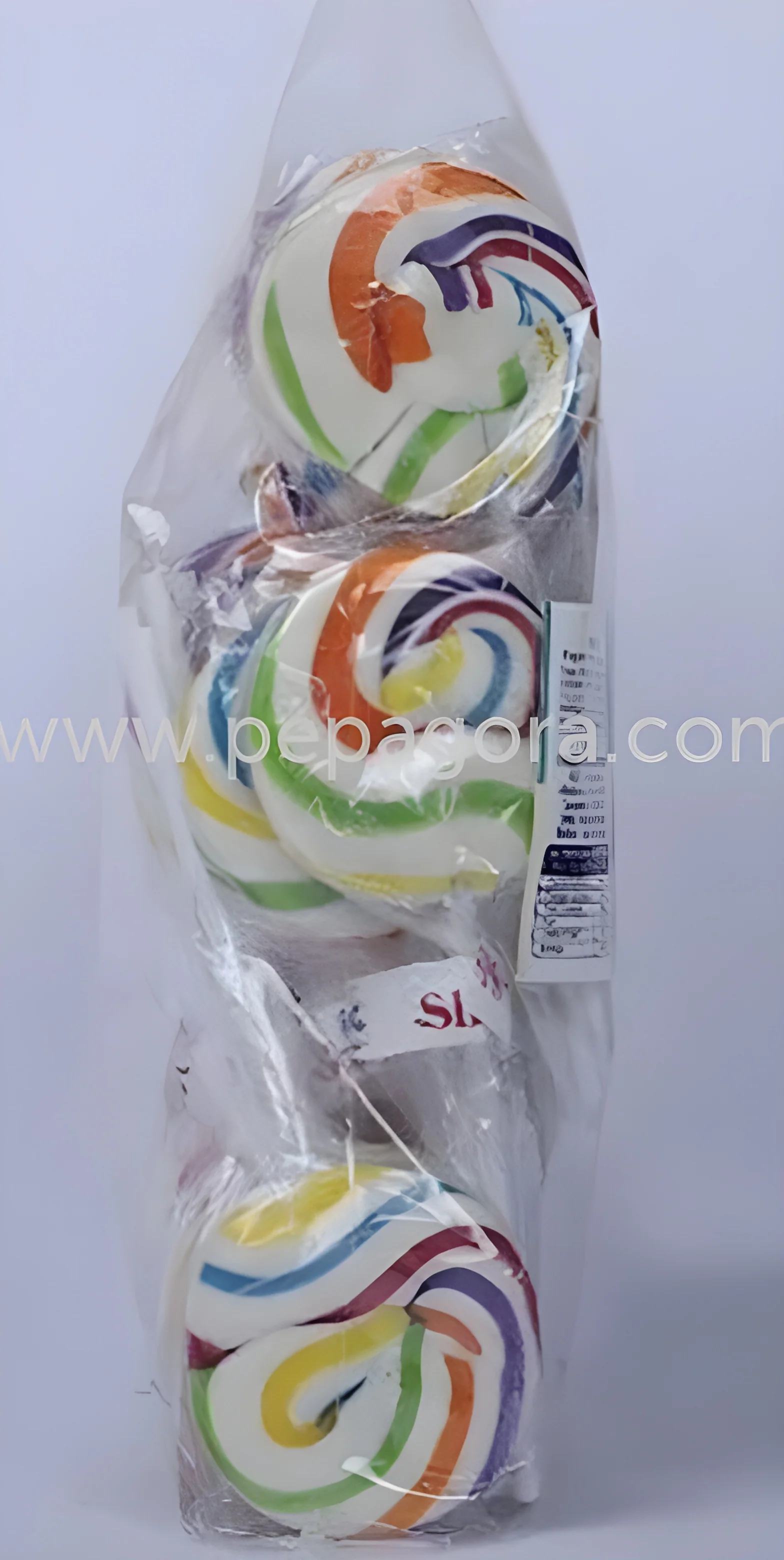
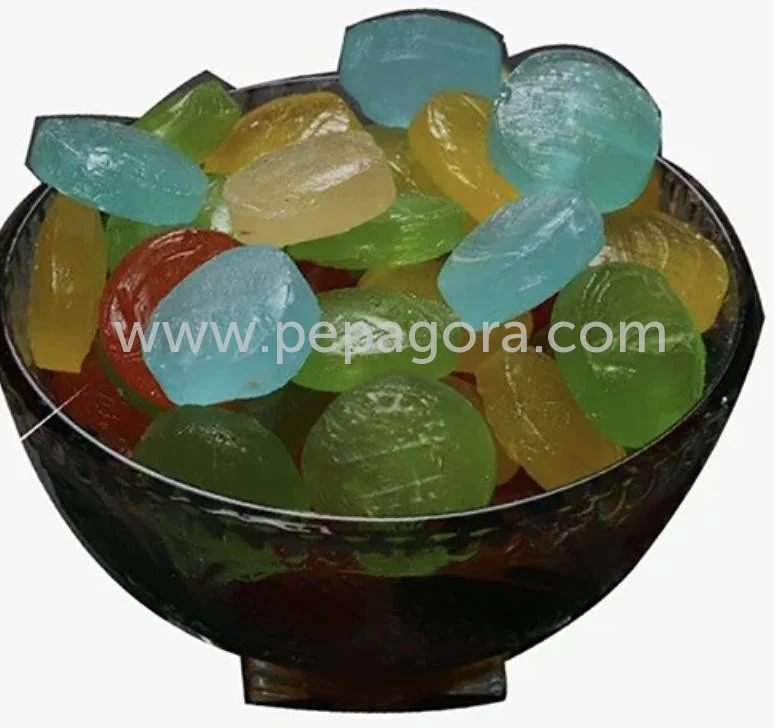
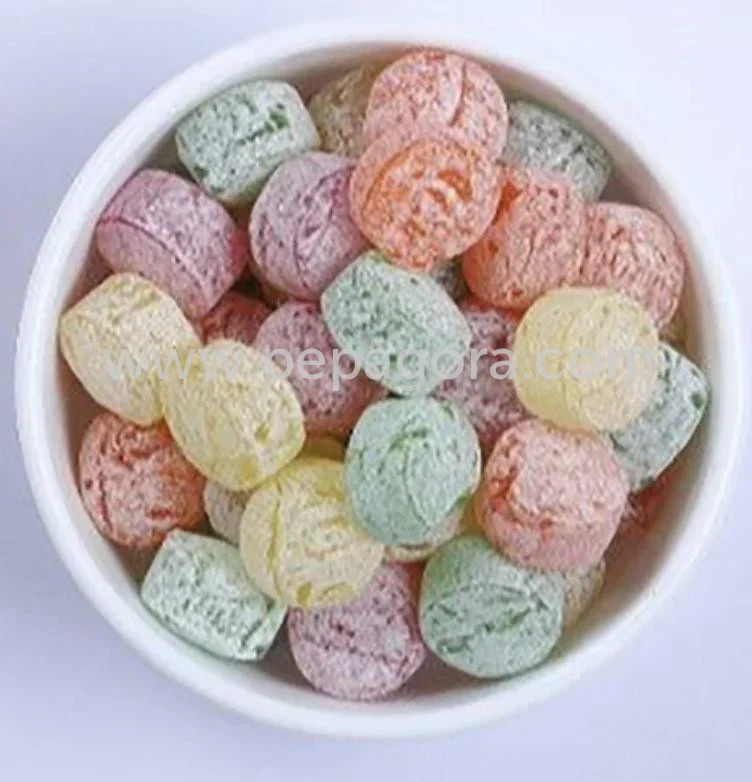
Hard Candies: Offering a classic confectionery experience, hard candies can be customized with unique flavors and colors, making them suitable for various occasions, including events and promotions.
Seasonal Specials: Limited-edition products that align with holidays or events, such as Halloween candies or Christmas chocolates, can create excitement and drive sales during specific times of the year.
Benefits and Advantages
Private label confectionery offers several advantages for retailers looking to enhance their product offerings.
1. Brand Differentiation: Private label products allow retailers to create a unique brand identity, setting themselves apart from competitors.
2. Cost-Effectiveness: Manufacturers often provide competitive pricing for private label products, enabling retailers to maintain healthy profit margins.
3. Consumer Loyalty: Offering exclusive products can foster customer loyalty, as consumers often associate unique offerings with a particular retailer.
4. Flexibility: Retailers can easily adapt their product lines to meet changing consumer preferences and market trends.
5. Quality Control: Working directly with manufacturers allows retailers to maintain oversight of the production process, ensuring high-quality standards.
6. Marketing Opportunities: Private label products can be strategically marketed to enhance visibility and drive consumer interest.
Buying Guide for B2B Buyers
When sourcing private label confectionery, B2B buyers should consider several key factors to ensure they select the right products for their business needs.
1. Quality Assessment: Evaluate potential suppliers based on their quality control processes and adherence to food safety standards. Request samples to assess taste and packaging.
2. Supplier Verification: Conduct thorough research on suppliers to ensure they have a good reputation and track record. Look for certifications and customer reviews.
3. Pricing and MOQ: Understand the pricing structure and minimum order quantities for different products. Ensure the costs align with your budget and sales projections.
4. Delivery and Lead Times: Confirm the lead times for production and delivery to avoid stock shortages. Factor this into your overall supply chain planning.
5. Compliance Requirements: Ensure that the products meet local and international regulatory standards. This includes proper labeling and adherence to health guidelines.
Compliance and Certifications
Compliance and certifications are critical in the private label confectionery market to ensure product safety and quality.
Reputable manufacturers adhere to quality standards such as ISO 9001, which ensures a consistent quality management system. Additionally, compliance with Hazard Analysis Critical Control Point (HACCP) guidelines is essential for managing food safety risks throughout the production process.
Industry certifications like CE indicate that products meet European safety and health requirements. Safety testing is also crucial, ensuring that all ingredients are safe for consumption and that the final product meets regulatory standards.
Regional compliance considerations may vary, so it is necessary to understand the specific requirements in the markets where the products will be sold. This may include labeling laws, allergen information, and import/export regulations.
Why Source Private Label Confectionery from Pepagora?
Pepagora provides an ideal platform for sourcing private label confectionery with numerous advantages for B2B buyers.
Verified Supplier Network: Pepagora connects buyers with a network of verified suppliers, ensuring reliability and quality in sourcing private label products. Each supplier undergoes a thorough vetting process, providing peace of mind for retailers.
Streamlined RFQ Process: The Request for Quotation (RFQ) system simplifies the purchasing process. Buyers can easily submit their product specifications and receive tailored quotes from multiple suppliers, facilitating informed decision-making.
Trade Assurance and Support: Pepagora offers trade assurance and support to protect buyers throughout the sourcing process. This includes assistance with negotiations and issue resolution, ensuring a smooth transaction.
Regional Coverage: With a focus on markets such as India, GCC, and Southeast Asia, Pepagora offers extensive regional coverage, providing access to a wide variety of private label confectionery options tailored to local consumer preferences. This geographic reach enables buyers to tap into diverse markets effectively.

 IN
IN