Key Features and Specifications
Dry cakes come with several key features that cater to the needs of both consumers and businesses. When considering these products, it is essential to understand their specifications to ensure quality and suitability for various applications.
Key specifications include:
1. Texture and Moisture Content
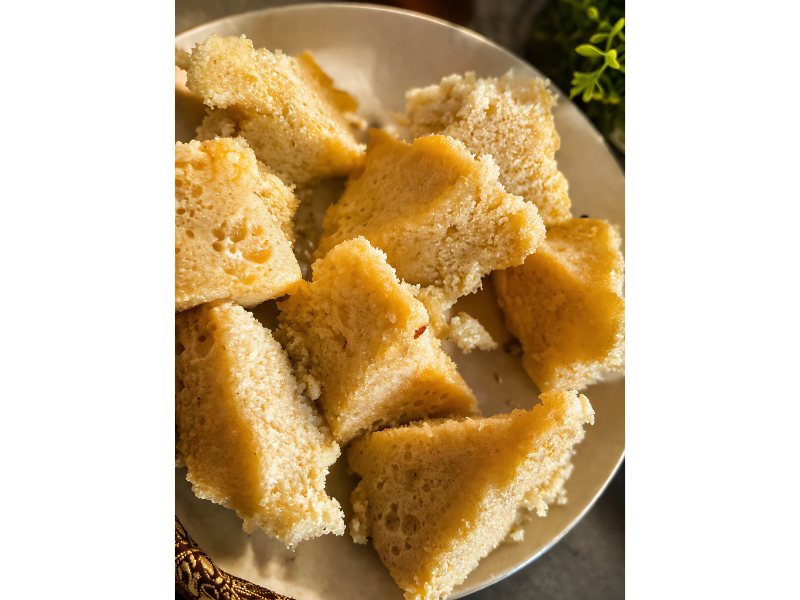
- A firm, dense texture with controlled moisture levels
- Typically ranges between 10-15% moisture content for optimal shelf life
2. Flavor Profiles
- Variety of flavors such as vanilla, chocolate, and fruit-based options
- Customizable flavor formulations available for specific market demands
3. Shelf Life
- Extended shelf life of 3 to 6 months when stored properly
- Packaging options that enhance longevity
4. Packaging Options
- Available in bulk packaging or individual servings
- Sealed packaging to maintain freshness and prevent contamination
5. Nutritional Content
- Varies by recipe, with options available for lower sugar or gluten-free formulations
- Nutritional information provided for transparency
6. Compliance Standards
- Adherence to food safety regulations and quality standards
- Certifications such as CE for quality assurance
7. Production Capacity
- Scalable production capabilities to meet varying order sizes
- Flexibility in manufacturing to accommodate demand fluctuations
In summary, understanding the key features and specifications of dry cakes is crucial for B2B buyers to make informed purchasing decisions.
Common Applications and Use Cases
Dry cakes serve a variety of industries, each benefiting from their unique characteristics and versatility.
1. Hospitality Industry: Hotels and restaurants incorporate dry cakes into their dessert menus, providing guests with appealing options for snacks or after-meal treats.
2. Retail Sector: Grocery stores and supermarkets stock dry cakes as ready-to-eat items, catering to busy consumers looking for convenient snack options.
3. Catering Services: Caterers use dry cakes for events and functions, as they are easy to transport and serve, making them ideal for large gatherings.
4. Coffee Shops: Tea cakes are popular in coffee shops, often paired with beverages, enhancing the overall customer experience with a sweet accompaniment.
5. Foodservice Distributors: Distributors supply dry cakes to various food service establishments, ensuring they have a range of products to meet customer demands.
6. Bakery Outlets: Local bakeries produce and sell dry cakes, contributing to their offerings of baked goods and attracting customers seeking quality, homemade treats.
7. Snack Food Manufacturers: Some companies incorporate dry cakes into their product lines, appealing to health-conscious consumers looking for indulgent yet manageable snacks.
Product Variants and Subcategories
The diversity of dry cakes allows businesses to cater to different consumer preferences and market demands.
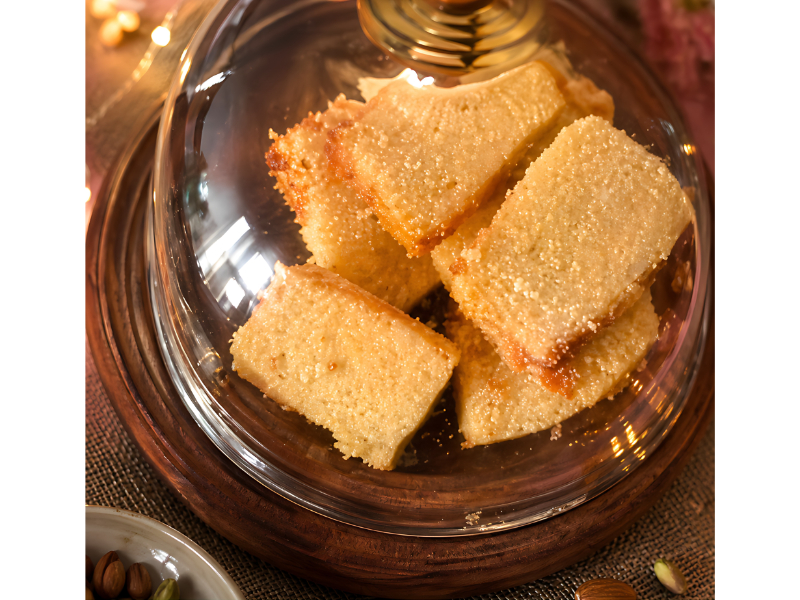
Pound Cake: This classic variant is known for its rich, buttery flavor and dense texture. Pound cakes can be customized with various flavors and toppings, making them a favorite for celebrations and gatherings.
Plum Cake: Often associated with festive seasons, plum cakes are made with dried fruits and nuts, providing a unique taste. They are popular during holidays and special occasions, appealing to consumers looking for traditional baked goods.
Tea Cake: Light and often flavored with spices or fruits, tea cakes are ideal for afternoon tea settings. Their moist texture makes them a perfect pairing for beverages, enhancing the overall dining experience.
Benefits and Advantages
Choosing dry cakes offers numerous benefits for businesses looking to enhance their product offerings.
1. Extended Shelf Life: Dry cakes maintain freshness for longer periods, reducing waste and allowing for more flexible inventory management.
2. Versatile Usage: They can be served in various settings, from casual snacks to elegant desserts, catering to diverse customer needs.
3. Easy Storage: With their firm structure, dry cakes are easy to store and transport, making them practical for food service and retail environments.
4. Customization Options: Businesses can easily customize flavors and ingredients to meet consumer preferences and dietary requirements.
5. Cost-Effective: Dry cakes can be produced at scale, often resulting in cost savings for businesses, especially when sourced from reliable suppliers.
6. High Demand: The growing consumer trend towards convenient, ready-to-eat products ensures a steady market for dry cakes, providing potential for increased sales.
Buying Guide for B2B Buyers
When sourcing dry cakes, businesses should consider several important factors to ensure they make informed purchasing decisions.
1. Quality Assessment: Evaluate the quality of the cakes based on texture, flavor, and ingredients used. Request samples to ensure they meet your standards before committing to a purchase.
2. Supplier Verification: Research potential suppliers to verify their credibility and reliability. Look for reviews, ratings, and certifications that indicate their commitment to quality.
3. Pricing and MOQ: Understand the pricing structure and minimum order quantities offered by suppliers. This will help you plan your budget and inventory needs effectively.
4. Delivery and Lead Times: Discuss logistics with suppliers to understand delivery schedules and lead times. Ensure they can meet your operational requirements without delays.
5. Compliance Requirements: Ensure that the products meet relevant food safety and quality standards. Verify any certifications that may be required for your market or location.
Compliance and Certifications
Compliance with industry standards is crucial for maintaining quality and consumer trust in dry cakes.
Relevant quality standards such as ISO 9001 and HACCP (Hazard Analysis and Critical Control Points) ensure that manufacturers implement effective quality management systems. These standards focus on maintaining high quality throughout the production process, reducing risks of contamination.
Additionally, compliance with Good Distribution Practices (GDP) ensures that products are stored and transported under appropriate conditions to preserve their quality.
Regional compliance considerations may vary, and it is essential for manufacturers to adhere to local regulations regarding food safety. Certifications such as CE indicate that products meet European safety standards, enhancing their marketability in international markets.
Why Source Dry Cakes (Pound, Plum, Tea Cakes) from Pepagora?
Pepagora offers a reliable platform for sourcing dry cakes, providing several key advantages for B2B buyers.
Verified Supplier Network: Pepagora connects buyers with verified suppliers, ensuring that businesses can source high-quality dry cakes from reputable manufacturers. This reduces the risk of purchasing inferior products.
Streamlined RFQ Process: The Request for Quotation (RFQ) process is designed to be efficient, allowing buyers to easily request pricing and product samples. This simplifies the sourcing process and saves time.
Trade Assurance and Support: Buyers benefit from trade assurance features that protect their orders, ensuring they receive the products as expected. Ongoing support from Pepagora enhances the buying experience.
Regional Coverage: With a broad geographic reach spanning India, the GCC, and Southeast Asia, Pepagora allows businesses to source dry cakes from a diverse range of suppliers, catering to different market needs and preferences.

 IN
IN