What are Regional Festival Sweets?
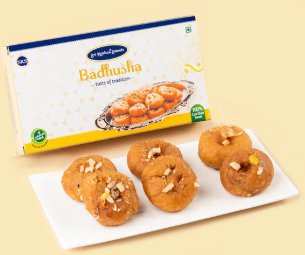
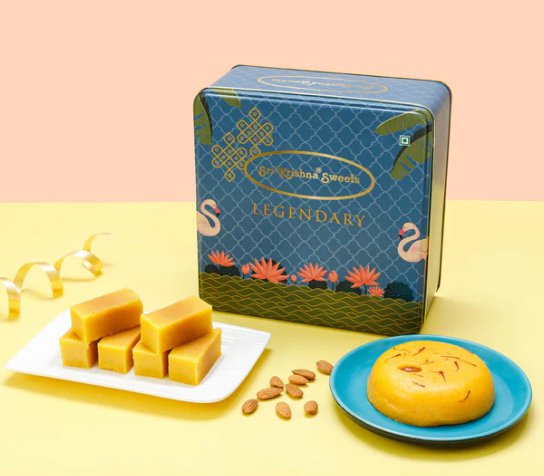
Regional Festival Sweets are traditional confections that hold significant cultural importance during various celebrations and festivals across different regions. These sweets are often crafted using local ingredients and reflect the unique culinary heritage of their origin. Each type of sweet carries its own distinctive flavors, textures, and presentation styles, making them integral to festive occasions.
Businesses that specialize in food production, catering, and event planning often use Regional Festival Sweets to enhance their offerings. These sweets can be served at weddings, religious ceremonies, and other community gatherings, providing a taste of local tradition. Their appeal lies not only in their flavors but also in their ability to evoke memories and emotions associated with celebrations.
In the broader market context, Regional Festival Sweets represent an important segment of the food industry. With increasing globalization, there is a growing interest in authentic cultural foods, driving demand for these products. Businesses looking to tap into this trend can benefit from understanding the diverse varieties of sweets available and their significance within different cultural frameworks.
Key Features and Specifications
Regional Festival Sweets come with a range of features and specifications that cater to diverse customer preferences. These specifications are crucial for businesses involved in the production and distribution of sweets, ensuring quality and consistency.
Key specifications include:
1. Ingredient Quality
- Fresh, high-quality ingredients are essential for flavor and texture.
- Sourcing from local suppliers can enhance authenticity.
2. Flavor Profiles
- Varieties may include sweet, spicy, and nutty flavors.
- Customization options are available to cater to different tastes.
3. Presentation
- Many sweets are artistically crafted for visual appeal.
- Packaging options can range from traditional to modern.
4. Shelf Life
- The shelf life can vary based on ingredients and preservation methods.
- Proper storage conditions are necessary to maintain quality.
5. Nutritional Information
- Information on calories, sugar content, and allergens is provided.
- Health-conscious options may be available.
6. Compliance with Food Safety Standards
- Adherence to relevant safety regulations is crucial.
- Regular testing ensures product safety and quality.
7. Customization Options
- Businesses can often request custom flavors or designs.
- Seasonal variations may be available for specific festivals.
In summary, understanding the specifications of Regional Festival Sweets is essential for businesses that wish to offer authentic and high-quality products to their customers.
Common Applications and Use Cases
Regional Festival Sweets find applications across various industries, enhancing their relevance and appeal.
1. Food and Beverage Industry: These sweets are commonly used by restaurants and catering services to offer traditional desserts during festive seasons.
2. Retail Sector: Grocery stores and specialty shops often stock Regional Festival Sweets to attract customers looking for authentic local treats.
3. Event Planning: Wedding planners and event coordinators incorporate these sweets into their catering menus for cultural events and celebrations.
4. Hospitality Industry: Hotels and resorts may serve these sweets as part of their local cuisine offerings, enhancing guest experiences.
5. Export and Import Businesses: Companies involved in international trade often seek to source and distribute these sweets to reach a wider audience.
6. Gift and Promotional Services: These sweets are popular as gifts during festivals and can be customized for corporate branding.
7. Cultural Organizations: Festivals and cultural events often showcase these sweets to promote local heritage and traditions.
Product Variants and Subcategories
Regional Festival Sweets are diverse, reflecting the unique flavors and traditions of different regions. This diversity allows businesses to cater to a wide range of tastes.
Mithai
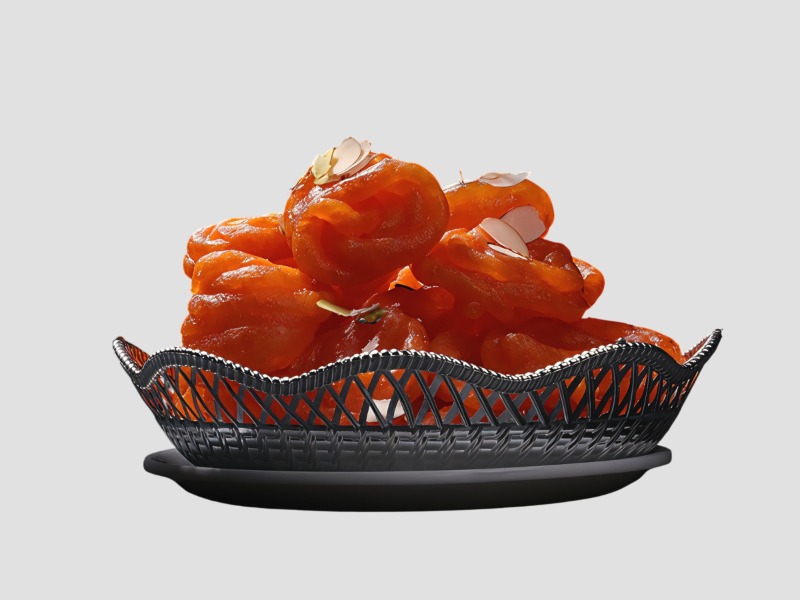
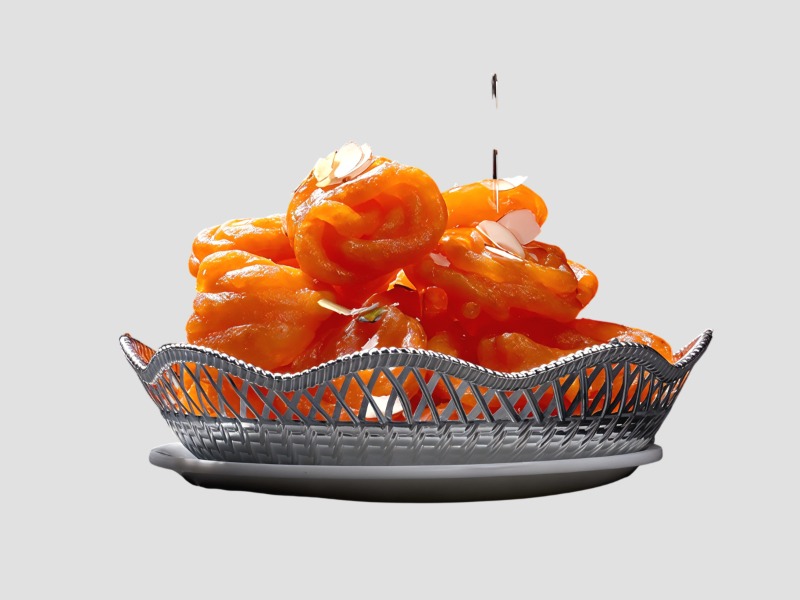
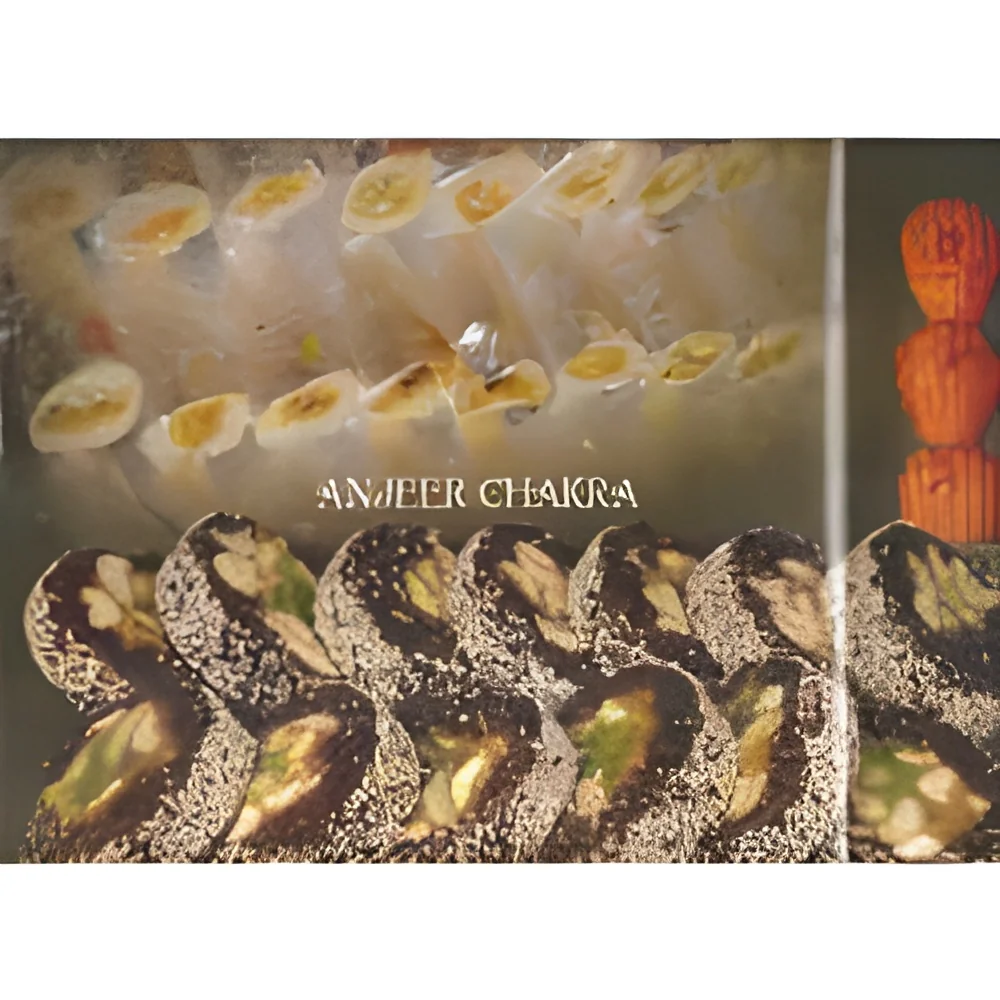
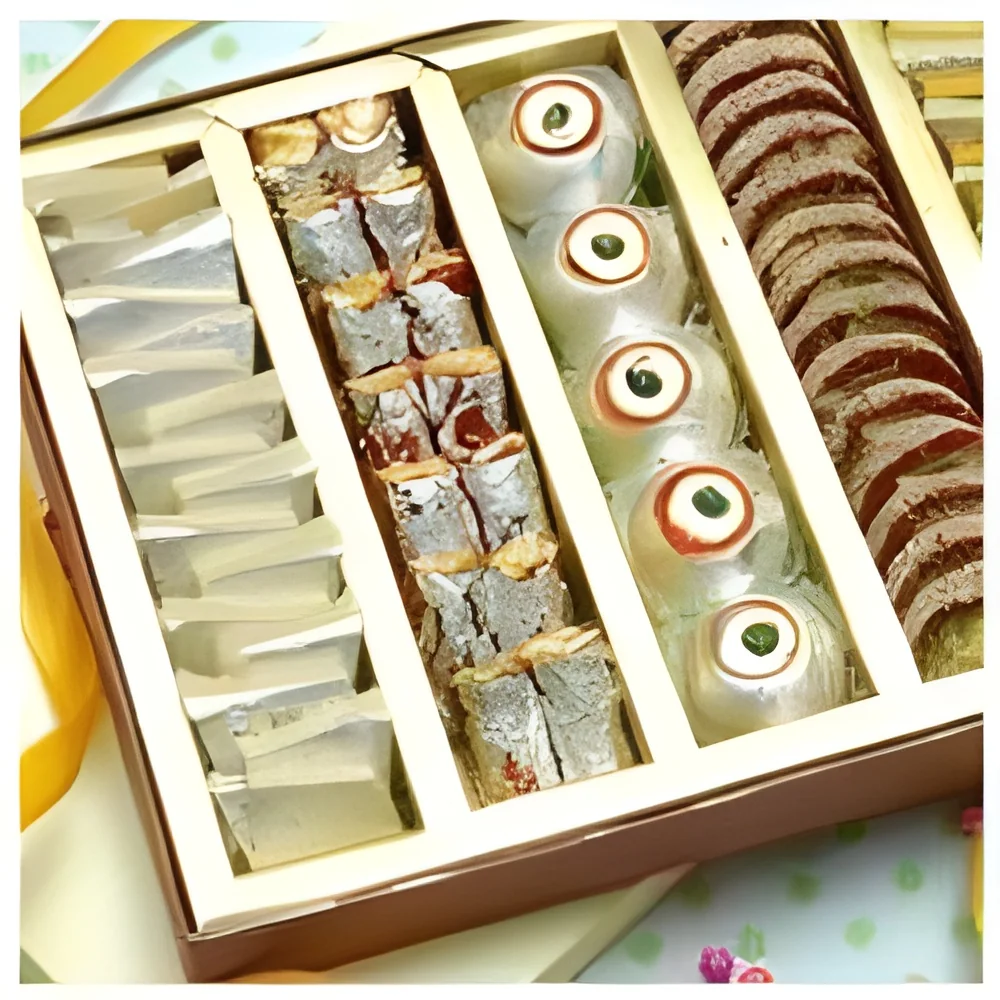
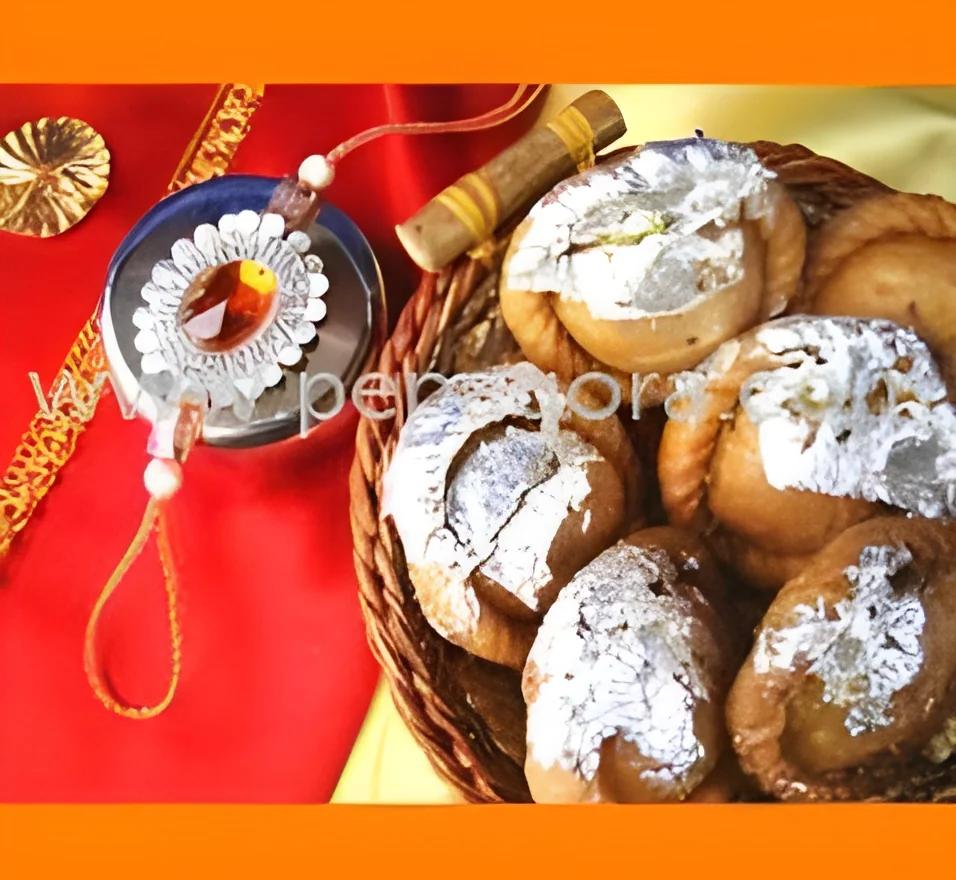
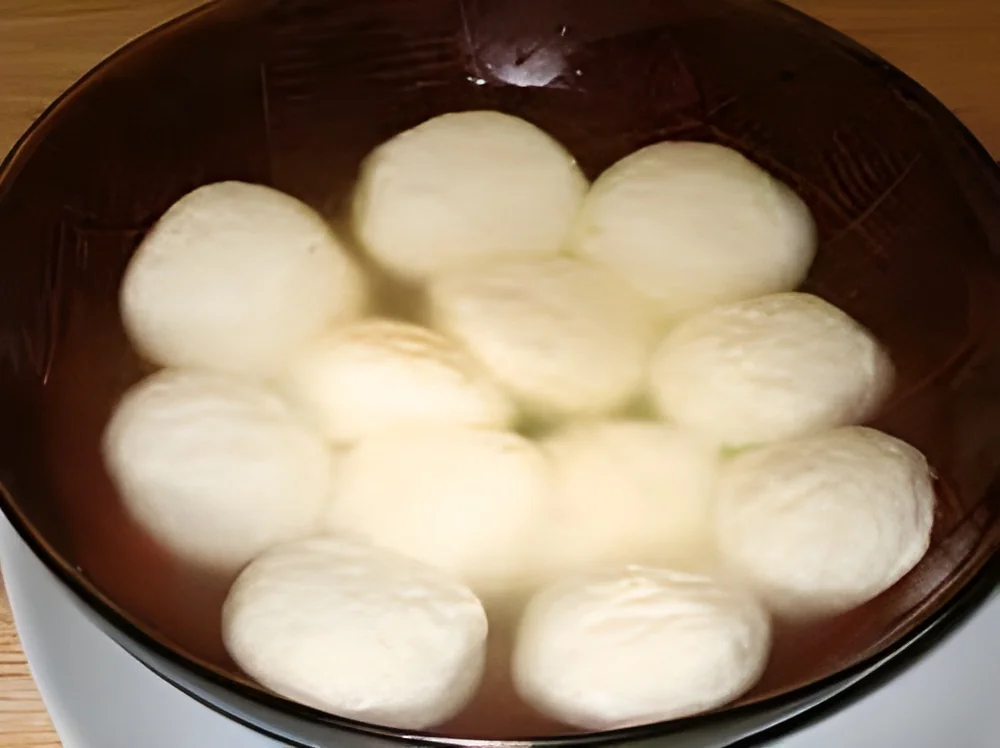
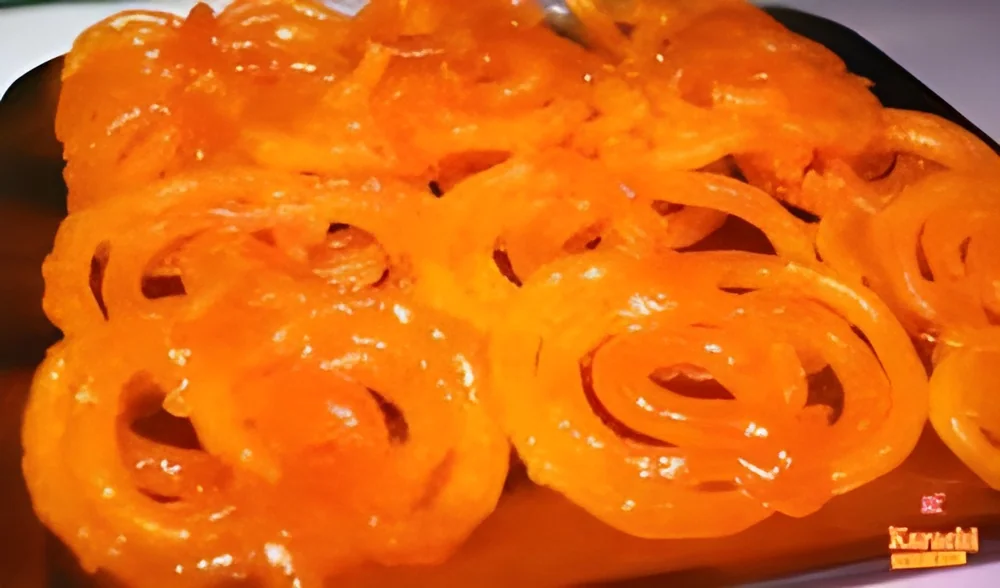
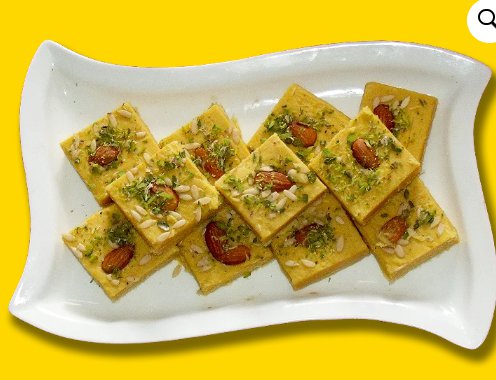
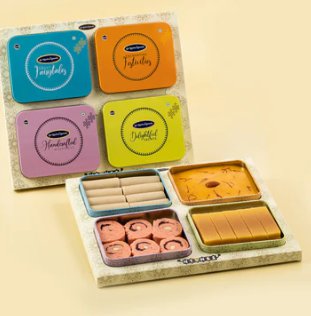
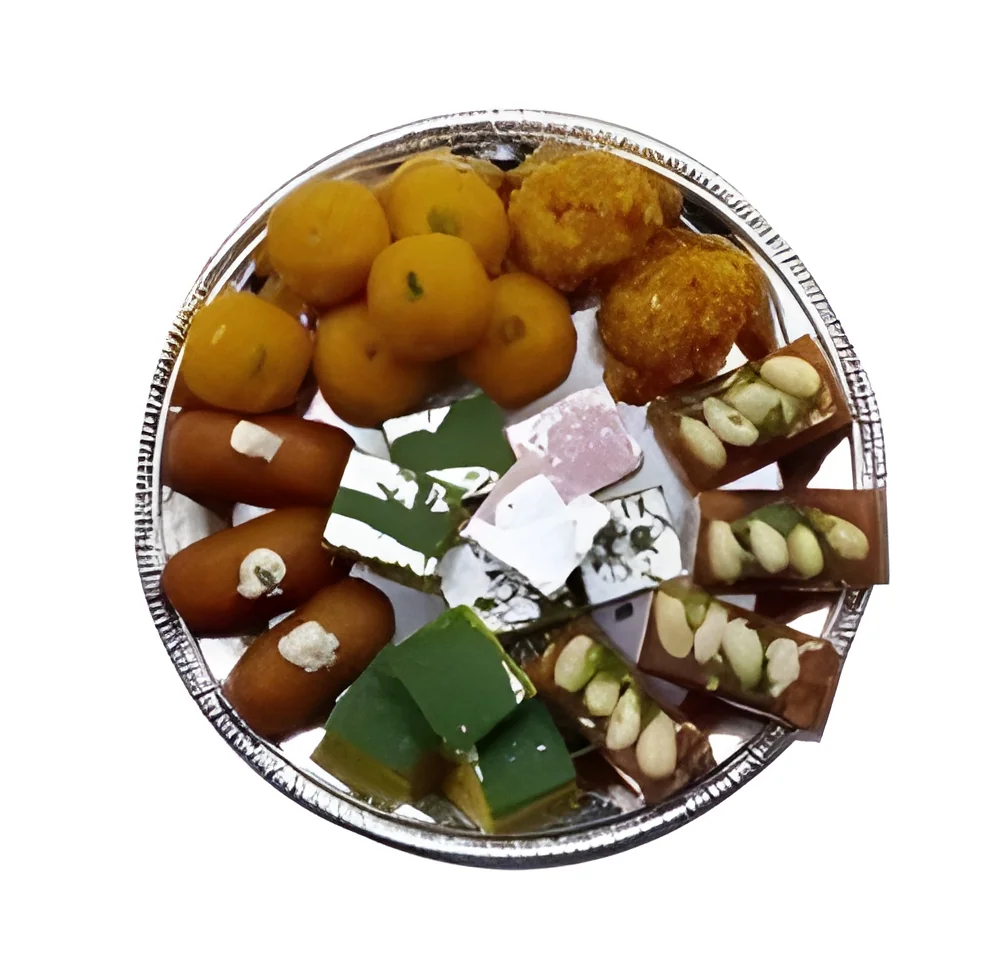
Mithai is a popular category of sweets made from milk and sugar, often flavored with cardamom and garnished with nuts. Variants like Gulab Jamun and Barfi are favorites during festivals.
Baklava
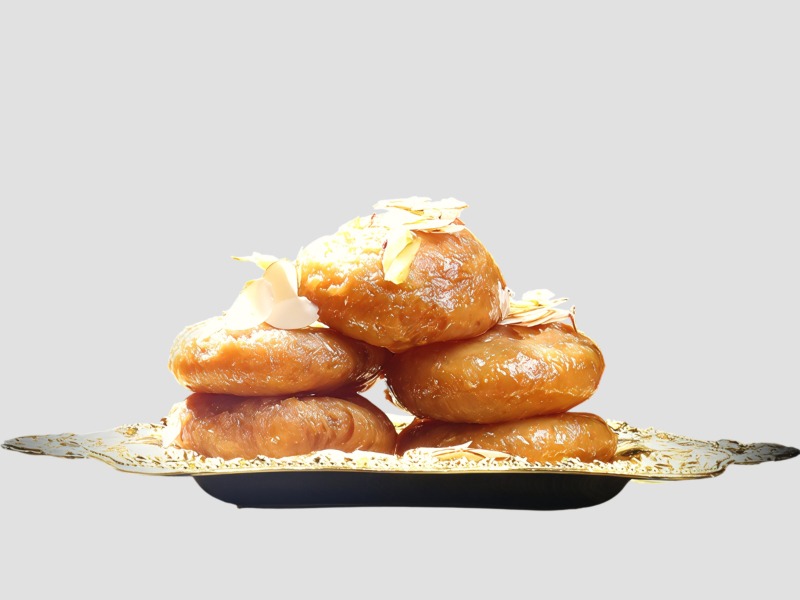
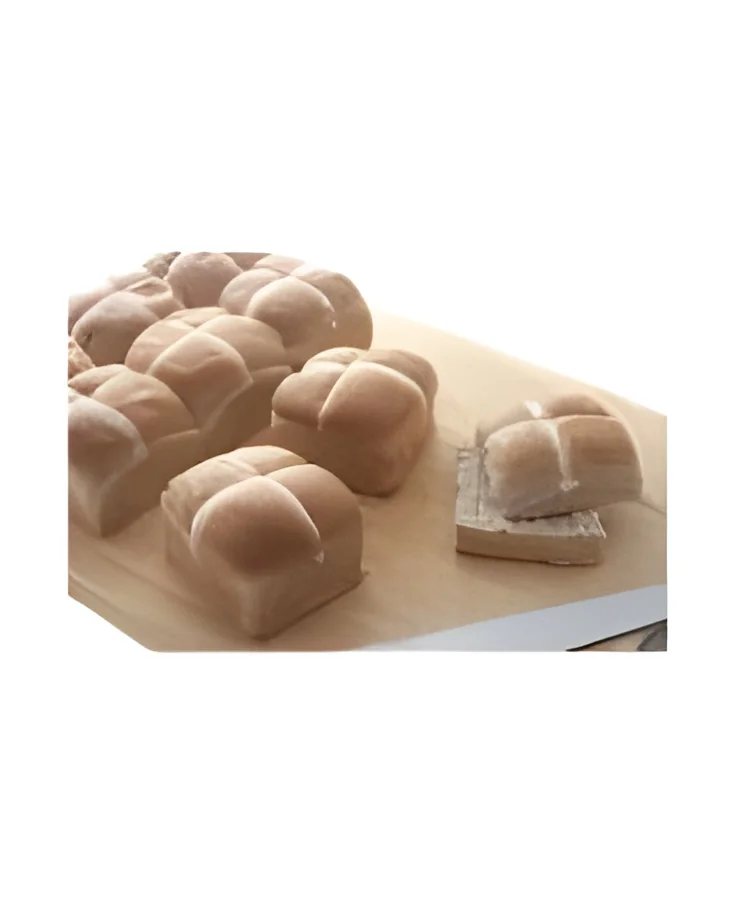
Originating from Middle Eastern traditions, Baklava is a rich, sweet pastry filled with nuts and honey. It has gained popularity in various regions and is often served during festive occasions.
Peda
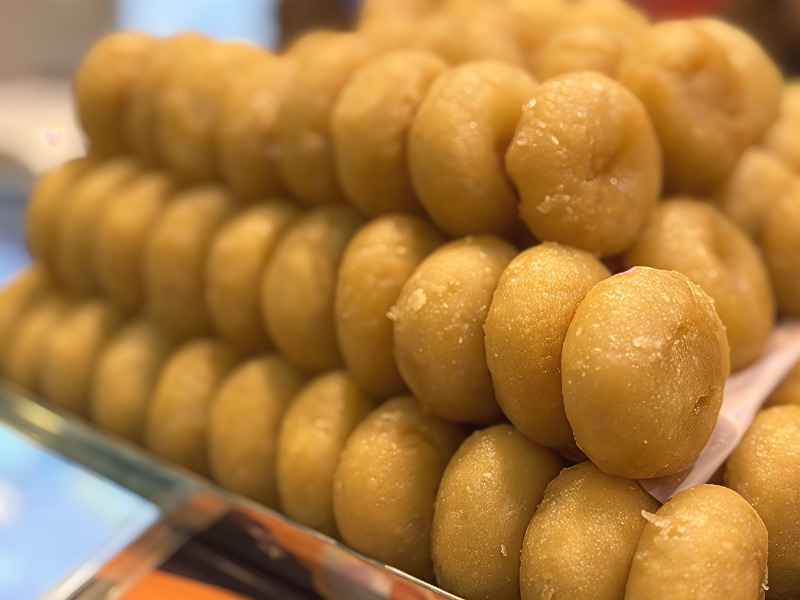
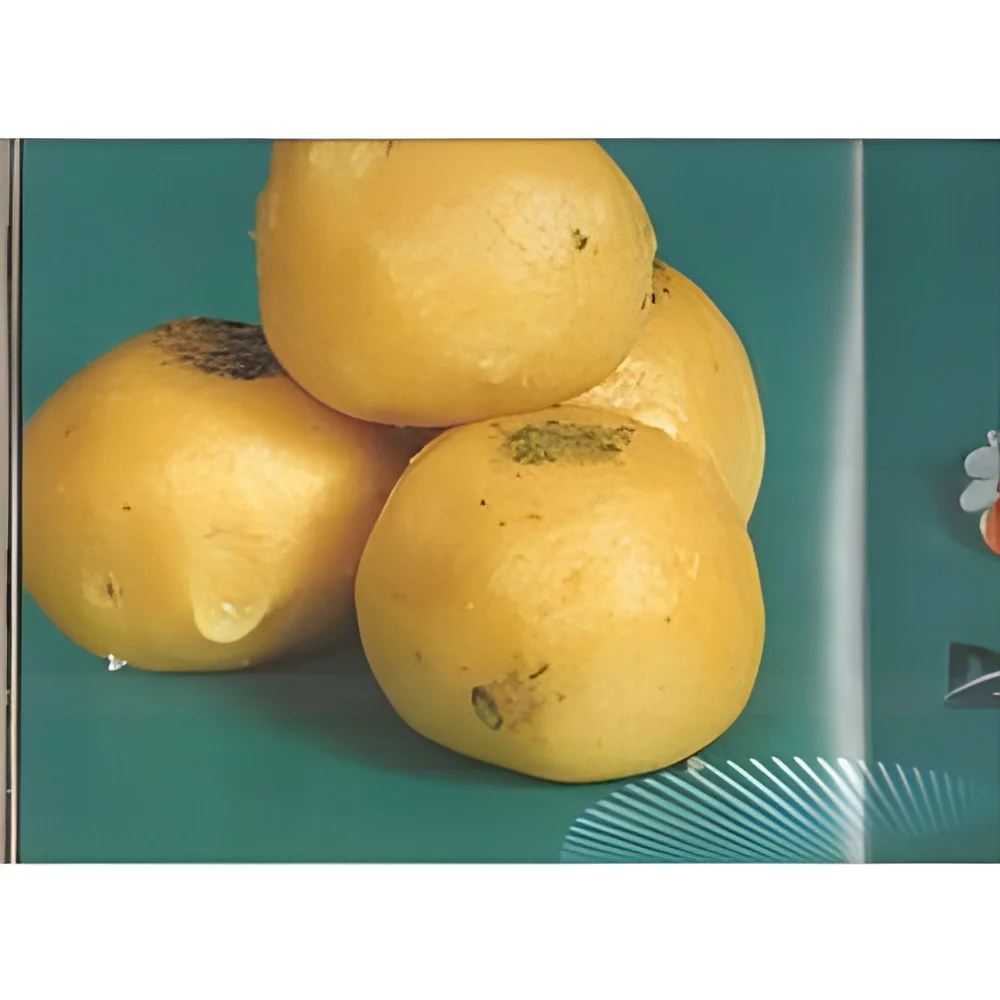
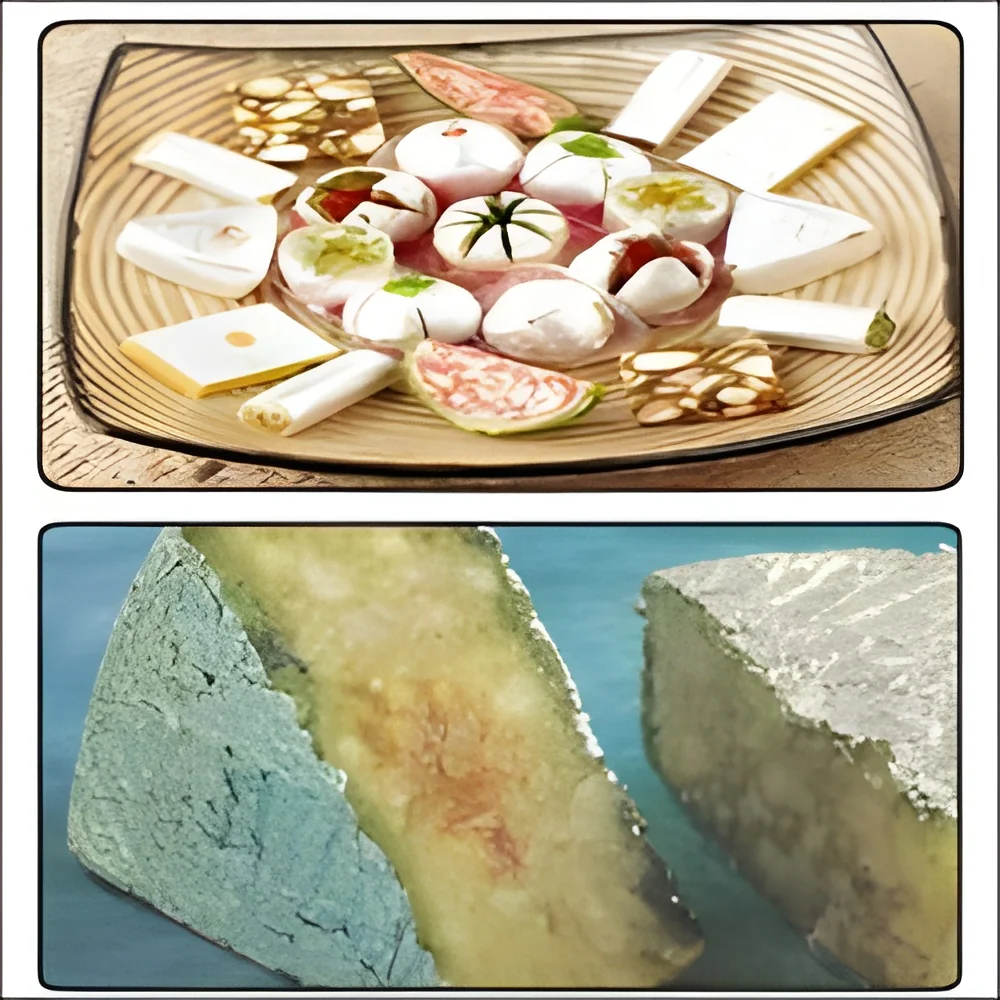
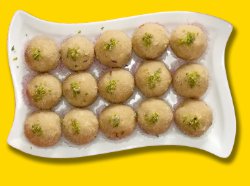
Peda is a soft, milk-based sweet that is typically flavored with cardamom and garnished with pistachios. It is often made in small, round shapes and is a common offering during religious ceremonies.
Ladoo
Ladoo is a spherical sweet made from various ingredients, including flour, sugar, and ghee. It comes in many varieties, such as Besan Ladoo and Motichoor Ladoo, and is a staple during celebrations.
Benefits and Advantages
Choosing Regional Festival Sweets offers several advantages for businesses looking to enhance their product offerings.
1. Cultural Authenticity: These sweets provide an authentic taste of regional traditions, appealing to customers seeking genuine experiences.
2. High Demand: With the rise in interest for cultural foods, there is a growing market for Regional Festival Sweets, leading to increased sales potential.
3. Versatile Offerings: The variety of sweets allows businesses to cater to different customer preferences and dietary requirements.
4. Unique Branding Opportunities: Customization options provide businesses with opportunities to create unique products that stand out in the market.
5. Seasonal Appeal: These sweets can be marketed during festive seasons, driving sales and engagement.
6. Strengthened Customer Relationships: Offering these traditional sweets can enhance customer loyalty by connecting them to cultural heritage.
Buying Guide for B2B Buyers
When sourcing Regional Festival Sweets, it is crucial for B2B buyers to consider several factors that can influence their purchasing decisions.
1. Quality Assessment: Buyers should evaluate the quality of ingredients and production methods. Look for suppliers with a good reputation for delivering fresh and authentic products.
2. Supplier Verification: It is essential to vet suppliers for reliability and compliance with food safety standards. Request references and certifications to ensure credibility.
3. Pricing and MOQ: Understand the pricing structure and minimum order quantities (MOQ) to make informed purchasing decisions that align with budget constraints.
4. Delivery and Lead Times: Discuss logistics and delivery schedules with suppliers to ensure timely availability during peak festive seasons.
5. Compliance Requirements: Familiarize yourself with regulatory needs, including labeling and food safety standards, to ensure compliance with local laws.
Compliance and Certifications
Compliance with quality standards is critical in the production and distribution of Regional Festival Sweets. Relevant quality standards include ISO 9001, which ensures a consistent quality management system. HACCP principles are essential for food safety, focusing on hazard analysis and critical control points.
Certifications such as CE mark may also be necessary, indicating that products meet European health, safety, and environmental protection standards. Testing for safety and quality is vital, with regular audits ensuring compliance with industry regulations.
Regional considerations may also dictate specific compliance requirements, particularly in diverse markets where cultural practices influence food standards. Staying informed about local regulations can help businesses successfully navigate compliance challenges.
Why Source Regional Festival Sweets from Pepagora?
Pepagora provides a trusted platform for sourcing Regional Festival Sweets, offering several key advantages that benefit B2B buyers.
Verified Supplier Network: Pepagora connects buyers with a network of verified suppliers, ensuring that only reputable manufacturers are considered. This reduces the risk of sourcing subpar products.
Streamlined RFQ Process: The platform simplifies the request for quotation (RFQ) process, allowing buyers to easily compare offers from different suppliers. This efficiency helps in making informed purchasing decisions.
Trade Assurance and Support: Pepagora provides trade assurance, offering buyers protection against potential issues. This support fosters trust and confidence in transactions.
Regional Coverage: With a focus on regions like India, GCC, and Southeast Asia, Pepagora enables businesses to access a wide array of Regional Festival Sweets, catering to diverse market needs.
By leveraging Pepagora's resources, buyers can enhance their product offerings and meet consumer demand for authentic, regional confections.

 IN
IN