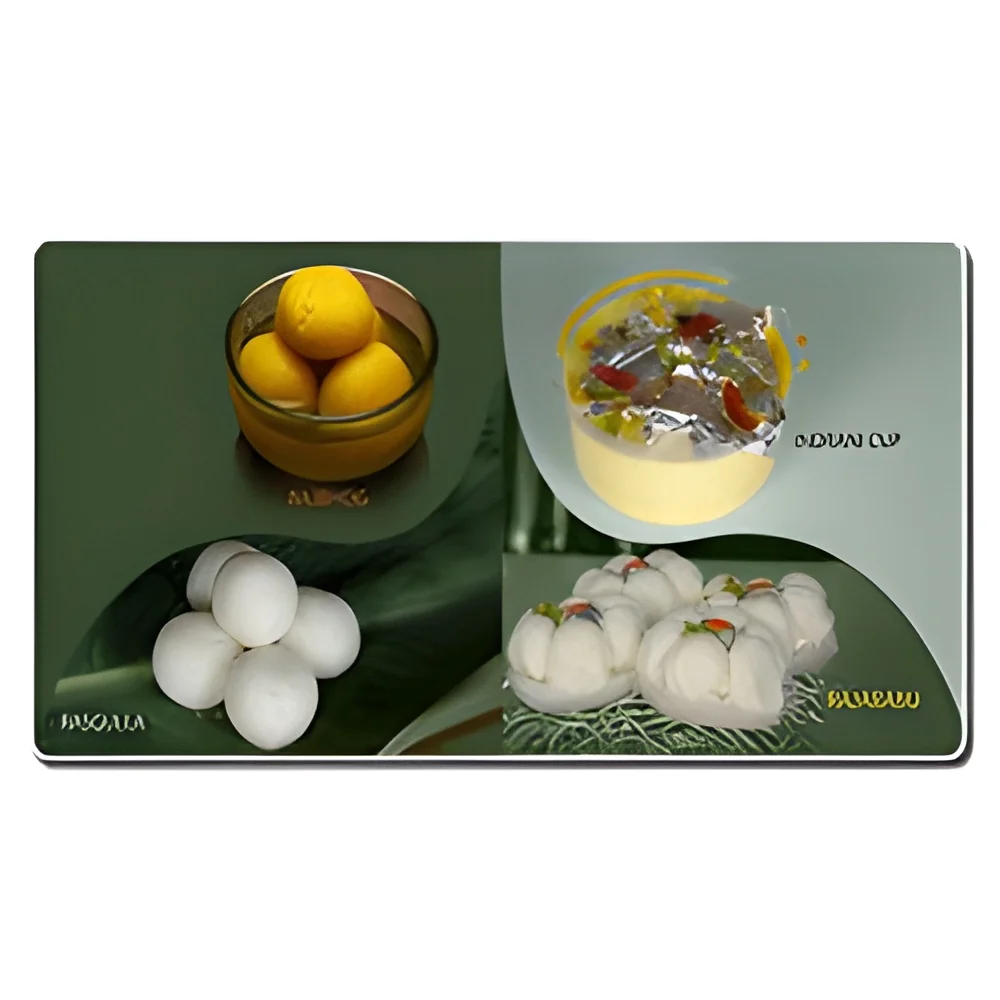
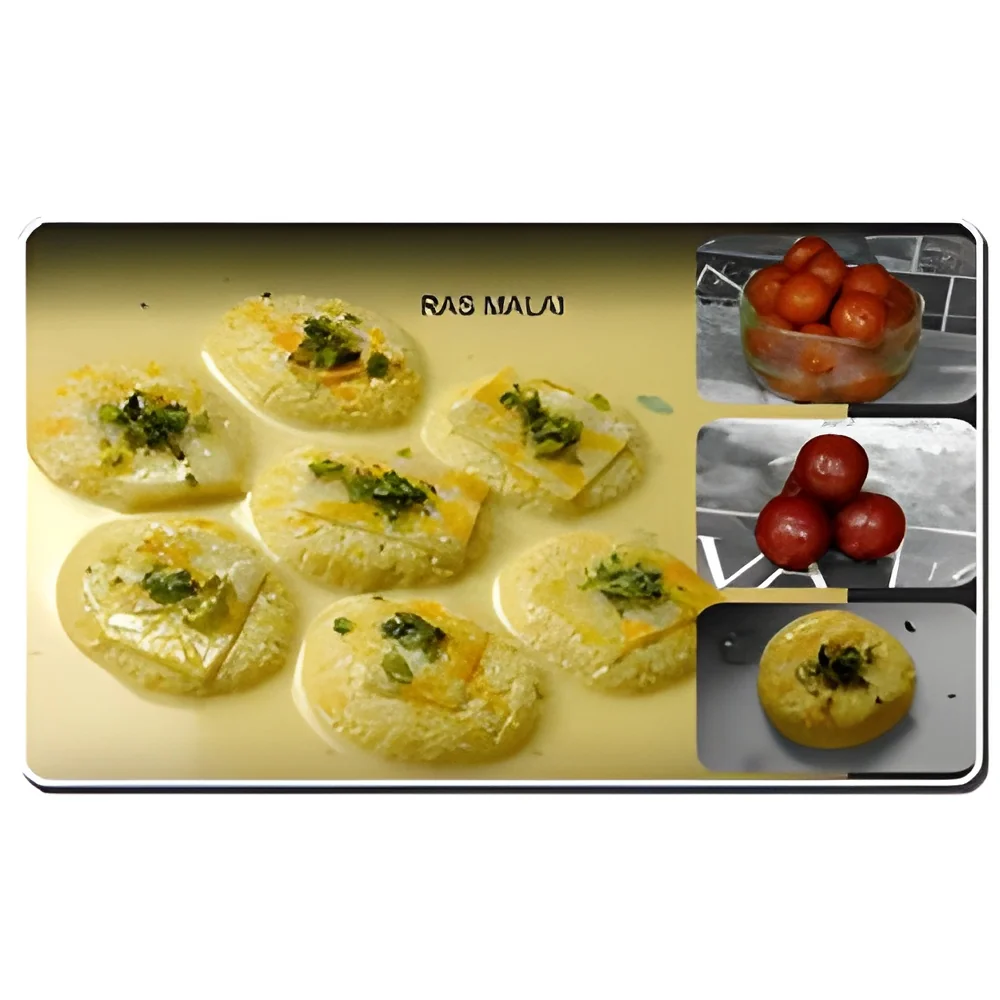
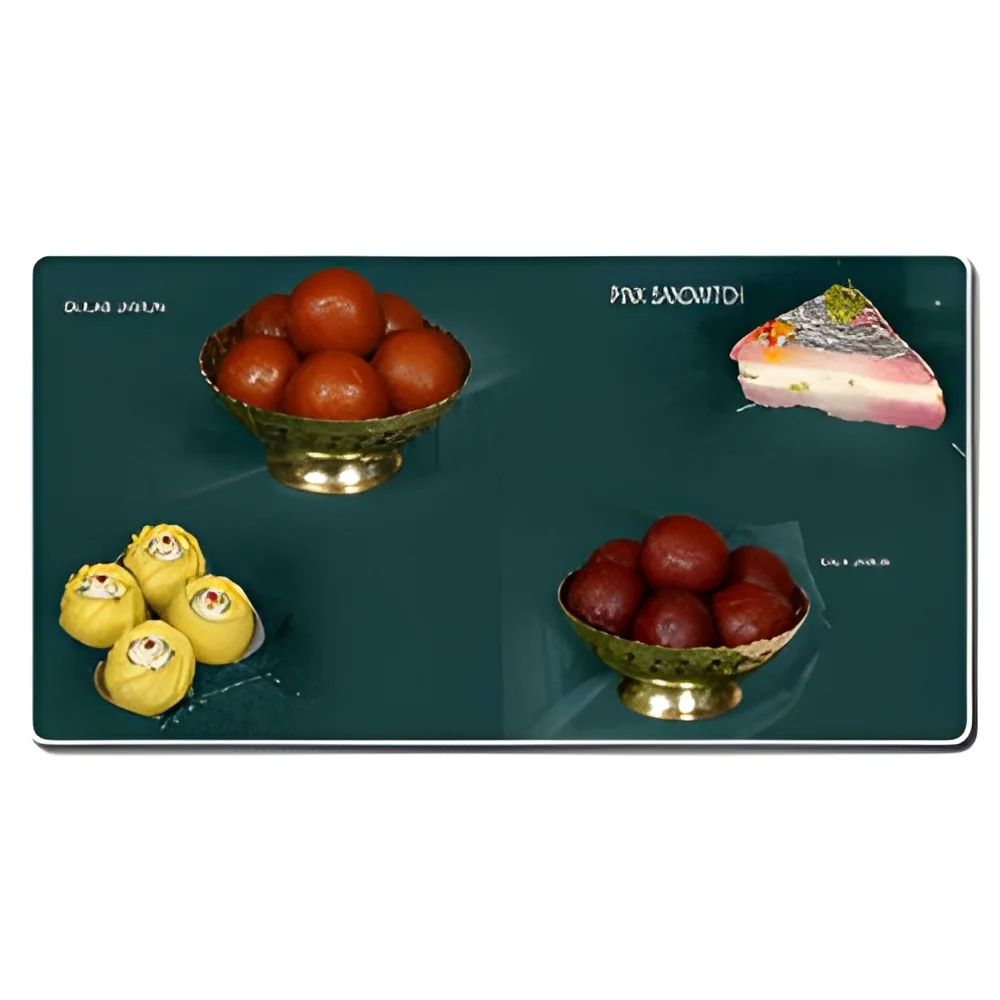
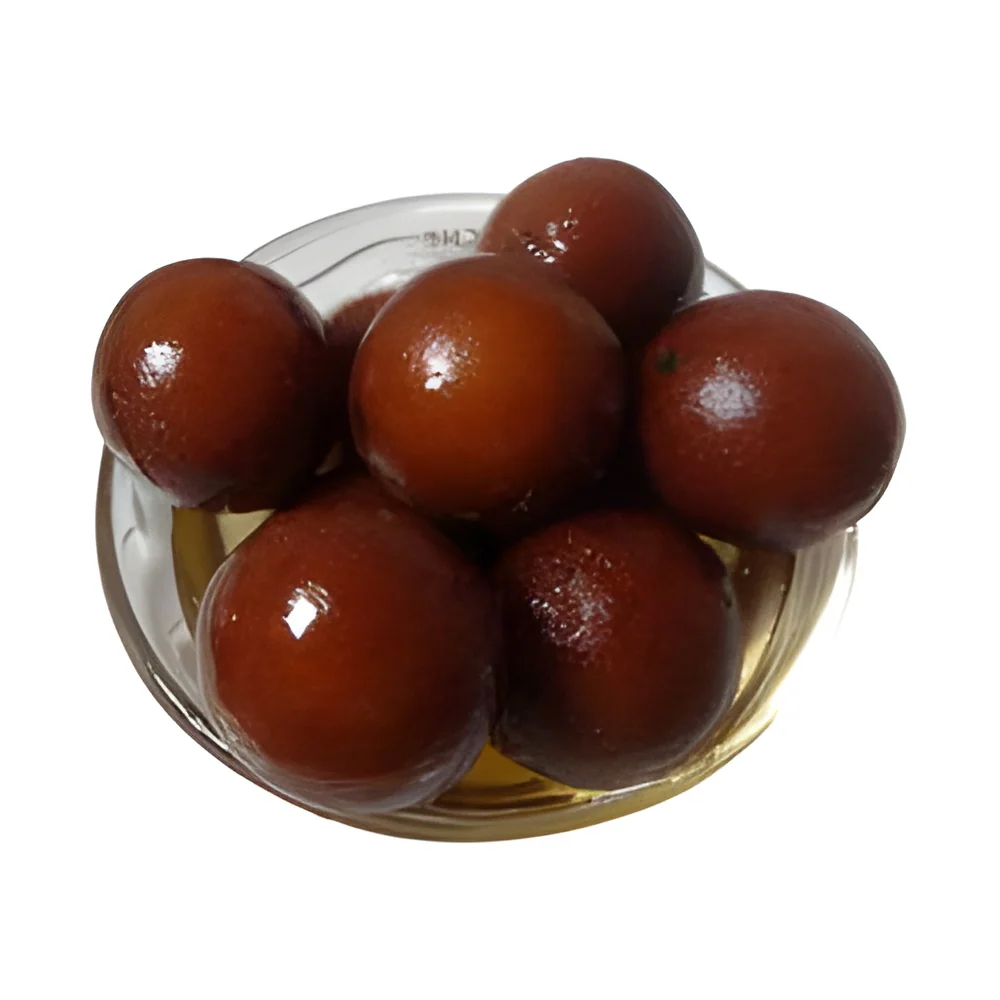
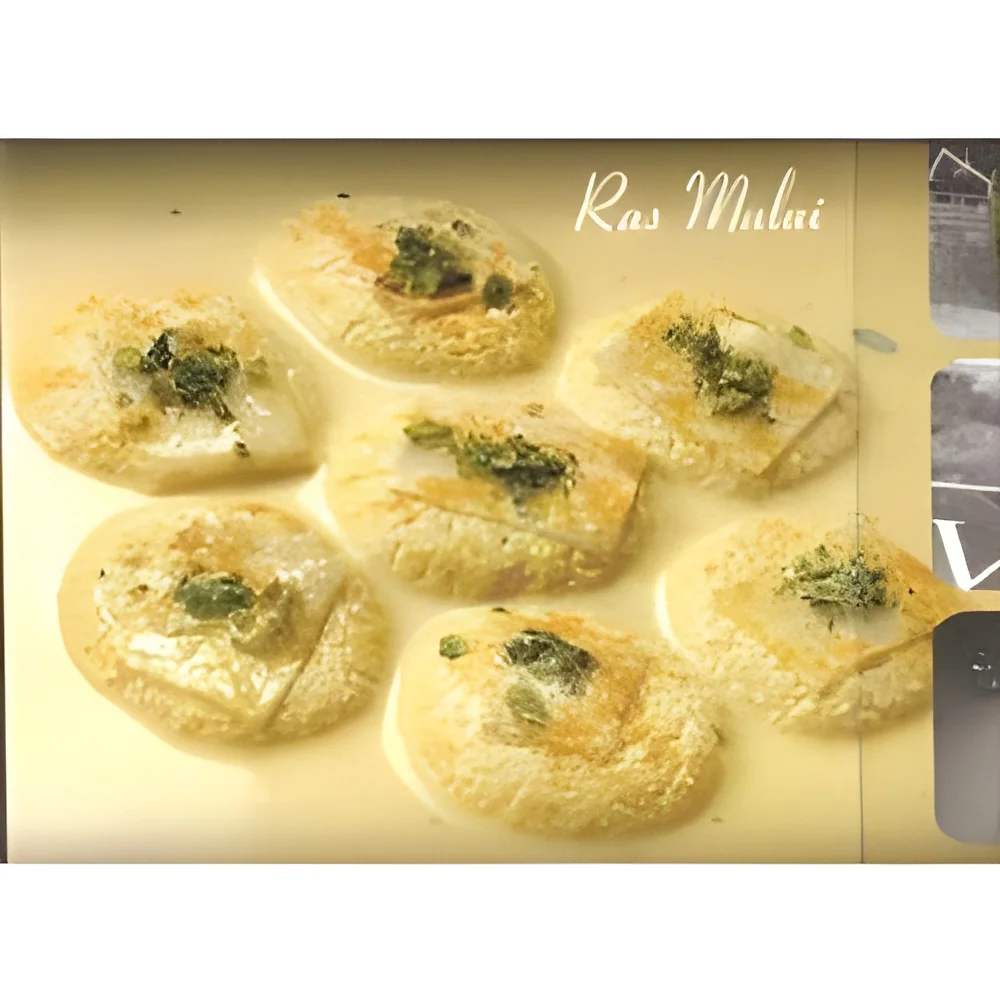
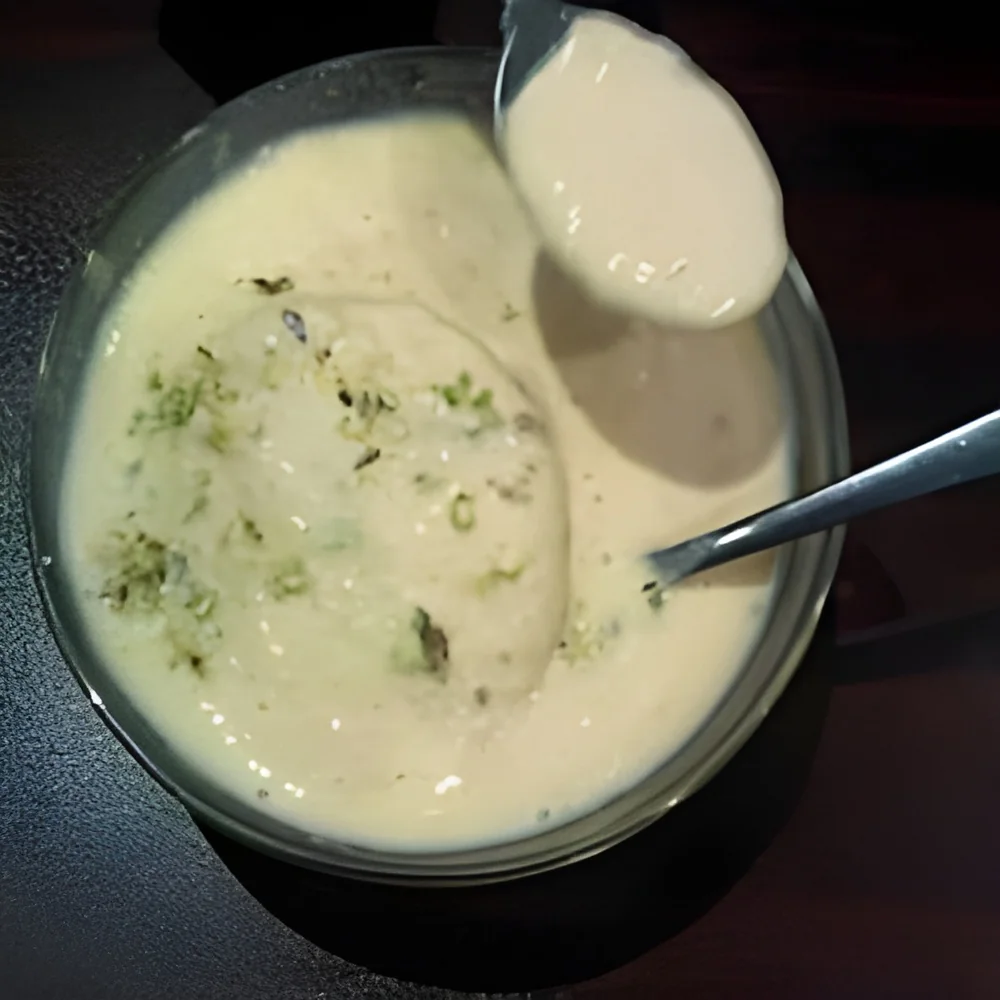
What are Gulab Jamun & Rasgulla?
Gulab Jamun and Rasgulla are two traditional Indian sweets that are immensely popular in various parts of South Asia and among diaspora communities worldwide. Gulab Jamun is made from khoya or milk solids, which are kneaded into a dough, shaped into small balls, and then deep-fried before being soaked in a sugar syrup infused with rose water. Rasgulla, on the other hand, is made from chenna or curdled milk, which is also formed into balls and cooked in a light sugar syrup. Both sweets have unique textures and flavors that appeal to a wide range of consumers.
These desserts are commonly used in various business applications, particularly in the food and beverage industry. They are often served at special occasions, festivals, and celebrations, making them a staple in sweet shops and restaurants. Additionally, their growing popularity has led to an increase in demand for packaged versions in supermarkets and online markets. The market for Gulab Jamun and Rasgulla continues to expand, driven by both traditional consumption patterns and modern retail channels.
Key Features and Specifications
Gulab Jamun and Rasgulla offer several features that make them desirable in the B2B market. These features include their rich flavors, shelf stability, and versatility in serving. Businesses seeking to source these sweets should pay attention to their specifications, ensuring they meet quality and safety standards.
Key specifications include:
1. Ingredients Quality
- Made from high-quality milk products and sugar.
- No artificial flavors or preservatives.
2. Packaging Options
- Available in bulk packaging for wholesale buyers.
- Retail packaging options for consumer sales.
3. Shelf Life
- Typically has a shelf life of 6 months when stored properly.
- Requires refrigeration for longer shelf life.
4. Nutritional Information
- Caloric content typically ranges from 150 to 250 calories per serving.
- Contains essential nutrients from dairy sources.
5. Customization
- Options available for customized flavors or sizes to meet client needs.
- Potential for gluten-free versions.
6. Allergen Information
- Contains dairy; may not be suitable for lactose-intolerant consumers.
- May contain trace allergens due to production processes.
7. Regional Variations
- Different recipes available based on regional preferences.
- Flavor profiles can be adapted to local tastes.
In summary, understanding the key features and specifications of Gulab Jamun and Rasgulla is essential for businesses looking to source these products effectively.
Common Applications and Use Cases
Gulab Jamun and Rasgulla are versatile sweets with applications in multiple industries.
1. Food and Beverage Industry: These sweets are commonly found in restaurants, catering services, and sweet shops. They are often served during weddings, festivals, and cultural events.
2. Retail Sector: Packaged versions of Gulab Jamun and Rasgulla are available in supermarkets and online grocery stores, catering to consumers looking for convenience.
3. Hospitality Industry: Hotels and resorts offer these desserts as part of their menu to attract guests seeking authentic local cuisine.
4. Event Management: Caterers include these sweets in their offerings for special occasions, ensuring a traditional touch to the dessert table.
5. Export Market: There is a growing demand for these sweets in international markets, particularly in regions with a significant South Asian population.
Product Variants and Subcategories
Gulab Jamun and Rasgulla come in various forms and flavors, catering to diverse consumer preferences.
Traditional Gulab Jamun: This classic variant is made from khoya and has a rich, dense texture. It is widely appreciated for its authentic taste and is often served warm, soaked in sugar syrup.
Saffron Gulab Jamun: A luxurious version infused with saffron, offering a unique flavor profile. Ideal for special occasions and premium markets.
Chilled Rasgulla: This variant is served chilled, providing a refreshing taste. It is popular in warmer climates and is often enjoyed as a light dessert.
Fruit-Flavored Rasgulla: Infused with various fruit flavors, this version appeals to younger consumers and those seeking innovative dessert options.
Benefits and Advantages
Gulab Jamun and Rasgulla offer numerous benefits that make them attractive to B2B buyers.
1. High Demand: These sweets enjoy consistent demand due to their popularity in various cultures and celebrations.
2. Versatility: They can be served in numerous settings, from casual family gatherings to formal events, enhancing their marketability.
3. Customization Potential: Businesses can easily adapt the flavors and presentations to cater to specific consumer preferences and trends.
4. Shelf Stability: With proper packaging, these sweets can maintain quality over time, making them suitable for bulk sales.
5. Cultural Significance: These sweets hold cultural relevance, making them essential for businesses aiming to connect with local traditions.
6. Profit Margins: Sweets like Gulab Jamun and Rasgulla typically yield good profit margins, making them a lucrative addition to product lines.
Buying Guide for B2B Buyers
When sourcing Gulab Jamun and Rasgulla, businesses should consider several key factors to ensure they make informed decisions.
1. Quality Assessment: Buyers should evaluate the quality of ingredients used in the sweets, ensuring they meet safety and flavor standards.
2. Supplier Verification: It is essential to vet suppliers for reliability, quality consistency, and compliance with food safety regulations.
3. Pricing and MOQ: Understanding the pricing structure and minimum order quantities will help businesses plan their budgets effectively.
4. Delivery and Lead Times: Assessing the logistics involved in delivery will ensure that products are received in a timely manner, especially for events.
5. Compliance Requirements: Buyers must be aware of regulatory needs, such as labeling and food safety standards, to avoid legal issues.
Compliance and Certifications
Gulab Jamun and Rasgulla must adhere to various quality standards and certifications to ensure safety and consumer trust. Common standards include ISO 9001, which focuses on quality management systems, and HACCP, which emphasizes food safety. Additionally, industry certifications like UL and CE may be relevant for certain markets, ensuring that products meet specific safety criteria.
Food manufacturers must also be aware of testing requirements to ensure their products are free from contaminants. Regional compliance considerations are essential, as different countries may have unique regulations that affect packaging, labeling, and ingredient sourcing.
Why Source Gulab Jamun & Rasgulla from Pepagora?
Pepagora offers a reliable platform for sourcing Gulab Jamun and Rasgulla, providing several key advantages for B2B buyers. The verified supplier network ensures that businesses can connect with trusted manufacturers who prioritize quality and compliance.
The streamlined RFQ process simplifies the quotation system, allowing buyers to receive competitive pricing and product options quickly. This efficiency helps businesses make informed purchasing decisions without unnecessary delays.
Trade assurance and support are integral to the Pepagora experience, providing buyers with protection throughout the sourcing process. This assurance builds confidence in transactions, particularly when dealing with new suppliers.
Lastly, Pepagora's regional coverage extends across India, the GCC, and Southeast Asia, offering buyers access to a wide range of products and suppliers. This geographic reach enhances the ability to find quality Gulab Jamun and Rasgulla that meet specific market needs.

 IN
IN