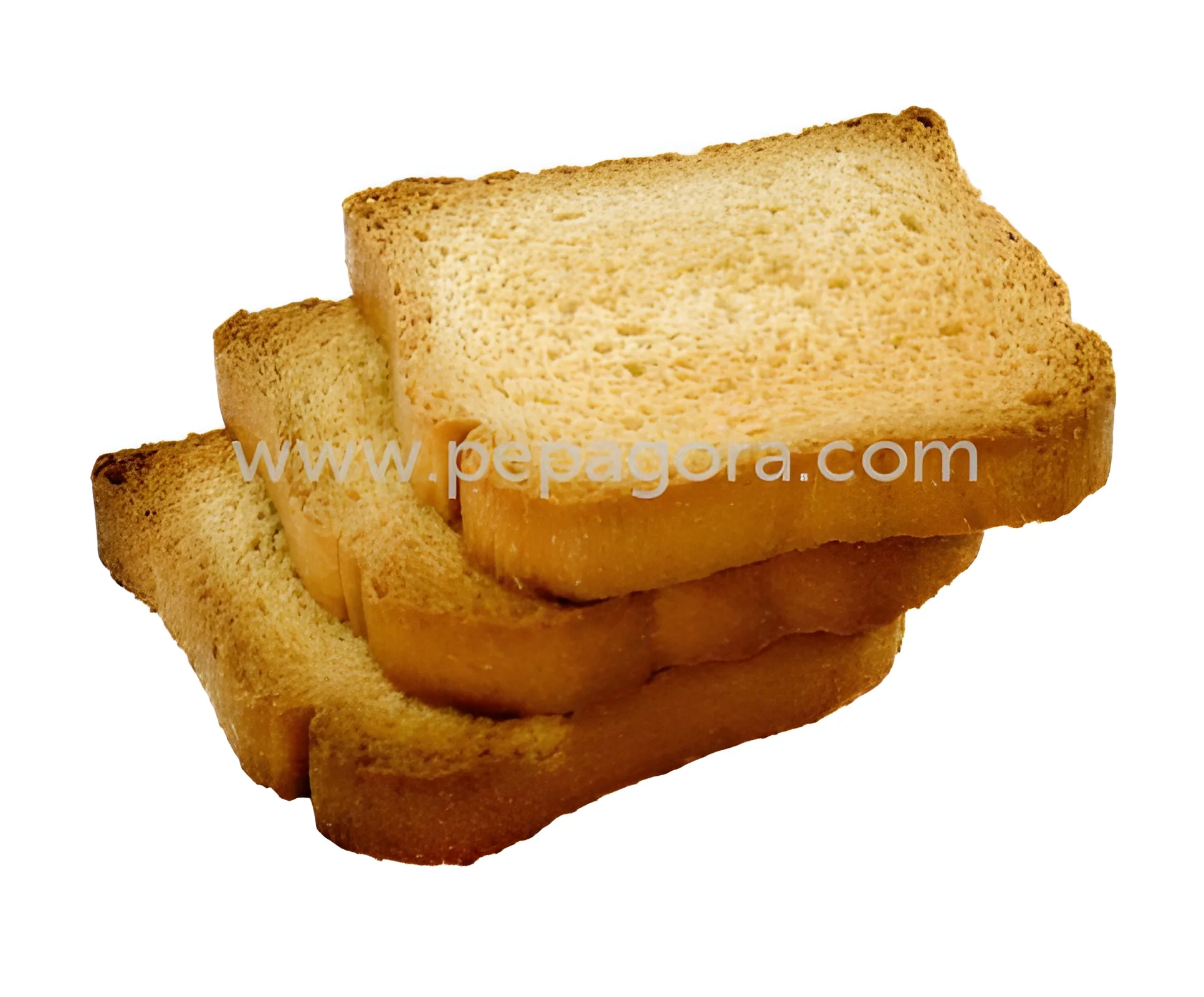
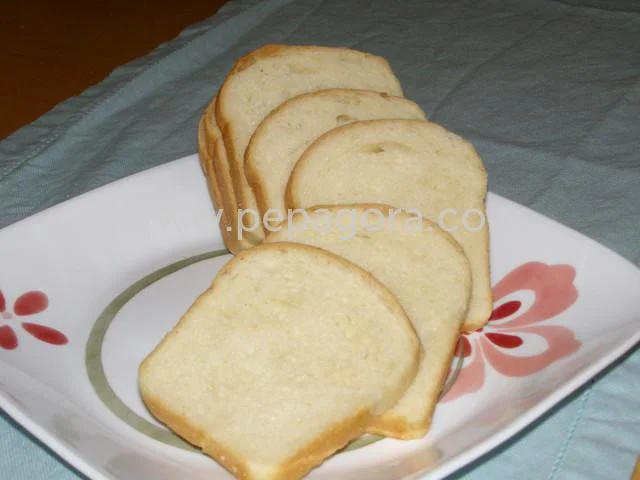
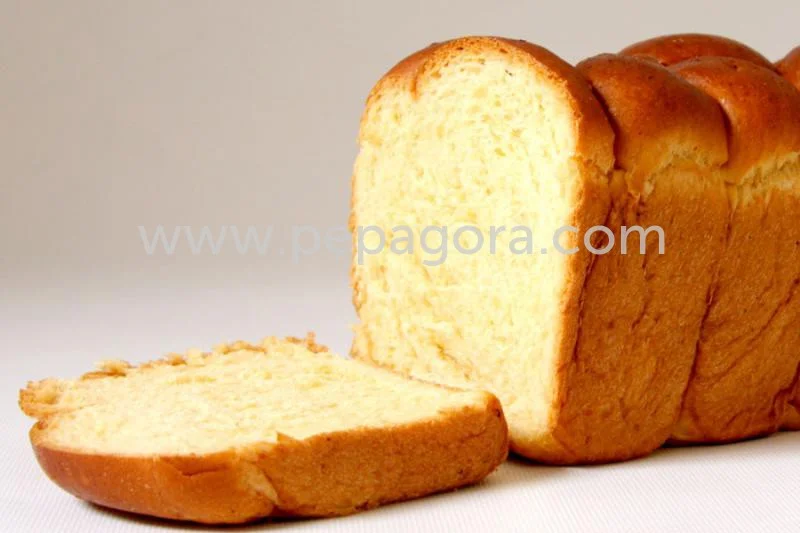
What are Whole Wheat Bread?
Whole wheat bread is a type of bread made from whole grain wheat flour, which includes all parts of the grain-the bran, germ, and endosperm. This form of bread is known for its nutty flavor and dense texture compared to white bread. The use of whole grains means that whole wheat bread retains more nutrients, including fiber, vitamins, and minerals, which are often lost in the refining process of white bread.
In the business context, whole wheat bread serves various applications, particularly in the food service and food retail sectors. It is commonly used in restaurants, cafes, and bakeries, where it is offered as a healthier alternative to traditional white bread. Additionally, whole wheat bread is increasingly featured in health-conscious consumer products, making it a staple in grocery stores and supermarkets. The growing demand for healthier eating options has positioned whole wheat bread as an important product in the food industry.
The relevance of whole wheat bread in the industry is underscored by health trends emphasizing whole grains. As consumers become more aware of the health benefits associated with whole grains, businesses that offer whole wheat bread can tap into this growing market. The bread's appeal to health-conscious consumers makes it a valuable addition to any food product line focused on nutrition and wellness.
Key Features and Specifications
Whole wheat bread is characterized by several key features that cater to both consumer preferences and business needs. Understanding these specifications can help B2B buyers make informed purchasing decisions.
Key specifications include:
1. Nutritional Content
- Provides higher fiber content compared to white bread.
- Contains essential vitamins and minerals, such as B vitamins and magnesium.
2. Shelf Life
- Typically has a shelf life of 5-7 days when stored properly.
- Can be extended with preservatives or vacuum packaging.
3. Texture and Crumb
- Dense and hearty texture, offering a chewy feel.
- Crumb structure is typically tighter compared to white bread.
4. Flavor Profile
- Nutty and slightly sweet flavor due to the presence of whole grains.
- May vary depending on additional ingredients, such as seeds or grains.
5. Moisture Content
- Ideal moisture content ranges from 35% to 45% for optimal freshness.
- Proper moisture control is essential for texture and shelf stability.
6. Baking Method
- Can be produced using various baking methods, including artisanal and industrial processes.
- Each method may influence taste and texture.
7. Ingredient Sourcing
- Whole grains sourced from certified suppliers for quality assurance.
- Organic options are available for health-focused markets.
8. Regulatory Compliance
- Must adhere to food safety standards and labeling regulations.
In summary, whole wheat bread is a versatile product with key features that appeal to both consumers and businesses. Understanding these specifications aids in selecting the right product for various applications.
Common Applications and Use Cases
Whole wheat bread serves a wide range of industries and applications, making it a versatile product in the food sector.
1. Food Service: Restaurants and cafes often use whole wheat bread for sandwiches, toast, and as a side for meals, catering to health-conscious diners.
2. Retail Grocery: Supermarkets and health food stores stock whole wheat bread as a staple item, appealing to customers seeking nutritious options.
3. Bakery Production: Bakeries utilize whole wheat flour to create various baked goods, including rolls, loaves, and specialty breads, ensuring a diverse product line.
4. School and Institutional Catering: Whole wheat bread is frequently included in meal programs for schools and institutions, promoting healthy eating among students.
5. Fitness and Health Products: Health-focused brands incorporate whole wheat bread into their offerings, such as meal kits and fitness snacks, targeting health-conscious consumers.
6. Export Markets: Whole wheat bread is increasingly being exported to countries with rising health awareness, expanding market opportunities for producers.
7. Organic Food Sector: Whole wheat bread made from organic grains appeals to the growing segment of consumers interested in organic products.
Product Variants and Subcategories
Whole wheat bread is available in various forms, allowing for customization and catering to different consumer preferences.
Sliced Whole Wheat Bread: This variant is pre-sliced for convenience, making it ideal for sandwiches and toasting. It is commonly found in grocery stores and is favored for its ease of use.
Whole Wheat Rolls: These are individual serving sizes, perfect for meals or as a side option. They often have a soft crust and are popular in food service settings.
Whole Wheat Bread with Seeds: This variant includes added seeds like sunflower or flaxseeds, enhancing nutritional value and flavor. It is popular among health-conscious consumers.
Whole Wheat Flatbread: A thinner, more versatile option often used for wraps or as a base for pizzas. It caters to a younger audience looking for quick, healthy meals.
Benefits and Advantages
Whole wheat bread offers a range of benefits that make it an attractive choice for both consumers and businesses.
Key benefits include:
1. Nutritional Value: Whole wheat bread is rich in fiber, vitamins, and minerals, contributing to a balanced diet.
2. Heart Health: The high fiber content helps reduce cholesterol levels and supports cardiovascular health.
3. Satiety: Whole wheat bread provides a feeling of fullness, which can aid in weight management.
4. Versatility: It can be used in a variety of dishes, from sandwiches to salads, making it a staple in many kitchens.
5. Health Trends: Aligns with current health trends that prioritize whole grains, appealing to a broad consumer base.
6. Customization: Businesses can create unique recipes by adding seeds, grains, or spices, catering to niche markets.
Buying Guide for B2B Buyers
When sourcing whole wheat bread, it is essential for buyers to consider several factors to ensure quality and suitability for their needs.
1. Quality Assessment: Look for suppliers that provide detailed nutritional information and ingredient sourcing. Conduct taste tests to ensure the product meets your standards.
2. Supplier Verification: Vet suppliers through background checks, reviews, and certifications to ensure they adhere to food safety standards.
3. Pricing and MOQ: Understand the pricing structure and minimum order quantities. Negotiate terms that align with your budget and operational needs.
4. Delivery and Lead Times: Consider logistics, including delivery schedules and lead times, to ensure timely availability of products for your business.
5. Compliance Requirements: Ensure that the product meets local and international food safety regulations, including labeling and packaging standards.
Compliance and Certifications
Whole wheat bread must comply with various quality standards and certifications to ensure safety and consumer trust.
Relevant quality standards include ISO 9001 for quality management systems, which ensures consistent quality in production processes. HACCP (Hazard Analysis Critical Control Point) is essential for identifying and managing food safety risks, while GDP (Good Distribution Practice) ensures that products are stored and transported under proper conditions.
Industry certifications, such as CE marking, indicate compliance with European health, safety, and environmental protection standards. This is particularly important for businesses involved in international trade.
Safety and testing requirements are crucial for maintaining product integrity. Regular microbiological testing and shelf-life evaluations help ensure that bread products remain safe for consumption.
Regional compliance considerations may vary, so it is vital for businesses to stay informed about local regulations regarding food safety and labeling.
Why Source Whole Wheat Bread from Pepagora?
Pepagora offers a trusted platform for sourcing whole wheat bread, providing several key advantages to B2B buyers.
Verified Supplier Network: Pepagora ensures that all suppliers are thoroughly vetted and meet stringent quality standards. This gives buyers confidence in the reliability of their sources.
Streamlined RFQ Process: The platform simplifies the request for quotation process, allowing buyers to quickly compare prices and product specifications from multiple suppliers. This efficiency saves time and resources.
Trade Assurance and Support: Pepagora provides trade assurance features that protect buyers during transactions. This includes support in case of disputes, ensuring that buyers can engage with suppliers confidently.
Regional Coverage: With a strong presence in India, the GCC, and Southeast Asia, Pepagora offers extensive regional coverage, making it easier for businesses to find suppliers that meet their specific needs in various markets.

 IN
IN