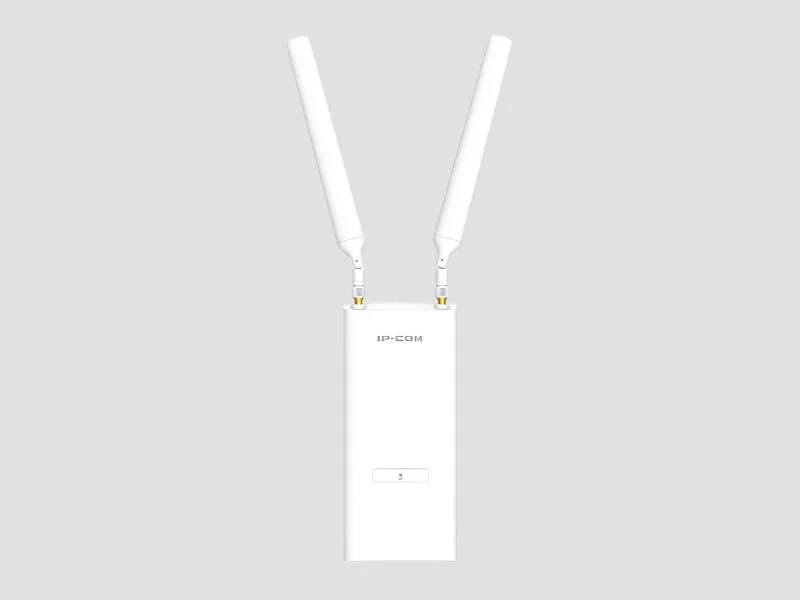
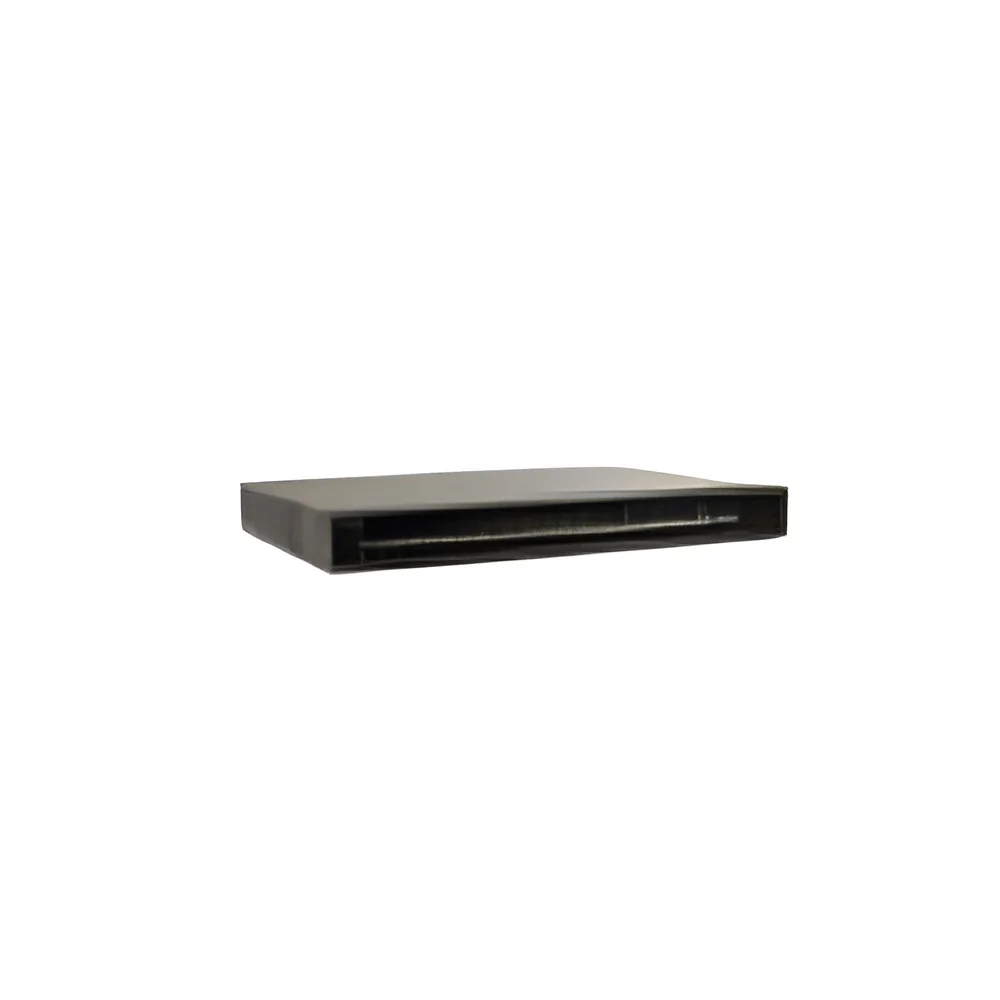
What are Wireless Access Points?
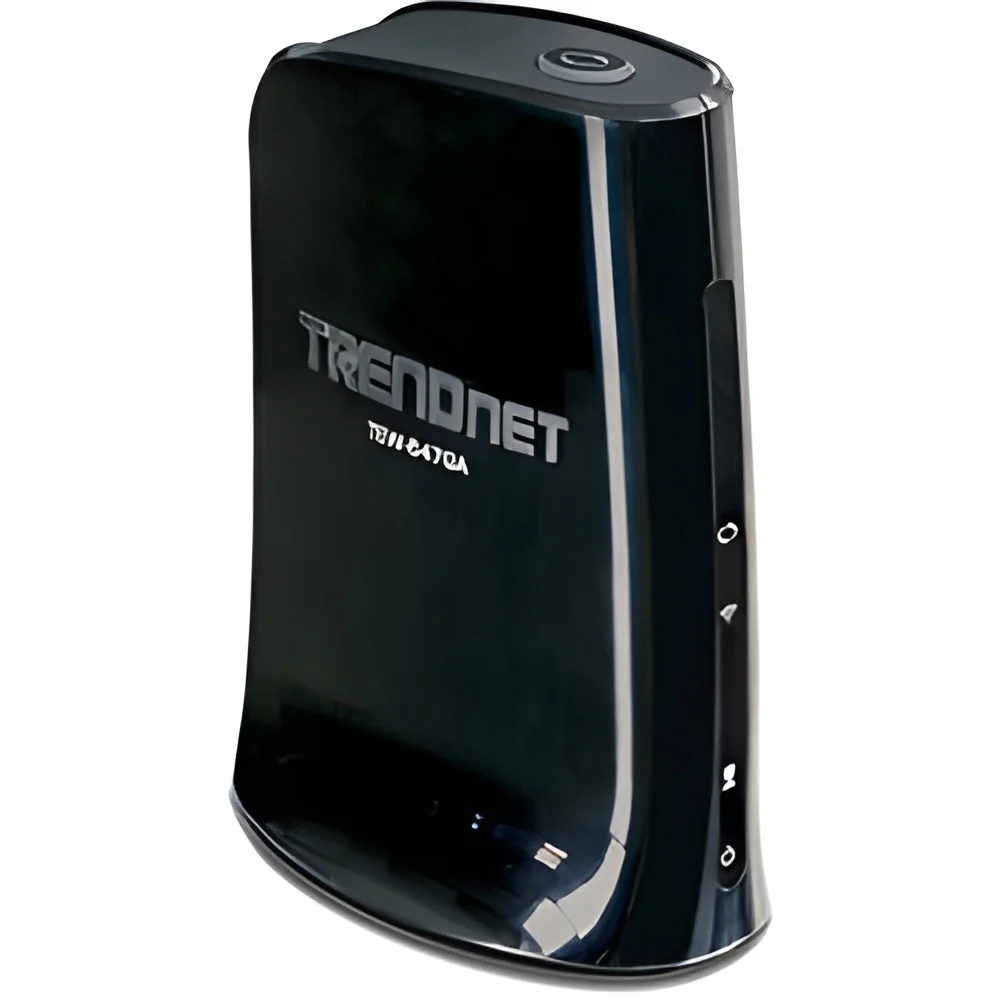
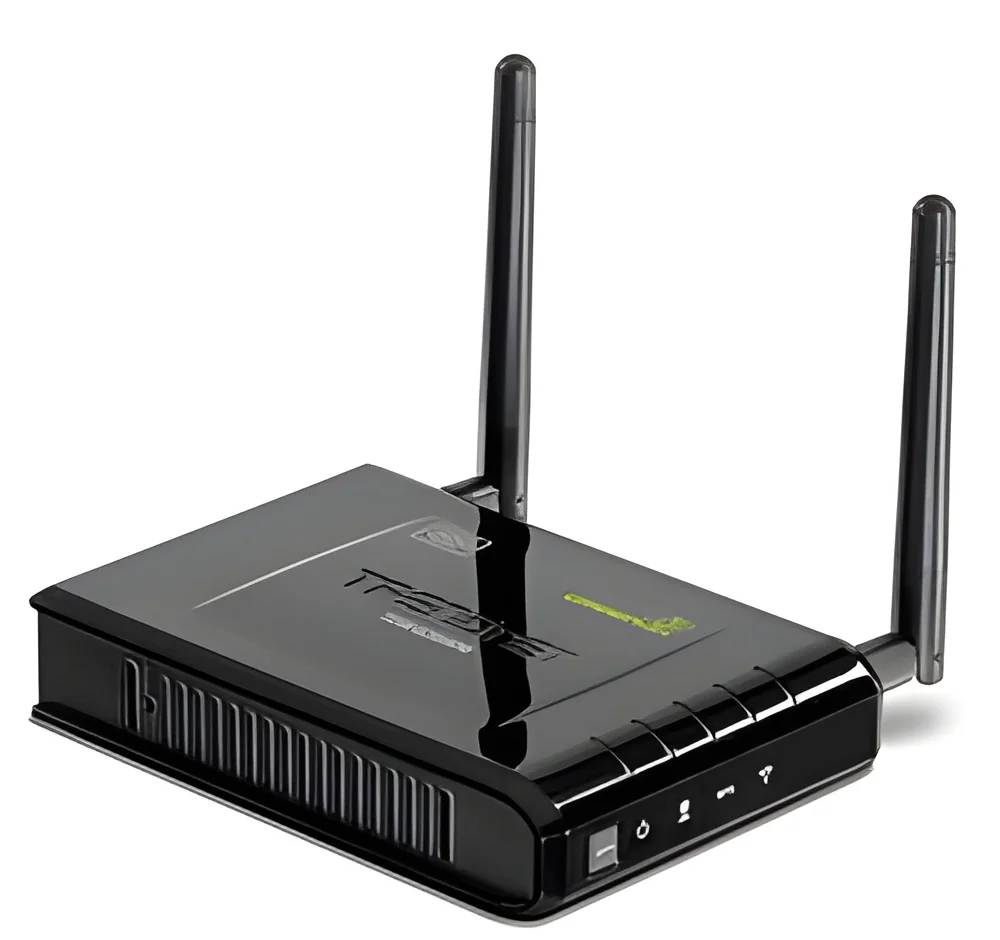
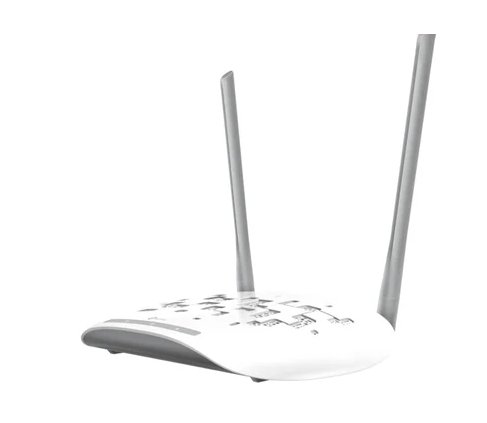
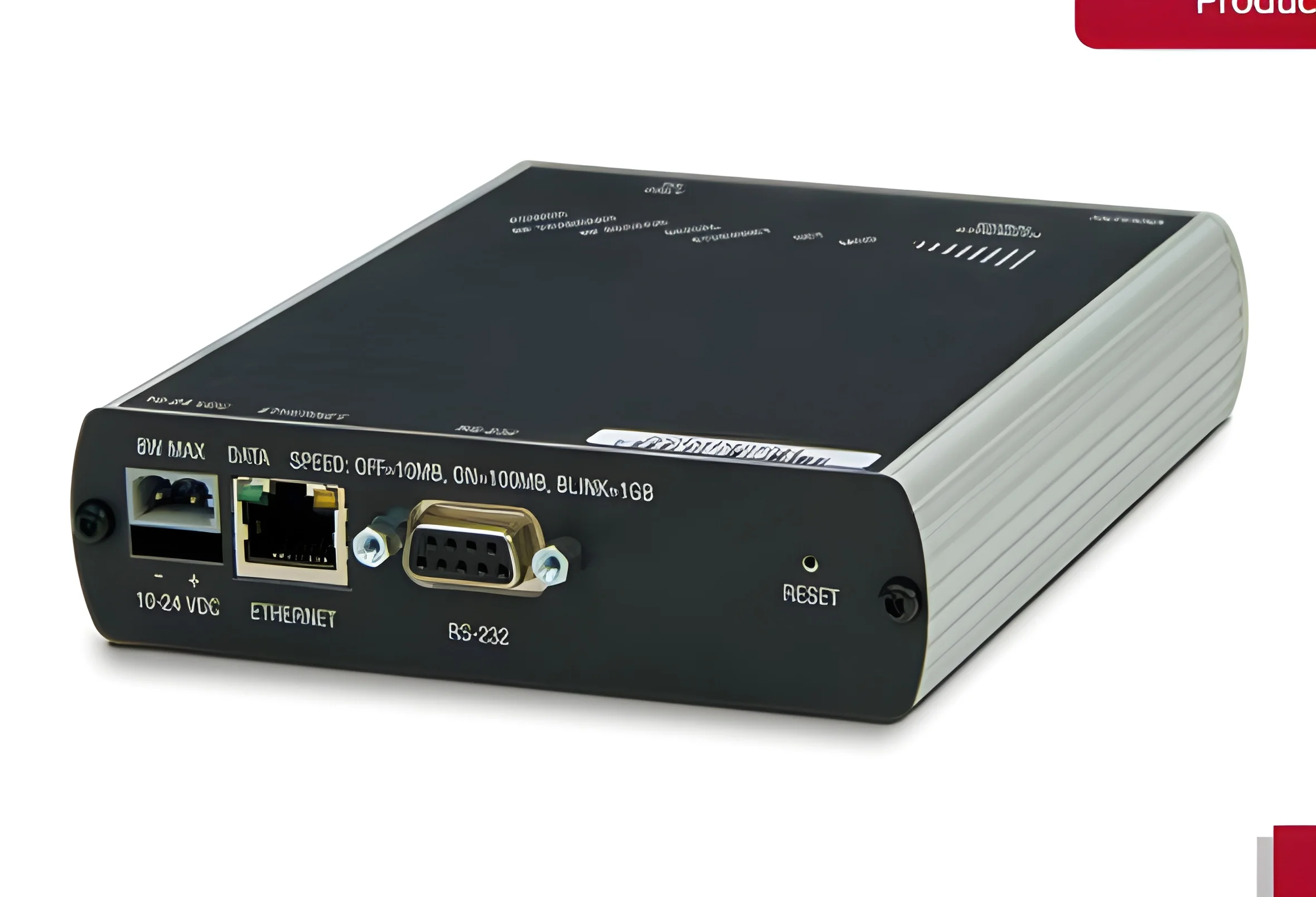
Wireless Access Points (WAPs) are networking devices that allow wireless devices to connect to a wired network. They serve as a bridge between the wired network infrastructure and wireless clients, enabling seamless communication. WAPs extend the range of a network, providing connectivity in areas where traditional wired connections may not reach. They play a crucial role in enhancing network performance and user experience.
Primarily, Wireless Access Points are used in various business environments, ranging from small offices to large enterprises. They support multiple devices, including laptops, smartphones, and tablets, allowing employees to access network resources from anywhere within the coverage area. WAPs are essential for businesses that require flexible and mobile connectivity solutions, making them integral to modern workplace designs.
In today’s digital landscape, the relevance of Wireless Access Points continues to grow. As organizations increasingly rely on cloud applications and remote work, the demand for reliable wireless connections has surged. The market for WAPs is expanding, driven by the need for high-speed internet access and the proliferation of Internet of Things (IoT) devices in various industries.
Key Features and Specifications
Wireless Access Points come equipped with various features and specifications designed to meet the needs of different business environments. Understanding these technical aspects is crucial for making informed purchasing decisions.
Key specifications include:
1. Frequency Bands
- Most WAPs operate on both 2.4 GHz and 5 GHz bands.
- This dual-band capability allows for better performance and reduced interference.
2. Wireless Standards
- Common standards include IEEE 802.11ac and IEEE 802.11ax (Wi-Fi 6).
- These standards determine the speed and efficiency of the wireless connection.
3. Maximum Throughput
- Throughput can vary, with some models supporting up to 10 Gbps.
- Higher throughput ensures faster data transfer rates for users.
4. Range Coverage
- Typical coverage ranges from 100 to 300 feet indoors.
- Outdoor models may extend this range significantly.
5. Power over Ethernet (PoE) Support
- Many WAPs support PoE, simplifying installation.
- This allows the device to receive power and data through a single Ethernet cable.
6. Security Protocols
- WAPs support various security protocols such as WPA3, ensuring secure connections.
- This is vital for protecting sensitive business data.
7. User Capacity
- Models vary in user capacity, accommodating anywhere from 20 to several hundred devices.
- This is essential for environments with high device density.
8. Management Features
- Many WAPs offer centralized management options.
- This simplifies monitoring and configuration across multiple devices.
In summary, the specifications of Wireless Access Points are critical for ensuring a robust and reliable network infrastructure in any business setting.
Common Applications and Use Cases
Wireless Access Points are versatile devices used across various industries to enhance connectivity and improve operational efficiency.
1. Education: In schools and universities, WAPs provide students and faculty with reliable internet access, supporting digital learning and administrative tasks.
2. Healthcare: Hospitals utilize WAPs to facilitate communication between medical staff and equipment, ensuring timely access to patient information.
3. Retail: Stores implement WAPs to enhance customer experience with free Wi-Fi, while also enabling point-of-sale systems to operate efficiently.
4. Manufacturing: WAPs support IoT devices on the factory floor, allowing for real-time monitoring and data collection to optimize production processes.
5. Hospitality: Hotels use WAPs to offer guests seamless internet access throughout the property, enhancing their overall stay experience.
6. Corporate Offices: Businesses deploy WAPs to enable mobile workforces, allowing employees to connect from various locations within the office.
7. Transportation: Airports and train stations implement WAPs to provide travelers with reliable connectivity, improving overall customer satisfaction.
Product Variants and Subcategories
Wireless Access Points come in various configurations to cater to different business needs.
Indoor Access Points
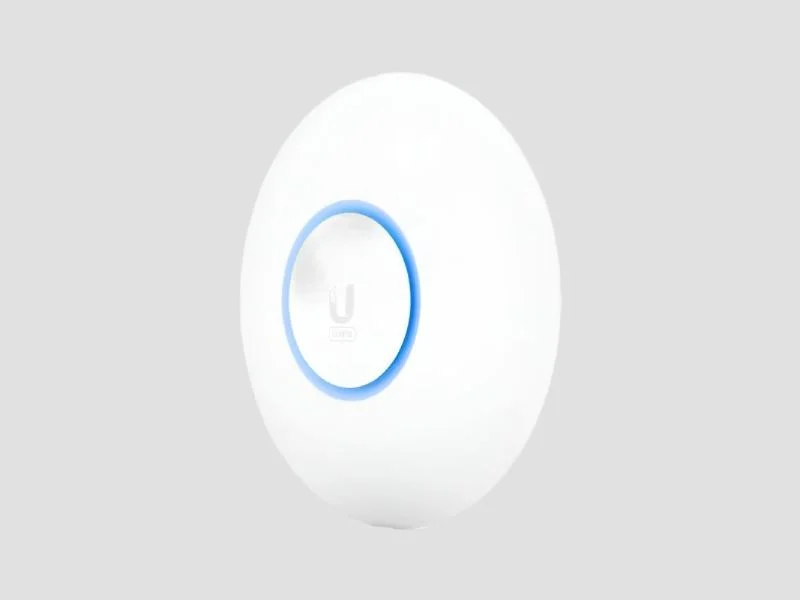
These models are designed for deployment within buildings, offering optimal performance in office spaces and educational institutions. They typically have a compact design and support high user density.
Outdoor Access Points
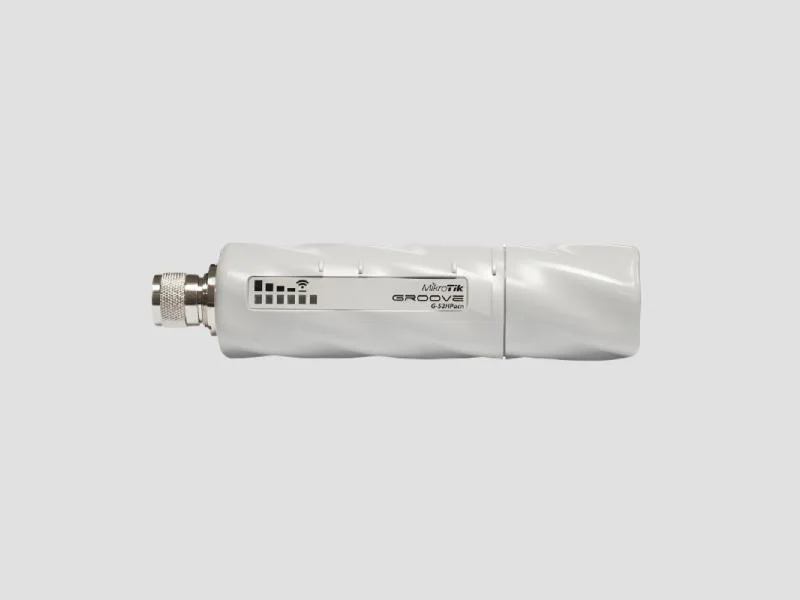
Outdoor WAPs are built to withstand environmental conditions and provide extended coverage for outdoor areas. They are ideal for public spaces, parks, and large event venues, ensuring seamless connectivity.
Wall-Mounted Access Points
These variants are specifically designed to be mounted on walls, providing discreet coverage in tight spaces. They are commonly used in retail environments where aesthetics matter.
Benefits and Advantages
Wireless Access Points offer numerous advantages that enhance business operations and improve connectivity.
1. Enhanced Mobility: WAPs allow employees to work from various locations within the office, promoting flexibility and productivity.
2. Increased Coverage: By extending the range of a network, WAPs ensure that all areas of a business are connected, eliminating dead zones.
3. Scalability: Businesses can easily add more WAPs to accommodate growth, providing a scalable solution for expanding networks.
4. Cost-Effective: WAPs reduce the need for extensive cabling, leading to lower installation costs and easier network management.
5. Improved Performance: With advanced technologies like Wi-Fi 6, WAPs offer faster speeds and better overall performance for users.
6. Enhanced Security: Modern WAPs come with advanced security features that help protect sensitive data from unauthorized access.
Buying Guide for B2B Buyers
When sourcing Wireless Access Points, it is essential to consider several critical factors to ensure the right choice for your business needs.
1. Quality Assessment: Evaluate the quality of WAPs based on performance metrics and user reviews. Look for products that meet industry standards for reliability.
2. Supplier Verification: Vet suppliers by checking their credentials, customer feedback, and previous projects to ensure they are reputable.
3. Pricing and MOQ: Analyze the price range of WAPs in the market and inquire about the minimum order quantities (MOQs) to make informed purchasing decisions.
4. Delivery and Lead Times: Discuss logistics with suppliers to understand delivery timelines and ensure timely installation.
5. Compliance Requirements: Ensure that the WAPs meet local and international compliance standards, including safety and performance certifications.
Compliance and Certifications
Wireless Access Points must adhere to various quality standards and certifications to ensure reliability and safety in their operation.
Relevant quality standards include ISO 9001, which ensures a consistent quality management system is in place. Compliance with quality standards reflects a company's commitment to delivering high-quality products.
Industry certifications like CE indicate that the WAPs meet European safety and health requirements. This certification is essential for products sold in the European market.
Safety and testing requirements ensure that WAPs are safe for use in commercial environments. Manufacturers must conduct thorough testing to meet these standards.
Regional compliance considerations may include specific regulations based on the country of operation. It is crucial for businesses to verify that their chosen WAPs comply with these local laws.
Why Source Wireless Access Points from Pepagora?
Pepagora provides a trusted platform for sourcing Wireless Access Points with several key advantages that streamline the purchasing process.
Verified Supplier Network: Pepagora has a robust network of verified suppliers, ensuring that buyers can find reputable manufacturers of Wireless Access Points. This verification process helps mitigate risks associated with sourcing.
Streamlined RFQ Process: The platform offers a simplified Request for Quotation (RFQ) system, allowing buyers to easily request multiple quotes from different suppliers. This efficient process saves time and helps businesses make competitive purchasing decisions.
Trade Assurance and Support: Pepagora ensures buyer protection through trade assurance policies, providing peace of mind when engaging with suppliers. This support helps buyers navigate any potential issues during the purchasing process.
Regional Coverage: With a strong presence in India, the GCC, and Southeast Asia, Pepagora offers geographic reach that ensures businesses can find suitable suppliers for their specific market needs. This regional focus enhances the sourcing experience for buyers in these areas.

 IN
IN

 India
India