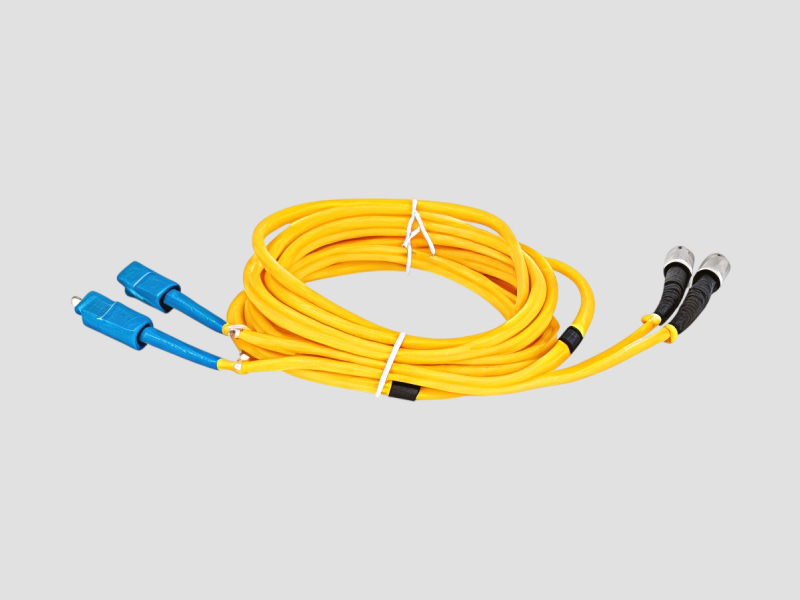
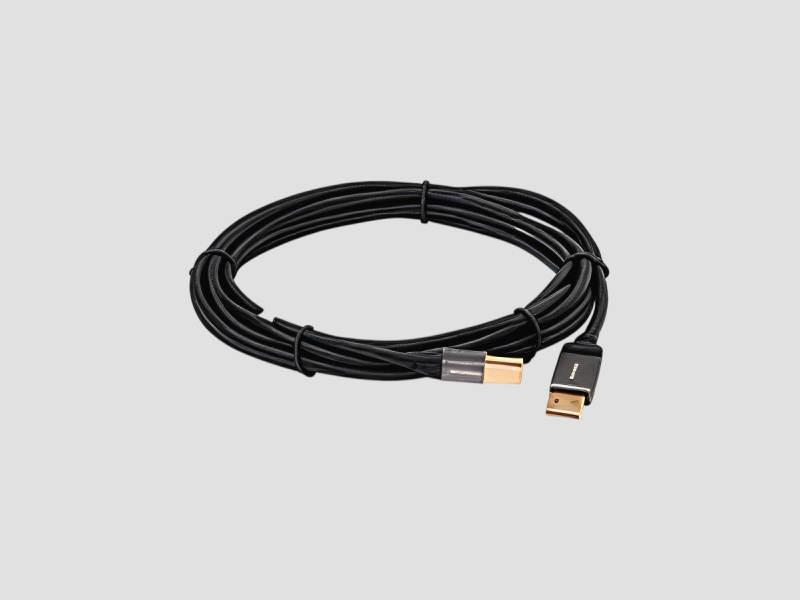
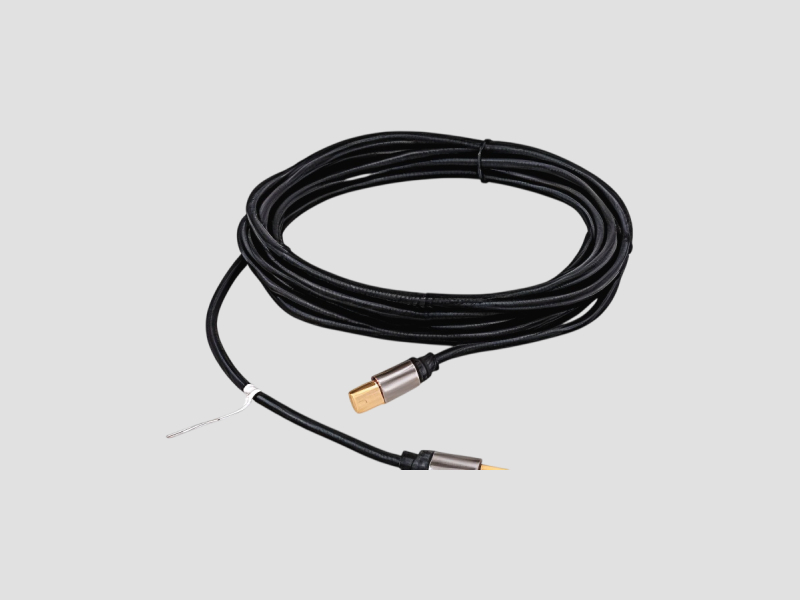
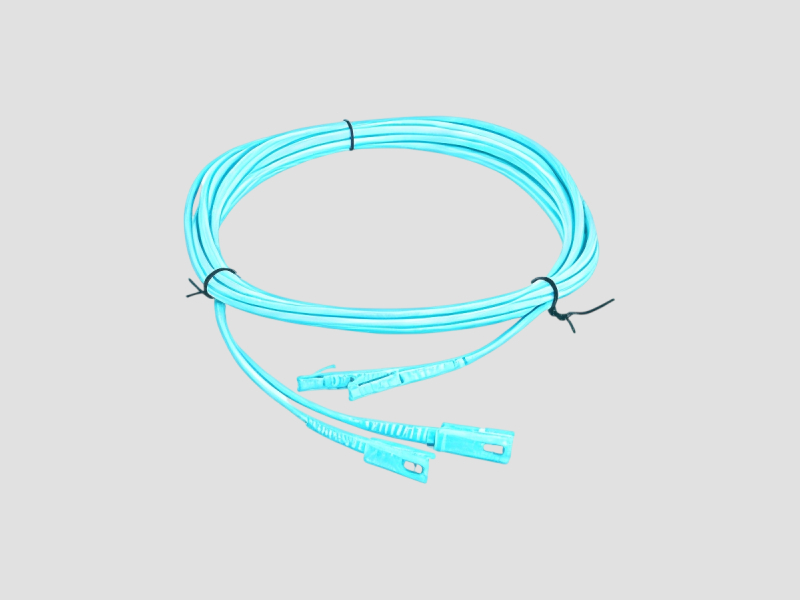
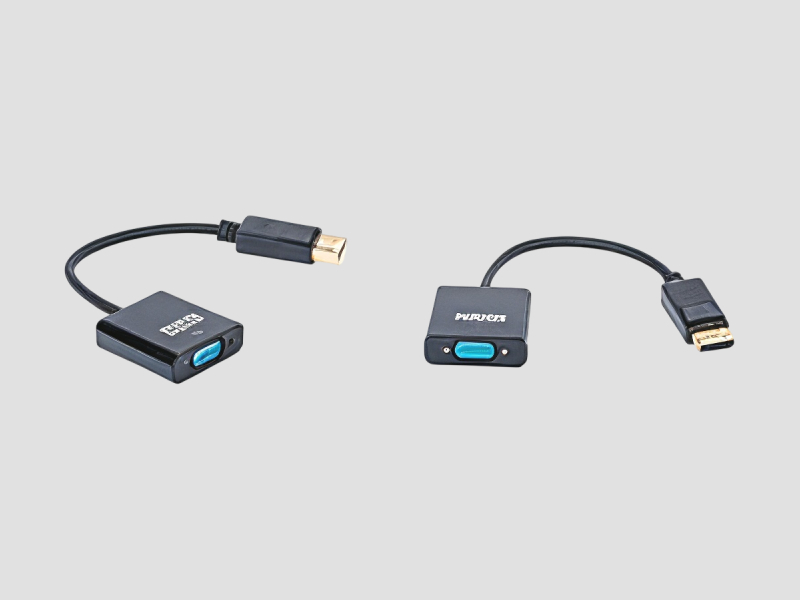
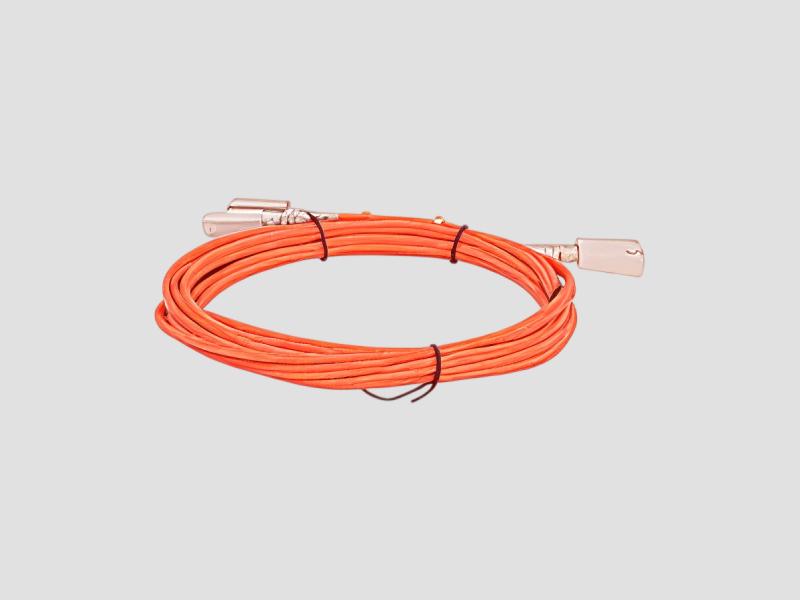
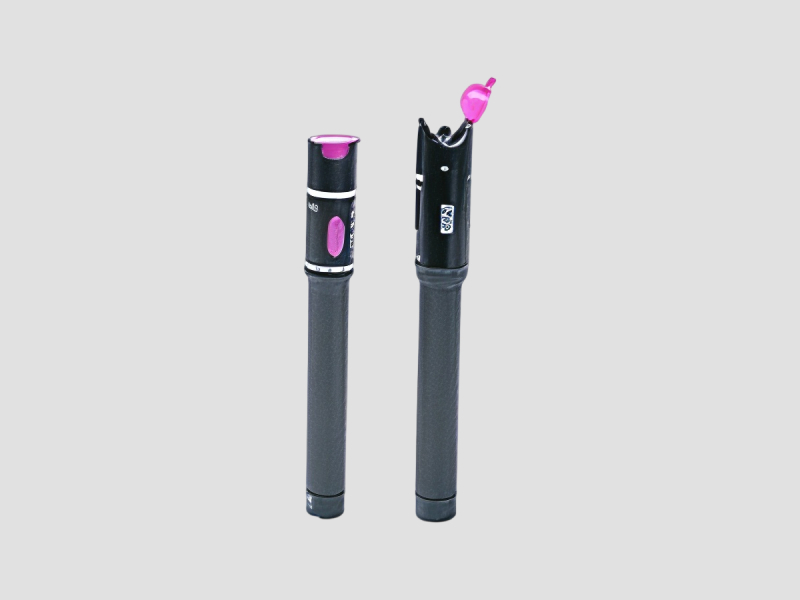
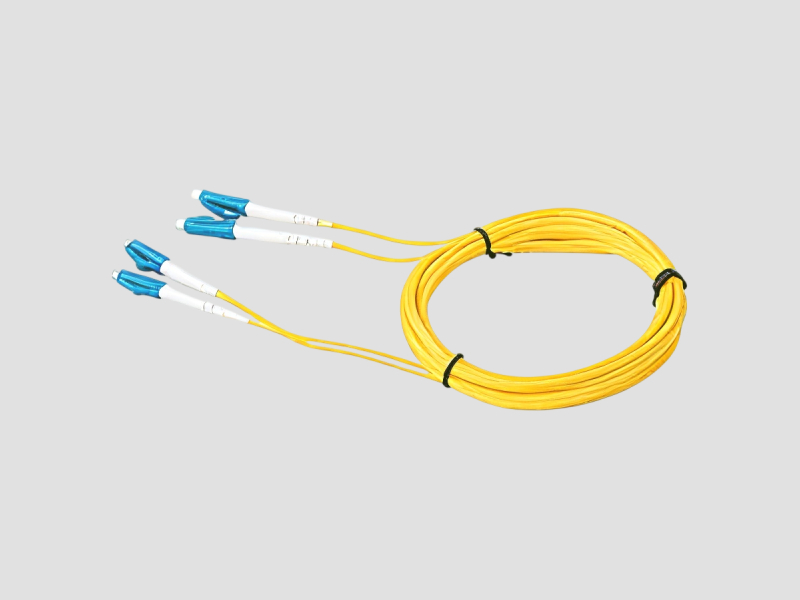
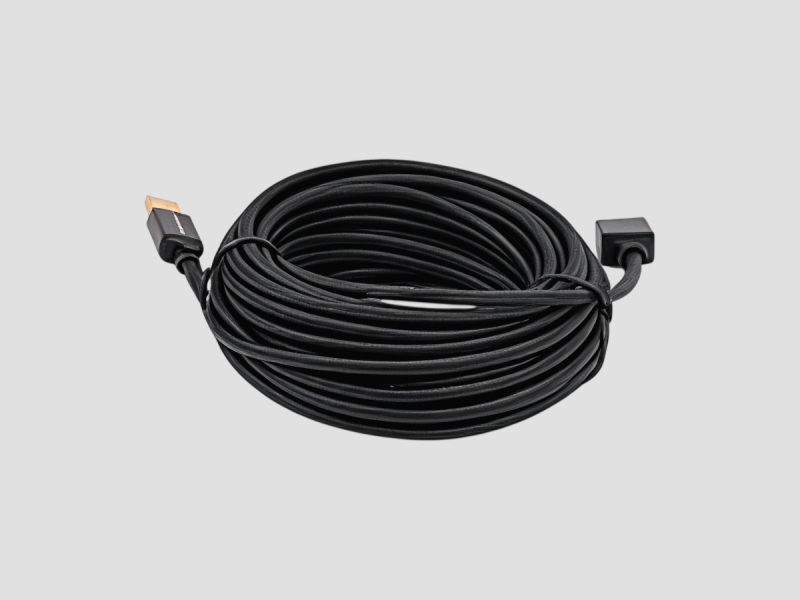
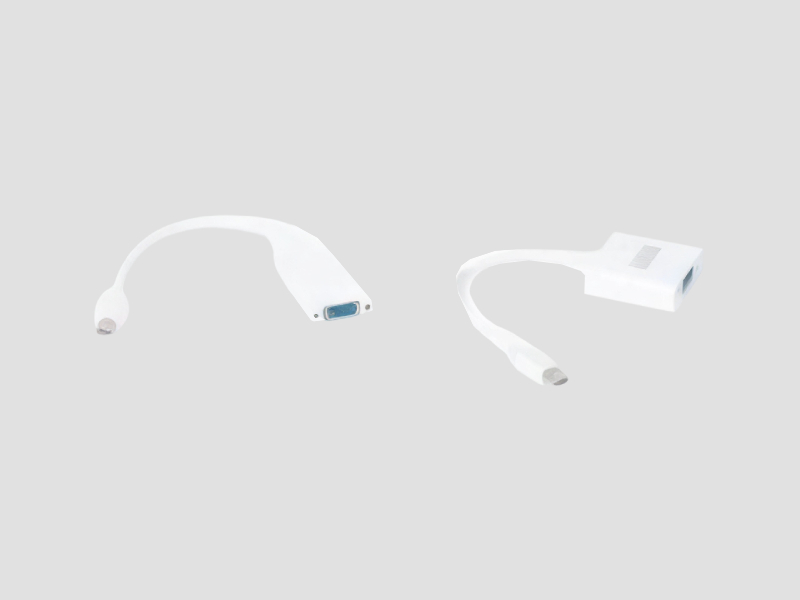
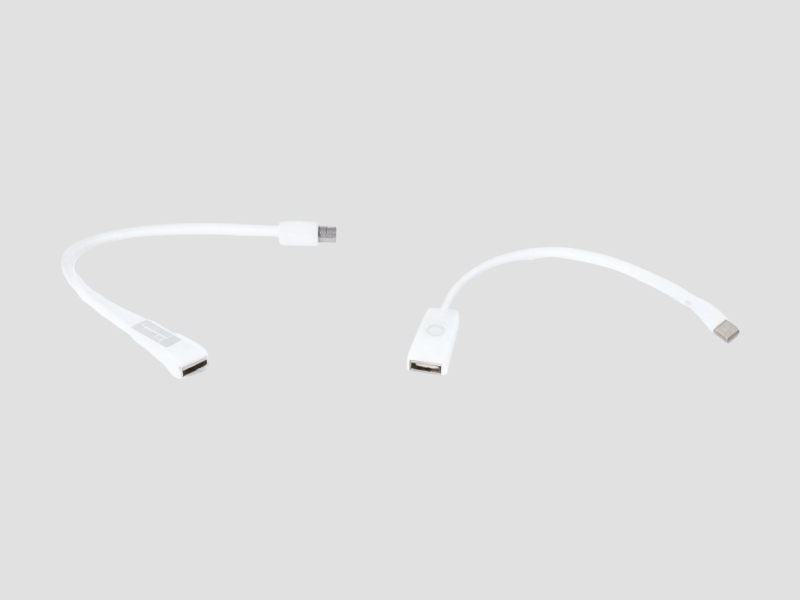
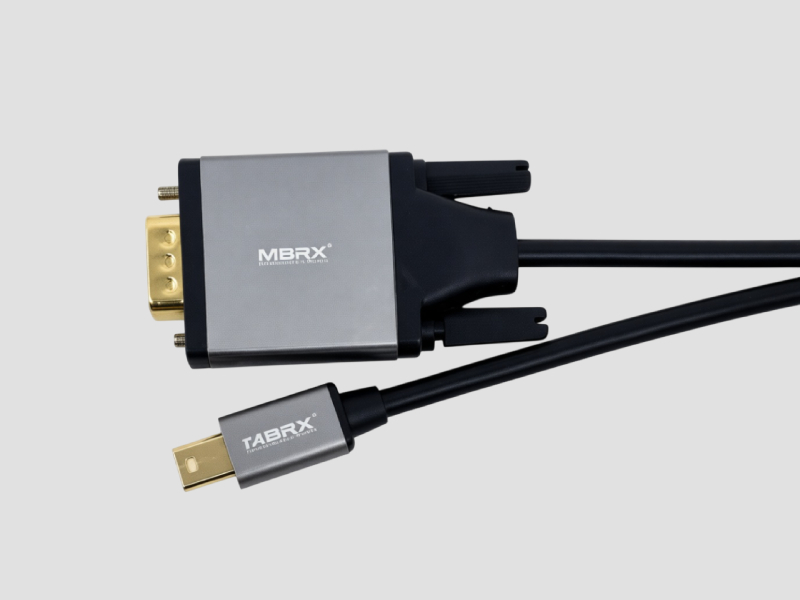
What are Other Networking Devices?
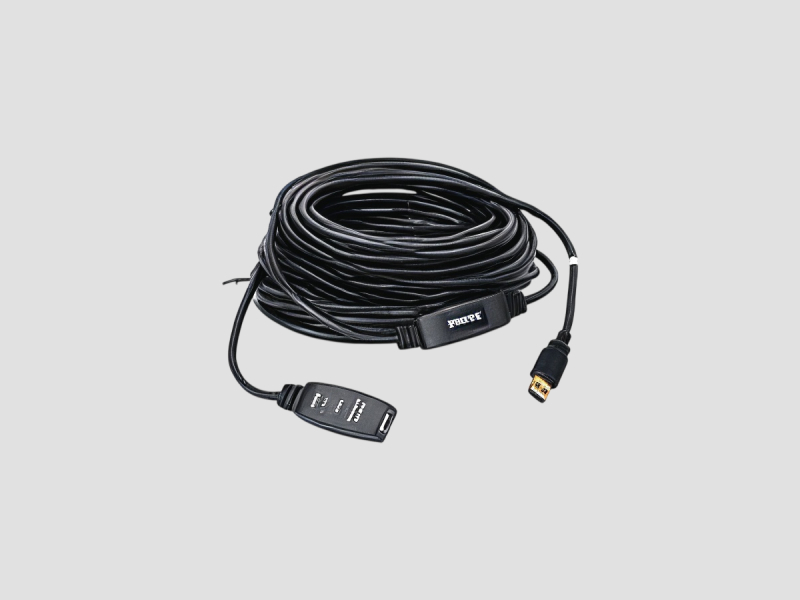
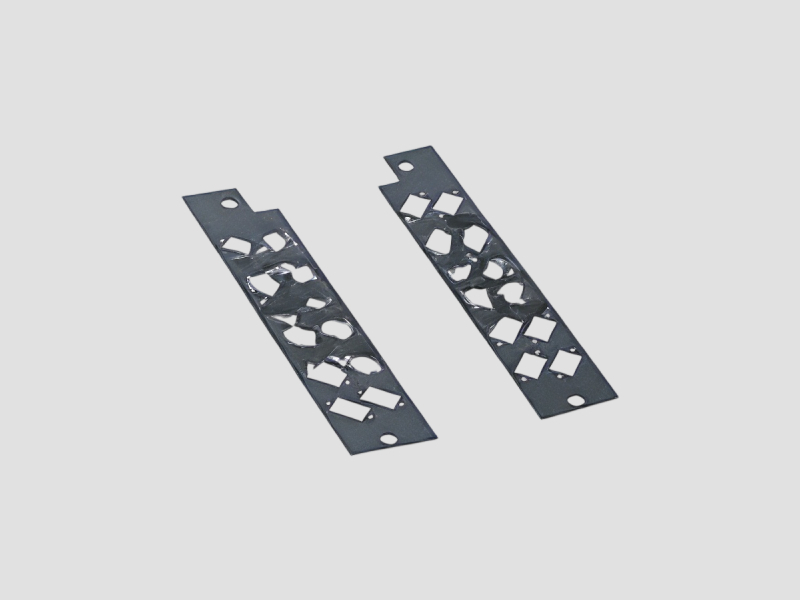
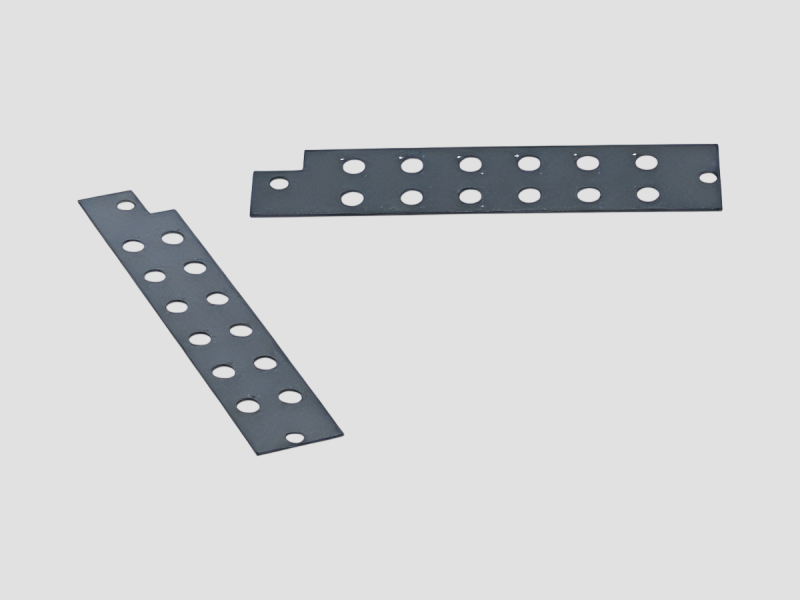
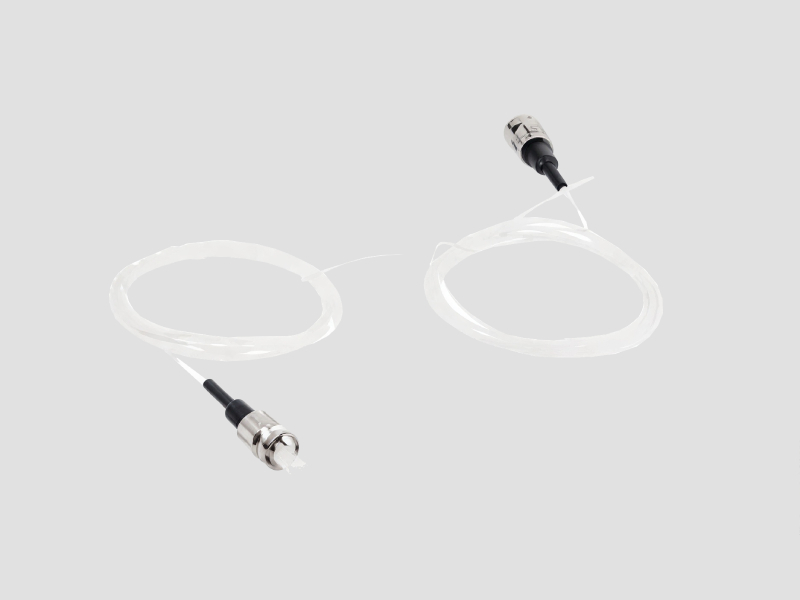
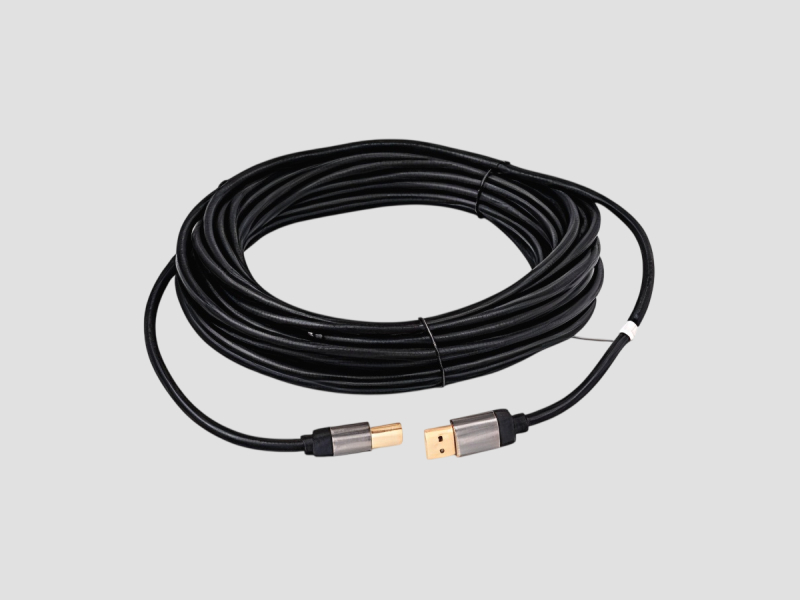
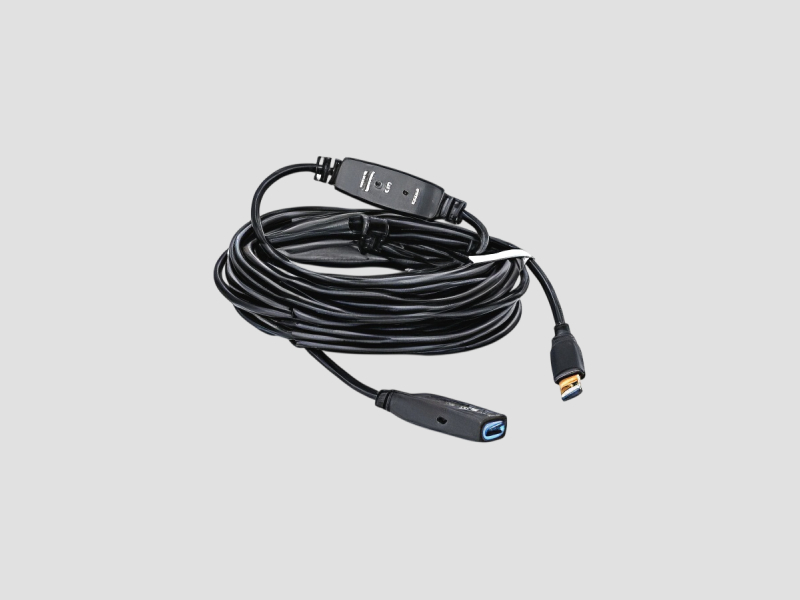
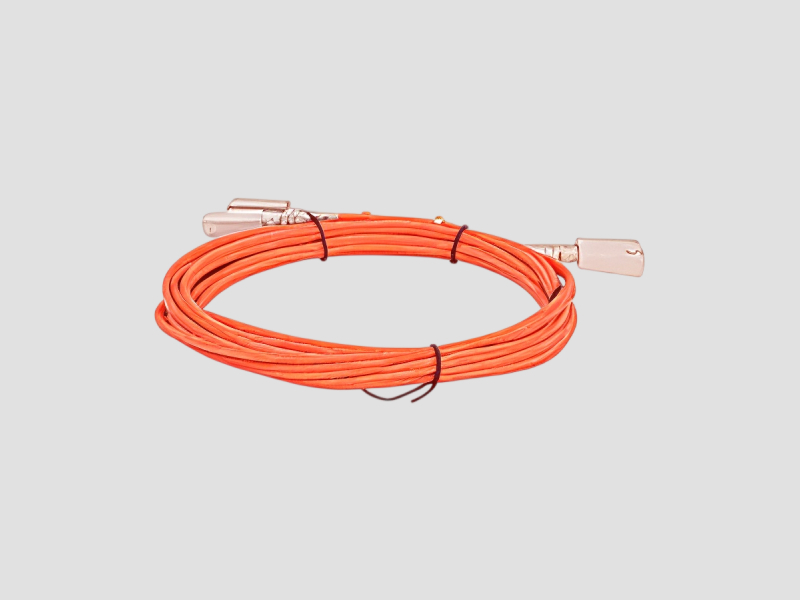
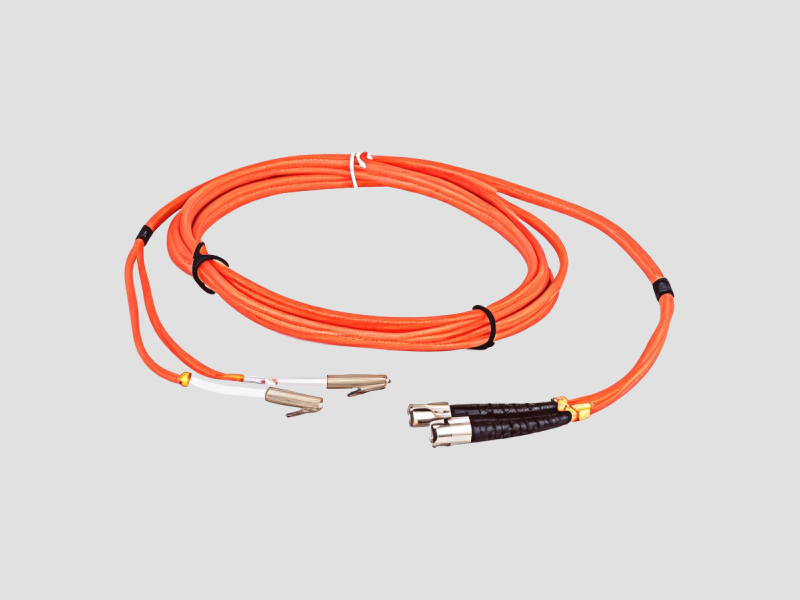
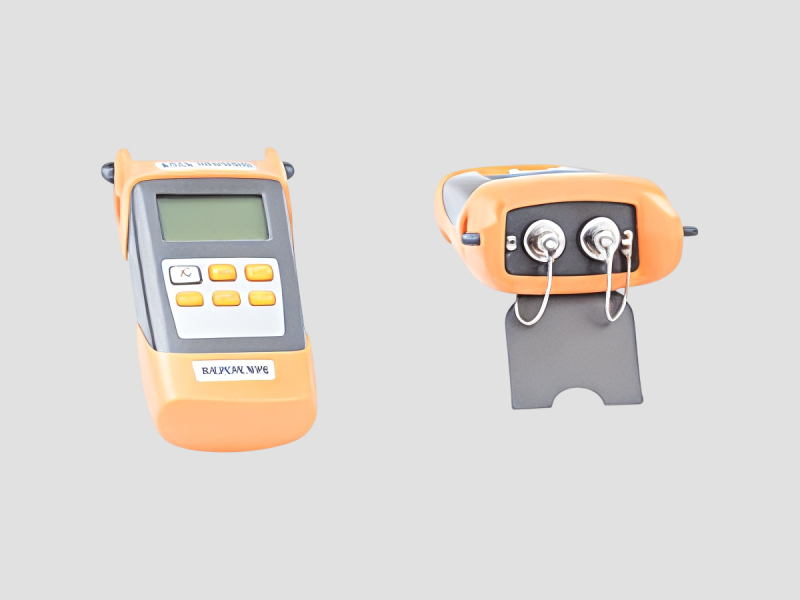
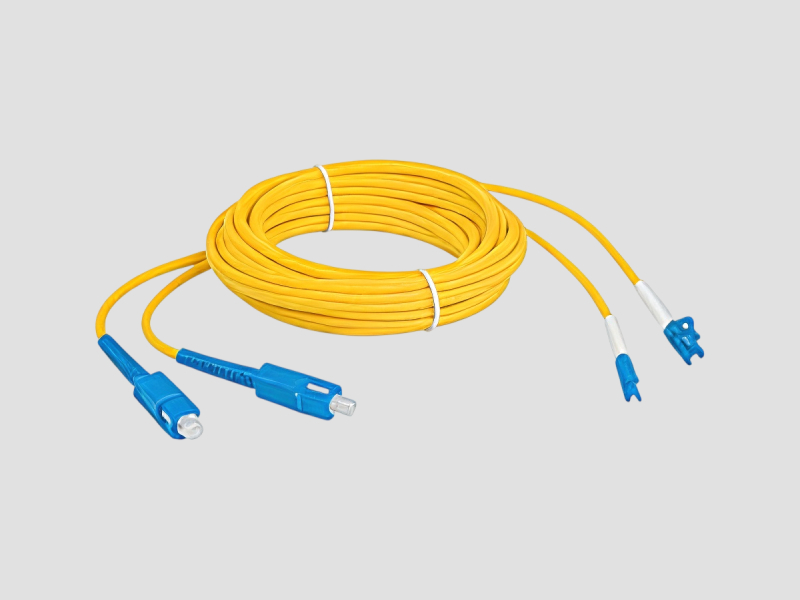
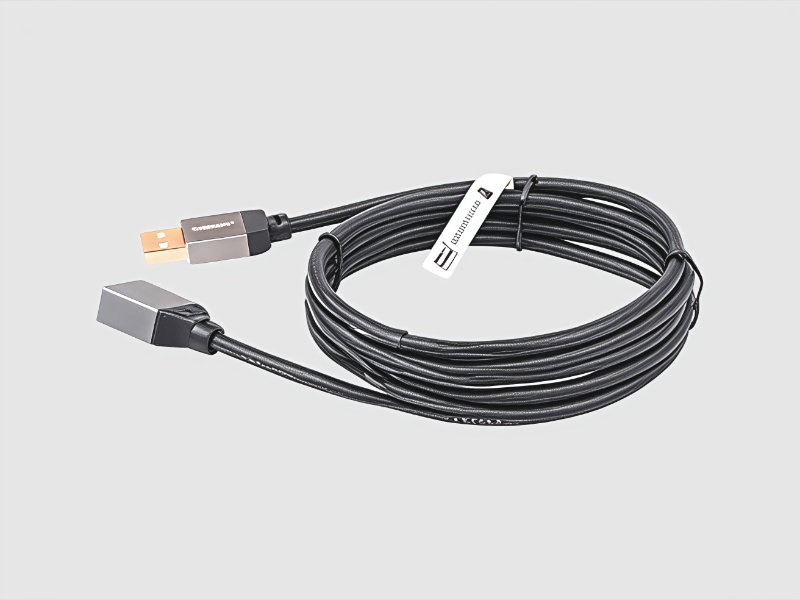
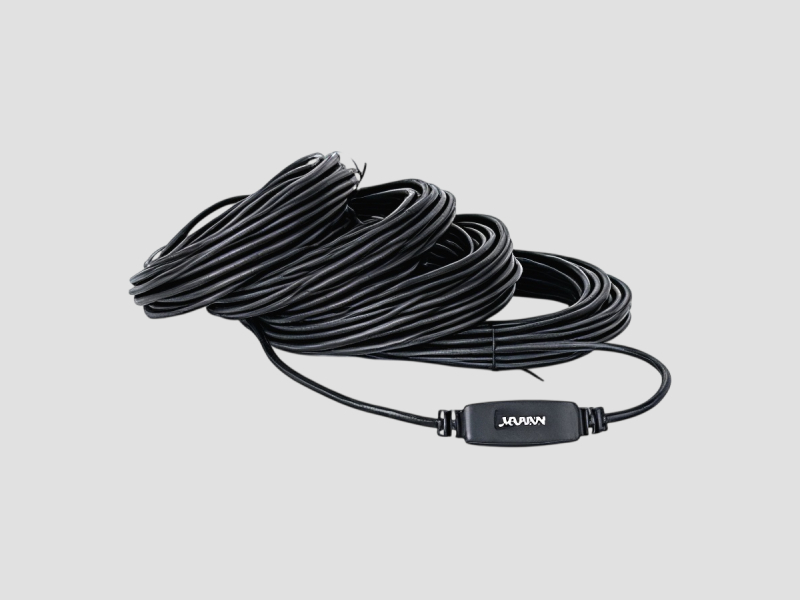
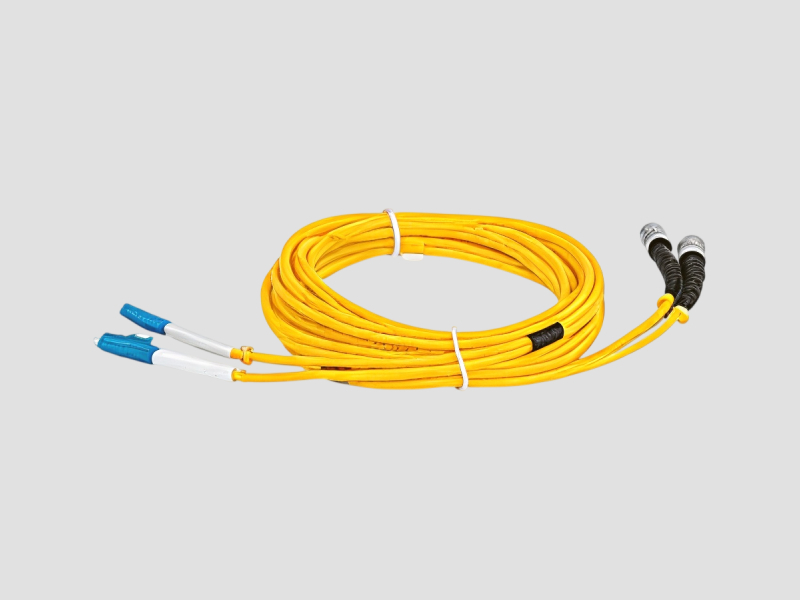
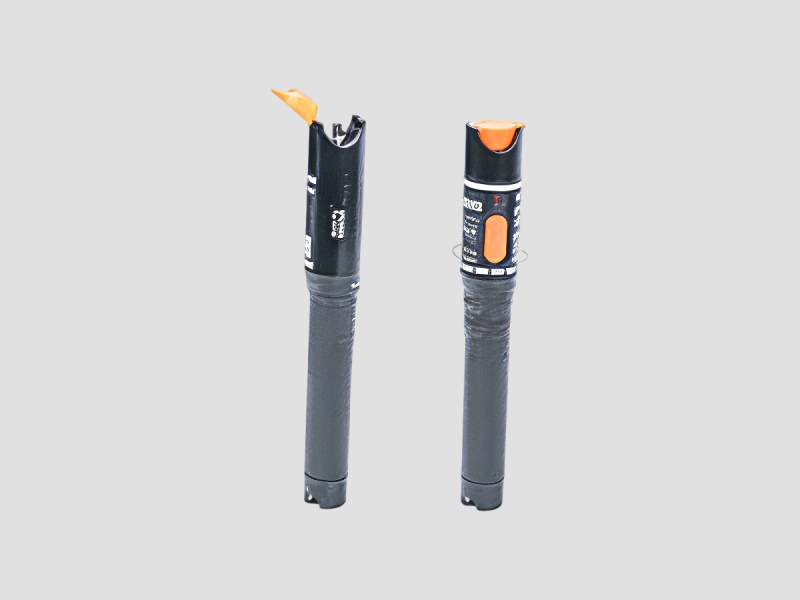
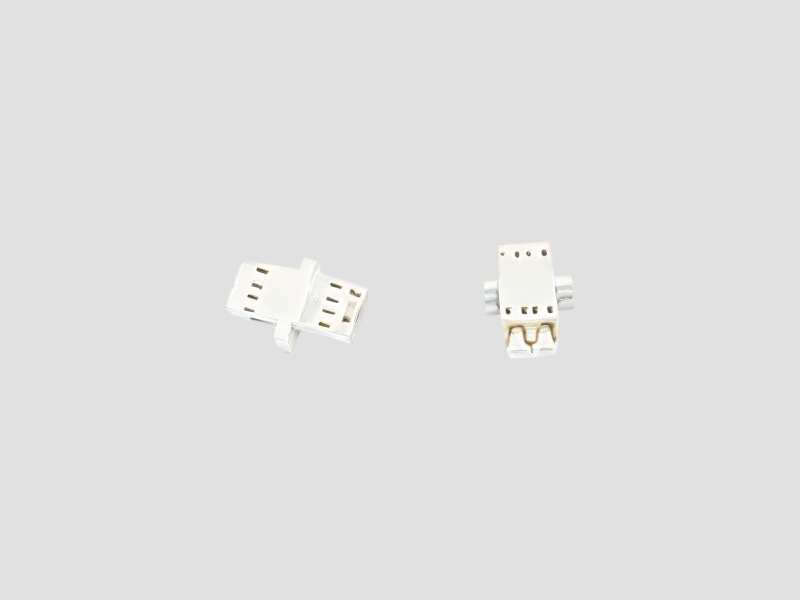
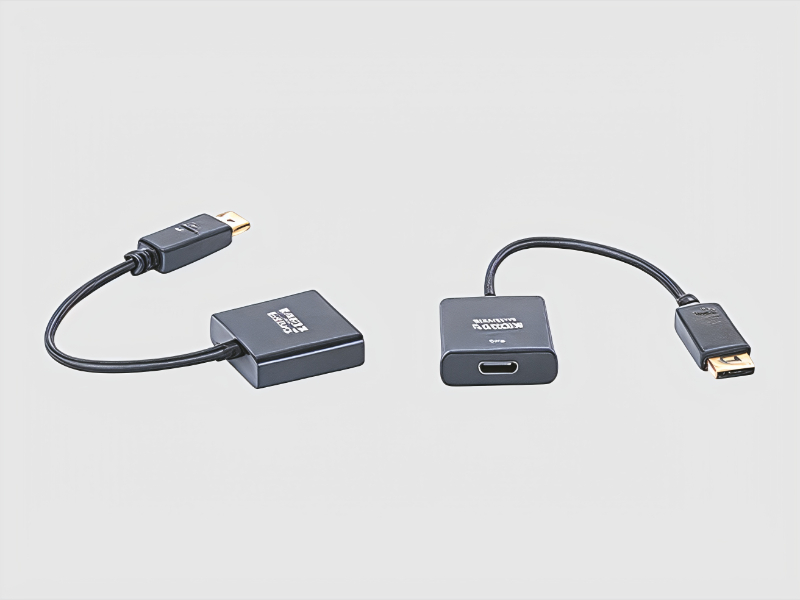
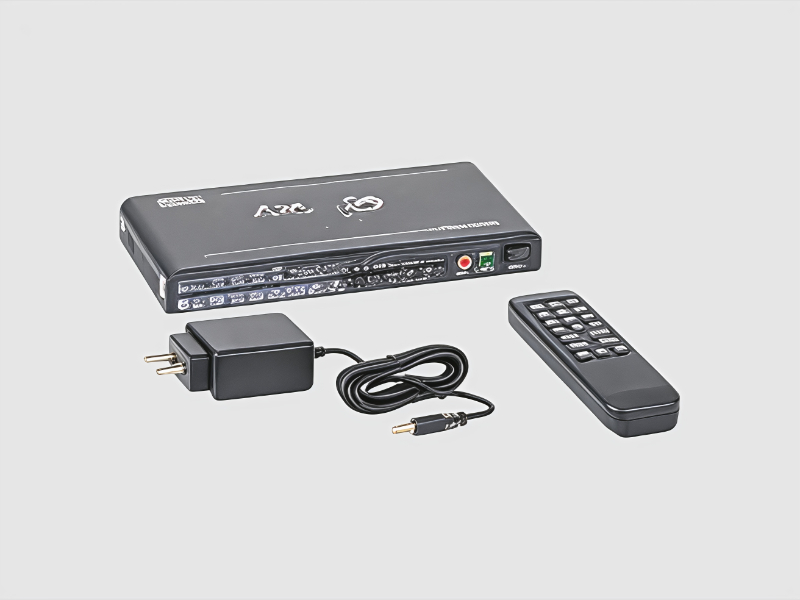
Other Networking Devices encompass a range of equipment that facilitates communication and data transfer within a network. These devices may include routers, switches, bridges, and gateways, among others. Unlike standard networking hardware that primarily serves a single function, Other Networking Devices provide additional capabilities that enhance network performance and flexibility. They are designed to address specific needs in both wired and wireless environments, ensuring seamless connectivity and efficient data management.
Businesses leverage Other Networking Devices for various applications, such as optimizing network traffic, improving security, and ensuring reliable connections in complex environments. These devices play a crucial role in creating robust network infrastructures that support multiple applications across various industries. The relevance of Other Networking Devices in today’s digital landscape cannot be overstated, as organizations increasingly rely on efficient networking solutions to facilitate communication, support remote work, and enable cloud-based services.
The market for Other Networking Devices is growing, driven by advancements in technology and the increasing demand for reliable networking solutions. As businesses seek to enhance their operational efficiency, the role of these devices in networking strategies becomes ever more critical.
Key Features and Specifications
Other Networking Devices come equipped with several features that optimize their performance and adaptability. Understanding these specifications can help businesses select the right device for their networking needs.
Key specifications include:
1. Connectivity Options
- Support for wired and wireless connections
- Compatibility with multiple network standards (e.g., Ethernet, Wi-Fi)
2. Data Transfer Rates
- High-speed data transfer capabilities
- Varying rates depending on the device type and specifications
3. Security Features
- Built-in firewalls and encryption protocols
- Support for Virtual Private Networks (VPNs)
4. User Capacity
- Maximum number of concurrent users supported
- Scalability options for growing businesses
5. Management Capabilities
- Remote management and monitoring functions
- User-friendly interfaces for configuration
6. Power over Ethernet (PoE) Support
- Ability to deliver power along with data over Ethernet cables
- Simplifies installation and reduces cable clutter
7. Warranty and Support
- Manufacturer warranties and service agreements
- Technical support options for troubleshooting
In summary, understanding the key features and specifications of Other Networking Devices is essential for businesses looking to enhance their networking capabilities.
Common Applications and Use Cases
Other Networking Devices find use across various industries, each benefiting from their unique features and capabilities.
1. Healthcare: These devices support secure communication between medical equipment and data management systems, ensuring patient data is handled efficiently and securely.
2. Education: Networking devices facilitate online learning by providing reliable internet access and connectivity in classrooms and campuses.
3. Manufacturing: Devices optimize communication between machines and control systems, improving operational efficiency and monitoring in real-time.
4. Retail: Other Networking Devices enable secure transactions and data management in point-of-sale systems, enhancing customer service and inventory management.
5. Transportation: These devices support tracking and communication systems for vehicles, optimizing logistics and fleet management.
6. Hospitality: Networking devices provide guests with reliable internet access and connectivity for various services, enhancing the overall customer experience.
7. Financial Services: They ensure secure transactions and data protection in banking systems, maintaining compliance with industry regulations.
Product Variants and Subcategories
The diversity of Other Networking Devices allows businesses to choose solutions tailored to their specific needs.
Router
A router connects different networks and directs data packets between them. It often includes advanced features such as firewall protection and traffic management capabilities.
Switch
A switch connects devices within the same network, allowing for efficient data transfer. It can support multiple connections and is essential for local area networks.
Gateway
A gateway acts as a bridge between two different networks, translating data formats and protocols for seamless communication. This is particularly useful in integrating legacy systems with modern networks.
Access Point
An access point extends a wired network by adding wireless capabilities, allowing devices to connect without physical cables. This is crucial for creating flexible working environments.
Benefits and Advantages
Utilizing Other Networking Devices offers several advantages for businesses striving to optimize their network performance.
1. Enhanced Connectivity: These devices provide reliable connections, ensuring minimal downtime and improved productivity.
2. Improved Security: With built-in security features, Other Networking Devices help protect sensitive data from unauthorized access and cyber threats.
3. Scalability: Businesses can easily expand their networking capabilities by integrating additional devices as their needs grow.
4. Cost Efficiency: By improving network performance, these devices can help reduce operational costs associated with downtime and inefficiencies.
5. Centralized Management: Many devices offer user-friendly interfaces for easy management and monitoring, simplifying network administration.
6. Future-Ready Solutions: Investing in advanced networking devices prepares businesses for future technology integrations and advancements.
Buying Guide for B2B Buyers
When sourcing Other Networking Devices, several factors should be considered to ensure the best possible investment.
1. Quality Assessment: Evaluate the quality of devices by reviewing manufacturer standards and the reputation of the brand. Look for devices that meet industry benchmarks.
2. Supplier Verification: Vet potential suppliers by checking their certifications, reviews, and track records to ensure reliability and trustworthiness.
3. Pricing and MOQ: Compare pricing structures across suppliers while considering the minimum order quantity (MOQ) requirements. Balance budget constraints with quality expectations.
4. Delivery and Lead Times: Understand the logistics involved, including delivery times and availability of stock, to avoid disruptions in network planning.
5. Compliance Requirements: Ensure that the devices meet relevant regulatory standards and certifications, such as CE compliance, to avoid legal issues and ensure quality.
Compliance and Certifications
Compliance with quality standards and certifications is crucial for Other Networking Devices. These standards ensure that devices function effectively and safely within their intended applications.
Relevant quality standards include ISO 9001, which outlines a framework for quality management systems, ensuring consistent quality in manufacturing processes. Businesses should also consider industry-specific certifications like CE, which indicates compliance with safety and health regulations within the European market.
Safety and testing requirements may vary by region, but adherence to these standards is essential for ensuring device reliability. Regional compliance considerations, such as environmental regulations and data protection laws, also play a critical role in the selection and use of networking devices.
Why Source Other Networking Devices from Pepagora?
Pepagora offers a trusted platform for sourcing Other Networking Devices, providing businesses with a range of advantages.
Verified Supplier Network: Pepagora maintains a network of verified suppliers, ensuring that businesses can access high-quality products from trustworthy sources. This verification process helps mitigate risks associated with supplier reliability.
Streamlined RFQ Process: The platform simplifies the request for quotation (RFQ) process, allowing buyers to request and receive quotes efficiently. This streamlined procedure saves time and enhances decision-making.
Trade Assurance and Support: Pepagora provides trade assurance measures that protect buyers throughout the purchasing process. This includes support for any issues that may arise, ensuring a smooth transaction experience.
Regional Coverage: With a strong presence in India, GCC, and Southeast Asia, Pepagora connects businesses to a wide range of suppliers and products, facilitating access to the best networking solutions in diverse markets.

 IN
IN