What are Hub?
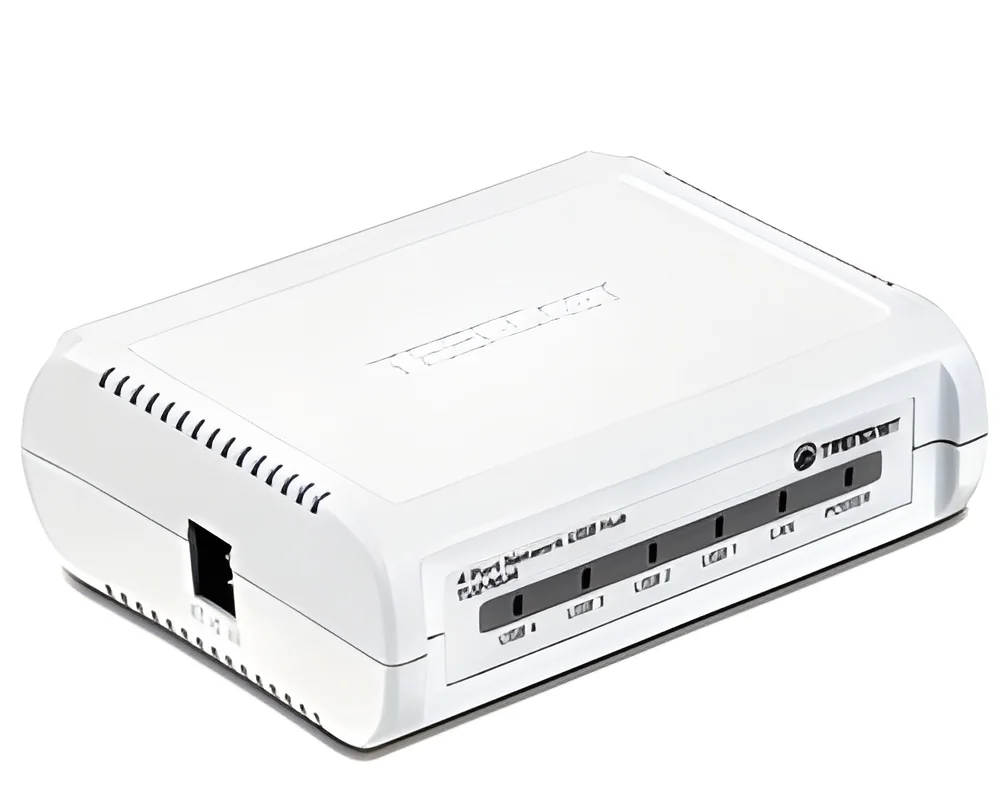
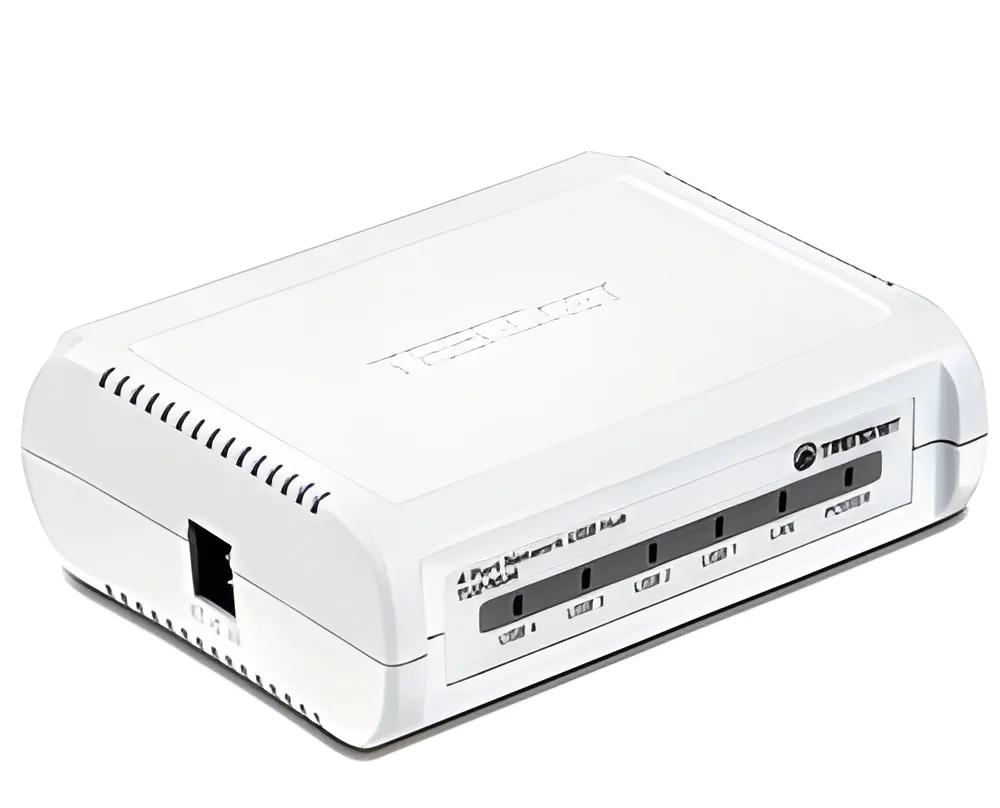
Hub is a centralized device that connects multiple components of a system, allowing them to communicate and operate seamlessly. It serves as a point of convergence for various inputs and outputs, facilitating efficient data transmission and control. Hubs are widely utilized in industrial environments where multiple machines or devices need to be interconnected for optimal performance and data management.
The primary applications of hubs span diverse sectors, including manufacturing, logistics, and telecommunications. In these industries, hubs enable the integration of various systems, such as sensors, controllers, and data processors, ensuring that all components work in unison. This interconnectedness enhances operational efficiency, reduces downtime, and improves overall productivity.
In terms of industry relevance, hubs play a crucial role in the ongoing digital transformation across sectors. As businesses increasingly adopt smart technologies and IoT solutions, the demand for reliable and efficient hubs continues to grow. The ability to centralize and manage data effectively is essential for organizations looking to optimize their processes and remain competitive in their respective markets.
Key Features and Specifications
Hubs are designed with several key features that enhance their functionality and effectiveness in various applications. Understanding these specifications is essential for selecting the right hub for your business needs.
Key specifications include:
1. Communication Protocols
- Supports various communication standards such as Ethernet, USB, and wireless protocols.
- Ensures compatibility with a wide range of devices.
2. Port Availability
- Number of ports can vary, allowing connection of multiple devices.
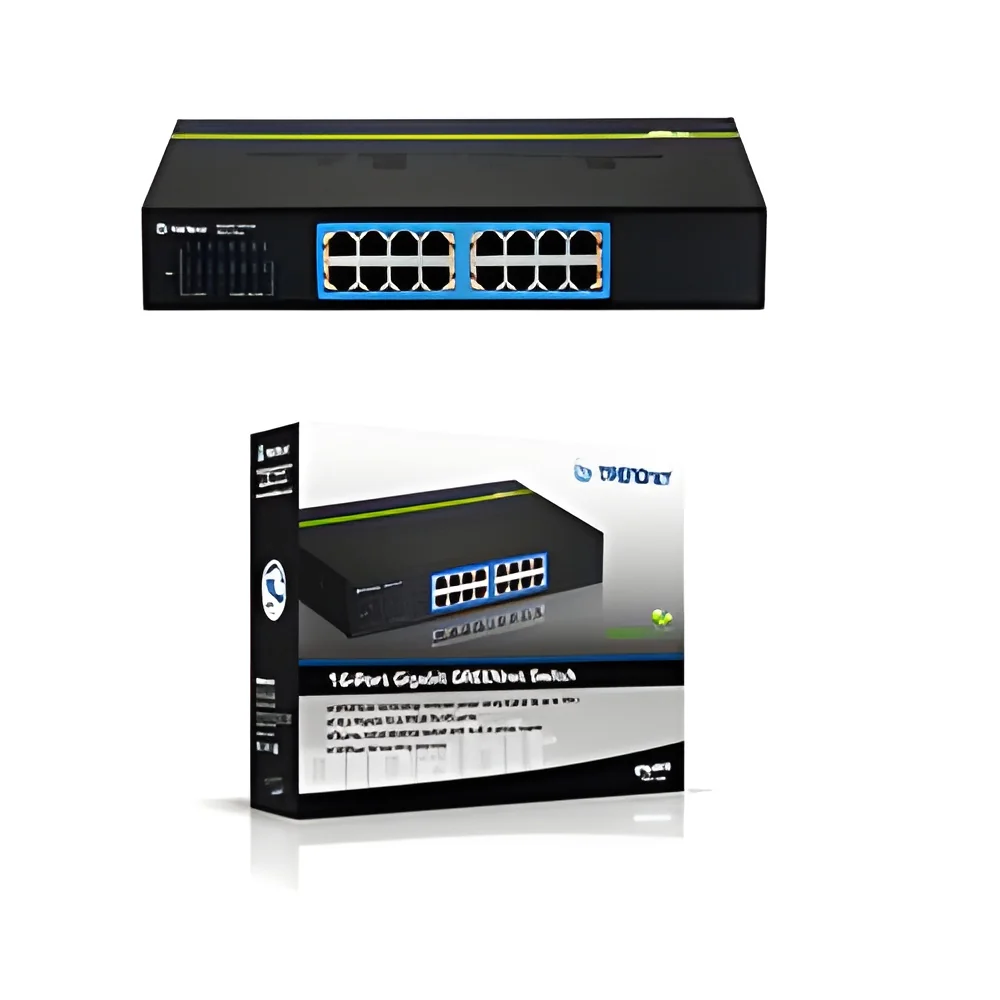
- Typical configurations include 4, 8, or 16 ports.
3. Data Transfer Rate
- Varies depending on the model, with common rates ranging from 10 Mbps to 1 Gbps.
- Higher rates improve data transmission speed and efficiency.
4. Power Supply Options
- Can operate on AC or DC power.
- Some models offer Power over Ethernet (PoE) for convenience.
5. Form Factor
- Available in different sizes and designs, including rack-mounted and desktop versions.
- Selection depends on space and installation requirements.
6. Durability and Build Quality
- Constructed from robust materials to withstand industrial environments.
- Designed for long-term use with minimal maintenance.
In summary, selecting a hub involves considering various features and specifications that align with your operational needs and the devices you intend to connect.
Common Applications and Use Cases
Hubs are versatile devices that find applications across several industries, enhancing connectivity and operational efficiency.
1. Manufacturing: Hubs connect machinery, sensors, and monitoring systems, enabling real-time data exchange and process automation.
2. Logistics: In warehouse management, hubs integrate inventory tracking systems, optimizing supply chain operations and improving accuracy.
3. Telecommunications: Hubs serve as central points for managing network traffic, allowing seamless communication between devices and systems.
4. Healthcare: Hubs connect medical devices and data management systems, facilitating efficient patient monitoring and record-keeping.
5. Smart Buildings: Hubs integrate various building systems such as lighting, HVAC, and security for enhanced energy management and safety.
Product Variants and Subcategories
The market for hubs offers a range of products tailored to specific needs and applications. Each variant comes with distinctive features designed to meet varying requirements.
Variant 1: Industrial Hub
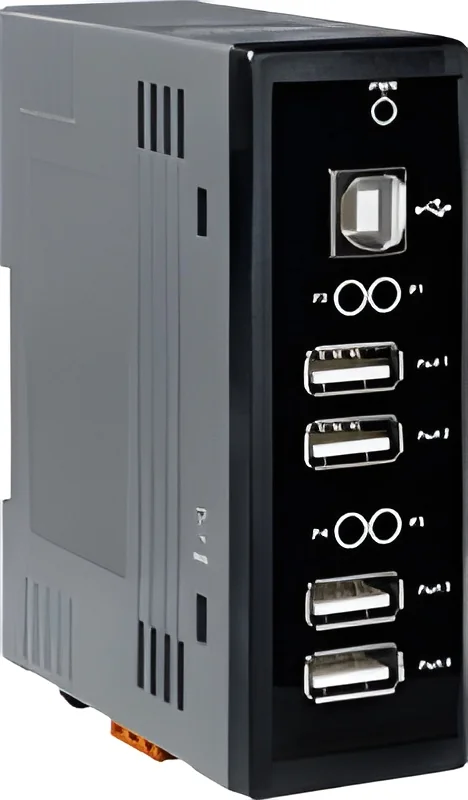
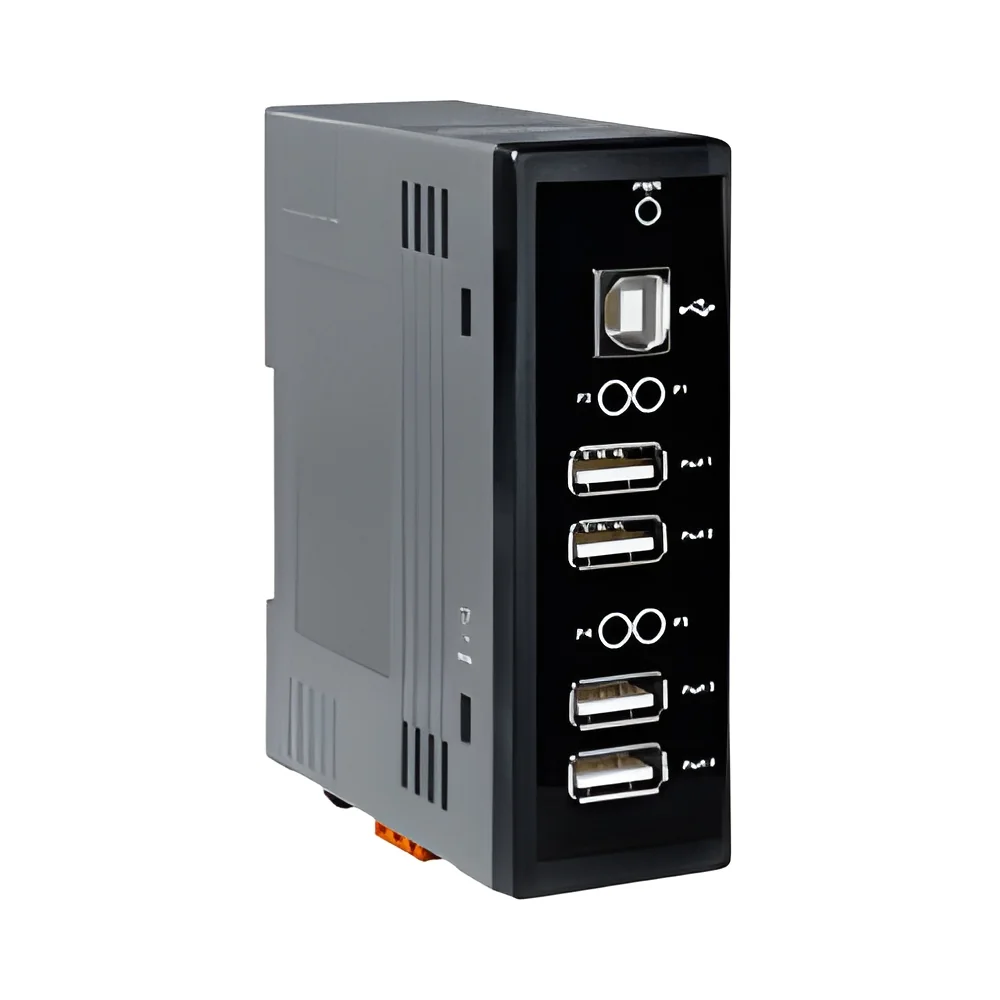
Industrial hubs are designed to withstand harsh environments and provide high connectivity for factory machines. They often support multiple communication protocols to ensure compatibility with various equipment.
Variant 2: Network Hub
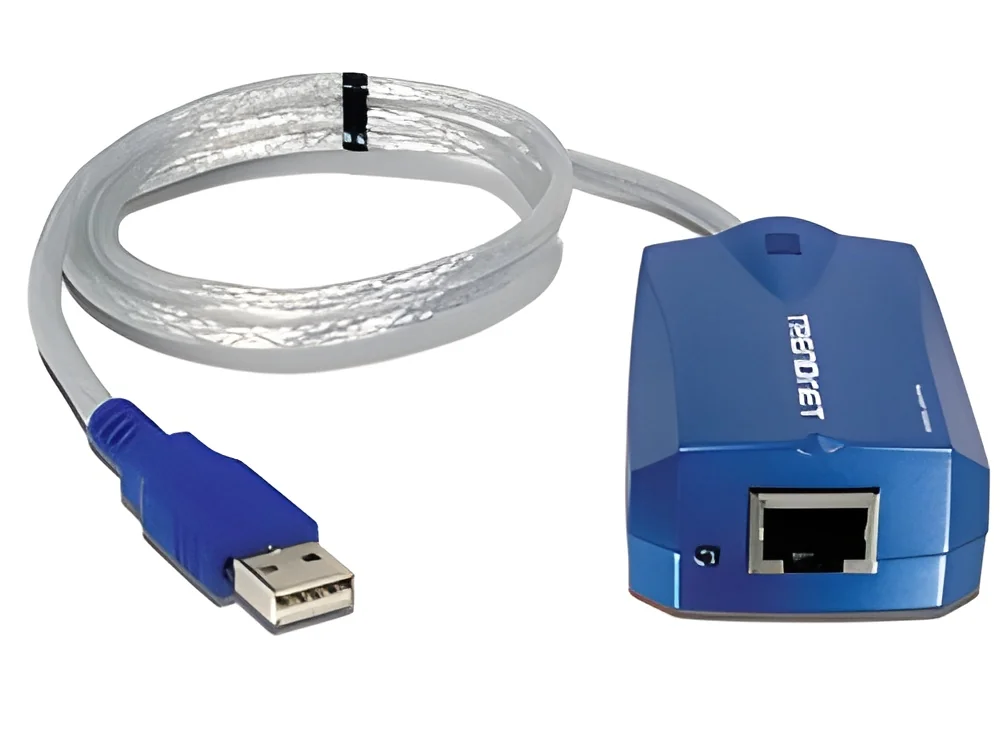
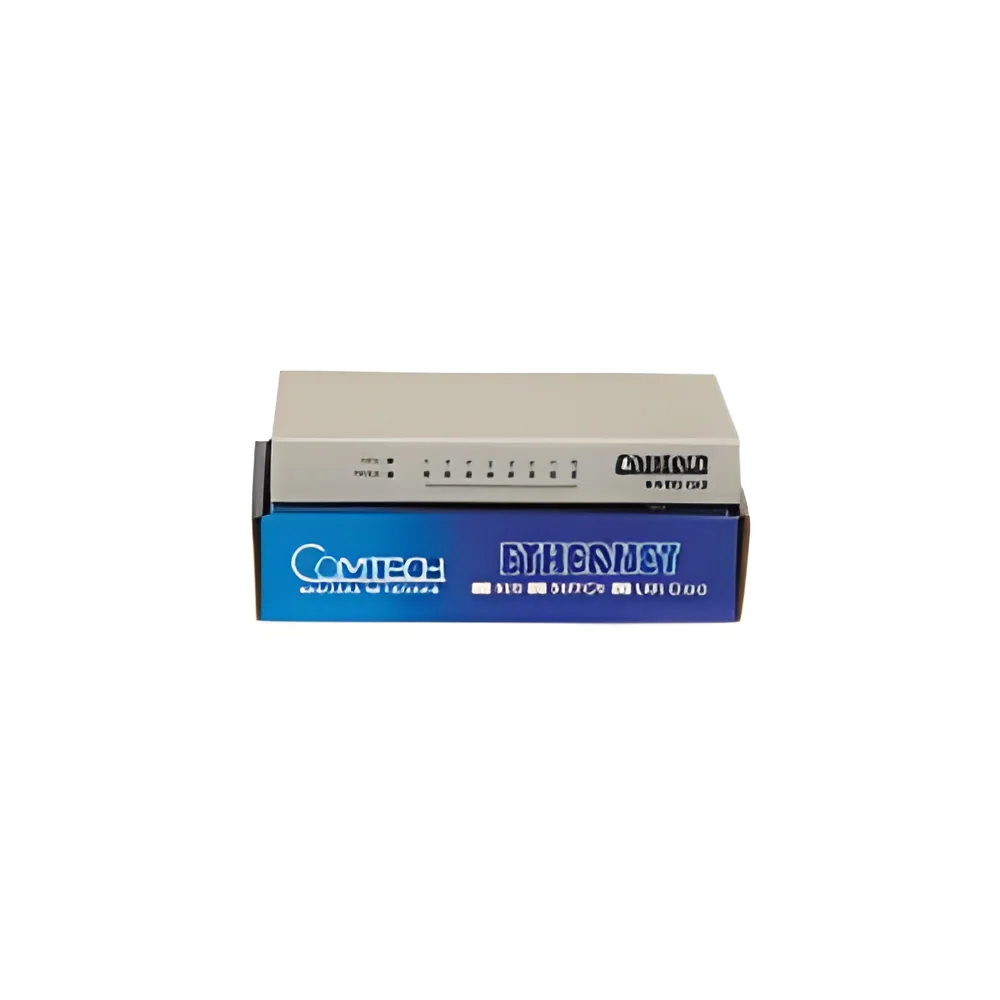
Network hubs are primarily used in IT environments to connect computers and network devices. They focus on data transfer efficiency and often feature higher data rates.
Variant 3: USB Hub
USB hubs expand the number of USB ports available, allowing users to connect multiple devices to a single interface. They are commonly used in office setups and for peripheral management.
Benefits and Advantages
Choosing the right hub offers numerous advantages that can significantly enhance business operations.
1. Enhanced Connectivity: Hubs facilitate the connection of multiple devices, improving communication within systems.
2. Increased Efficiency: By centralizing control and data management, hubs streamline operations and reduce the risk of errors.
3. Cost Savings: Improved efficiency can lead to lower operational costs and reduced downtime.
4. Scalability: Hubs allow businesses to easily expand their systems by adding more devices without significant reconfiguration.
5. Flexibility: With support for various communication protocols, hubs can adapt to different device standards and requirements.
6. Improved Data Management: Hubs enable better data flow, enhancing decision-making processes through real-time insights.
Buying Guide for B2B Buyers
When sourcing a hub, B2B buyers should take into account several critical factors to ensure they make an informed decision.
1. Quality Assessment: Evaluate the build quality and performance specifications of the hub. Consider brands known for reliability and durability in industrial applications.
2. Supplier Verification: Research and vet suppliers to ensure they have a solid reputation and provide high-quality products. Look for customer reviews and testimonials.
3. Pricing and MOQ: Assess the pricing structure and minimum order quantities (MOQ) from different suppliers to find a balance between cost and quality.
4. Delivery and Lead Times: Understand the logistics involved in the purchasing process, including delivery schedules and lead times, to avoid disruptions in operations.
5. Compliance Requirements: Ensure that the hub meets relevant industry standards and certifications, such as CE, to guarantee safety and reliability.
Compliance and Certifications
Hubs must adhere to various compliance and certification standards that ensure their safety and effectiveness in industrial applications.
ISO 9001 is a widely recognized standard that focuses on quality management systems, ensuring that manufacturers maintain consistent quality in their products.
CE certification indicates that the product meets European safety, health, and environmental protection standards. This certification is crucial for companies looking to market their hubs in Europe.
Additionally, safety and testing requirements may vary by region, necessitating thorough checks to ensure compliance with local regulations. Businesses sourcing hubs should also be aware of regional compliance considerations to avoid legal issues and ensure product reliability.
Why Source Hub from Pepagora?
Pepagora offers a reliable platform for sourcing hubs, presenting several advantages that benefit B2B buyers.
Verified Supplier Network: Pepagora carefully vets suppliers to ensure that only those with a proven track record of quality and reliability are featured on the platform. This gives buyers confidence in their purchases.
Streamlined RFQ Process: The platform simplifies the request for quotation process, allowing buyers to easily obtain competitive quotes from multiple suppliers, saving time and effort.
Trade Assurance and Support: Pepagora provides buyer protection through trade assurance policies, ensuring that transactions are secure and disputes are handled effectively.
Regional Coverage: With a strong presence in India, the GCC, and Southeast Asia, Pepagora enables buyers to access a wide range of suppliers and products, enhancing their sourcing capabilities across different markets.

 IN
IN