What are Gateways?
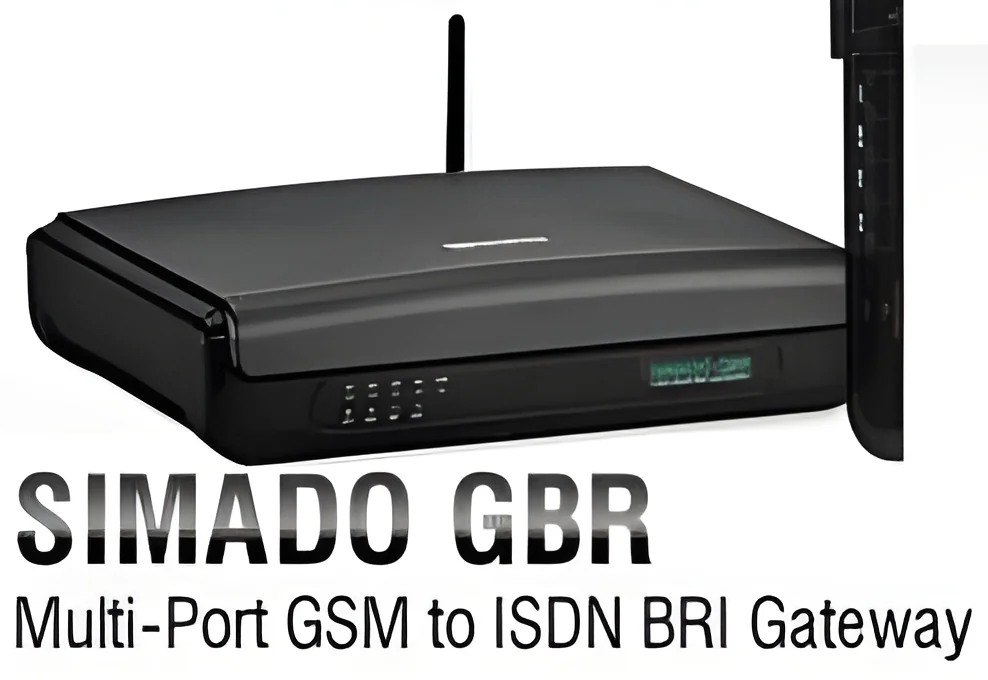
Gateways are essential devices in networking that facilitate communication between different networks or protocols. They act as a bridge, translating and transmitting data between systems that may not otherwise be able to communicate. By converting formats, protocols, or data types, gateways ensure seamless connectivity and interoperability within various applications, making them a critical component in both industrial and commercial environments.
In business applications, gateways are used to connect local networks to the internet, integrate cloud services, and manage data flow between devices in an Internet of Things (IoT) setup. They are particularly important in environments where data from multiple sources needs to be collected, analyzed, and acted upon. The relevance of gateways in today’s market is evident as industries increasingly rely on interconnected systems and real-time data processing to enhance operational efficiency and decision-making.
As industries continue to evolve with technological advancements, the demand for effective and reliable gateways is expected to grow. Their ability to streamline communication processes and enhance data management makes them a vital investment for companies aiming to stay competitive in a rapidly changing landscape.
Key Features and Specifications
Gateways come equipped with various features and specifications that cater to different operational needs. Understanding these specifications can help businesses choose the right gateway for their requirements.
Key specifications include:
1. Connectivity Options
- Support for multiple networking standards
- Compatibility with wired and wireless connections
2. Data Processing Capacity
- Ability to handle large volumes of data
- Specifications on throughput and latency
3. Security Protocols
- Support for encryption and secure connections
- Protection against unauthorized access
4. Environmental Tolerance
- Operating temperature ranges
- Humidity control specifications
5. Monitoring Capabilities
- Features for real-time data tracking
- Alerts for system performance issues
6. Power Supply Requirements
- Voltage ranges and power consumption
- Backup power options
7. User Interface
- Types of management interfaces available
- Ease of use for configuration and monitoring
8. Compliance Standards
- Adherence to specific regulatory requirements
- Certifications for product quality and safety
In summary, selecting gateways with the right features and specifications is crucial for ensuring seamless integration and optimal performance in business operations.
Common Applications and Use Cases
Gateways are utilized across various industries, each with specific applications that enhance productivity and connectivity.
1. Manufacturing: Gateways facilitate machine-to-machine communication, enabling real-time monitoring and data collection for process optimization.
2. Transportation and Logistics: In this sector, gateways connect vehicles to tracking systems, improving fleet management and logistics efficiency.
3. Healthcare: Gateways enable secure data transfer between medical devices and healthcare systems, enhancing patient care and data management.
4. Smart Cities: They play a crucial role in connecting sensors and devices within urban infrastructure, supporting traffic management and resource optimization.
5. Agriculture: In precision farming, gateways connect IoT devices to monitor crop conditions, leading to improved yield and resource management.
6. Energy Management: Gateways help in integrating renewable energy sources with the grid, allowing for better energy distribution and management.
7. Retail: They enable connectivity between point-of-sale systems and inventory management, streamlining operations and improving customer experience.
Product Variants and Subcategories
Gateways come in various forms to meet diverse industry needs. This diversity allows businesses to select products that align with their specific requirements.
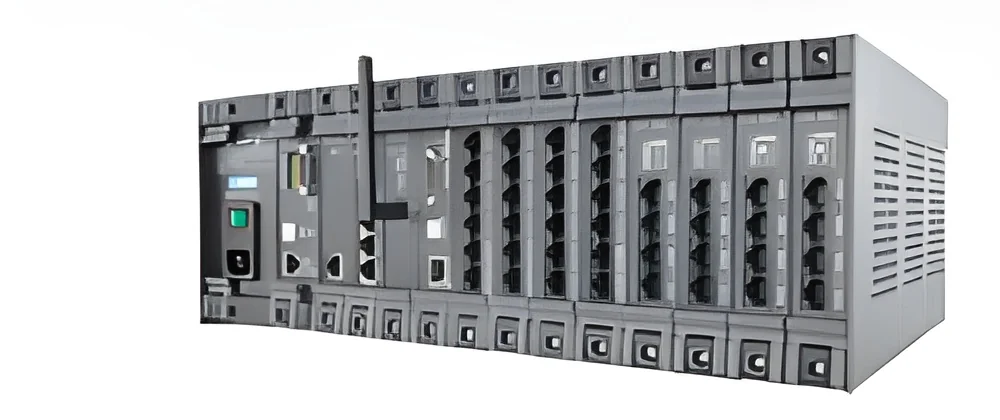
Industrial Gateways: These gateways are designed for robust environments and support a wide range of industrial protocols. They are ideal for manufacturing and automation applications.
IoT Gateways: Tailored for Internet of Things applications, these gateways facilitate data exchange between IoT devices and cloud services, enabling smart solutions across different sectors.
Mobile Gateways: These variants provide connectivity on the move, ensuring that mobile devices can communicate seamlessly with networks and cloud applications.
Benefits and Advantages
Investing in quality gateways offers numerous advantages that can significantly enhance business operations.
1. Improved Connectivity: Gateways ensure reliable communication between disparate systems, reducing downtime and enhancing productivity.
2. Enhanced Data Security: With built-in security protocols, gateways protect sensitive data from unauthorized access, ensuring compliance with industry standards.
3. Scalability: Gateways can easily be integrated into existing systems, allowing businesses to scale their operations without extensive overhauls.
4. Real-Time Monitoring: Many gateways offer monitoring features that provide insights into system performance, enabling proactive maintenance.
5. Cost Efficiency: By streamlining communication and data transfer, gateways can lead to reduced operational costs over time.
6. Flexibility: The diverse range of gateways available allows businesses to select products tailored to their specific needs and environments.
Buying Guide for B2B Buyers
When sourcing gateways, it is essential for B2B buyers to consider several critical factors to ensure a successful purchase.
1. Quality Assessment: Evaluate the quality of the gateways by reviewing manufacturer specifications, user feedback, and industry certifications to ensure they meet operational standards.
2. Supplier Verification: Research and vet suppliers to confirm their reliability and reputation in the market. This may include checking references and reviewing past performance.
3. Pricing and MOQ: Understand the pricing structures and minimum order quantities (MOQ) to effectively budget for your purchase while ensuring you meet supplier requirements.
4. Delivery and Lead Times: Assess the logistics involved in delivery and lead times to ensure timely receipt of products, which is crucial for maintaining operations.
5. Compliance Requirements: Be aware of any regulatory requirements that the gateways must meet, such as specific industry standards or safety certifications.
Compliance and Certifications
Compliance and certifications play a significant role in the gateways market, ensuring products meet industry standards for quality and safety.
Many gateways adhere to quality standards such as ISO 9001, which focuses on quality management systems to enhance customer satisfaction. Other relevant standards may include HACCP and GDP, which emphasize safety and quality in food and pharmaceutical industries.
Certifications such as CE indicate that the gateways comply with European health, safety, and environmental protection standards. This certification is crucial for businesses operating within or exporting to the European market.
Safety and testing requirements are also vital, as they ensure that gateways function reliably under various conditions. It is essential to consider regional compliance, as different areas may have specific regulations that must be met.
Why Source Gateways from Pepagora?
Pepagora provides a trusted platform for sourcing gateways, offering several key advantages to B2B buyers.
Verified Supplier Network: Pepagora connects buyers with a vetted network of suppliers, ensuring that businesses can source high-quality gateways from reliable manufacturers.
Streamlined RFQ Process: The platform simplifies the request for quotation (RFQ) process, making it easier for buyers to obtain competitive pricing and compare options from multiple suppliers.
Trade Assurance and Support: Pepagora offers trade assurance and support, providing buyers with protection and assistance throughout the purchasing process to ensure a smooth transaction.
Regional Coverage: With a strong presence in India, GCC, and Southeast Asia, Pepagora ensures that buyers have access to a wide range of suppliers and products, facilitating easier procurement across different regions.

 IN
IN