
 IN
Routers
14 products available
What are Routers?
Routers are essential networking devices that facilitate the transfer of data between different networks. They act as traffic managers, directing data packets from one location to another through various methods, such as wired and wireless connections. By analyzing the data being transmitted, routers determine the most efficient paths for data to travel, ensuring reliable communication across devices.
In a business context, routers are primarily used to connect local area networks (LAN) to wide area networks (WAN) or the internet. They enable multiple devices within a company to communicate with external networks and exchange information seamlessly. Additionally, routers provide security features such as firewalls and Virtual Private Network (VPN) capabilities, which are critical for protecting sensitive data.
The relevance of routers in various industries cannot be overstated. As businesses increasingly rely on digital communication and online operations, the demand for robust networking solutions continues to grow. The router market is expanding rapidly, driven by the rise of remote work, cloud computing, and the Internet of Things (IoT), highlighting the critical role these devices play in modern business infrastructure.
Key Features and Specifications
Routers come with a range of features and specifications that cater to diverse business needs. Understanding these specifications is crucial for selecting the right router for your organization.
Key specifications include:
1. Data Transfer Rate
- This specification indicates the speed at which data can be transmitted through the router.
- Typical ranges can vary from 100 Mbps to several Gbps depending on the model.
2. Number of Ports
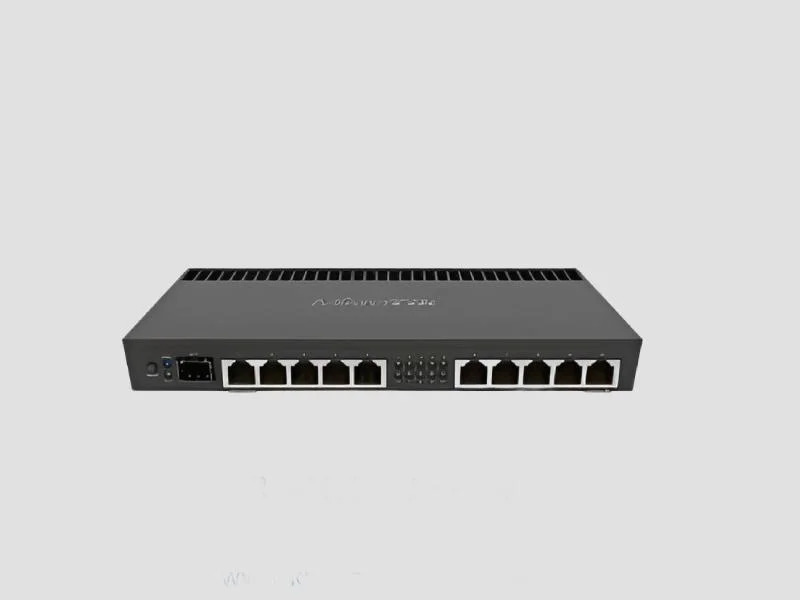
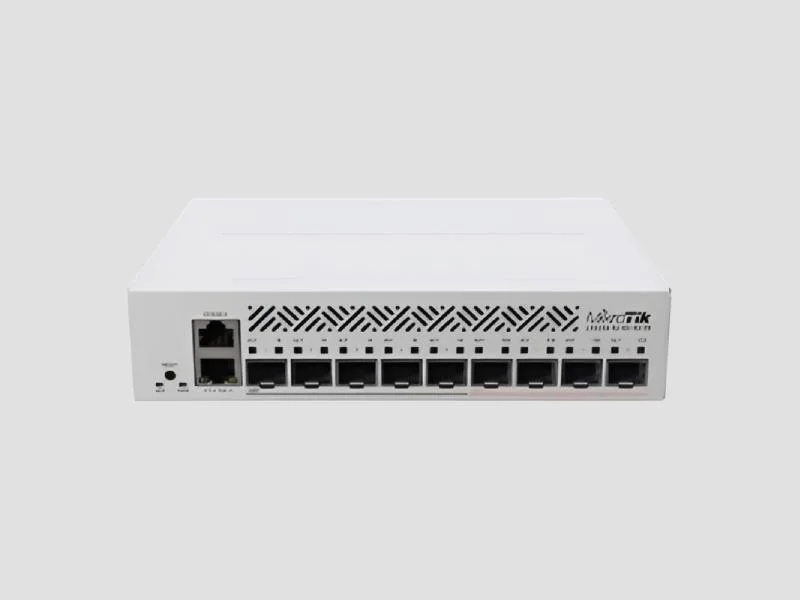
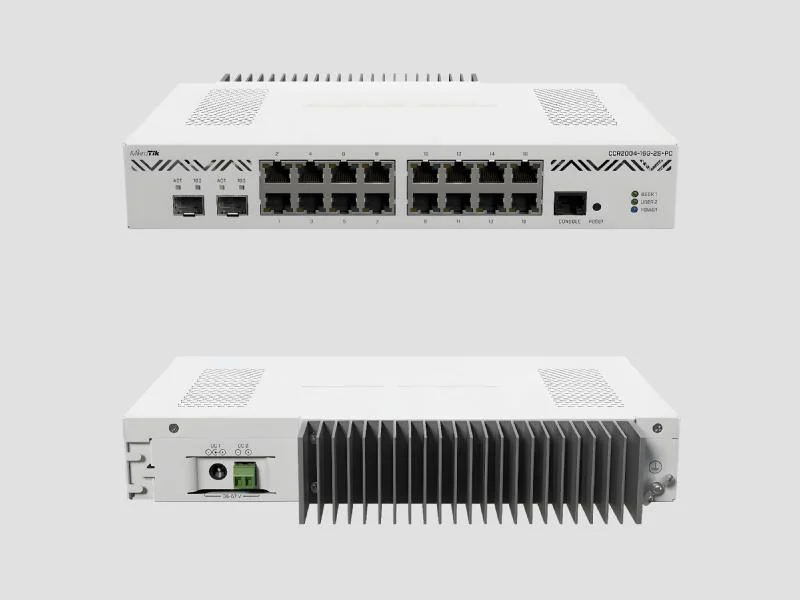
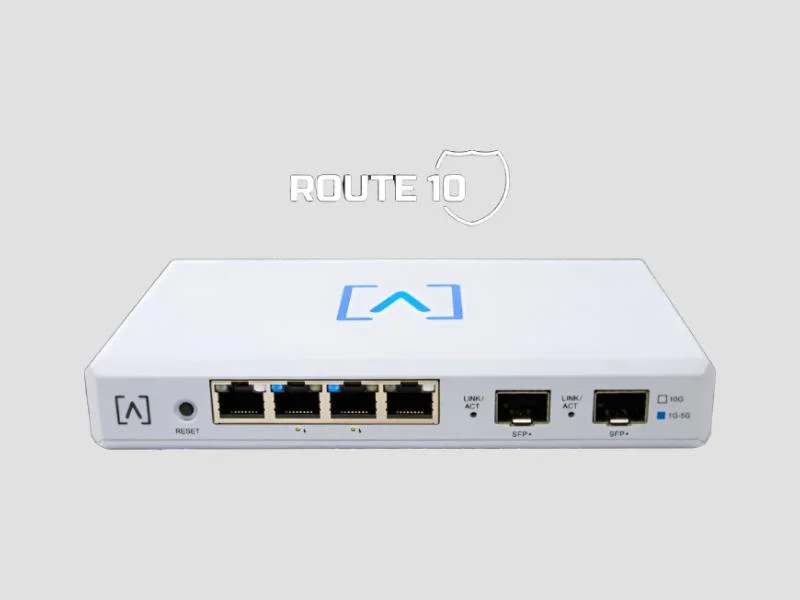
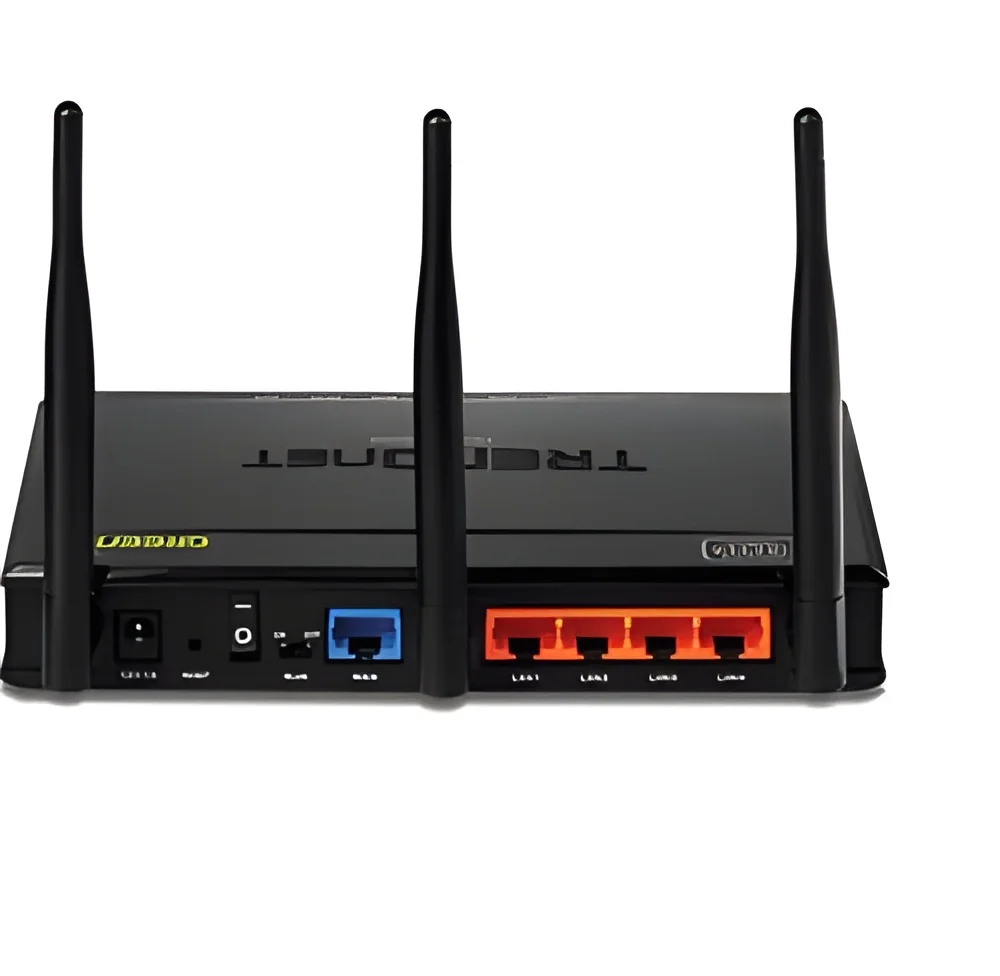
- Routers can have multiple Ethernet ports for wired connections to devices.
- Common configurations include 4, 8, or more ports.
3. Wireless Standards
- Most routers support various wireless standards such as 802.11ac or 802.11ax.
- These standards define the technology used for wireless data transmission.
4. Range
- The effective coverage area of the router can affect connectivity.
- Range specifications can vary from a few hundred feet to several thousand feet.
5. Security Features
- Routers often include security protocols such as WPA3 for wireless security.
- Advanced models may offer integrated firewalls and VPN support.
6. Quality of Service (QoS)
- This feature allows prioritization of certain types of traffic over others.
- It ensures that critical applications receive the bandwidth they need.
7. Firmware Updates
- Routers may support automatic firmware updates for enhanced security and performance.
- Regular updates are essential for maintaining device integrity.
8. Compatibility
- Routers must be compatible with various devices and operating systems for optimal performance.
- Check compatibility with existing hardware and software before purchase.
In summary, understanding the features and specifications of routers is vital for businesses to make informed decisions that align with their networking needs.
Common Applications and Use Cases
Routers are utilized across many industries, serving various applications that enhance operational efficiency and connectivity.
1. Telecommunications: Routers are critical in managing data traffic for telecom networks, ensuring reliable voice and data services for end-users.
2. Healthcare: In healthcare facilities, routers connect medical devices and support telemedicine applications, enabling efficient sharing of patient data.
3. Manufacturing: Industrial routers facilitate communication between machines and systems on the factory floor, enhancing automation and monitoring processes.
4. Retail: Retail businesses use routers to manage point-of-sale systems and connect to inventory management systems, improving customer service and operational efficiency.
5. Education: Educational institutions rely on routers to provide internet access to students and staff, supporting online learning and administrative functions.
6. Transportation and Logistics: Routers help in tracking shipments and managing logistics operations, ensuring timely delivery and efficient supply chain management.
7. Smart Buildings: In smart buildings, routers connect various IoT devices, enabling automation and energy management.
Product Variants and Subcategories
Routers come in various types, each designed to meet specific needs and applications.
Home Routers: These are designed for small-scale use, providing internet access to homes or small offices. They usually include built-in security features and are easy to set up.
Enterprise Routers: Designed for larger organizations, enterprise routers offer advanced features like load balancing, extensive security options, and support for multiple connections.
Industrial Routers: These rugged routers are built to withstand harsh environments and are often used in manufacturing and outdoor applications. They provide reliable connectivity for critical operations.
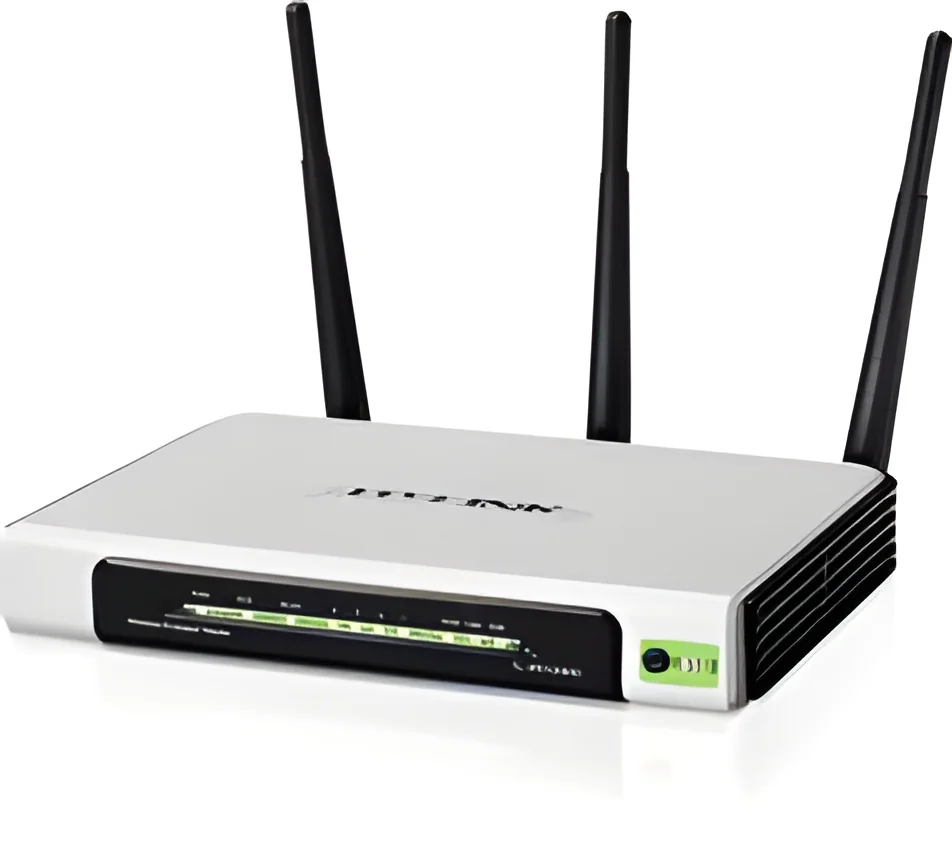
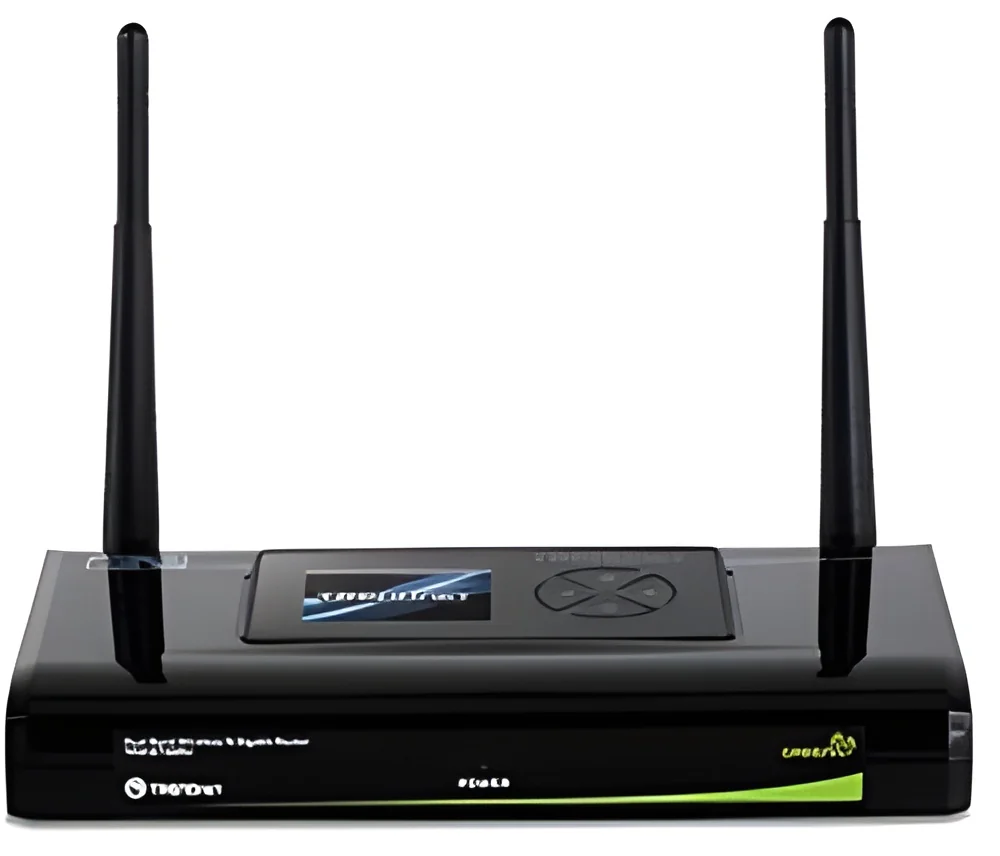
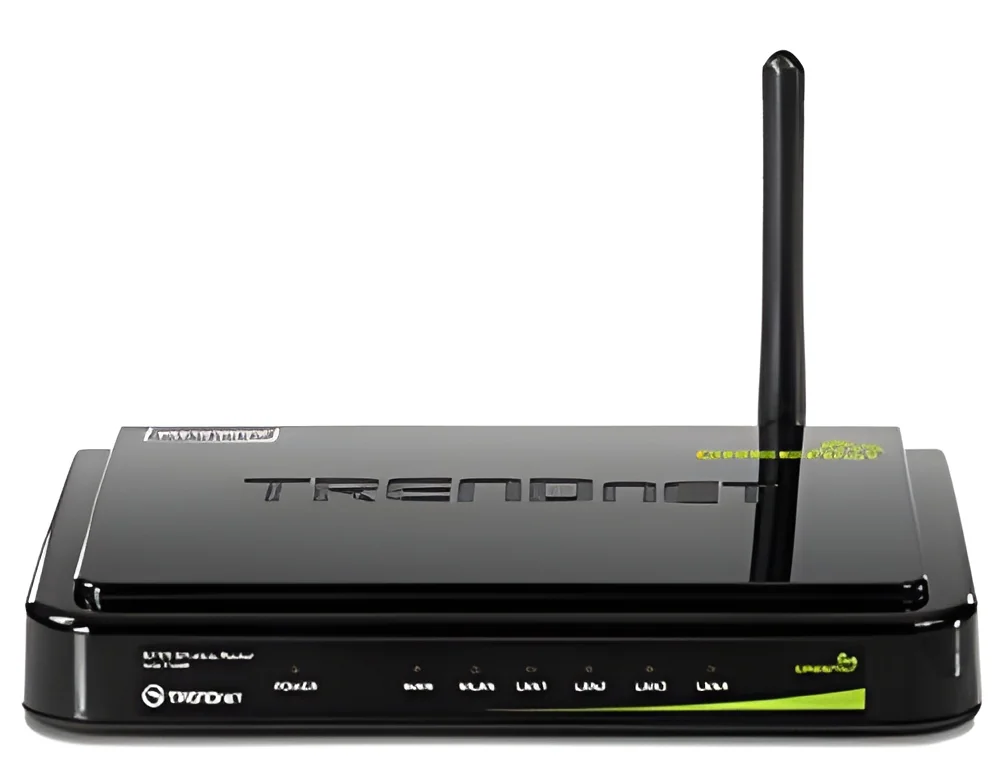
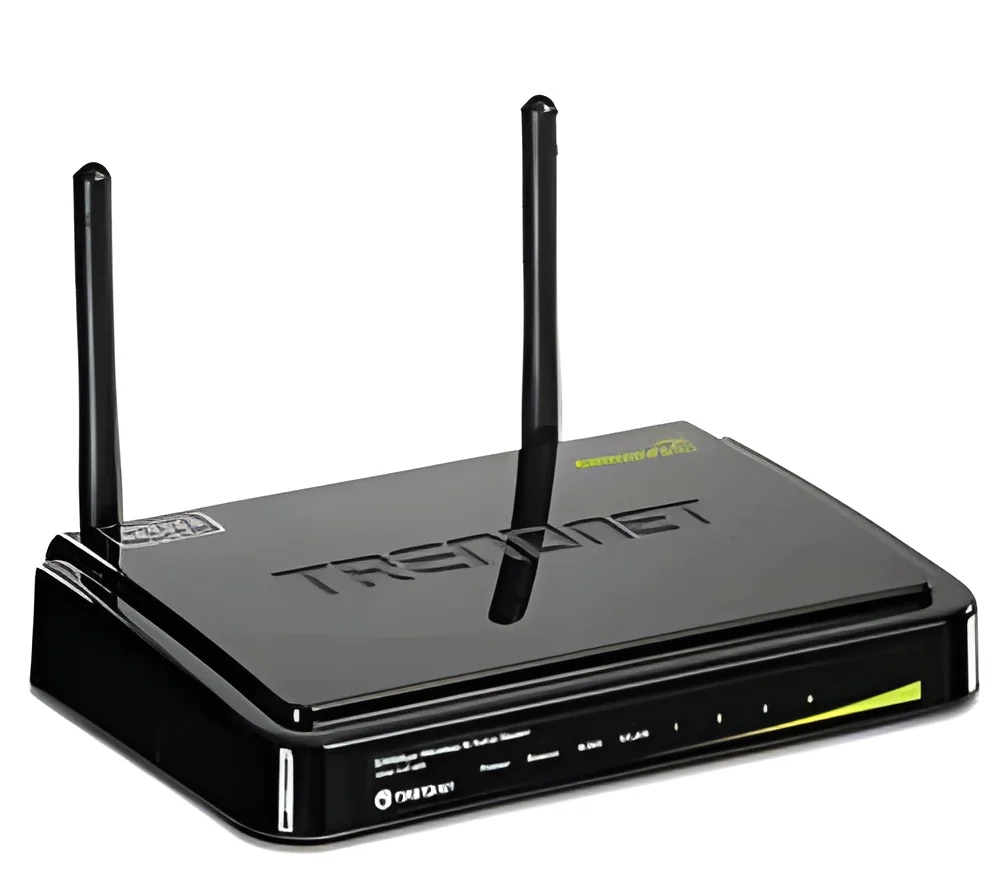
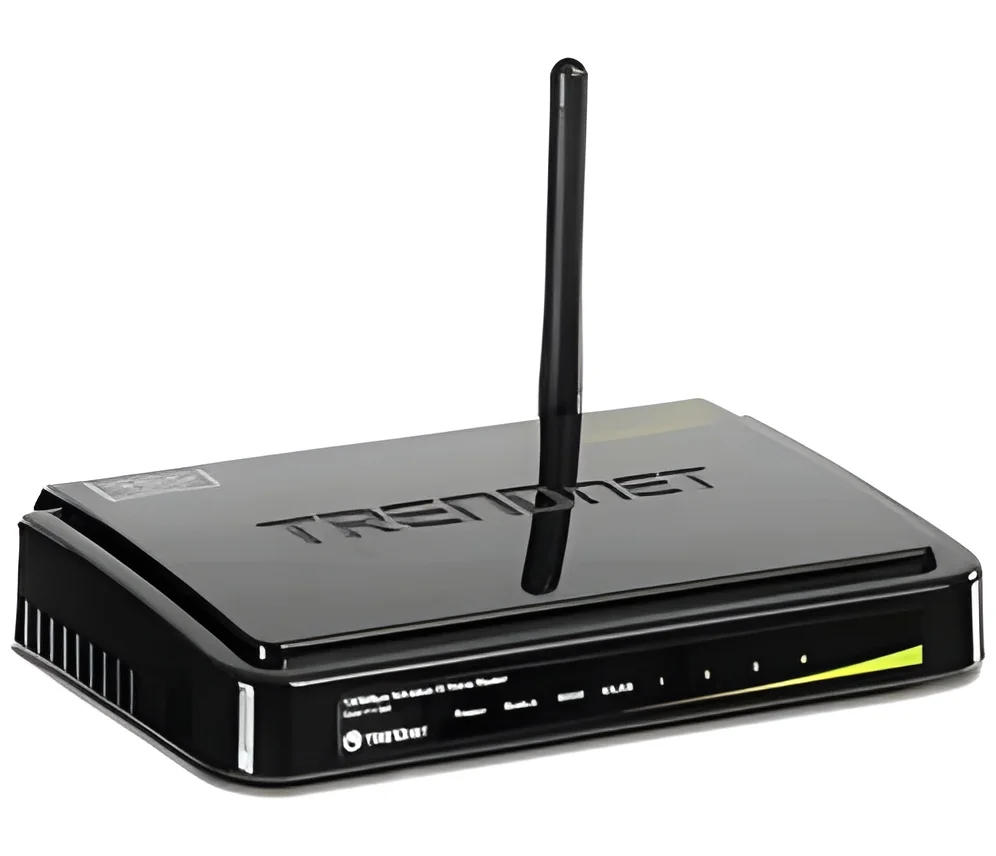
Wireless Routers: These routers enable wireless networking, allowing devices to connect without physical cables. They are versatile and suitable for various settings.
Benefits and Advantages
Investing in high-quality routers provides numerous advantages for businesses.
1. Enhanced Connectivity: Routers ensure reliable and consistent internet access, critical for daily operations and communication.
2. Improved Security: Advanced security features protect sensitive data from cyber threats, reducing the risk of breaches.
3. Scalability: Many routers can be easily upgraded or expanded to accommodate growing business needs, ensuring long-term usability.
4. Cost Efficiency: By optimizing data traffic and reducing downtime, routers can lead to significant cost savings over time.
5. Centralized Management: Routers allow for centralized control of network settings and security, simplifying management for IT teams.
6. Flexibility: With various types of routers available, businesses can select models that best fit their specific operational requirements.
Buying Guide for B2B Buyers
When sourcing routers for your business, there are several key factors to consider to ensure you make an informed purchase.
1. Quality Assessment: Evaluate the quality of routers based on reviews, ratings, and manufacturer reputation. Look for models that have a proven track record in your industry.
2. Supplier Verification: Vet potential suppliers to ensure they are reputable. Check for certifications, customer feedback, and their history of service.
3. Pricing and MOQ: Consider the total cost of ownership, including purchase price and any additional fees. Be aware of minimum order quantities that may apply.
4. Delivery and Lead Times: Understand the logistics involved in acquiring routers, including shipping times and any potential delays that could impact your operations.
5. Compliance Requirements: Ensure that the routers meet any relevant compliance and regulatory standards necessary for your industry, which may include safety and environmental considerations.
Compliance and Certifications
Compliance and certifications play a crucial role in ensuring that routers meet industry standards for quality and safety.
Relevant quality standards such as ISO 9001 are important for manufacturers to maintain consistent quality management systems. These standards help ensure that products meet customer expectations and regulatory requirements.
Industry certifications, such as CE certification, indicate that products meet European safety, health, and environmental protection standards. Compliance with these certifications is essential for businesses looking to market their products in Europe.
Safety and testing requirements often include rigorous assessments to ensure that routers can operate safely under various conditions. This may include testing for electrical safety, electromagnetic compatibility, and environmental impact.
Regional compliance considerations are also critical, as different regions may have specific regulations governing telecommunications equipment. Understanding these local requirements is vital for businesses operating in multiple markets.
Why Source Routers from Pepagora?
Pepagora provides a trusted platform for sourcing routers with several key advantages that cater to B2B buyers.
Verified Supplier Network: Pepagora features a network of verified suppliers, ensuring that buyers can source routers from reputable manufacturers. This verification process reduces the risk of dealing with untrustworthy vendors.
Streamlined RFQ Process: The platform simplifies the request for quotation (RFQ) process, allowing buyers to easily compare options and choose the best fit for their needs. This efficiency can save time and resources during procurement.
Trade Assurance and Support: Pepagora offers trade assurance, providing protection for buyers throughout the purchasing process. This support includes assistance with any disputes or issues that may arise.
Regional Coverage: With a strong presence in India, the GCC, and Southeast Asia, Pepagora facilitates access to a diverse range of routers available in these markets. This regional coverage ensures that buyers can find products that meet their specific requirements while benefiting from local insights and support.




Frequently Asked Questions
What are Routers?
Routers are networking devices that forward data packets between computer networks. They connect different networks together and manage traffic, ensuring that data reaches its intended destination efficiently.
What are the different types of Routers?
There are several types of routers, including wired routers, wireless routers, core routers, edge routers, and virtual routers. Each type serves specific purposes based on the network's requirements and architecture.
How do I choose the right Routers?
When selecting routers, consider factors such as network size, the number of connected devices, data transfer speed, and specific features like security protocols. Assess your business needs to determine the most suitable option.
What are the standard specifications for Routers?
Standard specifications for routers typically include data transfer rates, wireless standards (such as Wi-Fi 5 or Wi-Fi 6), number of ports, and support for various protocols. It's essential to review these specifications to ensure compatibility with your network.
What is the price range for Routers?
The price range for routers can vary significantly based on features and specifications, typically starting from a few thousand to several tens of thousands of Indian Rupees. Higher-end models with advanced capabilities generally come at a premium.
What quality standards apply to Routers?
Quality standards for routers may include adherence to international certifications such as ISO/IEC standards, as well as compliance with local regulations. Ensuring that the routers meet these standards can help guarantee performance and reliability.
Where can I find Routers suppliers in India?
You can find routers suppliers in India through various online B2B marketplaces, trade directories, and industry exhibitions. Websites like Pepagora.com provide a platform to connect with reputable manufacturers and suppliers.
Can Routers be customized?
Yes, many manufacturers offer customization options for routers, allowing businesses to tailor specifications to meet their specific needs. Customization can include hardware configurations, firmware, and branding.
What is the typical minimum order quantity for Routers?
The typical minimum order quantity (MOQ) for routers can vary by manufacturer but generally ranges from 10 to 100 units. It's advisable to check with suppliers for their specific MOQ requirements.
What is the typical lead time for Routers?
The typical lead time for routers can vary depending on the supplier and order volume, usually ranging from 2 to 6 weeks. Factors such as customization and availability can also influence the delivery schedule.
Why Businesses Trust Pepagora
Thousands of companies trust Pepagora to source smarter and sell faster
Expand Your Sales Globally

Source Smarter,Grow Faster
