
 IN
Fiber Optic Cables
30 products available
What are Fiber Optic Cables?
Fiber optic cables are high-speed data transmission lines made from thin strands of glass or plastic, known as fibers. These cables transmit data in the form of light signals, allowing for efficient communication over long distances with minimal loss of quality. The technology behind fiber optics leverages total internal reflection, enabling the light signals to travel through the fibers without interruption. This results in significantly faster data rates compared to traditional copper cables.
Fiber optic cables are widely used in various industries for applications that require high bandwidth and low latency. Common uses include telecommunications, internet services, data centers, and cable television. Businesses rely on fiber optics for their ability to handle vast amounts of data traffic and to provide reliable connections in environments where electromagnetic interference might disrupt traditional wiring. The growing demand for high-speed internet and advanced communication technologies has solidified fiber optics' relevance in today's market.
Key Features and Specifications
Fiber optic cables offer several key features that make them suitable for a variety of applications. Their specifications can vary based on intended use, but certain characteristics are critical in evaluating their performance.
Key specifications include:
1. Fiber Type
- Single-mode or multi-mode fibers
- Single-mode fibers are used for long-distance communication, while multi-mode fibers are designed for shorter distances.
2. Core Diameter
- The diameter of the fiber core affects light transmission and bandwidth capabilities.
- Common diameters include 8-10 micrometers for single-mode and 50-62.5 micrometers for multi-mode fibers.
3. Data Transmission Rate
- The speed at which data is transmitted, measured in gigabits per second (Gbps).
- Depending on the fiber type, rates can vary from 1 Gbps to over 100 Gbps.
4. Attenuation
- The loss of signal strength over distance, typically measured in decibels (dB) per kilometer.
- Lower attenuation values indicate better performance for long-distance transmission.
5. Maximum Transmission Distance
- The farthest distance a signal can travel before significant loss occurs.
- This can range from a few hundred meters for multi-mode fibers to several kilometers for single-mode fibers.
6. Environmental Ratings
- Specifications regarding temperature and humidity tolerance.
- These ratings ensure the cables can perform reliably under various environmental conditions.
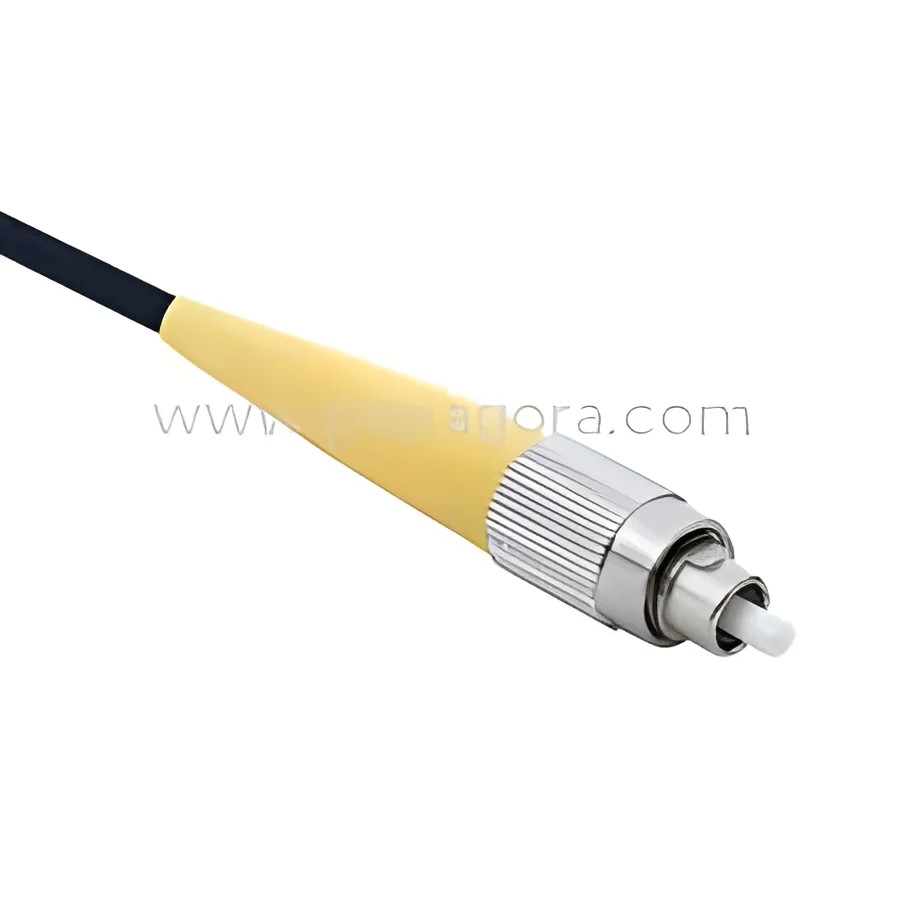
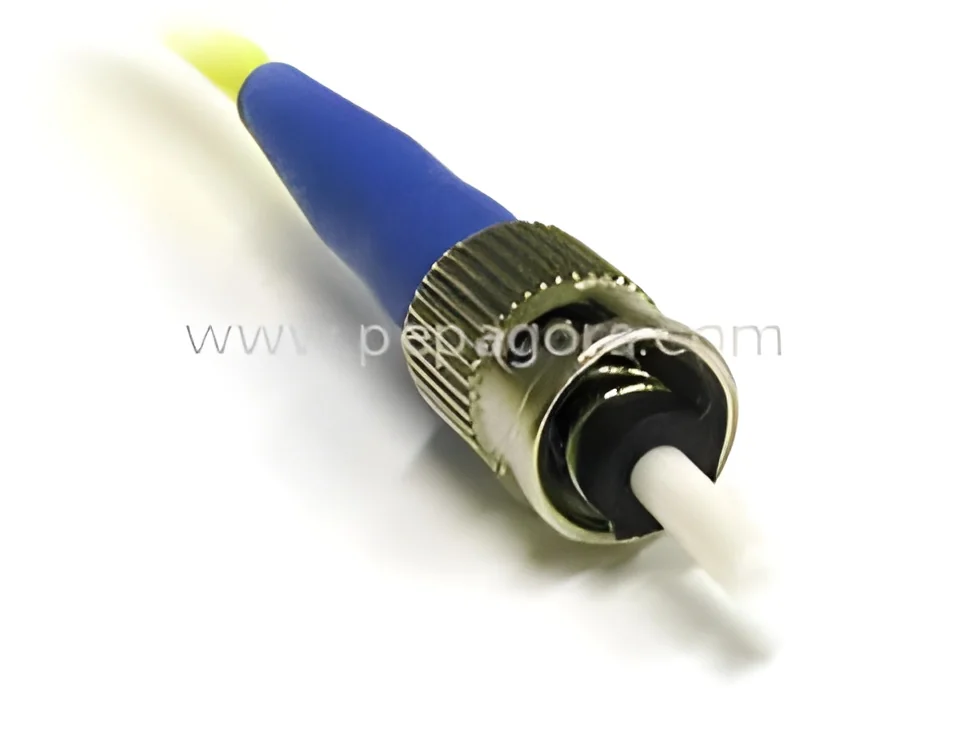
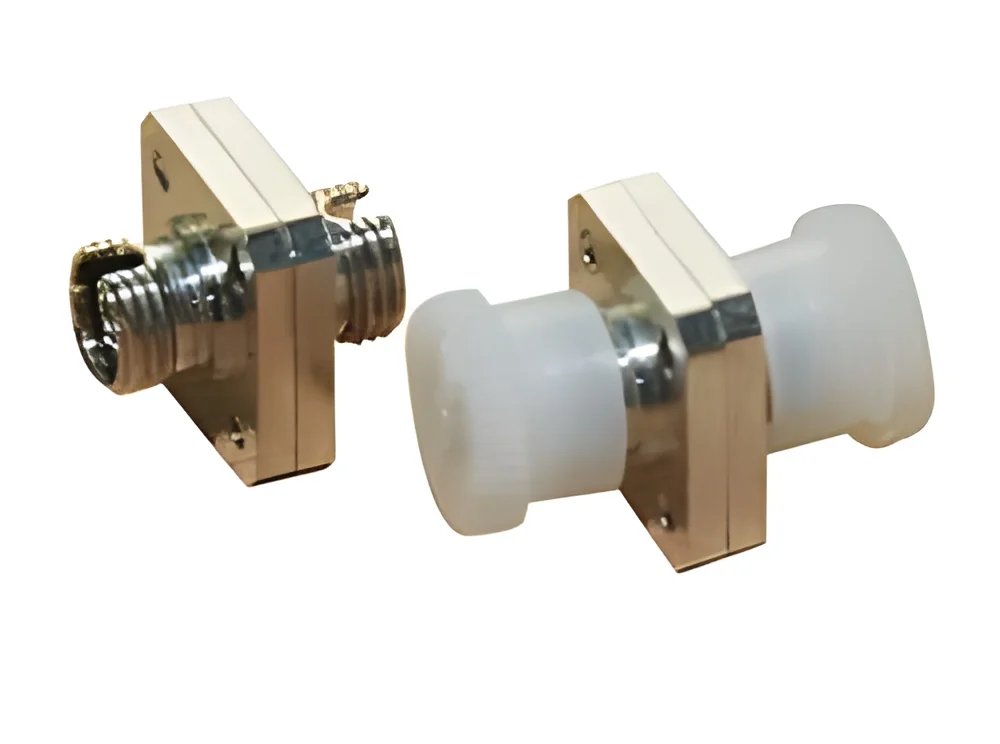
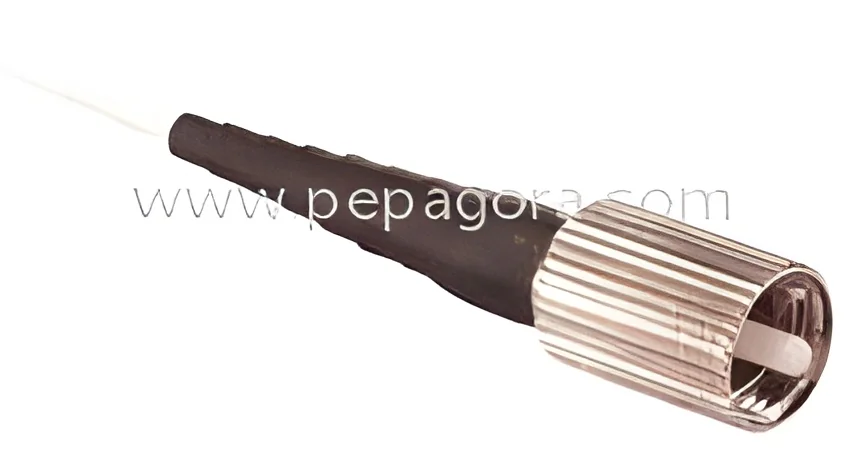
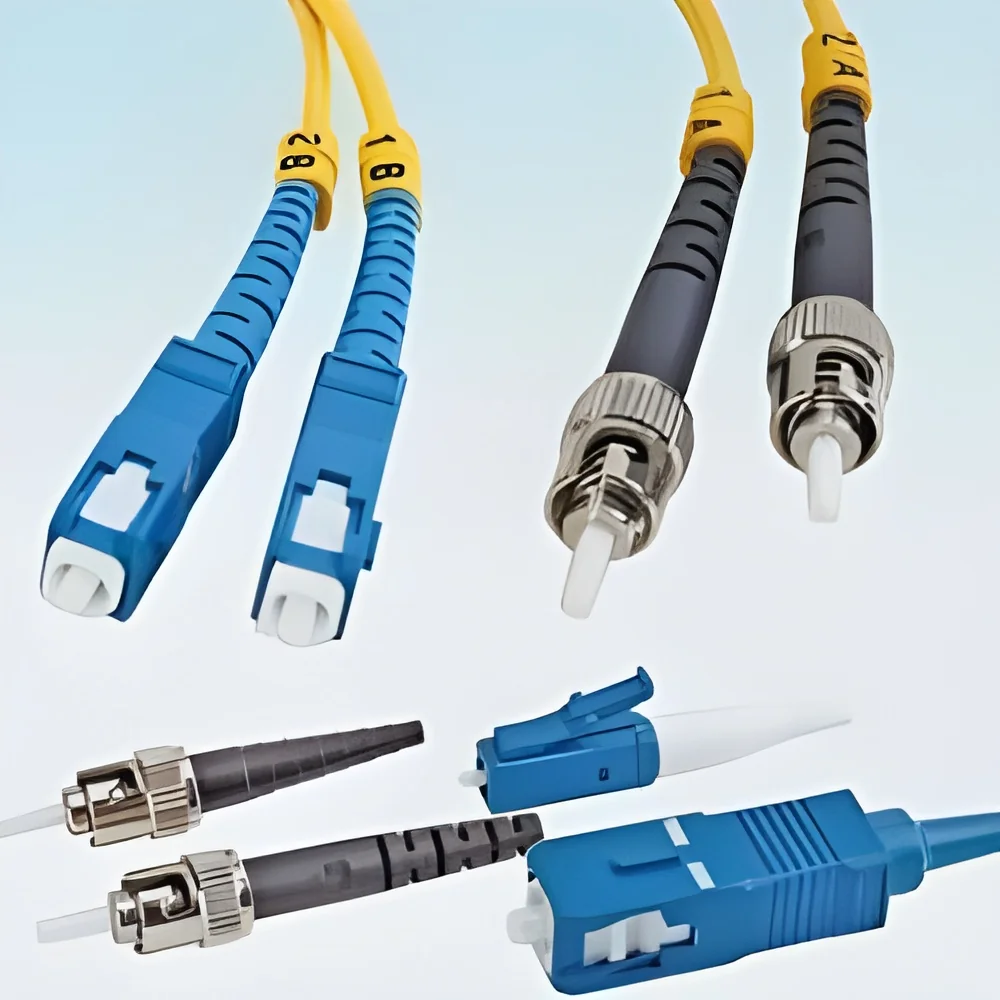
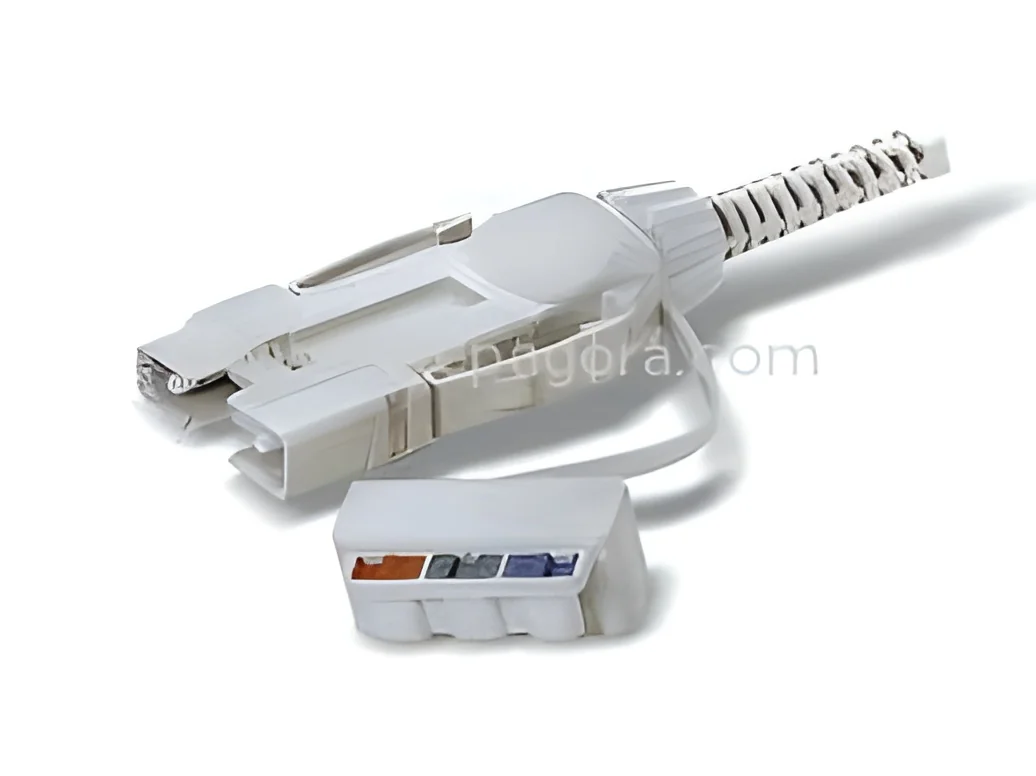
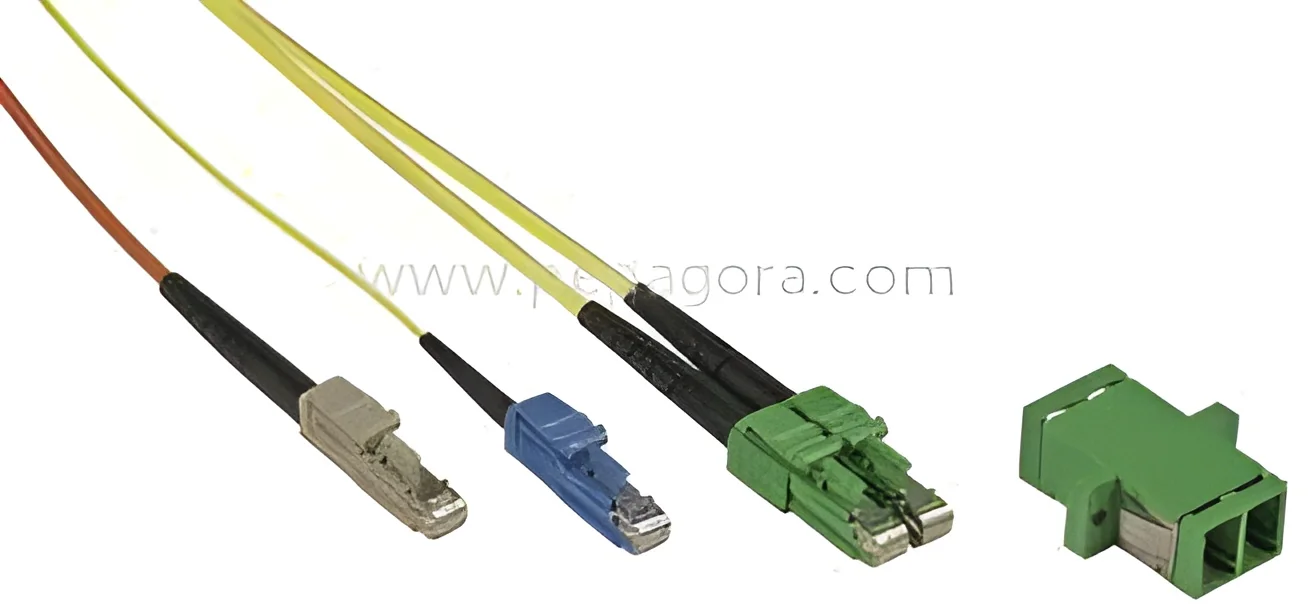
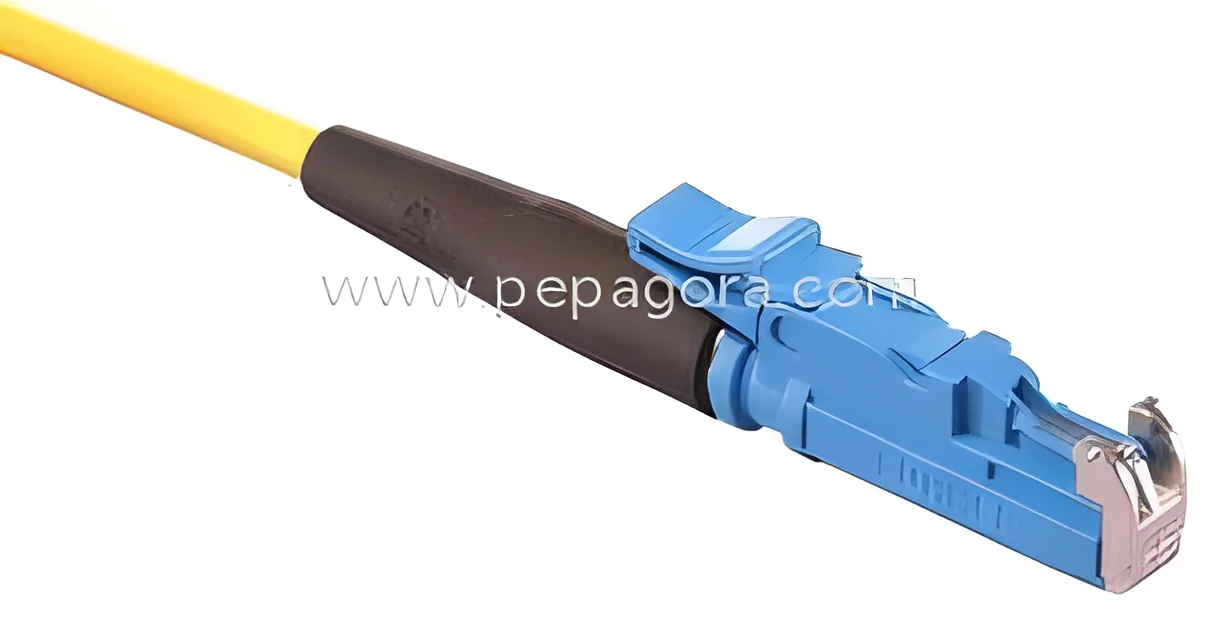
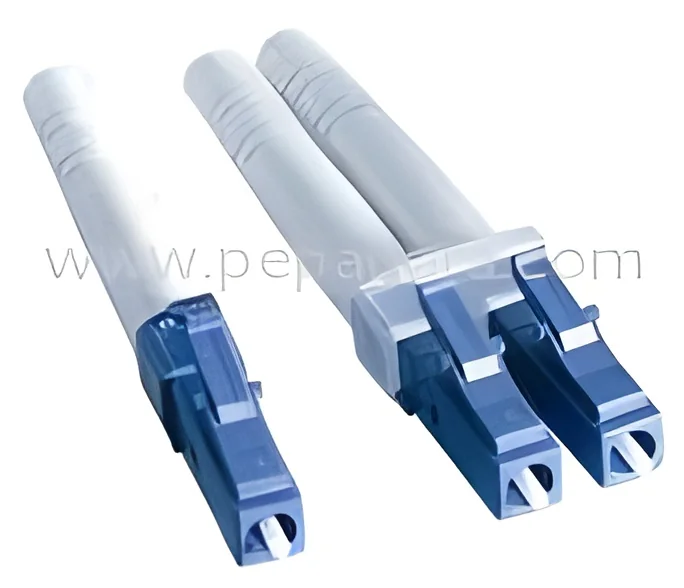
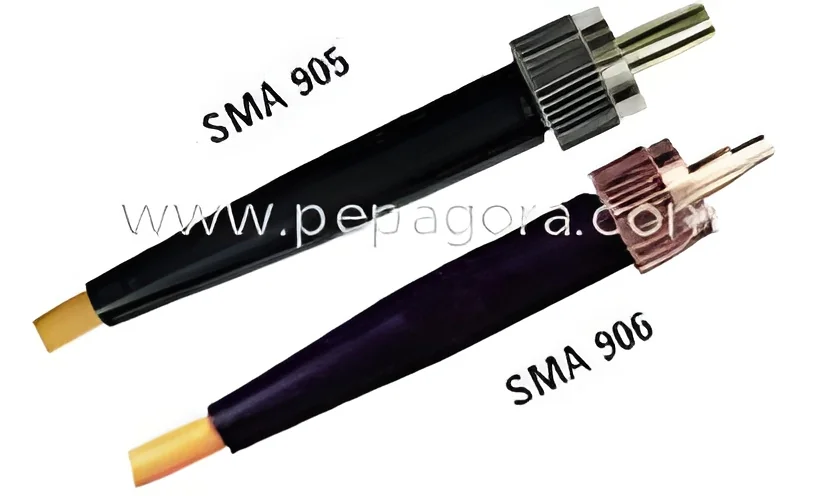
7. Connector Types
- Different types of connectors are used to join fibers, impacting installation and compatibility.
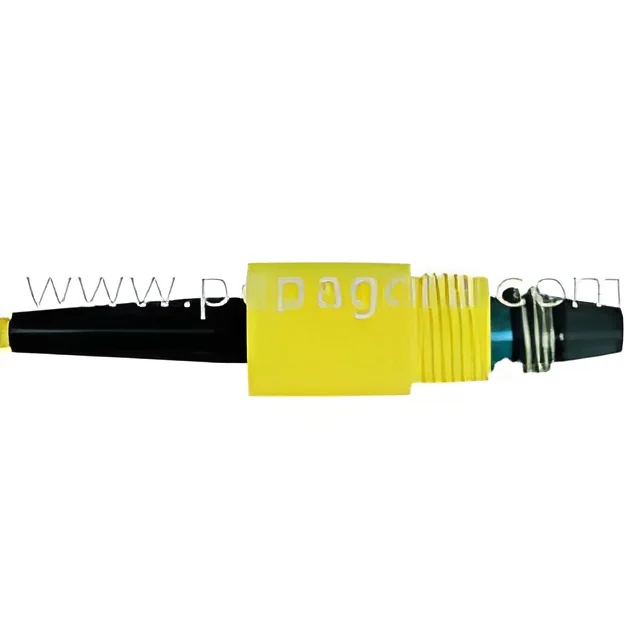
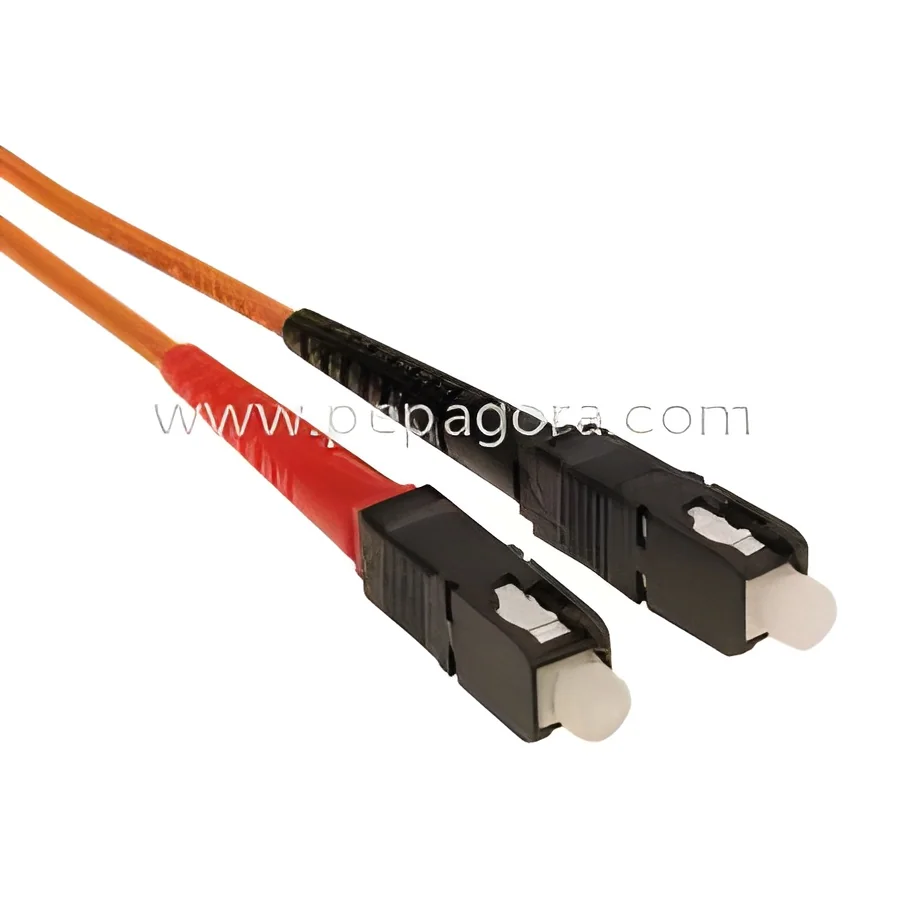
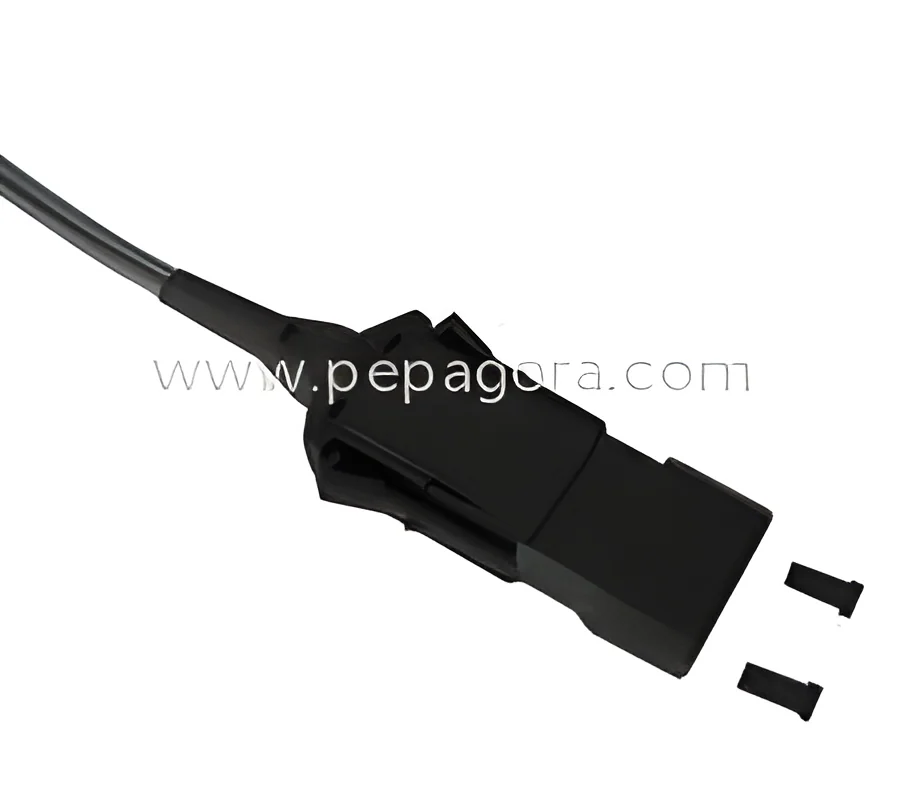
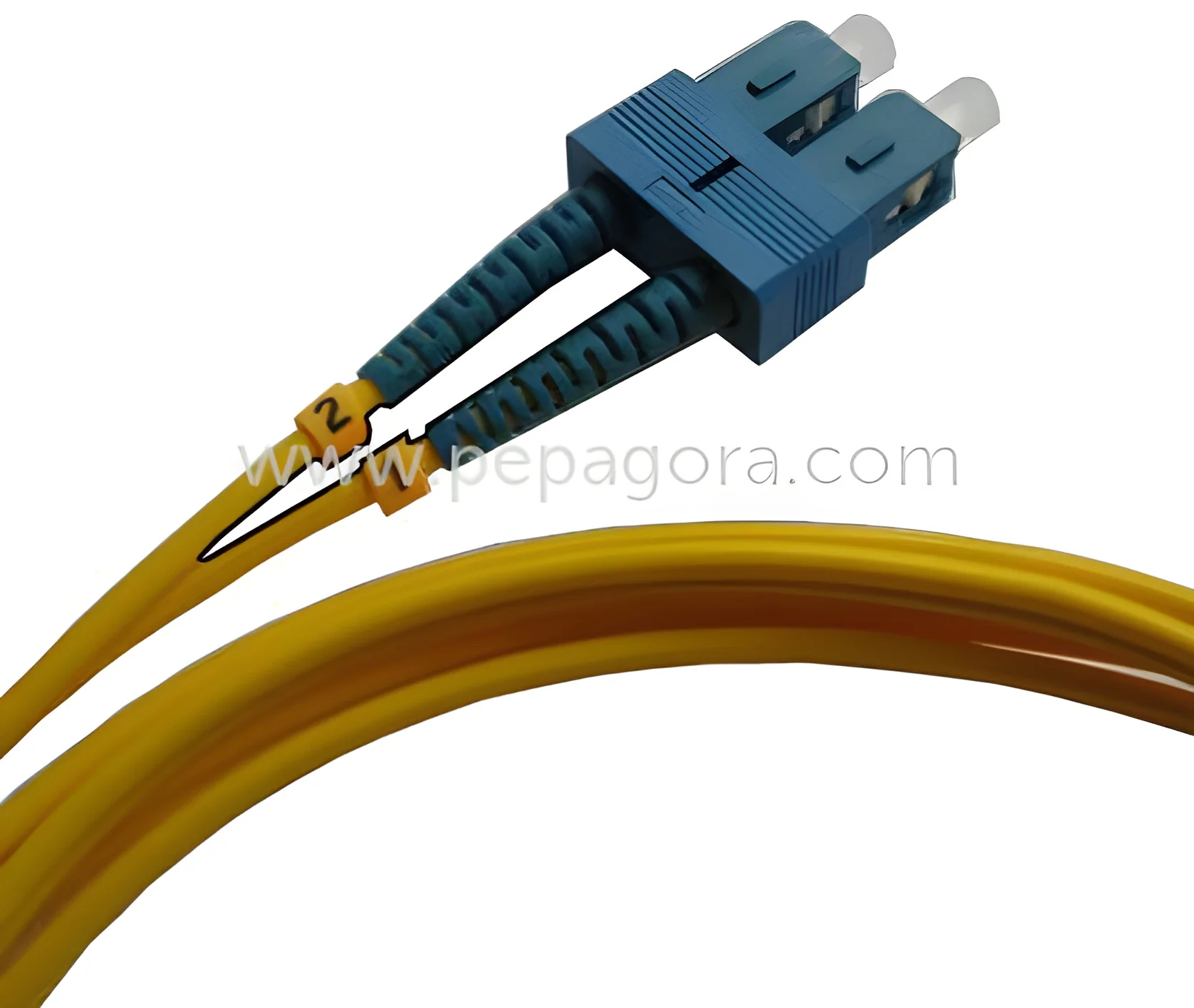
- Common types include SC, LC, ST, and MTP connectors.
8. Compliance and Certifications
- Standards such as CE certification ensure that the cables meet specific safety and performance criteria.
In summary, understanding these key features and specifications is essential for selecting the right fiber optic cables for your business needs.
Common Applications and Use Cases
Fiber optic cables are utilized in numerous sectors due to their high performance and reliability.
1. Telecommunications: Fiber optics form the backbone of internet and telephone services, enabling high-speed data transfer and enhanced connectivity for consumers and businesses alike.
2. Data Centers: Organizations use fiber optic cables for internal networking to facilitate rapid data exchange and to support cloud services, ensuring minimal latency.
3. Broadcasting: Cable television providers rely on fiber optics to deliver high-definition content, providing customers with superior viewing experiences.
4. Military Applications: The defense sector uses fiber optics for secure communication lines due to their resistance to electromagnetic interference and eavesdropping.
5. Medical Facilities: Hospitals utilize fiber optics in imaging and diagnostic equipment, allowing for precise data transmission in critical applications.
6. Industrial Automation: Manufacturers implement fiber optics in control systems to ensure fast and reliable communication between machines and central systems.
7. Smart Cities: Fiber optic infrastructure supports various applications in smart city projects, including traffic management, environmental monitoring, and public safety communications.
Product Variants and Subcategories
Fiber optic cables come in various types to address specific needs within different applications.
Single-Mode Fiber Cables: These cables feature a smaller core diameter, allowing only one mode of light to propagate. They are ideal for long-distance communication, making them suitable for telecommunications and internet service providers.
Multi-Mode Fiber Cables: With a larger core diameter, these cables can transmit multiple light modes simultaneously. They are commonly used for shorter distances, such as within data centers and local area networks.
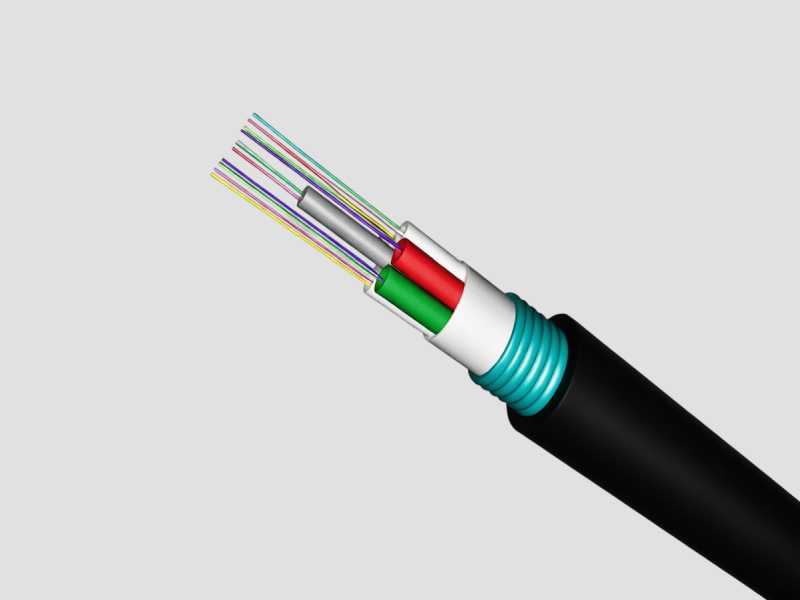
Armored Fiber Optic Cables: Designed with added protection, these cables feature a layer of armor that safeguards them from physical damage. They are ideal for outdoor installations and environments where cables are exposed to harsh conditions.
Indoor/Outdoor Fiber Optic Cables: These cables are designed to withstand varying environmental factors, making them versatile for both indoor and outdoor use, particularly in telecommunications and network infrastructure.
Benefits and Advantages
Fiber optic cables offer numerous benefits that enhance their appeal for businesses and organizations.
1. High Bandwidth: Fiber optics can support significantly higher data rates compared to traditional copper cables, allowing for faster data transmission.
2. Long Distance Transmission: Fiber optic cables can transmit signals over greater distances without loss of quality, making them ideal for wide area networks.
3. Resistance to Interference: Fiber optics are immune to electromagnetic interference, ensuring stable and secure communication.
4. Lightweight and Compact: Fiber optic cables are thinner and lighter than copper cables, making them easier to install and manage in confined spaces.
5. Enhanced Security: The transmission of data as light signals makes fiber optics more secure against data breaches compared to electrical signals.
6. Lower Maintenance Costs: Due to their durability and resistance to environmental factors, fiber optic cables typically require less maintenance over time.
Buying Guide for B2B Buyers
When sourcing fiber optic cables for business use, it is essential to consider several factors to ensure you meet your organization's requirements.
1. Quality Assessment: Evaluate the quality of the fibers based on manufacturer specifications and industry standards. Consider certifications that demonstrate compliance with safety and performance benchmarks.
2. Supplier Verification: Research potential suppliers to confirm their reliability and reputation in the market. Look for reviews and feedback from other businesses that have sourced products from them.
3. Pricing and MOQ: Understand the cost structure, including any minimum order quantities (MOQ). Compare prices across different suppliers while ensuring that the quality remains consistent.
4. Delivery and Lead Times: Inquire about the expected delivery times for orders and any logistics support the supplier offers. Timely delivery is critical for project planning and implementation.
5. Compliance Requirements: Ensure that the fiber optic cables meet any specific regulatory requirements for your industry or region, such as environmental standards and safety certifications.
Compliance and Certifications
Fiber optic cables must adhere to various quality standards and certifications to ensure their safety and performance in different applications.
ISO 9001 is a widely recognized standard that outlines quality management principles. Manufacturers of fiber optic cables often pursue this certification to demonstrate their commitment to producing high-quality products consistently.
In addition to ISO standards, CE certification is crucial for fiber optic cables sold in European markets. This certification indicates that the cables meet essential safety and performance requirements, allowing them to be marketed in the EU.
Stringent safety and testing requirements apply to fiber optic cables, including assessments for environmental durability, performance under extreme conditions, and electromagnetic compatibility.
Regional compliance considerations may vary based on local regulations. It is essential to verify that the cables meet specific legal requirements for the regions in which they will be used.
Why Source Fiber Optic Cables from Pepagora?
Pepagora provides a trusted platform for sourcing fiber optic cables, backed by several key advantages that benefit B2B buyers.
Verified Supplier Network: Pepagora connects businesses with a network of verified suppliers, ensuring that you source products from reputable manufacturers committed to quality.
Streamlined RFQ Process: The Request for Quotation (RFQ) system simplifies the procurement process, allowing buyers to request quotes quickly and efficiently from multiple suppliers.
Trade Assurance and Support: Pepagora offers trade assurance services that protect buyers throughout the purchasing process, providing peace of mind when making significant investments.
Regional Coverage: With a strong presence in India, the GCC, and Southeast Asia, Pepagora enables businesses to access a wide range of suppliers, facilitating easier procurement regardless of geographic location.



Frequently Asked Questions
What are Fiber Optic Cables?
Fiber optic cables are high-speed data transmission mediums made of thin strands of glass or plastic fibers. These cables transmit signals in the form of light, allowing for faster and more reliable data transfer over long distances compared to traditional copper cables.
What are the different types of Fiber Optic Cables?
There are mainly two types of fiber optic cables: single-mode and multi-mode. Single-mode fibers are designed for long-distance communication, while multi-mode fibers are used for shorter distances due to their larger core size, which allows multiple light modes to propagate.
How do I choose the right Fiber Optic Cables?
To choose the right fiber optic cables, consider factors such as the distance of the transmission, the environment in which the cables will be installed, and the required bandwidth. Additionally, evaluate whether you need single-mode or multi-mode cables based on your specific application.
What are the standard specifications for Fiber Optic Cables?
Standard specifications for fiber optic cables include core diameter, numerical aperture, and attenuation levels. These specifications determine the cable's performance, including its ability to transmit data over distances and its resistance to signal loss.
What is the price range for Fiber Optic Cables?
The price range for fiber optic cables can vary widely based on factors such as type, length, and manufacturer. Generally, prices can start from a few hundred rupees per meter and can go up to several thousand rupees for specialized cables.
What quality standards apply to Fiber Optic Cables?
Fiber optic cables are subject to various quality standards including ISO/IEC standards and Telcordia GR-20. Compliance with these standards ensures that the cables meet performance criteria for reliability and safety in telecommunications applications.
Where can I find Fiber Optic Cables suppliers in India?
You can find fiber optic cables suppliers in India through online B2B marketplaces such as Pepagora, industry trade shows, and local electrical supply stores. It is advisable to check supplier reviews and certifications before making a purchase.
Can Fiber Optic Cables be customized?
Yes, fiber optic cables can often be customized based on specific requirements such as length, connector type, and sheathing material. Many manufacturers offer customization options to meet the unique needs of their clients.
What is the typical minimum order quantity for Fiber Optic Cables?
The typical minimum order quantity (MOQ) for fiber optic cables can vary by supplier, but it generally ranges from 100 meters to 1000 meters. It's best to check with individual suppliers for their specific MOQs.
What is the typical lead time for Fiber Optic Cables?
The typical lead time for fiber optic cables can range from a few days to several weeks, depending on factors such as the supplier's inventory and whether the cables are customized. Always confirm lead times with the supplier before placing an order.
Why Businesses Trust Pepagora
Thousands of companies trust Pepagora to source smarter and sell faster
Expand Your Sales Globally

Source Smarter,Grow Faster
