𝗪𝗵𝗮𝘁 𝗮𝗿𝗲 𝗡𝗲𝘁𝘄𝗼𝗿𝗸𝗶𝗻𝗴 𝗗𝗲𝘃𝗶𝗰𝗲𝘀?
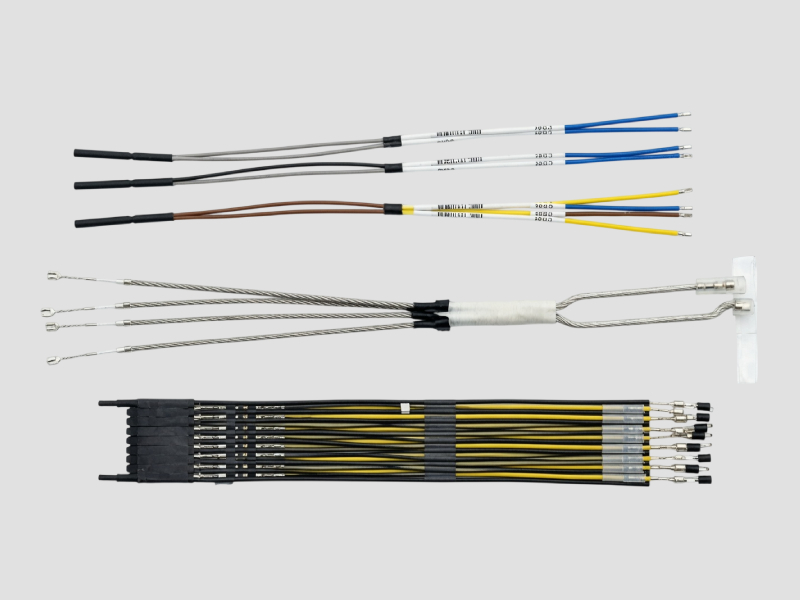
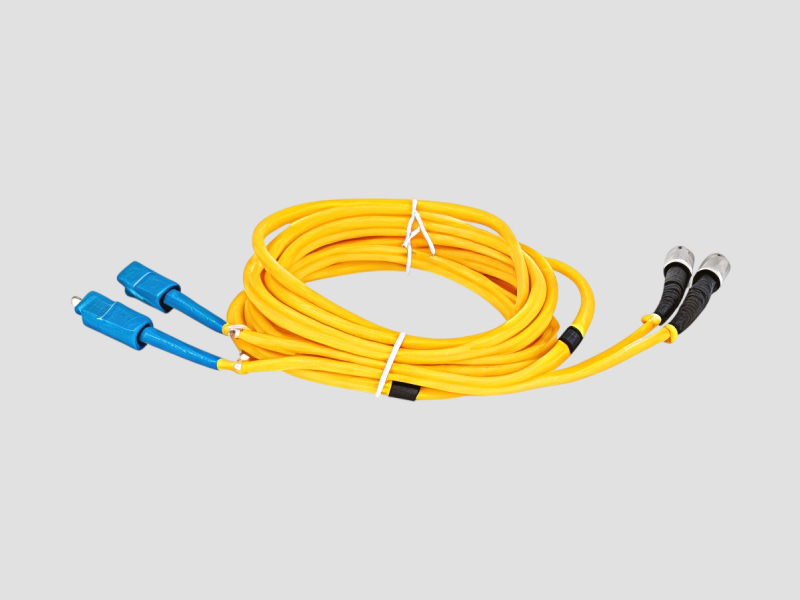
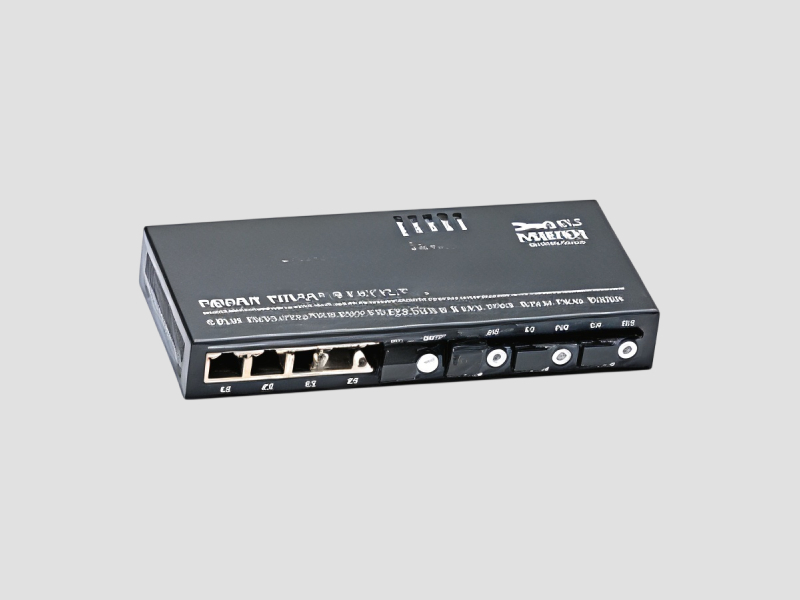
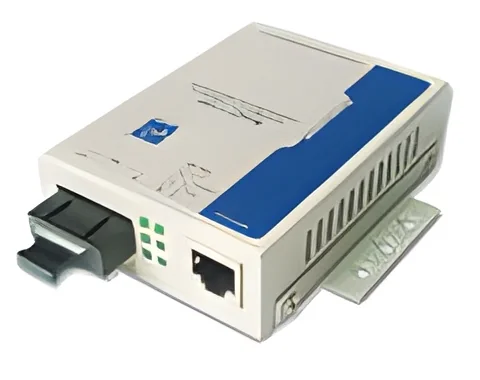
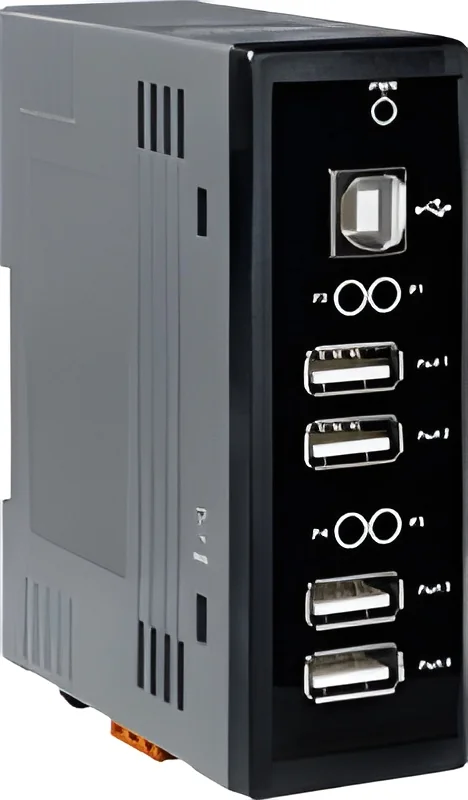
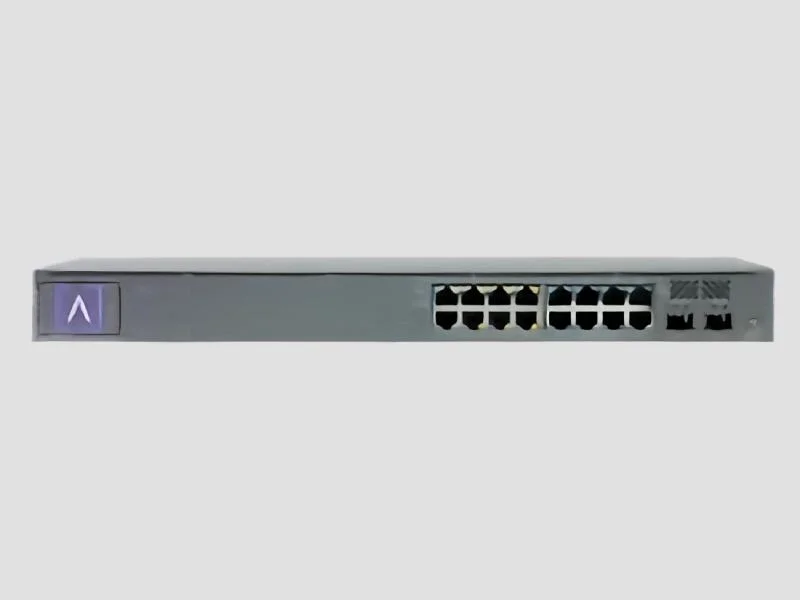
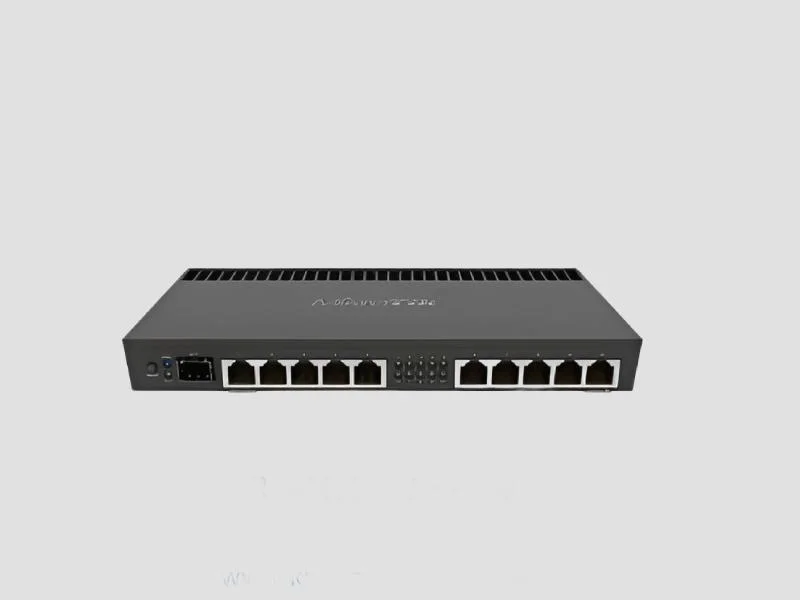
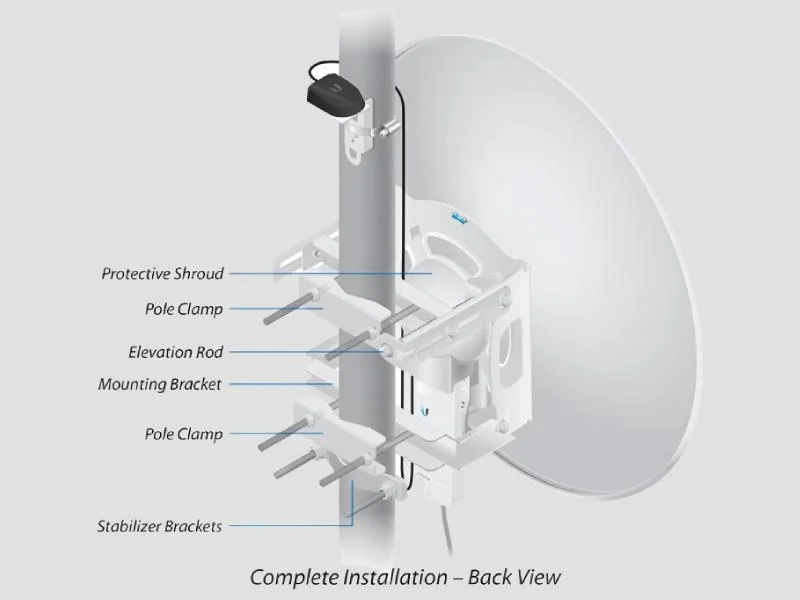
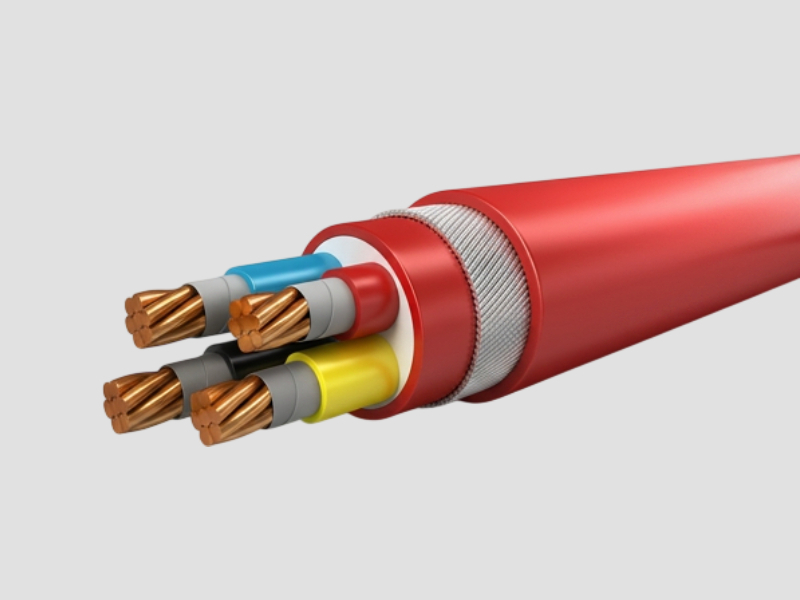
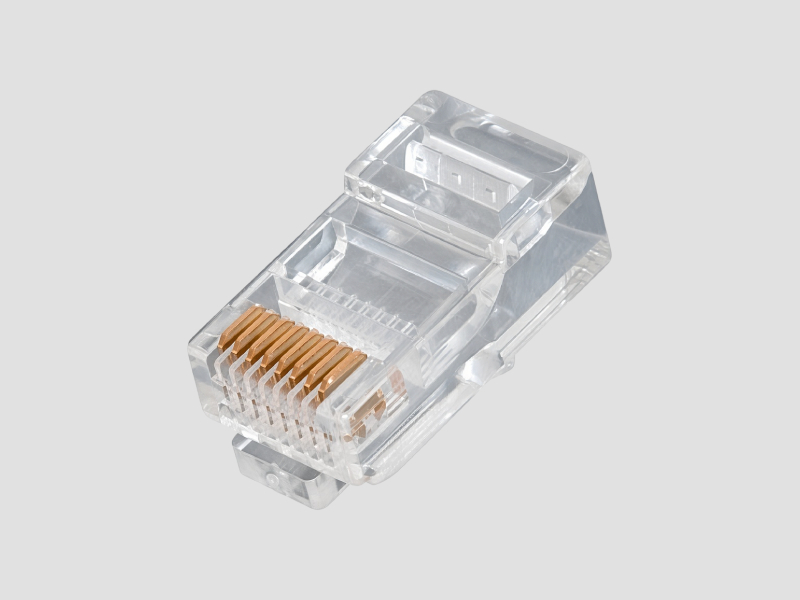
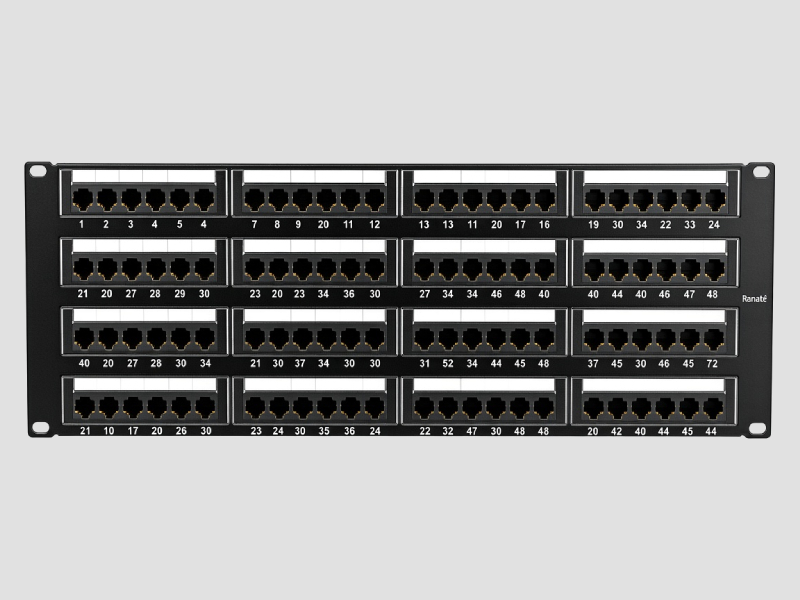
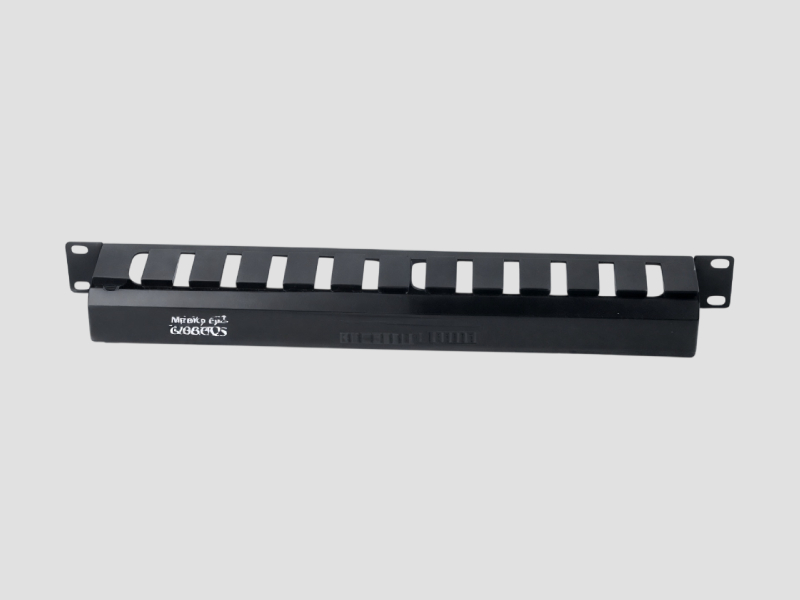
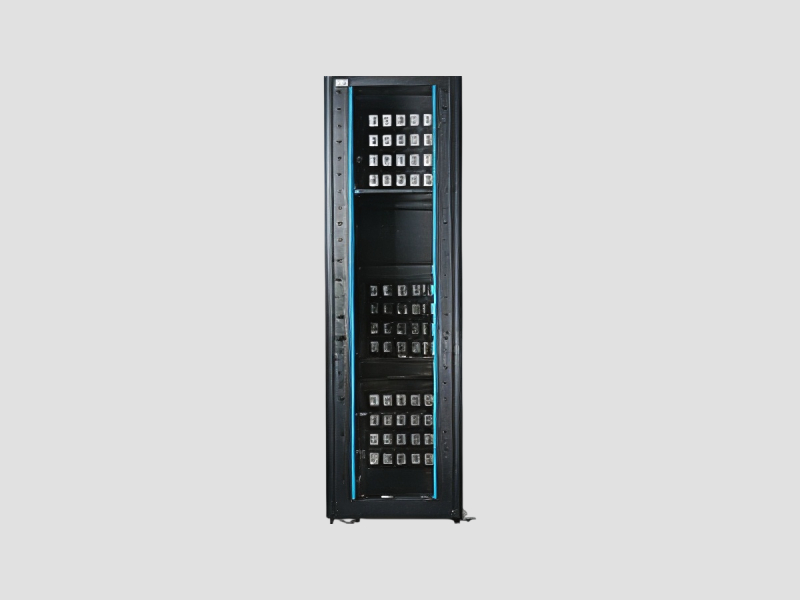
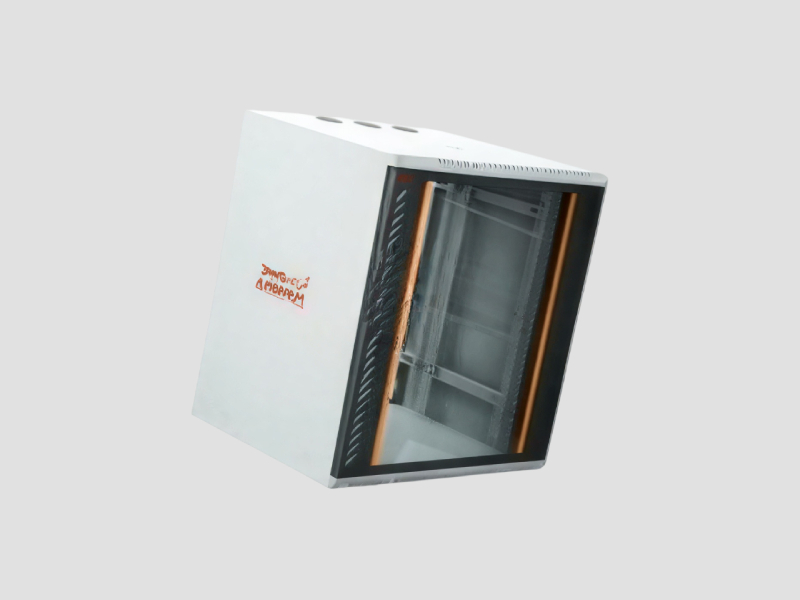
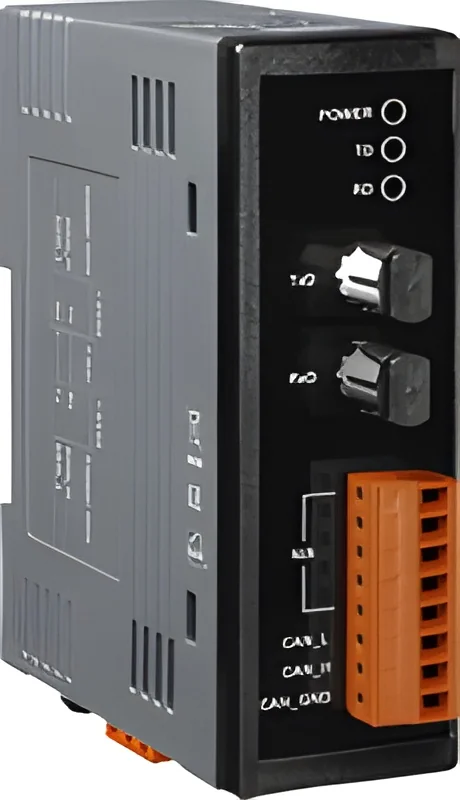
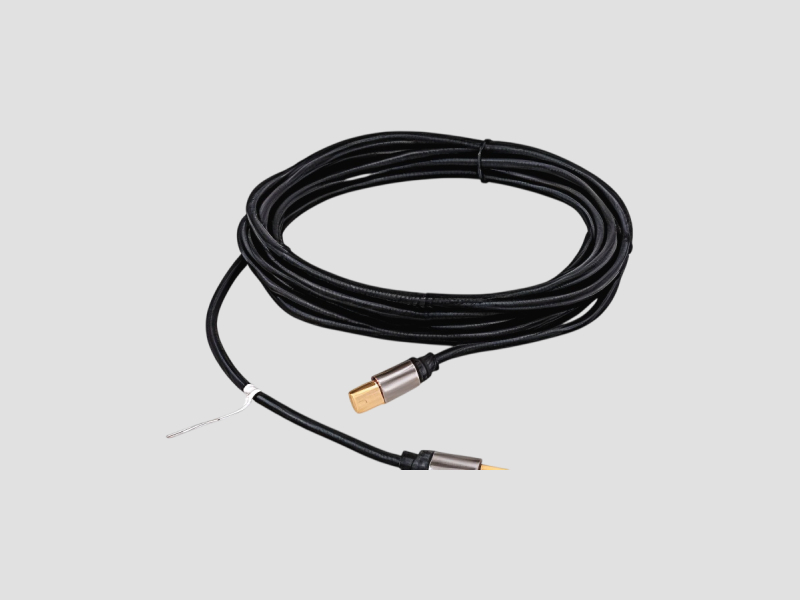
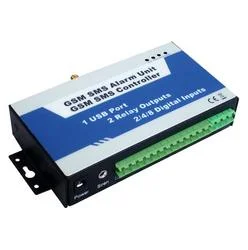
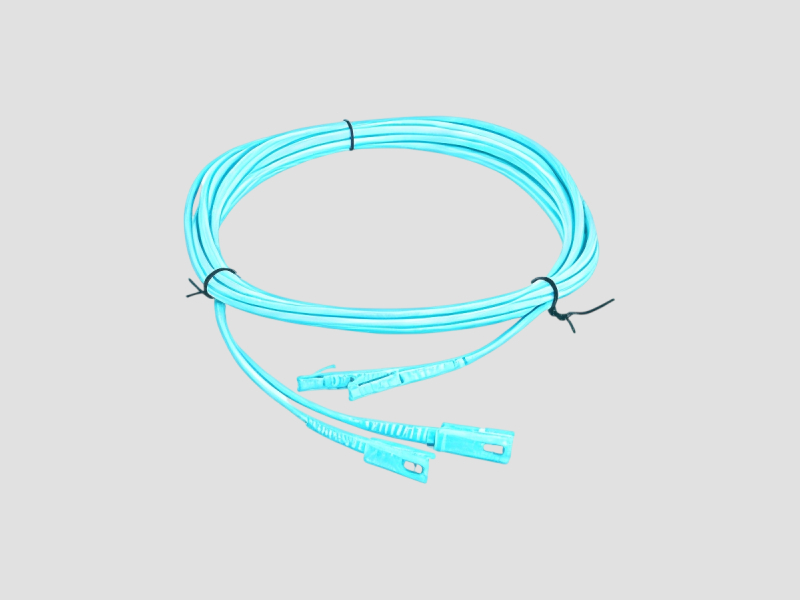
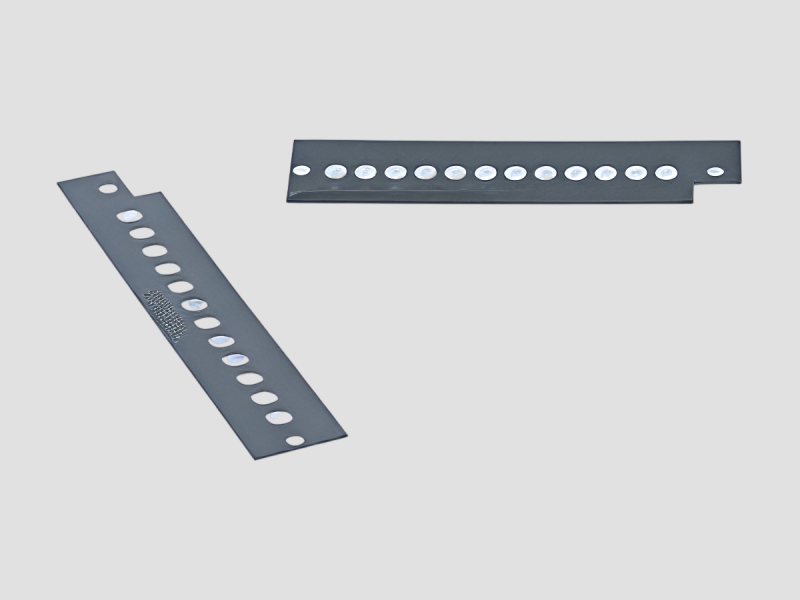
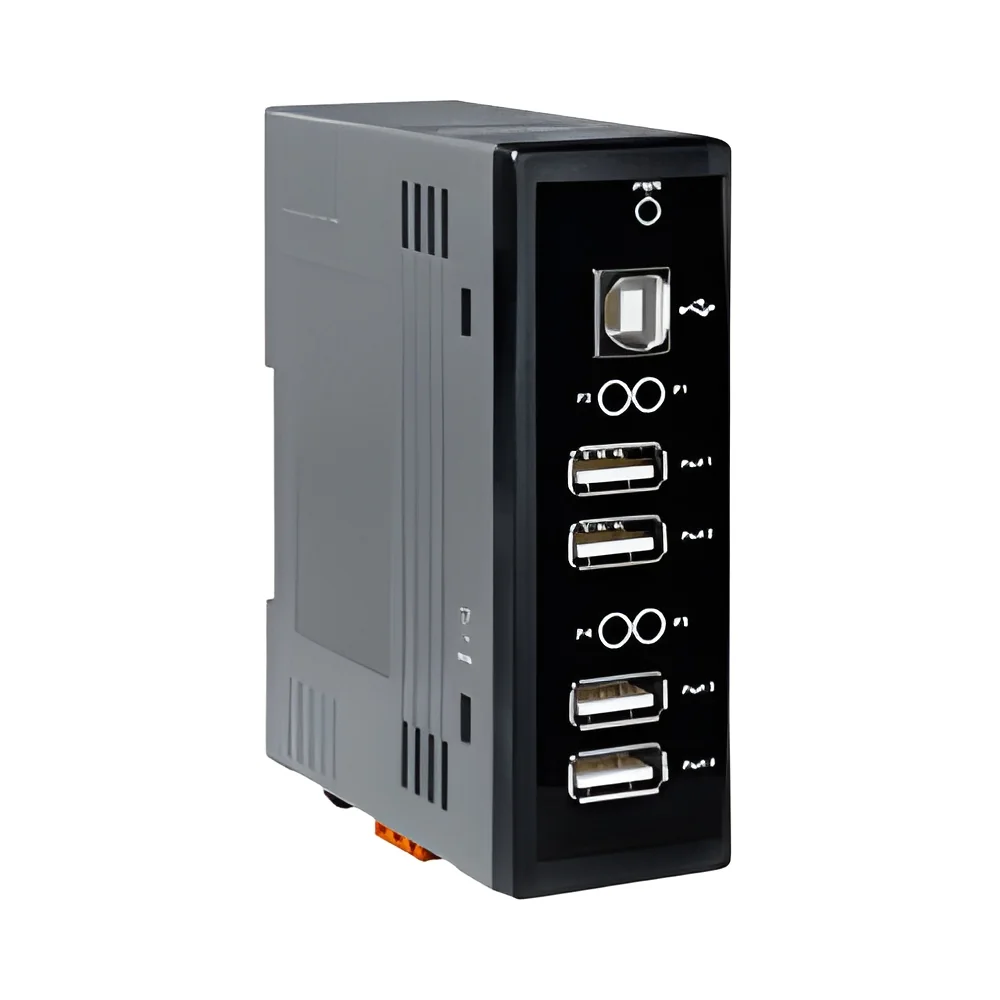
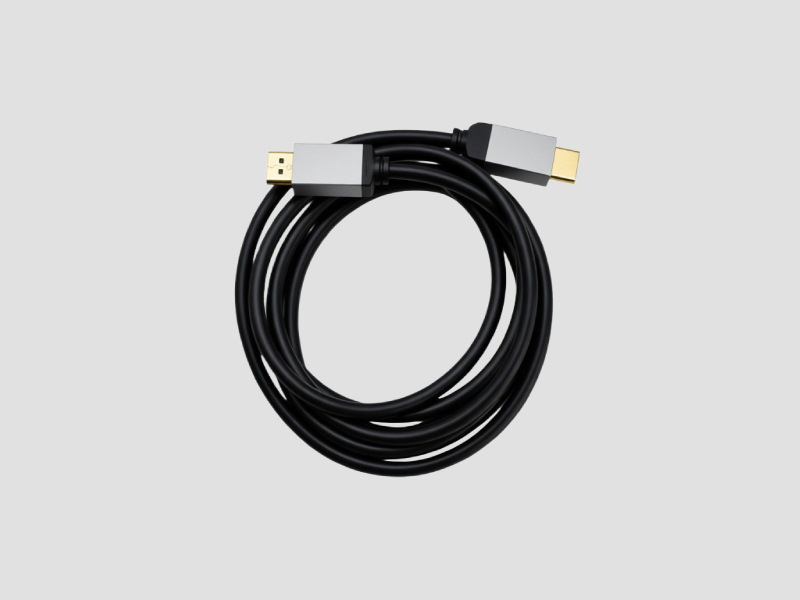
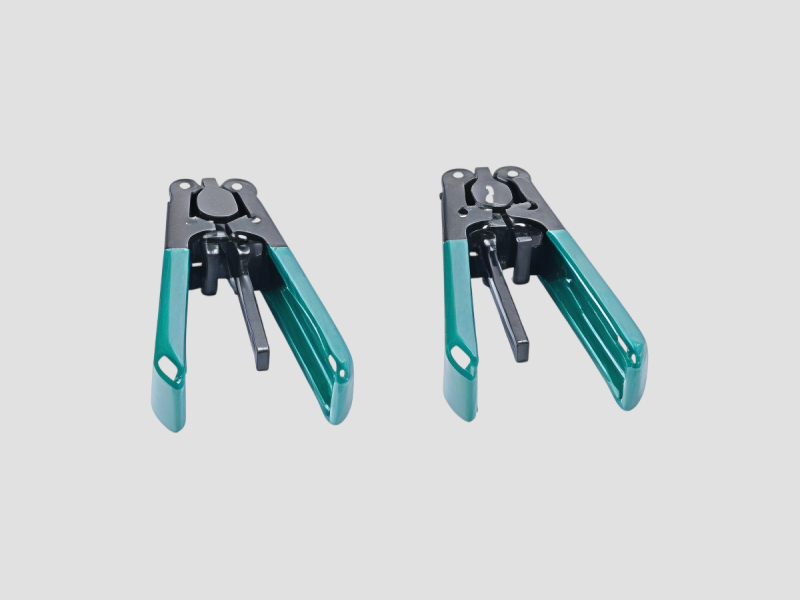
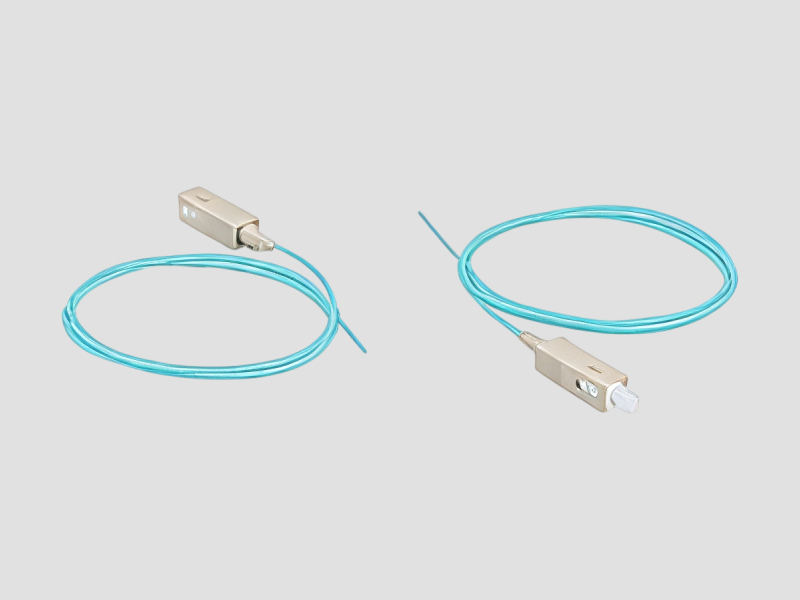
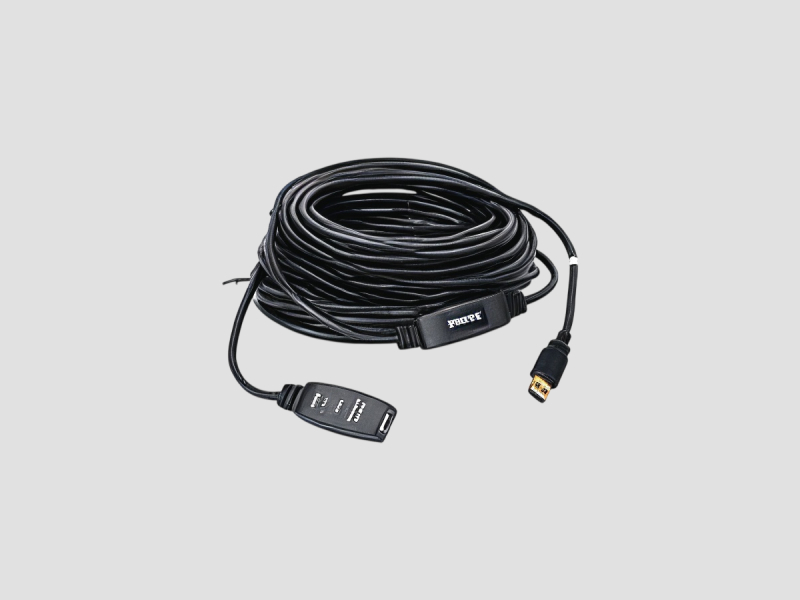
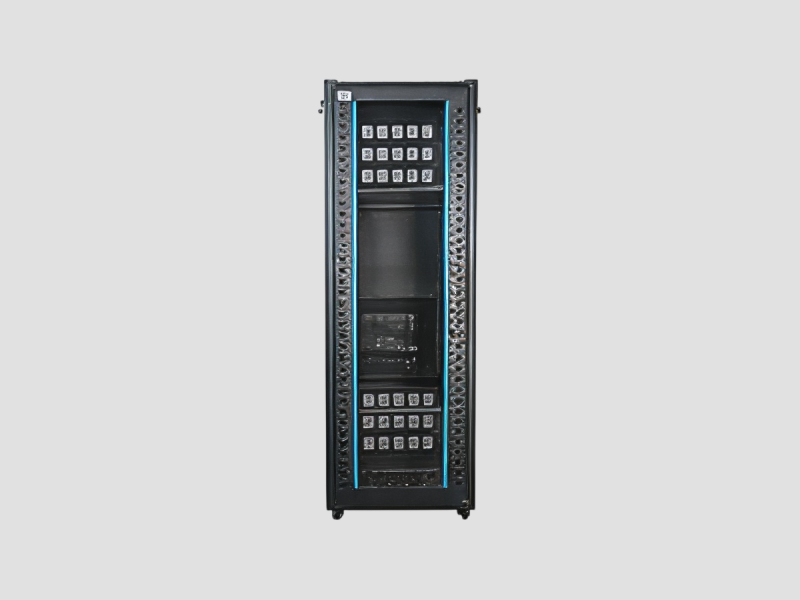
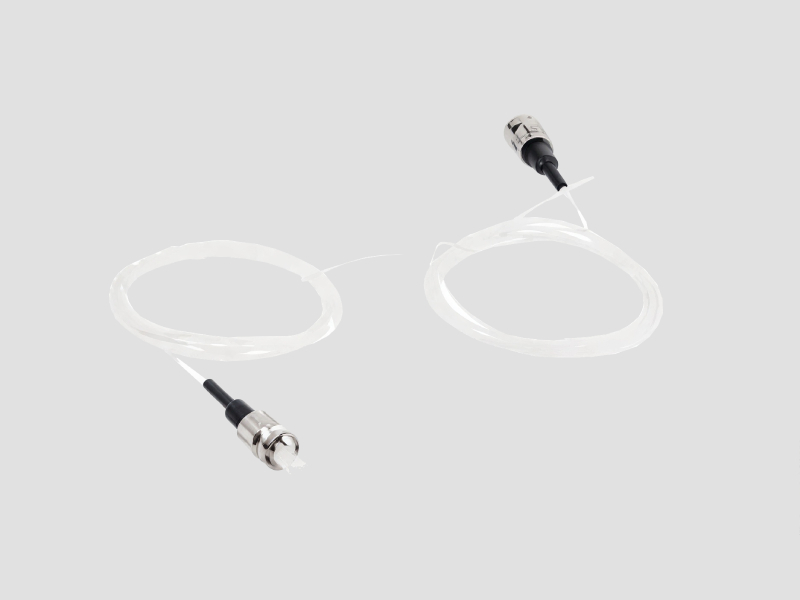
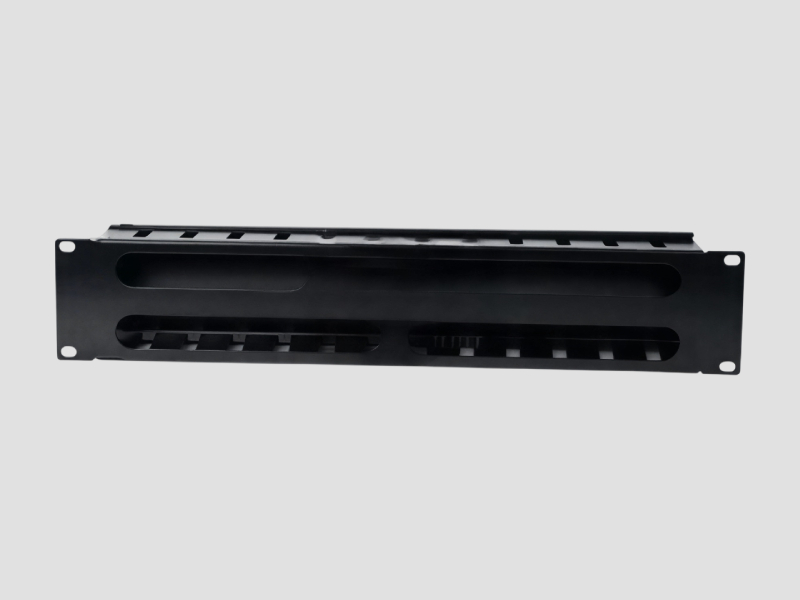
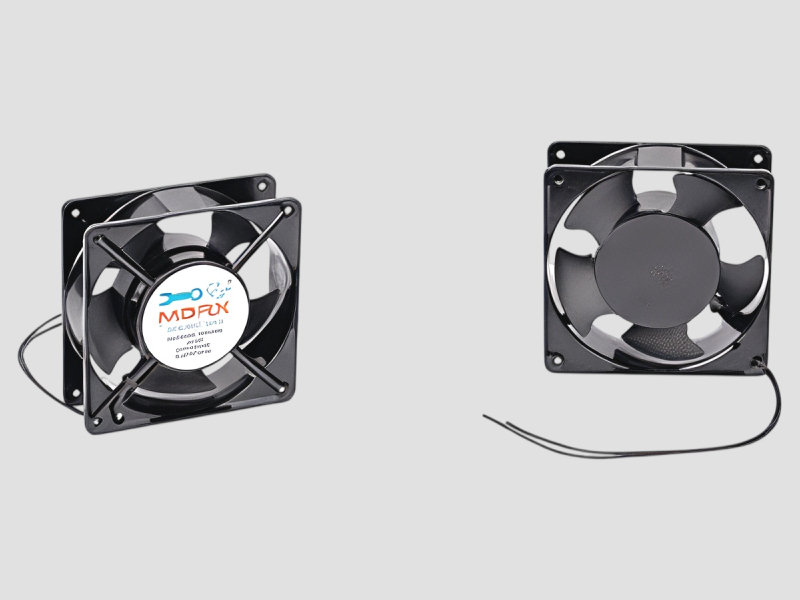
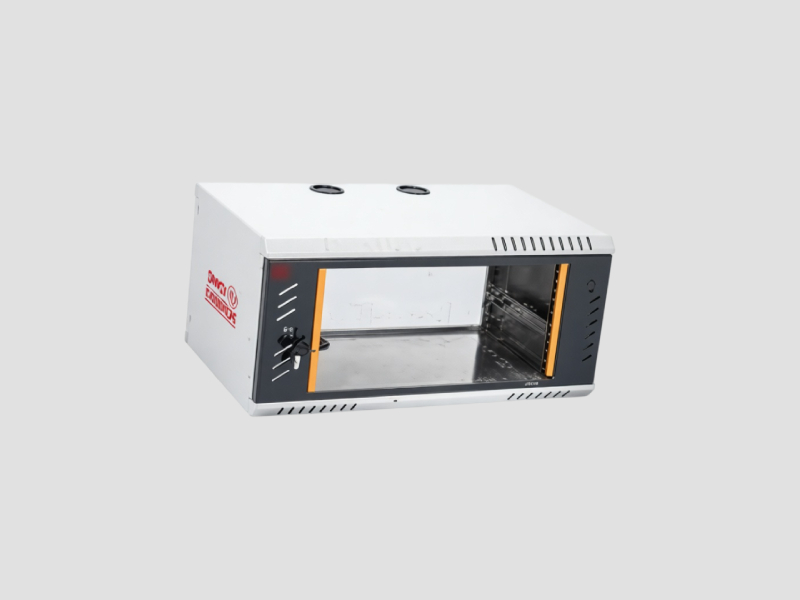
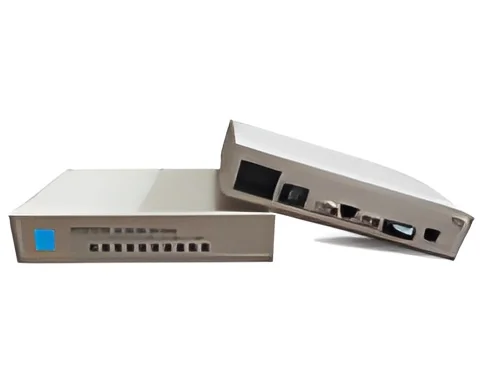
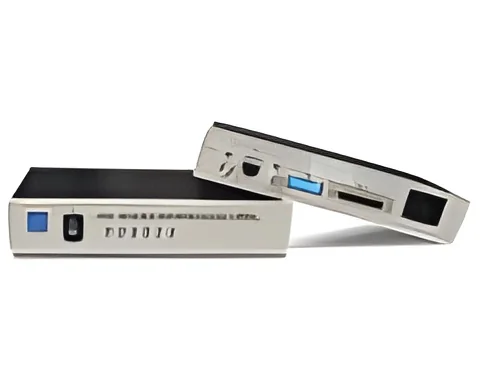
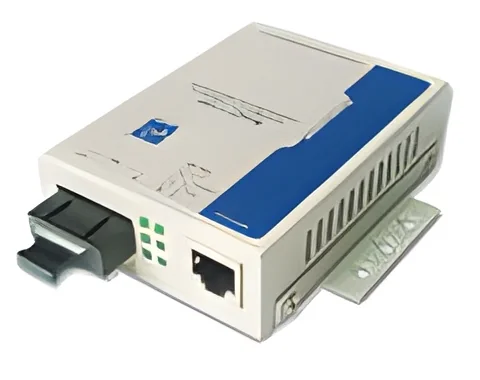
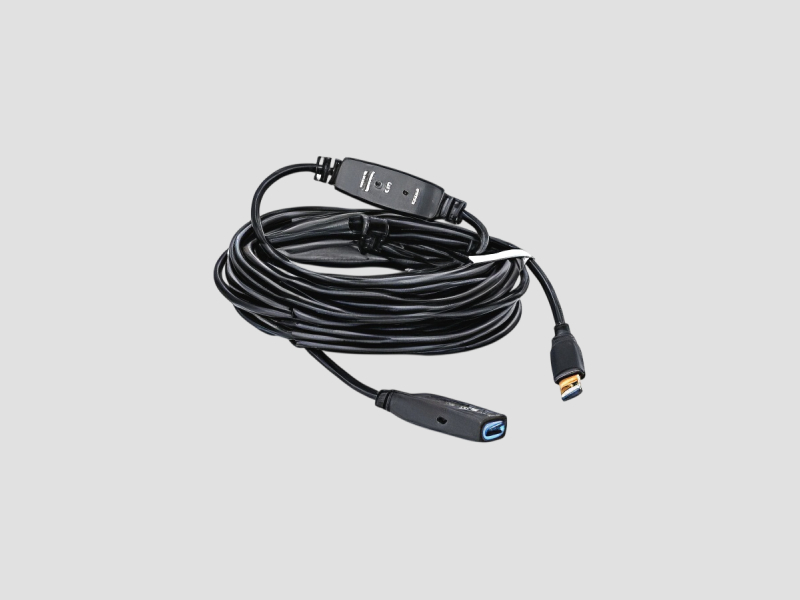
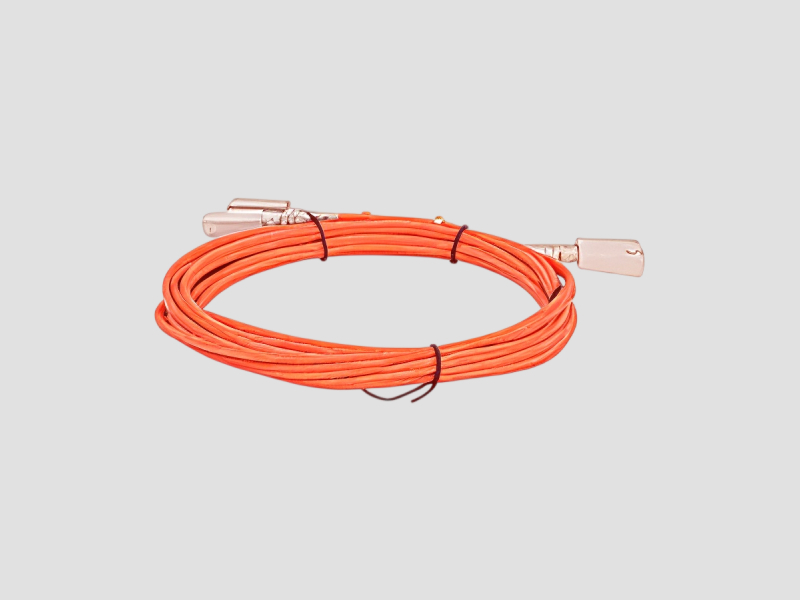
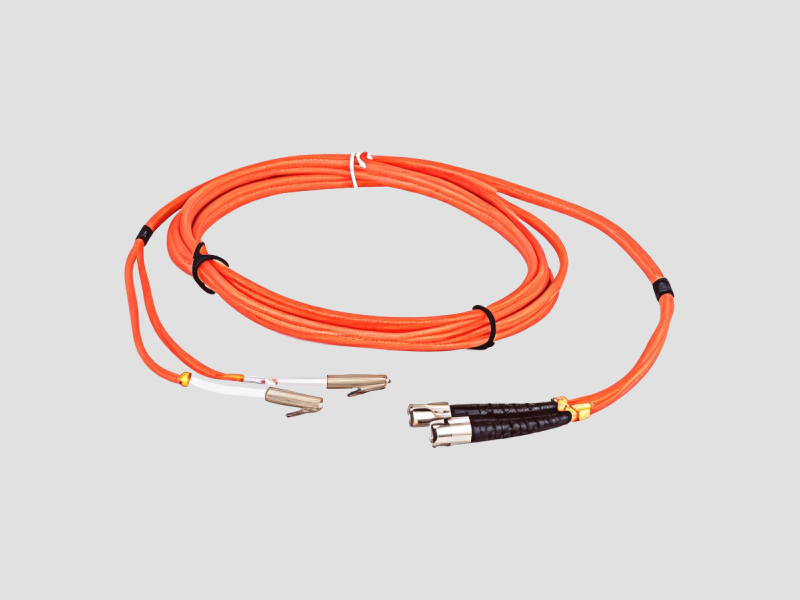
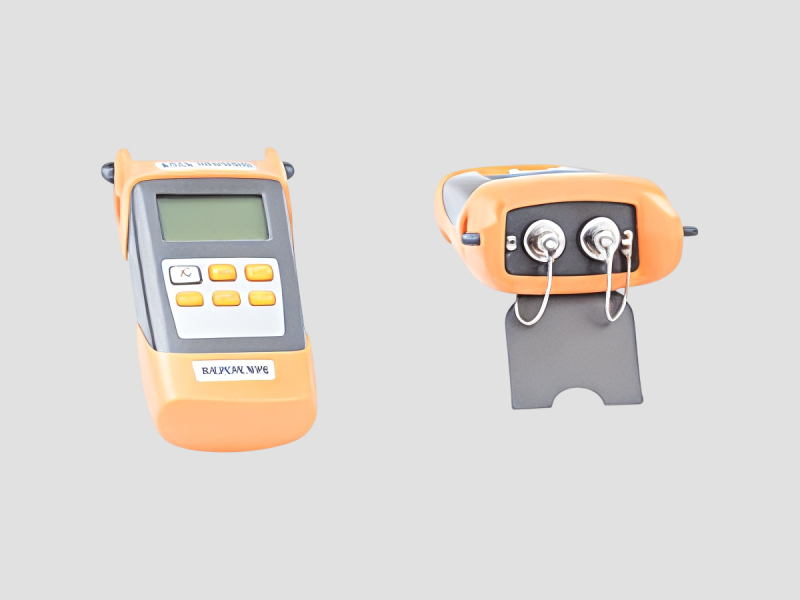
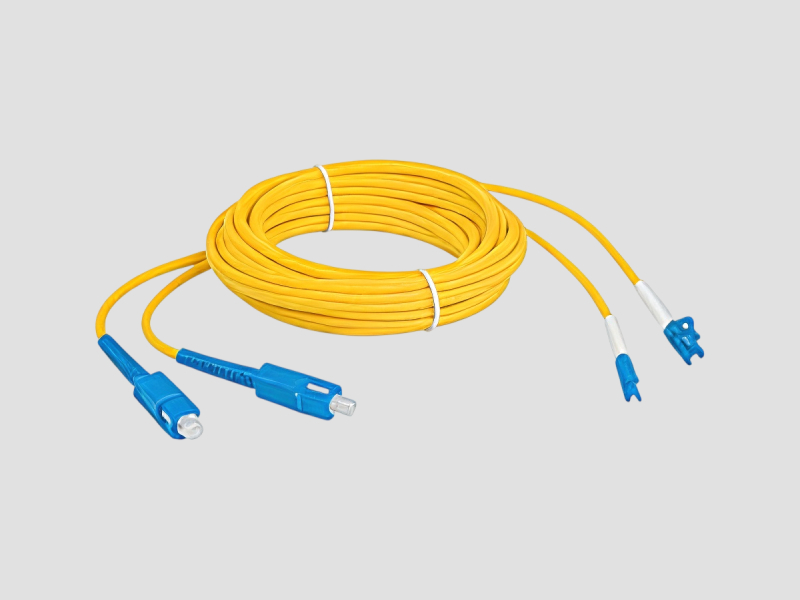
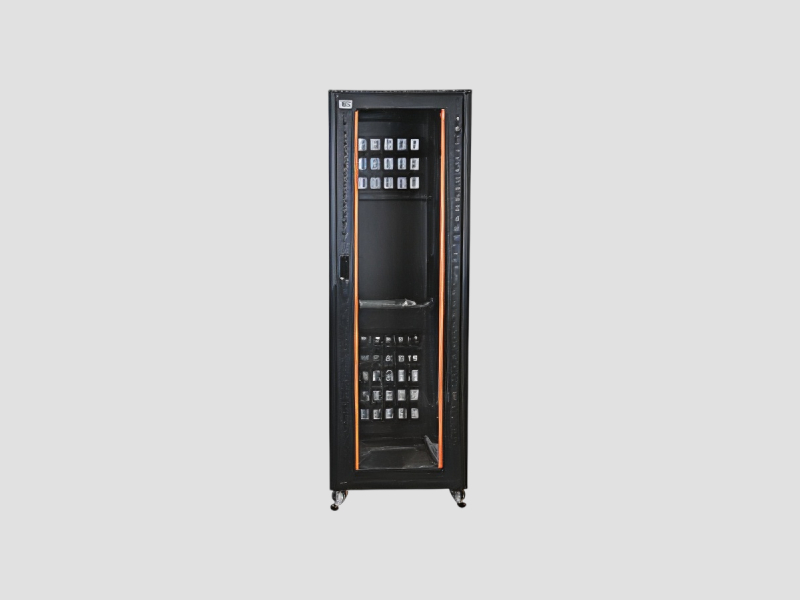
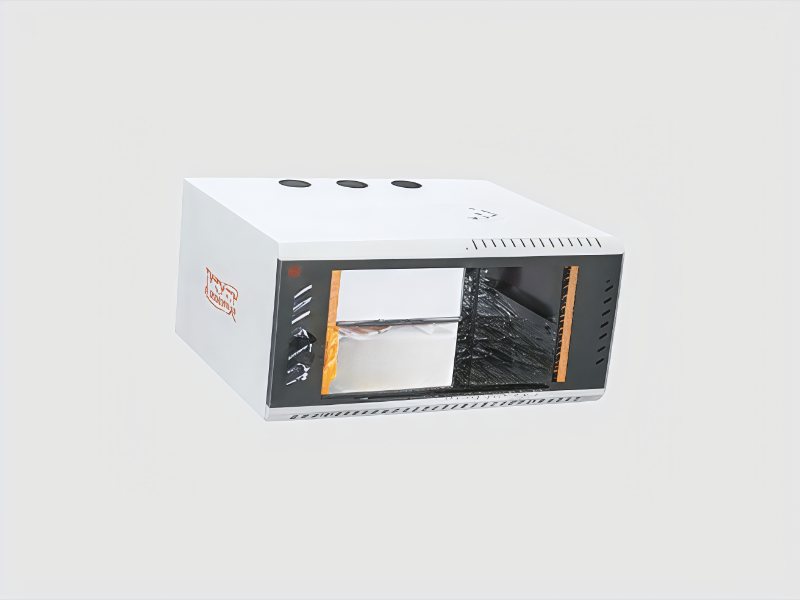
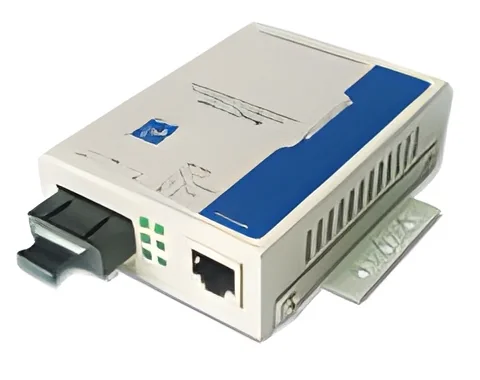
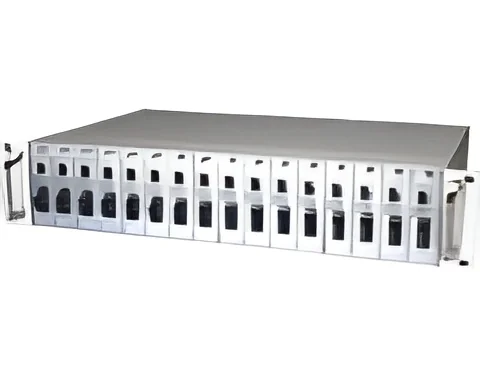
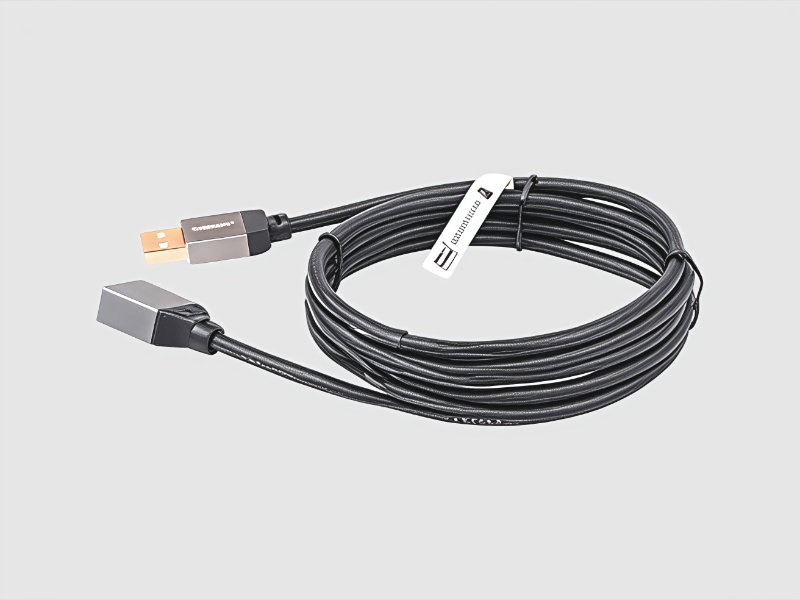
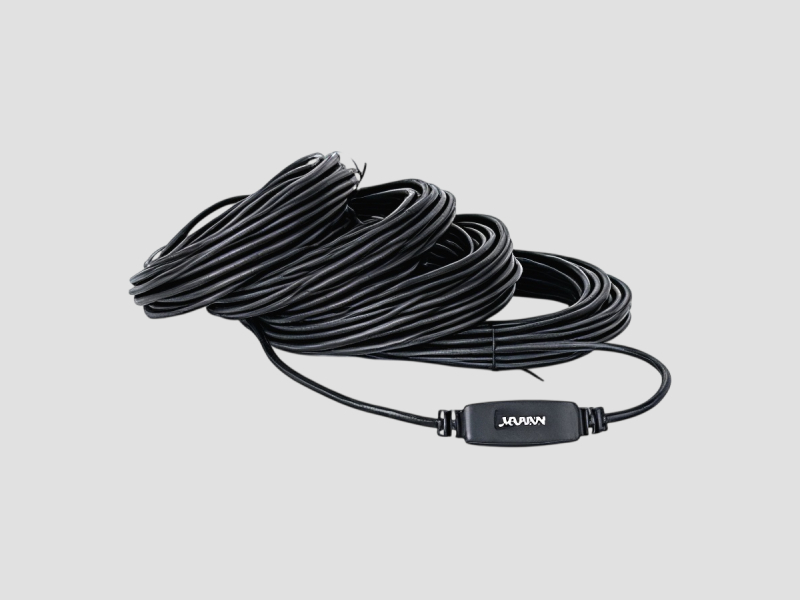
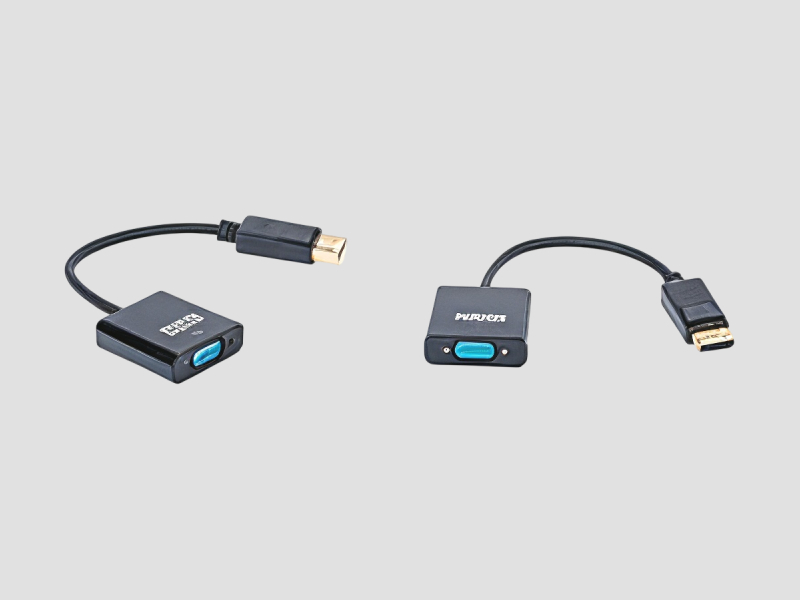
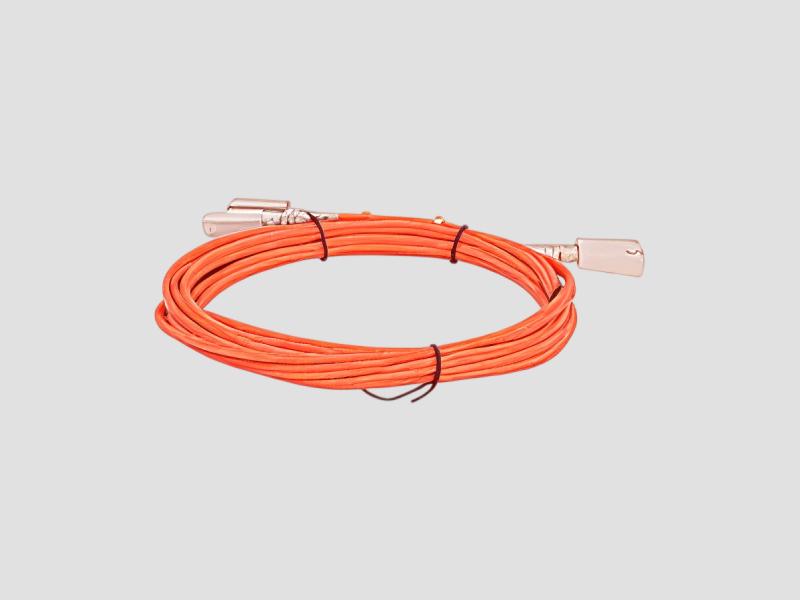
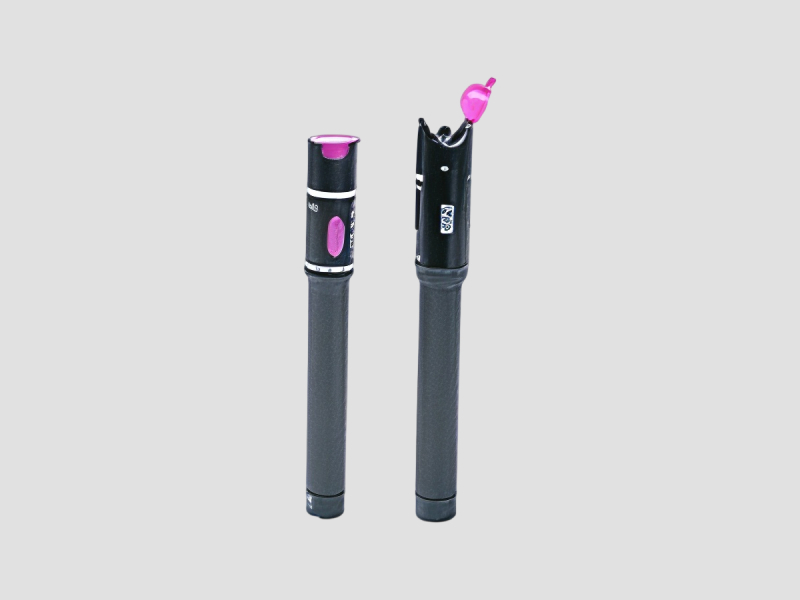
Networking devices are hardware components that facilitate communication between computers and other devices within a network. These devices manage data traffic, allowing information to be shared and accessed seamlessly. Common examples of networking devices include routers, switches, hubs, and modems. Each device plays a specific role in optimizing network performance and reliability.
Networking devices are essential for businesses of all sizes, as they enable efficient communication, data sharing, and connectivity. In a corporate environment, these devices support various applications, from file sharing and video conferencing to cloud services and remote access. As businesses increasingly rely on digital communications, the significance of networking devices continues to grow. They are crucial for maintaining smooth operations in industries that require constant connectivity and data exchange.
The networking device market is expanding rapidly, driven by the rise in internet usage, cloud computing, and the increasing number of connected devices. Companies are seeking advanced solutions that enhance network speed, security, and reliability, making networking devices a vital component of modern business infrastructure.
𝗞𝗲𝘆 𝗙𝗲𝗮𝘁𝘂𝗿𝗲𝘀 𝗮𝗻𝗱 𝗦𝗽𝗲𝗰𝗶𝗳𝗶𝗰𝗮𝘁𝗶𝗼𝗻𝘀
Networking devices are characterized by various features and specifications that determine their performance and suitability for specific applications. Understanding these specifications is vital for businesses when selecting the right devices for their needs.
Key specifications include:
1. Data Transfer Rate
- This specification indicates the maximum speed at which data can be transmitted.
- Common ranges include 100Mbps, 1Gbps, and 10Gbps.
2. Number of Ports
- This refers to the physical ports available on the device for connecting other networked devices.
- Typical configurations include 4, 8, 16, or more ports depending on the device type.
3. Connectivity Type
- Devices can support wired or wireless connections.
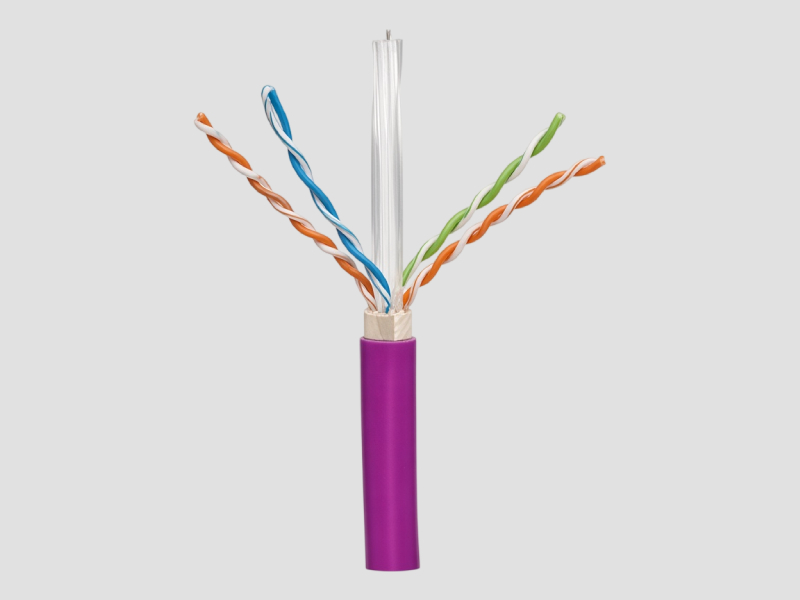
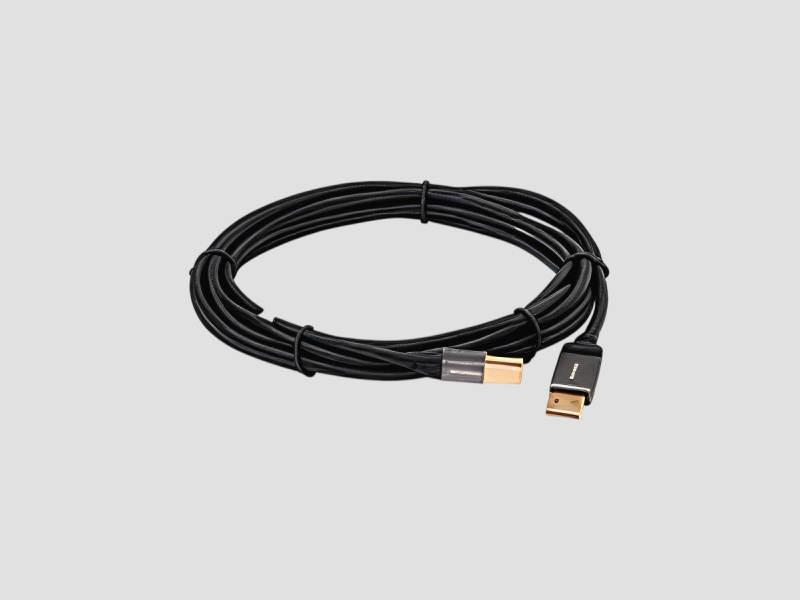
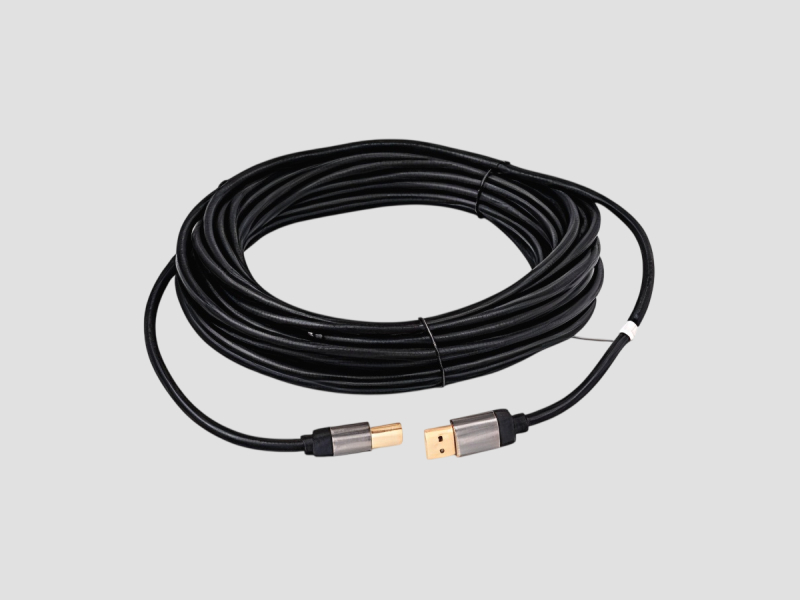
- Common standards for wireless devices include Wi-Fi 5, Wi-Fi 6, and Ethernet standards such as Cat5e, Cat6.
4. Range
- This specification defines the coverage area for wireless devices.
- Typical ranges vary from 30 meters indoors to over 100 meters outdoors.
5. Security Features
- Devices may include built-in firewalls, VPN support, and encryption protocols.
- Common security standards include WPA2, WPA3, and IPsec.
6. Power over Ethernet (PoE) Support
- This feature allows devices to receive power through the Ethernet cable.
- It simplifies installations by reducing the need for additional power sources.
7. Management Capabilities
- Some devices offer managed options, allowing for advanced configuration and monitoring.
- Features may include SNMP support and web-based management interfaces.
8. Warranty and Support
- Many manufacturers provide varying warranty periods and technical support options.
- Typical warranty periods range from one year to three years.
In summary, understanding the key features and specifications of networking devices helps businesses make informed decisions that align with their operational needs and budget.
𝗖𝗼𝗺𝗺𝗼𝗻 𝗔𝗽𝗽𝗹𝗶𝗰𝗮𝘁𝗶𝗼𝗻𝘀 𝗮𝗻𝗱 𝗨𝘀𝗲 𝗖𝗮𝘀𝗲𝘀
Networking devices are utilized across various industries to enhance connectivity and operational efficiency.
1. Healthcare: In hospitals, networking devices enable secure sharing of patient data among medical staff, improving care and response times.
2. Education: Schools use networking devices to facilitate online learning, allowing students and teachers to connect seamlessly for virtual classes.
3. Manufacturing: In industrial settings, networking devices support automation systems, enabling real-time monitoring and control of machinery and processes.
4. Retail: Retailers rely on networking devices for point-of-sale systems, inventory management, and customer engagement through Wi-Fi services.
5. Finance: Banks and financial institutions use networking devices to secure transactions and streamline communications between branches and clients.
6. Hospitality: Hotels utilize networking devices to provide guests with reliable internet access and support for digital services like room controls.
7. Telecommunications: Telecom companies deploy networking devices to manage extensive networks, ensuring robust connectivity for their subscribers.
𝗣𝗿𝗼𝗱𝘂𝗰𝘁 𝗩𝗮𝗿𝗶𝗮𝗻𝘁𝘀 𝗮𝗻𝗱 𝗦𝘂𝗯𝗰𝗮𝘁𝗲𝗴𝗼𝗿𝗶𝗲𝘀
Networking devices come in various forms to cater to specific needs and applications.
Router
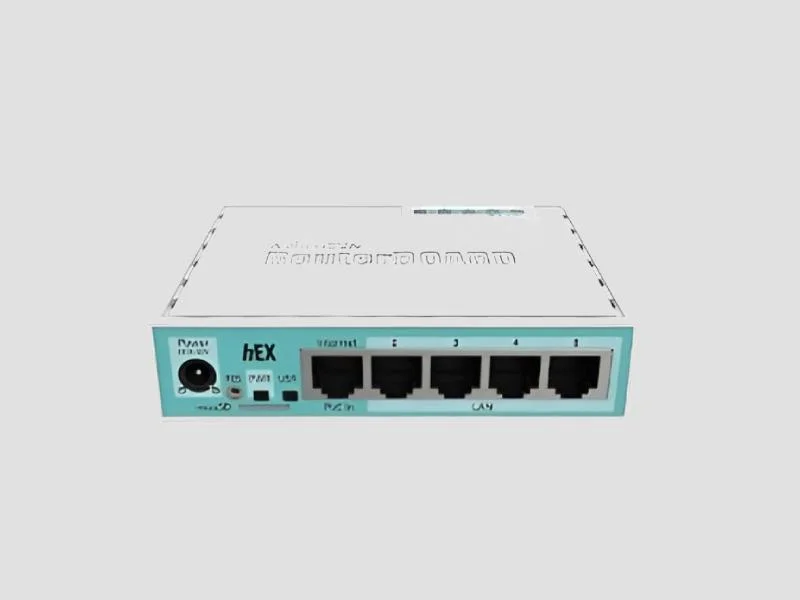
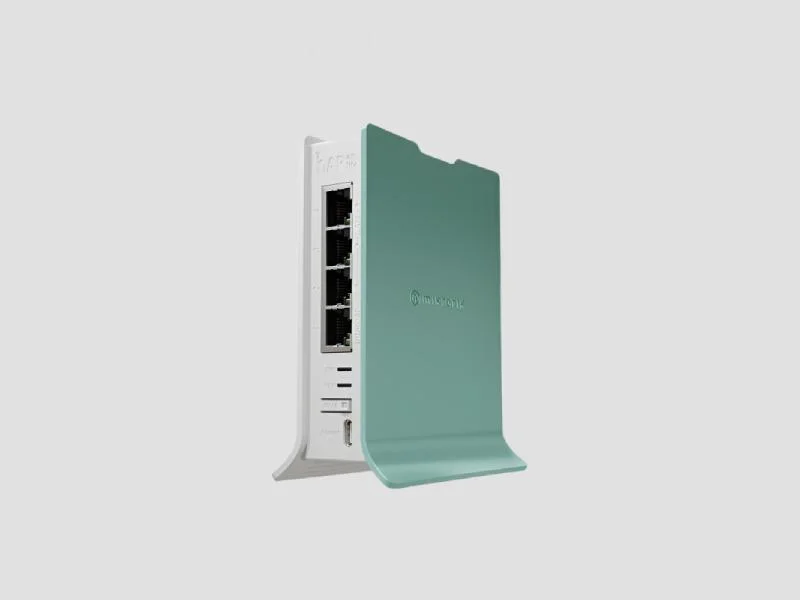
A router connects multiple networks, directing data between them. It often includes built-in security features and can manage both wired and wireless connections, making it essential for businesses requiring secure internet access.
Switch
A switch connects devices within a single network, facilitating communication between them. It operates at the data link layer, ensuring efficient data transfer and reducing network congestion.
Access Point
An access point extends a wired network by adding wireless capabilities. It allows devices to connect to the network without cables, providing flexibility and convenience in office environments.
Firewall
A firewall protects networks from unauthorized access and cyber threats. It monitors incoming and outgoing traffic, ensuring data integrity and security for businesses.
𝗕𝗲𝗻𝗲𝗳𝗶𝘁𝘀 𝗮𝗻𝗱 𝗔𝗱𝘃𝗮𝗻𝘁𝗮𝗴𝗲𝘀
Networking devices offer numerous advantages that enhance business operations and connectivity.
1. Improved Connectivity: These devices ensure reliable and fast connections, enabling seamless communication among team members.
2. Enhanced Security: Many networking devices come equipped with advanced security features that protect sensitive data from unauthorized access and cyber threats.
3. Scalability: Networking devices can easily adapt to growing business needs, allowing for the addition of new devices and users without significant infrastructure changes.
4. Cost Efficiency: By optimizing data traffic and reducing downtime, networking devices contribute to overall cost savings for businesses.
5. Centralized Management: Many devices offer centralized control, allowing IT teams to monitor and manage networks effectively from a single interface.
6. Increased Productivity: With reliable networking solutions, employees can collaborate more efficiently, leading to improved productivity and performance.
𝗕𝘂𝘆𝗶𝗻𝗴 𝗚𝘂𝗶𝗱𝗲 𝗳𝗼𝗿 𝗕𝟮𝗕 𝗕𝘂𝘆𝗲𝗿𝘀
When sourcing networking devices, businesses should consider several critical factors to ensure they select the right solutions for their needs.
1. Quality Assessment: Evaluate the quality of networking devices by examining manufacturer reputations and product reviews. High-quality devices often feature robust construction and reliable performance.
2. Supplier Verification: It is essential to vet suppliers carefully. Check for certifications, industry experience, and customer feedback to ensure you are working with a reputable provider.
3. Pricing and MOQ: Understand the pricing structure and minimum order quantities (MOQ) from suppliers. Compare prices across multiple vendors to find the best value for your budget.
4. Delivery and Lead Times: Consider the logistics of obtaining networking devices. Ensure suppliers can meet your timeline for delivery to avoid project delays.
5. Compliance Requirements: Stay informed about regulatory and compliance needs relevant to your industry. Ensure that the devices you choose meet necessary standards and certifications.
𝗖𝗼𝗺𝗽𝗹𝗶𝗮𝗻𝗰𝗲 𝗮𝗻𝗱 𝗖𝗲𝗿𝘁𝗶𝗳𝗶𝗰𝗮𝘁𝗶𝗼𝗻𝘀
Compliance and certifications are essential considerations for networking devices. Many devices are subject to quality standards such as ISO 9001, which ensures a consistent level of quality in manufacturing processes.
Industry certifications, such as CE, demonstrate that the devices meet European safety and health requirements, providing assurance to buyers regarding product safety and efficacy.
Additionally, safety and testing requirements are critical to ensure that devices operate reliably under various conditions. As networking devices can be deployed in different regions, understanding regional compliance considerations is vital for businesses to avoid legal and operational issues.
𝗪𝗵𝘆 𝗦𝗼𝘂𝗿𝗰𝗲 𝗡𝗲𝘁𝘄𝗼𝗿𝗸𝗶𝗻𝗴 𝗗𝗲𝘃𝗶𝗰𝗲𝘀 𝗳𝗿𝗼𝗺 𝗣𝗲𝗽𝗮𝗴𝗼𝗿𝗮?
Pepagora offers a trusted platform for sourcing networking devices, providing several key advantages for businesses.
Verified Supplier Network: Pepagora has established a robust network of verified suppliers, ensuring that buyers can source high-quality networking devices with confidence. Each supplier is vetted for reliability and product quality.
Streamlined RFQ Process: The platform features a streamlined request for quotation (RFQ) process that simplifies the procurement journey. Buyers can quickly request quotes from multiple suppliers, enabling them to compare options efficiently.
Trade Assurance and Support: Pepagora provides trade assurance for buyers, ensuring protection against potential disputes. The platform offers support throughout the purchasing process, enhancing buyer confidence.
Regional Coverage: With a focus on markets in India, the GCC, and Southeast Asia, Pepagora connects buyers with suppliers across these regions, providing access to a diverse range of networking devices tailored to various business needs.

 IN
IN