What are Network Switches (Managed, Unmanaged)?
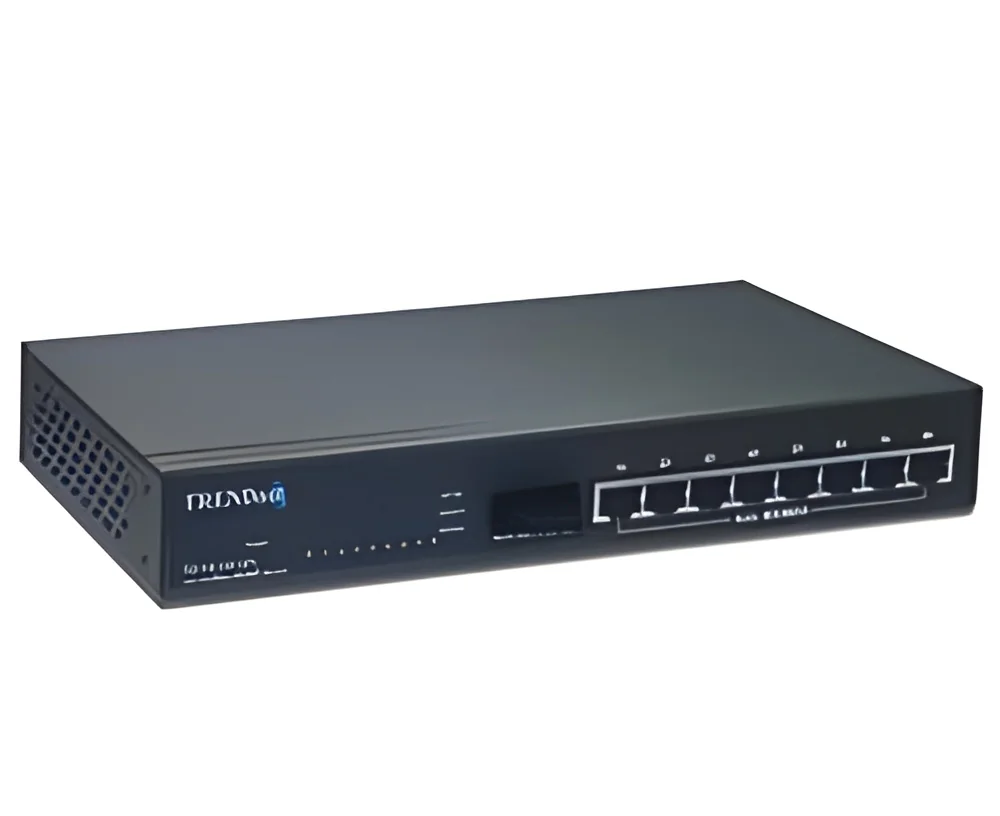
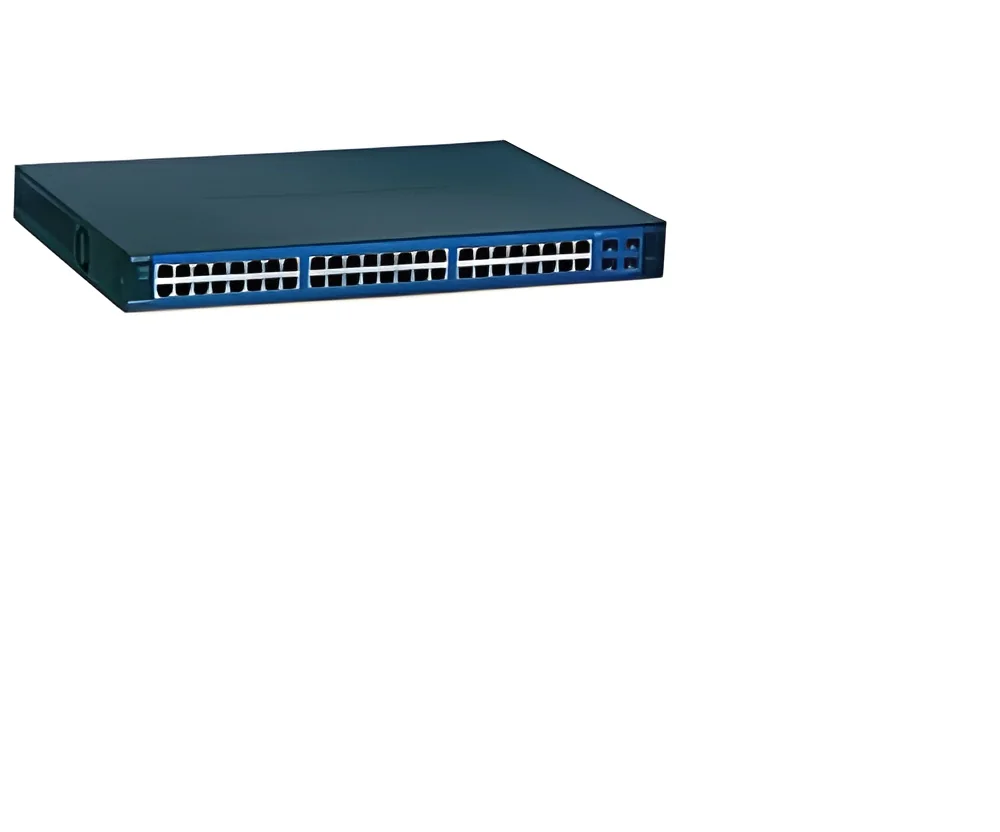
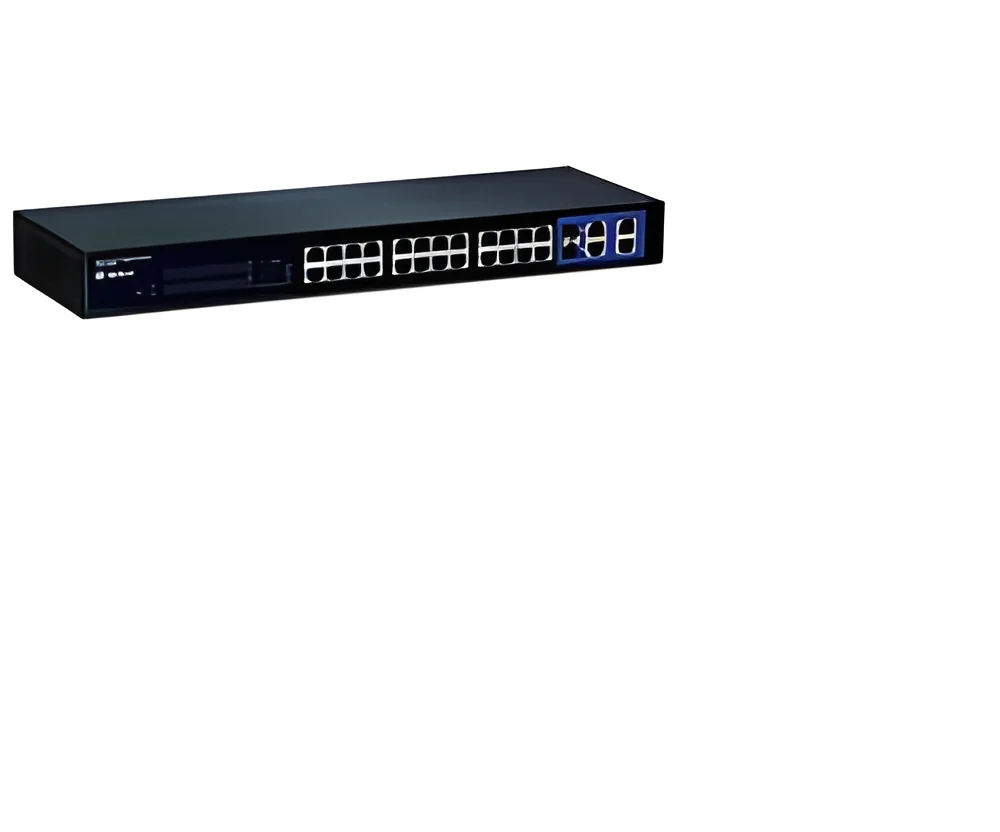
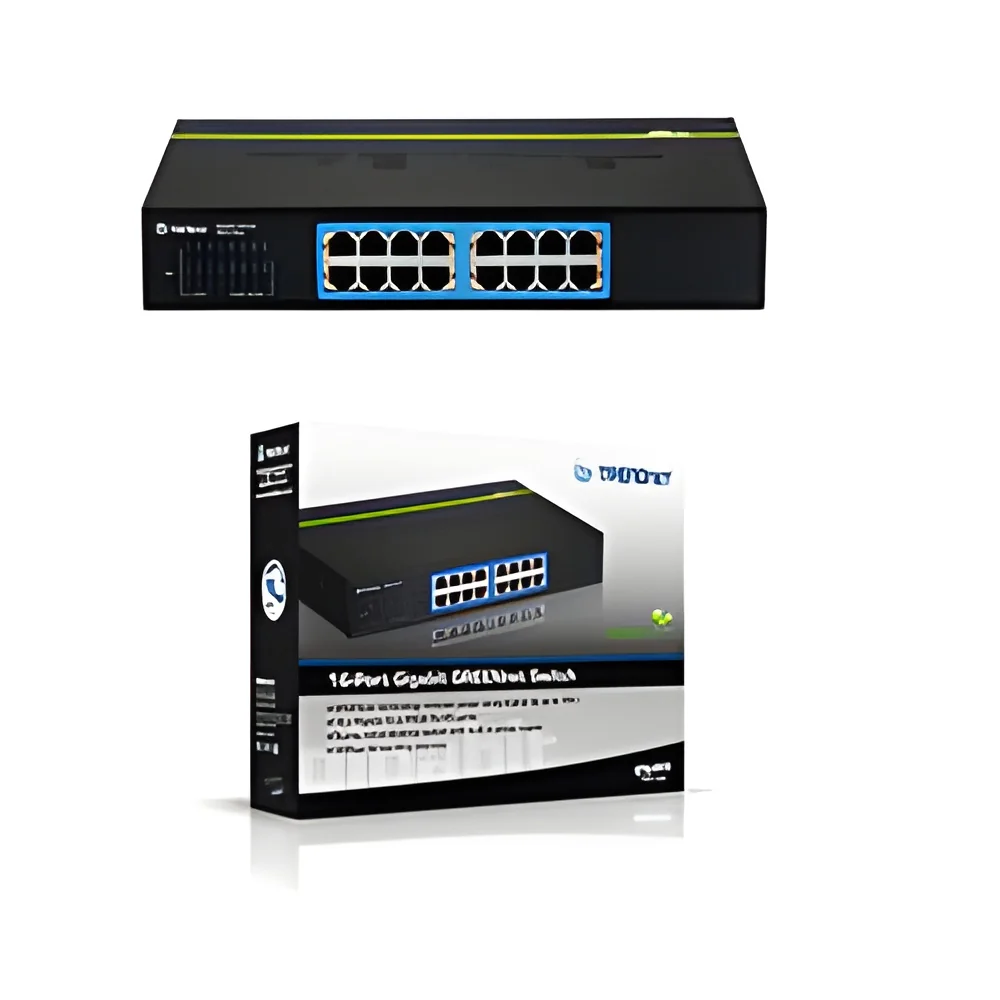
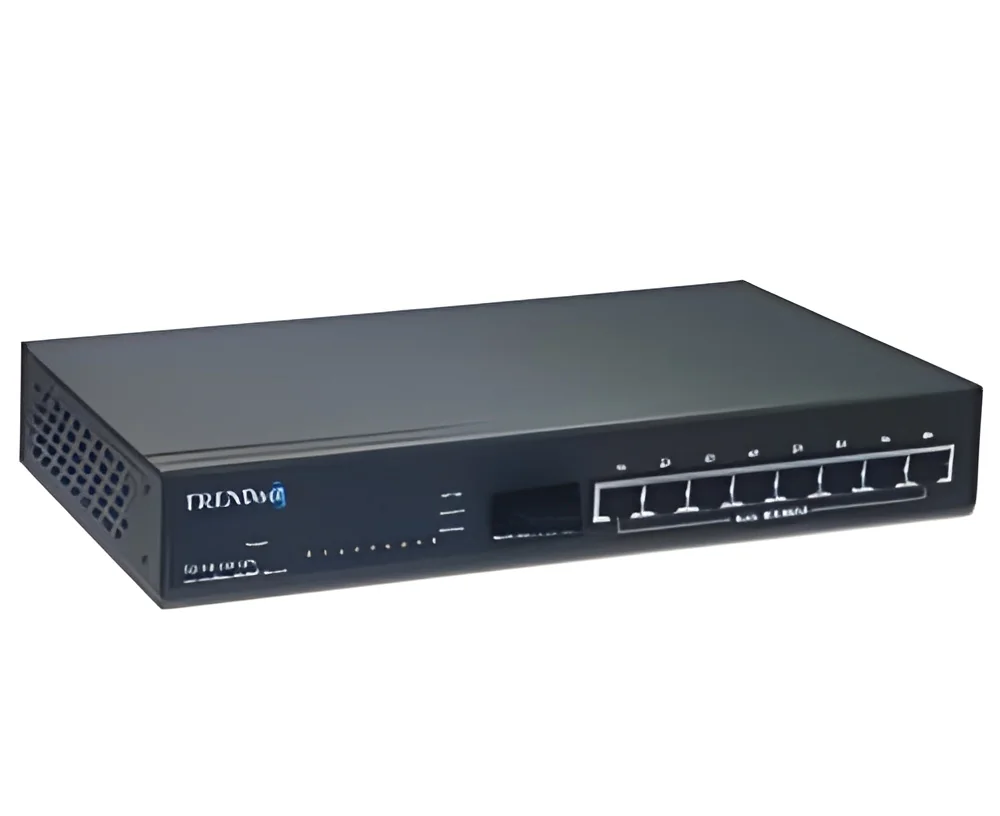
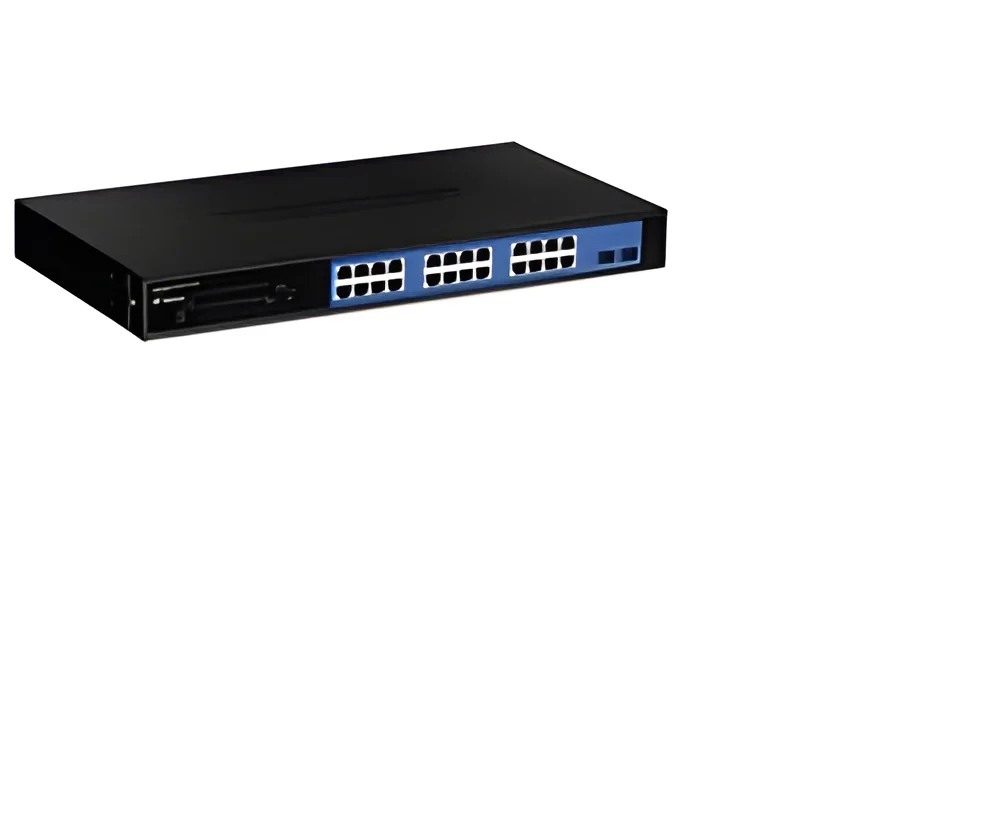
Network switches are essential devices in networking that connect multiple devices within a local area network (LAN). They facilitate communication by receiving data packets and forwarding them to the appropriate destination. Managed switches allow for greater control, enabling users to configure, manage, and monitor the network effectively. Unmanaged switches, on the other hand, are simpler devices that work out of the box without any configuration.
Network switches are widely used in various business applications, including data centers, enterprise networks, and small office setups. They are crucial for ensuring reliable connectivity and efficient data transfer between computers, servers, printers, and other networked devices. The choice between managed and unmanaged switches often depends on the complexity of the network and the level of control required. In todayโs fast-paced digital environment, having the right network infrastructure is vital for business continuity and operational efficiency.
In an increasingly interconnected world, network switches play a significant role across numerous industries. The growth of cloud computing, remote work, and IoT devices highlights the need for robust networking solutions. As organizations expand and evolve, the demand for flexible and scalable network infrastructure, including both managed and unmanaged switches, continues to rise.
๐๐ฒ๐ ๐๐ฒ๐ฎ๐๐๐ฟ๐ฒ๐ ๐ฎ๐ป๐ฑ ๐ฆ๐ฝ๐ฒ๐ฐ๐ถ๐ณ๐ถ๐ฐ๐ฎ๐๐ถ๐ผ๐ป๐
Network switches come with a range of features and specifications that cater to different networking needs. Understanding these specifications is essential for selecting the right switch for your business.
Key specifications include:
1. Port Count
- Indicates the number of devices that can be connected.
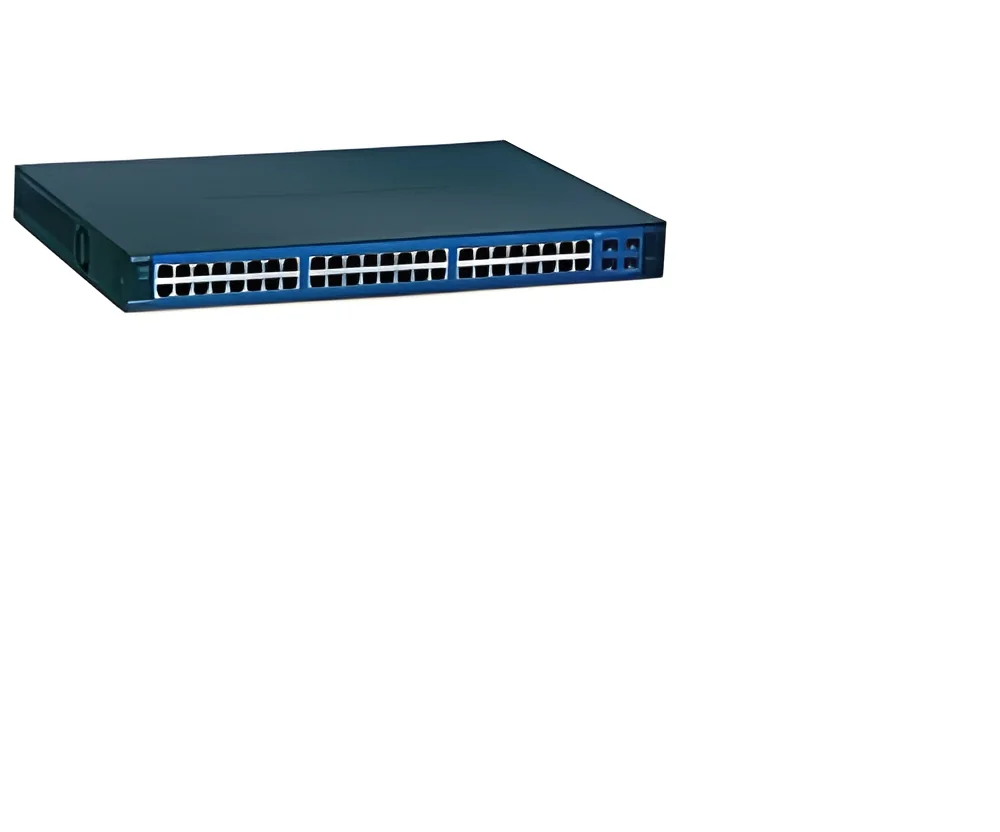
- Common configurations range from 5 to 48 ports.
2. Switch Type
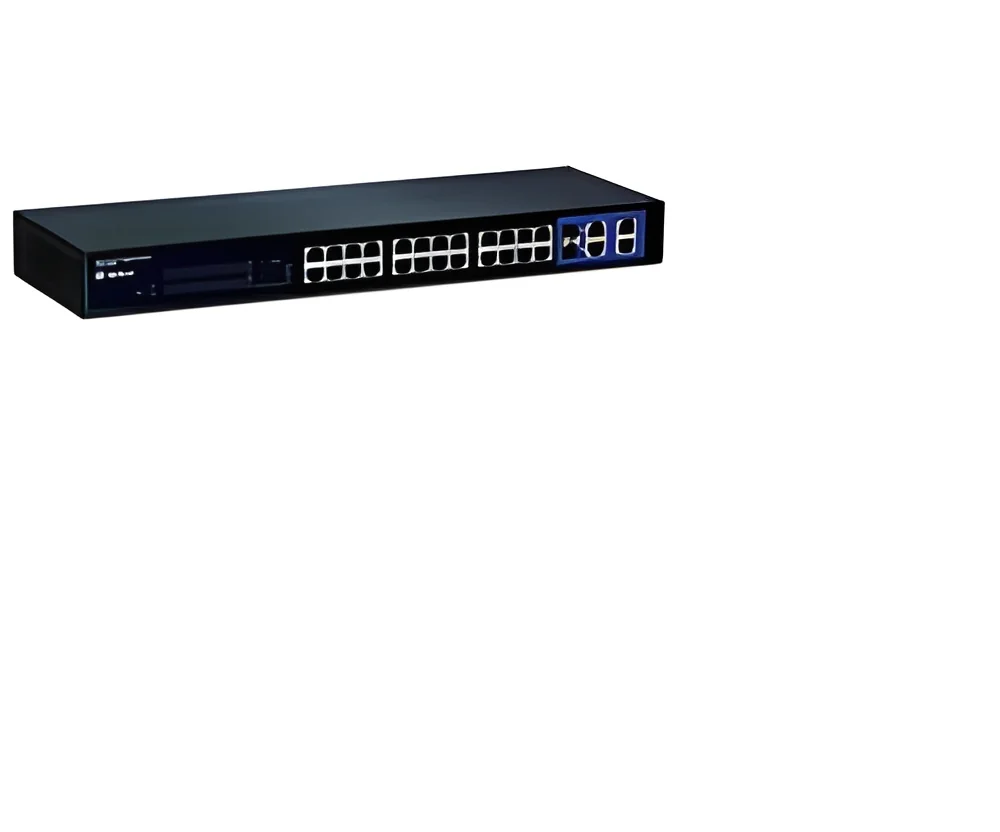
- Managed switches offer advanced features like VLAN support and traffic management.
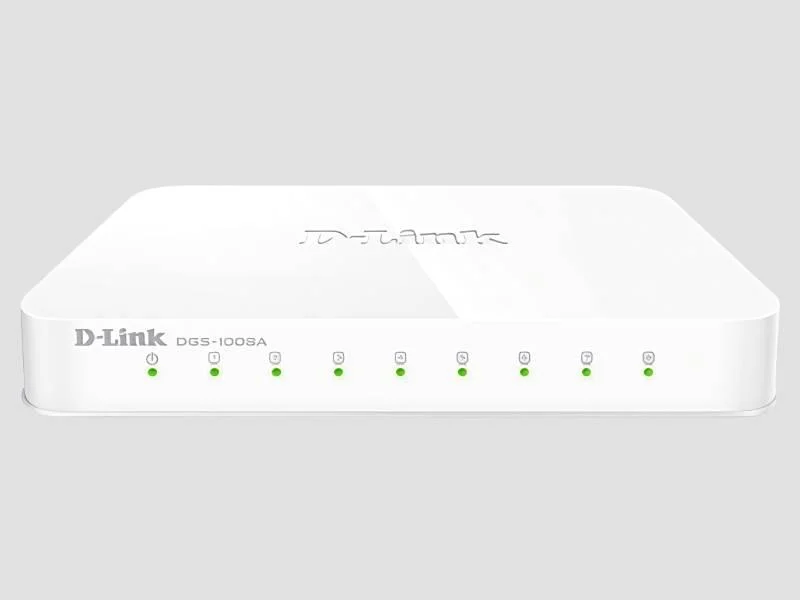
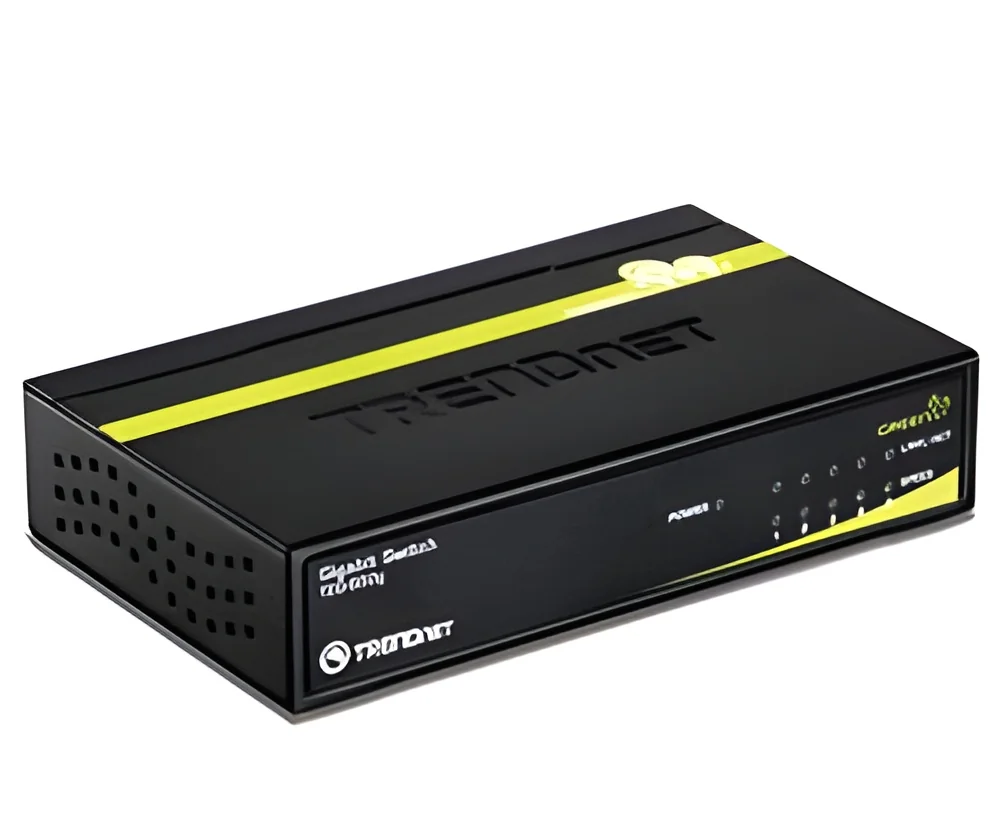
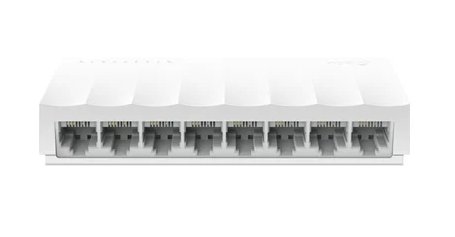
- Unmanaged switches are plug-and-play with basic functionality.
3. Layer Type
- Layer 2 switches operate at the data link layer, while Layer 3 switches can perform routing functions.
4. Speed
- Typically available in 10/100/1000 Mbps (Gigabit) options, with some supporting 10 Gbps.
5. Power over Ethernet (PoE)
- Allows the switch to deliver power to connected devices, such as IP cameras and phones.
6. Form Factor
- Options include rack-mounted, stackable, or standalone configurations.
7. Quality of Service (QoS)
- Prioritizes network traffic to ensure optimal performance for critical applications.
8. Security Features
- Managed switches provide advanced security features such as port security and access control lists.
In summary, understanding these features and specifications will enable businesses to choose the right network switches that align with their operational requirements and budget constraints.
๐๐ผ๐บ๐บ๐ผ๐ป ๐๐ฝ๐ฝ๐น๐ถ๐ฐ๐ฎ๐๐ถ๐ผ๐ป๐ ๐ฎ๐ป๐ฑ ๐จ๐๐ฒ ๐๐ฎ๐๐ฒ๐
Network switches find application across various sectors, enhancing connectivity and streamlining operations.
1. Information Technology: In IT environments, switches connect servers, workstations, and storage devices, facilitating seamless data transfer.
2. Telecommunications: Network switches are crucial for managing data traffic, ensuring reliable communication between devices in telecom networks.
3. Education: Educational institutions use switches to connect computers and multimedia equipment in classrooms and labs for collaborative learning.
4. Retail: Retailers utilize switches to link point-of-sale systems, inventory management software, and other devices to improve customer service.
5. Healthcare: Hospitals and clinics rely on switches to connect medical devices, ensuring data integrity and quick access to patient information.
6. Manufacturing: In manufacturing, switches connect machinery and automation systems, enhancing operational efficiency and real-time monitoring.
7. Hospitality: Hotels and resorts use network switches to provide guests with reliable internet access and connect various operational systems.
๐ฃ๐ฟ๐ผ๐ฑ๐๐ฐ๐ ๐ฉ๐ฎ๐ฟ๐ถ๐ฎ๐ป๐๐ ๐ฎ๐ป๐ฑ ๐ฆ๐๐ฏ๐ฐ๐ฎ๐๐ฒ๐ด๐ผ๐ฟ๐ถ๐ฒ๐
Network switches are available in various forms to cater to different business needs.
Managed Network Switches
These switches allow for complete control over the network. Features include VLAN configuration, traffic monitoring, and enhanced security. They are ideal for businesses that require robust management and scalability.
Unmanaged Network Switches
Unmanaged switches are simpler and require no configuration. They are best suited for small networks or environments where ease of use is a priority. They provide basic connectivity without advanced features.
๐๐ฒ๐ป๐ฒ๐ณ๐ถ๐๐ ๐ฎ๐ป๐ฑ ๐๐ฑ๐๐ฎ๐ป๐๐ฎ๐ด๐ฒ๐
Investing in the right network switches brings numerous benefits to businesses.
1. Improved Network Performance: Managed switches optimize data flow and reduce network congestion, enhancing overall performance.
2. Scalability: Both managed and unmanaged switches allow businesses to expand their networks as needed without significant infrastructure changes.
3. Cost-Effectiveness: Unmanaged switches are typically less expensive and easier to deploy, making them suitable for smaller operations.
4. Enhanced Security: Managed switches offer advanced security features that protect sensitive data and prevent unauthorized access.
5. Flexibility: The ability to customize settings in managed switches allows businesses to tailor their network to meet specific needs.
6. Reliability: High-quality network switches ensure consistent connectivity, which is crucial for operations that depend on real-time data.
๐๐๐๐ถ๐ป๐ด ๐๐๐ถ๐ฑ๐ฒ ๐ณ๐ผ๐ฟ ๐๐ฎ๐ ๐๐๐๐ฒ๐ฟ๐
When sourcing network switches, it is essential for B2B buyers to consider several factors to ensure they make informed decisions.
1. Quality Assessment: Evaluate switches based on their durability, performance ratings, and brand reputation. Look for models that meet industry standards.
2. Supplier Verification: Ensure suppliers are reputable and have a history of providing reliable products. Check for customer reviews and industry certifications.
3. Pricing and MOQ: Understand the pricing structure and minimum order quantities. Compare prices across different suppliers to find the best deal.
4. Delivery and Lead Times: Consider the logistics involved in delivery. Ensure that suppliers can meet your timelines for critical projects.
5. Compliance Requirements: Ensure that the switches adhere to relevant industry regulations and standards, such as CE certification, to avoid compliance issues.
๐๐ผ๐บ๐ฝ๐น๐ถ๐ฎ๐ป๐ฐ๐ฒ ๐ฎ๐ป๐ฑ ๐๐ฒ๐ฟ๐๐ถ๐ณ๐ถ๐ฐ๐ฎ๐๐ถ๐ผ๐ป๐
Compliance with quality standards and certifications is crucial for network switches. Common standards include ISO 9001, which focuses on quality management systems, ensuring that products meet customer and regulatory requirements.
Industry certifications such as CE signify that the products meet EU safety, health, and environmental protection standards. Additionally, switches may undergo rigorous testing to confirm their safety and performance capabilities.
In certain regions, compliance with local regulations may be required. Buyers should be aware of these requirements to avoid potential legal issues and ensure smooth operation in their respective markets.
Why Source Network Switches (Managed, Unmanaged) from Pepagora?
Pepagora provides a trusted platform for sourcing network switches, ensuring buyers have access to quality products and reliable suppliers.
Verified Supplier Network: Pepagora has established a network of verified suppliers, ensuring that buyers can trust the quality and reliability of the products they purchase.
Streamlined RFQ Process: The request for quotation process is simplified, allowing buyers to quickly compare options and make informed decisions without unnecessary delays.
Trade Assurance and Support: Pepagora offers trade assurance, providing buyers with protection against potential risks associated with their purchases. Dedicated support is available to assist buyers throughout the sourcing process.
Regional Coverage: With a strong presence in India, the GCC, and Southeast Asia, Pepagora enables businesses to access a wide range of network switches tailored to their regional requirements. This geographic reach ensures that buyers can find the right solutions for their specific needs.