What are Range Extenders & Repeaters?
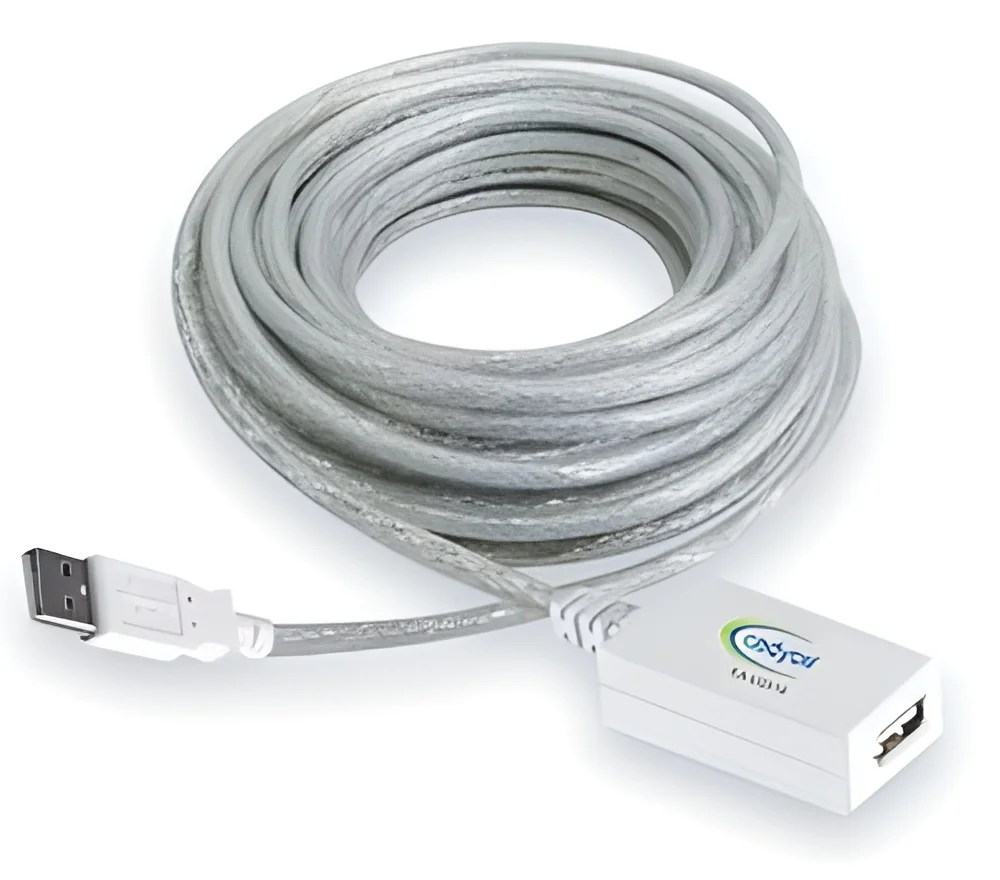
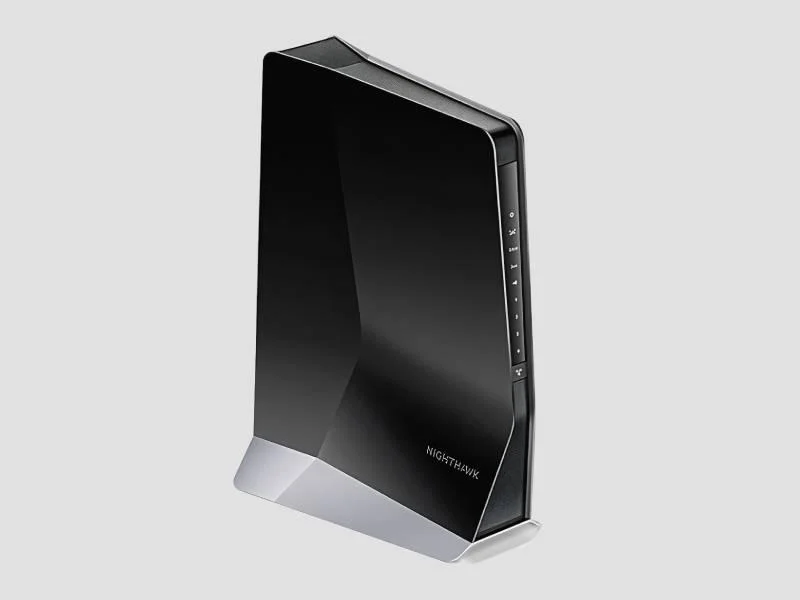
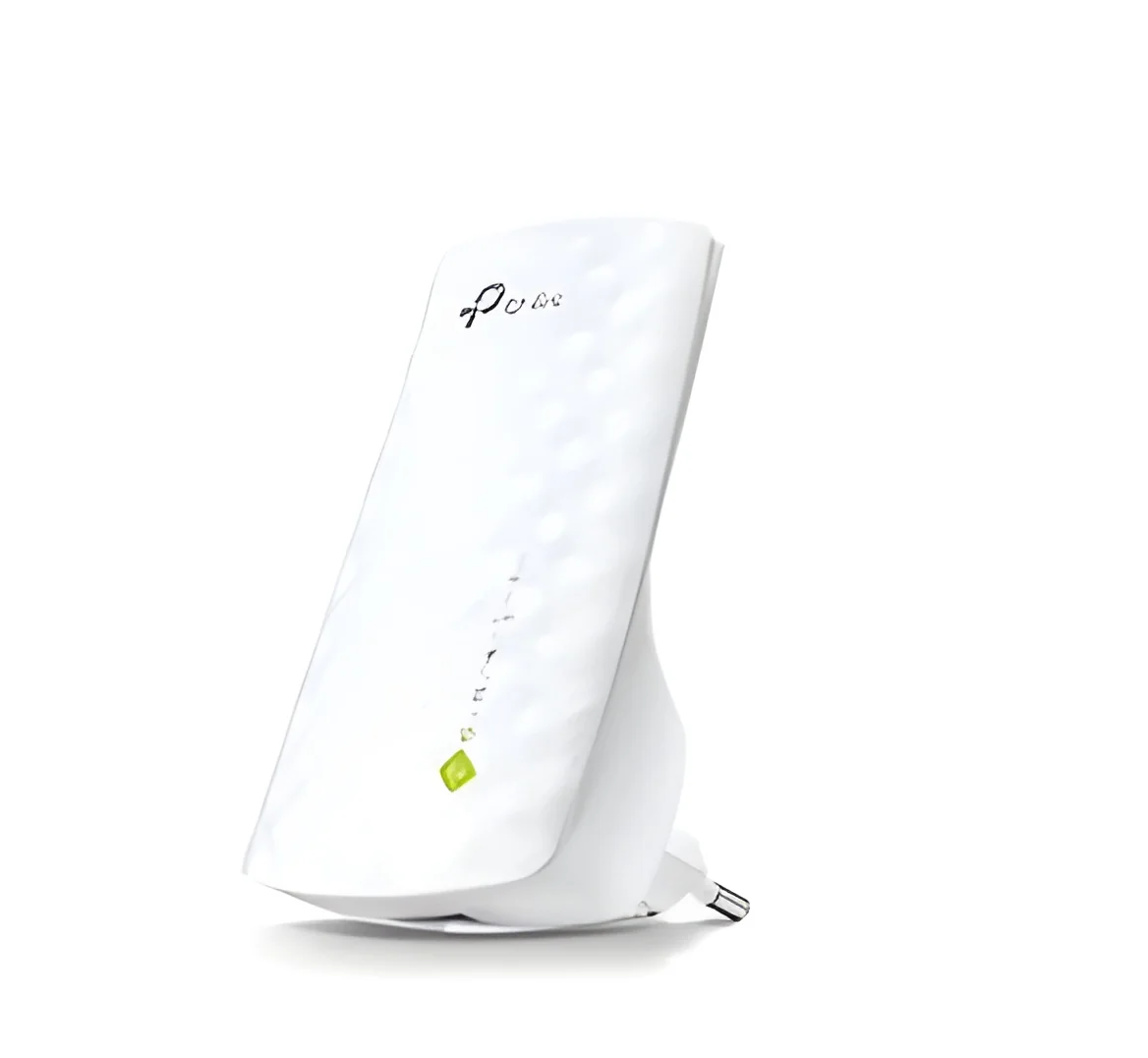
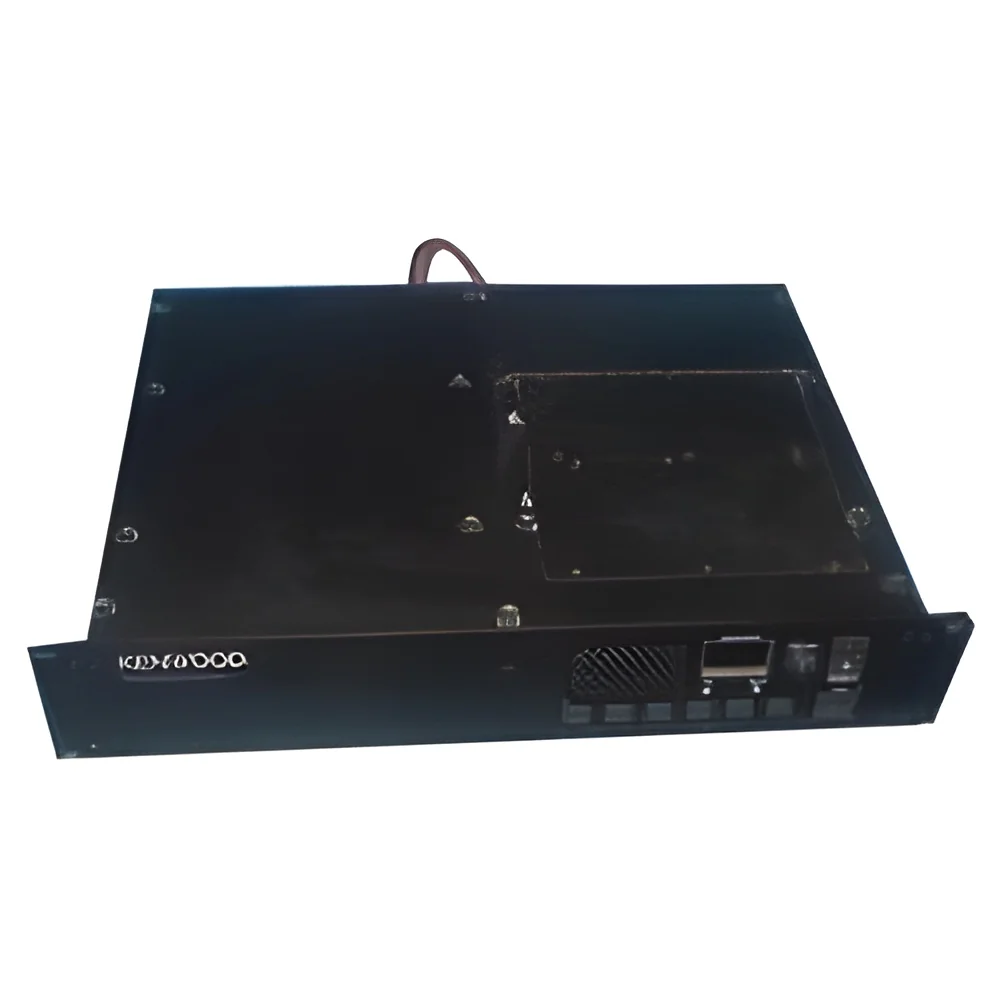
Range extenders and repeaters are devices designed to amplify and extend the range of wireless signals. They function by receiving the existing signal from a router or access point and retransmitting it to areas that may have weak or no signal. This technology is crucial for maintaining consistent connectivity in larger spaces or areas with obstacles that impede wireless signals.
The primary uses of range extenders and repeaters include enhancing wireless coverage in offices, warehouses, and manufacturing facilities. Businesses often deploy these devices to ensure that all employees and equipment have reliable access to the network, improving communication and operational efficiency. In an increasingly connected industrial environment, the demand for robust wireless solutions has grown significantly, making range extenders and repeaters essential components in many business applications.
In terms of market context, the relevance of range extenders and repeaters has surged with the proliferation of IoT devices and remote working trends. Industries are investing in these solutions to ensure seamless connectivity, facilitating the integration of smart technologies and enhancing overall productivity. As businesses continue to evolve, the need for reliable wireless communication solutions will only increase.
Key Features and Specifications
Range extenders and repeaters come equipped with a variety of features that impact their performance and suitability for different applications. Understanding these specifications can help businesses make informed purchasing decisions.
Key specifications include:
1. Frequency Bands
- Devices typically operate on 2.4 GHz and 5 GHz bands.
- Dual-band options provide better flexibility and performance.
2. Wireless Standards
- Most devices support standards such as 802.11n, 802.11ac, and 802.11ax.
- Compliance with these standards ensures compatibility with most routers.
3. Coverage Area
- Coverage varies by model, typically ranging from 1,500 to 3,000 square feet.
- The actual coverage can depend on environmental factors.
4. Data Transfer Rate
- Speeds can reach up to 1,200 Mbps or more.
- Higher rates facilitate better performance for bandwidth-heavy applications.
5. Ethernet Ports
- Many models include one or more Ethernet ports for wired connections.
- This feature allows for stable connections for devices that require it.
6. Security Protocols
- Support for WPA2 and WPA3 encryption standards.
- Ensures secure connections and protects sensitive data.
7. Setup and Management
- User-friendly interface and mobile app integration for ease of use.
- Many models offer a simple plug-and-play setup.
8. Power Supply
- Most devices are powered through standard electrical outlets.
- Some models may offer Power over Ethernet (PoE) capabilities.
In summary, a thorough understanding of the features and specifications of range extenders and repeaters is essential for businesses seeking to enhance their wireless network performance.
Common Applications and Use Cases
Range extenders and repeaters are versatile tools used across various industries to improve connectivity.
1. Office Environments: These devices are commonly used in office buildings to extend Wi-Fi coverage, ensuring that all areas have reliable internet access for employees and devices.
2. Warehousing and Distribution: In large warehouses, range extenders help maintain connectivity for handheld scanners, inventory systems, and other IoT devices, improving operational efficiency.
3. Manufacturing Facilities: In manufacturing settings, reliable wireless connections are vital for machinery and monitoring systems. Range extenders ensure that all equipment stays connected.
4. Retail Stores: Retailers use these devices to enhance customer experience by providing internet access throughout their stores, supporting mobile payment systems and in-store technology.
5. Educational Institutions: Schools and universities deploy range extenders to cover expansive campuses, allowing students and faculty to remain connected in all learning environments.
6. Healthcare Facilities: Hospitals and clinics utilize these devices to support medical equipment and ensure that staff can access patient information promptly.
7. Hospitality: Hotels and restaurants rely on range extenders to provide guests with seamless internet access throughout their facilities.
Product Variants and Subcategories
Range extenders and repeaters come in various designs and configurations to meet specific user needs.
Indoor Range Extenders: These models are designed for use within buildings, offering a compact design that plugs into wall sockets. They are ideal for enhancing Wi-Fi coverage in homes or small offices.
Outdoor Range Extenders: Built to withstand harsh weather conditions, outdoor extenders are suitable for extending coverage to outdoor areas such as patios or gardens. They often feature higher power output for improved range.
Mesh Systems: While technically different, mesh networking systems can function similarly to range extenders by utilizing multiple nodes to provide extensive coverage in large areas. These systems are ideal for complex commercial spaces.
Benefits and Advantages
Investing in range extenders and repeaters yields several advantages for businesses.
1. Improved Connectivity: These devices enhance wireless coverage, ensuring that all areas of a facility have reliable internet access.
2. Enhanced Productivity: With better connectivity, employees can work more efficiently, reducing downtime caused by poor connections.
3. Flexibility: Range extenders allow businesses to adapt their network as needed, accommodating growth or changes in layout without extensive rewiring.
4. Cost-Effective Solutions: Rather than investing in new routers or extensive cabling, range extenders provide a cost-effective way to improve wireless coverage.
5. Easy Installation: Most range extenders feature simple setup processes, allowing businesses to implement solutions without requiring specialized IT support.
6. Scalability: Businesses can easily add more extenders or upgrade existing ones to meet changing connectivity needs.
Buying Guide for B2B Buyers
When sourcing range extenders and repeaters, there are several factors to consider to ensure a successful purchase.
1. Quality Assessment: Evaluate devices based on performance reviews and manufacturer reputation. Look for products that meet industry standards for reliability.
2. Supplier Verification: Vet potential suppliers by checking their credentials, customer reviews, and warranty offers. A reliable supplier will provide assurances regarding product quality.
3. Pricing and MOQ: Understand the pricing structure and minimum order quantities required by suppliers. This information helps in budgeting and planning purchases.
4. Delivery and Lead Times: Consider logistics, including lead times for delivery. Timely access to devices is crucial for immediate connectivity needs.
5. Compliance Requirements: Ensure that the products meet relevant regulatory standards, including safety and quality certifications. Compliance is essential for operational integrity.
Compliance and Certifications
Range extenders and repeaters must adhere to various quality standards and certifications to ensure performance and safety.
ISO 9001 is a widely recognized standard that outlines quality management principles. Compliance with this standard indicates that manufacturers maintain high-quality processes and products.
CE certification is crucial for devices sold in Europe. It demonstrates compliance with European health, safety, and environmental protection standards.
In addition to these certifications, devices may also need to pass safety and testing requirements to ensure they operate effectively without posing risks to users.
Businesses should also be aware of regional compliance considerations, as different markets may have specific regulations that apply to wireless devices.
Why Source Range Extenders & Repeaters from Pepagora?
Pepagora offers a reliable platform for sourcing range extenders and repeaters, providing significant advantages to businesses.
Verified Supplier Network: Pepagora works with a network of verified suppliers, ensuring that buyers have access to quality products from reputable manufacturers.
Streamlined RFQ Process: The platform facilitates a straightforward request for quotation process, allowing buyers to quickly obtain pricing and product information from multiple suppliers.
Trade Assurance and Support: Pepagora emphasizes buyer protection through trade assurance programs. This support helps mitigate risks associated with online purchasing.
Regional Coverage: With a strong presence in India, the GCC, and Southeast Asia, Pepagora caters to a diverse range of businesses, ensuring that geographical challenges do not hinder sourcing efforts.
By choosing Pepagora, businesses can confidently source the range extenders and repeaters they need to enhance their connectivity solutions.

 IN
IN