What are Network Patch Panels?
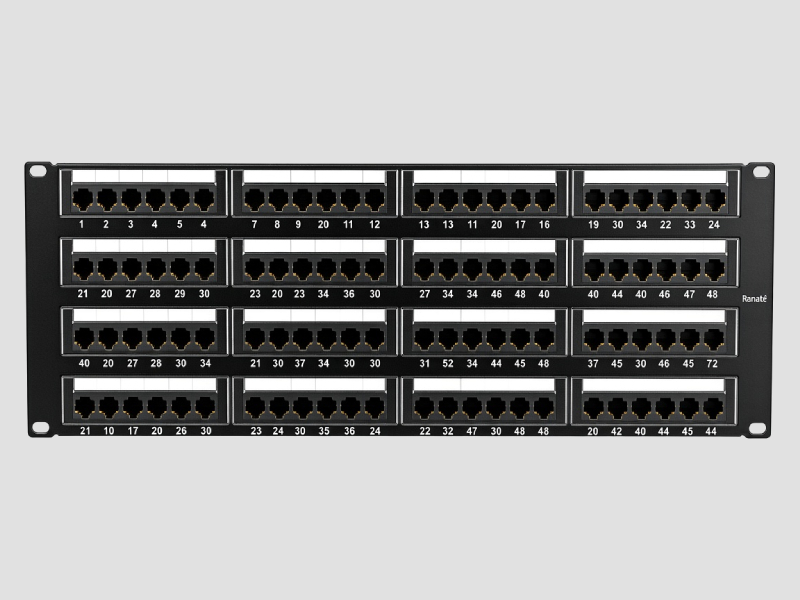
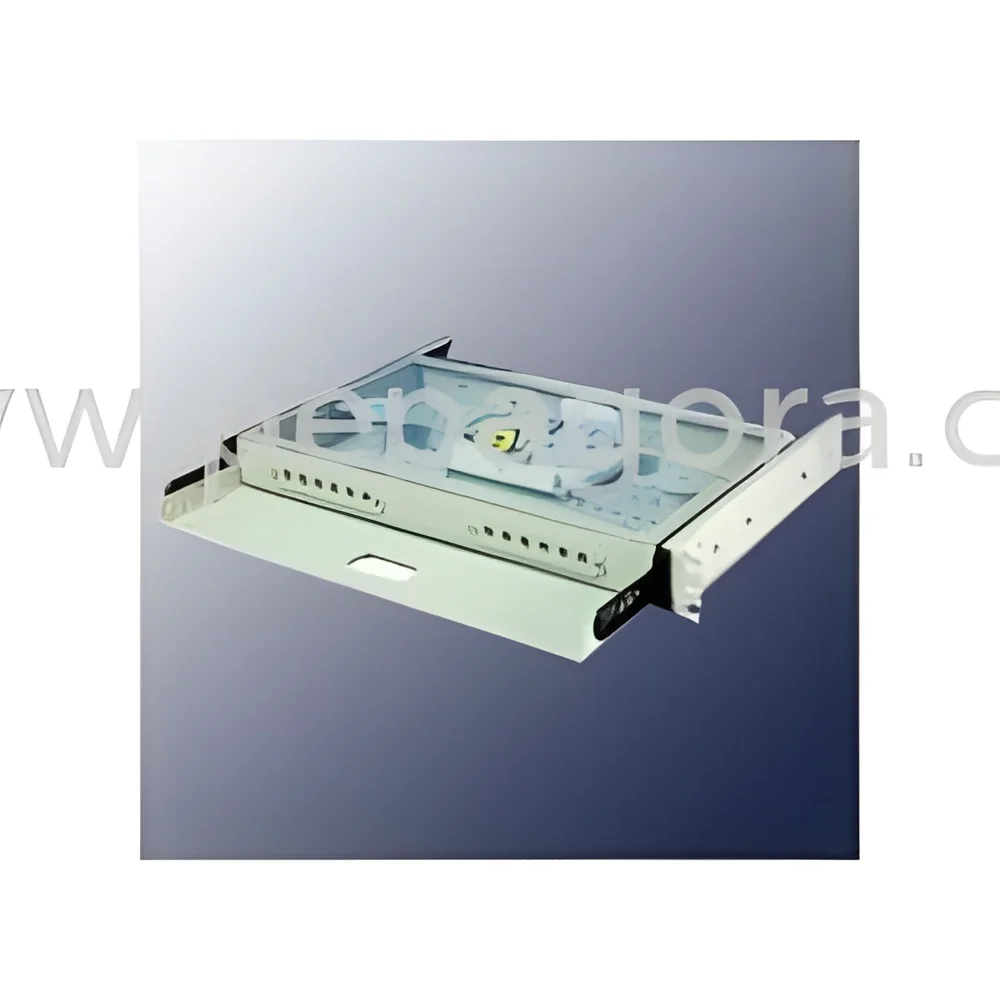
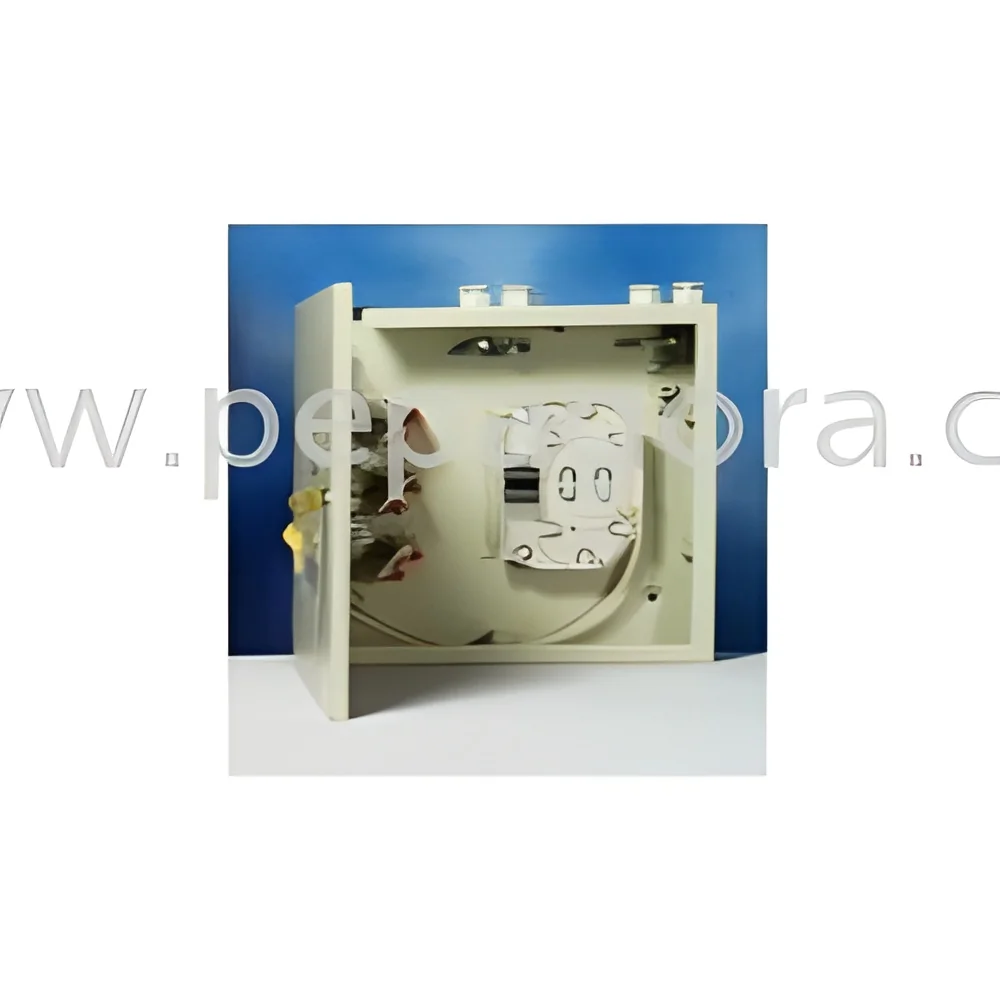
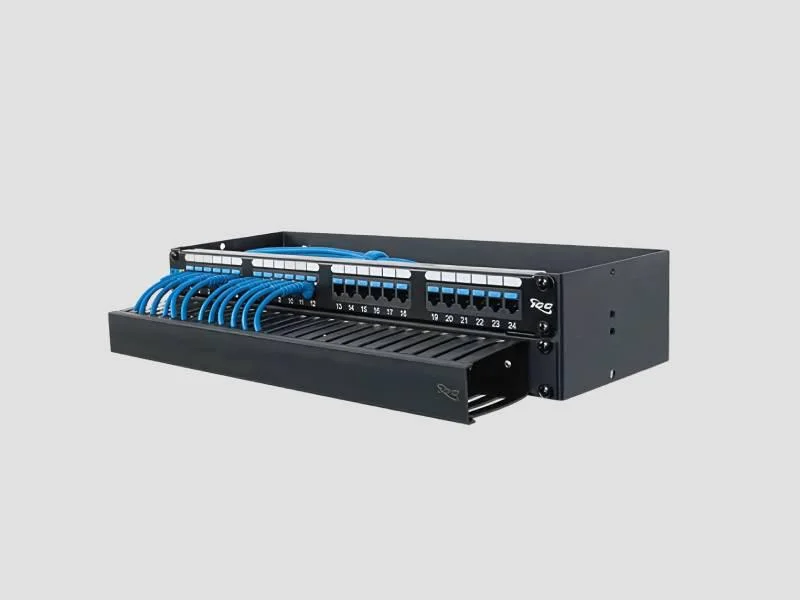
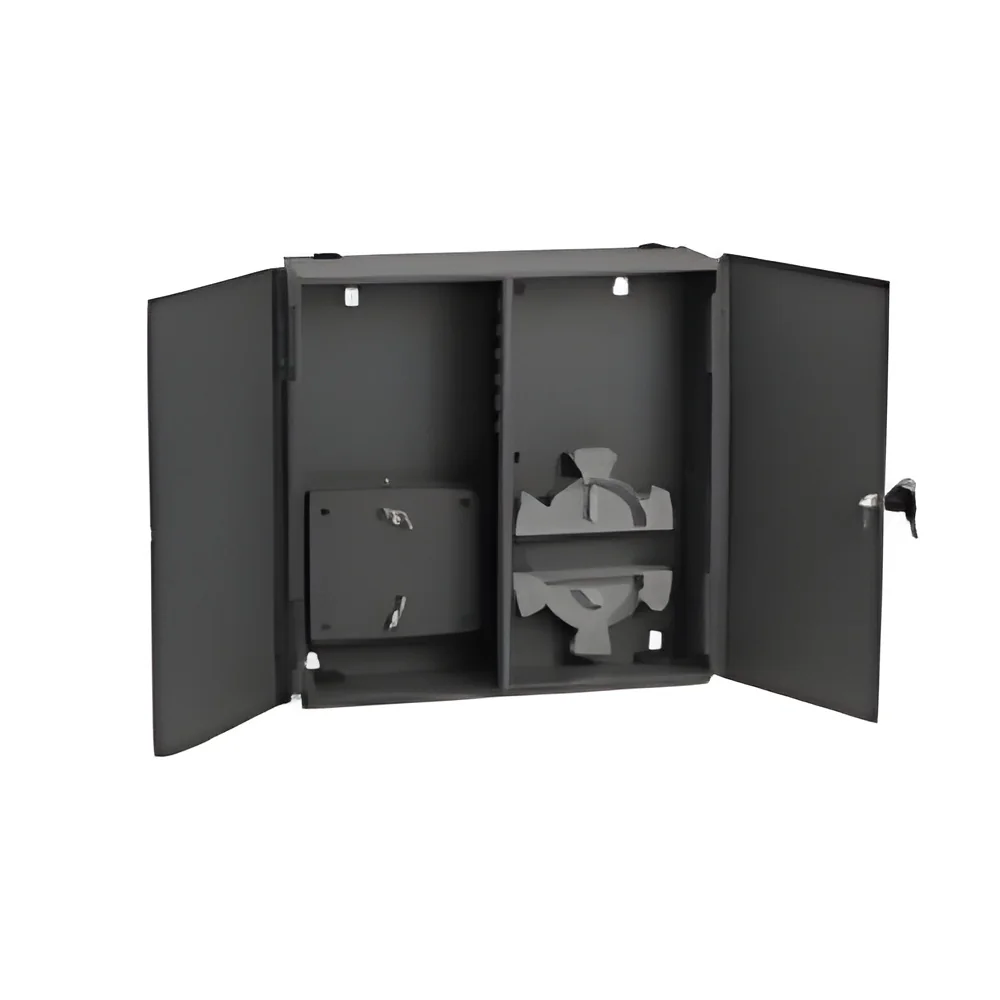
Network patch panels are essential components in structured cabling systems, serving as a centralized point for connecting and managing multiple network cables. These panels allow for easy organization and reconfiguration of network connections, enabling efficient data transmission across various devices within a network. By consolidating incoming and outgoing connections, patch panels help streamline network management and reduce clutter.
Primarily, network patch panels are utilized in data centers, telecommunications rooms, and office environments to facilitate the connection of devices such as computers, servers, and switches. They provide a practical solution for maintaining and troubleshooting network connections, ensuring that data flows smoothly. The relevance of patch panels in the industry is significant as businesses increasingly rely on robust networking infrastructure to support their operations and enhance productivity. As the demand for high-speed data transmission rises, network patch panels play a crucial role in ensuring reliable connectivity.
Key Features and Specifications
Network patch panels come with various features and specifications that cater to different networking needs. Understanding these elements can help businesses select the right product for their requirements.
Key specifications include:
1. Port Density
- Refers to the number of ports available on the patch panel.
- Ranges typically include 12, 24, 48, or more ports.
2. Connector Type
- Indicates the type of connectors used, such as RJ45 for Ethernet connections.
- Compatibility with various cable types like Cat5e, Cat6, and Cat6a.
3. Form Factor
- Describes the size and shape of the patch panel, such as 1U or 2U for rack-mounted options.
- Ensures compatibility with standard server racks and enclosures.
4. Material
- Often made from high-quality steel or plastic for durability.
- Helps protect internal components from damage.
5. Labeling Options
- Provides the ability to label ports for easy identification.
- Enhances organization and management of connections.
6. Color Coding
- May include color-coded ports for simplified troubleshooting.
- Helps technicians quickly identify connections.
7. Grounding Features
- Some models include grounding options to reduce electrical interference.
- Improves network performance and safety.
8. Compliance
- Ensures that the patch panel meets industry standards, such as CE certification.
- Guarantees quality and safety for users.
In summary, understanding these key features and specifications will assist businesses in selecting the right network patch panel to meet their operational needs.
Common Applications and Use Cases
Network patch panels find applications across various industries, providing essential connectivity solutions.
1. Telecommunications: In telecom environments, patch panels facilitate the connection of various communication devices, allowing efficient signal routing and management.
2. Data Centers: Patch panels are crucial in data centers for organizing and managing extensive cabling, ensuring optimal performance and ease of maintenance.
3. Corporate Offices: In office settings, they support internal networks by connecting computers, printers, and other devices, streamlining communication and data sharing.
4. Educational Institutions: Schools and universities utilize patch panels to manage network connections in computer labs and lecture halls, enhancing learning experiences.
5. Healthcare Facilities: In hospitals, patch panels ensure reliable connectivity for medical devices and information systems, supporting critical operations and patient care.
6. Retail Environments: Retailers use patch panels to manage POS systems and inventory tracking, improving operational efficiency.
7. Manufacturing: In industrial settings, they help connect machinery and automation systems, facilitating data collection and analysis.
Product Variants and Subcategories
Network patch panels come in various configurations to meet different operational needs. While specific subcategories are not available, here are common product variants.
Standard Patch Panel
This variant typically features multiple ports for connecting various devices within a network. It is ideal for general office and data center applications, providing flexibility and ease of use.
Shielded Patch Panel
Designed for environments with high electromagnetic interference, this variant offers additional shielding to protect data integrity. It is suitable for industrial settings where signal quality is critical.
High-Density Patch Panel
These panels maximize port density in a compact form factor, making them ideal for data centers with limited space. They efficiently manage large volumes of connections while maintaining performance.
Benefits and Advantages
Investing in network patch panels brings numerous benefits to businesses.
1. Enhanced Organization: Patch panels provide a centralized point for managing connections, reducing cable clutter and improving overall organization.
2. Simplified Troubleshooting: With clearly labeled ports, technicians can quickly identify and resolve connection issues, minimizing downtime.
3. Flexibility and Scalability: Patch panels allow for easy reconfiguration of network connections, making it simple to adapt to changing business needs.
4. Improved Performance: By maintaining organized cabling, patch panels help reduce signal interference, enhancing network performance.
5. Cost-Effectiveness: Investing in high-quality patch panels can lead to long-term savings by reducing maintenance costs and prolonging network equipment lifespan.
6. Compliance Assurance: Many patch panels meet industry standards, ensuring reliability and safety in network operations.
Buying Guide for B2B Buyers
When sourcing network patch panels, businesses should consider several critical factors.
1. Quality Assessment: Evaluate the quality of materials and construction. High-quality panels will provide durability and reliability, essential for maintaining network performance.
2. Supplier Verification: Vet suppliers to ensure they have a reputation for providing quality products and reliable service. Look for reviews and certifications that indicate trustworthiness.
3. Pricing and MOQ: Understand the pricing structures and minimum order quantities. This helps in budgeting and ensures that you meet purchasing requirements effectively.
4. Delivery and Lead Times: Consider logistics and delivery times. Timely delivery is crucial for maintaining project timelines and ensuring that network installations proceed smoothly.
5. Compliance Requirements: Ensure that the patch panels meet relevant industry standards and certifications. This is vital for ensuring safety and regulatory compliance in network operations.
Compliance and Certifications
Network patch panels are subject to various quality standards and certifications that ensure their reliability and safety. Compliance with ISO 9001 indicates adherence to quality management systems, ensuring consistent product quality.
Additionally, CE certification confirms that the patch panels meet European safety, health, and environmental protection standards. This is crucial for businesses operating in or exporting to European markets.
Safety and testing requirements are also essential, ensuring that patch panels can withstand environmental factors and function effectively without compromising network integrity.
Regional compliance considerations may vary, making it important for businesses to understand local regulations and standards applicable to their operations.
Why Source Network Patch Panels from Pepagora?
Pepagora offers a trusted platform for sourcing network patch panels, emphasizing several key advantages for B2B buyers.
Verified Supplier Network: Pepagora connects buyers with verified suppliers, ensuring that all products meet high-quality standards. This reduces the risk of purchasing inferior products and enhances buyer confidence.
Streamlined RFQ Process: The platform features an easy-to-navigate request for quotation (RFQ) system, allowing businesses to obtain competitive pricing quickly. This streamlined process saves time and simplifies procurement.
Trade Assurance and Support: Pepagora provides trade assurance, protecting buyers against potential risks associated with their purchases. This includes support for resolving disputes and ensuring satisfaction.
Regional Coverage: With a strong presence in India, the GCC, and Southeast Asia, Pepagora offers extensive geographic reach. This allows businesses to source products locally, reducing shipping times and costs while enhancing accessibility to quality network solutions.

 IN
IN