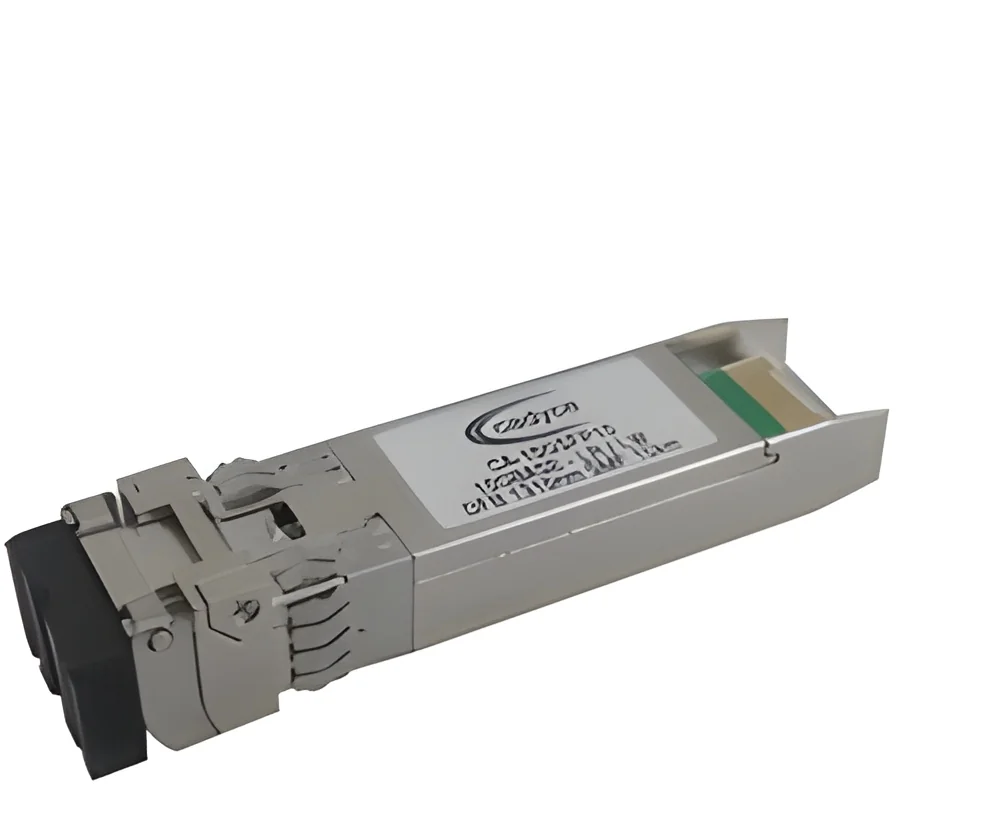
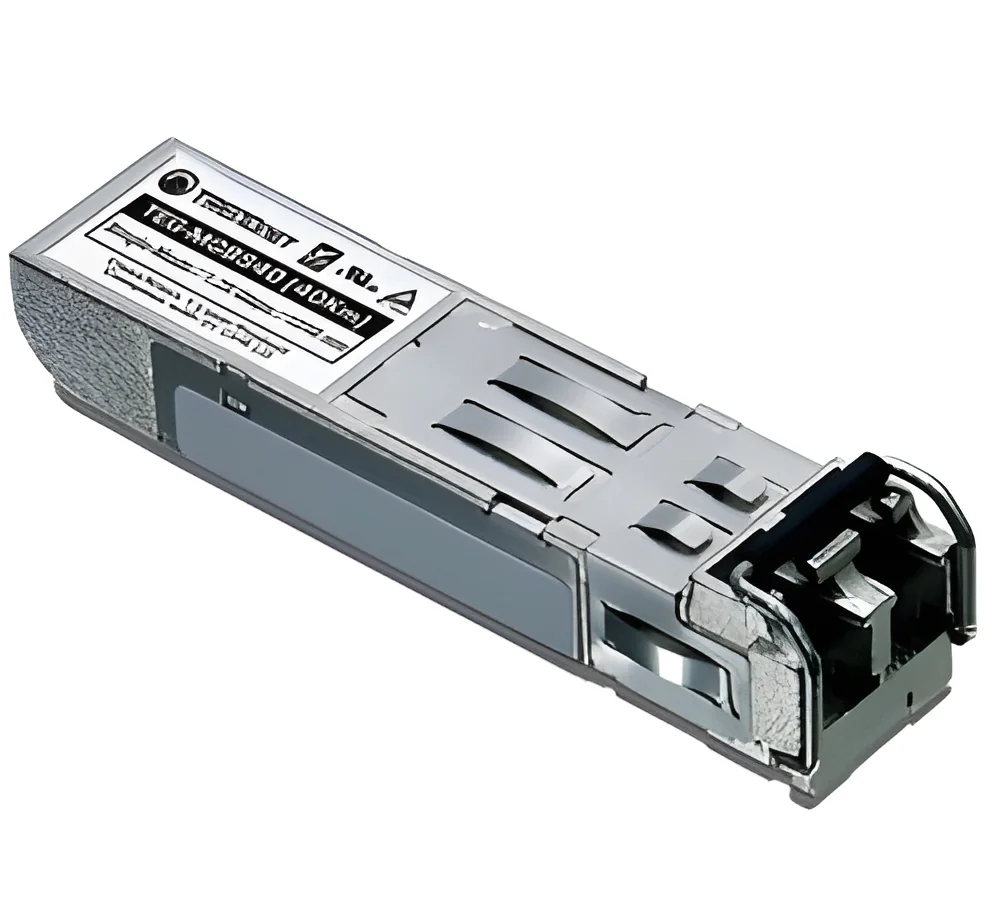
Key Features and Specifications
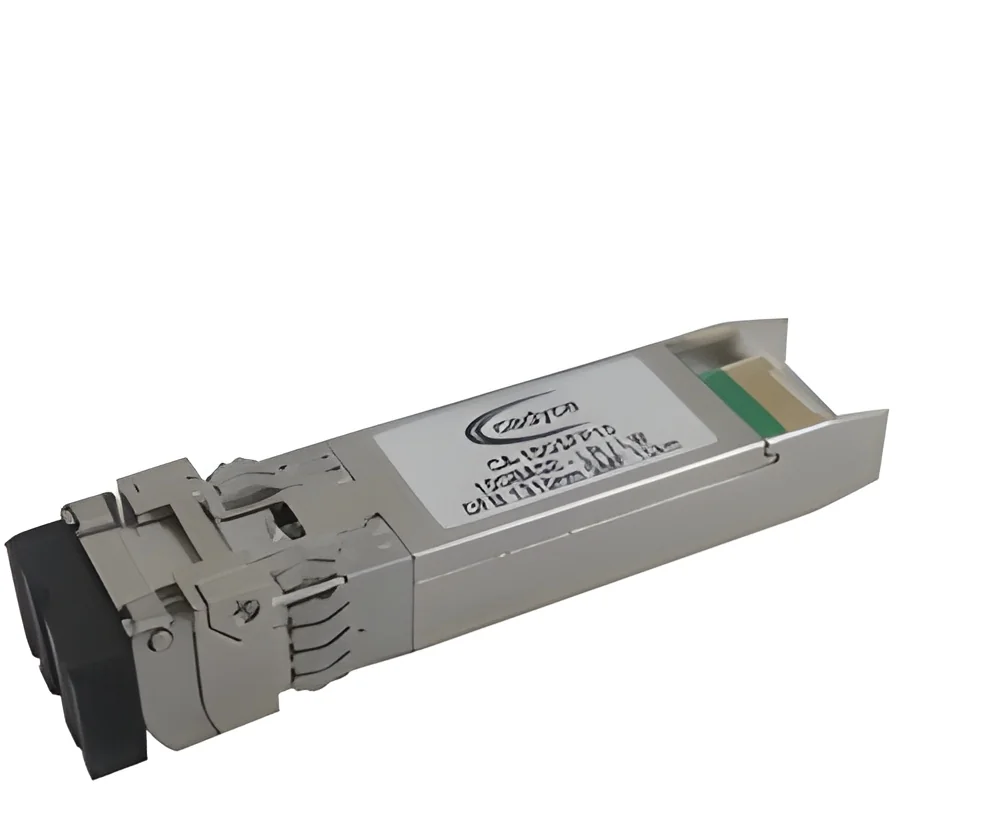
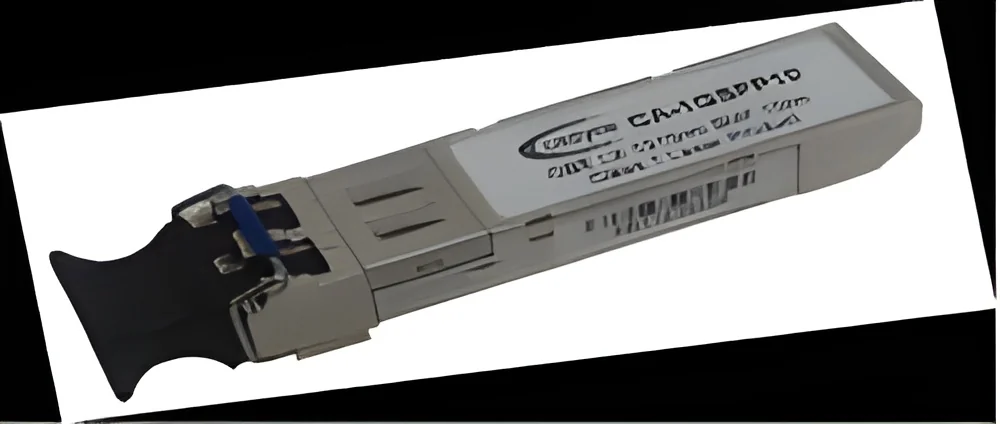
Transceivers (media converters) come with several features that enhance their functionality and performance in networking applications. Understanding these key specifications is essential for B2B buyers looking to invest in reliable media conversion solutions.
Key specifications include:
1. Data Rate
- This specification indicates the maximum speed at which data can be transmitted.
- Typical ranges are from 100 Mbps to 10 Gbps, depending on the model.
2. Transmission Distance
- This refers to the maximum length over which the signal can be effectively transmitted.
- Ranges can vary from a few meters (for copper) to several kilometers (for fiber optic).
3. Media Type Compatibility
- Transceivers support different types of media, including fiber optic and copper cables.
- It's essential to select a converter compatible with the existing infrastructure.
4. Port Configuration
- Most transceivers have multiple ports to connect various devices.
- Common configurations include single-mode and multi-mode fiber connections.
5. Power Supply
- Transceivers typically operate using a specific power input.
- Common voltages include 5V, 12V, or PoE (Power over Ethernet).
6. Operating Temperature
- This specification defines the environmental conditions under which the device can operate.
- Typical ranges are from -40°C to 85°C, ensuring reliability in various settings.
7. Dimensions and Weight
- Physical size and weight can impact installation and compatibility in existing systems.
- Standard dimensions help in assessing the fit for specific applications.
8. Certification
- Industry standards and certifications, such as CE, ensure quality and safety compliance.
- Compliance with these standards is crucial for market acceptance.
In summary, understanding the key features and specifications of transceivers is vital for businesses to select the right equipment that meets their networking needs. Evaluating these specifications ensures that organizations can enhance their communication infrastructure effectively.
Common Applications and Use Cases
Transceivers (media converters) are utilized across various industries, providing essential connectivity solutions.
1. Telecommunications: In the telecommunications sector, transceivers help connect various network types, enabling seamless voice and data transmission across long distances.
2. Data Centers: Data centers use media converters to link different types of servers and storage systems, ensuring high-speed data transfer and efficient resource management.
3. Manufacturing: In manufacturing environments, transceivers facilitate communication between machines and control systems, allowing for real-time monitoring and automation.
4. Education: Educational institutions employ transceivers to connect different campus facilities, supporting robust internet access and digital learning environments.
5. Healthcare: In healthcare, these devices are crucial for connecting medical equipment and ensuring reliable data transfer between systems for patient care.
6. Retail: Retail businesses utilize media converters to maintain connectivity between point-of-sale systems and back-end databases, enhancing operational efficiency.
7. Smart Cities: Transceivers help connect various smart devices within urban infrastructure, enabling better management of resources like traffic and utilities.
Product Variants and Subcategories
Transceivers (media converters) come in various types, each designed to meet specific networking needs.
Ethernet to Fiber Media Converter: This variant allows for the conversion of Ethernet signals to fiber optic, ideal for extending network reach in commercial applications. It supports multiple data rates and distances, making it versatile for various setups.
Gigabit Media Converter: Designed for high-speed networks, this converter facilitates gigabit Ethernet connections over fiber, ensuring fast data transfer rates for data-intensive applications.
PoE Media Converter: This type enables Power over Ethernet technology, allowing devices to receive both power and data through the same cable. It is particularly useful for IP cameras and wireless access points.
Benefits and Advantages
Investing in transceivers (media converters) offers several key advantages for businesses.
1. Enhanced Connectivity: Transceivers enable compatibility between different types of cabling, ensuring seamless communication across diverse network environments.
2. Increased Flexibility: With the ability to connect various media types, organizations can adapt their infrastructure to changing needs without significant overhauls.
3. Cost Efficiency: By extending the life of existing cabling and reducing the need for new installations, transceivers can lead to lower overall costs for network upgrades.
4. Improved Data Integrity: Transceivers help maintain signal quality over long distances, reducing data loss and enhancing overall network performance.
5. Simplified Network Management: Many transceivers offer monitoring capabilities, allowing for easier troubleshooting and management of network performance.
6. Scalability: As businesses grow, transceivers facilitate the expansion of network capabilities without requiring complete infrastructure replacements.
Buying Guide for B2B Buyers
When sourcing transceivers (media converters), several factors should be considered to ensure a successful purchase.
1. Quality Assessment: Evaluate the build quality and performance specifications to guarantee that the transceivers meet the operational demands of your network.
2. Supplier Verification: Conduct thorough checks on suppliers to ensure they have a reliable track record and adhere to industry standards.
3. Pricing and MOQ: Understand the pricing structures and minimum order quantities to align with your budget and procurement needs.
4. Delivery and Lead Times: Assess logistics capabilities, including shipping times and reliability, to ensure timely delivery of products.
5. Compliance Requirements: Ensure that the transceivers comply with relevant industry regulations and standards to avoid issues during implementation.
Compliance and Certifications
Compliance and certifications play a crucial role in ensuring that transceivers (media converters) meet industry standards for quality and safety. Common quality standards such as ISO 9001 help ensure that manufacturers maintain a high level of quality management throughout their production processes. This certification indicates a commitment to continuous improvement and customer satisfaction.
Additionally, transceivers may carry certifications such as CE, which indicates compliance with European health, safety, and environmental protection standards. Such certifications are essential for market acceptance and can be a deciding factor for B2B buyers when evaluating potential products.
Furthermore, safety and testing requirements must be adhered to, ensuring that devices function correctly without posing hazards in operational environments. Regional compliance considerations may also be relevant, as different markets might have specific regulations that need to be met.
Why Source Transceivers (media Converters) from Pepagora?
Pepagora provides a trusted platform for sourcing transceivers (media converters) with several key advantages that cater to B2B buyers.
Verified Supplier Network: Pepagora has a rigorous vetting process for suppliers, ensuring that businesses can connect with reputable manufacturers who provide high-quality products.
Streamlined RFQ Process: The platform offers a simplified request for quotation (RFQ) system, enabling buyers to receive competitive pricing and detailed proposals from multiple suppliers efficiently.
Trade Assurance and Support: Pepagora prioritizes buyer protection, offering trade assurance that safeguards transactions and enhances trust in the purchasing process.
Regional Coverage: With a broad geographic reach, including India, the GCC, and Southeast Asia, Pepagora ensures that businesses can access a diverse range of transceivers tailored to their specific regional needs.
Overall, sourcing transceivers from Pepagora allows businesses to leverage a reliable network of suppliers and optimized purchasing processes to enhance their networking capabilities.

 IN
IN