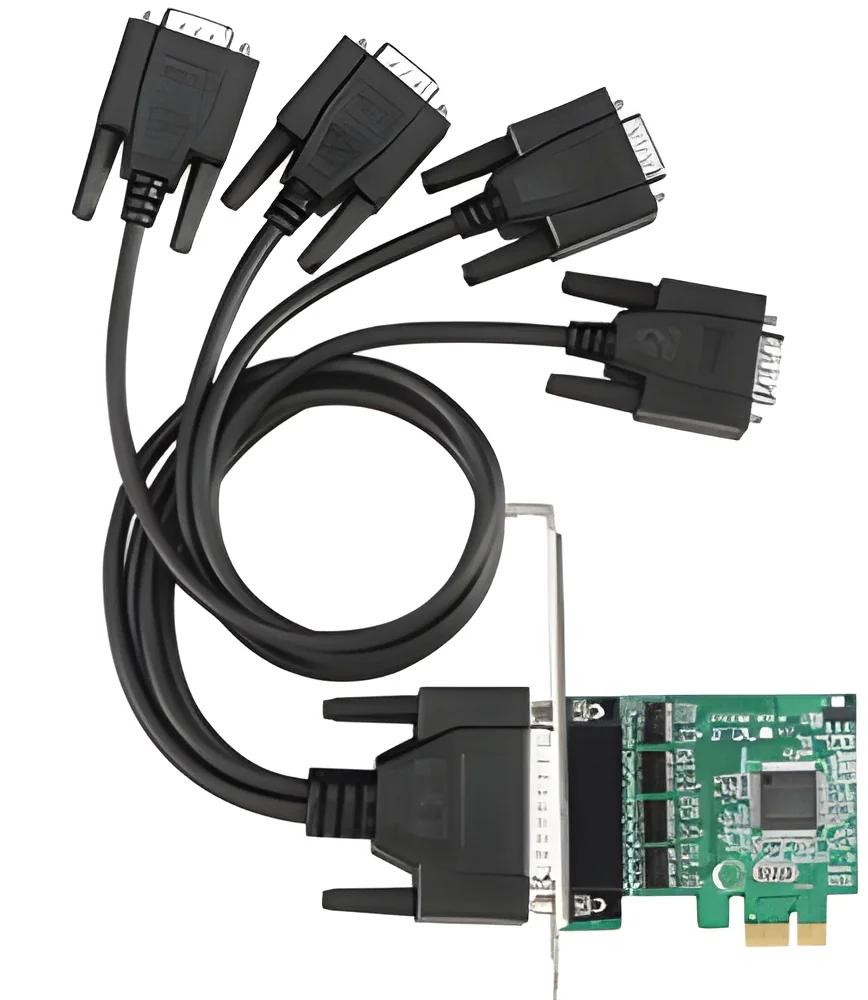
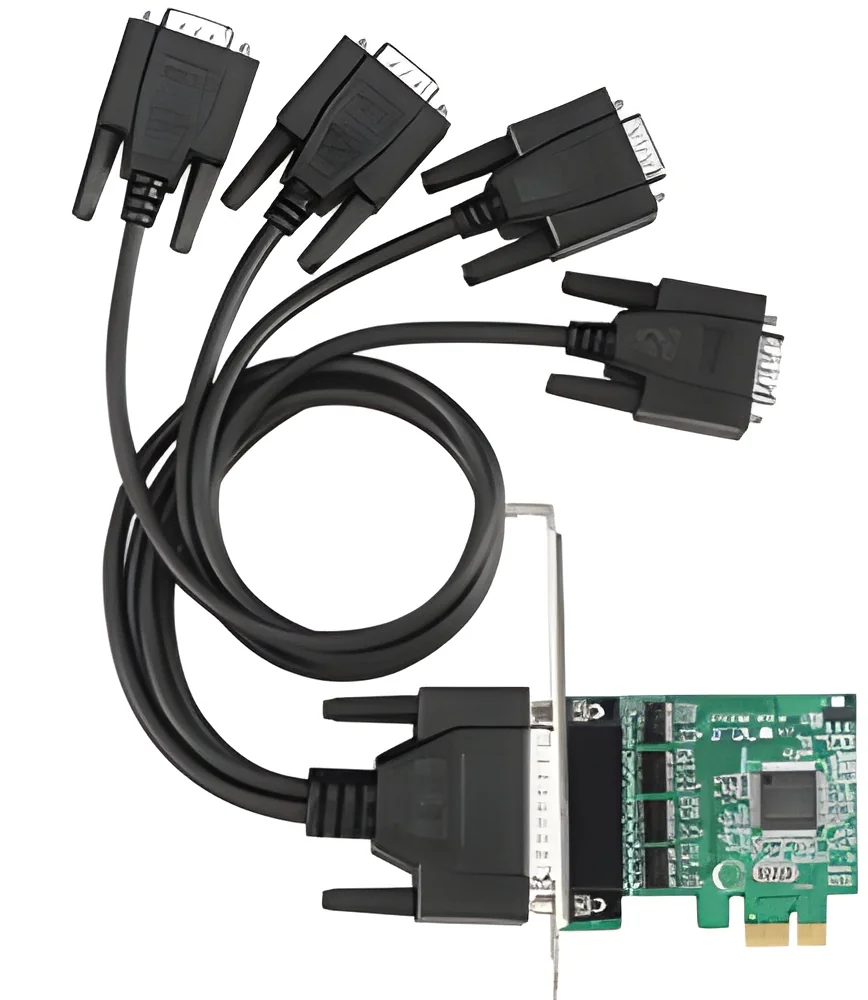
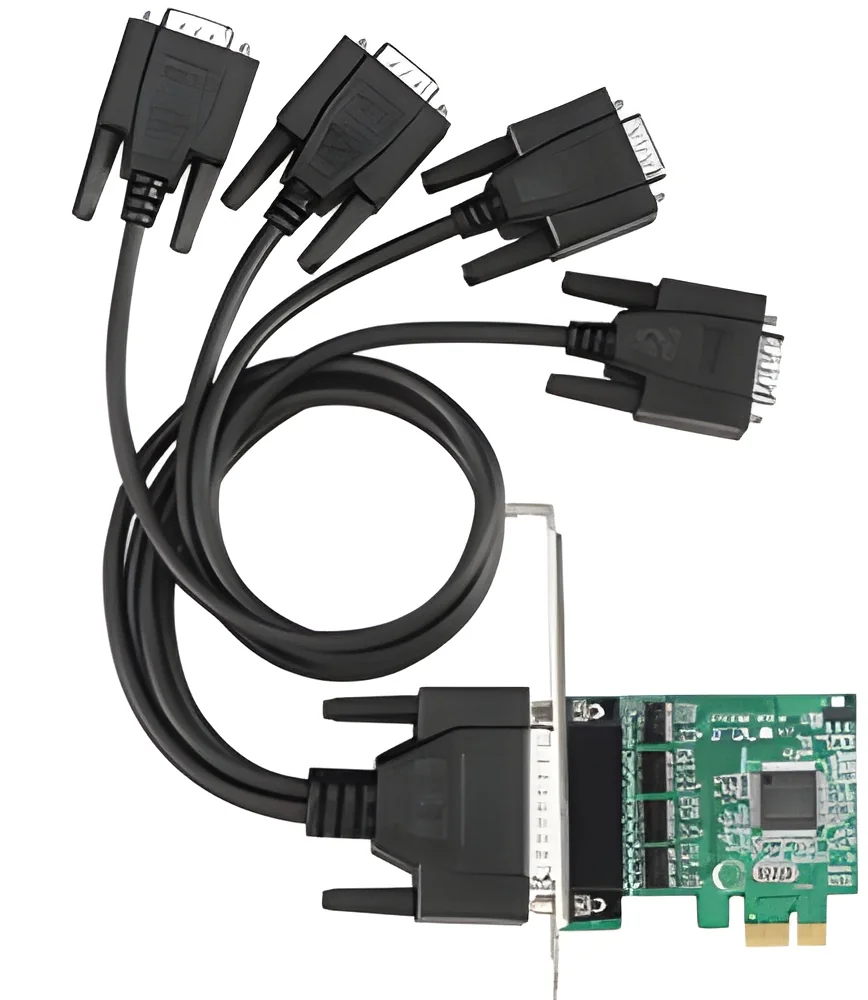
Key Features and Specifications
When evaluating Network Interface Cards, it is important to consider their features and specifications. NICs come with a variety of options that cater to different networking needs. Understanding these specifications helps businesses choose the right NIC for their applications.
Key specifications include:
1. Data Transfer Rate
- Determines the speed at which data is transmitted
- Common rates include 10/100/1000 Mbps and 10 Gbps
2. Interface Type
- Refers to how the NIC connects to the device
- Options include PCI, PCI Express, and USB
3. Form Factor
- Indicates the physical size and shape of the NIC
- Variants include full-height, low-profile, and embedded cards
4. Network Protocols Supported
- Dictates the types of networks the NIC can communicate with
- Common protocols include Ethernet, Wi-Fi, and Fiber Channel
5. Power Consumption
- Affects the energy efficiency of the NIC
- Specifications usually indicate power usage in watts
6. Compatibility
- Ensures the NIC works with various devices and operating systems
- Compatibility with Windows, Linux, and macOS is essential
7. Security Features
- Includes hardware support for encryption and authentication
- Helps protect data during transmission
8. Warranty and Support
- Provides assurance for product reliability
- Typically ranges from one to five years
In summary, the specifications of NICs play a crucial role in determining their performance and suitability for specific applications. Businesses should carefully assess these features to align with their networking requirements.
Common Applications and Use Cases
Network Interface Cards serve a wide array of industries, each with unique networking needs. Understanding their applications can help businesses leverage NICs effectively.
1. Telecommunications: NICs are integral to connecting communication devices, facilitating data transfer, and ensuring reliable voice and internet services.
2. Data Centers: High-performance NICs are essential in data centers for facilitating rapid data exchange between servers and storage systems.
3. Manufacturing: NICs support automation systems, enabling real-time data collection and monitoring for improved efficiency in production processes.
4. Education: Educational institutions use NICs for connecting computers and devices in classrooms, ensuring smooth access to online resources.
5. Healthcare: NICs are critical in medical facilities for connecting diagnostic equipment to networks, allowing for timely data sharing and analysis.
6. Retail: Retail businesses rely on NICs to connect point-of-sale systems and inventory management software, improving operational efficiency.
7. Transportation: NICs enable communication between vehicles and central systems, enhancing traffic management and fleet operations.
Product Variants and Subcategories
Network Interface Cards come in various types, each designed for specific use cases and environments. This diversity allows businesses to select NICs that best meet their operational needs.
Ethernet NICs: These are the most common type of NIC, designed for wired networks. They provide reliable and high-speed connections for desktop computers, servers, and other networked devices.
Wireless NICs: Designed for wireless networks, these NICs enable devices to connect to Wi-Fi networks. They are ideal for mobile devices, laptops, and environments where cabling is impractical.
Fiber Optic NICs: These NICs use fiber optic cables to transmit data. They are suitable for high-speed data transfer over long distances, commonly used in telecommunications and data centers.
Benefits and Advantages
Network Interface Cards offer numerous benefits that enhance networking capabilities for businesses. Understanding these advantages can help organizations optimize their operations.
1. Enhanced Connectivity: NICs provide reliable connections to various networks, ensuring uninterrupted data flow.
2. Improved Performance: High-speed NICs help reduce latency and increase bandwidth, leading to faster data transmission.
3. Scalability: Businesses can easily upgrade their NICs to accommodate growing network demands without overhauling their entire system.
4. Cost-Effectiveness: Investing in quality NICs can reduce downtime and maintenance costs, leading to increased productivity.
5. Flexibility: NICs are available in different forms and types, allowing businesses to tailor their networking solutions to specific needs.
6. Security Features: Many NICs incorporate advanced security protocols to protect sensitive data during transfer.
Buying Guide for B2B Buyers
When sourcing Network Interface Cards, it is essential for B2B buyers to consider several key factors to ensure they make informed purchasing decisions.
1. Quality Assessment: Evaluate NICs based on their performance, durability, and manufacturer reputation. Look for products that meet industry standards to ensure reliability.
2. Supplier Verification: Vet potential suppliers by checking their credentials, customer reviews, and product certifications. Reliable suppliers are essential for maintaining quality and service.
3. Pricing and MOQ: Compare prices across different suppliers and consider minimum order quantities. Understanding these factors helps in budgeting and negotiating better deals.
4. Delivery and Lead Times: Inquire about the supplier's logistics processes and expected delivery times to ensure timely availability of NICs for your projects.
5. Compliance Requirements: Ensure that the NICs meet relevant industry standards and regulations. Compliance with certifications such as CE is crucial for legality and safety.
Compliance and Certifications
Network Interface Cards must adhere to specific quality and safety standards to ensure their reliability and performance in various applications.
ISO 9001 is a widely recognized quality management standard that ensures manufacturers maintain consistent quality in their products and services. Adhering to this standard can enhance customer satisfaction and operational efficiency.
CE certification indicates that a product meets EU safety, health, and environmental protection requirements. This certification is crucial for businesses operating in or exporting to the European market.
Manufacturers must also comply with safety and testing requirements to ensure their NICs function correctly and safely in different environments. Regular testing for performance and reliability is essential.
Regional compliance considerations may vary based on local regulations. Businesses should ensure that the NICs they purchase meet the compliance requirements of their operating regions.
Why Source Network Interface Cards (NICs) from Pepagora?
Pepagora offers a trusted platform for sourcing Network Interface Cards with several advantages that can benefit B2B buyers.
Verified Supplier Network: Pepagora connects buyers with a network of verified suppliers, ensuring that businesses can source high-quality NICs with confidence. This reduces the risk of purchasing substandard products.
Streamlined RFQ Process: The request for quotation (RFQ) process on Pepagora is designed to be efficient. Buyers can easily submit their requirements and receive competitive quotes from multiple suppliers, simplifying the decision-making process.
Trade Assurance and Support: Pepagora provides trade assurance, ensuring that buyers are protected throughout their purchasing journey. This includes support for resolving any disputes and ensuring timely deliveries.
Regional Coverage: With a focus on markets in India, the GCC, and Southeast Asia, Pepagora offers extensive regional coverage. This allows businesses to source NICs efficiently while benefiting from local supplier expertise.

 IN
IN