Key Features and Specifications
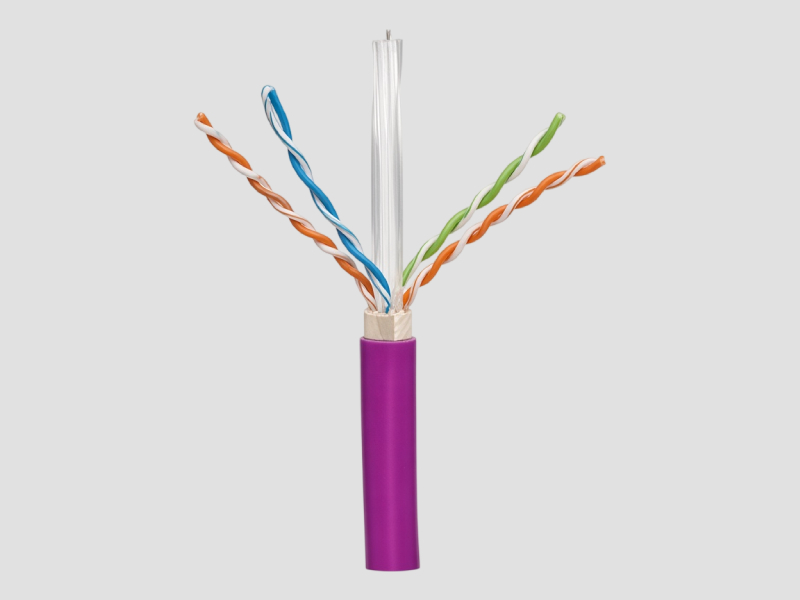
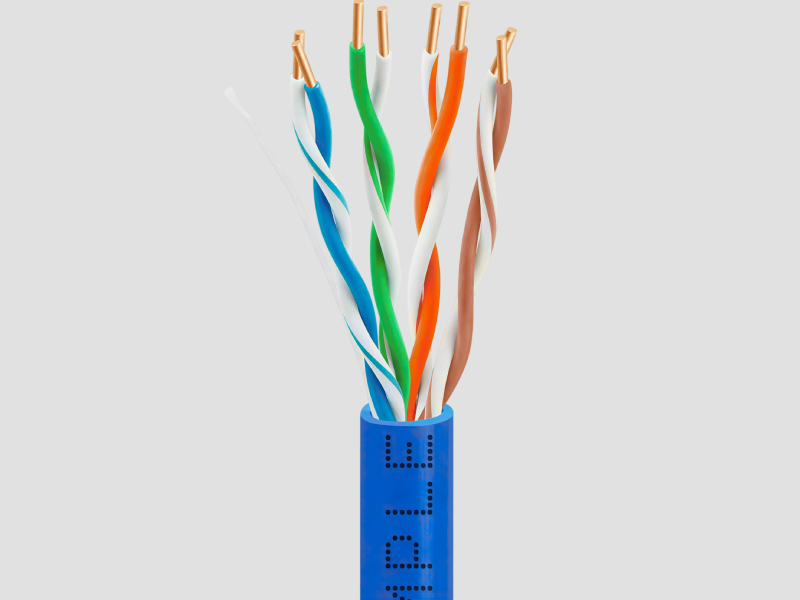
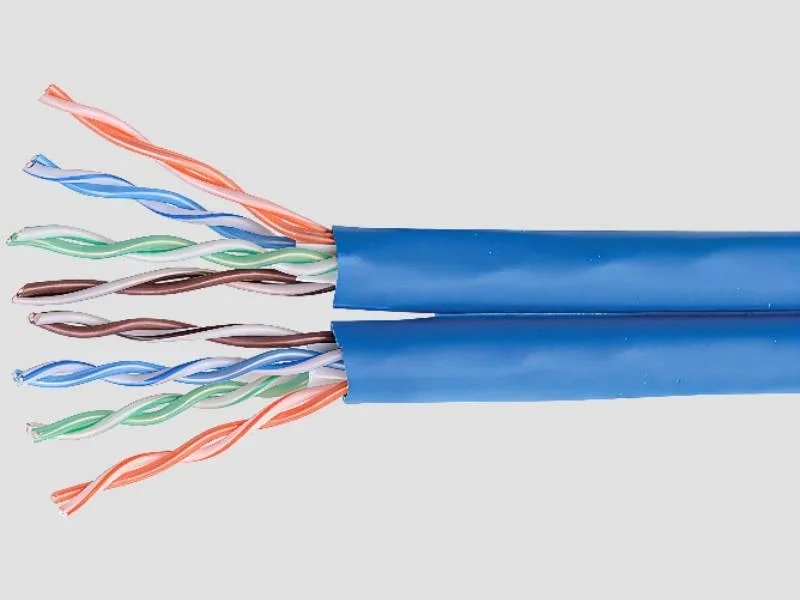
LAN cables come with specific features and specifications that determine their performance and suitability for various applications. Understanding these specifications is essential for selecting the right cable for your business needs.
Key specifications include:
1. Bandwidth
- Cat5 supports up to 100 MHz
- Cat6 supports up to 250 MHz
- Cat7 supports up to 600 MHz
2. Maximum Data Rate
- Cat5 allows for data rates of up to 100 Mbps
- Cat6 can handle up to 1 Gbps
- Cat7 can support up to 10 Gbps
3. Cable Length
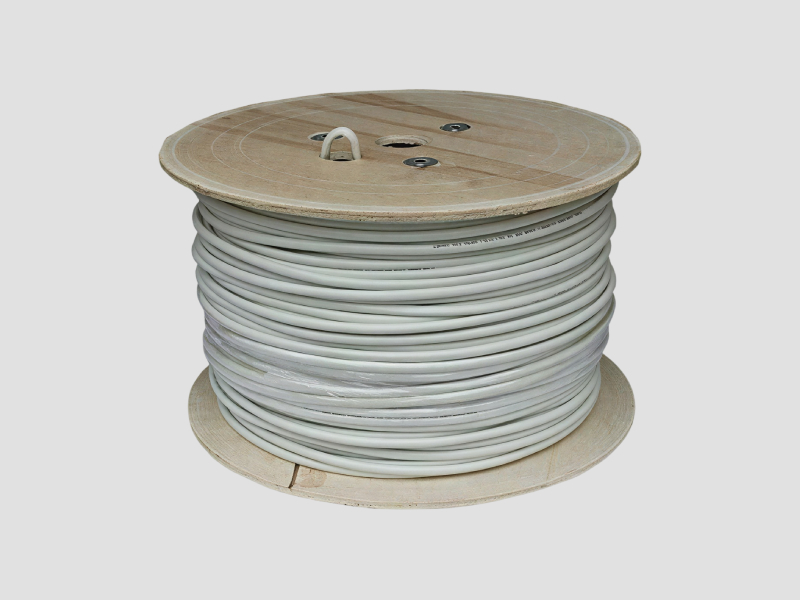
- Standard maximum lengths are 100 meters for all categories
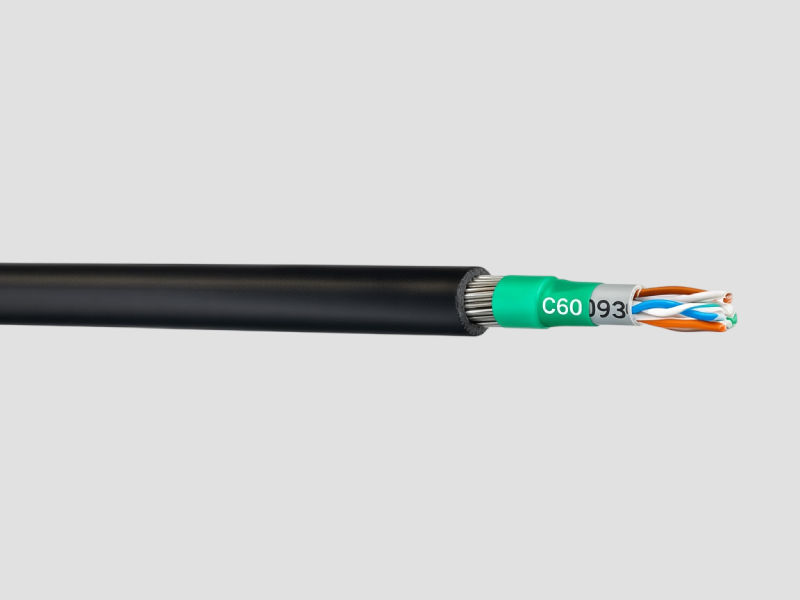
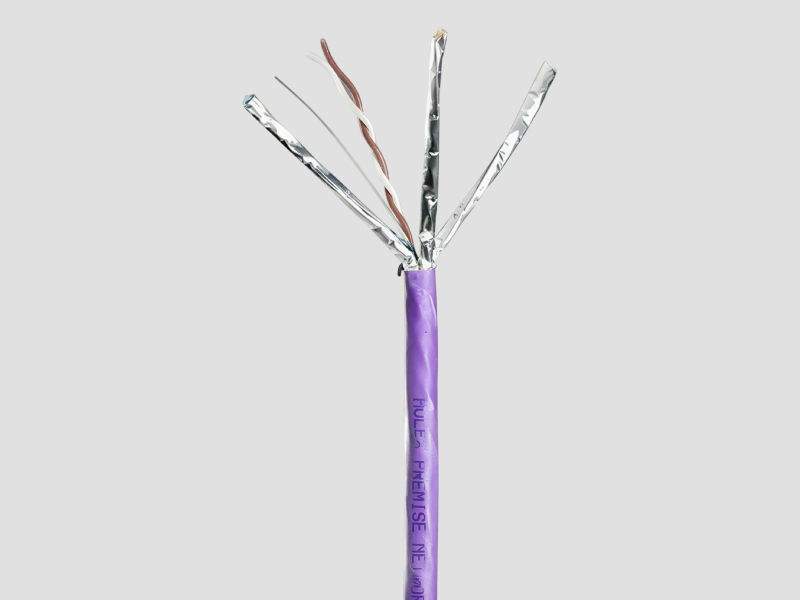
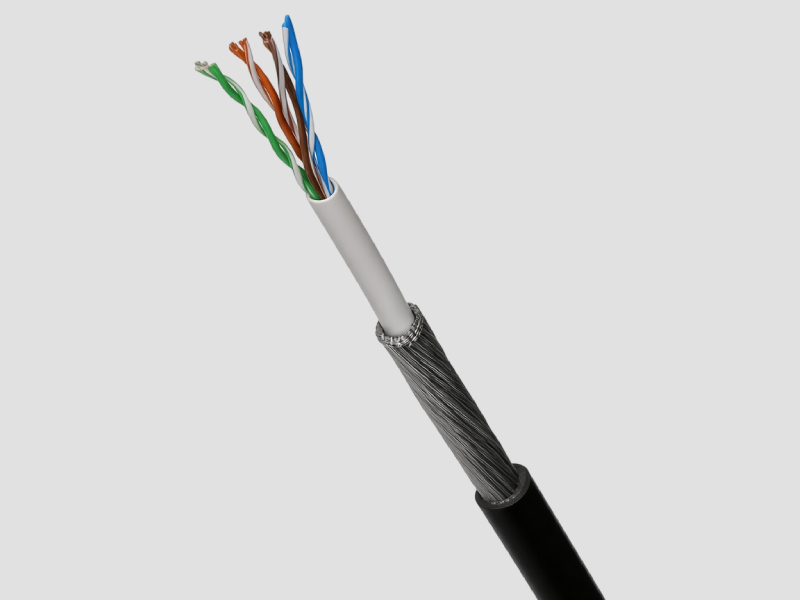
4. Shielding
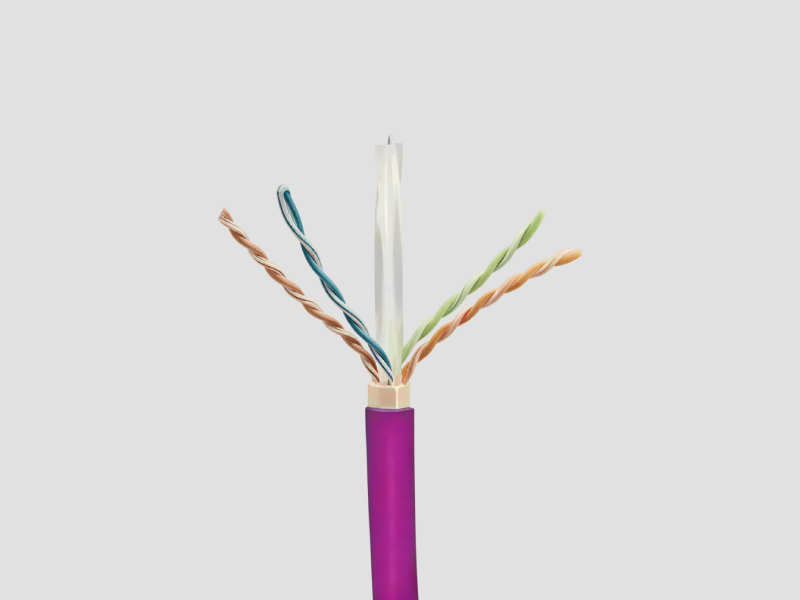
- Cat5 typically has no shielding
- Cat6 may have some shielding options
- Cat7 has advanced shielding to reduce interference
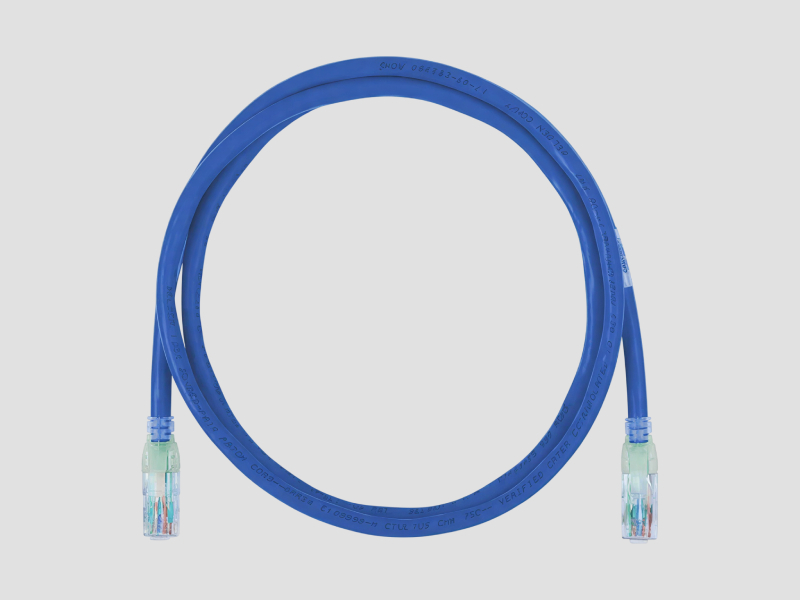
5. Connector Type
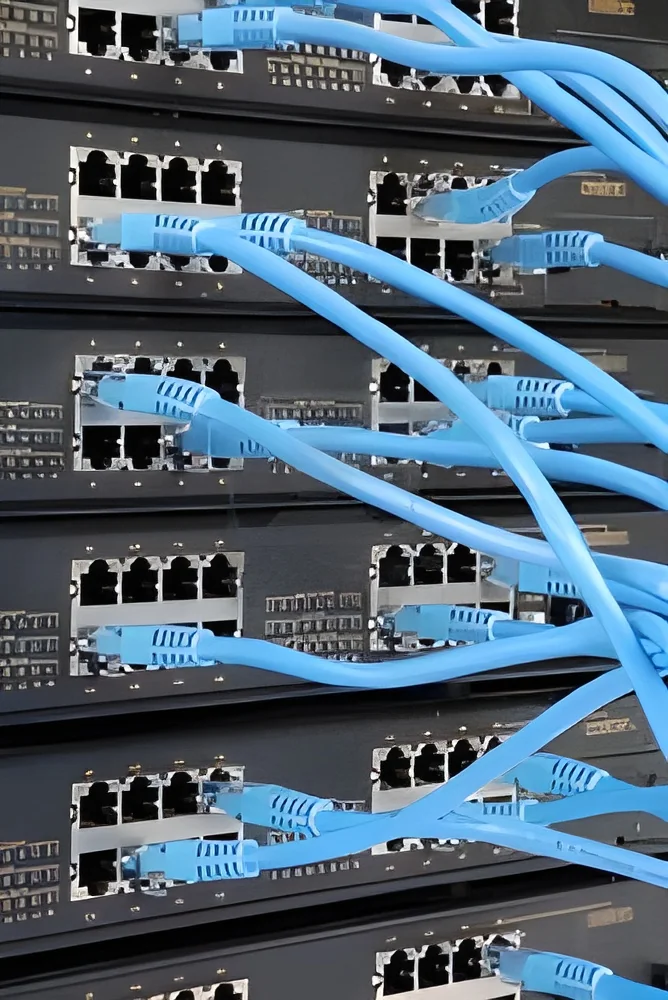
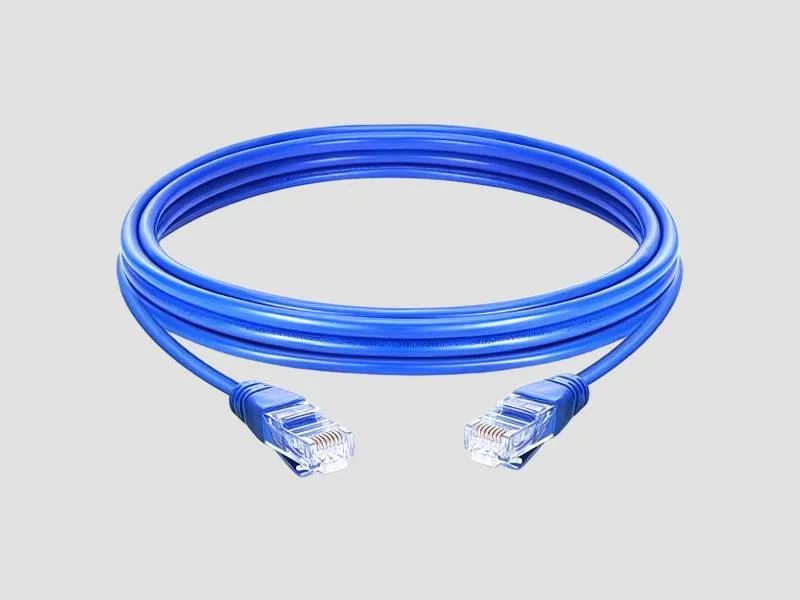
- All categories use RJ45 connectors
6. Installation Type
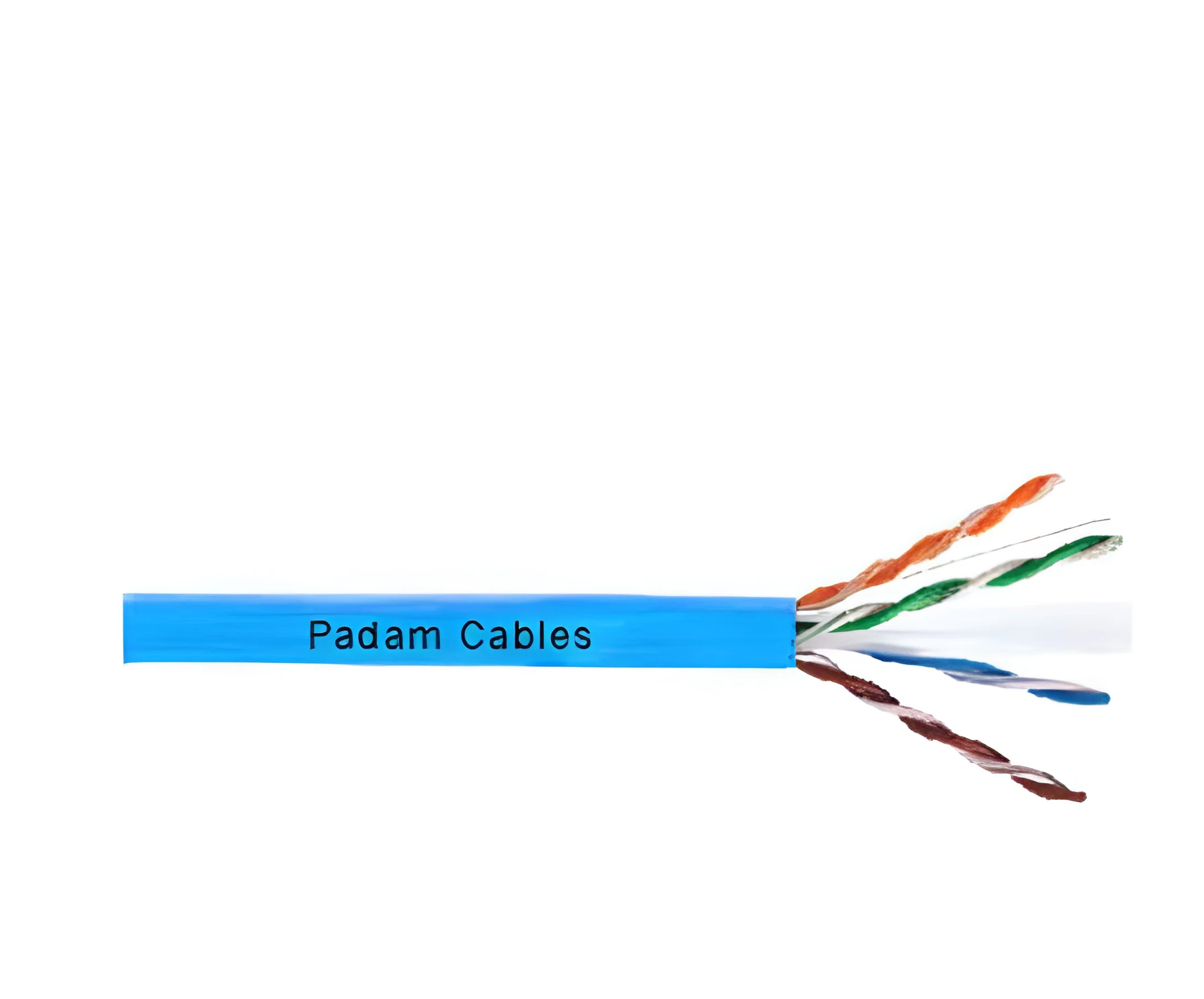
- Available in solid or stranded conductor types
7. Temperature Range
- Data not available
8. Compliance
- All categories are compliant with industry standards like CE
These specifications help ensure that businesses can choose the right cable that meets their operational needs while providing optimal performance.
Common Applications and Use Cases
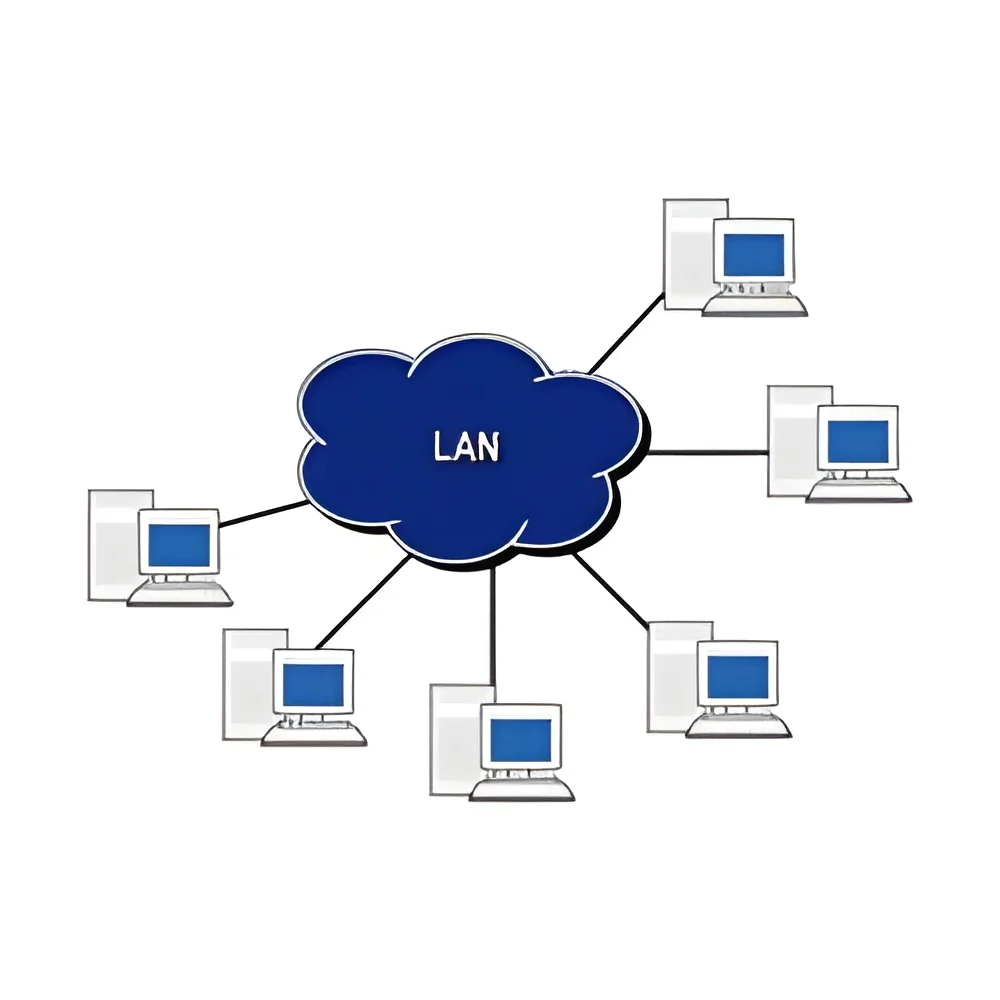
LAN cables are utilized across multiple industries for various applications. They are critical for ensuring efficient data transmission in different environments.
1. Information Technology: IT departments rely on LAN cables for connecting servers and workstations, ensuring high-speed internet access and reliable network performance.
2. Telecommunications: LAN cables are used in telecommunication networks to connect devices and transmit voice and data, enhancing communication efficiency.
3. Manufacturing: In manufacturing facilities, LAN cables facilitate communication between machines and systems, enabling automation and real-time data monitoring.
4. Education: Schools and universities use LAN cables to connect computers and smart devices, supporting online learning and administrative functions.
5. Retail: Retail environments utilize LAN cables to link point-of-sale systems, inventory management systems, and customer service terminals, ensuring seamless operations.
6. Healthcare: In healthcare settings, LAN cables support the connectivity of medical devices and patient information systems, enhancing patient care.
7. Hospitality: Hotels and restaurants use LAN cables to provide internet access to guests and connect operational systems for smooth service delivery.
Product Variants and Subcategories
LAN cables come in various types, catering to different networking requirements. While Cat5, Cat6, and Cat7 are the main categories, the diversity of specifications allows for tailored solutions.
Cat5e
Cat5e is an enhanced version of Cat5, designed to reduce interference and improve performance. It is suitable for most home and small business networking needs, supporting data rates up to 1 Gbps.
Cat6a
Cat6a is an augmented version of Cat6, offering improved performance over longer distances. It is ideal for high-speed applications and data centers, providing reliability for bandwidth-intensive tasks.
Cat7a
Cat7a is an advanced option that offers even higher frequencies and data rates than Cat7. It is suitable for specialized applications that require superior performance and minimal interference.
Benefits and Advantages
Sourcing LAN cables brings several advantages that can significantly enhance networking capabilities.
1. High-Speed Connectivity: LAN cables provide fast data transmission, ensuring efficient communication between devices.
2. Reliable Performance: Wired connections are less susceptible to interference compared to wireless options, leading to more stable network performance.
3. Scalability: Businesses can easily scale their networks by adding more cables and devices to accommodate growth.
4. Cost-Effectiveness: Investing in quality LAN cables can reduce the need for frequent upgrades, offering long-term savings.
5. Security: Wired networks are generally more secure than wireless networks, reducing the risk of unauthorized access.
6. Easy Installation: LAN cables are straightforward to install and maintain, making them a practical solution for various environments.
Buying Guide for B2B Buyers
When sourcing LAN cables (Cat5, Cat6, Cat7), it is crucial for B2B buyers to consider several factors to ensure they make informed decisions.
1. Quality Assessment: Evaluate the quality of cables based on material, construction, and certifications. Look for products that meet industry standards for performance and reliability.
2. Supplier Verification: Vet suppliers by checking their reputation, customer reviews, and certifications. This ensures you are partnering with reliable manufacturers.
3. Pricing and MOQ: Understand the pricing structure and minimum order quantities to align with your budget and operational needs.
4. Delivery and Lead Times: Consider the logistics of delivery, including lead times and shipping options. Timely delivery is essential for maintaining business operations.
5. Compliance Requirements: Ensure that the cables meet any relevant regulatory requirements for your industry, including safety and environmental standards.
Compliance and Certifications
Compliance and certifications are essential for ensuring that LAN cables meet industry standards. Relevant quality standards include ISO 9001, which focuses on quality management systems, and CE marking, indicating conformity with health, safety, and environmental protection standards.
Safety and testing requirements are critical to guarantee the performance and reliability of LAN cables. Manufacturers often conduct rigorous testing to ensure that their products can withstand operational stresses and meet performance criteria.
Additionally, regional compliance considerations may vary, so it is essential for businesses to understand local regulations and standards when sourcing LAN cables. This ensures that the products sourced will be compliant and suitable for specific market requirements.
Why Source LAN Cables (Cat5, Cat6, Cat7) from Pepagora?
Pepagora offers a trusted platform for sourcing LAN cables (Cat5, Cat6, Cat7) with several key advantages.
Verified Supplier Network: Pepagora connects buyers with a network of verified suppliers, ensuring that only reliable manufacturers are featured. This reduces the risk of encountering subpar products.
Streamlined RFQ Process: The quotation system simplifies the sourcing process, allowing buyers to easily request and compare quotes from multiple suppliers, facilitating informed purchasing decisions.
Trade Assurance and Support: Pepagora provides trade assurance and support to buyers, protecting their investments and ensuring a smooth transaction experience.
Regional Coverage: With a reach across India, GCC, and Southeast Asia, Pepagora offers comprehensive access to suppliers, making it easier for businesses in these regions to find the right networking solutions.

 IN
IN