
 IN
DSL Filters & Splitters
1 products available
What are DSL Filters & Splitters?
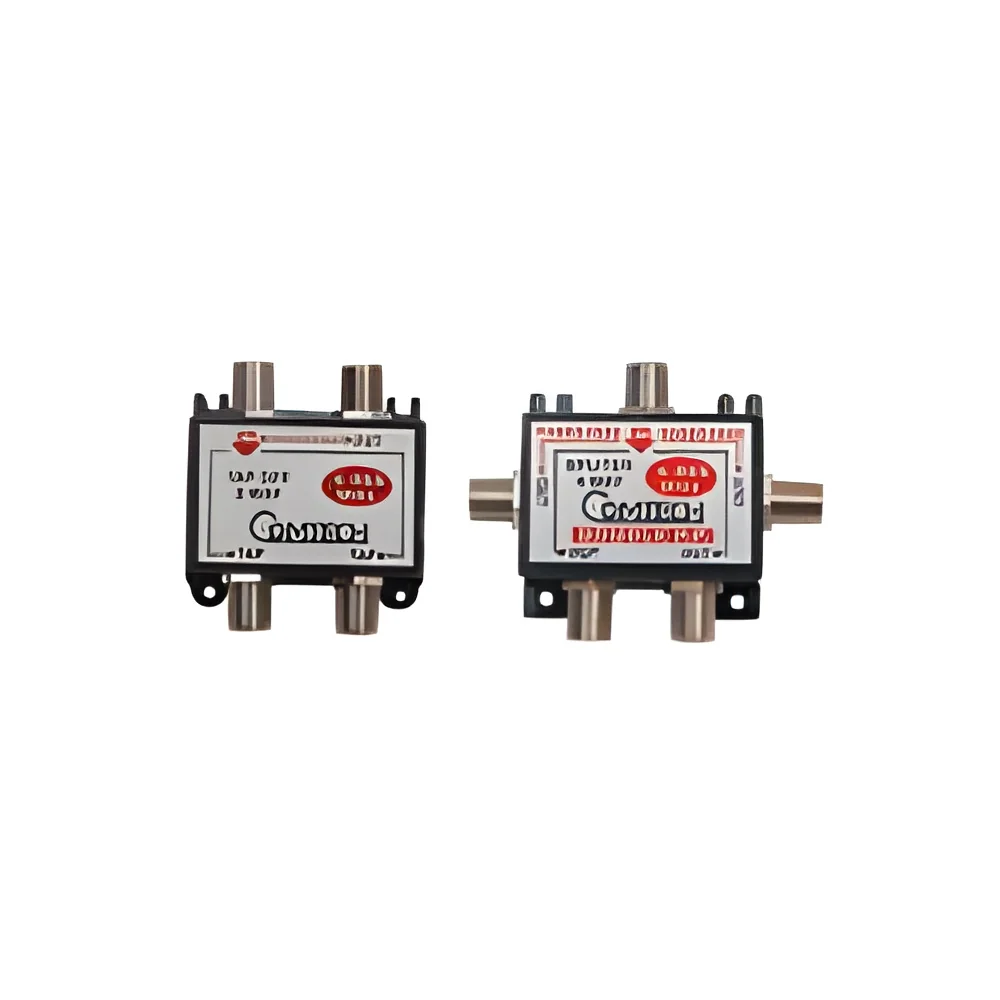
DSL filters and splitters are essential components used in digital subscriber line (DSL) technology to optimize internet connections. A DSL filter separates the voice and data signals transmitted over the same telephone line. This separation prevents interference, ensuring that both voice calls and internet data can operate simultaneously without degrading performance. Splitters serve a similar function but are typically used in setups where multiple devices share a single DSL line, distributing the signals appropriately.
The primary applications of DSL filters and splitters extend to residential and business environments alike. In homes, they enable users to enjoy internet connectivity while making phone calls without interruptions. In business settings, these devices are crucial for maintaining stable and efficient communication systems, particularly in environments where multiple users rely on internet connectivity for daily operations. The relevance of these products spans various industries, highlighting their importance in maintaining reliable communication infrastructures.
Key Features and Specifications
DSL filters and splitters are designed with specific features that enhance their functionality. These features ensure optimal performance in various business applications.
Key specifications include:
1. Signal Separation
- Provides clear separation between voice and data signals.
- Reduces interference, improving overall signal quality.
2. Frequency Range
- Typically operates within a range of 1 MHz to 30 MHz.
- Supports both voice and DSL data transmissions.
3. Connector Types
- Standard connectors include RJ11 for telephone lines and RJ45 for DSL connections.
- Ensures compatibility with various devices and setups.
4. Insertion Loss
- Low insertion loss, usually below 1 dB.
- Maintains signal strength for optimal performance.
5. Return Loss
- High return loss, typically above 20 dB.
- Minimizes signal reflection, enhancing data integrity.
6. Maximum Current Rating
- Rated for up to 1 Amp of current.
- Ensures safe operation with standard telephone equipment.
7. Material Specifications
- Constructed from durable materials, ensuring longevity and reliability.
- Resistant to environmental factors, enhancing performance in various settings.
8. Compliance and Certifications
- CE certification for European markets.
- Adheres to safety standards for electronic devices.
In summary, the combination of these specifications ensures that DSL filters and splitters provide effective performance in both residential and commercial applications.
Common Applications and Use Cases
DSL filters and splitters are utilized across a range of industries to enhance communication reliability.
1. Telecommunications: In telecommunications, DSL filters are used to enable simultaneous voice and data transmission, ensuring that users can make calls while accessing the internet.
2. Residential Services: In homes, filters are essential for maintaining a stable internet connection while allowing for traditional telephone use, preventing disruptions and enhancing user experience.
3. Small and Medium Enterprises: For small and medium businesses, splitters allow multiple devices to share the same DSL line, facilitating seamless internet access for multiple users without sacrificing quality.
4. Educational Institutions: Schools and universities depend on DSL filters to provide reliable internet access for students and staff, supporting educational activities and administrative tasks.
5. Healthcare Facilities: In healthcare, reliable communication is critical. DSL filters ensure that medical equipment can operate effectively without interference from phone calls.
6. Hospitality: Hotels and restaurants utilize DSL filters to provide guests with internet access while maintaining phone service, enhancing customer satisfaction.
7. Call Centers: In call centers, splitters enable multiple agents to use the same DSL line for internet and phone services, optimizing operational efficiency.
Product Variants and Subcategories
DSL filters and splitters come in various models and configurations to meet different needs.
Standard DSL Filter
This variant is designed for residential use, providing a simple installation process. It effectively separates voice and DSL signals, ensuring stable internet connectivity while allowing for phone service.
High-Pass Splitter
This type of splitter is used in environments where multiple connections are needed. It allows for the distribution of DSL signals across several devices, making it ideal for small offices or businesses with multiple internet users.
Inline DSL Filter
An inline filter can be easily installed between the phone and the wall jack. This variant is suitable for users who need a quick solution to reduce noise and interference on their DSL connections.
Benefits and Advantages
Choosing DSL filters and splitters offers several compelling benefits for businesses and individuals alike.
1. Improved Signal Quality: These devices enhance the clarity of both voice and data communications by eliminating interference, leading to clearer calls and faster internet speeds.
2. Cost-Effective Solution: Investing in filters and splitters can reduce the need for additional phone lines or internet services, saving costs in the long run.
3. Enhanced User Experience: Users can simultaneously use phones and the internet without disruption, improving overall satisfaction and productivity.
4. Easy Installation: Most DSL filters and splitters are designed for user-friendly installation, requiring minimal technical expertise, which reduces setup time.
5. Compatibility: These devices are compatible with a broad range of telecommunication equipment, making them versatile for various applications.
6. Reliability: DSL filters and splitters are built to last, providing consistent performance and stability in both residential and commercial environments.
Buying Guide for B2B Buyers
When considering the purchase of DSL filters and splitters, it is essential for B2B buyers to evaluate key factors that will impact their decision.
1. Quality Assessment: Ensure that products meet industry standards for performance and reliability. Look for certifications like CE to guarantee quality.
2. Supplier Verification: Vet potential suppliers to confirm their credibility and track record in providing reliable products. Check for customer reviews and service history.
3. Pricing and MOQ: Understand the pricing structure and minimum order quantities. Compare costs across various suppliers to ensure competitive pricing.
4. Delivery and Lead Times: Consider the logistics of delivery. Assess lead times to ensure that products arrive when needed without delays.
5. Compliance Requirements: Verify that products comply with local regulations and industry standards relevant to your market. This will help avoid legal issues and ensure safety.
Compliance and Certifications
Compliance is a critical aspect of DSL filters and splitters, affecting their acceptance and usability across different regions. Adhering to quality standards like ISO 9001 ensures that products meet international quality management criteria.
Additionally, many products hold CE certification, which indicates compliance with European safety, health, and environmental protection standards. This certification is essential for businesses looking to operate in the European market.
Safety and testing requirements are significant, as these devices must not only function effectively but also ensure user safety during operation. Regular testing for performance standards helps maintain quality assurance.
Regional compliance considerations vary, with different countries having specific regulations that manufacturers must adhere to. Understanding these requirements is vital for businesses distributing DSL filters and splitters globally.
Why Source DSL Filters & Splitters from Pepagora?
Pepagora offers a trusted platform for sourcing DSL filters and splitters, providing several key advantages for B2B buyers.
Verified Supplier Network: Pepagora maintains a robust network of verified suppliers, ensuring that buyers have access to high-quality products from reputable manufacturers. This network facilitates confidence in sourcing decisions.
Streamlined RFQ Process: The platform features a simplified request for quotation process, allowing buyers to easily compare prices and specifications from multiple suppliers. This efficiency enables informed purchasing decisions.
Trade Assurance and Support: Pepagora provides trade assurance, protecting buyers from potential issues during transactions. This support includes assistance with disputes, ensuring a smooth purchasing experience.
Regional Coverage: With a strong presence in markets such as India, the GCC, and Southeast Asia, Pepagora offers extensive regional coverage. This geographic reach provides buyers with local options while facilitating international sourcing.

Frequently Asked Questions
What are DSL Filters & Splitters?
DSL filters and splitters are devices used in digital subscriber line (DSL) technology to separate voice and data signals. They ensure that telephone and internet services can operate simultaneously without interference.
What are the different types of DSL Filters & Splitters?
The main types of DSL filters include microfilters, which are used for individual devices, and central splitters, which are installed at the service entry point. Each type is designed to optimize signal quality and minimize interference between voice calls and internet data.
How do I choose the right DSL Filters & Splitters?
To choose the right DSL filters and splitters, consider the specific needs of your network, including the number of devices connected and the type of DSL service in use. Compatibility with your existing equipment and the desired level of signal clarity are also important factors.
What are the standard specifications for DSL Filters & Splitters?
Standard specifications for DSL filters and splitters often include parameters such as frequency range, insertion loss, and isolation levels. It's essential to check these specifications to ensure they meet the requirements of your DSL service provider.
What is the price range for DSL Filters & Splitters?
The price range for DSL filters and splitters can vary widely based on quality and manufacturer. Typically, you can expect prices to start from a few hundred rupees to several thousand rupees for more advanced models.
What quality standards apply to DSL Filters & Splitters?
Quality standards for DSL filters and splitters may include compliance with international telecommunications standards. Look for products that are certified by relevant authorities to ensure reliability and performance.
Where can I find DSL Filters & Splitters suppliers in India?
You can find DSL filters and splitters suppliers in India through B2B marketplaces like Pepagora, industry trade shows, or by searching online directories. It's advisable to research and compare multiple suppliers to find the best options.
Can DSL Filters & Splitters be customized?
Yes, many manufacturers offer customization options for DSL filters and splitters to meet specific technical requirements or branding needs. It's best to discuss your requirements with suppliers to explore available customization possibilities.
What is the typical minimum order quantity for DSL Filters & Splitters?
The typical minimum order quantity (MOQ) for DSL filters and splitters can vary by supplier, but it often ranges from 50 to 100 units for standard products. Custom orders may have different MOQs depending on the manufacturer.
What is the typical lead time for DSL Filters & Splitters?
The typical lead time for DSL filters and splitters can range from a few days to several weeks, depending on the supplier and whether the products are in stock or need to be manufactured. It's advisable to confirm lead times with your chosen supplier.
Why Businesses Trust Pepagora
Thousands of companies trust Pepagora to source smarter and sell faster
Expand Your Sales Globally

Source Smarter,Grow Faster
