
 IN
Wi-Fi Routers
18 products available
What are Wi-Fi Routers?
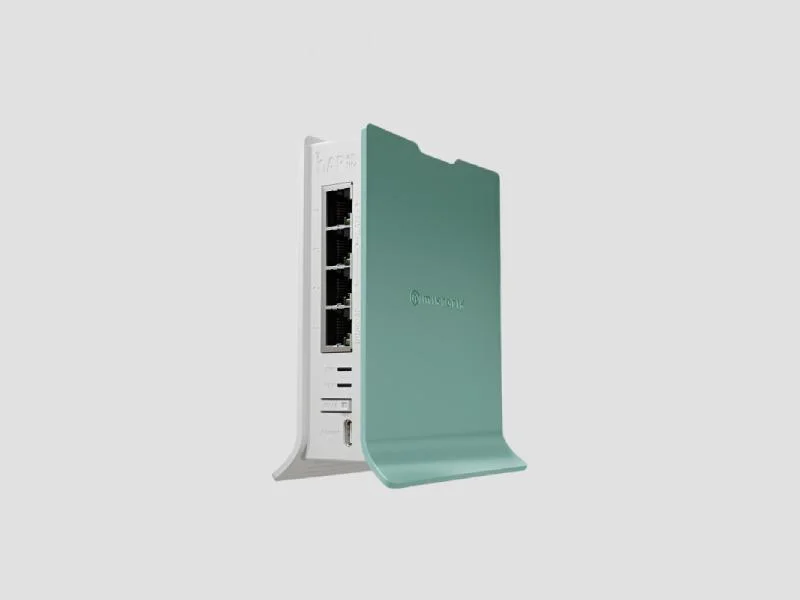
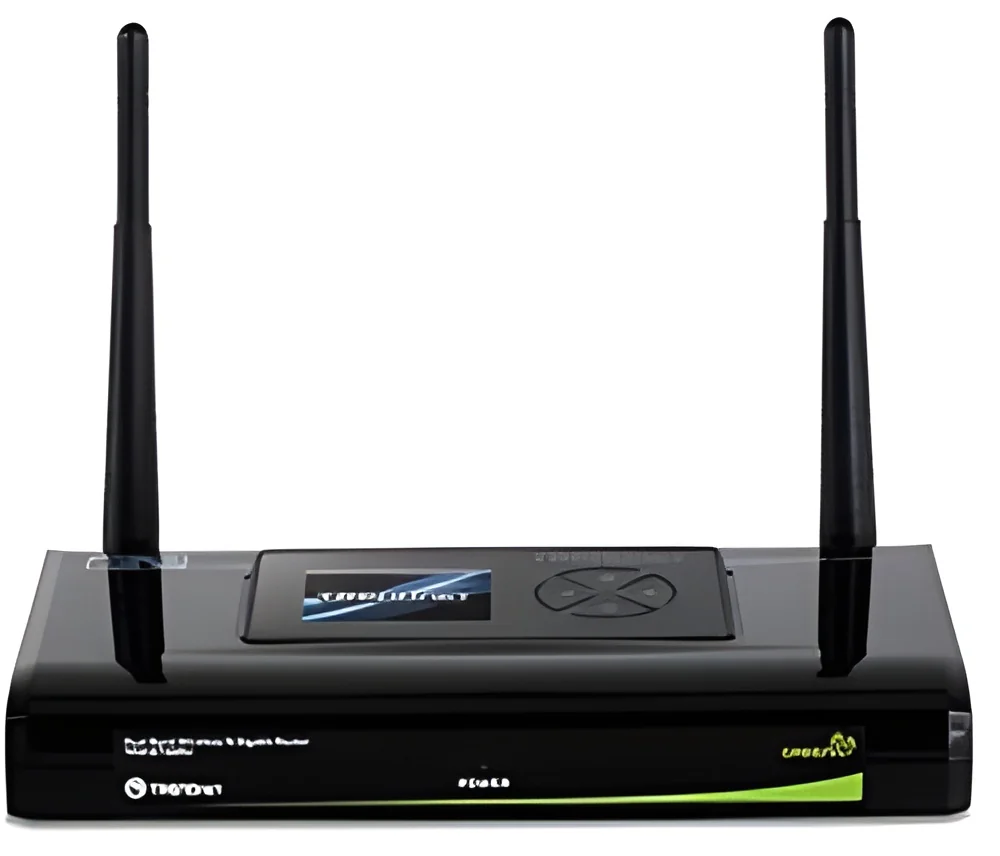
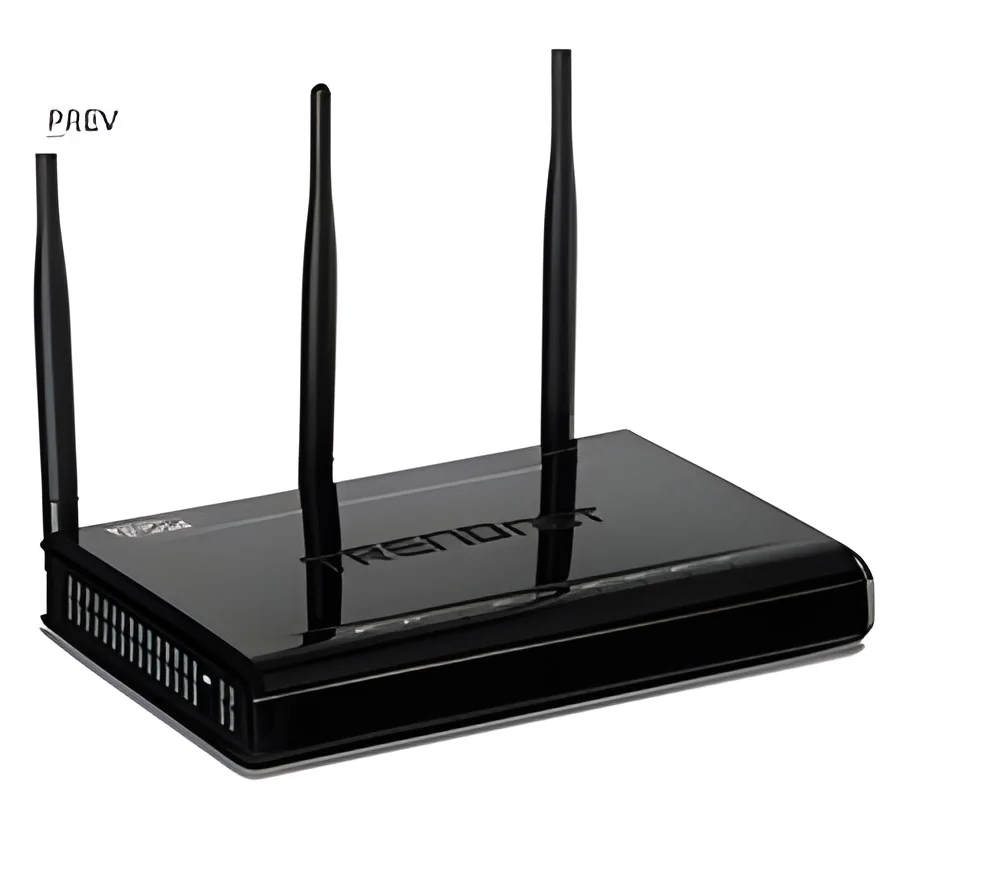
Wi-Fi routers are devices that enable wireless communication between different devices within a network. They act as a bridge between the internet and local networks, allowing users to connect to the internet without the need for physical cables. These routers use radio waves to transmit data to various devices such as laptops, smartphones, and tablets, providing flexibility and mobility for users.
In business environments, Wi-Fi routers are essential for facilitating seamless communication and connectivity in offices, warehouses, and retail spaces. They support multiple users and devices simultaneously, enabling efficient operations and improved productivity. The demand for reliable Wi-Fi routers has grown significantly as businesses increasingly depend on wireless technology for their daily operations.
With the rise of remote work and digital transformation, the relevance of Wi-Fi routers in the market is more pronounced than ever. Businesses across various sectors require robust and secure wireless solutions to meet their connectivity needs. Consequently, understanding the specifications and features of Wi-Fi routers is critical for making informed purchasing decisions.
Key Features and Specifications
Wi-Fi routers come with a range of features and specifications that cater to different business requirements. Understanding these specifications helps businesses choose the right product for their needs.
Key specifications include:
1. Wireless Standards
- Wi-Fi routers typically support various wireless standards, including 802.11ac and 802.11ax (Wi-Fi 6).
- These standards offer different speeds and ranges, impacting overall network performance.
2. Frequency Bands
- Most Wi-Fi routers operate on both 2.4 GHz and 5 GHz frequency bands.
- The dual-band capability allows for better performance and less interference.
3. Data Transfer Rates
- Wi-Fi routers offer varying data transfer rates, often measured in Mbps.
- Higher rates provide faster internet access for multiple users and devices.
4. Range and Coverage
- The effective range of Wi-Fi routers can differ based on the model and environment.
- Coverage is crucial for businesses with large spaces, ensuring all areas receive a strong signal.
5. Security Features
- Common security features include WPA3 encryption and firewall capabilities.
- These protections are essential for safeguarding sensitive business data.
6. Number of Ports
- Routers may come with multiple Ethernet ports for wired connections.
- More ports allow for connecting additional devices directly to the network.
7. Quality of Service (QoS)
- QoS features prioritize bandwidth for specific applications or devices.
- This ensures that critical business functions maintain optimal performance.
8. Management Features
- Many routers offer user-friendly interfaces for easy management.
- Features may include remote monitoring, parental controls, and guest network options.
In summary, the right combination of features and specifications can enhance network performance, security, and user experience in business environments.
Common Applications and Use Cases
Wi-Fi routers are used across various industries to meet different connectivity needs.
1. Corporate Offices: In corporate settings, Wi-Fi routers enable employees to connect their devices to the internet, facilitating communication and collaboration.
2. Retail Stores: Retail environments utilize Wi-Fi routers to support point-of-sale systems and provide customers with internet access, enhancing the shopping experience.
3. Warehousing and Logistics: These routers help manage inventory systems and improve communication between teams operating within large warehouse spaces.
4. Educational Institutions: Schools and universities rely on Wi-Fi routers to provide students and staff with reliable internet access for online learning and administrative tasks.
5. Healthcare Facilities: Wi-Fi routers support the connectivity needs of medical devices and provide staff with access to patient records and information systems.
6. Hospitality: Hotels and restaurants use Wi-Fi routers to offer internet access to guests and streamline operations, including reservations and payments.
7. Manufacturing: In manufacturing facilities, Wi-Fi routers connect machines and devices for real-time monitoring and operational efficiency.
Product Variants and Subcategories
Wi-Fi routers come in various forms to cater to different business needs.
Commercial-grade Routers: These routers are designed for larger networks, providing high performance and reliability. They often include advanced features like load balancing and enhanced security measures.
Mesh Wi-Fi Systems: Mesh systems consist of multiple devices that work together to provide extensive coverage. They are ideal for large or multi-story facilities where a single router may not suffice.
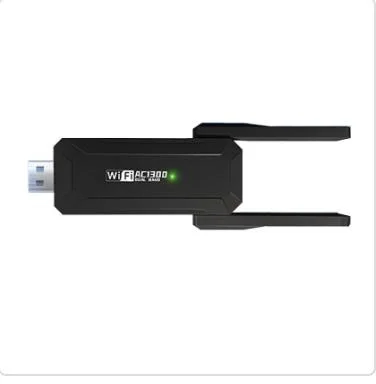
Portable Wi-Fi Routers: These compact devices offer mobile connectivity, making them suitable for businesses that require internet access on the go, such as field teams or traveling personnel.
Benefits and Advantages
Investing in quality Wi-Fi routers offers numerous advantages to businesses.
Key benefits include:
1. Enhanced Connectivity: Wi-Fi routers provide reliable internet access for multiple devices, ensuring uninterrupted connectivity for daily operations.
2. Increased Mobility: Wireless technology allows employees to move freely within the workspace, improving productivity and collaboration.
3. Scalability: Businesses can easily expand their network by adding more devices or upgrading their routers as needed.
4. Cost-Effectiveness: Reducing the need for extensive cabling and infrastructure lowers installation and maintenance costs.
5. Improved Security: Modern routers come with advanced security features that protect sensitive data from unauthorized access.
6. User-Friendly Management: Many routers offer intuitive interfaces for easy setup and management, allowing IT teams to configure settings quickly.
Buying Guide for B2B Buyers
When sourcing Wi-Fi routers, it is essential to consider several factors to ensure you choose the right product.
1. Quality Assessment: Look for routers that meet industry standards and have a solid reputation for performance and reliability. Read customer reviews and testimonials to gauge user satisfaction.
2. Supplier Verification: Vet suppliers to ensure they are reputable and offer quality products. Check certifications and ask for references from other businesses.
3. Pricing and MOQ: Understand the pricing structure and minimum order quantities (MOQ). Compare quotes from multiple suppliers to ensure competitive pricing.
4. Delivery and Lead Times: Inquire about delivery timelines and lead times to ensure that your business can maintain operations without disruptions.
5. Compliance Requirements: Ensure that the routers comply with relevant local and international regulations. This may include safety certifications and environmental standards.
Compliance and Certifications
Compliance and certifications play a crucial role in the quality assurance of Wi-Fi routers.
Many routers comply with ISO 9001 standards, ensuring they meet international quality management principles. This certification indicates that the product is consistently manufactured to quality standards.
Additionally, routers often hold CE certification, demonstrating compliance with European health, safety, and environmental protection standards. This certification is essential for businesses operating in or exporting to European markets.
Safety and testing requirements are also critical, as routers must undergo rigorous testing to ensure they function effectively and securely. Failure to meet these requirements can lead to vulnerabilities and operational issues.
Businesses should also consider regional compliance needs, as specific regions may have unique regulations regarding wireless communications and data security.
Why Source Wi-Fi Routers from Pepagora?
Pepagora provides a trusted platform for sourcing Wi-Fi routers, offering several key advantages to B2B buyers.
Verified Supplier Network: Pepagora has a robust network of verified suppliers, ensuring that businesses can source high-quality routers with confidence. Each supplier is vetted to meet industry standards, providing peace of mind.
Streamlined RFQ Process: The request for quotation (RFQ) process is straightforward, allowing buyers to obtain competitive quotes from multiple suppliers quickly. This efficiency saves time and helps buyers make informed purchasing decisions.
Trade Assurance and Support: Pepagora offers trade assurance programs that protect buyers from potential risks associated with transactions. This includes support for dispute resolution and ensuring product quality.
Regional Coverage: With a focus on geographic areas such as India, the GCC, and Southeast Asia, Pepagora connects businesses with suppliers that understand local market needs and regulations. This regional focus enhances the sourcing experience for buyers in these areas.


 India

 India

 India


 India

Frequently Asked Questions
What are Wi-Fi Routers?
Wi-Fi routers are networking devices that allow multiple devices to connect to the internet wirelessly. They receive data from the internet and transmit it to connected devices, enabling seamless access to online resources.
What are the different types of Wi-Fi Routers?
The main types of Wi-Fi routers include single-band routers, dual-band routers, and tri-band routers. Single-band routers operate on one frequency band, while dual-band routers operate on both 2.4 GHz and 5 GHz bands, and tri-band routers add an additional 5 GHz band for improved performance.
How do I choose the right Wi-Fi Routers?
To choose the right Wi-Fi router, consider factors such as your internet speed, the size of your space, and the number of devices that will connect. Additionally, look for features such as security protocols, ease of setup, and compatibility with your internet service provider.
What are the standard specifications for Wi-Fi Routers?
Standard specifications for Wi-Fi routers typically include wireless standards (e.g., 802.11ac or 802.11ax), maximum throughput speeds, range, and number of Ethernet ports. Other important specifications may include security features and additional functionalities like MU-MIMO and beamforming.
What is the price range for Wi-Fi Routers?
The price range for Wi-Fi routers varies widely based on features and specifications, typically starting from around INR 1,500 to over INR 20,000. Higher-end models with advanced capabilities tend to be on the more expensive side.
What quality standards apply to Wi-Fi Routers?
Wi-Fi routers are generally required to meet quality standards set by regulatory bodies such as the Bureau of Indian Standards (BIS). Compliance with international standards like IEEE for wireless communication can also be a sign of quality.
Where can I find Wi-Fi Routers suppliers in India?
You can find Wi-Fi routers suppliers in India through various online B2B marketplaces, trade shows, and industry directories. Platforms like Pepagora.com provide listings of manufacturers and suppliers for easy sourcing.
Can Wi-Fi Routers be customized?
Yes, many manufacturers offer customization options for Wi-Fi routers based on specific requirements. Customizations may include branding, features, and configurations tailored to business needs.
What is the typical minimum order quantity for Wi-Fi Routers?
The typical minimum order quantity (MOQ) for Wi-Fi routers can vary by supplier, but it generally ranges from 10 to 100 units. It's advisable to check with individual suppliers for their specific MOQ requirements.
What is the typical lead time for Wi-Fi Routers?
The typical lead time for Wi-Fi routers can range from a few days to several weeks, depending on the supplier and order size. It's important to communicate with the supplier to get an accurate estimate based on your order.
Why Businesses Trust Pepagora
Thousands of companies trust Pepagora to source smarter and sell faster
Expand Your Sales Globally

Source Smarter,Grow Faster
