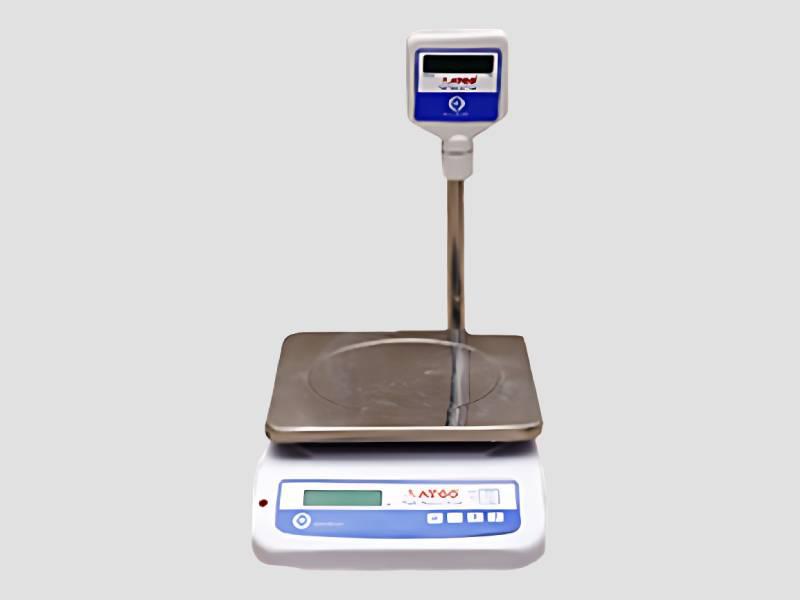
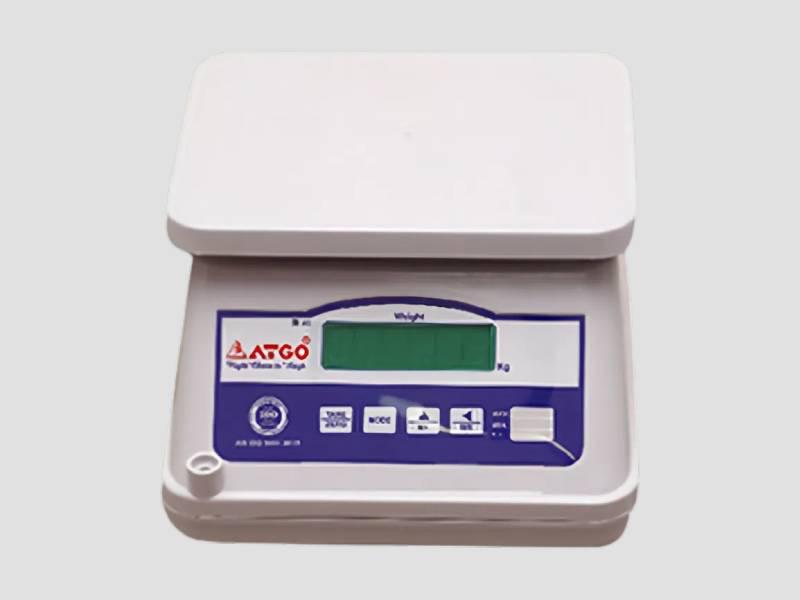
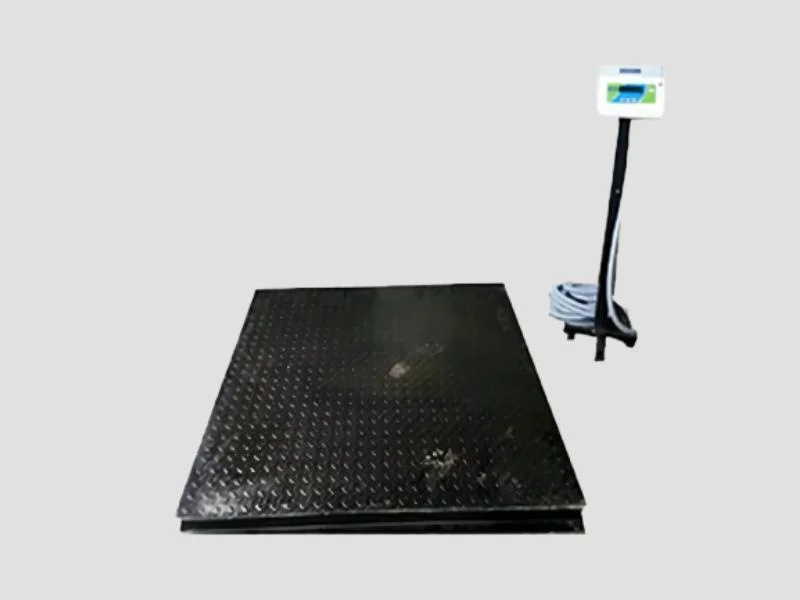
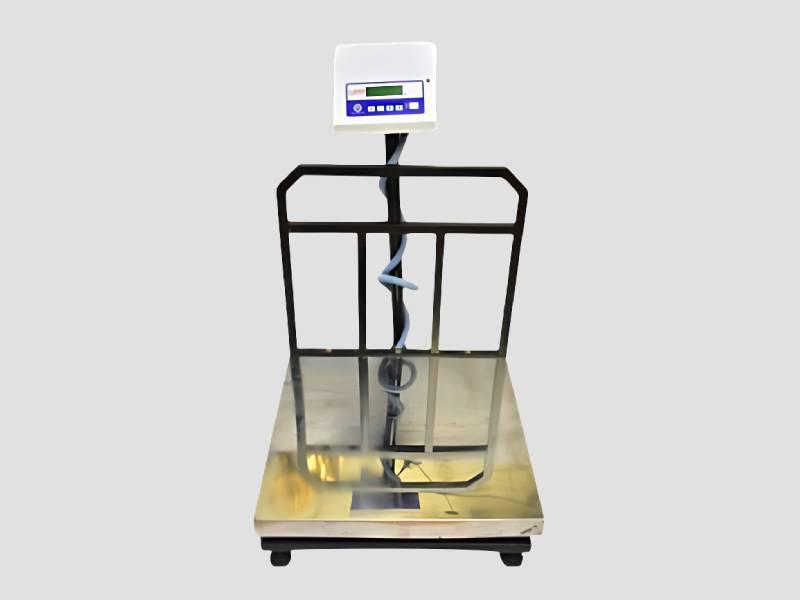
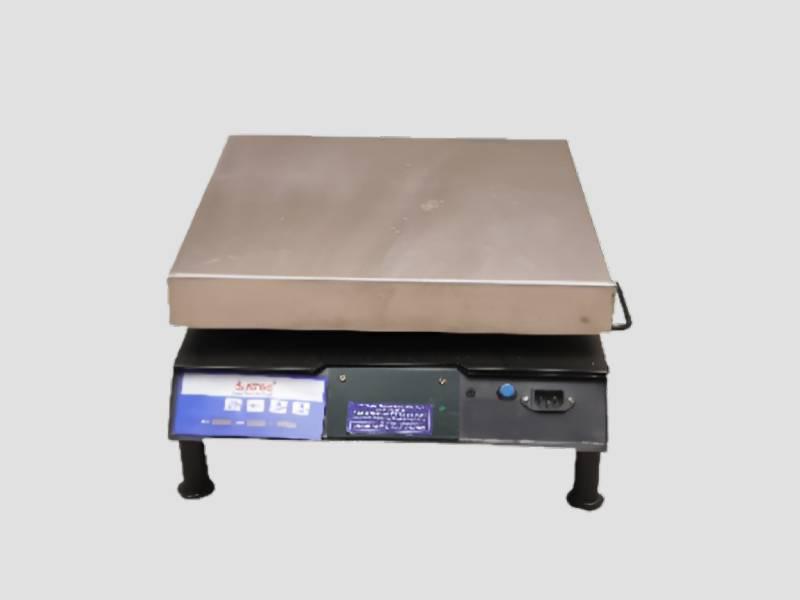
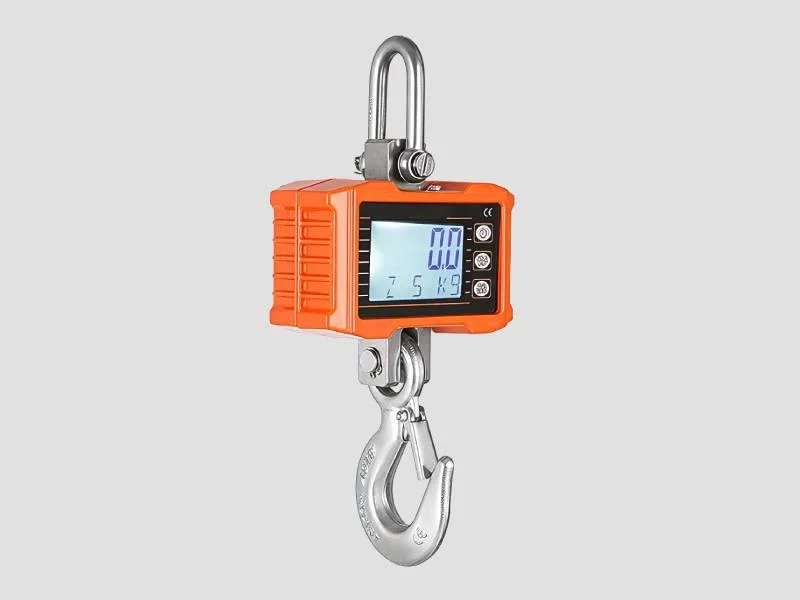
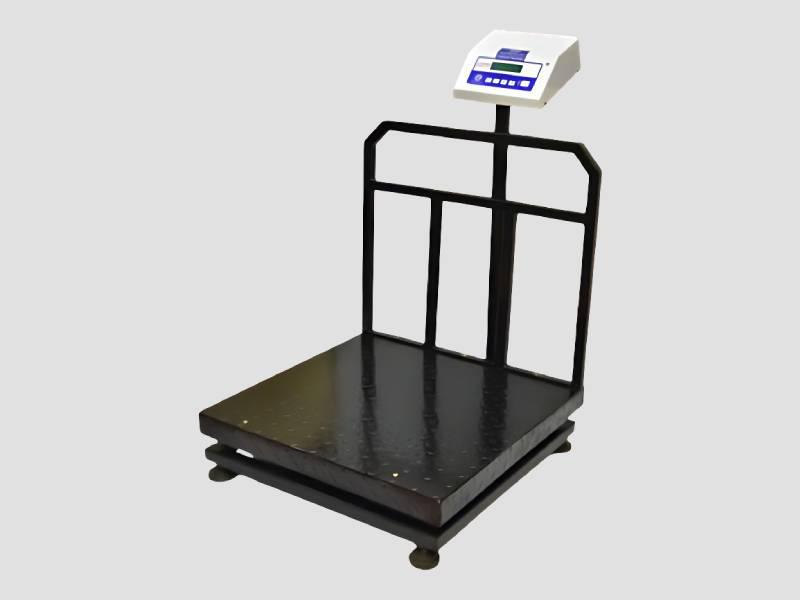
What are Weighing Scale Calibration?
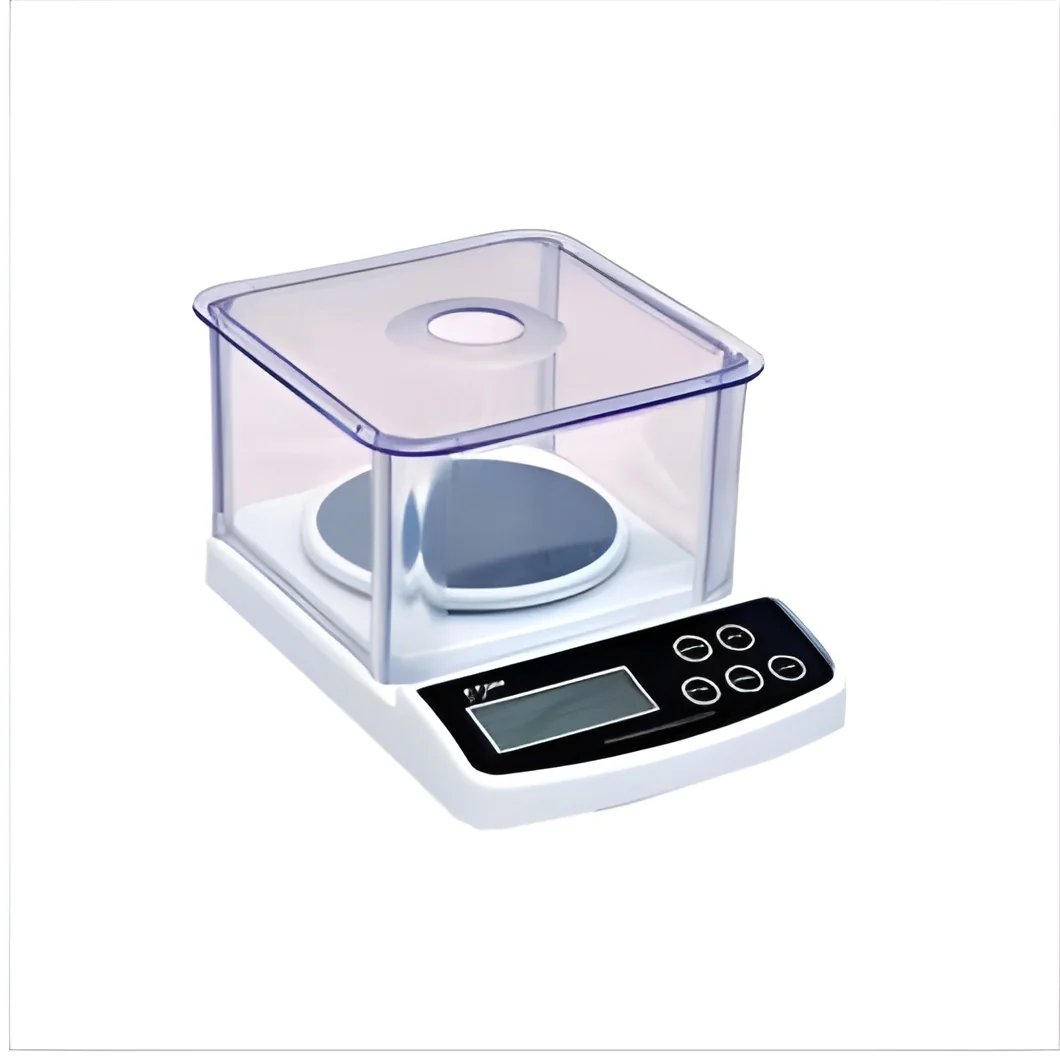
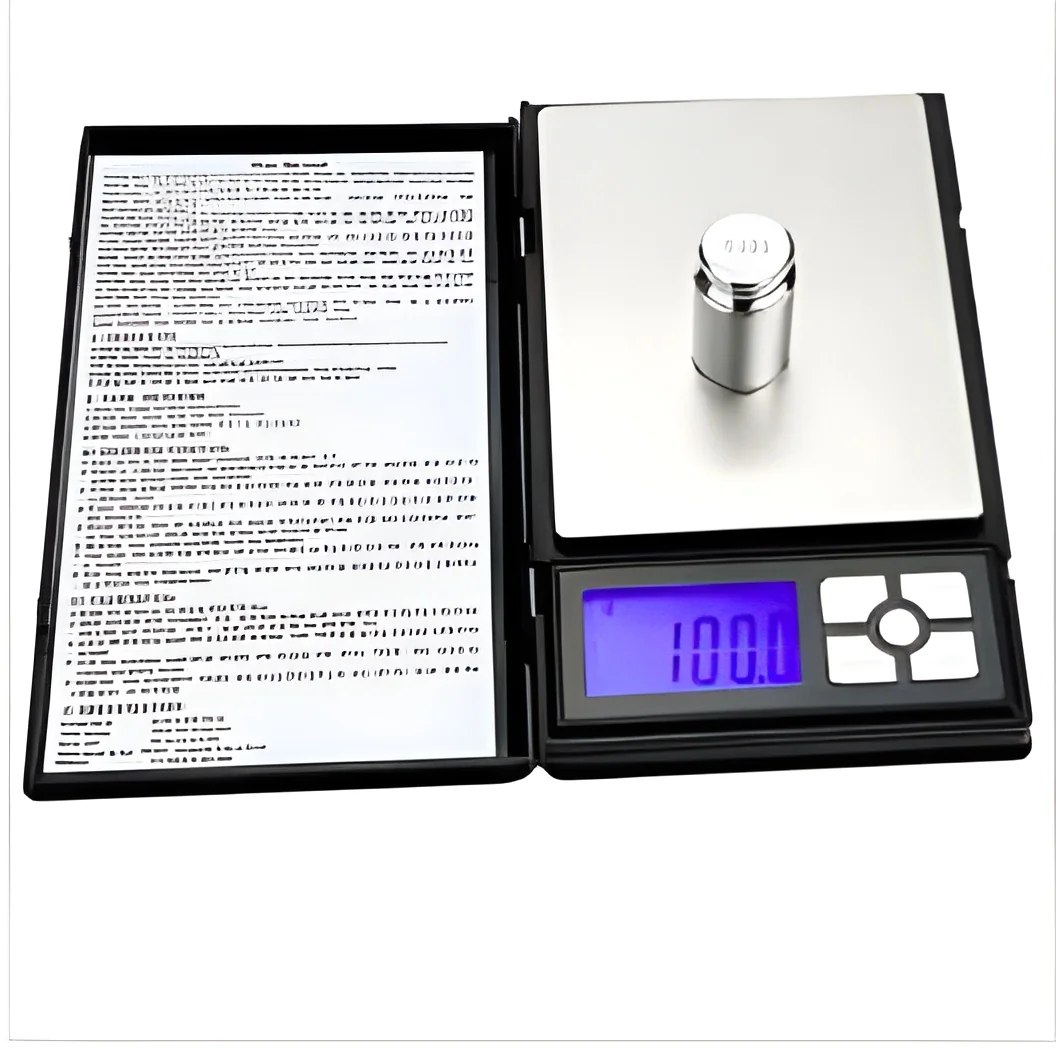
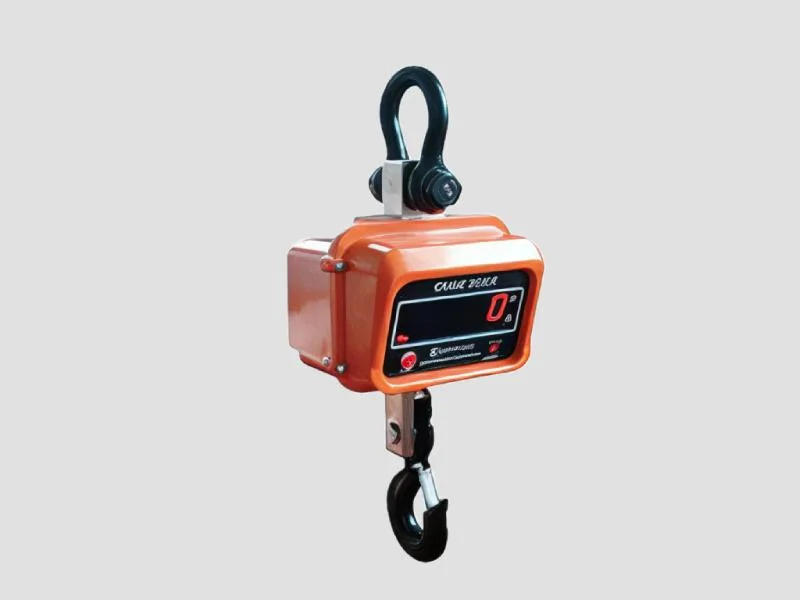
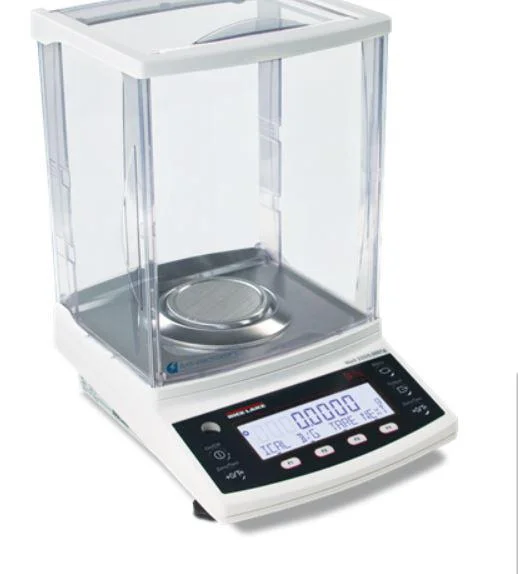
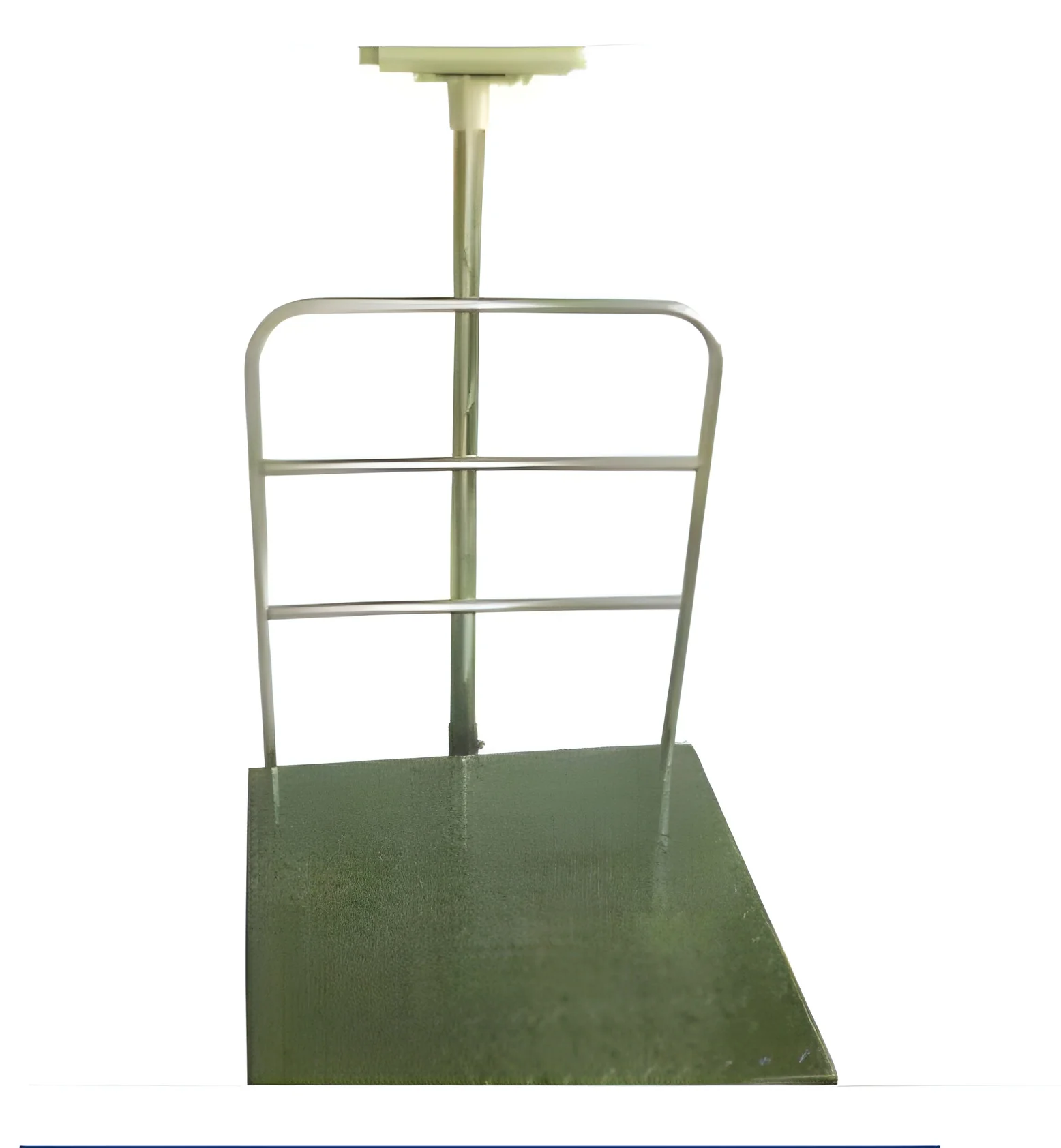
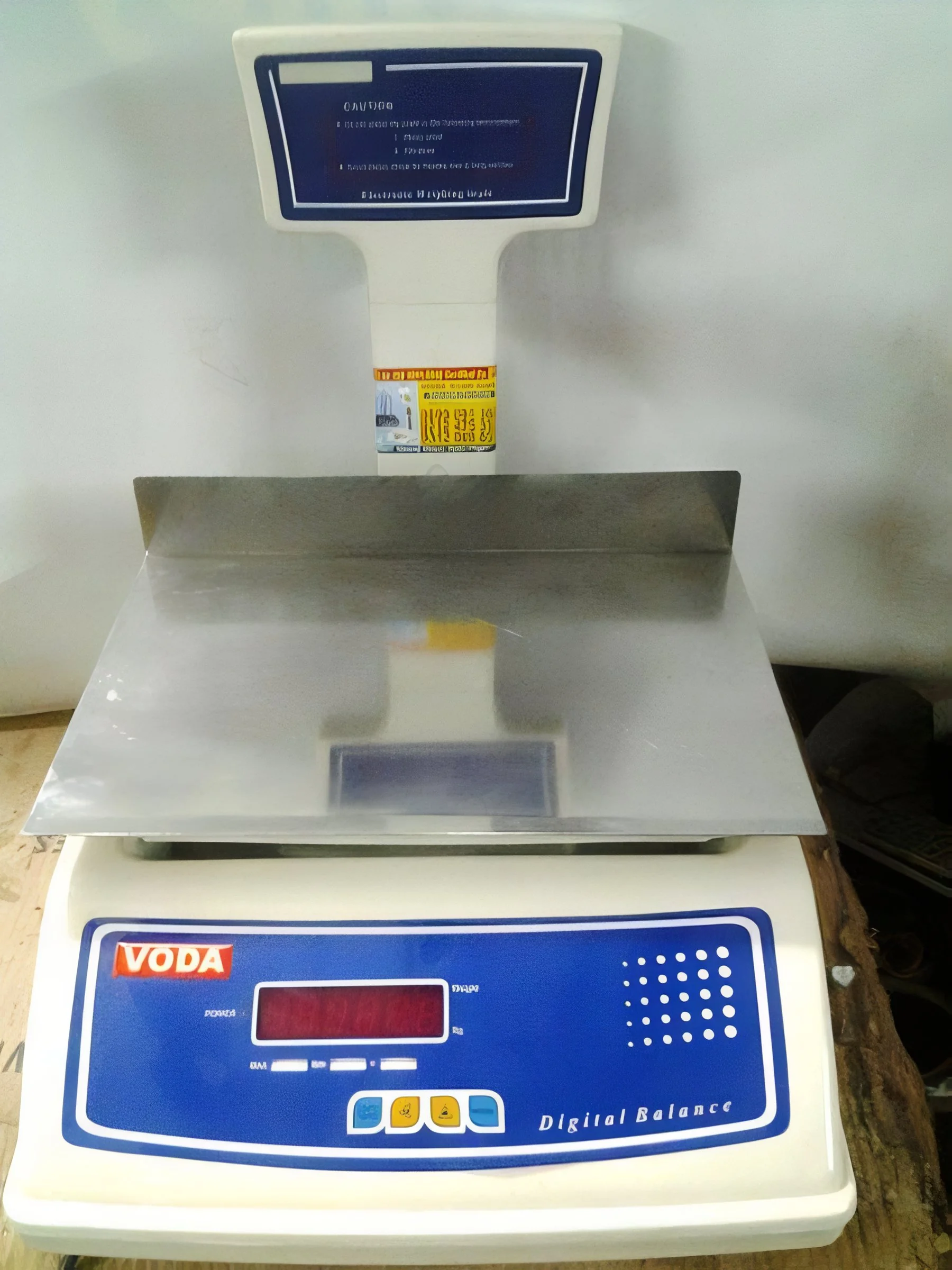
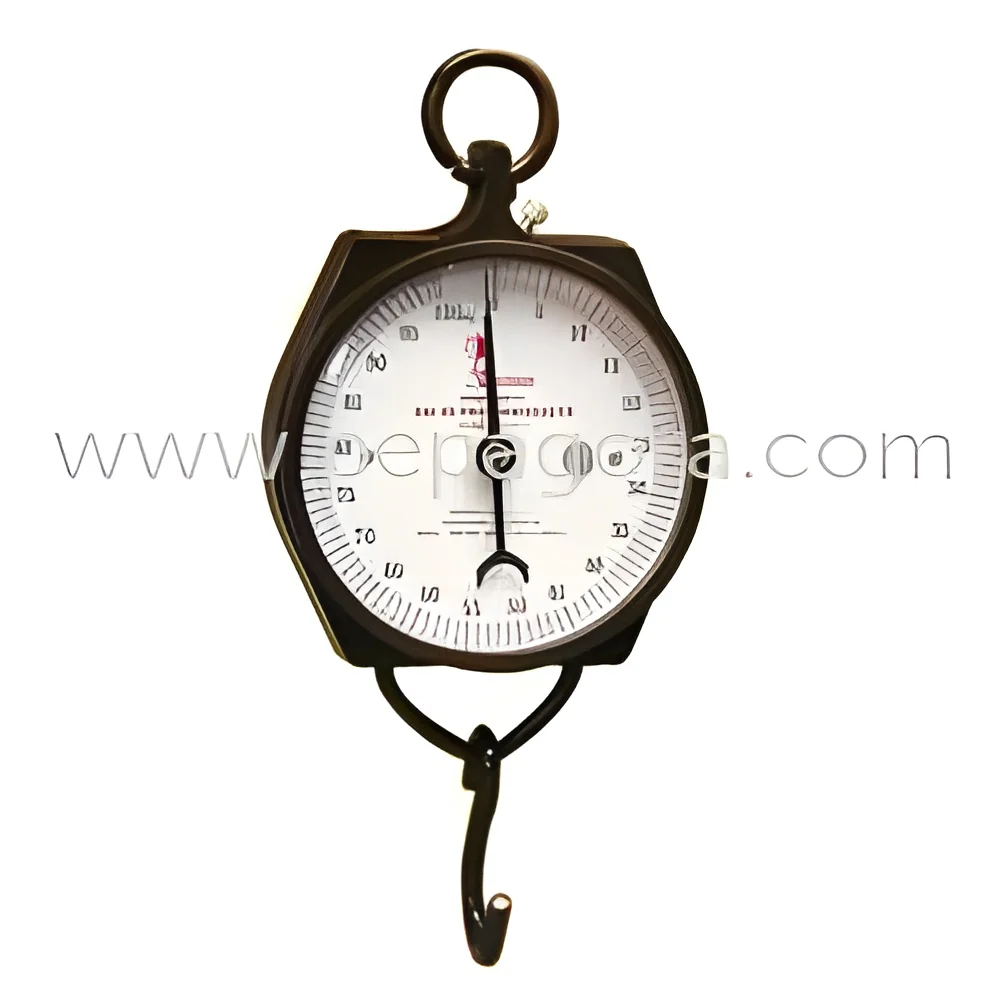
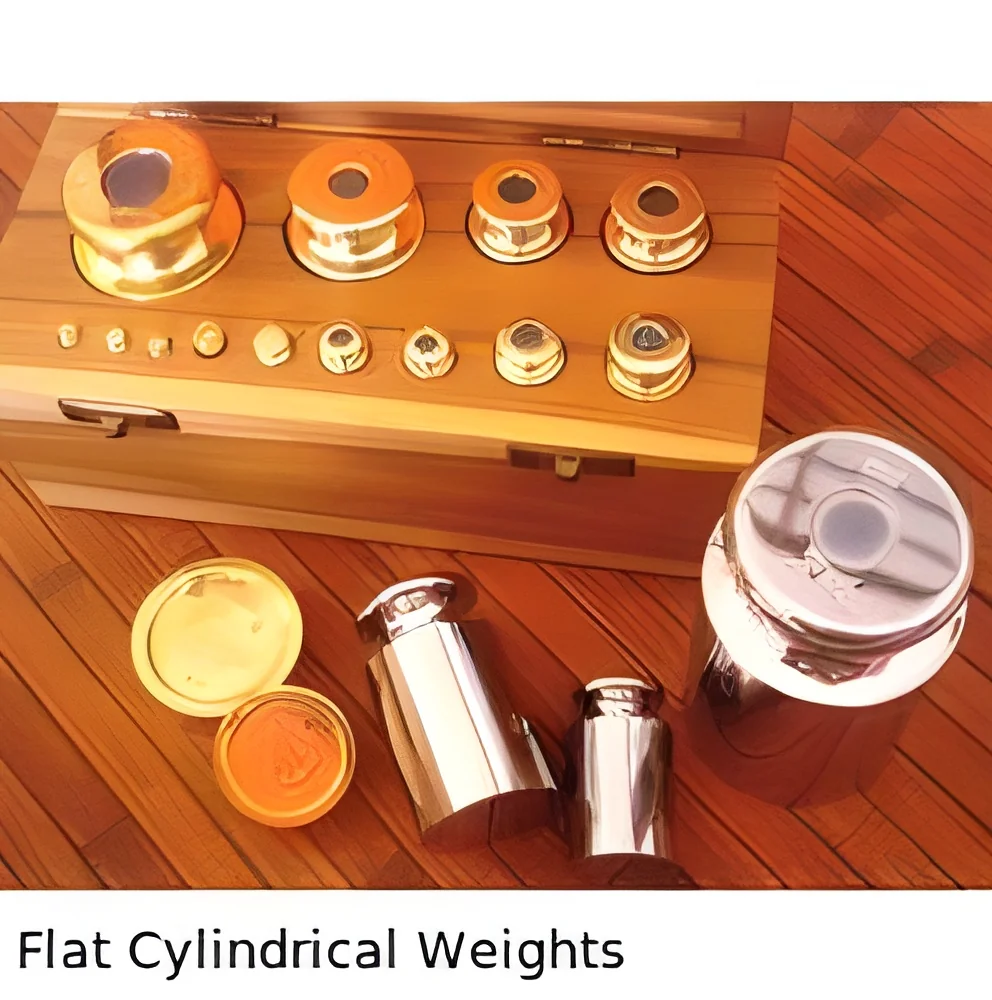
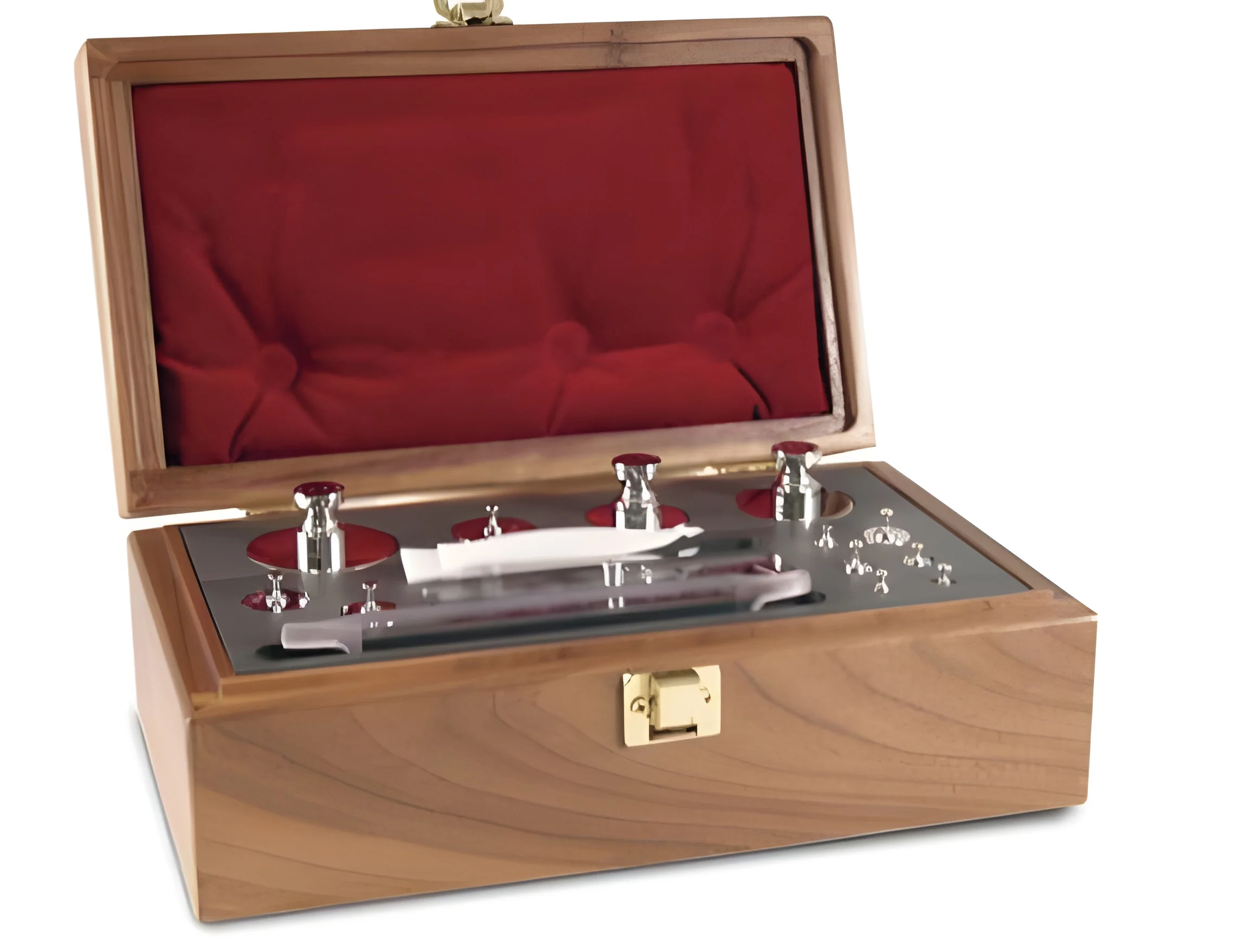
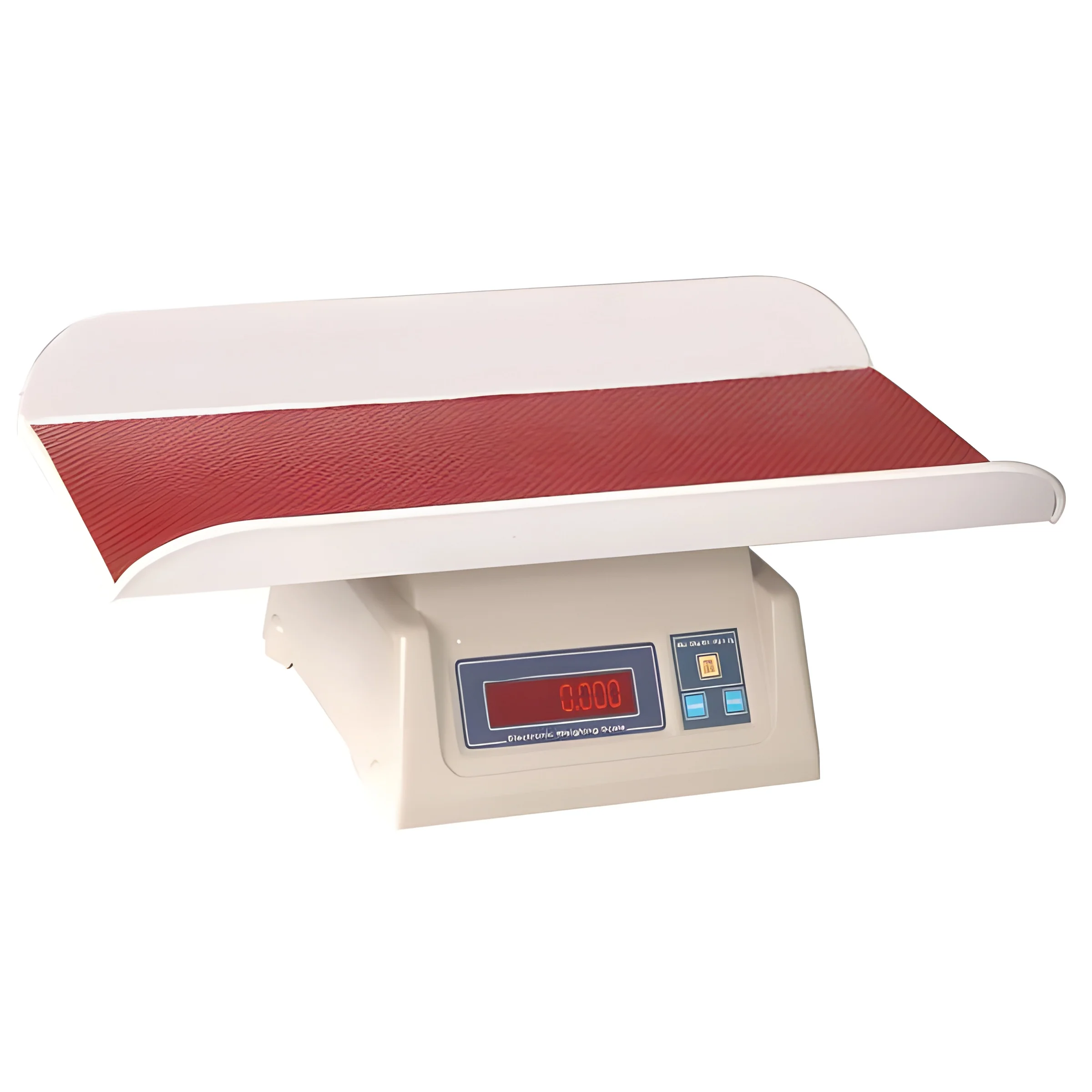
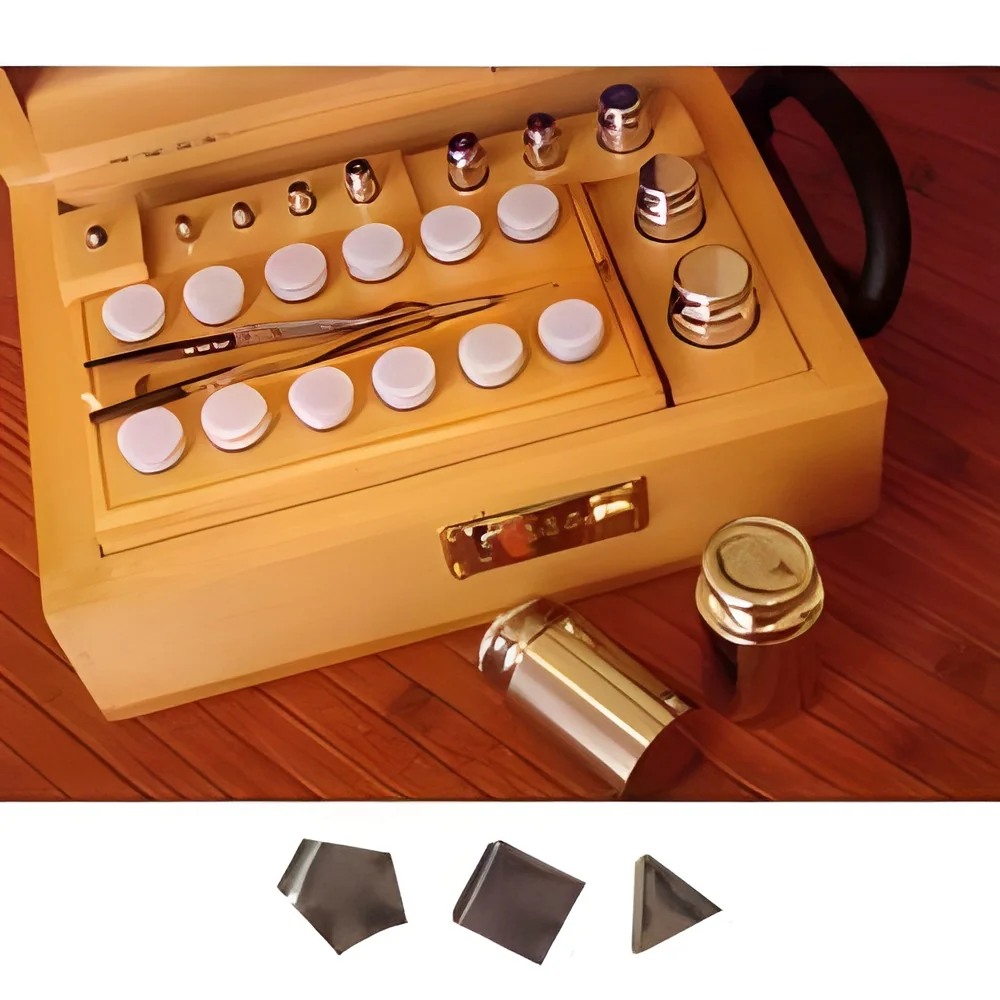
Weighing scale calibration is the process of adjusting and verifying the accuracy of weighing scales. It ensures that the measurements produced by the scales are correct and adhere to industry standards. Calibration involves comparing the weight of known reference standards against the weight measurements provided by the scale. This process is critical for maintaining precision in various applications, ensuring that businesses operate efficiently and comply with regulations.
The primary uses of weighing scale calibration are found in industries such as manufacturing, logistics, and food processing. These sectors rely heavily on accurate measurements for inventory management, quality control, and compliance with safety regulations. By ensuring that weighing scales are properly calibrated, companies can prevent costly errors, enhance product quality, and maintain customer trust. In today’s competitive market, the reliability of weighing equipment is not just an operational necessity but also a key factor in maintaining market relevance.
Calibration is essential in a variety of industries, including pharmaceuticals, agriculture, and retail. As businesses strive to meet quality standards and regulatory requirements, investing in regular calibration becomes vital. This not only supports operational efficiency but also contributes to overall market competitiveness.
Key Features and Specifications
Weighing scale calibration services come with several key features that ensure accuracy and reliability. These features are designed to meet the diverse needs of businesses across various industries.
Key specifications include:
1. Calibration Accuracy
- Calibration ensures that the scale measures within a specified tolerance level.
- Typical accuracy ranges may vary depending on the scale type and application.
2. Verification Standards
- Calibration aligns with international standards such as ISO 9001 and CE certification.
- This ensures compliance with quality management systems and safety regulations.
3. Calibration Frequency
- Regular calibration is recommended based on usage patterns and regulatory requirements.
- Industries may require calibration annually, semi-annually, or quarterly.
4. Documentation and Reporting
- Calibration services provide detailed reports and certificates.
- These documents are essential for audits and compliance checks.
5. On-site vs. Off-site Calibration
- Calibration can be performed on-site for convenience or at specialized service centers.
- Each method has its benefits based on the scale's size and the environment.
6. Temperature and Humidity Control
- Proper environmental conditions are crucial during calibration to ensure accuracy.
- Specific humidity and temperature controls may be required for sensitive applications.
7. Custom Calibration Solutions
- Calibration services can be tailored to meet specific business needs.
- Custom solutions ensure that unique operational requirements are met.
8. Support and Maintenance
- Ongoing support services may accompany calibration to maintain scale performance.
- Regular maintenance checks help extend the life of the equipment.
In summary, understanding these key features and specifications is critical for businesses seeking reliable calibration services that meet their operational demands.
Common Applications and Use Cases
Weighing scale calibration serves various industries where accuracy in measurement is crucial for operations.
1. Manufacturing: In manufacturing, precise weight measurements are critical for quality control. Calibration ensures that raw materials and finished products are weighed accurately, preventing discrepancies that could lead to production issues.
2. Logistics: The logistics sector relies on accurate weight measurements for shipping and receiving goods. Regular calibration of scales helps in maintaining compliance with transportation regulations and optimizing shipping costs.
3. Food Processing: In the food industry, accurate weight measurements are essential for portion control and compliance with health regulations. Calibration ensures that scales used for weighing ingredients and finished products provide reliable data.
4. Pharmaceuticals: In pharmaceuticals, precise measurement is vital for drug formulations. Calibration of scales ensures that active ingredients are measured correctly, maintaining product efficacy and safety.
5. Agriculture: Weighing scales play a significant role in agriculture for measuring crop yields and livestock weights. Calibration helps ensure accurate reporting and compliance with agricultural regulations.
6. Retail: Retail environments require accurate scales for pricing products. Calibration ensures that customers receive the correct weight and price, fostering trust and satisfaction.
7. Research and Development: In R&D, accurate measurements are essential for experiments and product development. Regular calibration of scales used in laboratories ensures credible results.
Product Variants and Subcategories
While specific variants for weighing scale calibration may not be available, the diversity in calibration services caters to various business needs. Each business may have different requirements based on scale types and operational environments.
Standard Calibration Service
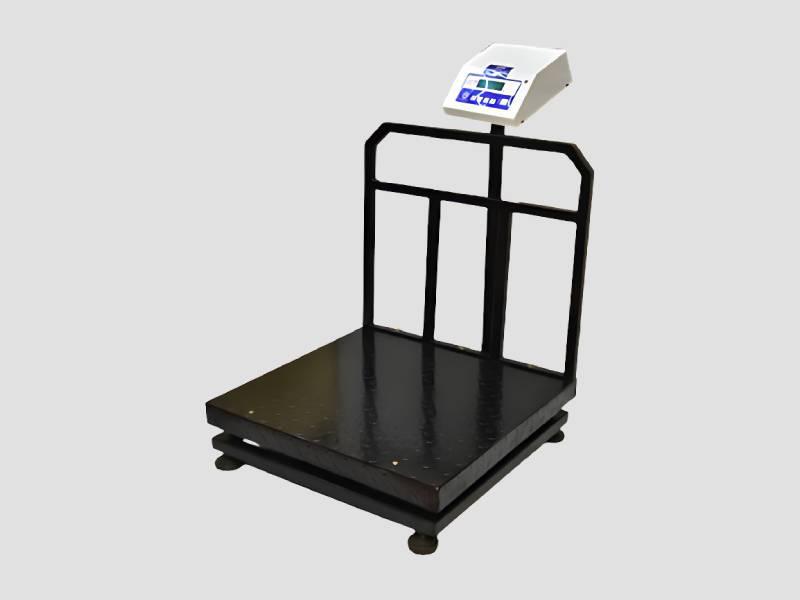
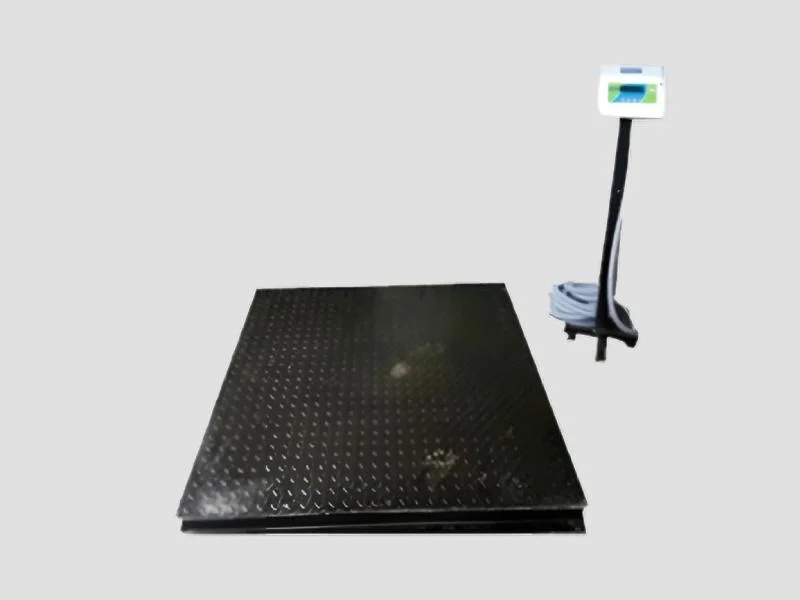
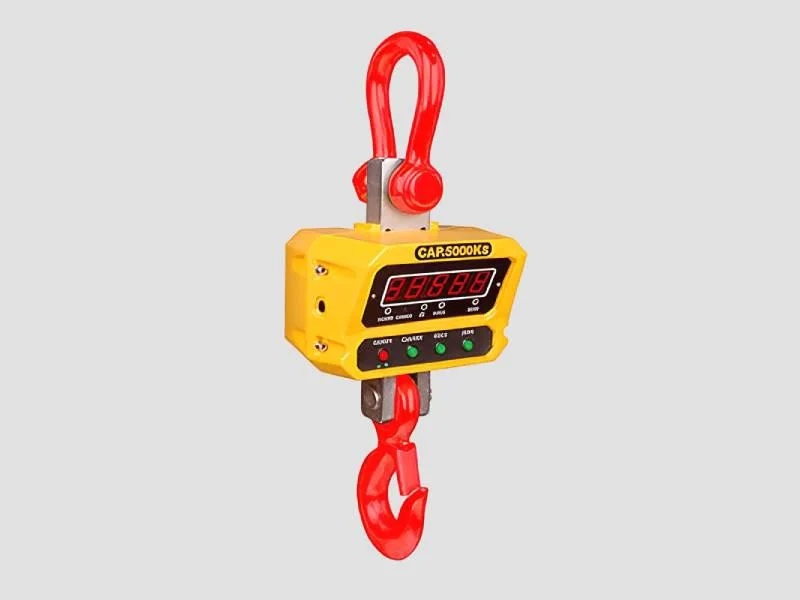
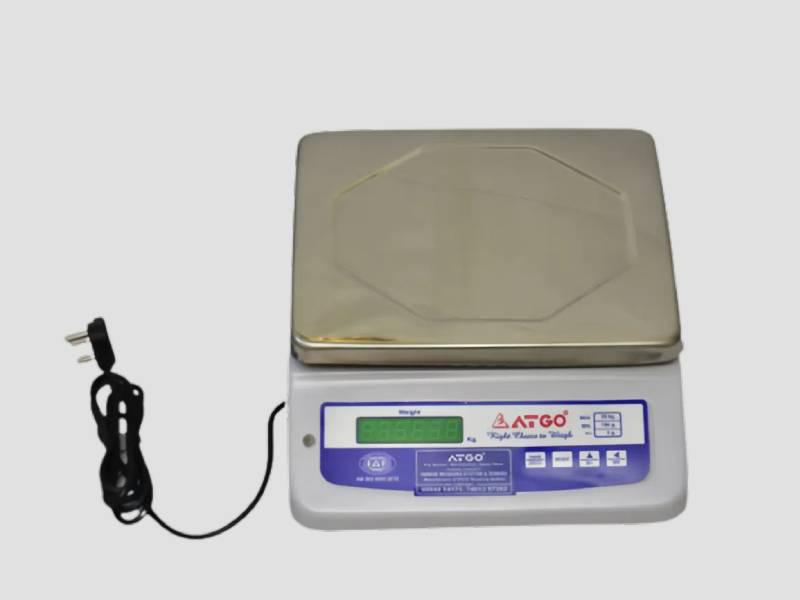
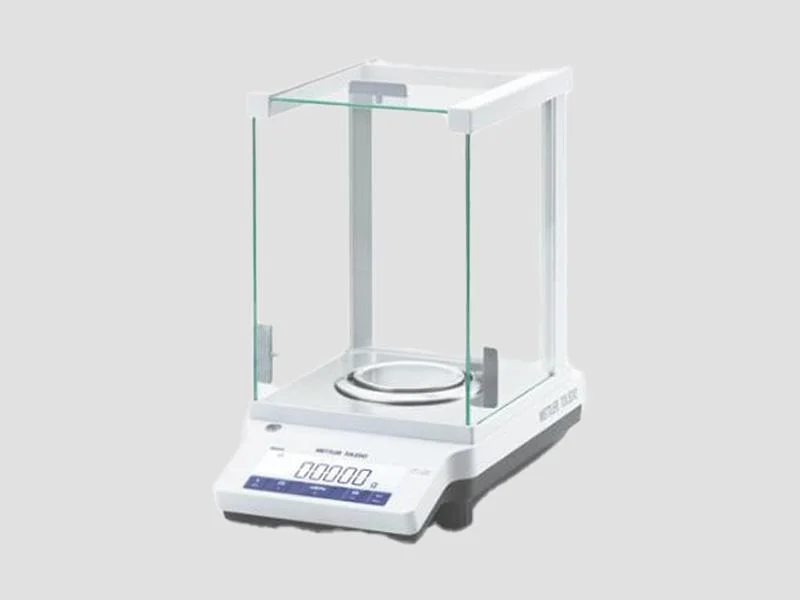
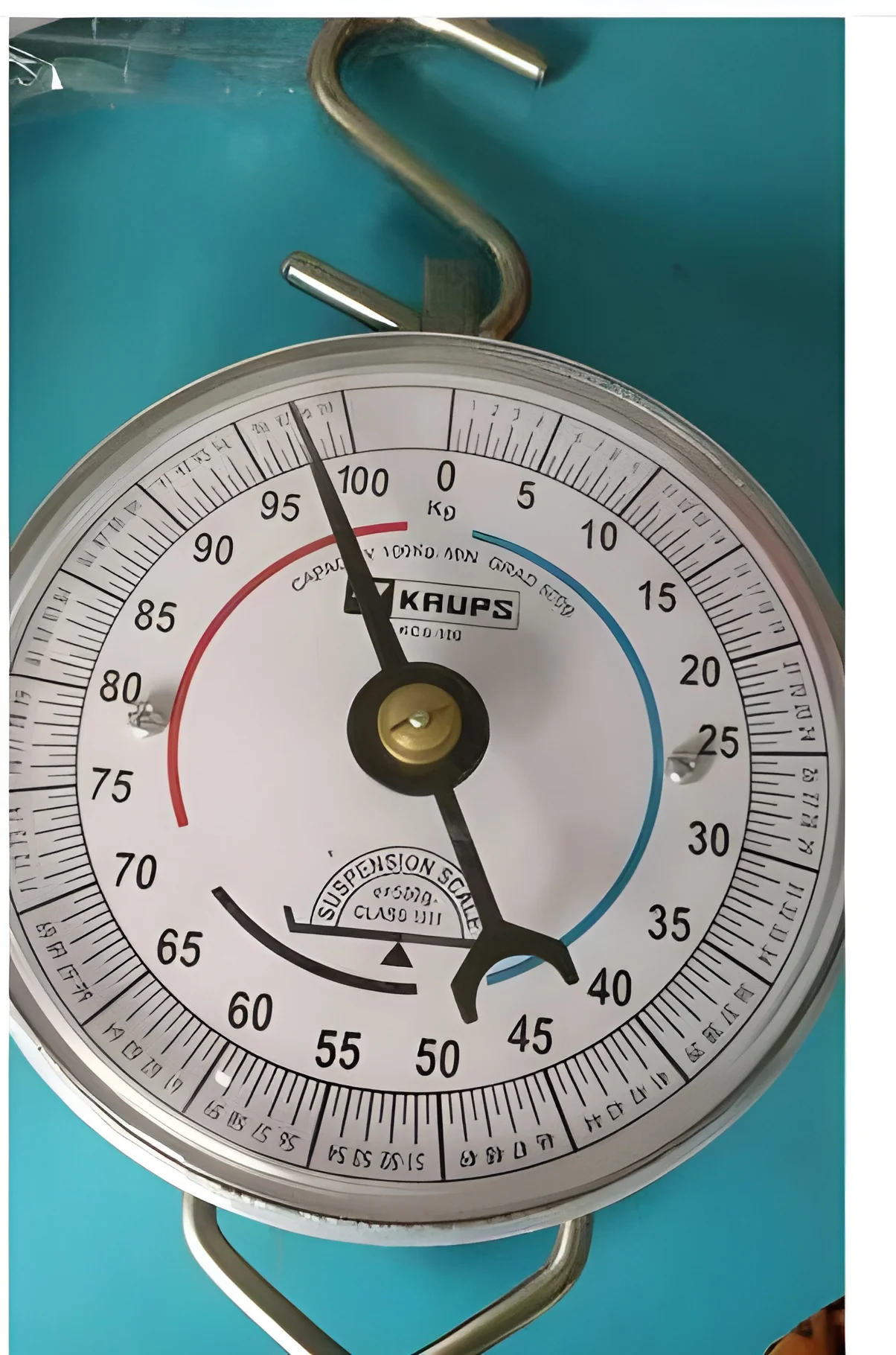
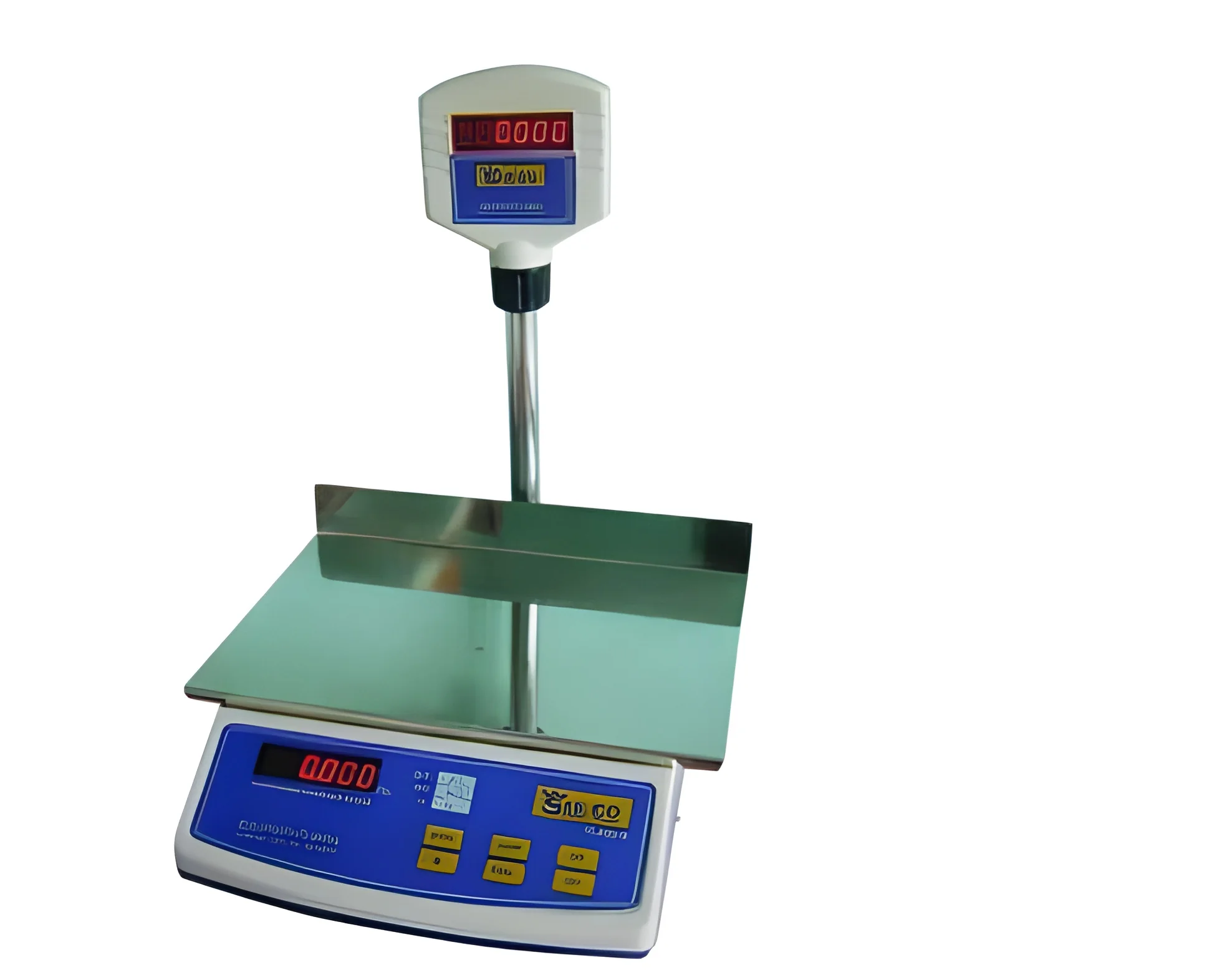
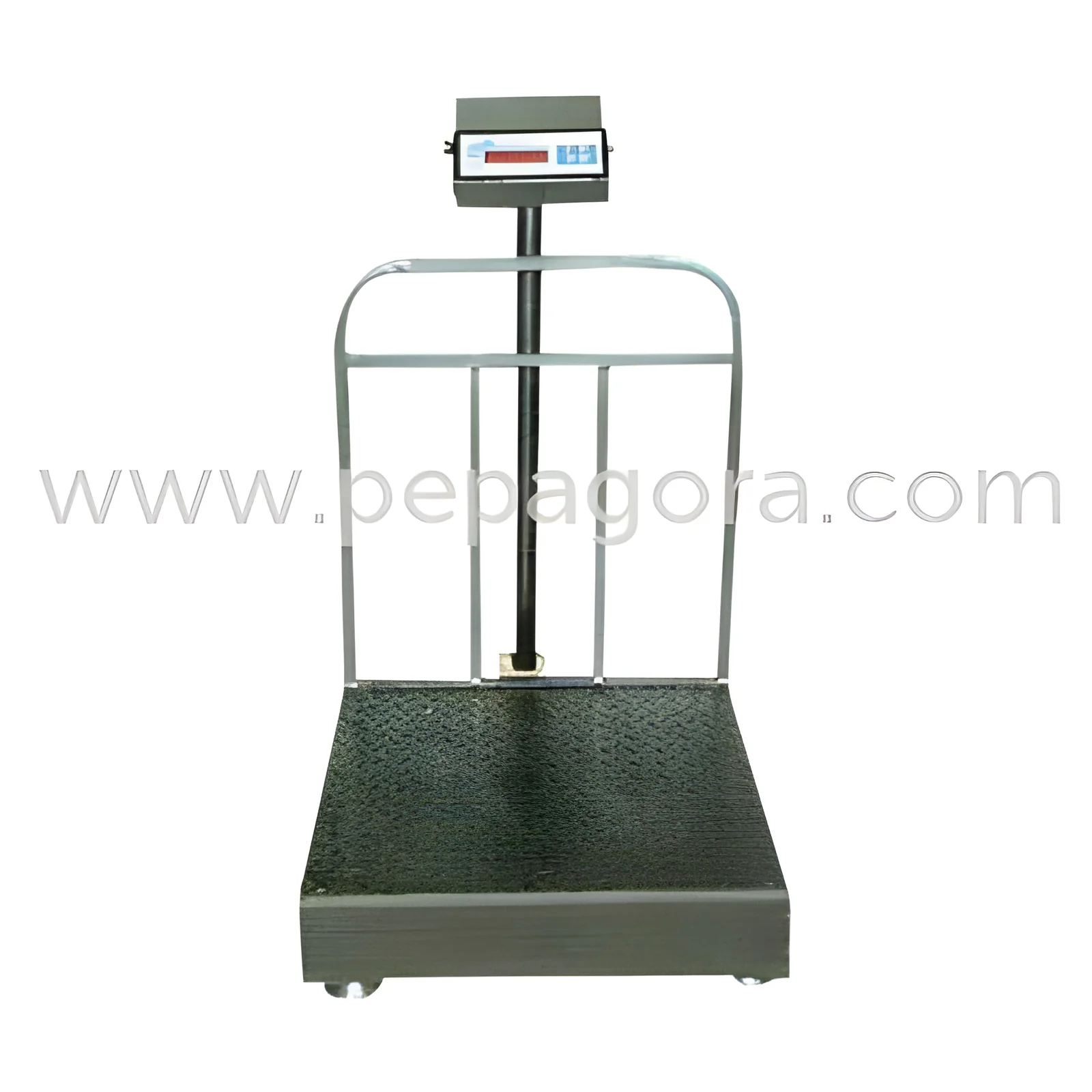
This service typically involves verifying the accuracy of digital and mechanical scales. It is suitable for most industries and ensures compliance with standard regulations.
On-Site Calibration Service
This service is tailored for businesses that require immediate calibration without transporting equipment. Technicians perform calibration at the facility, ensuring minimal disruption to operations.
Laboratory Calibration Service
For specialized applications, laboratory calibration provides precision measurements under controlled conditions. This service is ideal for pharmaceutical and research sectors.
Benefits and Advantages
Investing in weighing scale calibration offers numerous advantages for businesses.
Key benefits include:
1. Improved Accuracy: Regular calibration ensures that measurements are precise, reducing errors in production and logistics.
2. Compliance Assurance: Calibration helps businesses comply with industry regulations and standards, avoiding penalties.
3. Enhanced Quality Control: Accurate scales contribute to better quality control, ensuring that products meet customer expectations.
4. Cost Efficiency: By preventing measurement errors, calibration helps reduce waste and operational costs.
5. Increased Trust: Reliable measurements foster trust between businesses and their customers, enhancing brand reputation.
6. Extended Equipment Lifespan: Regular calibration and maintenance prolong the life of scales, maximizing ROI on equipment investments.
Buying Guide for B2B Buyers
When sourcing weighing scale calibration, businesses should consider several key factors to ensure they choose the right service provider.
1. Quality Assessment: Evaluate the quality of calibration services by reviewing certifications and adherence to industry standards. Reliable providers will demonstrate compliance with recognized quality management systems.
2. Supplier Verification: Vet suppliers by checking their reputation, customer reviews, and industry experience. Select providers with a proven track record in calibration services.
3. Pricing and MOQ: Consider the pricing models and minimum order quantities offered by suppliers. Competitive pricing should not compromise service quality.
4. Delivery and Lead Times: Assess the logistics involved in calibration services, including turnaround times. Timely calibration is essential for minimizing operational disruptions.
5. Compliance Requirements: Ensure that the calibration service meets all relevant regulatory standards applicable to your industry. Compliance is critical for maintaining operational integrity.
Compliance and Certifications
Weighing scale calibration is governed by several important quality standards and certifications, essential for ensuring reliable and accurate measurements.
ISO 9001 is a widely recognized standard that outlines requirements for a quality management system. Calibration services that comply with this standard demonstrate their commitment to quality assurance and continuous improvement.
The CE certification indicates that products meet European safety and health requirements. Calibration services with CE certification ensure that they adhere to strict industry regulations, providing added assurance to businesses.
Safety and testing requirements are paramount in calibration services. Proper testing procedures ensure that scales are reliable and safe for use in various applications.
Additionally, businesses must consider regional compliance standards. Different regions may have specific regulations governing calibration practices, and it is essential to ensure that the service provider adheres to these local requirements.
Why Source Weighing Scale Calibration from Pepagora?
Pepagora provides a trusted platform for sourcing weighing scale calibration with several key advantages that make it a preferred choice for businesses.
Verified Supplier Network: Pepagora connects buyers with a network of verified suppliers, ensuring that businesses access quality calibration services. Each supplier undergoes thorough vetting to ensure reliability and expertise.
Streamlined RFQ Process: The request for quotation process on Pepagora is designed to be efficient and user-friendly. Buyers can easily submit their requirements and receive competitive quotes from multiple suppliers, facilitating informed decision-making.
Trade Assurance and Support: Pepagora offers trade assurance features that protect buyers, providing peace of mind when engaging with suppliers. This support is crucial for businesses looking to ensure their investments are secure.
Regional Coverage: With a strong presence in regions such as India, the GCC, and Southeast Asia, Pepagora provides extensive geographic reach. Businesses operating in these regions can easily find local suppliers that understand their specific calibration needs.

 IN
IN