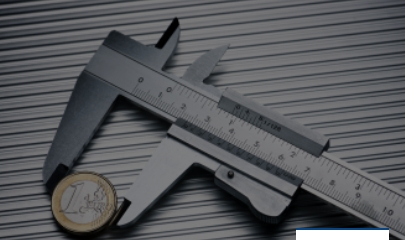
What are Industrial Equipment Calibration?
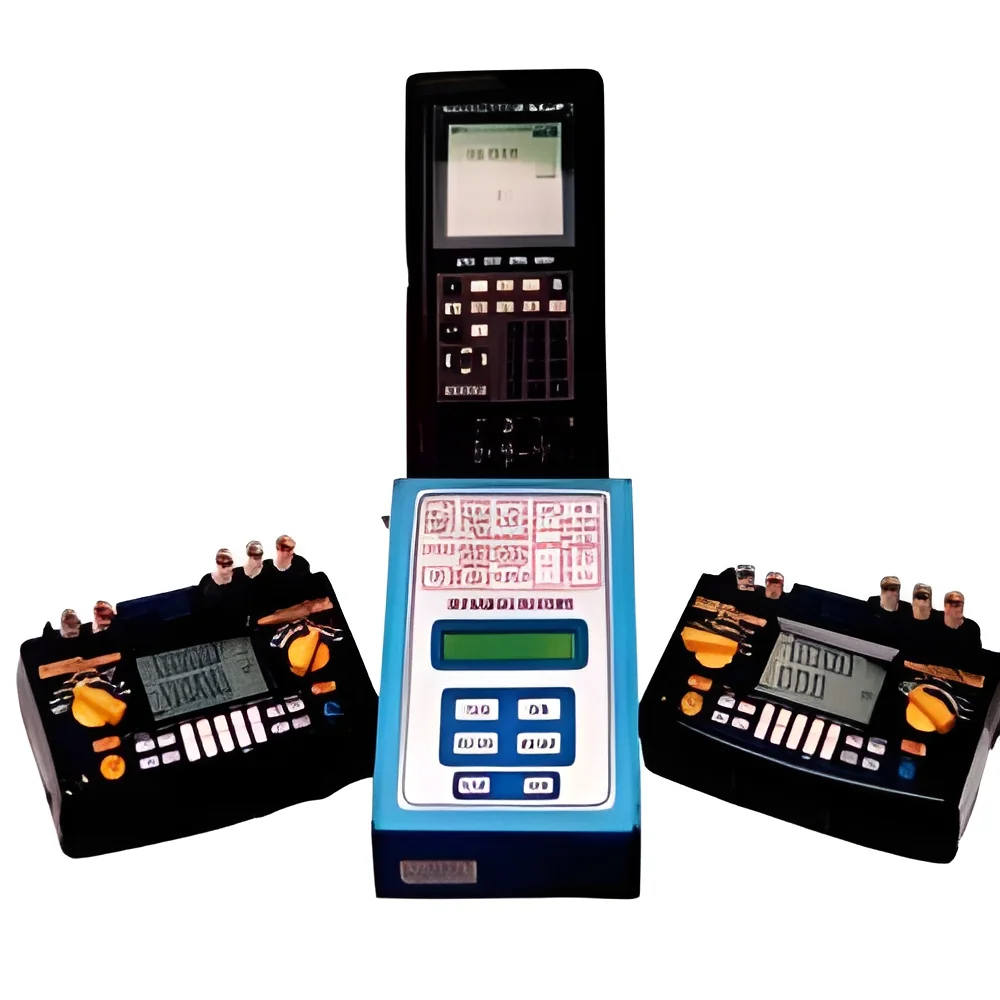
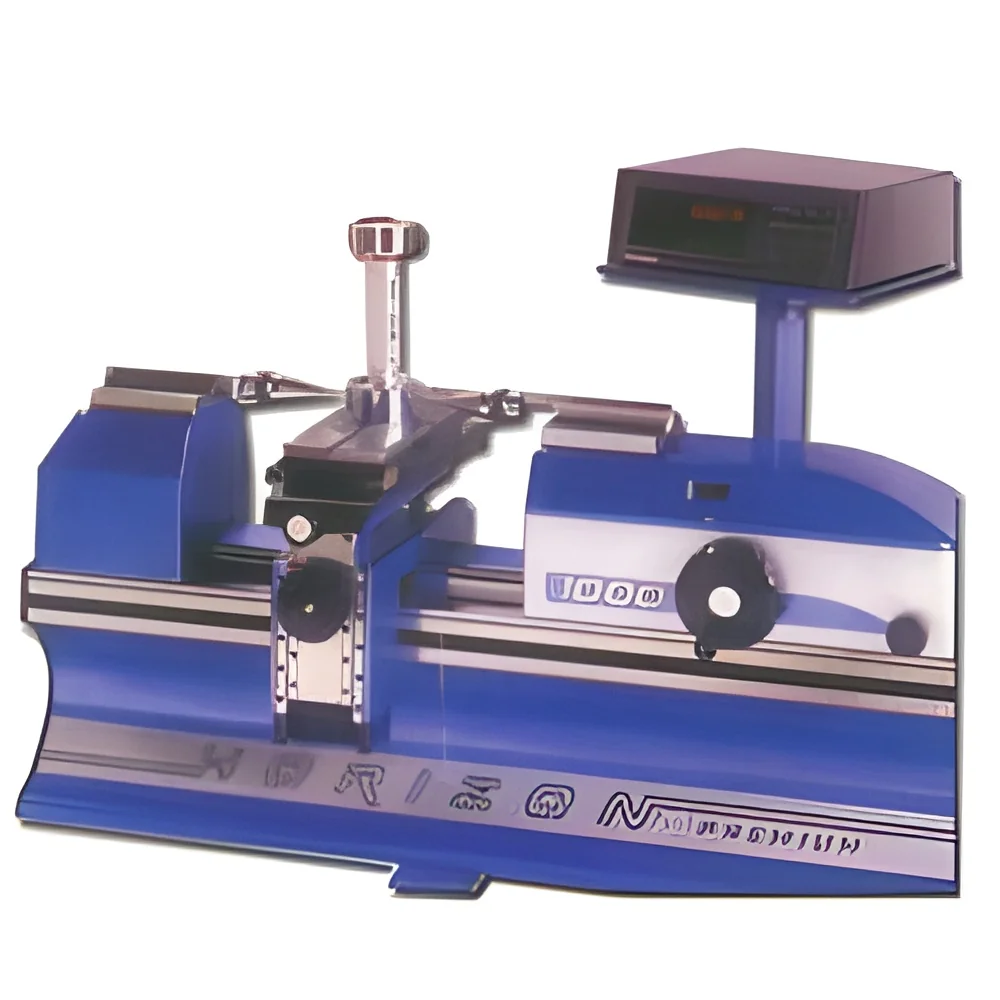
Industrial equipment calibration is the process of adjusting and verifying the precision of instruments and tools used in manufacturing and production environments. This practice ensures that equipment measures accurately and operates within specified tolerances. Calibration is essential for maintaining quality control, ensuring compliance with industry standards, and improving overall operational efficiency.
Businesses across various sectors utilize calibration services to guarantee that their equipment meets regulatory requirements and performance expectations. Common applications include measuring instruments, weighing scales, and temperature control devices. By regularly calibrating equipment, companies can minimize errors, reduce downtime, and enhance product quality. The relevance of calibration is underscored by its role in maintaining safety and reliability in industrial operations, leading to increased customer satisfaction and reduced operational costs.
Key Features and Specifications
Industrial equipment calibration services come with a range of features designed to enhance performance and accuracy. Understanding these specifications is crucial for businesses seeking reliable calibration solutions.
Key specifications include:
1. Calibration Range
- The range of measurements the equipment can accurately assess.
- Varies based on the type of instrument being calibrated.
2. Accuracy Level
- The degree to which the measurement corresponds to the true value.
- Typically expressed as a percentage of the reading.
3. Environmental Conditions
- Specifications regarding temperature and humidity control during calibration.
- Ensures that measurements remain consistent under varying conditions.
4. Certification Standards
- Compliance with industry standards such as ISO 9001 and CE.
- Confirms that the calibration process adheres to recognized quality benchmarks.
5. Frequency of Calibration
- Recommended intervals for recalibrating equipment.
- Helps maintain accuracy over time.
6. Documentation and Reporting
- Detailed records of calibration results and procedures.
- Essential for audits and quality assurance processes.
7. Equipment Compatibility
- The types of instruments that can be calibrated.
- Includes scales, gauges, and sensors from various manufacturers.
8. Support and Service Options
- Availability of ongoing support for calibration services.
- Includes training, troubleshooting, and maintenance assistance.
In summary, selecting calibration services that meet these specifications is vital for ensuring that industrial equipment operates reliably and efficiently.
Common Applications and Use Cases
Industrial equipment calibration is employed across numerous sectors, each with unique applications.
1. Manufacturing: Calibration ensures that production machinery operates within specified tolerances, leading to improved product consistency and quality.
2. Food and Beverage: Calibration of measuring instruments is critical for compliance with safety standards, ensuring that products meet health regulations.
3. Pharmaceuticals: Accurate calibration of laboratory equipment is essential for drug testing and quality assurance processes.
4. Aerospace: Calibration of precision instruments is necessary for safety and compliance in aircraft manufacturing and maintenance.
5. Automotive: Calibration ensures that diagnostic tools and manufacturing equipment provide accurate readings for improved performance and safety.
6. Oil and Gas: Calibration of measuring devices is vital for accurate monitoring and control of production processes.
7. Electronics: Calibration of testing equipment is crucial for quality control in manufacturing electronic components.
Product Variants and Subcategories
Although specific subcategories are not available, industrial equipment calibration encompasses a variety of services tailored to different types of instruments.
Calibration Services for Analytical Instruments
These services cater to laboratory equipment such as spectrophotometers and chromatographs. They ensure precision in measurements critical for research and quality analysis.
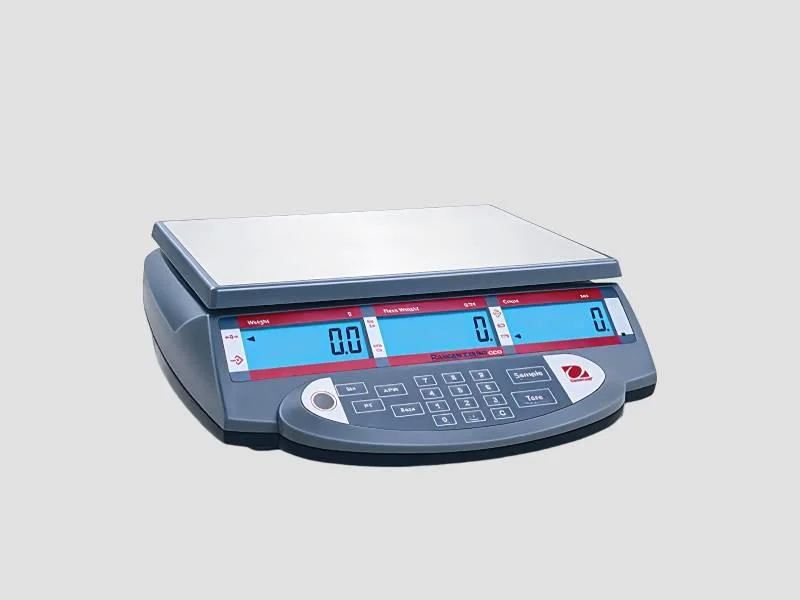
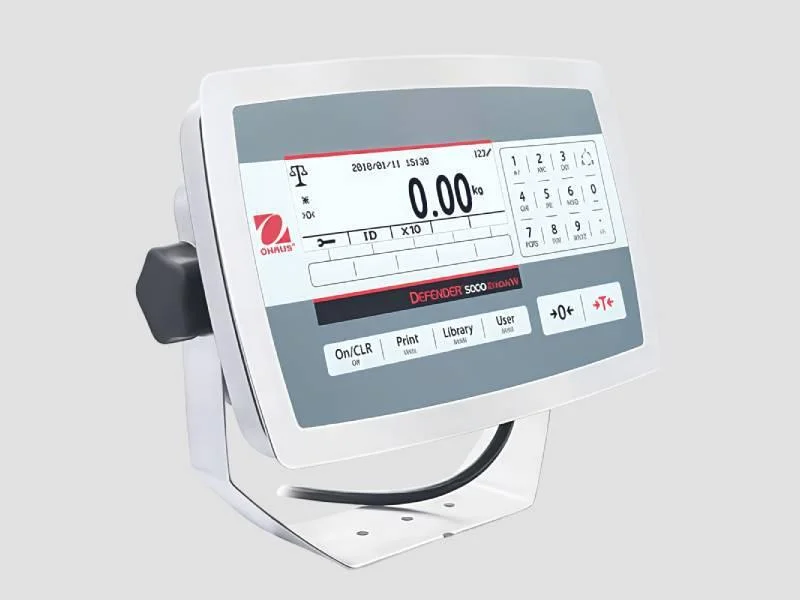
Calibration Services for Weighing Equipment
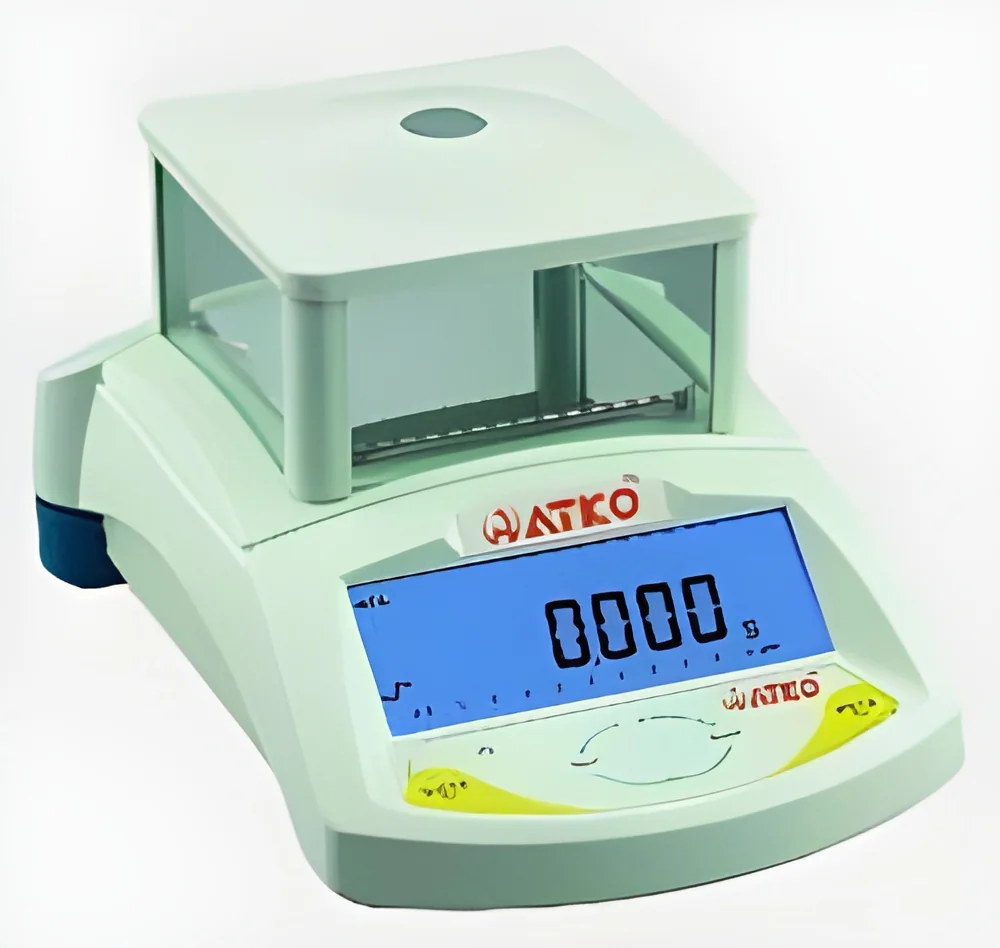
This variant focuses on scales and balances used in manufacturing and distribution. Accurate weighing is essential for compliance and efficiency in operations.
Calibration Services for Temperature Control Devices
This service ensures that temperature sensors and controllers provide accurate readings. Precision in temperature measurement is crucial in industries such as food and pharmaceuticals.
Benefits and Advantages
Investing in industrial equipment calibration offers numerous benefits for businesses.
Key benefits include:
1. Enhanced Accuracy: Regular calibration ensures that equipment delivers precise measurements, reducing the likelihood of errors.
2. Compliance Assurance: Calibration helps businesses meet industry regulations and standards, avoiding potential penalties.
3. Increased Operational Efficiency: By minimizing downtime and errors, businesses can streamline their operations and improve productivity.
4. Improved Product Quality: Accurate measurements contribute to consistent product quality, enhancing customer satisfaction and loyalty.
5. Cost Savings: Preventative calibration can reduce the costs associated with equipment failure and product recalls.
6. Risk Mitigation: Regular calibration helps identify potential issues before they escalate, reducing operational risks.
Buying Guide for B2B Buyers
When sourcing industrial equipment calibration, it is essential to consider several factors that can impact the effectiveness of your calibration services.
1. Quality Assessment: Evaluate the quality of calibration services by reviewing certifications, standards, and customer feedback. Ensure that the provider adheres to recognized industry practices.
2. Supplier Verification: Vet potential suppliers by checking their track record, certifications, and references. A reliable provider should demonstrate a commitment to quality and customer service.
3. Pricing and MOQ: Understand pricing structures and minimum order quantities. Compare quotes from multiple suppliers to ensure competitive pricing without compromising quality.
4. Delivery and Lead Times: Inquire about delivery schedules and lead times for calibration services. Timely calibration is critical for maintaining operational continuity.
5. Compliance Requirements: Be aware of industry-specific compliance needs that may affect calibration. Ensure that the chosen service provider can meet these requirements.
Compliance and Certifications
Compliance with relevant quality standards is a cornerstone of industrial equipment calibration. Adhering to standards such as ISO 9001 ensures that calibration processes are consistent and reliable. These standards focus on quality management systems, promoting continuous improvement.
Industry certifications, such as CE, signify that calibration services meet European safety and performance standards. This certification is crucial for businesses operating in regulated markets, ensuring that equipment is safe and effective.
Safety and testing requirements are also vital in calibration. Equipment must be regularly tested to guarantee that it operates safely and within specified limits. Additionally, regional compliance considerations may vary, requiring businesses to understand local regulations when sourcing calibration services.
Why Source Industrial Equipment Calibration from Pepagora?
Pepagora provides a trusted platform for sourcing industrial equipment calibration, offering several key advantages that set it apart from competitors.
Verified Supplier Network: Pepagora maintains a robust network of verified suppliers, ensuring that businesses have access to high-quality calibration services. Each supplier undergoes thorough vetting to guarantee reliability and expertise.
Streamlined RFQ Process: The request for quotation (RFQ) process on Pepagora is designed for efficiency, allowing buyers to easily connect with multiple suppliers and receive competitive quotes. This simplifies the sourcing process and helps businesses make informed decisions.
Trade Assurance and Support: Pepagora offers trade assurance, providing buyers with protection throughout the transaction process. In addition, dedicated support teams are available to assist with any queries or issues that arise.
Regional Coverage: With a strong presence in India, the GCC, and Southeast Asia, Pepagora offers extensive geographic reach. This makes it easier for businesses to find local calibration services that meet their specific needs.

 IN
IN