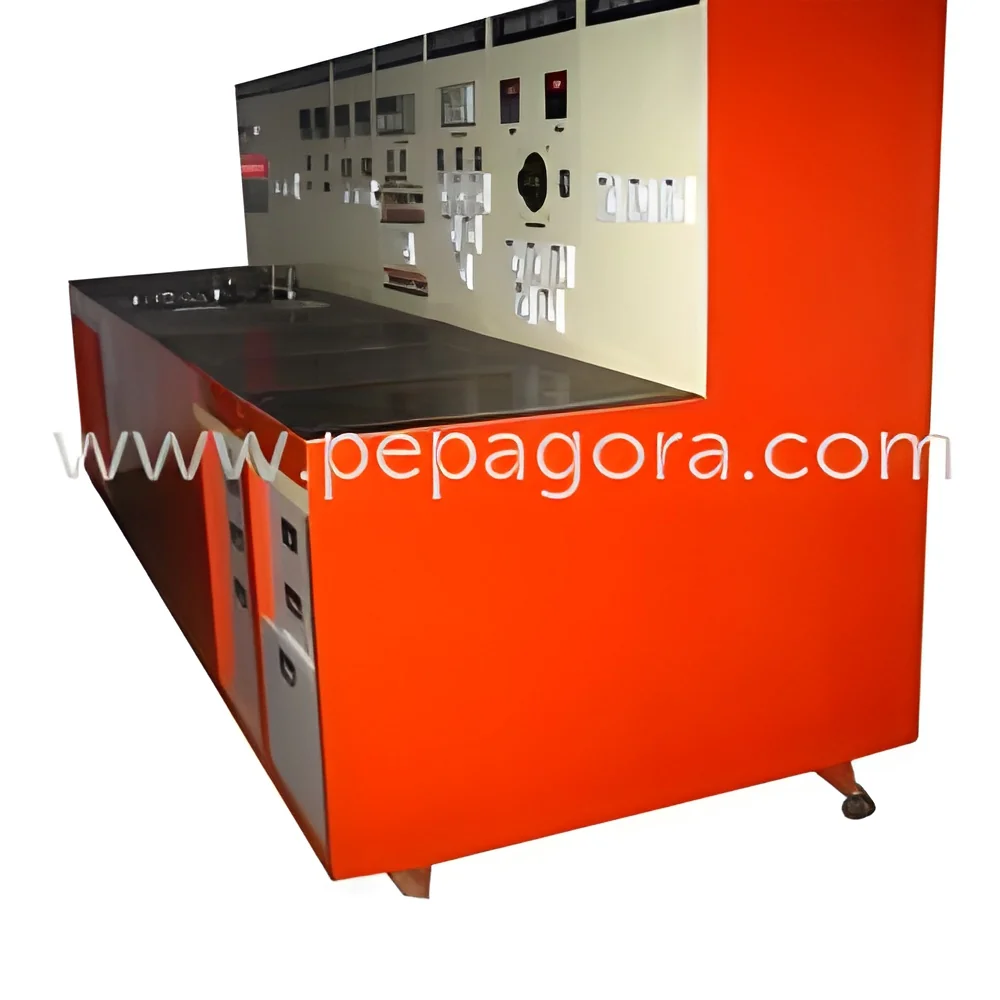
What are Electrical Instrument Calibration?
Electrical instrument calibration is a critical process that involves adjusting and verifying the accuracy of measuring instruments and devices. This process ensures that instruments, such as voltmeters, ammeters, and oscilloscopes, provide precise readings in line with established standards and specifications. Calibration is vital in maintaining the reliability and accuracy of measurements, which is essential for quality control, safety, and compliance within various industries.
The primary uses of electrical instrument calibration span across multiple sectors, including manufacturing, healthcare, telecommunications, and energy. Businesses rely on calibrated instruments to ensure that their operations adhere to regulatory guidelines and quality standards. Accurate measurements directly impact product quality, operational efficiency, and safety protocols. As industries become more technology-driven, the demand for reliable calibration services continues to grow, emphasizing the importance of this process in maintaining operational integrity.
In a market context, electrical instrument calibration is integral to industries where precision is paramount. The increasing need for automation and digitalization in manufacturing processes is driving the demand for advanced calibration techniques. Additionally, regulatory bodies are enforcing stricter compliance requirements, further elevating the significance of reliable calibration services in today’s competitive landscape.
Key Features and Specifications
When considering electrical instrument calibration, it is essential to understand the key features that define their performance and reliability. Calibration instruments are designed to meet specific industry standards and provide accurate measurements across various parameters.
Key specifications include:
1. Calibration Range
- The specific range within which the instrument can be calibrated accurately.
- Parameters often include voltage, current, resistance, and frequency ranges.
2. Accuracy Level
- The degree of precision that the instrument can achieve.
- Typically expressed as a percentage of the reading or as a percentage of full scale.
3. Temperature Coefficient
- The change in instrument performance relative to temperature variations.
- Specifications often indicate acceptable temperature ranges and their impact on accuracy.
4. Humidity Control
- The ability of the instrument to operate effectively under varying humidity levels.
- Specifications may detail the acceptable humidity range for optimal performance.
5. Calibration Standards
- Compliance with national and international calibration standards such as ISO or IEC.
- These standards ensure the reliability and credibility of calibration results.
6. Documentation and Traceability
- Provision of calibration certificates and traceability to national or international standards.
- Important for compliance and auditing purposes.
7. User Interface
- The ease of use and accessibility of the calibration interface.
- Features may include digital displays, remote monitoring capabilities, and user-friendly software.
8. Maintenance Requirements
- Guidelines on how often calibration should occur and what maintenance is needed.
- Regular maintenance ensures prolonged instrument life and sustained accuracy.
In summary, understanding these key specifications is vital for businesses to select calibration instruments that meet their operational needs and comply with industry standards.
Common Applications and Use Cases
Electrical instrument calibration finds its application across various industries, ensuring accuracy and compliance in measurement processes.
1. Manufacturing: In manufacturing, calibration is essential for machinery and equipment to meet quality control standards. Accurate measurements help maintain product consistency and safety.
2. Healthcare: Calibration plays a crucial role in healthcare, particularly for diagnostic equipment and patient monitoring devices. Accurate readings are necessary for effective treatment and patient safety.
3. Telecommunications: In telecommunications, calibration ensures that signal measuring devices operate correctly, maintaining network integrity and performance.
4. Energy: The energy sector relies on calibration for measuring and monitoring equipment, such as power meters and transformers, to ensure efficiency and compliance with regulatory standards.
5. Aerospace: Calibration is vital in the aerospace industry for testing and certifying equipment used in flight and navigation systems, ensuring safety and reliability.
6. Automotive: In the automotive industry, calibration is used in testing and monitoring systems to enhance vehicle performance and safety.
7. Research and Development: Laboratories utilize calibration to ensure the accuracy of experimental data and maintain the integrity of research findings.
Product Variants and Subcategories
Electrical instrument calibration encompasses a range of variants tailored to specific needs within different industries.
Calibration Equipment
This category includes devices specifically designed for calibrating various instruments, ensuring they meet precise standards and specifications. These devices often feature advanced technology for ease of use and accuracy.
Calibration Services
Calibration services offer professional calibration performed by certified technicians. This option is ideal for businesses that prefer outsourcing their calibration needs to ensure compliance and accuracy without internal resource allocation.
Portable Calibration Kits
These kits are designed for on-site calibration, providing flexibility for industries that require immediate calibration solutions. They typically include essential tools and instruments for conducting field calibrations.
Benefits and Advantages
Electrical instrument calibration offers numerous benefits that enhance operational efficiency and compliance.
1. Improved Accuracy: Regular calibration ensures that instruments provide precise measurements, reducing the risk of errors in critical applications.
2. Compliance Assurance: Calibration helps businesses adhere to industry standards and regulations, mitigating potential legal and financial repercussions.
3. Enhanced Product Quality: By ensuring measurement accuracy, calibration contributes to maintaining high product quality and consistency.
4. Increased Safety: In industries such as healthcare and manufacturing, accurate measurements are vital for safety protocols, protecting both employees and consumers.
5. Cost-Effectiveness: Regular calibration reduces the likelihood of equipment failure, minimizing downtime and maintenance costs.
6. Extended Equipment Life: Proper calibration and maintenance prolong the lifespan of instruments, offering better return on investment.
Buying Guide for B2B Buyers
When sourcing electrical instrument calibration, it is essential to consider various factors to ensure a suitable purchase.
1. Quality Assessment: Evaluate the quality of calibration instruments by checking certifications and compliance with industry standards. Look for products that meet ISO or IEC guidelines.
2. Supplier Verification: Conduct due diligence on suppliers to ensure they have a reputable track record in providing reliable calibration services and products. Check references and customer reviews.
3. Pricing and MOQ: Understand the pricing structure and minimum order quantities (MOQ) required. This information helps in budgeting and planning procurement.
4. Delivery and Lead Times: Consider the logistics involved in delivery. Ensure that suppliers can meet your timeline requirements for receiving calibrated equipment.
5. Compliance Requirements: Familiarize yourself with any regulatory compliance needs specific to your industry. This knowledge will help in selecting the right calibration services or products.
Compliance and Certifications
Electrical instrument calibration is governed by several relevant quality standards that ensure accuracy and reliability. ISO 9001 is a widely recognized standard that outlines the criteria for a quality management system, ensuring consistent delivery of quality calibration services. HACCP and GDP standards may also apply in specific industries, particularly in food safety and pharmaceutical sectors.
Industry certifications such as CE indicate that products meet European safety and environmental requirements. Compliance with these certifications is crucial for international trade and market acceptance.
Additionally, safety and testing requirements must be adhered to, ensuring that calibration processes do not pose any risks to users or equipment. Regional compliance considerations are also significant, as different countries may have specific regulations governing calibration practices.
Why Source Electrical Instrument Calibration from Pepagora?
Pepagora provides a trusted platform for sourcing electrical instrument calibration with several key advantages that set it apart from competitors.
Verified Supplier Network: Pepagora takes pride in its extensive network of verified suppliers. Each supplier undergoes thorough vetting to ensure they meet high standards of quality and reliability in calibration services and products.
Streamlined RFQ Process: The platform features a user-friendly request for quotation (RFQ) system that simplifies the sourcing process. Buyers can quickly receive multiple quotes from suppliers, making it easier to compare options and make informed decisions.
Trade Assurance and Support: Pepagora offers trade assurance and support for buyers, ensuring protection throughout the purchasing process. This service provides peace of mind, knowing that transactions are secure and supported by the platform.
Regional Coverage: With a strong presence in India, the GCC, and Southeast Asia, Pepagora facilitates access to a diverse range of suppliers and products. This geographic reach means buyers can find tailored solutions that meet their specific market needs.
In conclusion, Pepagora stands as a reliable partner for businesses seeking quality electrical instrument calibration solutions, providing access to a wide range of products, competitive pricing, and excellent customer support.

 IN
IN