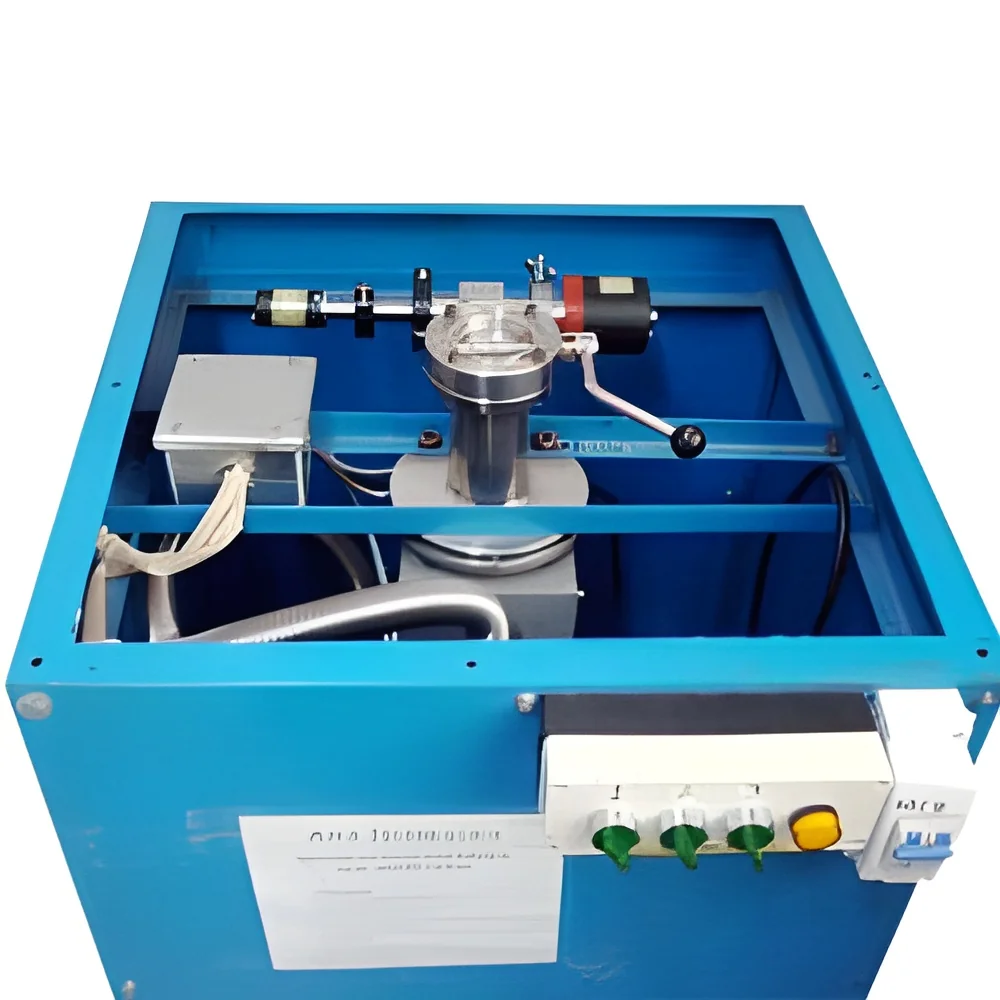
What are Vacuum Gauge Calibration?
Vacuum gauge calibration is the process of verifying and adjusting the accuracy of vacuum gauges. These instruments are essential for measuring pressure in a vacuum environment. Calibration ensures that the readings provided by these gauges are reliable and accurate, which is vital for various industrial processes.
The primary uses of vacuum gauge calibration span multiple industries, including manufacturing, pharmaceuticals, and food processing. Accurate pressure readings are crucial in applications such as vacuum packing, where proper sealing requires precise pressure measurements. In laboratories, vacuum gauge calibration ensures that experiments and processes are conducted under controlled conditions, minimizing the risk of errors.
In the current market, vacuum gauge calibration holds significant relevance due to increasing standards for quality and safety. Industries are required to maintain compliance with various regulations, making accurate measurements even more critical. As technology advances, the demand for precise calibration services continues to grow, highlighting the importance of this process in maintaining operational efficiency and product quality.
Key Features and Specifications
Vacuum gauge calibration devices are equipped with various features that enhance their functionality and reliability. These specifications help businesses choose the right equipment for their needs.
Key specifications include:
1. Measurement Range
- This specification indicates the range of pressure levels that the gauge can accurately measure.
- Typically ranges from 1 mbar to 1,000 mbar, depending on the model.
2. Accuracy Level
- This detail defines how closely the gauge's reading corresponds to the actual pressure.
- Common accuracy levels are within ±0.5% to ±1% of the reading.
3. Calibration Frequency
- Refers to how often the gauge should be calibrated to maintain accuracy.
- Recommended frequency is typically every 6 to 12 months.
4. Operating Temperature Range
- This specification indicates the temperature range in which the gauge can function effectively.
- Usually operates between -20°C to 60°C.
5. Humidity Control
- Indicates the environmental conditions under which the gauge can maintain its performance.
- Typically rated for 0% to 90% relative humidity.
6. Monitoring Features
- Many gauges come equipped with digital displays or analog indicators for easy reading.
- Some models may include data logging capabilities for tracking measurements over time.
7. Compliance Standards
- Calibration devices are often required to meet industry standards.
- Common standards include CE certification for safety and reliability.
In summary, understanding these features and specifications is essential for businesses looking to invest in vacuum gauge calibration systems. Accurate and reliable calibration contributes to operational efficiency and compliance with industry standards.
Common Applications and Use Cases
Vacuum gauge calibration is applicable across various industries, each with specific requirements for accurate pressure measurement.
1. Manufacturing: In manufacturing, precise vacuum levels are crucial for processes such as vacuum forming and coating. Calibration ensures that these processes maintain the required pressure for optimal results.
2. Pharmaceuticals: In the pharmaceutical industry, vacuum gauge calibration is vital for aseptic packaging and sterilization processes. Accurate readings help ensure that products are safe and effective.
3. Food Processing: Vacuum packaging in food processing relies on accurate pressure measurements to extend shelf life and maintain product quality. Calibration plays a key role in achieving the necessary vacuum levels.
4. Research Laboratories: In laboratories, vacuum gauges are used in various experiments that require controlled pressure environments. Calibration of these gauges ensures accurate and repeatable results.
5. Electronics: In the electronics sector, vacuum applications are used in manufacturing semiconductors. Calibration ensures that the vacuum levels are suitable for production processes.
6. Aerospace: In aerospace applications, vacuum gauge calibration is critical for testing components and systems under simulated conditions. Accurate measurements guarantee the reliability of aerospace technologies.
7. HVAC Systems: In heating, ventilation, and air conditioning systems, vacuum gauge calibration is essential for maintaining system efficiency and performance.
Product Variants and Subcategories
Vacuum gauge calibration products come in various types to cater to different industry needs. Each variant offers unique features suited for specific applications.
Digital Vacuum Gauges: These gauges provide precise digital readouts and often include advanced features like data logging and connectivity options. They are ideal for environments where accurate monitoring is essential.
Analog Vacuum Gauges: Known for their simplicity, analog gauges offer reliable performance without the need for batteries. They are commonly used in less complex applications where digital capabilities are not necessary.
Pirani Gauges: This type of gauge is designed for low vacuum measurements and provides high accuracy. Pirani gauges are typically used in research and development laboratories.
Capacitance Diaphragm Gauges: These gauges are suitable for a wide range of vacuum applications, offering high precision and stability. They are used in industries where maintaining exact pressure levels is critical.
Benefits and Advantages
Investing in vacuum gauge calibration offers several key benefits to businesses.
1. Enhanced Accuracy: Regular calibration ensures that vacuum gauges provide accurate readings, which is essential for maintaining product quality and operational efficiency.
2. Compliance Assurance: Calibration helps businesses meet industry standards and regulatory requirements, reducing the risk of non-compliance penalties.
3. Improved Process Control: Accurate pressure measurements allow for better control over manufacturing processes, leading to higher quality products.
4. Cost Efficiency: By ensuring that equipment operates correctly, businesses can avoid costly downtimes and reduce waste.
5. Increased Safety: Reliable vacuum measurements are critical in preventing hazardous situations, particularly in industries dealing with volatile substances.
6. Longevity of Equipment: Regular calibration can extend the lifespan of vacuum gauges by preventing damage caused by incorrect readings.
Buying Guide for B2B Buyers
When sourcing vacuum gauge calibration services, several factors should be considered to ensure you make the right choice.
1. Quality Assessment: Evaluate the quality of calibration services by checking for industry certifications and the reputation of the service provider. High-quality calibration is crucial for accurate measurements.
2. Supplier Verification: Conduct thorough research on potential suppliers. Look for reviews, testimonials, and case studies to verify their reliability and expertise in calibration.
3. Pricing and MOQ: Understand the pricing structure and any minimum order quantities (MOQ) that may apply. Compare costs among different suppliers to find the best value.
4. Delivery and Lead Times: Inquire about the expected delivery times for calibration services. Efficient logistics are important to minimize downtime in your operations.
5. Compliance Requirements: Ensure that the calibration services meet all necessary regulatory standards applicable to your industry. This is essential to maintain quality and safety.
Compliance and Certifications
Vacuum gauge calibration is subject to various compliance standards and certifications. Adherence to these regulations is crucial for ensuring product quality and safety.
Relevant quality standards include ISO 9001, which outlines requirements for a quality management system. Compliance with this standard ensures that calibration processes are systematic and consistently produce reliable results.
Additionally, HACCP (Hazard Analysis Critical Control Point) is often applicable in the food industry, ensuring that calibration processes help maintain safe food production practices.
CE certification is a significant industry certification that indicates compliance with essential health and safety requirements set by the European Union. This certification is crucial for gaining market access in Europe.
Safety and testing requirements also play a role in calibration processes. Ensuring that equipment meets safety standards protects both the users and the products being processed.
Regional compliance considerations may vary based on local regulations. Businesses must remain informed about regional standards to ensure compliance.
Why Source Vacuum Gauge Calibration from Pepagora?
Pepagora is a trusted platform for sourcing vacuum gauge calibration services, offering several key advantages to B2B buyers.
Verified Supplier Network: Pepagora features a network of verified suppliers, ensuring that businesses can find reliable sources for their calibration needs. This verification process helps mitigate risks associated with supplier reliability.
Streamlined RFQ Process: The platform offers a simplified request for quotation (RFQ) process, allowing buyers to efficiently compare options and select the best services tailored to their requirements.
Trade Assurance and Support: Pepagora provides trade assurance, protecting buyers against potential disputes. This support creates a secure environment for transactions and builds trust between buyers and suppliers.
Regional Coverage: With a wide geographic reach, Pepagora serves businesses in India, the Gulf Cooperation Council (GCC), and Southeast Asia. This extensive coverage ensures that buyers can access calibration services that meet their regional needs.

 IN
IN