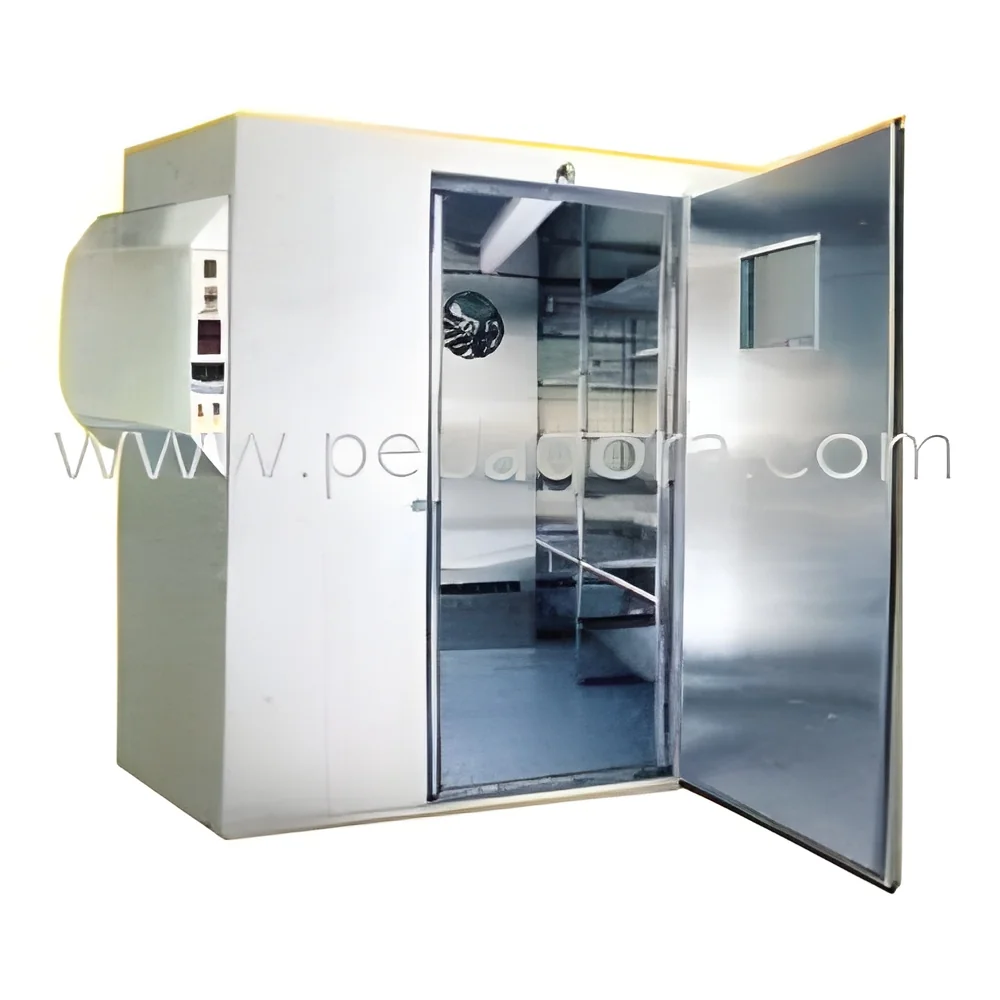
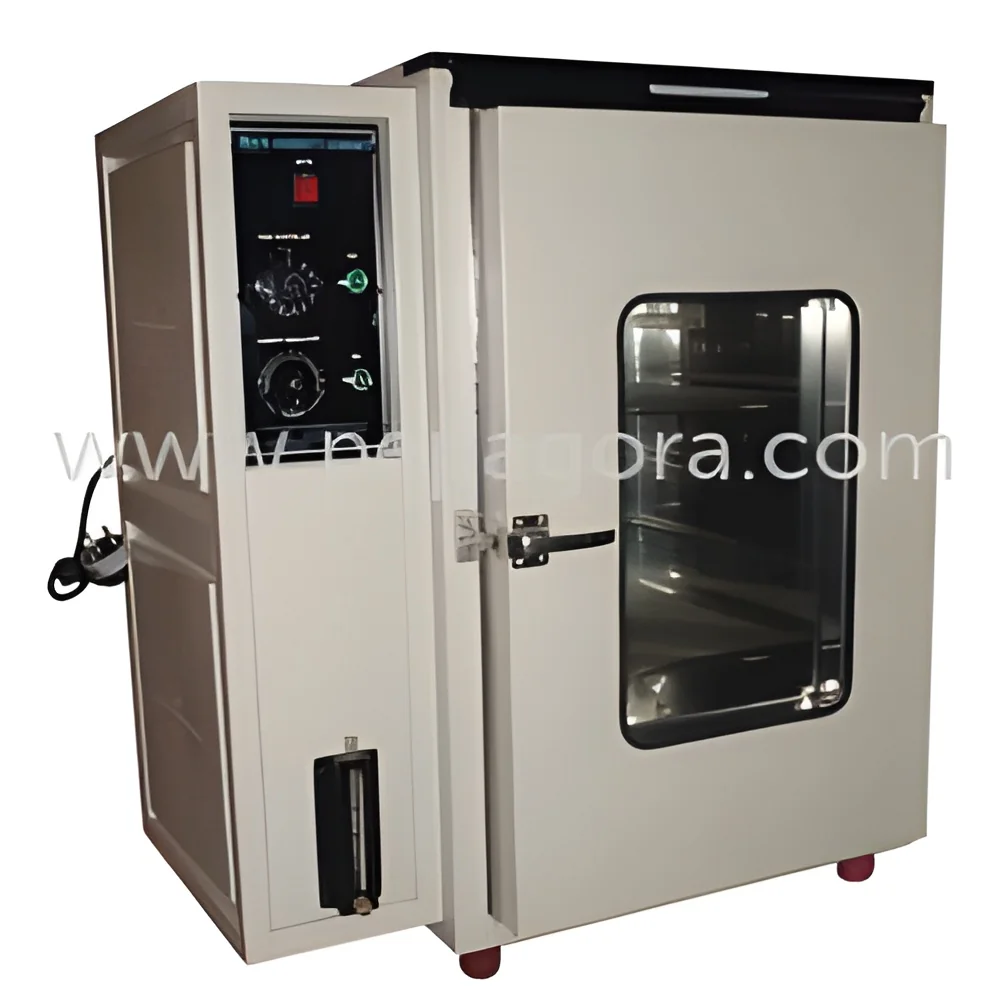
What are Humidity Chamber Calibration?
Humidity Chamber Calibration is a critical process that ensures the accuracy and reliability of humidity chambers used in various industrial applications. These chambers are designed to simulate specific environmental conditions, including temperature and humidity levels, for testing and research purposes. Calibration involves adjusting the equipment to guarantee that it provides precise measurements, which is essential for maintaining the integrity of experiments and product testing.
The primary uses of humidity chamber calibration include the validation of products in industries such as pharmaceuticals, electronics, and food processing. These sectors require stringent control of environmental conditions to ensure product quality and compliance with industry standards. For instance, pharmaceutical companies utilize calibrated humidity chambers to test the stability of medication under varying humidity levels, while electronics manufacturers assess the durability of components in humid conditions.
In today's market, humidity chamber calibration is increasingly relevant due to the growing emphasis on quality assurance and regulatory compliance across industries. With the expansion of global markets, companies are held to higher standards, necessitating accurate testing environments. As a result, the need for reliable calibration services is more crucial than ever.
Key Features and Specifications
Humidity Chamber Calibration systems come equipped with a range of features that enhance their functionality and performance. These features are designed to meet the diverse requirements of various industries.
Key specifications include:
1. Humidity Control Range
- Typically ranges from 10% to 98% relative humidity.
- Provides precise control for different testing scenarios.
2. Temperature Control Range
- Generally operates within a temperature range of -20°C to 80°C.
- Suitable for a variety of testing conditions.
3. Calibration Accuracy
- Achieves an accuracy of ±2% RH for humidity measurements.
- Ensures reliable and repeatable results.
4. Data Logging Capabilities
- Equipped with advanced data logging for monitoring conditions over time.
- Facilitates record-keeping and analysis.
5. User Interface
- Features an intuitive digital display for easy operation.
- Allows for quick adjustments and settings.
6. Compliance with Standards
- Designed to meet industry standards such as ISO and CE certifications.
- Ensures adherence to regulatory requirements.
7. Maintenance Alerts
- Integrates alerts for scheduled maintenance checks.
- Promotes consistent performance and longevity.
8. Compact Design
- Space-saving footprint for easy integration into laboratory environments.
- Enhances accessibility and workflow efficiency.
In summary, these specifications highlight the importance of precision and reliability in humidity chamber calibration, making them essential tools for industries requiring strict environmental control.
Common Applications and Use Cases
Humidity Chamber Calibration systems are widely used across various sectors due to their ability to create controlled testing environments.
1. Pharmaceuticals: Calibration ensures accurate testing of medication stability under different humidity conditions, critical for product safety and efficacy.
2. Electronics: Manufacturers utilize calibrated chambers to test the reliability of electronic components in high-humidity environments, helping to assess performance and longevity.
3. Food Processing: Calibration is essential for testing the effects of humidity on food products, ensuring quality preservation and compliance with safety standards.
4. Aerospace: Engineers use humidity chambers to simulate environmental conditions for testing aircraft components, contributing to safety and reliability in aviation.
5. Automotive: Calibration helps in assessing the durability of vehicle parts under humid conditions, ensuring quality and performance in various climates.
6. Textile Industry: Calibration is used to test the moisture absorption properties of fabrics, critical for quality control in garment manufacturing.
7. Research and Development: Laboratories rely on calibrated chambers for experimental consistency, ensuring accurate results across various scientific studies.
Product Variants and Subcategories
Humidity Chamber Calibration products come in various forms to meet the specific needs of different industries.
Standard Humidity Chamber
This variant is designed for general-purpose testing, featuring a wide range of humidity and temperature controls. It is suitable for laboratories and quality control environments.
Portable Humidity Chamber
This variant offers mobility, allowing for on-site testing in diverse locations. It is ideal for field studies and assessments where stationary units are impractical.
Custom Humidity Chamber
Designed to meet specific customer requirements, these chambers can be tailored for unique applications. They offer flexibility in size, features, and performance specifications.
Benefits and Advantages
Humidity Chamber Calibration provides numerous advantages for businesses seeking reliable testing solutions.
1. Enhanced Accuracy: Regular calibration ensures that measurements are precise, leading to more reliable test results.
2. Improved Compliance: Meeting industry standards through calibration helps businesses avoid regulatory issues and potential penalties.
3. Increased Efficiency: Accurate calibration reduces the risk of retesting and errors, saving time and resources in product development.
4. Quality Assurance: Reliable testing environments ensure consistent product quality, enhancing customer satisfaction and brand reputation.
5. Long-term Cost Savings: Investing in calibration services can reduce the costs associated with product failures and recalls.
6. Competitive Advantage: Companies with calibrated equipment can offer superior products, setting themselves apart in the marketplace.
Buying Guide for B2B Buyers
When sourcing Humidity Chamber Calibration, it is important for B2B buyers to consider several key factors.
1. Quality Assessment: Evaluate the calibration standards and accuracy of the equipment. Look for certifications that confirm adherence to industry benchmarks.
2. Supplier Verification: Research potential suppliers to ensure they have a good reputation and experience in providing reliable calibration services. Client testimonials and case studies can be helpful.
3. Pricing and MOQ: Compare pricing structures and minimum order quantities to find a supplier that fits your budget and needs. Ensure that the pricing reflects the quality of service offered.
4. Delivery and Lead Times: Consider the supplier's ability to meet your delivery requirements. Timely calibration can prevent delays in your production schedule.
5. Compliance Requirements: Ensure that the calibration services comply with all relevant regulations and standards applicable to your industry. This is crucial for maintaining quality assurance.
Compliance and Certifications
Humidity Chamber Calibration systems are subject to various quality standards and certifications that ensure their reliability and safety.
ISO 9001: This international standard outlines the requirements for a quality management system, ensuring that products consistently meet customer and regulatory requirements.
CE Certification: This indicates that the product complies with European health, safety, and environmental protection legislation. It is a mark of quality that assures buyers of the equipment's reliability.
Safety and Testing Requirements: Calibration processes must adhere to strict safety protocols to ensure the protection of personnel and equipment during operation.
Regional Compliance Considerations: Depending on the geographic location, specific regulations may apply. Buyers should be aware of these to ensure compliance and avoid legal issues.
Why Source Humidity Chamber Calibration from Pepagora?
Pepagora provides a trusted platform for sourcing Humidity Chamber Calibration with several key advantages.
Verified Supplier Network: Pepagora features a network of verified suppliers who are vetted for quality and reliability. This ensures that buyers have access to top-notch calibration services.
Streamlined RFQ Process: The request for quotation process is designed to be efficient, allowing buyers to quickly gather information and make informed purchasing decisions.
Trade Assurance and Support: Buyers are protected through trade assurance programs that offer support in case of disputes, ensuring a secure purchasing experience.
Regional Coverage: Pepagora caters to a wide geographic area, including India, the GCC, and Southeast Asia. This broad reach allows buyers from various regions to find suitable calibration solutions tailored to their needs.

 IN
IN