IN
₹
Apparel & Fashion
Description
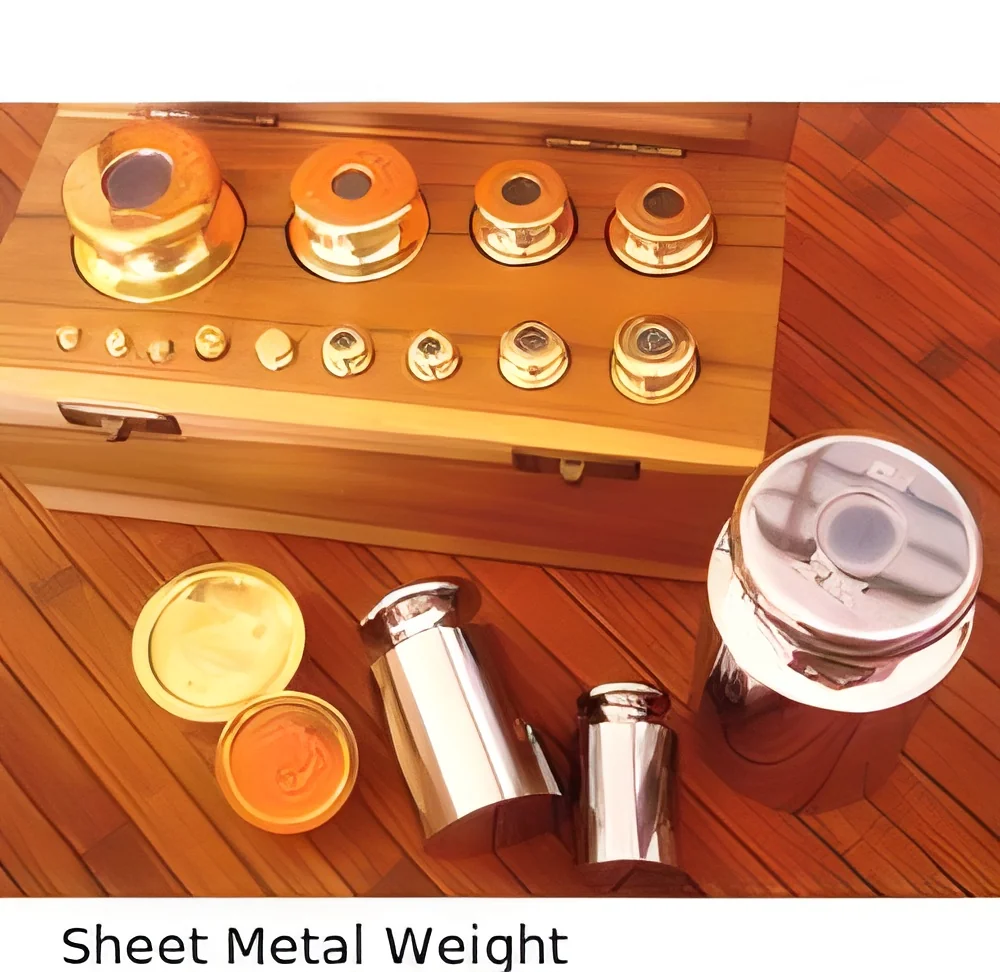
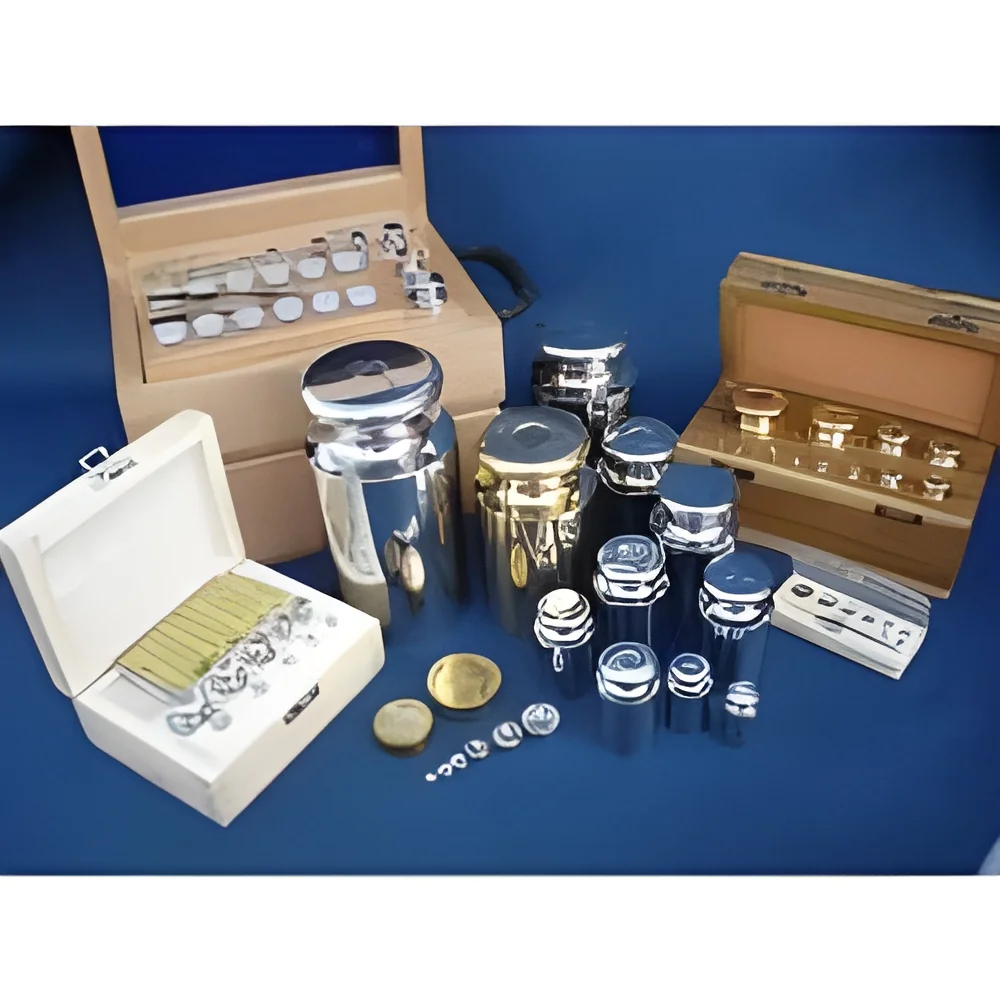
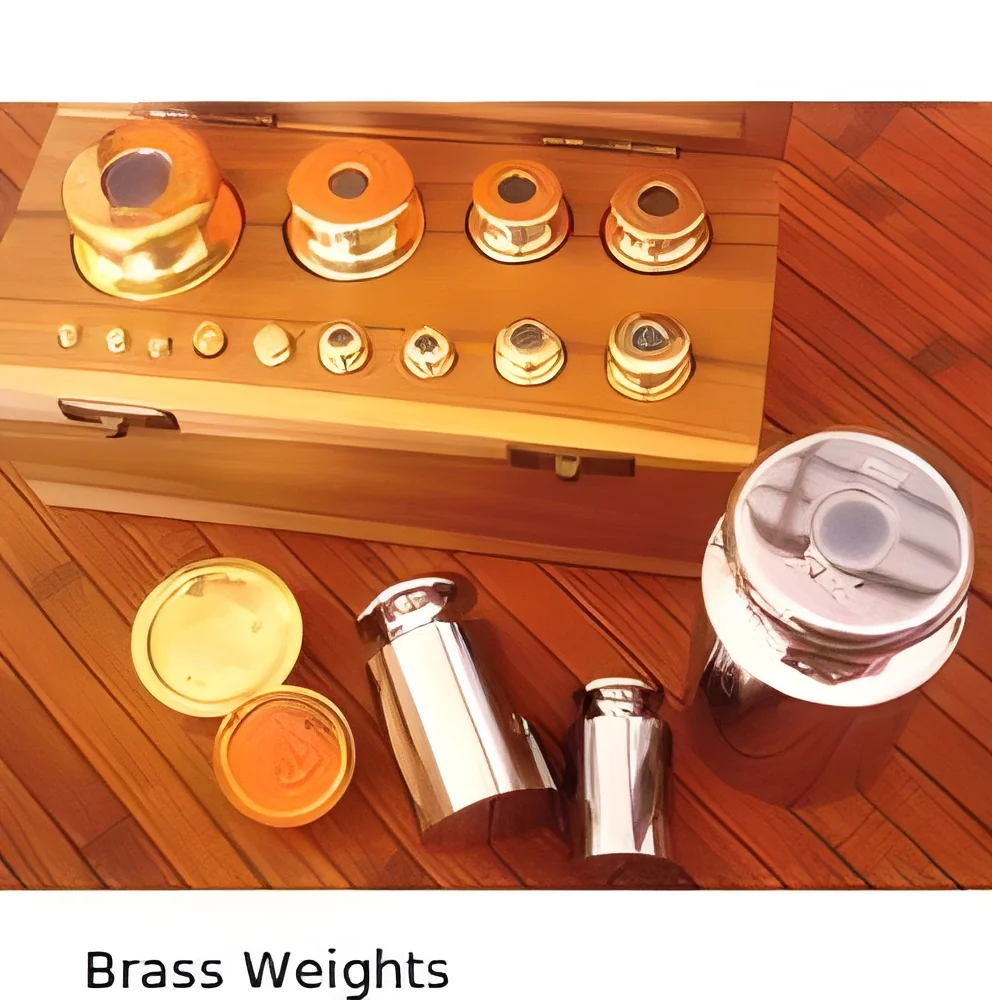
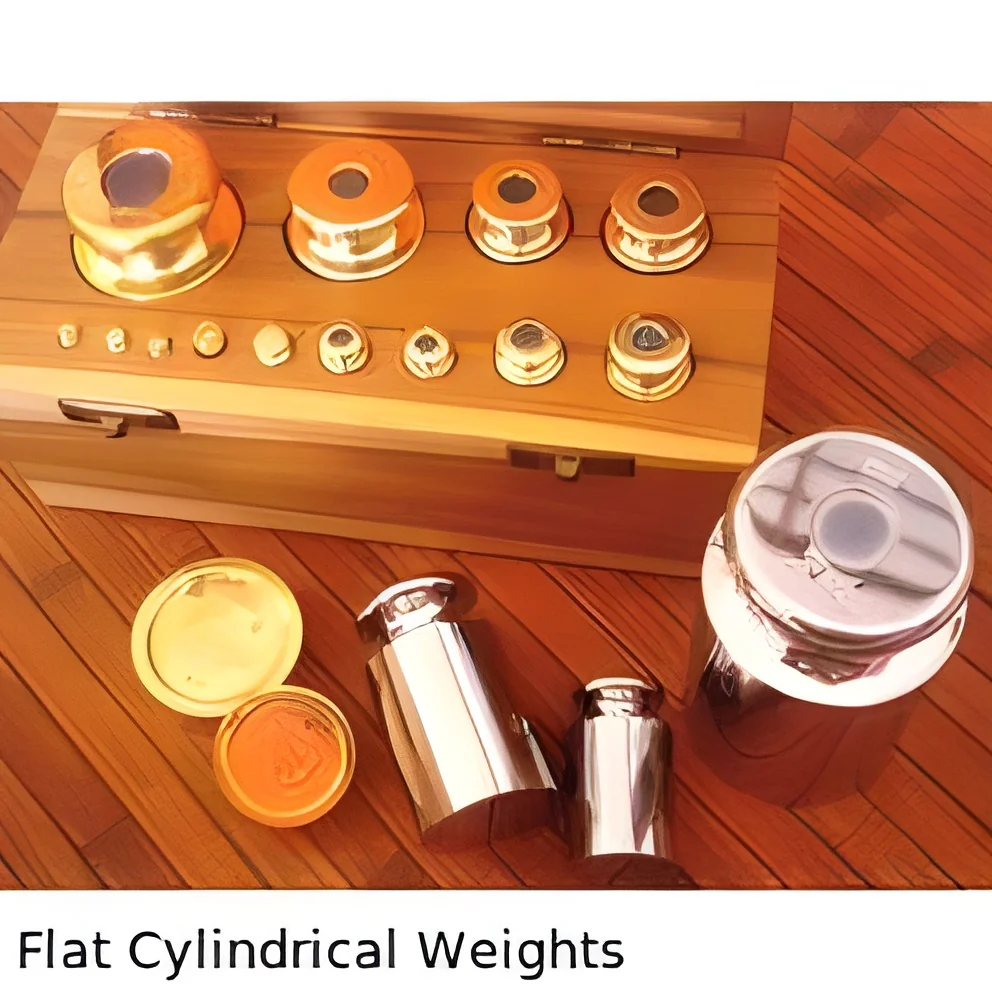
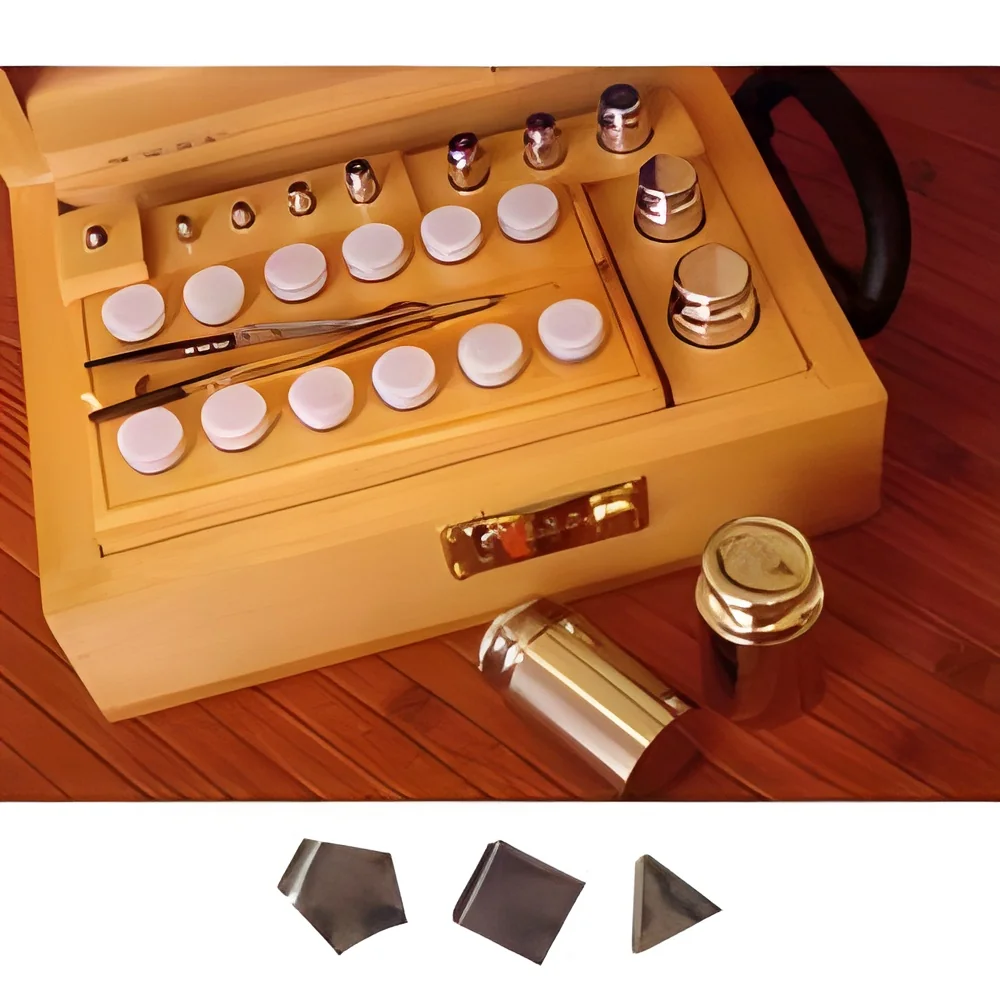
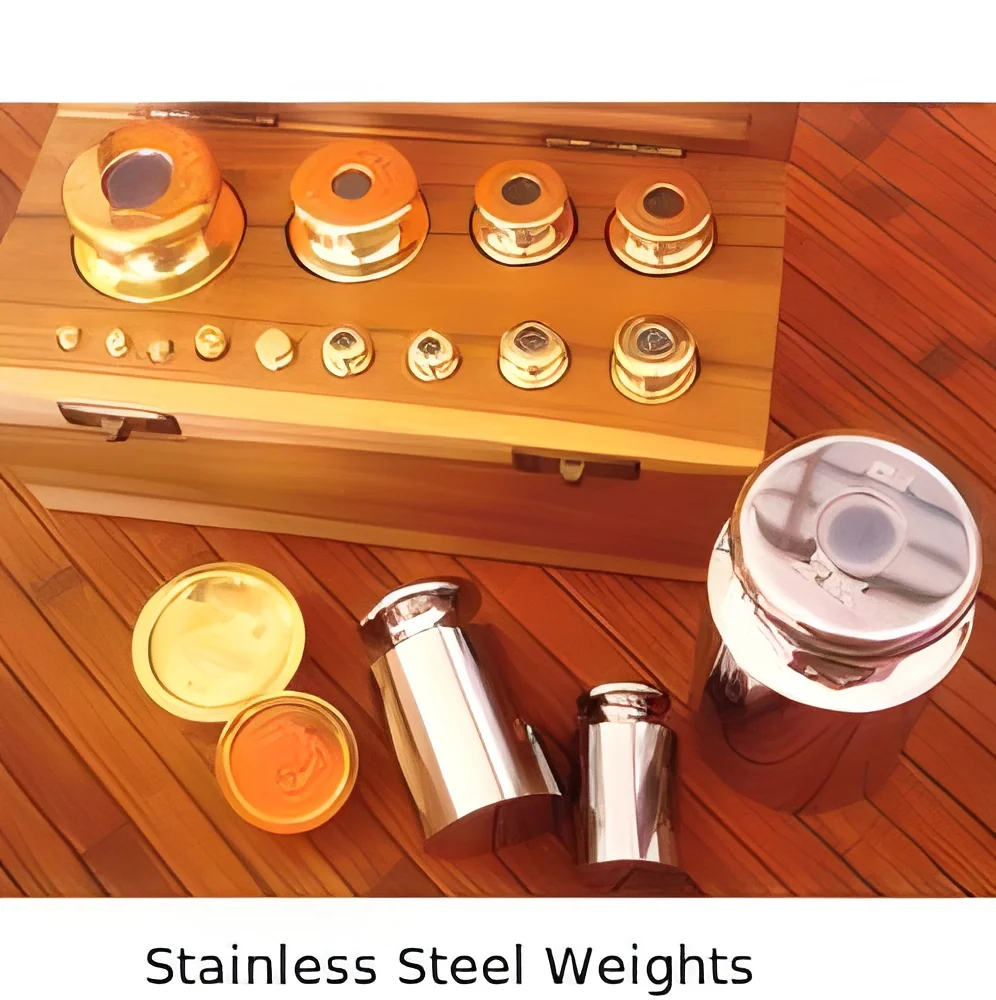
Precision M1 Class Stainless Steel Weights are engineered to be the definitive reference standard for measurement accuracy in critical applications. Manufactured under stringent, climate-controlled conditions using advanced precision machining techniques, each weight guarantees M1 class accuracy. They serve as the trusted benchmark for calibrating a wide spectrum of weighing instruments, from highly sensitive laboratory balances to heavy-duty industrial scales. Constructed from high-grade, corrosion-resistant stainless steel, they offer exceptional long-term stability and durability, making them a reliable and lasting asset for any operation where precision is non-negotiable and measurement integrity is paramount.

These precision calibration weights are essential tools across numerous industries where accurate measurement is a cornerstone of quality and safety. In pharmaceutical and chemical sectors, they calibrate equipment that verifies active ingredient dosages and batch homogeneit...
Precision M1 Class Stainless Steel Weights are engineered to be the definitive reference standard for measurement accuracy in critical applications. Manufactured under stringent, climate-controlled conditions using advanced precision machining techniques, each weight guarantees M1 class accuracy. They serve as the trusted benchmark for calibrating a wide spectrum of weighing instruments, from highly sensitive laboratory balances to heavy-duty industrial scales. Constructed from high-grade, corrosion-resistant stainless steel, they offer exceptional long-term stability and durability, making them a reliable and lasting asset for any operation where precision is non-negotiable and measurement integrity is paramount.

These precision calibration weights are essential tools across numerous industries where accurate measurement is a cornerstone of quality and safety. In pharmaceutical and chemical sectors, they calibrate equipment that verifies active ingredient dosages and batch homogeneity, directly impacting product efficacy and regulatory compliance. Food production facilities rely on them to ensure exact portioning and packaging weights, affecting both cost management and labeling accuracy. Research and development laboratories use them to validate instruments for critical experiments, while general manufacturing employs them for routine quality assurance on production lines. Their application extends to fields like aerospace, automotive, and educational institutions, wherever precise and traceable measurement supports innovation, quality control, and operational excellence.

The business value of integrating these M1 class weights lies in their direct contribution to operational reliability, risk reduction, and quality assurance. Their superior accuracy minimizes measurement uncertainty, helping to prevent expensive product recalls, production batch errors, and non-compliance fines. The durable, corrosion-resistant stainless steel construction ensures the weights maintain their calibrated value over extended periods, offering an excellent return on investment through long service life. By providing consistent, verifiable calibration results, they strengthen internal quality control protocols, support necessary certifications, and build trust in your operational outputs. Ultimately, they are more than just tools; they are foundational components for establishing and maintaining a reputation for unwavering precision and reliability in your professional field.

Key Features:
- Certified M1 class accuracy manufactured in controlled environments for guaranteed precision.
- Precision-machined from high-grade, corrosion-resistant stainless steel for durability.
- Engineered for long-term calibration stability with minimal mass drift over time.
- Available in a comprehensive range of standard masses to suit various calibration needs.
- Suitable for use in diverse laboratory and industrial environmental conditions.

Benefits:
- Ensures measurement accuracy and supports compliance with industry and regulatory standards.
- Reduces operational risk by minimizing weighing errors in critical production and testing processes.
- Delivers long-term value and reliability with a durable, maintenance-friendly construction.
- Strengthens quality assurance programs and builds confidence in measurement outcomes.
- Provides a consistent and traceable reference standard for maintaining equipment calibration across an organization.
Specifications
| Additional Information | |
|---|---|
| Country of Origin | India |
Application
These M1 class stainless steel weights deliver the precise reference standard needed to calibrate sensitive analytical balances and robust industrial weighing systems. Their certified accuracy ensures measurement integrity, which is fundamental for maintaining process control, product quality, and compliance with stringent industry regulations across various operational environments.
From pharmaceutical labs verifying critical dosages to manufacturing plants validating production scales, these weights support essential quality checks. They enable research facilities to ensure experimental accuracy and help commercial operations maintain compliance for trade-approved equipment. This consistent performance helps organizations prevent costly errors, reduce material waste, and uphold their commitment to dependable and verifiable measurement practices.
- Calibrating analytical and precision balances in testing and research laboratories.
- Verifying batch weights and ingredient dosages in pharmaceutical manufacturing.
- Routine performance validation of industrial scales on production and packaging lines.
- Ensuring measurement accuracy for quality control checks in manufacturing processes.
- Maintaining compliance standards for commercial scales used in legal metrology and trade.
Trade Details
| Available Stock | In Stock |
| Sample Availability | No |
Payment Terms
| Payment Terms |
|
Company Profile

Weigh India, New Delhi
 New Delhi, India
Trading Company•Distributor / Wholesaler•Importer / Exporter
Factory Details
Factory SizeBelow 1000 sqm
Annual Production Capacity0
Main Markets
South Asia
Precision M1 Class Stainless Steel Weights For Calibration
Precision M1 Class Stainless Steel Weights provide high-accuracy calibration for laboratory balances, industrial scales, and quality control systems, ensuring reliable measurement standards.
Min. Order Quantity: 1 unit
Shipping
Shipping fee and delivery date to be negotiated. Contact supplier now for more details.
Weigh India
 New Delhi, India
Trading Company