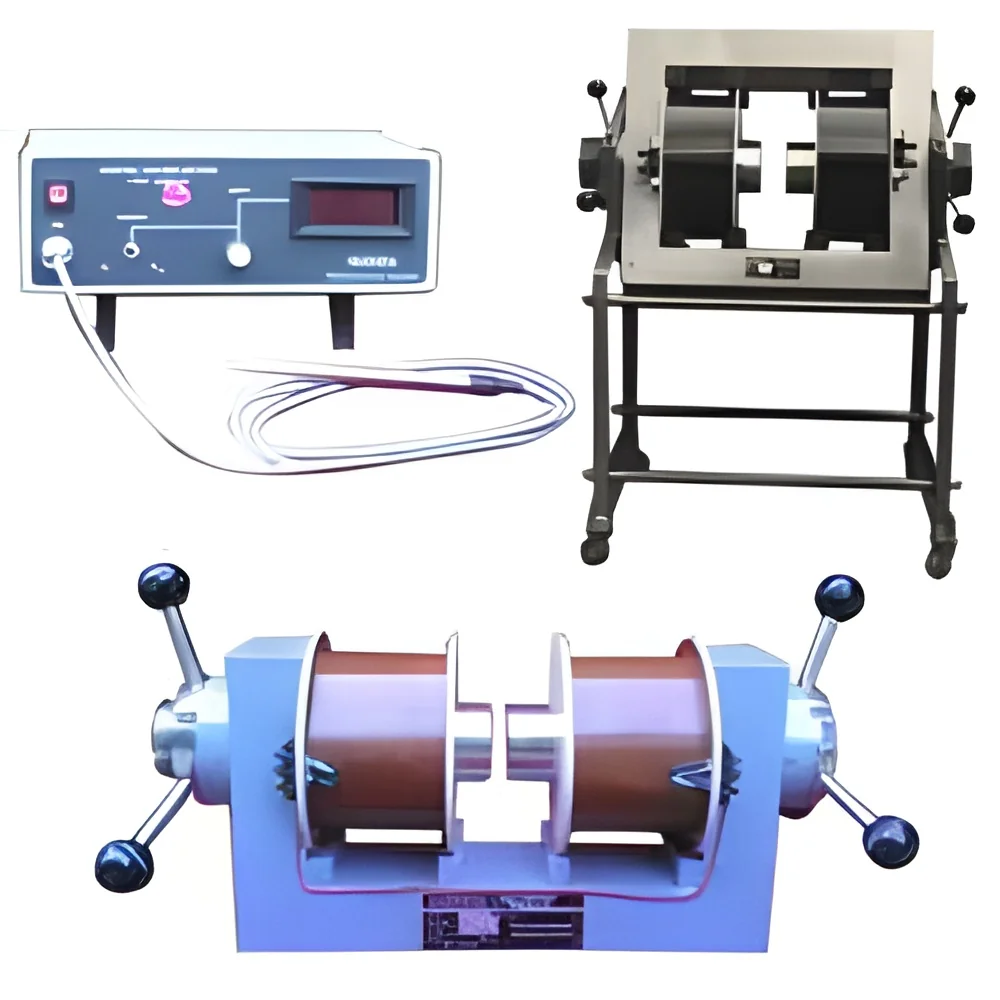
What are Conductivity Meter Calibration?
Conductivity meter calibration refers to the process of adjusting and verifying the accuracy of conductivity meters, which are instruments used to measure the electrical conductivity of a solution. This calibration is essential to ensure that the meter provides precise and reliable readings. Conductivity is a critical parameter in various industries, as it helps assess the quality of water and other solutions, making calibration a vital step in maintaining measurement integrity.
Primary uses of conductivity meter calibration extend across numerous business applications. For example, it is used in water treatment plants to monitor the quality of water. Additionally, it is essential in laboratory settings where accurate analysis of chemical properties is required. Industries such as food and beverage, pharmaceuticals, and agriculture also rely on accurate conductivity measurements to ensure product quality and safety.
In the current market context, the importance of conductivity meter calibration is underscored by increasing regulatory requirements for quality assurance. Organizations are striving to comply with industry standards that necessitate regular calibration of measuring equipment. This focus on maintaining measurement accuracy drives demand for reliable calibration services and products.
Key Features and Specifications
Conductivity meter calibration encompasses several key features and specifications that enhance measurement accuracy and usability. These specifications are critical for businesses to understand to select the right calibration solutions.
Key specifications include:
1. Calibration Range
- A wide range is available for calibration, typically extending from low conductivity levels (0.01 µS/cm) to high conductivity levels (100 mS/cm) depending on the specific meter.
2. Accuracy
- Standard accuracy typically ranges from ±0.5% to ±1% of reading. This ensures that the readings taken are close to the true value.
3. Temperature Compensation
- Many conductivity meters include automatic temperature compensation (ATC), which adjusts readings based on the temperature of the solution being measured.
4. Calibration Solutions
- Calibration often requires specific solutions with known conductivity values for accurate adjustments. These solutions can be provided in various concentrations.
5. User Interface
- A clear and intuitive user interface with digital displays helps users easily navigate through settings and calibration processes.
6. Data Logging Capability
- Some meters offer data logging features that allow users to record measurements over time for analysis and reporting.
7. Portability
- Many conductivity meters are designed for portability, allowing for on-site calibration and measurements.
8. Power Source
- Most meters operate on batteries or rechargeable power sources, enhancing their usability in field applications.
In summary, understanding these key features and specifications helps businesses select the right conductivity meter calibration solutions that meet their operational needs.
Common Applications and Use Cases
Conductivity meter calibration is applicable across various industries, ensuring that measurements are accurate for critical processes.
1. Water Treatment: In this industry, conductivity meters are used to monitor water quality and ensure compliance with environmental regulations. Calibration is essential to maintain accuracy in measuring impurities.
2. Food and Beverage: Conductivity measurements help in controlling processes such as brining and fermentation. Regular calibration helps ensure product safety and consistency.
3. Pharmaceuticals: Accurate conductivity readings are crucial in drug formulation processes. Calibration ensures that the quality of raw materials and final products meets safety standards.
4. Agriculture: Farmers monitor soil and water conductivity to manage irrigation and fertilization effectively. Calibration is necessary for precise nutrient management.
5. Electronics Manufacturing: Conductivity meters are used to test the purity of water used in manufacturing processes. Regular calibration ensures that the measurements are reliable for quality control.
6. Aquaculture: Monitoring the conductivity of water in fish farming is essential for maintaining optimal conditions. Calibration helps ensure that readings are accurate and reliable for fish health.
7. Chemical Processing: In the chemical industry, conductivity measurements are critical for reaction monitoring. Calibration ensures that the readings reflect the actual process conditions.
Product Variants and Subcategories
Conductivity meter calibration products come in various forms, catering to different industry needs.
Portable Conductivity Calibration Kits: These kits are designed for field use and include everything needed for on-site calibration. They are easy to transport and typically include calibration solutions for accuracy.
Laboratory Conductivity Calibration Solutions: Tailored for laboratory settings, these solutions often provide a broader range of conductivity values and higher precision for detailed analysis.
Fixed Installation Calibration Systems: These systems are used in industrial settings where conductivity meters are permanently installed. They offer continuous calibration and monitoring capabilities.
Benefits and Advantages
Conductivity meter calibration provides numerous benefits that enhance operational efficiency and measurement reliability.
Key benefits include:
1. Improved Accuracy: Regular calibration ensures that conductivity meters provide precise measurements which are crucial for decision-making processes.
2. Compliance with Standards: Calibration helps businesses adhere to industry and regulatory standards, reducing the risk of non-compliance penalties.
3. Enhanced Product Quality: Accurate readings contribute to maintaining product quality, particularly in industries like food and pharmaceuticals.
4. Cost-Effective Operations: Ensuring measurement accuracy can minimize waste and rework, ultimately saving costs in production processes.
5. Increased Equipment Lifespan: Properly calibrated meters experience less wear and tear, which can extend their operational lifespan.
6. Better Data Management: Calibration supports reliable data collection, enabling better analysis and reporting for operational improvements.
Buying Guide for B2B Buyers
When sourcing conductivity meter calibration, it is important for businesses to consider several key factors to ensure they make informed purchasing decisions.
1. Quality Assessment: Evaluate the quality of calibration solutions and services. Look for products that meet recognized industry standards for accuracy and reliability.
2. Supplier Verification: Conduct thorough research on potential suppliers. Verify their credentials and reputation in the industry to ensure they provide reliable products.
3. Pricing and MOQ: Understand the pricing structure and minimum order quantities. Compare prices among suppliers to ensure you get the best value for your investment.
4. Delivery and Lead Times: Assess the supplier's logistics capabilities. Ensure that they can deliver the calibration solutions within your required timelines.
5. Compliance Requirements: Confirm that the calibration products meet relevant compliance and regulatory standards specific to your industry.
Compliance and Certifications
Conductivity meter calibration must adhere to various compliance and certification standards to ensure quality and safety.
Relevant quality standards include ISO 9001, which outlines requirements for quality management systems. Compliance with HACCP (Hazard Analysis and Critical Control Points) is essential in food-related applications to ensure product safety.
Industry certifications, such as CE certification, indicate that products meet European safety, health, and environmental protection standards.
Safety and testing requirements must also be considered, particularly in sensitive industries like pharmaceuticals and food processing.
Additionally, regional compliance considerations may vary depending on local regulations governing measurement equipment, so it’s important to verify that the calibration products meet these standards.
Why Source Conductivity Meter Calibration from Pepagora?
Pepagora provides a trusted platform for sourcing conductivity meter calibration, offering several key advantages for B2B buyers.
Verified Supplier Network: Pepagora collaborates with a network of verified suppliers, ensuring that buyers have access to quality products and services. This verification process adds an extra layer of security in sourcing.
Streamlined RFQ Process: The request for quotation (RFQ) system simplifies the purchasing process. Buyers can easily submit their requirements and receive competitive quotes from multiple suppliers, facilitating informed decision-making.
Trade Assurance and Support: Pepagora offers trade assurance to protect buyers’ investments. This support includes assistance with order tracking and resolution of disputes, enhancing buyer confidence.
Regional Coverage: With a strong presence in markets such as India, the GCC, and Southeast Asia, Pepagora ensures that businesses can find suitable conductivity meter calibration solutions tailored to their regional needs. This geographic reach allows for better service and support across diverse markets.

 IN
IN