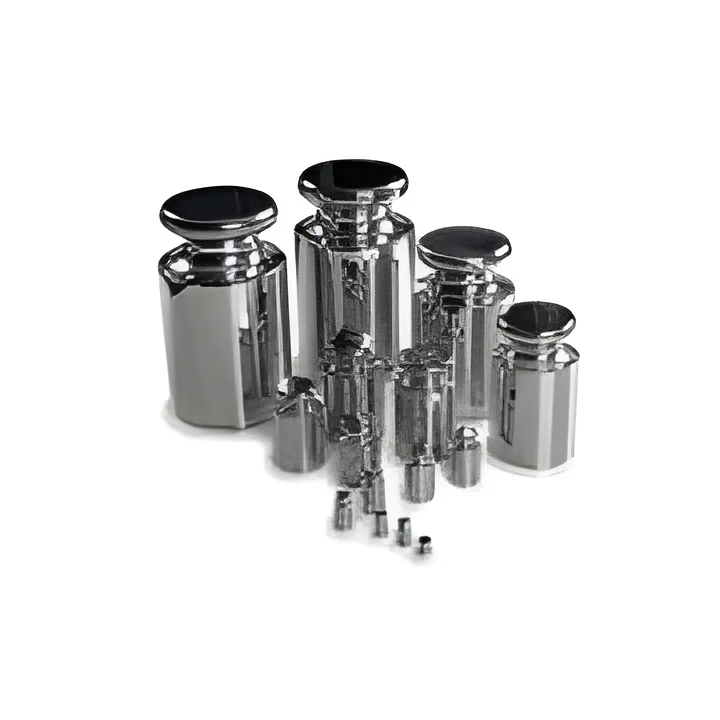
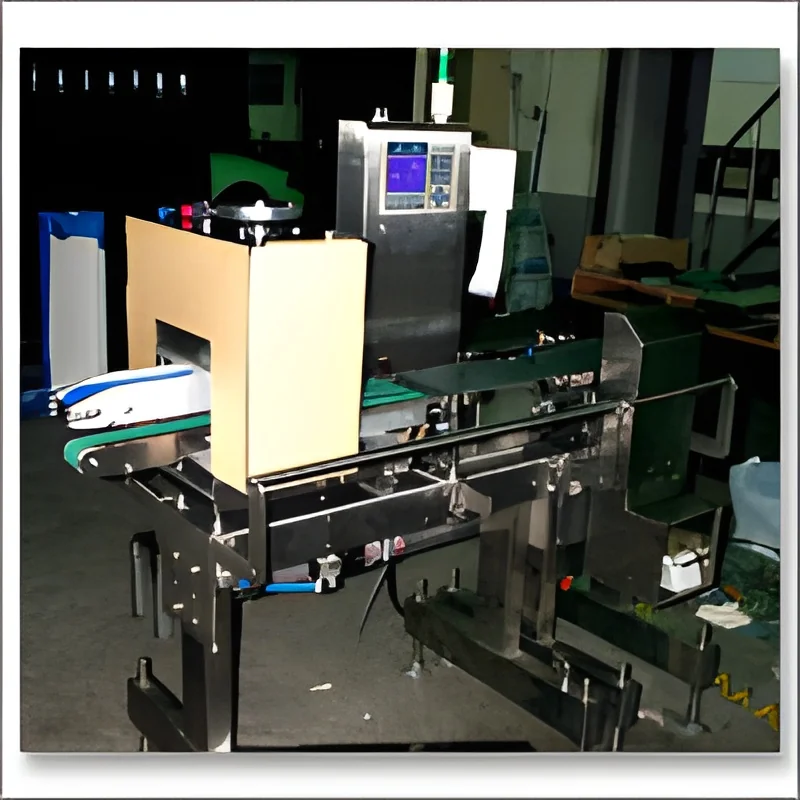
What are Mass Calibration Services?
Mass Calibration Services are specialized offerings designed to ensure the accuracy and precision of weighing instruments. These services involve the process of comparing the measurements of a weighing device against a standard reference to determine its accuracy. The calibration process typically includes adjustments to align the device's readings with recognized measurement standards, ensuring that businesses operate within required tolerances.
These services are critical in various business applications where precision is paramount, such as manufacturing, pharmaceuticals, and food processing. Accurate weight measurements can affect product quality, compliance with regulations, and overall operational efficiency. Industries rely on Mass Calibration Services to maintain quality control, adhere to safety standards, and optimize production processes.
As industries become increasingly regulated and quality-focused, the demand for reliable Mass Calibration Services has grown. Companies must comply with stringent standards, which drive the need for consistent calibration of their weighing equipment. This trend highlights the importance of partnering with trusted service providers to ensure that calibration practices meet industry requirements and maintain competitive advantage.
Key Features and Specifications
Mass Calibration Services are equipped with several essential features that ensure reliability and precision in measurement. These services are designed to meet the needs of various industries while adhering to regulatory standards.
Key specifications include:
1. Calibration Standards
- Adherence to ISO 9001 and CE certifications
- Ensures compliance with international quality standards
2. Accuracy Levels
- Calibration services typically provide an accuracy range of ±0.01g to ±0.1g
- Precision depends on the type of equipment being calibrated
3. Equipment Support
- Services cover a wide range of weighing instruments including balances, scales, and load cells
- Support for both electronic and mechanical devices
4. Environmental Controls
- Calibration performed in controlled environments to minimize external factors
- Temperature and humidity control as needed
5. Traceability
- Calibration results are traceable to national or international standards
- Documentation provided to verify compliance
6. On-site and Laboratory Options
- Flexible service delivery options based on client requirements
- Capability to perform calibrations either on-site or at dedicated facilities
7. Regular Maintenance Recommendations
- Guidance provided on best practices for maintaining equipment
- Suggestions for routine checks and recalibrations
8. Reporting and Documentation
- Comprehensive reports detailing calibration results and adjustments
- Certification of compliance provided for regulatory needs
In summary, Mass Calibration Services are characterized by their commitment to accuracy, adherence to standards, and flexibility in service delivery, making them essential for businesses that rely on precise weight measurements.
Common Applications and Use Cases
Mass Calibration Services find applications across a variety of industries, ensuring that weighing instruments operate accurately and efficiently.
1. Pharmaceutical Industry: In this sector, precise weight measurements are critical for drug formulation and quality control. Accurate dosing can impact patient safety and compliance with health regulations.
2. Food Processing: Food manufacturers use calibrated scales to ensure that product weights are consistent and meet labeling requirements. This helps maintain quality and compliance with food safety regulations.
3. Manufacturing: Various manufacturing processes rely on accurate weight measurements for material handling and product assembly. Calibration services help minimize production errors and enhance operational efficiency.
4. Chemical Industry: Accuracy in weighing chemicals is essential for maintaining safety and product integrity. Calibration services help ensure that chemical formulations meet required standards.
5. Research Laboratories: Calibration is crucial in laboratories where precise measurements are necessary for experiments and research outcomes. Regular calibration ensures the reliability of results.
6. Retail: Retail environments use calibrated scales for packaging and selling products. Accurate weight measurements are essential for customer satisfaction and compliance with trade standards.
7. Logistics: In logistics and shipping, accurate weight measurements help prevent overage charges and ensure compliance with transportation regulations. Calibration services help companies maintain efficiency.
Product Variants and Subcategories
Mass Calibration Services offer a diverse range of options to meet the specific needs of different businesses and industries.
Standard Calibration Services
These services provide basic calibration for common weighing instruments, ensuring they meet industry standards. They are typically used by businesses seeking routine compliance checks.
Advanced Calibration Services
These services are tailored for high-precision instruments used in specialized applications. They include detailed assessments and adjustments, catering to sectors like pharmaceuticals and aerospace.
Portable Calibration Services
This variant offers on-site calibration for businesses that require minimal downtime. Technicians can perform calibrations at the customer's location, providing convenience and immediate results.
Custom Calibration Solutions
Some providers offer bespoke calibration services designed for unique instruments or specific requirements. This ensures that even specialized equipment can maintain accuracy and compliance.
Benefits and Advantages
Choosing Mass Calibration Services brings numerous advantages to businesses focused on precision and quality.
Key benefits include:
1. Enhanced Accuracy: Regular calibration ensures that weighing instruments provide reliable measurements, reducing the risk of errors in production.
2. Compliance Assurance: Utilizing calibration services helps businesses meet regulatory requirements, avoiding potential penalties and ensuring product quality.
3. Improved Efficiency: Accurate measurements streamline operations, leading to increased productivity and reduced waste.
4. Cost Savings: By ensuring equipment operates correctly, businesses can avoid costly errors related to incorrect weight measurements.
5. Expert Support: Access to knowledgeable technicians provides businesses with insights and recommendations for maintaining equipment effectively.
6. Documentation and Certification: Comprehensive reports provide proof of compliance, essential for audits and regulatory inspections.
Buying Guide for B2B Buyers
When sourcing Mass Calibration Services, it is essential for buyers to consider several critical factors to ensure they select the right provider.
1. Quality Assessment: Evaluate the service provider's adherence to industry standards and certifications. Look for ISO 9001 and CE certifications as indicators of quality.
2. Supplier Verification: Conduct due diligence on potential suppliers by reviewing their reputation, client testimonials, and service history. Trusted suppliers should have a proven track record in calibration services.
3. Pricing and MOQ: Understand the pricing structure and any minimum order quantities. Compare quotes from multiple providers to ensure competitive pricing without compromising quality.
4. Delivery and Lead Times: Inquire about the expected turnaround times for calibration services. Timely delivery is important to minimize disruptions to business operations.
5. Compliance Requirements: Ensure the provider is familiar with relevant regulatory compliance specific to your industry. This knowledge is crucial for maintaining operational integrity.
Compliance and Certifications
Mass Calibration Services are subject to various compliance and certification standards that ensure quality and reliability.
Relevant quality standards include ISO 9001, which outlines requirements for a quality management system, and CE marking, indicating compliance with European safety standards. These certifications are essential for businesses in regulated industries such as pharmaceuticals and food production.
Industry certifications further reinforce the credibility of calibration service providers. Compliance with safety and testing requirements ensures that weighing instruments function correctly and safely under operational conditions.
Regional compliance considerations may vary, so it is crucial for businesses to work with calibration service providers familiar with local regulations. This knowledge ensures that all measures taken comply with specific legal requirements, thereby reducing risks associated with non-compliance.
Why Source Mass Calibration Services from Pepagora?
Pepagora provides a trusted platform for sourcing Mass Calibration Services, offering several key advantages to businesses seeking reliable calibration solutions.
Verified Supplier Network: Pepagora has a comprehensive network of verified suppliers, ensuring that businesses connect with reputable service providers. This network helps mitigate risks associated with sourcing calibration services.
Streamlined RFQ Process: The platform simplifies the request for quotation process, allowing buyers to easily compare offers from multiple suppliers. This efficiency saves time and helps buyers make informed decisions.
Trade Assurance and Support: Pepagora offers trade assurance to protect buyer interests during transactions. This support fosters confidence in sourcing calibration services through the platform.
Regional Coverage: With a presence in India, the GCC, and Southeast Asia, Pepagora can connect businesses with local calibration services that understand regional compliance and industry demands. This geographic reach ensures that companies can access quality services with ease.

 IN
IN