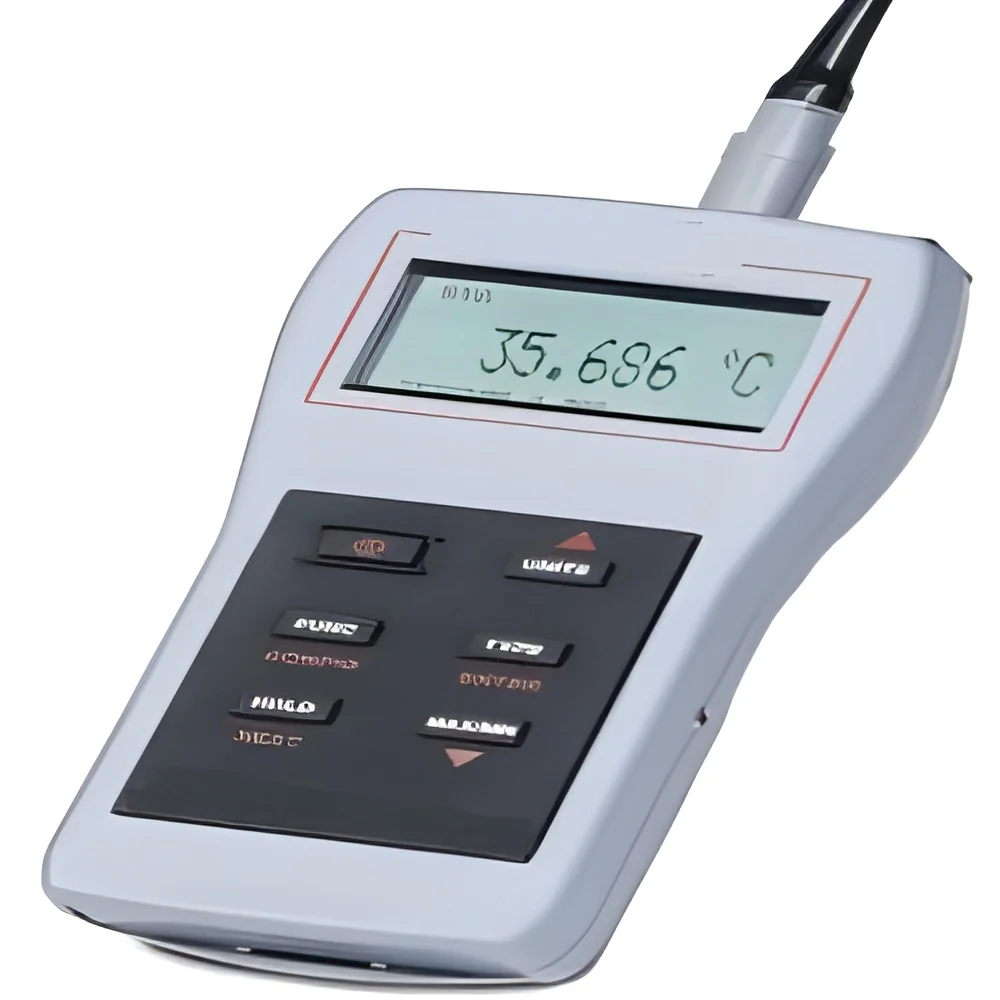
Key Features and Specifications
Thermometer calibration devices, especially digital and infrared types, come with a range of features designed to enhance accuracy and usability. Understanding these specifications is essential for businesses looking to invest in high-quality calibration solutions.
Key specifications include:
1. Temperature Measurement Range
- This specification indicates the range of temperatures that the thermometer can accurately measure.
- Typical ranges for digital thermometers are from -200°C to 1300°C, while infrared thermometers often cover a range from -50°C to 800°C.
2. Accuracy
- Accuracy refers to how close the thermometer's reading is to the actual temperature.
- Digital thermometers generally have an accuracy of ±0.5°C, while infrared thermometers can vary, often around ±1.0°C.
3. Response Time
- This specification measures how quickly the thermometer can provide a reading after being exposed to a temperature change.
- Digital thermometers typically respond in a few seconds, while infrared models may take only milliseconds.
4. Calibration Frequency
- This indicates how often the thermometer should be calibrated to ensure accurate readings.
- Most manufacturers recommend calibration at least once a year, depending on usage.
5. Display Type
- Thermometers may feature digital displays or analog dials, affecting ease of reading and interpretation.
- Many modern digital thermometers include backlit screens for better visibility.
6. Battery Life
- This specification is important for portable devices that rely on batteries.
- Digital thermometers often offer a battery life ranging from 200 to 500 hours.
7. Data Logging Capability
- Some advanced models have the ability to log temperature data over time, useful for monitoring trends.
- This feature is particularly beneficial in industries where compliance documentation is necessary.
8. Environmental Protection Rating
- This rating indicates the thermometer's resistance to dust and moisture, ensuring durability in industrial environments.
- Common ratings include IP65, which signifies protection against water jets and dust.
In summary, understanding the key features and specifications of thermometer calibration devices helps businesses choose the right equipment for their specific needs, ensuring both accuracy and compliance.
Common Applications and Use Cases
Thermometer calibration is vital in various sectors, ensuring accurate temperature measurements for quality control and safety.
1. Food and Beverage Industry: In this sector, accurate temperature monitoring is crucial for food safety and compliance with health regulations. Calibration ensures that cooking and storage temperatures are maintained correctly.
2. Pharmaceutical Industry: Accurate temperature control is essential in the storage and transportation of sensitive drugs and vaccines. Calibration of thermometers ensures that these products are kept within safe temperature ranges.
3. Healthcare Sector: In hospitals and clinics, thermometers are used to monitor patient temperatures. Regular calibration ensures that readings are accurate, which is critical for diagnosing and treating conditions.
4. Chemical Manufacturing: In this industry, precise temperature measurements are necessary for chemical reactions. Calibration helps ensure that processes remain within specified temperature limits.
5. HVAC Systems: In heating, ventilation, and air conditioning systems, thermometer calibration is essential for maintaining optimal performance and energy efficiency.
6. Research Laboratories: Accurate temperature measurements are critical in laboratories for experiments and testing. Calibration ensures reliable results.
7. Automotive Industry: Thermometers are used in various automotive applications, from testing engine temperatures to monitoring climate control systems. Calibration ensures accuracy in these critical measurements.
Product Variants and Subcategories
Thermometer calibration products come in various forms, catering to different needs and applications.
Digital Thermometers: These devices provide a numerical display of temperature readings and are widely used in industrial and laboratory settings. They often include features such as data logging and backlit displays for ease of use.
Infrared Thermometers: These non-contact devices measure surface temperature through infrared radiation. They are ideal for applications where direct contact is not feasible, such as in food processing or HVAC systems.
Thermocouple Thermometers: Utilizing thermocouples, these thermometers are known for their broad temperature range and quick response time. They are commonly used in manufacturing and research applications.
Benefits and Advantages
The advantages of using thermometer calibration services are numerous and significant for businesses.
1. Enhanced Accuracy: Regular calibration ensures that thermometers provide precise readings, reducing the risk of errors in temperature-sensitive processes.
2. Improved Compliance: Calibration helps businesses meet industry standards and regulatory requirements, avoiding penalties and ensuring product safety.
3. Increased Efficiency: Accurate temperature measurements enable better control of processes, leading to optimized operations and reduced waste.
4. Cost Savings: By preventing temperature-related errors, businesses can save on costs associated with product recalls, rework, and waste.
5. Extended Equipment Lifespan: Regular calibration can prolong the life of temperature measurement devices by identifying issues before they lead to equipment failure.
6. Enhanced Reputation: Businesses that maintain high standards of quality and safety through proper calibration can strengthen their market reputation and customer trust.
Buying Guide for B2B Buyers
When sourcing Thermometer Calibration (Digital, Infrared), several factors should be taken into account to ensure informed purchasing decisions.
1. Quality Assessment: It is crucial to evaluate the quality standards of the thermometer calibration devices. Look for products that comply with international standards like ISO 9001 and have relevant certifications.
2. Supplier Verification: Vetting suppliers is essential to ensure reliability. Check their track record, customer reviews, and adherence to industry standards to find trustworthy partners.
3. Pricing and MOQ: Consider the price range and minimum order quantities set by suppliers. Ensure that pricing aligns with your budget while also considering long-term costs related to accuracy and maintenance.
4. Delivery and Lead Times: Assess the logistics of delivery and the expected lead times. Timely delivery is crucial for maintaining workflow and operations.
5. Compliance Requirements: Be aware of the regulatory requirements that apply to your industry. Ensure that the products you source meet these compliance standards to avoid legal issues.
Compliance and Certifications
Thermometer calibration devices must adhere to various quality standards and certifications to ensure reliability and safety. One of the key standards is ISO 9001, which outlines quality management principles that organizations must follow to ensure consistent quality in their products and services.
In addition to ISO standards, specific industry certifications such as CE mark are crucial. CE certification indicates that a product meets European safety, health, and environmental protection standards. This is particularly important for businesses operating in the European market or exporting products internationally.
Safety and testing requirements also play a significant role in thermometer calibration. Devices should undergo rigorous testing to ensure they function correctly under various conditions. Regional compliance considerations may also apply, depending on the geographical market, necessitating additional certifications or adherence to local regulations.
Why Source Thermometer Calibration (Digital, Infrared) from Pepagora?
Pepagora offers a trusted platform for sourcing Thermometer Calibration (Digital, Infrared) with several key advantages that benefit B2B buyers.
Verified Supplier Network: Pepagora ensures that all suppliers in its network have been thoroughly vetted for quality and reliability. This provides buyers with confidence in the products they purchase, knowing they come from reputable sources.
Streamlined RFQ Process: The Request for Quotation (RFQ) system on Pepagora simplifies the procurement process. Buyers can quickly receive multiple quotes from verified suppliers, allowing for easy comparison and selection based on their specific needs.
Trade Assurance and Support: Pepagora provides trade assurance, offering buyer protection throughout the purchasing process. This includes support for resolving disputes and ensuring that products meet specified standards.
Regional Coverage: With a broad geographic reach across India, the GCC, and Southeast Asia, Pepagora connects buyers with suppliers in various regions. This ensures that businesses can find the right calibration solutions tailored to their local markets while benefiting from competitive pricing and accessibility.

 IN
IN