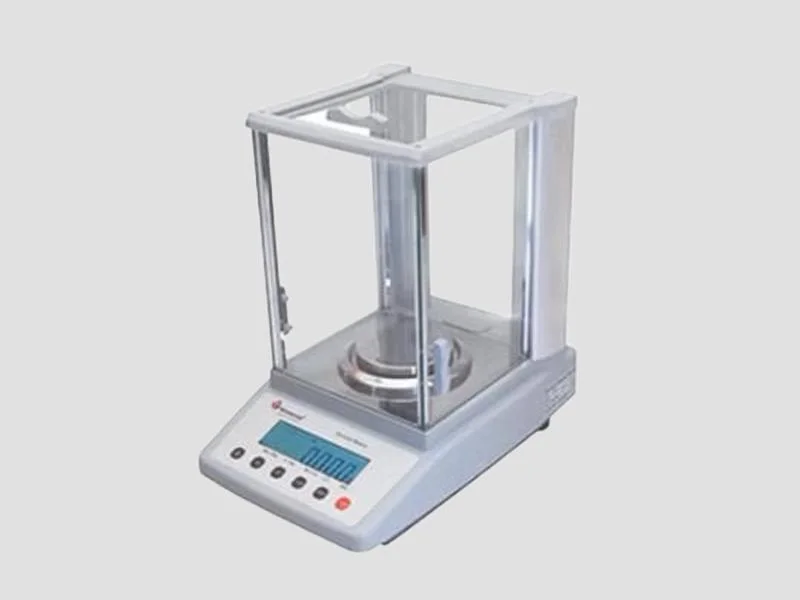
What are Analytical Balance Calibration?
Analytical balance calibration refers to the process of adjusting and verifying the accuracy of analytical balances to ensure precise measurements. An analytical balance is a high-precision instrument used in laboratories for weighing small quantities of substances with high accuracy. Calibration involves the use of certified weights to check the balance's performance and make necessary adjustments. This process is crucial for maintaining measurement integrity and compliance with industry standards.
The primary uses of analytical balance calibration are found in scientific research, pharmaceuticals, food and beverage testing, and quality control in manufacturing. Accurate measurements are essential in these sectors to ensure product quality, adherence to regulations, and the reproducibility of results. As industries increasingly rely on precise measurements to improve outcomes, the demand for reliable analytical balance calibration services continues to grow.
In today's market, analytical balance calibration is highly relevant due to stringent regulatory requirements and the increasing complexity of measurements in various industries. Companies must maintain high standards of accuracy to meet compliance guidelines, which often include certifications such as ISO 9001 and CE. As competition increases, businesses are focusing on quality assurance, making analytical balance calibration a vital component of their operations.
Key Features and Specifications
Analytical balance calibration is characterized by several key features and specifications that ensure accuracy and reliability. Understanding these specifications is essential for businesses in selecting the right calibration service or equipment.
Key specifications include:
1. Calibration Weight Accuracy
- Ensures that calibration weights used are of known standards and are precise.
- Typically within a range of ±0.001 grams or better.
2. Calibration Procedures
- Includes both internal and external calibration methods.
- External calibration is often performed annually, while internal calibration can be done more frequently.
3. Temperature and Humidity Control
- Calibration should be performed in controlled environments to minimize influence on measurements.
- Ideal conditions usually require stable temperatures around 20-25 degrees Celsius and humidity levels of 40-60%.
4. Compliance with Standards
- Calibration services should comply with international standards such as ISO 17025.
- This ensures the reliability and repeatability of calibration results.
5. Documentation and Reporting
- Calibration services should provide detailed documentation of the calibration process.
- Reports should include before and after calibration results, traceability information, and compliance statements.
6. Frequency of Calibration
- Recommended calibration intervals depend on the usage of the analytical balance.
- For high-usage environments, quarterly calibration is often recommended.
7. Technical Support and Service
- Comprehensive support services should be available, including troubleshooting and maintenance.
- Access to expert technicians can be crucial for optimal performance.
These features and specifications collectively ensure that analytical balance calibration meets the rigorous demands of industries reliant on precise measurement.
Common Applications and Use Cases
Analytical balance calibration serves a variety of industries that require high precision in measurement.
1. Pharmaceutical Industry: In pharmaceutical manufacturing and research, accurate weight measurements are critical for drug formulation and quality control. Calibration ensures compliance with regulatory standards.
2. Food and Beverage Sector: Accurate measurements are essential for ingredient formulation and nutritional labeling. Calibration helps maintain product consistency and safety.
3. Chemical Manufacturing: In the chemical industry, precise measurements are necessary for mixing compounds and ensuring product quality. Regular calibration is vital to meet safety and quality regulations.
4. Academic and Research Institutions: Laboratories in academia rely on analytical balances for various experiments. Calibration ensures reproducibility and reliability of research results.
5. Environmental Testing: Accurate measurements are crucial in environmental labs for testing soil, water, and air samples. Calibration ensures that results are reliable and valid for regulatory reporting.
6. Materials Testing: In materials science, precise weight measurements are needed for testing the properties of materials. Calibration supports accurate assessments in various applications.
7. Forensic Labs: Forensic scientists depend on precise measurements for evidence analysis. Calibration ensures that measurements can withstand legal scrutiny.
Product Variants and Subcategories
Analytical balance calibration encompasses a range of options that cater to different needs and applications. While specific product variants may not be available, the general categories of services can be tailored according to industry requirements.
Standard Calibration Services: These services offer routine calibration of analytical balances. They ensure the balance meets industry standards and provide necessary documentation for compliance.
On-Site Calibration Services: For businesses with multiple analytical balances, on-site calibration can minimize downtime. Technicians visit the facility to perform the necessary calibration without disrupting operations.
Accredited Calibration Services: These services are performed by accredited labs that meet stringent quality standards. They provide additional assurance of accuracy and compliance.
Custom Calibration Solutions: Some businesses may require custom calibration processes tailored to specific equipment or industry needs. This ensures that the calibration meets unique operational requirements.
Benefits and Advantages
Analytical balance calibration offers several key benefits that enhance operational efficiency and compliance.
1. Enhanced Accuracy: Regular calibration ensures that analytical balances provide precise measurements, reducing errors in data.
2. Compliance Assurance: Calibration helps businesses meet regulatory requirements and industry standards, avoiding penalties and ensuring product quality.
3. Improved Quality Control: Accurate measurements contribute to better quality control processes, leading to consistent product quality.
4. Increased Productivity: Reliable calibration reduces the likelihood of measurement errors, minimizing the need for rework or additional testing.
5. Cost Savings: Maintaining calibrated equipment can prevent costly mistakes and product recalls, ultimately saving money in the long run.
6. Trust in Results: Regular calibration builds confidence in measurement results, supporting decision-making processes based on reliable data.
Buying Guide for B2B Buyers
When sourcing analytical balance calibration services, several factors should be considered to ensure the best choice for your business needs.
1. Quality Assessment: Evaluate the quality of calibration services by checking certifications and industry compliance. Look for providers with ISO 17025 accreditation.
2. Supplier Verification: Vet potential suppliers by reviewing their experience, customer testimonials, and service offerings. A reliable supplier should have a proven track record in calibration.
3. Pricing and MOQ: Consider the cost of calibration services and any minimum order quantities. Compare pricing across different suppliers to ensure competitiveness.
4. Delivery and Lead Times: Inquire about lead times for calibration services to ensure they align with your operational schedule. Prompt service can minimize downtime.
5. Compliance Requirements: Ensure that the calibration services offered meet all relevant regulatory requirements specific to your industry. This is vital for maintaining compliance and quality assurance.
Compliance and Certifications
Analytical balance calibration is governed by various quality standards and certifications that ensure reliability and accuracy in measurements. Compliance with these standards is essential for businesses operating in regulated environments.
ISO 9001 is a standard that outlines quality management systems and helps organizations ensure consistent quality in their products and services. It is essential for calibration providers to adhere to these standards to maintain credibility.
Industry certifications like CE demonstrate that calibration services meet essential health, safety, and environmental requirements. This certification is crucial for businesses that require compliance with European regulations.
Safety and testing requirements are also vital for calibration processes. Calibration services should ensure that they meet relevant safety standards to protect both staff and equipment.
Regional compliance considerations can vary, especially in multinational operations. Businesses should be aware of local regulations regarding calibration and ensure that their service providers comply accordingly.
Why Source Analytical Balance Calibration from Pepagora?
Pepagora provides a trusted platform for sourcing analytical balance calibration with several key advantages that make it a go-to choice for businesses.
Verified Supplier Network: Pepagora connects buyers with a vetted network of suppliers who specialize in analytical balance calibration. This network ensures that buyers can find reliable services that meet their needs.
Streamlined RFQ Process: The request for quotation (RFQ) process on Pepagora is user-friendly, allowing buyers to easily compare quotes from multiple suppliers. This helps businesses make informed decisions without extensive research.
Trade Assurance and Support: Buyers on Pepagora benefit from trade assurance, providing protection against potential issues. The support team is available to assist with any inquiries or concerns throughout the sourcing process.
Regional Coverage: Pepagora’s extensive reach includes markets in India, the Gulf Cooperation Council (GCC), and Southeast Asia. This geographic coverage ensures that businesses can find local calibration services that meet their specific requirements.
By leveraging these advantages, businesses can confidently source analytical balance calibration services that enhance operational efficiency and compliance in their industries.

 IN
IN