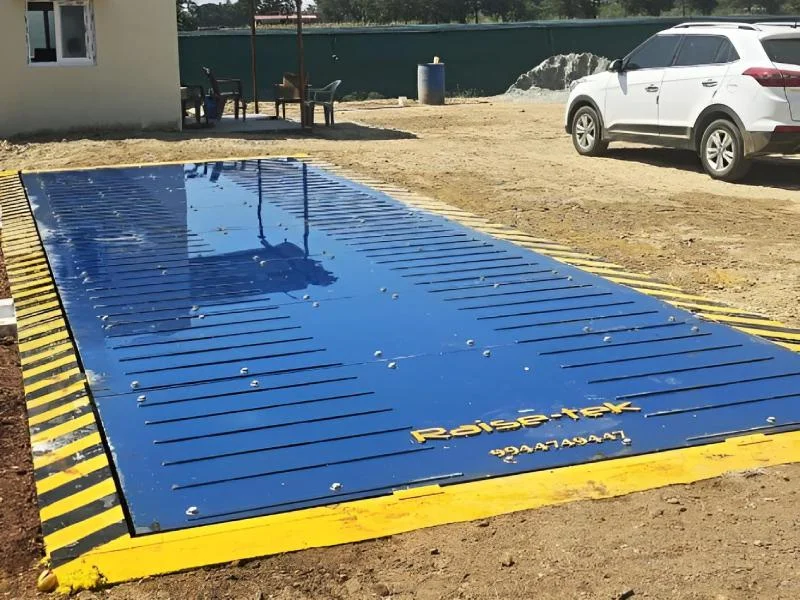
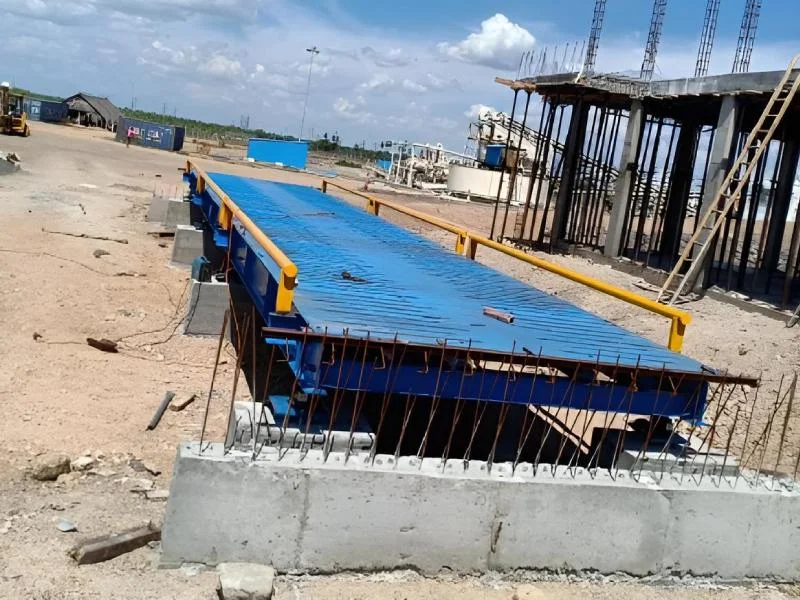
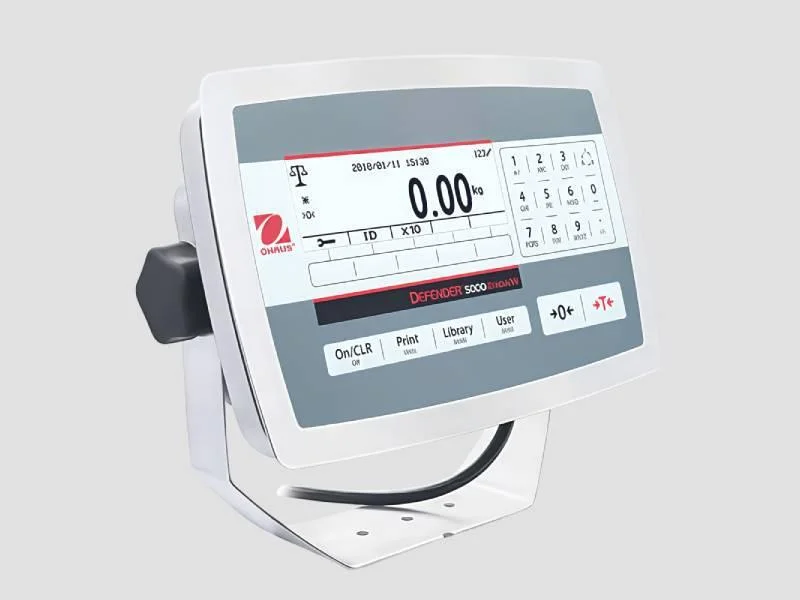
What are Weighbridge Calibration?
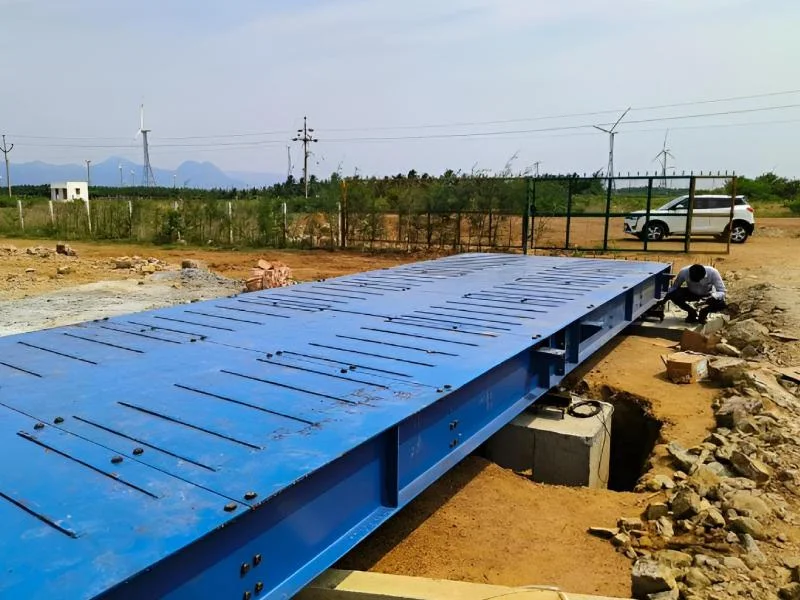
Weighbridge calibration is the process of adjusting and verifying the accuracy of weighbridges, which are large scales used to weigh vehicles and their loads. This process ensures that the weighbridge provides precise measurements, which is crucial for compliance with legal and operational requirements. Calibration involves comparing the scale's readings with known weight standards to identify any discrepancies and make necessary adjustments.
The primary uses of weighbridge calibration include ensuring accurate measurements for billing purposes, maintaining compliance with regulatory standards, and enhancing operational efficiency in various industries. Businesses rely on calibrated weighbridges to prevent financial losses due to over or undercharging based on weight. Accurate weighbridge measurements are vital for transportation, manufacturing, and logistics industries, where weight plays a critical role in cost management and resource allocation.
In a broader market context, the relevance of weighbridge calibration is amplified as industries seek to optimize their operations and maintain compliance with stringent regulations. As global trade expands, the need for accurate measurement tools becomes increasingly important, making weighbridge calibration an essential service across various sectors.
Key Features and Specifications
Weighbridge calibration offers several features and specifications that ensure accuracy and reliability. These characteristics are important for businesses seeking to maintain high standards in weighbridge operations.
Key specifications include:
1. Calibration Frequency
- Regular calibration is necessary to ensure accuracy.
- Typically recommended every six months or as per industry standards.
2. Load Capacity
- The maximum weight the weighbridge can accurately measure.
- Common capacities range from 30 tons to over 100 tons.
3. Accuracy Class
- Defines the permissible error in measurements.
- Class III and Class IV are common for commercial weighbridges.
4. Calibration Methods
- Includes static and dynamic calibration techniques.
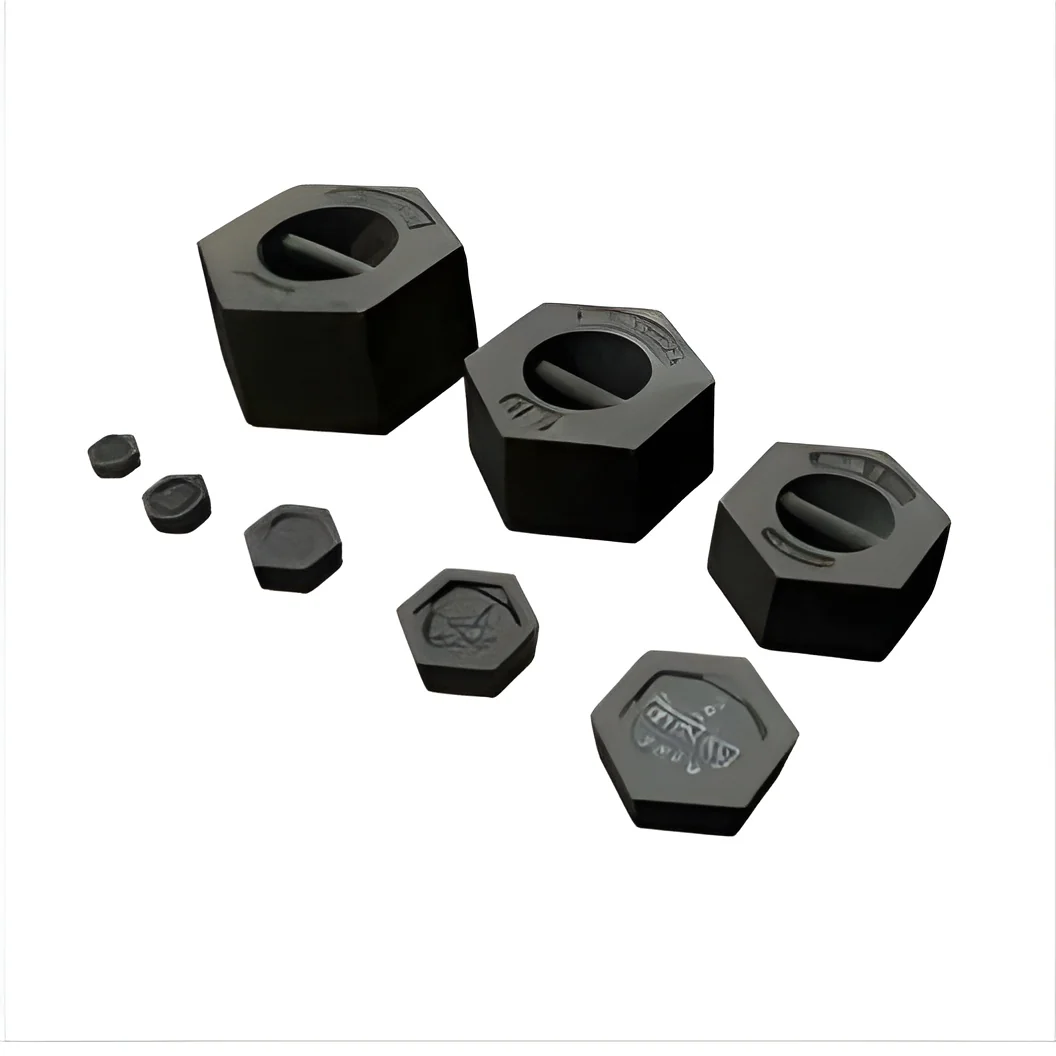
- Static involves using calibrated weights, while dynamic checks vehicle movement.
5. Documentation
- Calibration certificates provided after each calibration.
- Essential for compliance audits and records.
6. Environmental Considerations
- Calibration must consider temperature and humidity impacts.
- Ensures consistent performance in varying conditions.
7. Compliance Standards
- Calibration must adhere to industry regulations and standards such as ISO certifications.
- Regular updates may be required based on regulatory changes.
In summary, understanding these features and specifications is crucial for businesses that rely on weighbridge operations, ensuring they can operate efficiently and within legal requirements.
Common Applications and Use Cases
Weighbridge calibration finds utility across numerous industries, ensuring that weighbridge operations meet both operational and compliance requirements.
1. Transportation: In logistics and freight transport, accurate weight measurements are critical for load management and cost calculations.
2. Mining: Weighbridges are used to weigh trucks transporting raw materials, ensuring that load limits are not exceeded.
3. Agriculture: Farmers use weighbridges to measure bulk products like grains and fertilizers for accurate sales and inventory management.
4. Construction: Weighbridges help to track materials being delivered to and from construction sites, ensuring proper billing and material control.
5. Waste Management: Calibration ensures that waste loads are measured correctly for disposal fees and compliance with environmental regulations.
6. Manufacturing: Manufacturers use weighbridges to monitor raw material supplies, ensuring that production processes remain efficient and cost-effective.
7. Retail: Retailers with bulk sales can leverage weighbridge calibration to ensure accurate pricing based on the weight of products sold.
Product Variants and Subcategories
Weighbridge calibration services can vary based on specific needs and applications, catering to different industries and requirements.
Standard Calibration Services: This basic service includes periodic calibration checks and adjustments to ensure compliance with legal standards. It is suitable for businesses needing routine maintenance for their weighbridges.
Advanced Calibration Services: This variant provides in-depth analysis and testing, often incorporating advanced technology to monitor performance over time. Ideal for industries requiring high precision and frequent adjustments.
Remote Calibration Services: Utilizing technology, this service allows for off-site calibration management, where adjustments can be monitored and managed remotely. This is increasingly popular in large-scale operations.
Mobile Calibration Units: These are mobile services that can travel to various locations to perform on-site calibrations. This is beneficial for companies with multiple weighbridge locations.
Benefits and Advantages
Choosing to invest in weighbridge calibration offers numerous advantages that can enhance operational efficiency and compliance.
Key benefits include:
1. Accuracy: Regular calibration ensures that measurements are precise, minimizing errors in billing and resource management.
2. Compliance: Staying compliant with industry regulations helps avoid legal issues and fines, protecting the business's reputation.
3. Cost Efficiency: Accurate weight measurements prevent financial losses due to overcharging or undercharging for services.
4. Enhanced Safety: Properly calibrated weighbridges reduce the risk of overloading vehicles, which can lead to accidents and equipment damage.
5. Improved Operations: Reliable weight data helps streamline logistics and inventory management, facilitating better decision-making.
6. Increased Trust: Clients and partners are more likely to trust businesses that demonstrate a commitment to accuracy and compliance.
Buying Guide for B2B Buyers
When sourcing weighbridge calibration services, it is essential to consider various factors to ensure a successful partnership.
1. Quality Assessment: Look for service providers who adhere to recognized quality standards. A reputable calibration service should provide documentation and certifications to verify their accuracy and reliability.
2. Supplier Verification: Vet potential suppliers by checking their certifications, experience, and client testimonials. Ensure they have a proven track record in the industry.
3. Pricing and MOQ: Understand the pricing structure and any minimum order quantities. Consider the total cost of ownership, including potential additional services.
4. Delivery and Lead Times: Evaluate the supplier’s ability to meet your timelines. Timely calibration is crucial to maintaining operational efficiency.
5. Compliance Requirements: Ensure that the calibration provider understands the specific regulations and compliance standards relevant to your industry. This knowledge is critical for maintaining legal compliance.
Compliance and Certifications
Compliance and certifications are vital components of weighbridge calibration, ensuring that services meet industry standards and regulations.
Relevant quality standards include ISO 9001, which focuses on quality management systems, ensuring that calibration services are consistently delivered to high standards. Other important standards may include HACCP and GDP, which are essential for industries such as food safety and pharmaceuticals where measurement accuracy is crucial.
Industry certifications like CE demonstrate that calibration services meet European standards for safety and performance. This is particularly important for businesses operating in or exporting to European markets.
Safety and testing requirements are also paramount, as calibrated weighbridges must operate without posing risks to users or equipment. Regular testing ensures that weighbridges continue to function effectively and safely in their environments.
Regional compliance considerations may vary, so it is essential to understand the specific regulations applicable in your area. Ensuring compliance with local laws can prevent costly fines and improve operational credibility.
Why Source Weighbridge Calibration from Pepagora?
Pepagora provides a trusted platform for sourcing weighbridge calibration with several key advantages.
First, our verified supplier network ensures that you connect with reputable calibration service providers. Each supplier is thoroughly vetted to confirm their credentials and expertise, giving you peace of mind in your selection process.
Second, we offer a streamlined RFQ process that simplifies the quotation system. You can quickly compare offers from multiple suppliers, allowing you to make informed decisions based on your specific needs and budget.
Additionally, our trade assurance and support services protect buyers throughout the sourcing process. We prioritize buyer protection and are committed to addressing any concerns that may arise during your procurement journey.
Finally, Pepagora's regional coverage extends across India, the GCC, and Southeast Asia. This wide geographic reach ensures that businesses in these regions can access high-quality calibration services tailored to their local requirements.

 IN
IN