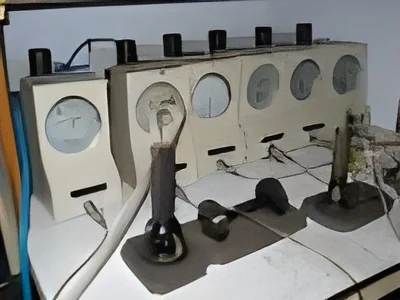
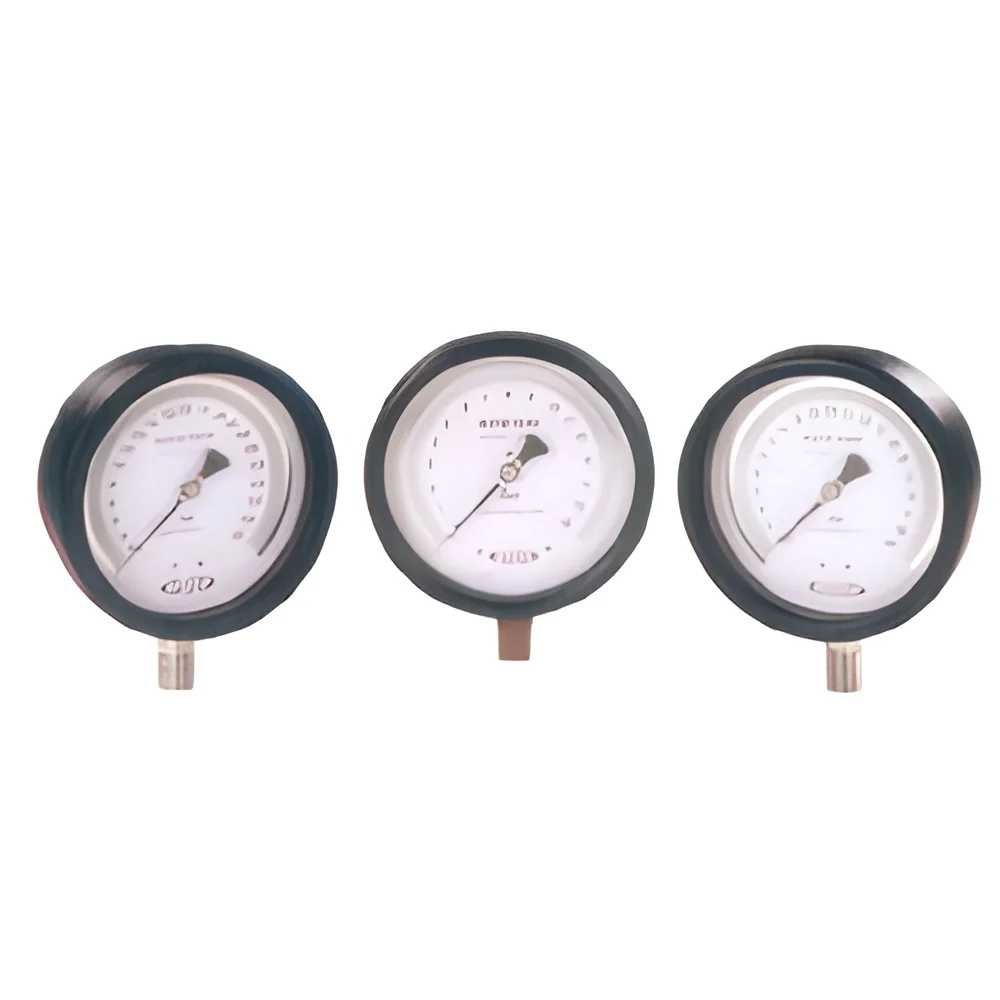
What are Pressure Gauge Calibration?
Pressure gauge calibration is the process of verifying and adjusting the accuracy of pressure measuring instruments. This ensures that the readings provided by the gauges reflect the true pressure levels in a system. Calibration involves comparing the gauge's output against a known reference standard to identify any discrepancies. If the gauge is found to be inaccurate, adjustments are made to bring it in line with established standards.
Pressure gauge calibration is critical in various business applications, particularly in industries where precise pressure measurement is essential. These industries include manufacturing, pharmaceuticals, food processing, and petrochemicals, where even minor inaccuracies can have significant consequences. Regular calibration helps maintain equipment reliability, ensures compliance with industry regulations, and enhances overall safety.
In the current market context, the demand for accurate pressure gauges is rising due to the increasing complexity of industrial processes. As industries become more automated and reliant on precise measurements, the need for regular calibration services has become paramount. Businesses are now more aware of the need to invest in quality calibration to prevent costly downtimes and ensure operational efficiency.
Key Features and Specifications
Pressure gauge calibration services offer various features tailored to meet industry standards. The following specifications are crucial for businesses considering these services.
Key specifications include:
1. Accuracy
- Ensures that pressure measurements are reliable.
- Typically within ±0.25% of full scale.
2. Range
- Specifies the pressure levels the gauge can measure.
- Common ranges include 0-30 psi, 0-100 psi, and 0-5000 psi.
3. Calibration Frequency
- Recommended intervals for recalibrating gauges.
- Often suggested annually, depending on usage.
4. Environmental Conditions
- Indicates the temperature and humidity ranges for calibration.
- Standard conditions often range from 10°C to 40°C with 20-80% humidity.
5. Compliance with Standards
- Adherence to industry standards such as ISO 9001 and CE certification.
- Ensures that calibration practices meet regulatory requirements.
6. Documentation
- Provision of calibration certificates and reports.
- Important for quality assurance and compliance audits.
7. Traceability
- Calibration against national or international reference standards.
- Essential for maintaining measurement integrity.
8. Adjustment Capability
- Ability to make adjustments to compensate for inaccuracies.
- Ensures long-term reliability of pressure readings.
In summary, understanding these specifications helps businesses choose the right calibration services to enhance operational efficiency and compliance.
Common Applications and Use Cases
Pressure gauge calibration is applicable across various industries, ensuring compliance and safety.
1. Manufacturing: Calibration is vital to ensure that pressure gauges used in production lines provide accurate readings, which directly impact product quality and safety.
2. Pharmaceuticals: In this sector, precise pressure measurement is critical for processes like sterile filling and drug formulation. Regular calibration ensures compliance with stringent regulations.
3. Food Processing: Accurate pressure control is essential for processes such as pasteurization. Calibration helps maintain safety and quality standards.
4. Petrochemicals: Calibration is necessary for pressure monitoring in pipelines and storage tanks to prevent leaks and ensure safety.
5. HVAC Systems: In heating, ventilation, and air conditioning, calibrated pressure gauges optimize system performance and energy efficiency.
6. Water Treatment: Ensures that pressure readings in water treatment facilities are accurate, promoting effective treatment processes.
7. Aerospace: Pressure calibration is critical in ensuring the safety and reliability of aircraft systems.
Product Variants and Subcategories
The diversity of pressure gauge calibration services allows businesses to select solutions that best fit their needs.
Standard Calibration Service
This service provides routine calibration for various types of pressure gauges. It ensures compliance with industry standards and includes detailed documentation for quality assurance.
On-Site Calibration Service
This variant allows calibration to be performed at a client’s location, minimizing downtime and ensuring convenience. It is ideal for large facilities with multiple gauges.
Portable Calibration Service
Designed for field applications, this service uses portable calibration equipment to ensure gauges are calibrated in their operational environment.
Custom Calibration Service
This service offers tailored calibration solutions for specific applications and industries, accommodating unique requirements and standards.
Benefits and Advantages
Investing in pressure gauge calibration provides significant advantages for businesses.
1. Enhanced Accuracy: Regular calibration ensures that pressure readings are precise, leading to improved decision-making and process efficiency.
2. Compliance Assurance: Calibration helps businesses meet regulatory requirements, reducing the risk of penalties and enhancing reputation.
3. Increased Safety: Accurate pressure measurements contribute to a safer working environment by preventing accidents related to incorrect pressure levels.
4. Equipment Longevity: Regular calibration helps identify issues early, extending the lifespan of pressure gauges and related equipment.
5. Cost Savings: By ensuring efficient processes and preventing equipment failure, calibration can lead to significant cost reductions over time.
6. Quality Assurance: Calibration maintains high-quality standards in production processes, contributing to better product outcomes and customer satisfaction.
Buying Guide for B2B Buyers
When sourcing pressure gauge calibration services, it is essential to consider several factors to ensure the best choice for your business.
1. Quality Assessment: Look for calibration services that adhere to recognized industry standards such as ISO 9001. Quality assurance measures should be documented and transparent.
2. Supplier Verification: Vet suppliers thoroughly to ensure they have a good reputation and experience in providing calibration services. Check references and reviews from other businesses.
3. Pricing and MOQ: Understand the pricing structure and any minimum order quantities. Compare quotes from multiple suppliers to ensure competitive pricing.
4. Delivery and Lead Times: Assess the supplier's ability to meet your timelines for calibration services. Prompt delivery is essential to minimize downtime.
5. Compliance Requirements: Ensure that the calibration services meet all relevant regulatory requirements for your industry. This includes understanding any specific certifications that may be necessary.
Compliance and Certifications
Pressure gauge calibration services must adhere to various compliance and certification standards, which are vital for ensuring quality and reliability.
Relevant quality standards include ISO 9001, which sets the criteria for a quality management system. Compliance with this standard indicates that an organization consistently provides products and services that meet customer and regulatory requirements.
Industry certifications such as CE mark signify that the calibration services comply with European health, safety, and environmental protection standards. This certification is particularly important for businesses operating in or exporting to European markets.
Additionally, safety and testing requirements must be met to ensure that calibration processes do not introduce risks. Regular audits and assessments should be conducted to maintain compliance with safety standards.
Regional compliance considerations also play a crucial role. Different regions may have specific regulations governing pressure measurement and calibration, so it is essential to be aware of local requirements.
Why Source Pressure Gauge Calibration from Pepagora?
Pepagora is a trusted platform for sourcing pressure gauge calibration services, offering several key advantages to B2B buyers.
Verified Supplier Network: Pepagora connects buyers with a network of verified suppliers who provide high-quality calibration services. This network ensures that businesses can find reliable partners for their calibration needs.
Streamlined RFQ Process: The platform features a user-friendly request for quotation (RFQ) system, allowing companies to easily compare pricing and services from multiple suppliers, ensuring they get the best value.
Trade Assurance and Support: Pepagora offers trade assurance to protect buyers, ensuring that transactions are secure and that support is available throughout the purchasing process. This gives businesses confidence in their sourcing decisions.
Regional Coverage: With a strong presence in regions such as India, GCC, and Southeast Asia, Pepagora provides extensive regional coverage, making it easier for businesses to find local suppliers who understand their specific calibration needs and regulatory requirements.

 IN
IN