
 IN
Platform Scale Calibration
12 products available
What are Platform Scale Calibration?
Platform scale calibration is the process of adjusting the measurements of platform scales to ensure their accuracy and reliability. This involves comparing the readings of the scale against a known standard and making necessary adjustments to eliminate any discrepancies. Calibration is essential for maintaining the integrity of weighing processes, particularly in industries where precision is crucial. Regular calibration ensures that platform scales provide consistent and accurate readings over time.
The primary uses of platform scale calibration include quality control in manufacturing, logistics, and distribution processes. Businesses rely on accurate weight measurements for inventory management, shipping, and compliance with regulations. Inaccurate readings can lead to financial losses, regulatory penalties, and compromised product quality. Thus, calibration serves as a critical function in maintaining operational efficiency and ensuring that businesses meet industry standards.
In terms of industry relevance, platform scale calibration plays a vital role across various sectors including manufacturing, food processing, pharmaceuticals, and logistics. The demand for precise weighing solutions continues to grow as businesses seek to enhance productivity and accuracy. The market context is characterized by increasing regulatory requirements and a focus on quality assurance, making scale calibration an indispensable practice for companies aiming to maintain competitiveness.
Key Features and Specifications
Platform scale calibration systems are designed with several key features that enhance their functionality and reliability. These specifications ensure that businesses can effectively monitor and maintain the accuracy of their weighing equipment.
Key specifications include:
1. Accuracy Level
- Typically ranges from ±0.1% to ±0.01% depending on the scale model
- Ensures precise weight measurements for critical applications
2. Capacity Range
- Available in capacities ranging from 100 kg to several tons
- Suitable for various industrial applications from small parts to heavy loads
3. Calibration Frequency
- Recommended calibration intervals are often between 6 to 12 months
- Regular checks ensure ongoing accuracy and compliance
4. Environmental Conditions
- Designed to operate in various temperature and humidity conditions
- Some scales may require specific environmental controls for optimal performance
5. Display Type
- Digital displays provide clear and easily readable weight measurements
- Options for remote displays enhance usability in large workspaces
6. Compliance Standards
- Many models comply with international standards such as ISO and CE
- Ensures reliability and acceptance in global markets
7. User Interface
- Intuitive controls for ease of use and quick calibration adjustments
- Some models include software for automated calibration processes
8. Maintenance Alerts
- Built-in alerts for low battery or required maintenance checks
- Helps prevent unexpected downtime and ensures consistent performance
In summary, the key features and specifications of platform scale calibration systems are designed to meet the diverse needs of industries requiring precise weight measurements, enhancing operational efficiency and compliance.
Common Applications and Use Cases
Platform scale calibration serves various industries to ensure accurate weight measurements for critical processes.
1. Manufacturing: In manufacturing, accurate weighing is essential for quality control during production. Calibration ensures that raw materials are measured correctly, impacting product quality and compliance.
2. Food Processing: The food industry relies on precise measurements for ingredient proportions and packaging. Calibration helps maintain compliance with health regulations and ensures product consistency.
3. Pharmaceuticals: Accurate dosing is crucial in pharmaceuticals. Calibration verifies that scales provide precise measurements, ensuring patient safety and regulatory compliance.
4. Logistics: In logistics, accurate weight measurements are vital for shipping and inventory management. Calibration reduces the risk of shipping errors and associated costs.
5. Agriculture: In agriculture, platform scales are used for weighing produce and livestock. Calibration ensures that farmers receive fair pricing based on accurate weight measurements.
6. Retail: Retailers use calibrated scales for selling products by weight. Accuracy in these transactions is essential for customer satisfaction and regulatory compliance.
7. Transportation: Calibration is important for transportation industries where weight limits must be adhered to, ensuring safety and compliance with regulations.
Product Variants and Subcategories
Platform scale calibration products come in various types to suit different applications and environments.
Digital Calibration Scales
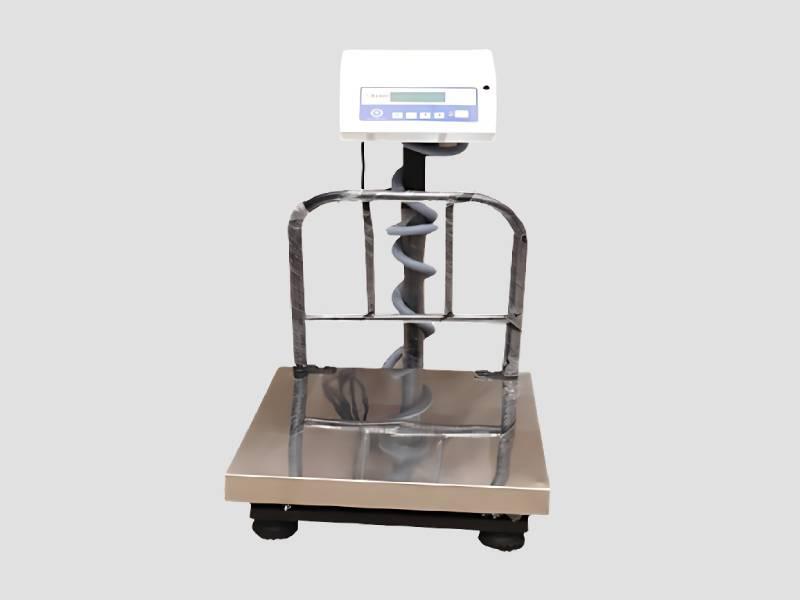
These scales provide automated calibration processes and are equipped with advanced features such as data logging and connectivity options. They are ideal for industries that require frequent and precise calibration.
Mechanical Calibration Scales
These traditional scales are simpler in design and function. They are often used in smaller operations or where electronic devices are not feasible. They offer robustness and reliability in basic weighing applications.
Heavy-Duty Calibration Scales
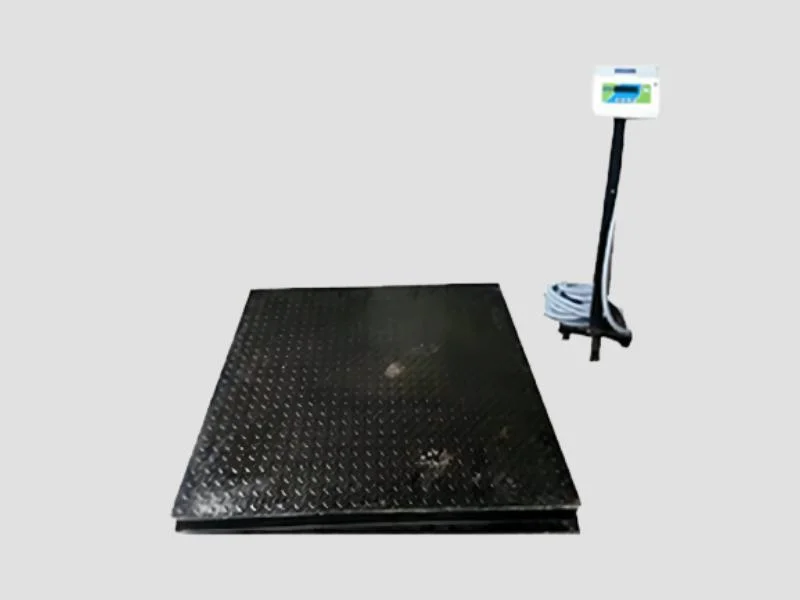
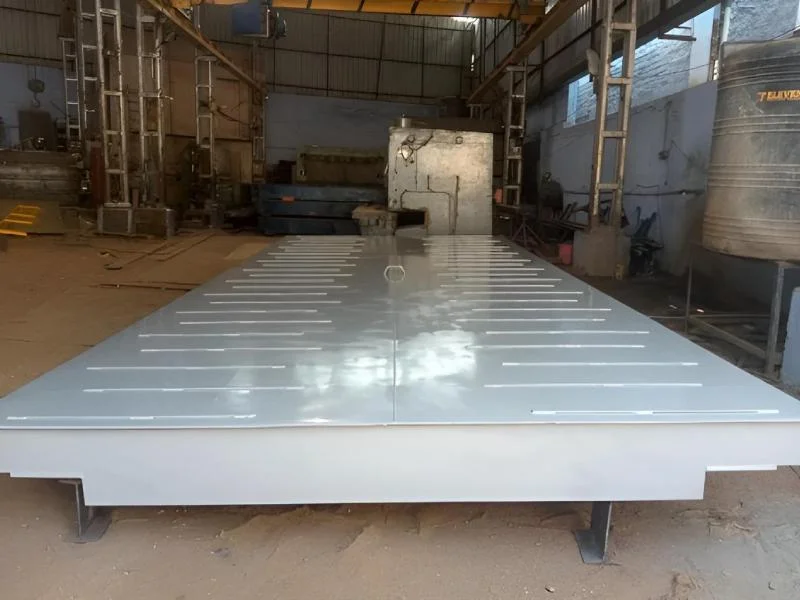
Designed for industrial environments, these scales can handle significant loads and are built to withstand harsh conditions. They are ideal for manufacturing and logistics applications where heavy items need to be weighed accurately.
Portable Calibration Scales
These scales offer flexibility and convenience, allowing for calibration in various locations. They are suitable for businesses that require on-site calibration services.
Benefits and Advantages
Platform scale calibration offers several benefits that enhance operational efficiency and compliance.
1. Improved Accuracy: Regular calibration ensures scales provide precise weight measurements, reducing errors and enhancing product quality.
2. Compliance Assurance: Calibration helps businesses meet industry regulations and standards, avoiding penalties and maintaining market reputation.
3. Increased Efficiency: Accurate measurements streamline operations, reducing time spent on reweighing and correcting errors.
4. Cost Savings: By preventing inaccuracies, calibration minimizes the risk of financial losses associated with incorrect weight measurements.
5. Enhanced Trust: Customers and partners value accuracy in weight measurements, fostering trust and long-term business relationships.
6. Risk Mitigation: Regular calibration reduces the risk of operational disruptions caused by equipment failure or inaccuracies.
Buying Guide for B2B Buyers
When sourcing platform scale calibration services, it is essential to consider several factors to ensure a successful purchase.
1. Quality Assessment: Evaluate the quality standards of calibration services, looking for certifications like ISO. High-quality services ensure accurate and reliable results.
2. Supplier Verification: Conduct thorough checks on potential suppliers. Look for customer reviews, industry reputation, and reliability in service delivery.
3. Pricing and MOQ: Understand the pricing structure and minimum order quantities. Ensure that the costs align with your budget while considering the quality of services offered.
4. Delivery and Lead Times: Assess the logistics involved in service delivery. Timely calibration is crucial for maintaining operational efficiency, so inquire about lead times.
5. Compliance Requirements: Ensure that the calibration services meet relevant regulatory requirements specific to your industry. This is essential for maintaining compliance and avoiding penalties.
Compliance and Certifications
Compliance and certifications play a vital role in platform scale calibration, ensuring that scales meet industry standards and regulations.
Key quality standards include ISO 9001, which focuses on quality management systems. Compliance with these standards ensures that calibration processes are consistent and reliable.
Industry certifications such as CE demonstrate that the calibration services adhere to European safety and health standards. This is critical for businesses operating in or exporting to regions with stringent regulations.
Safety and testing requirements are also essential considerations. Calibration services must ensure that scales are tested for accuracy and reliability to prevent operational risks.
Regional compliance considerations vary based on local regulations. It is important for businesses to be aware of specific compliance requirements in their geographic locations to avoid legal issues.
Why Source Platform Scale Calibration from Pepagora?
Pepagora provides a trusted platform for sourcing platform scale calibration with several key advantages that support B2B buyers.
Verified Supplier Network: Pepagora connects buyers with a network of verified suppliers, ensuring that businesses can source calibration services from reputable and reliable sources. This reduces the risk associated with supplier selection.
Streamlined RFQ Process: The platform features a streamlined Request for Quotation (RFQ) process, allowing buyers to easily request quotes from multiple suppliers. This enhances competitiveness and ensures that buyers receive the best pricing and service options.
Trade Assurance and Support: Pepagora offers trade assurance to protect buyer transactions. This includes support throughout the purchasing process, ensuring that buyers have assistance when needed.
Regional Coverage: Pepagora has a wide geographic reach, covering regions such as India, GCC, and Southeast Asia. This ensures that businesses can find local suppliers that meet their calibration needs while minimizing shipping costs and lead times.


Frequently Asked Questions
What are Platform Scale Calibration?
Platform Scale Calibration refers to the process of adjusting and verifying the accuracy of platform scales. This ensures that the scales provide precise weight measurements, which is crucial for various industrial and commercial applications.
What are the different types of Platform Scale Calibration?
There are several types of Platform Scale Calibration, including static calibration, dynamic calibration, and calibration using certified weights. Each method has its specific applications and is chosen based on the scale's use case and environment.
How do I choose the right Platform Scale Calibration?
Choosing the right Platform Scale Calibration involves considering factors such as the scale's capacity, the environment in which it will be used, and the required accuracy levels. Consulting with manufacturers or calibration experts can also help in making an informed decision.
What are the standard specifications for Platform Scale Calibration?
Standard specifications for Platform Scale Calibration typically include weight capacity, calibration accuracy, and the types of weights used for calibration. Additionally, factors like compliance with national and international standards may also be important.
What is the price range for Platform Scale Calibration?
The price range for Platform Scale Calibration can vary widely depending on the type of calibration service, the scale's specifications, and the provider. Generally, costs can range from a few thousand to several tens of thousands of Indian Rupees.
What quality standards apply to Platform Scale Calibration?
Quality standards for Platform Scale Calibration often include ISO 9001 and ISO/IEC 17025, which ensure that calibration processes meet international requirements. Compliance with these standards helps maintain accuracy and reliability in measurements.
Where can I find Platform Scale Calibration suppliers in India?
Platform Scale Calibration suppliers in India can be found through online B2B marketplaces, industry directories, and trade shows. Websites like Pepagora.com are also valuable resources for connecting with reputable suppliers.
Can Platform Scale Calibration be customized?
Yes, Platform Scale Calibration can often be customized to meet specific requirements, such as particular accuracy levels or unique environmental conditions. Discussing your needs with manufacturers can help tailor the calibration process accordingly.
What is the typical minimum order quantity for Platform Scale Calibration?
The typical minimum order quantity (MOQ) for Platform Scale Calibration services may vary by supplier and the nature of the calibration. It can range from a single calibration service to several units, depending on the provider's policies.
What is the typical lead time for Platform Scale Calibration?
The typical lead time for Platform Scale Calibration can vary based on the supplier and the complexity of the service. Generally, it can range from a few days to several weeks, depending on the volume and specific requirements.
Why Businesses Trust Pepagora
Thousands of companies trust Pepagora to source smarter and sell faster
Expand Your Sales Globally

Source Smarter,Grow Faster
