Key Features and Specifications
Flow meter calibration devices, such as ultrasonic and rotameter types, come with several key features that enhance their performance and usability. These features are essential for ensuring accurate flow measurements in various applications.
Key specifications include:
1. Measurement Principle
- Ultrasonic flow meters use sound waves to measure flow.
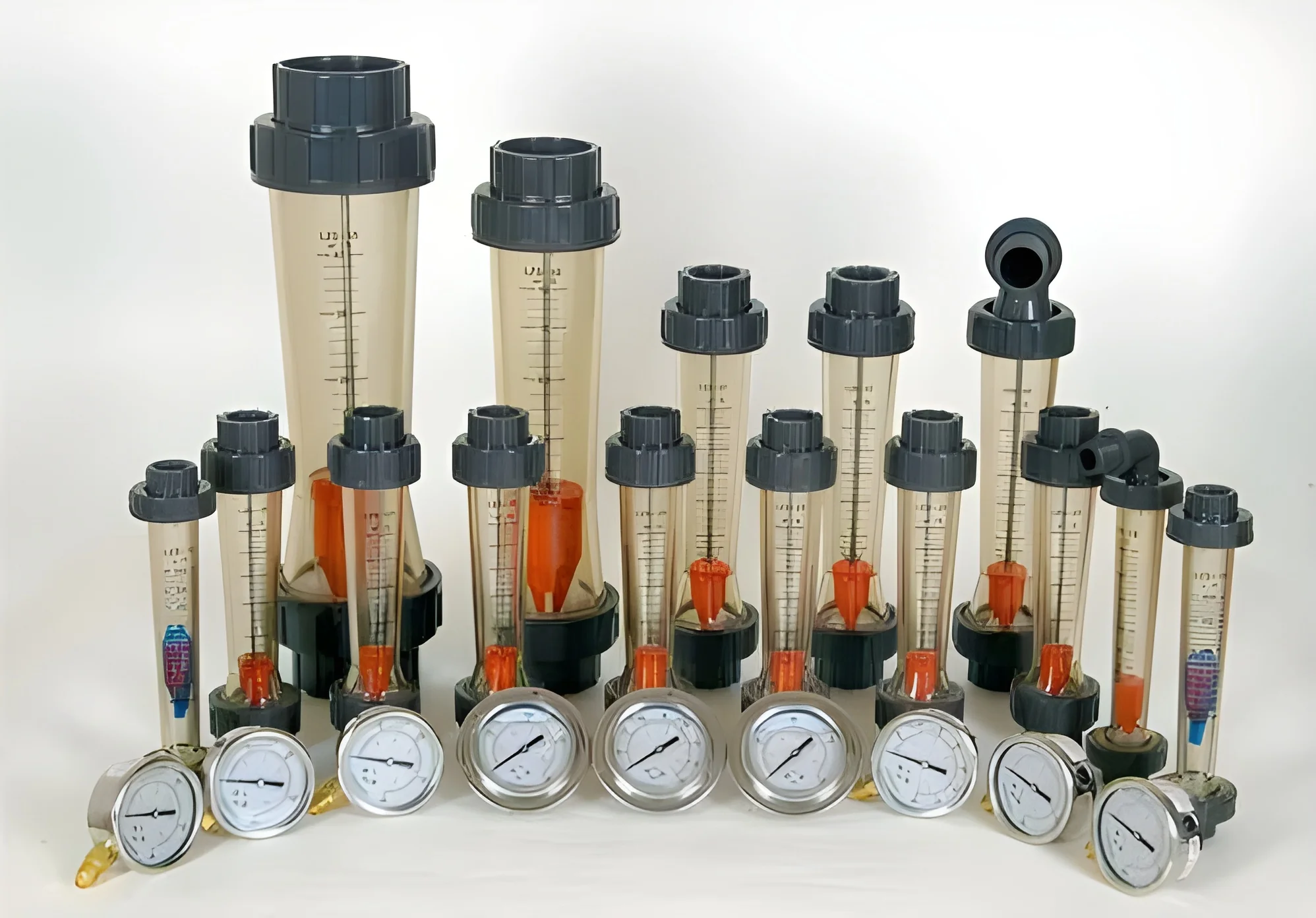
- Rotameters utilize a float in a tapered tube to indicate flow rate.
2. Flow Measurement Range
- Ultrasonic flow meters typically measure flow rates from 0.1 to 30 m/s.
- Rotameters cover a flow range from a few milliliters per minute to several hundred liters per minute.
3. Accuracy
- Ultrasonic meters offer an accuracy of ±1% of reading.
- Rotameters generally provide accuracy within ±2% of full scale.
4. Temperature Range
- Ultrasonic flow meters can operate effectively within a temperature range of -20°C to 60°C.
- Rotameters usually work within a temperature range of 0°C to 80°C.
5. Pressure Ratings
- Ultrasonic flow meters can handle pressures up to 16 bar.
- Rotameters are designed for pressures up to 10 bar.
6. Output Signals
- Ultrasonic flow meters commonly provide 4-20 mA or pulse output.
- Rotameters may offer analog outputs for integration with control systems.
7. Installation Type
- Ultrasonic meters can be installed inline or as clamp-on models.
- Rotameters are typically installed in a vertical or horizontal position.
8. Material Construction
- Ultrasonic flow meters are often made of stainless steel or PVC for durability.
- Rotameters are commonly made from glass or plastic for visibility.
In summary, understanding these features and specifications helps buyers select the appropriate flow meter calibration device for their specific industry needs.
Common Applications and Use Cases
Flow meter calibration is vital across various industries to ensure accurate flow measurement and compliance with regulatory standards.
1. Water and Wastewater Treatment: In this industry, flow meters are used to monitor water supply and treatment processes. Accurate flow data is essential for maintaining water quality and optimizing treatment operations.
2. Chemical Processing: Flow meters are crucial for measuring the flow of raw materials and chemicals in production lines. Calibration ensures that chemical ratios are accurate, preventing costly production errors.
3. Food and Beverage: In food processing, flow meters help monitor ingredient flow rates during production. Accurate measurements are necessary for maintaining product quality and adhering to health regulations.
4. Oil and Gas: Flow meters are used to measure the flow of crude oil and natural gas. Proper calibration helps in ensuring accurate billing and regulatory compliance.
5. Pharmaceutical Manufacturing: In this sector, precise flow measurements are critical for the production of medications. Calibration guarantees that dosages are accurate, ensuring patient safety.
6. HVAC Systems: Flow meters are used to measure air and water flow in heating, ventilation, and air conditioning systems. Calibration ensures energy efficiency and optimal performance.
7. Pulp and Paper Industry: Accurate flow measurement is essential for the mixing of pulp and chemicals. Calibration helps maintain product quality and consistency.
Product Variants and Subcategories
Flow meter calibration devices are available in various configurations to meet specific application needs.
Ultrasonic Flow Meter
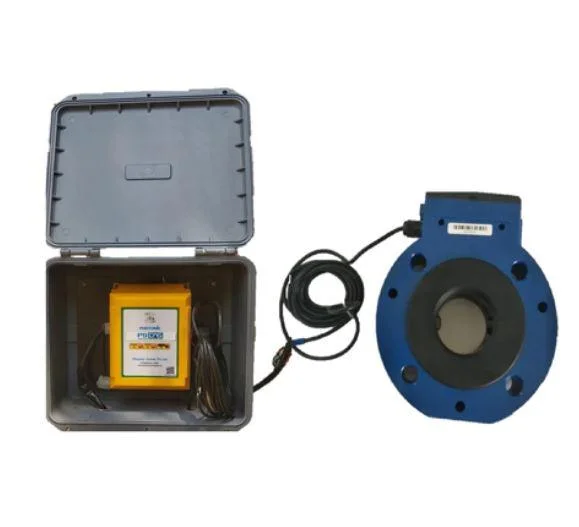
Ultrasonic flow meters are designed to provide non-invasive flow measurements using sound waves. They are ideal for applications where traditional methods may be impractical. These meters can handle a wide range of flow rates and are suitable for various fluids, including water and chemicals.
Rotameter
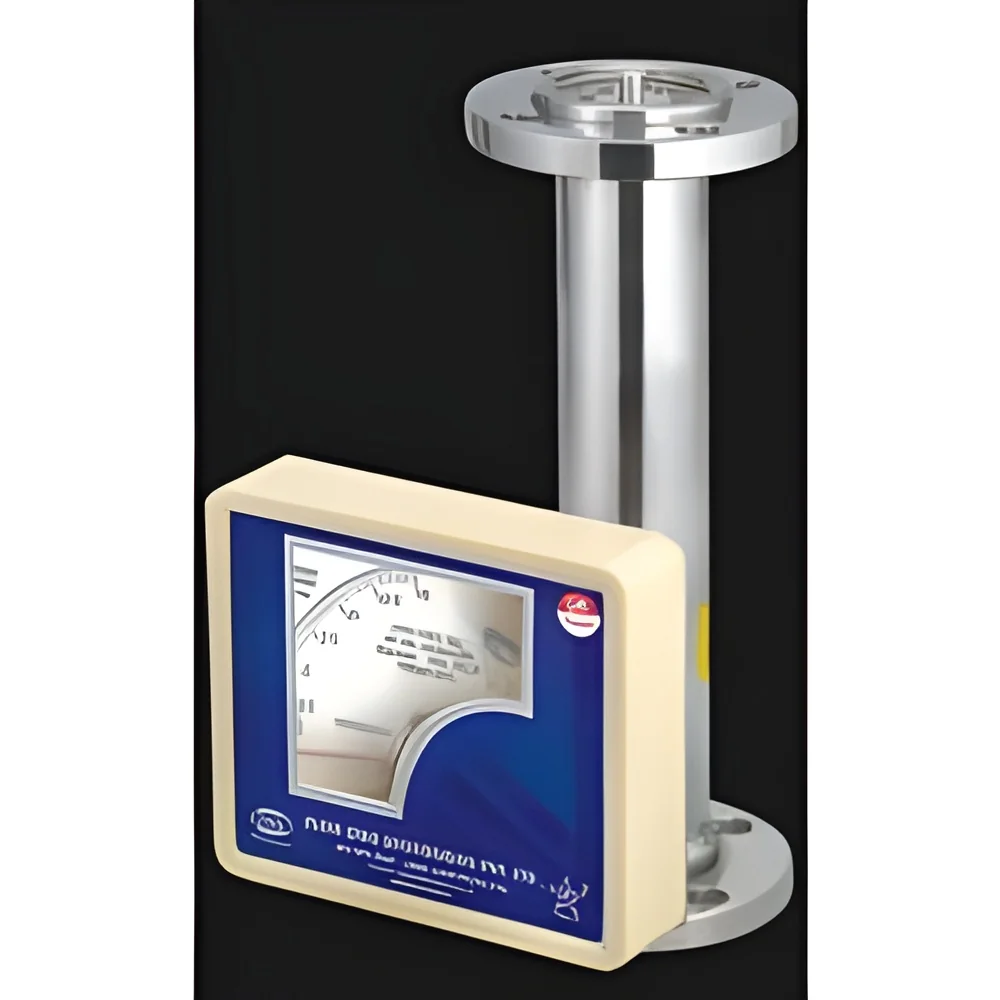
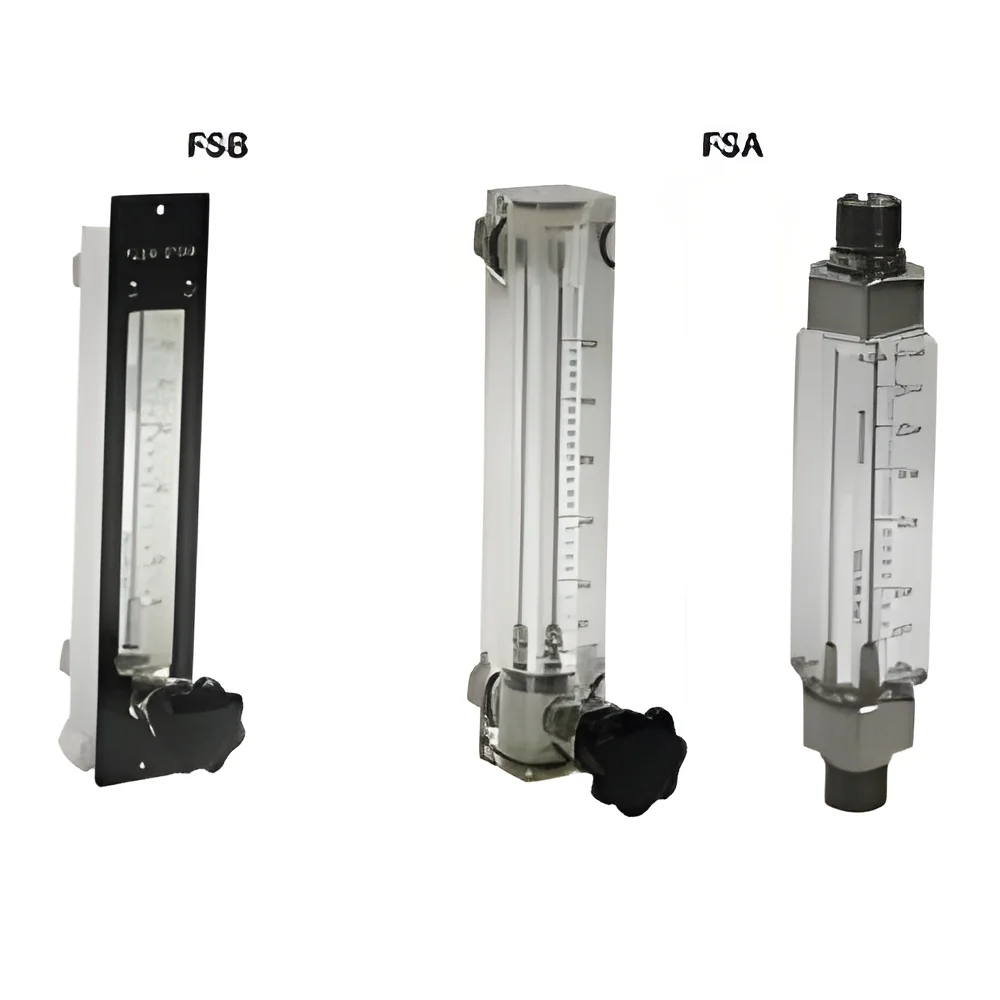
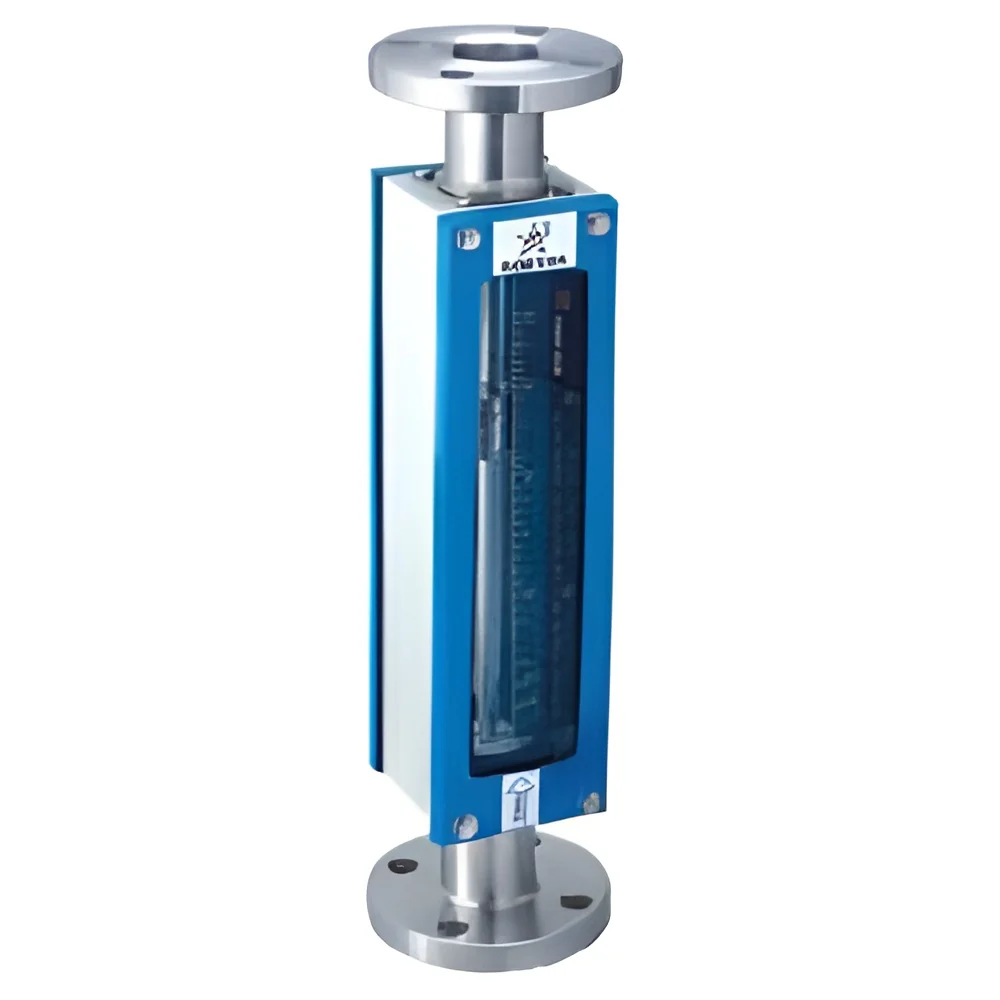
Rotameters are mechanical flow meters that use a float in a tapered tube to indicate flow rate. They are straightforward to install and operate, making them suitable for low to moderate flow applications. Rotameters are often used in laboratories and small-scale production facilities.
Benefits and Advantages
Investing in flow meter calibration brings numerous benefits to businesses across industries.
1. Enhanced Accuracy: Regular calibration ensures that flow meters provide precise measurements, reducing the risk of errors in production processes.
2. Compliance Assurance: Calibration helps businesses comply with industry regulations and standards, avoiding potential fines and legal issues.
3. Improved Efficiency: Accurate flow measurements lead to optimized operations, reducing waste and improving overall efficiency.
4. Cost Savings: By preventing measurement errors, calibration reduces the likelihood of costly reworks and product recalls.
5. Increased Equipment Lifespan: Regular calibration can extend the life of flow meters by identifying performance issues early.
6. Better Quality Control: Consistent and accurate flow measurements support quality assurance initiatives, enhancing product reliability.
Buying Guide for B2B Buyers
When sourcing Flow Meter Calibration (Ultrasonic, Rotameter), it is essential to consider several key factors to ensure a successful purchase.
1. Quality Assessment: Evaluate the quality of flow meters and calibration services. Look for certifications, user reviews, and case studies that demonstrate reliability.
2. Supplier Verification: Vet suppliers by checking their reputation, years in business, and customer feedback. A reliable supplier should also offer support and warranty services.
3. Pricing and MOQ: Consider the cost of acquiring flow meters and calibration services. Understand the minimum order quantities (MOQ) required by suppliers to plan your budget effectively.
4. Delivery and Lead Times: Inquire about delivery schedules and lead times. Timely delivery is crucial for maintaining operational efficiency.
5. Compliance Requirements: Ensure that the flow meters meet industry-specific compliance standards. This includes adherence to regulations that vary by region and industry.
Compliance and Certifications
Flow meter calibration devices must adhere to various quality standards to ensure reliability and safety.
ISO 9001 is a widely recognized standard that outlines the requirements for a quality management system. Compliance with this standard indicates a commitment to quality in manufacturing and service delivery.
HACCP (Hazard Analysis Critical Control Point) is critical in industries such as food and pharmaceuticals, where maintaining product safety is paramount. Calibration processes that meet HACCP standards help mitigate risks associated with product contamination.
CE and UL certifications are essential for ensuring that flow meters meet safety and performance standards. CE marking indicates compliance with European safety requirements, while UL certification demonstrates adherence to North American safety standards.
Regional compliance may vary, so businesses must ensure that their calibration devices meet local regulations, especially in international trade. This includes understanding specific requirements for different countries and industries.
Why Source Flow Meter Calibration (Ultrasonic, Rotameter) from Pepagora?
Pepagora stands out as a trusted platform for sourcing Flow Meter Calibration (Ultrasonic, Rotameter) with several advantages.
Verified Supplier Network: Pepagora offers a robust network of verified suppliers, ensuring that buyers have access to high-quality products and services. Each supplier is screened for reliability and performance.
Streamlined RFQ Process: The platform features an efficient request for quotation (RFQ) process, allowing buyers to obtain competitive quotes from multiple suppliers quickly. This simplifies the purchasing process and saves time.
Trade Assurance and Support: Pepagora provides trade assurance to buyers, ensuring protection against fraud and ensuring that transactions are secure. The support team is available to assist with any queries or concerns.
Regional Coverage: With a wide geographic reach, Pepagora serves buyers across India, the GCC, and Southeast Asia. This extensive coverage ensures that businesses can find suitable suppliers regardless of their location.

 IN
IN